
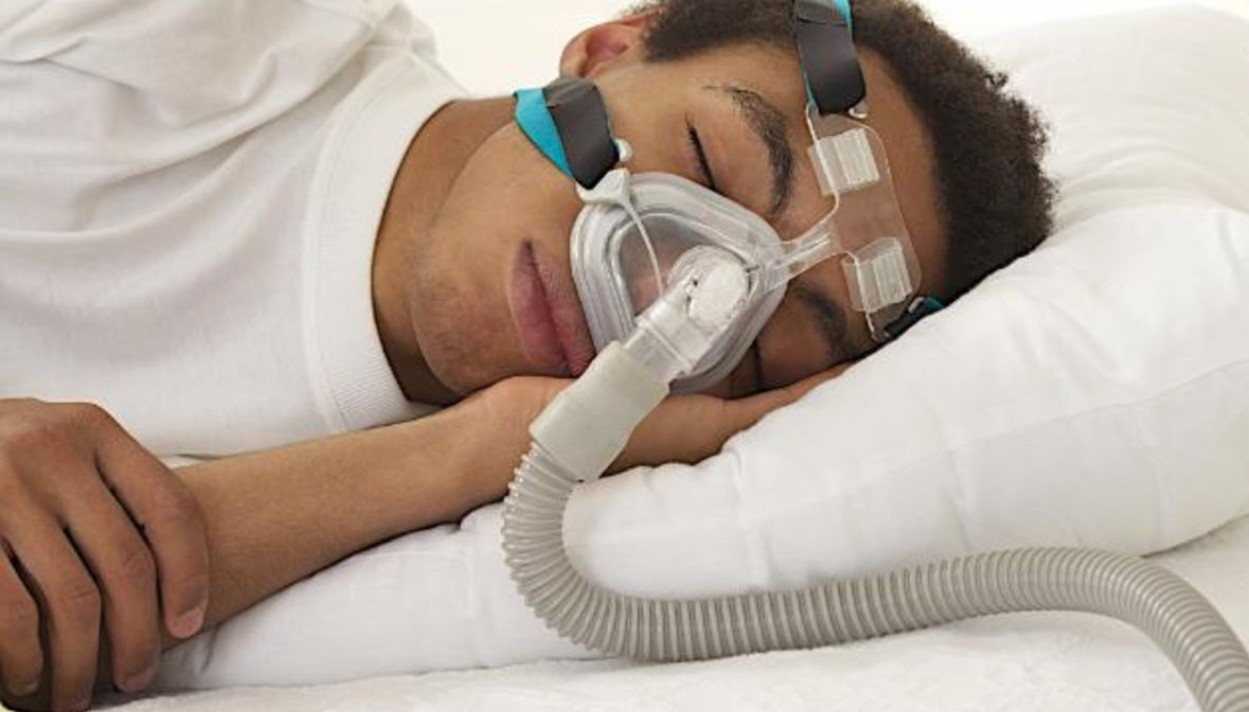
Sleep Apnea and Safety
Think back to the last time you came to work after a night spent tossing and turning – or with no sleep at all. Now imagine working that way day in and day out.
Think back to the last time you came to work after a night spent tossing and turning – or with no sleep at all. Now imagine working that way day in and day out.
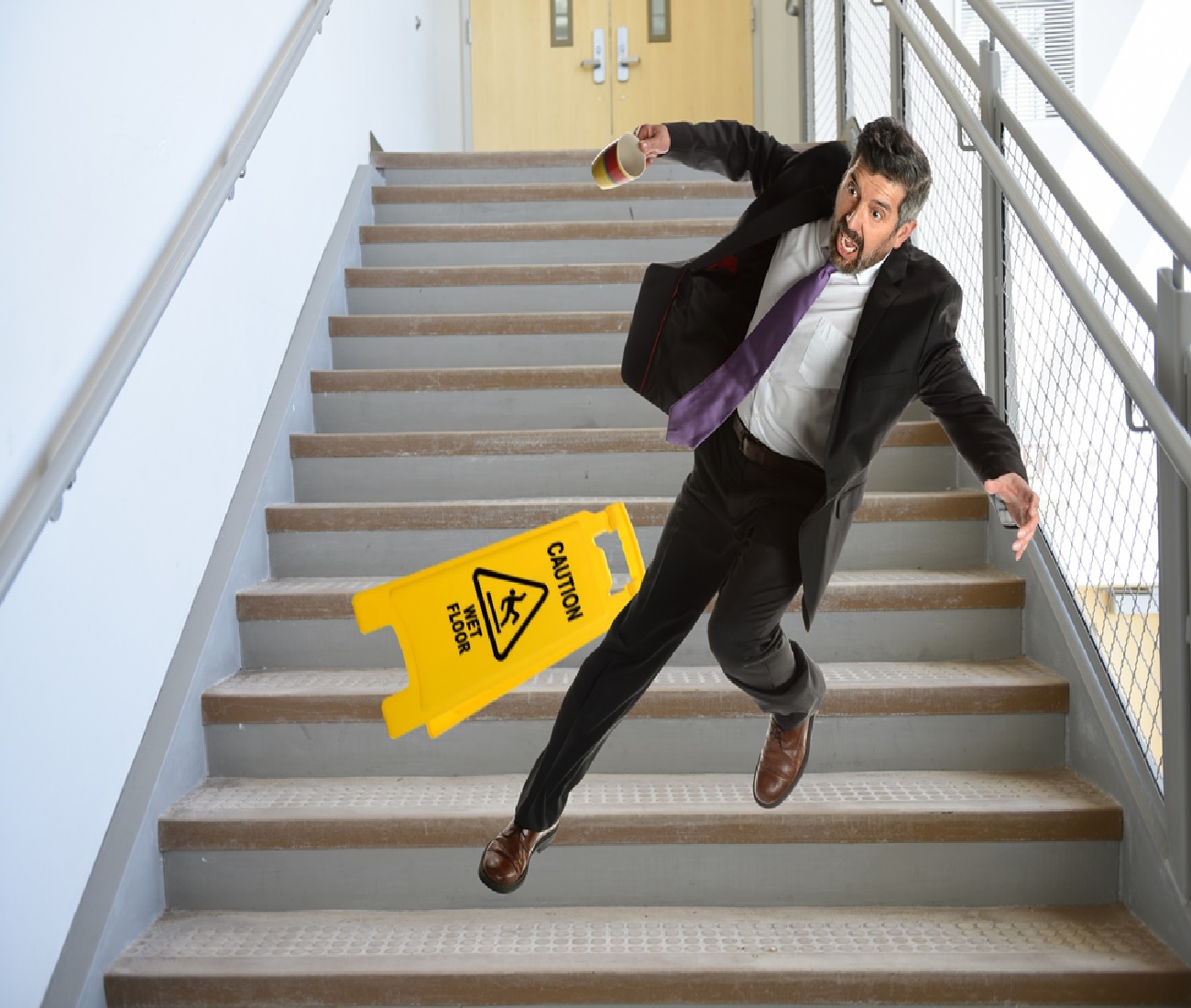
Poor housekeeping causes a wide range of injuries and fatalities, ranging from painful slips, trips and falls, to workers being unable to evacuate burning buildings because of blocked fire exits, to dust explosions that can claim multiple lives in an instant.
A near miss is not a lucky break. A near miss is an indication of a problem, either systematic or mechanical, that has very real potential for hazard. It’s a red flag calling for change to ensure that a similar situation in future doesn’t result in worker injuries or deaths.
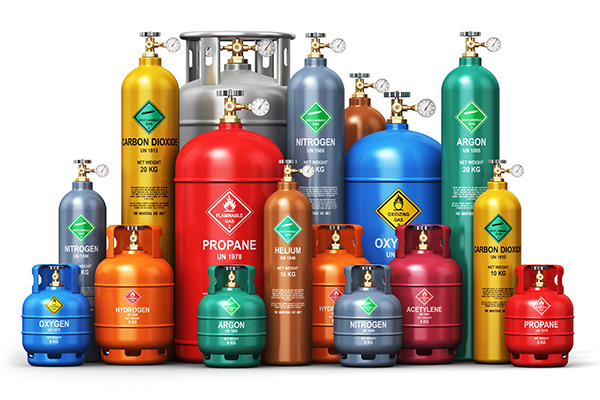
If pressure vessels are improperly operated or improperly maintained, they can fail catastrophically, potentially flattening buildings and killing workers and people living in the area.
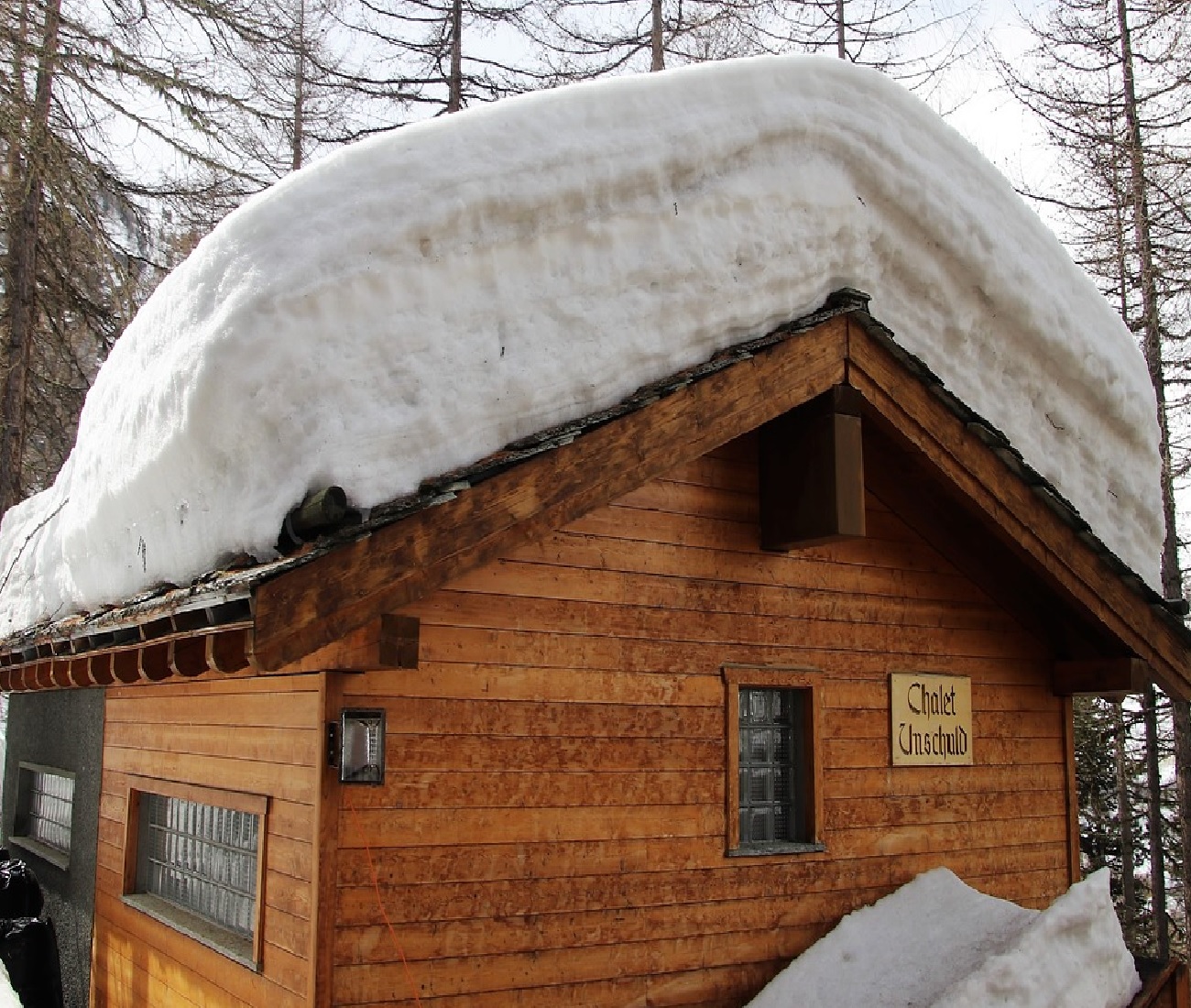
Snow and ice removal is a part of life for many facilities affected by winter weather. Clearing snow and ice from a roof can prevent injuries and property loss that occur when a roof collapses - but this activity also introduces hazards we need to understand and prepare for before any of us step on a roof.
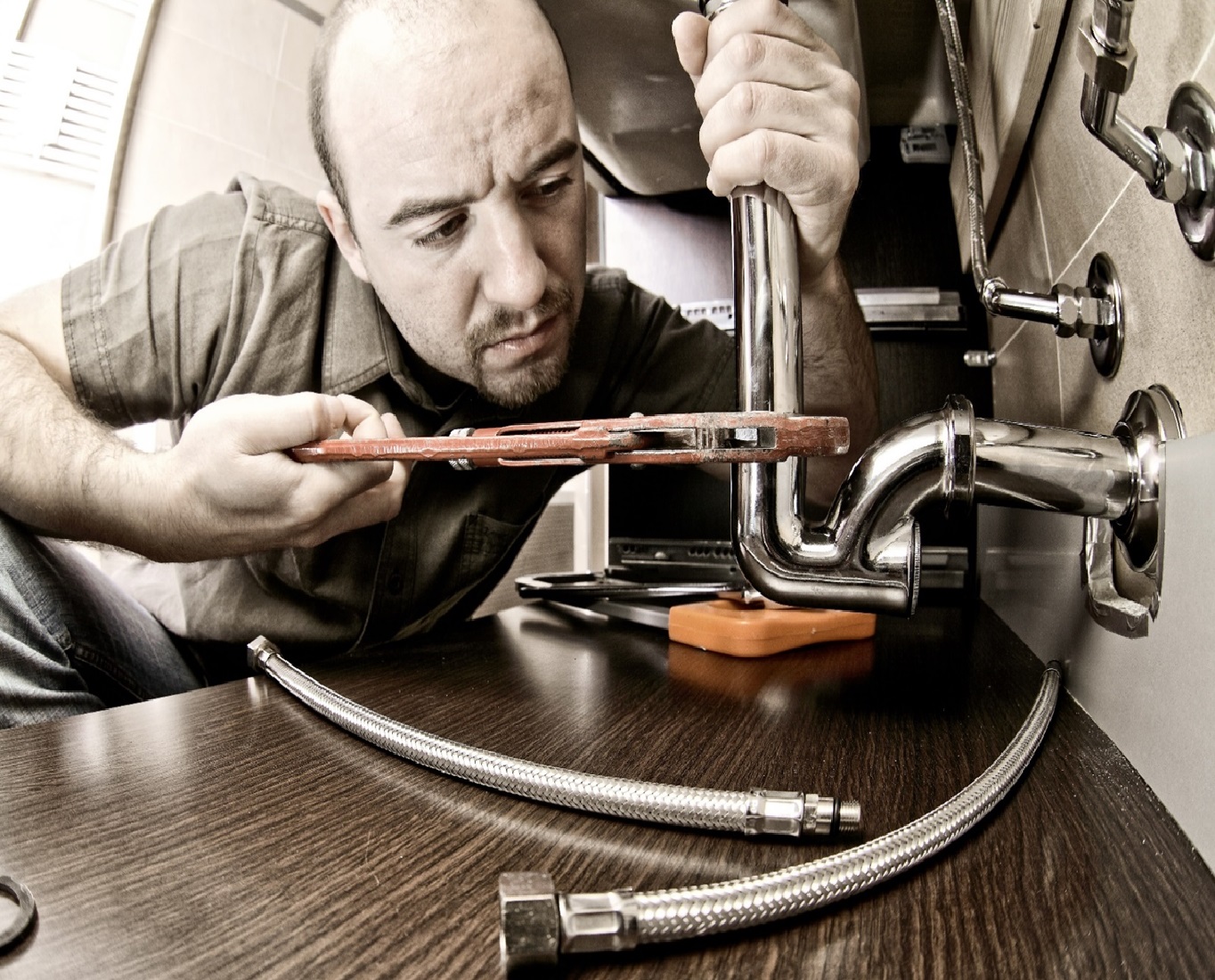
Hand and power tool injuries send more than 400,000 workers to the emergency room and cause hundreds of deaths every year. In this safety talk learn about some of the potential hazards associated with using hand and power tools.
Many people require professional help to prevent short-term shock from turning into something more serious and longer lasting - post-traumatic stress disorder (PTSD).
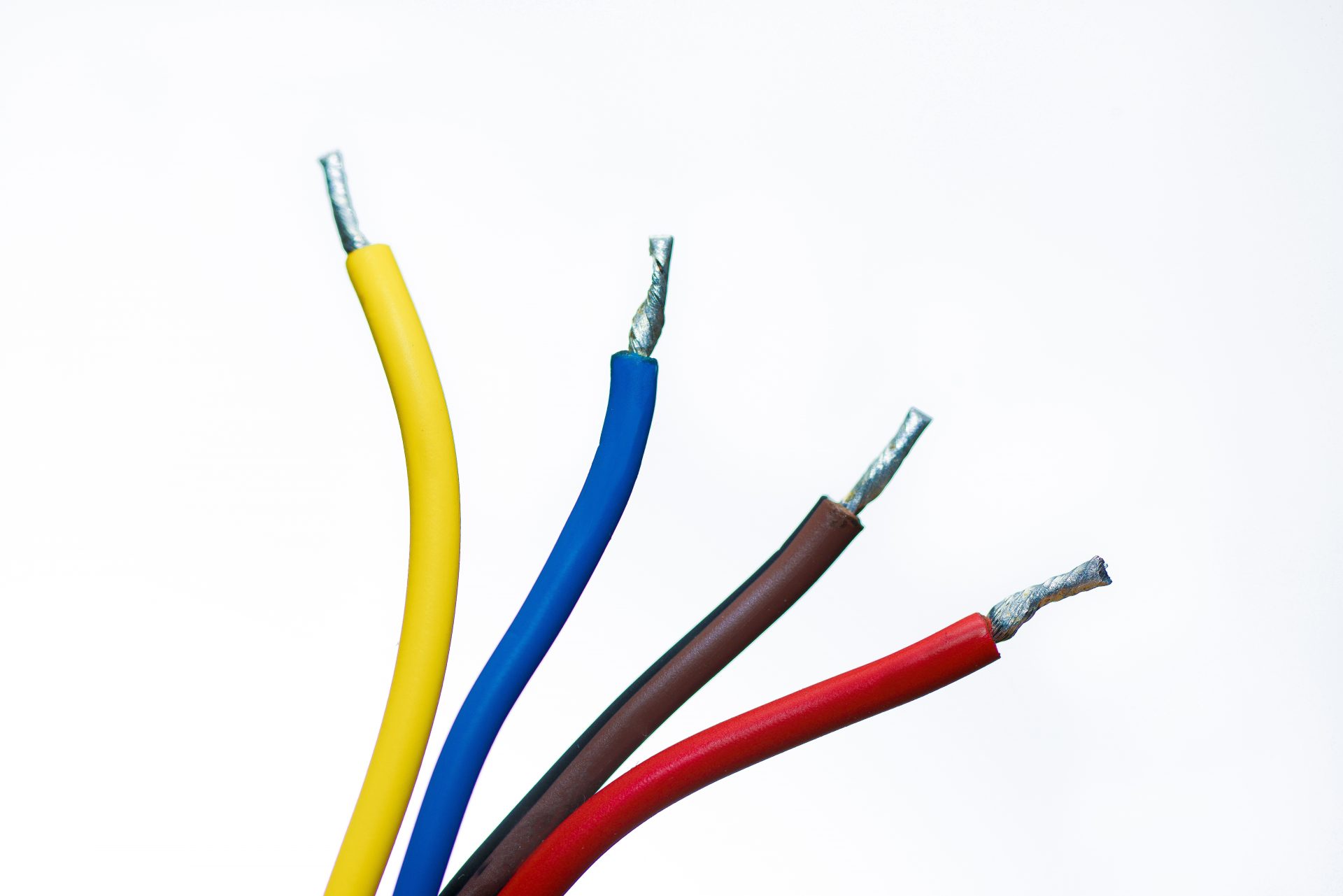
Thousands of non-disabling and disabling injuries occur annually from work with electricity and on average one person dies every day from an electrical incident on the job.
We encounter many potentially dangerous substances at work.
The safety rules, policies and procedures of your workplace are there to protect you from workplace hazards and to help prevent injuries.

Laboratories harbor fire and explosion hazards, and radiation hazards. There may be high-powered equipment which could cause cuts, entanglement or electrocution. There also could be biohazardous materials which can cause fatal diseases.
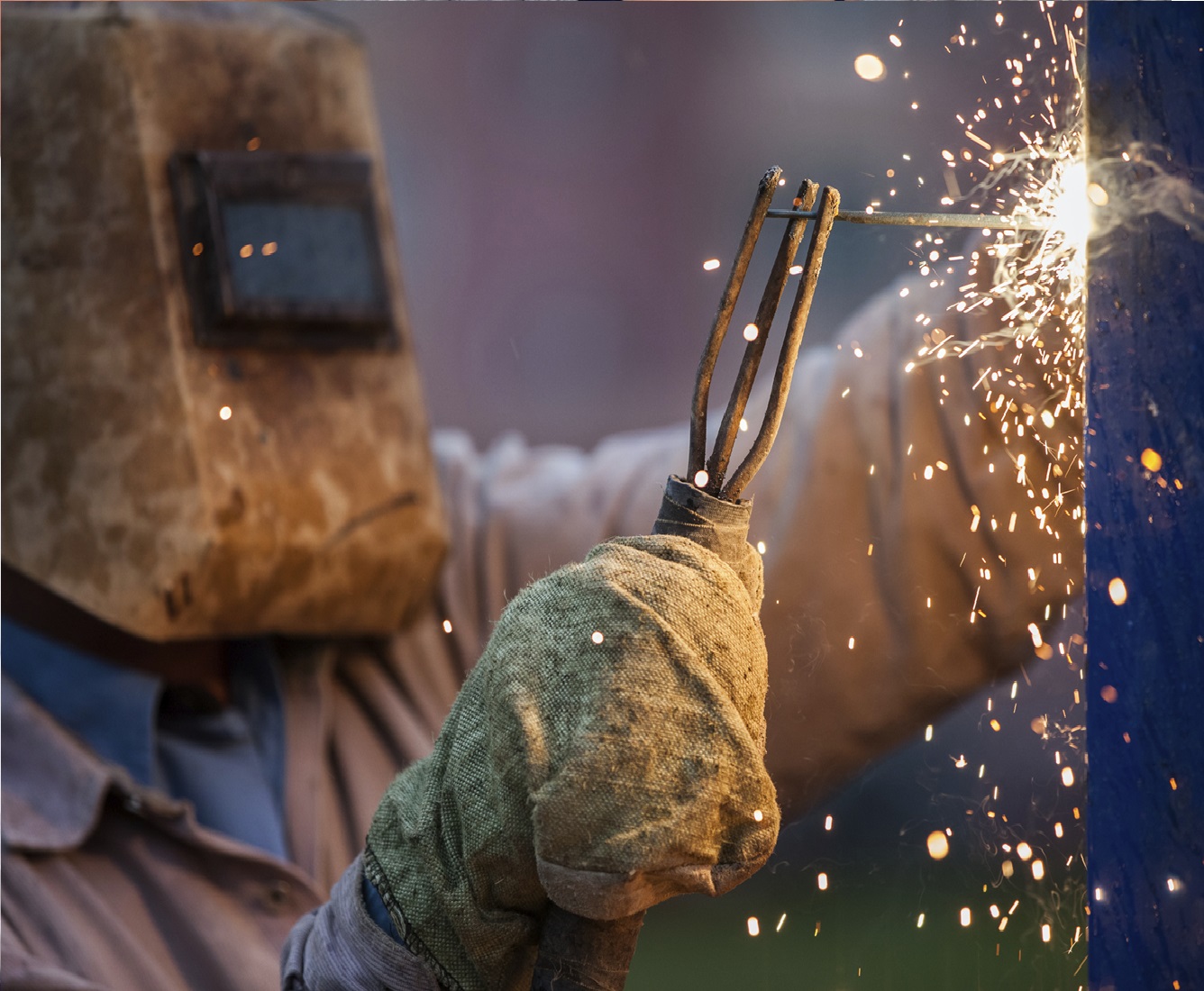
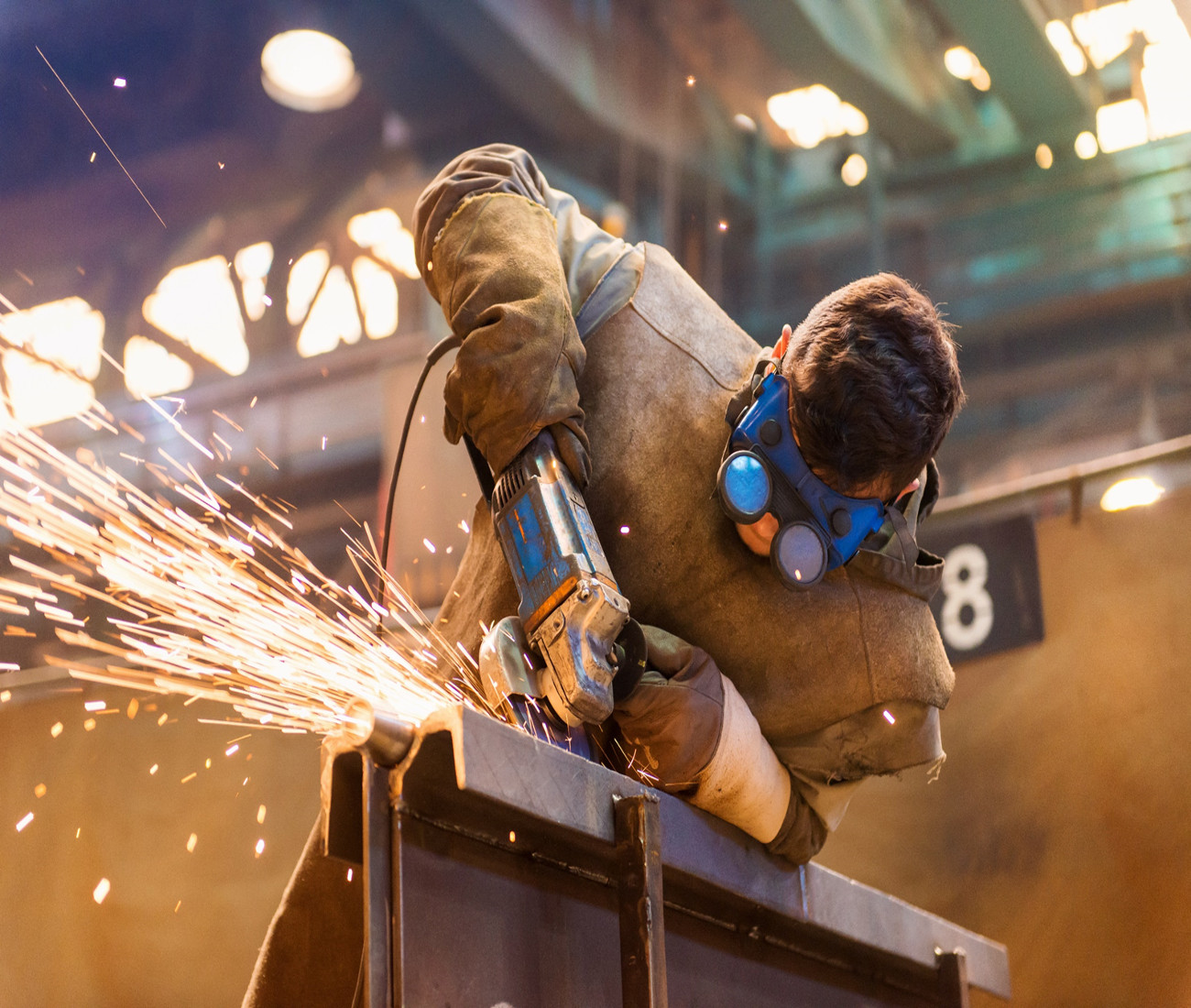
Welding poses a unique combination of both safety and health risks to more than 500,000 workers in a wide variety of industries.
How do you handle conflict? Do you get angry and say things you wish you hadn't? Or do you back down and regret you did not stand up for yourself?
If you work around cranes, slings and rigging, it is your responsibility to be familiar with the tools and equipment and how to use them safely.
Do you often need to make strange or awkward movements to get your work done? Long reaches, twists, bends and stretches put your shoulders, back and elbows in uncomfortable and unnatural positions. These postures can
Grinding wheels operate at very high speeds and can present health and safety hazards.
Tool belts are the next best thing to sliced bread, but they can turn a normally productive day into misery if you're careless.
How This Affects You: Your back is used in all you do, on and off the job, and hurting it can have severe consequences: a lifetime of pain, inability to work or play and reduced income.
Moving machinery is everywhere. Even something as innocent as a photocopier contains moving parts.
The Safety Talks! in this series are written to provide [...]
A worker received an electric shock on a piece of equipment he was using. He was not injured, and he did not report the incident. A few days later another worker also received a shock from the same defective equipment, and again did not report the problem.
Every day we hear about environmental concerns. The diminishing ozone layer, overflowing landfills, pollution ... the list is endless. The problems seem so immense that we ask ourselves what one person can do.
Electrical shock is a leading cause of workplace fatalities and almost every day approximately one electrocution, 10 disabling injuries and 100 electrical shocks are reported.

Your body has a marvelous ability to regulate its internal temperature through sweating and the cooling effect caused by the evaporation of sweat. But there are a number of factors that can interfere with this process and cause your body temperature to spike, resulting in heat illness.
Electronics technology has progressed so quickly that instant messaging, the Internet and credit-card sized music players are now in the hands of millions of North Americans. Workplace regulations concerning the use of electronic devices are a hot-button issue. Musical distractions in vehicles, however, are almost impossible to regulate.
Since it's your first time, you may want to checkout some of the video tutorials.








 800-ICW-SAFETY (800.429.7233)
 SAFETYOnDemand@icwgroup.com