
ESSENTIAL 29: Machine Guarding
Key Takeaways: Understanding the hazards of working with mechanical equipment, [...]

Key Takeaways: Understanding the hazards of working with mechanical equipment, [...]
Key Takeaways: Learning about the physical and behavioral hazards that [...]

Key Takeaways - Observing the costs of violating Health Insurance [...]

Key Takeaways: - Learning about sexual harassment. - Recognizing behaviors [...]
Key Takeaways: - Learning the key components of manual and [...]

Course Description Personal safety is about the choices we make, [...]
Key Takeaways - Recognizing common types of supported and suspended [...]

Key Takeaways: - Appreciating the value of PPE for the [...]
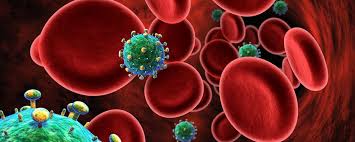
Key Takeaways: - Learning about vector-borne illnesses and how they [...]

Key Takeaways: - Observing hazards of winter driving while operating [...]

Key Takeaways: - Understanding employee rights to request both jury [...]

Key Takeaways: - Learning how to appropriately respond to soft [...]
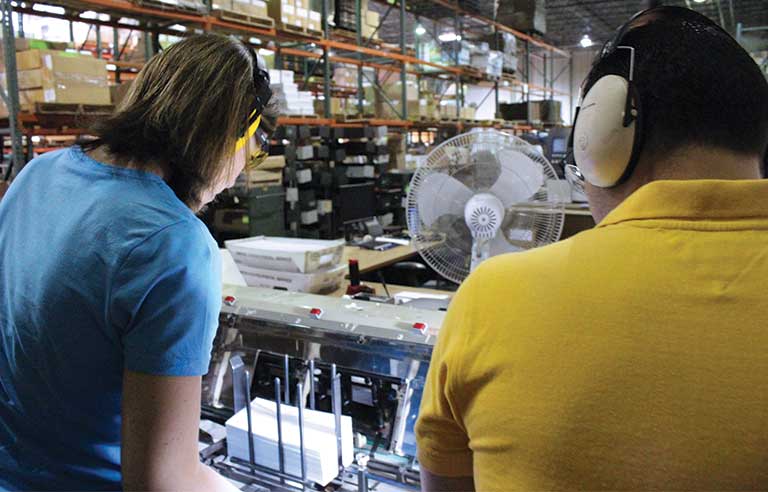
Key Takeaways: - Understanding the hazards of working with mechanical [...]
Key Takeaways: - Learning about common types of supported and [...]
Key Takeaways: - Accepting that it is more effective to [...]
Course Description This course is all about loading dock safety: [...]

Course Description Poor IAQ doesn’t just make people uncomfortable—it can [...]
Course Description This course teaches employees how to identify common [...]

Key Takeaways: Recognizing workplace violence Identifying warning signs of workplace [...]
Key Takeaways - Recognizing common types of supported and suspended [...]
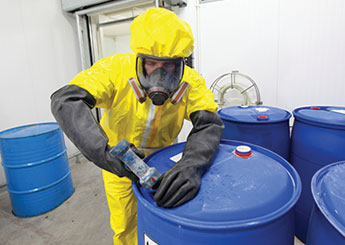
Key Takeaways: - Identifying all workplace chemical hazards and the [...]

Course Description This course will talk about what hydrogen sulfide [...]

Key Takeaways: - Knowing the hazards of working in cold [...]

Key Takeaways: - Recognizing human error and workplace incidents - [...]

Key Takeaways: - Learning how to practice good posture, improve [...]
Since it's your first time, you may want to checkout some of the video tutorials.






 800-ICW-SAFETY (800.429.7233)
 SAFETYOnDemand@icwgroup.com