

FUNDAMENTAL 55: NFPA 70E Arc Flash
Key Takeaways: - Understanding the difference between arc flash and [...]
Key Takeaways: - Understanding the difference between arc flash and [...]
Key Takeaways: - Observing the dangers associated with fire and [...]

Key Takeaways: Learning the dangers of earthquakes Knowing the actions [...]

Key Takeaways: - Appreciating the value of foot PPE - [...]

Key Takeaways: - Understanding the purpose and importance of a [...]
Key Takeaways: - Understanding the steps and actions needed to [...]
Key Takeaways: - Knowing what asbestos is - Remembering examples [...]
Key Takeaways: - Recognizing different types and uses for aerial [...]

Key Takeaways: - Understanding the purpose of OSHA requirements for [...]
Key Takeaways: - Understanding the hazards posed by falling four [...]
Key Takeaways: - Identifying the features of Admin status in [...]
Key Takeaways: - Learning how electricity works with hazards on [...]
Key Takeaways: - Understanding general applications of Bridge - Learning [...]
Key Takeaways: Realizing the hazardous substances in your laboratory and [...]
Key Takeaways: - Acknowledging the hazards associated with different types [...]

Key Takeaways: - Observing work-related stress and identifying the factors [...]
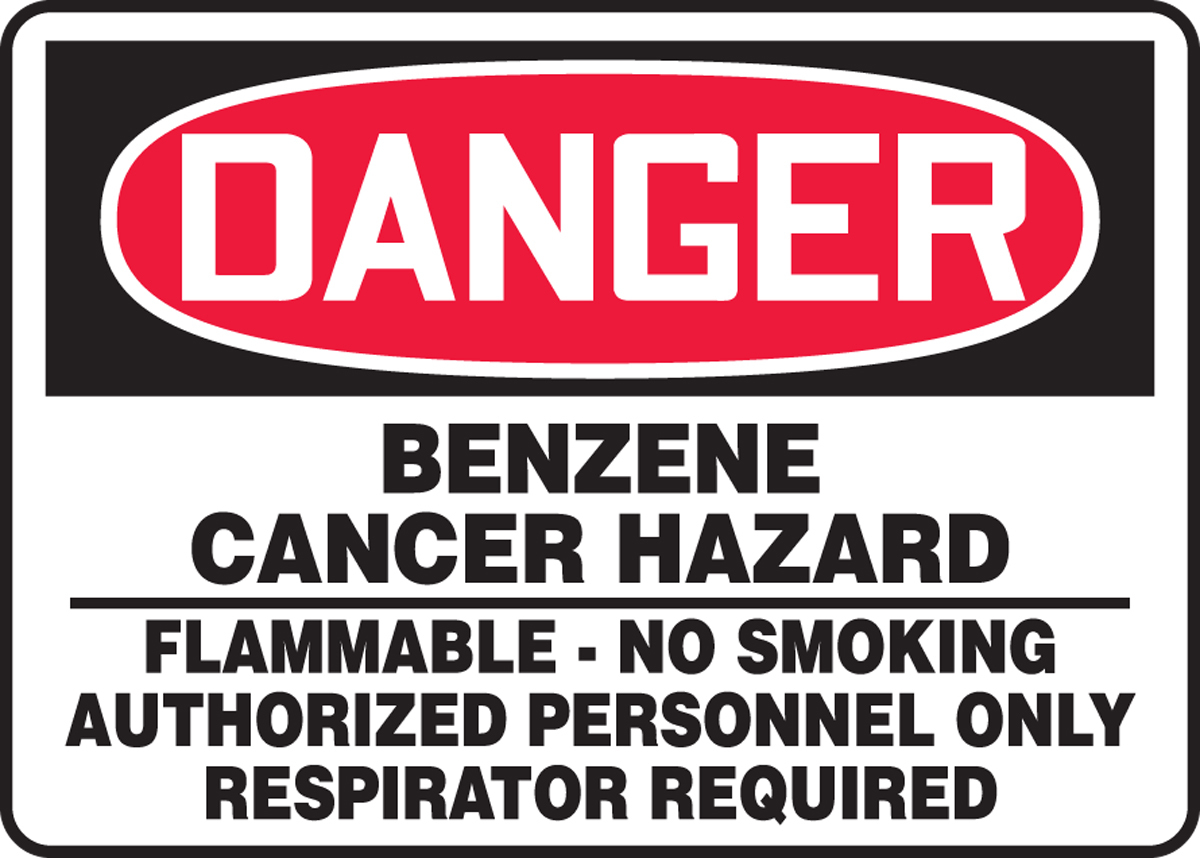
Course Description Benzene is subtle, invisible, and its most devastating [...]
Key Takeaways: Understanding the hazards of lead in the workplace. [...]

Course Description You’re an accident waiting to happen if you [...]
Developed by Oregon Nurses Association, Bay Area Hospital, and The [...]

In today's litigious society, we begin to take cautions, warnings and disclaimers from manufacturers' with a touch of skepticism or disregard. When it comes to hazardous chemicals in the work place, words, colors and symbols mean something. Not only is it your workers' right, it is their responsibility to know what they mean. This program will teach your employees to recognize and understand the different means of communication used to identify hazardous chemicals including the United Nation's new Globally Harmonized System. The training program will educate your workers on the physical characteristics and chemical properties communicated in the material safety data sheets and on the container labels enabling them to make proper decisions concerning the safe use handling and storage of the substances. The program covers the purpose and role of hazard communication, the different classification of chemicals and their hazards, the primary forms of communication, and best practices and procedures to ensure their safety and health. Chemicals are an intricate and valuable part of our life. When respected and handled properly, they pose minimum risk our safety and health. Knowledge is a valuable safety tool. Not only is it your workers' right to know, it is their responsibility to use it to protect their safety and that of their co-workers.

Key Takeaways: Distinguish between risk management and impairment management Explain [...]
Since it's your first time, you may want to checkout some of the video tutorials.











 800-ICW-SAFETY (800.429.7233)
 SAFETYOnDemand@icwgroup.com