
Main Category Group
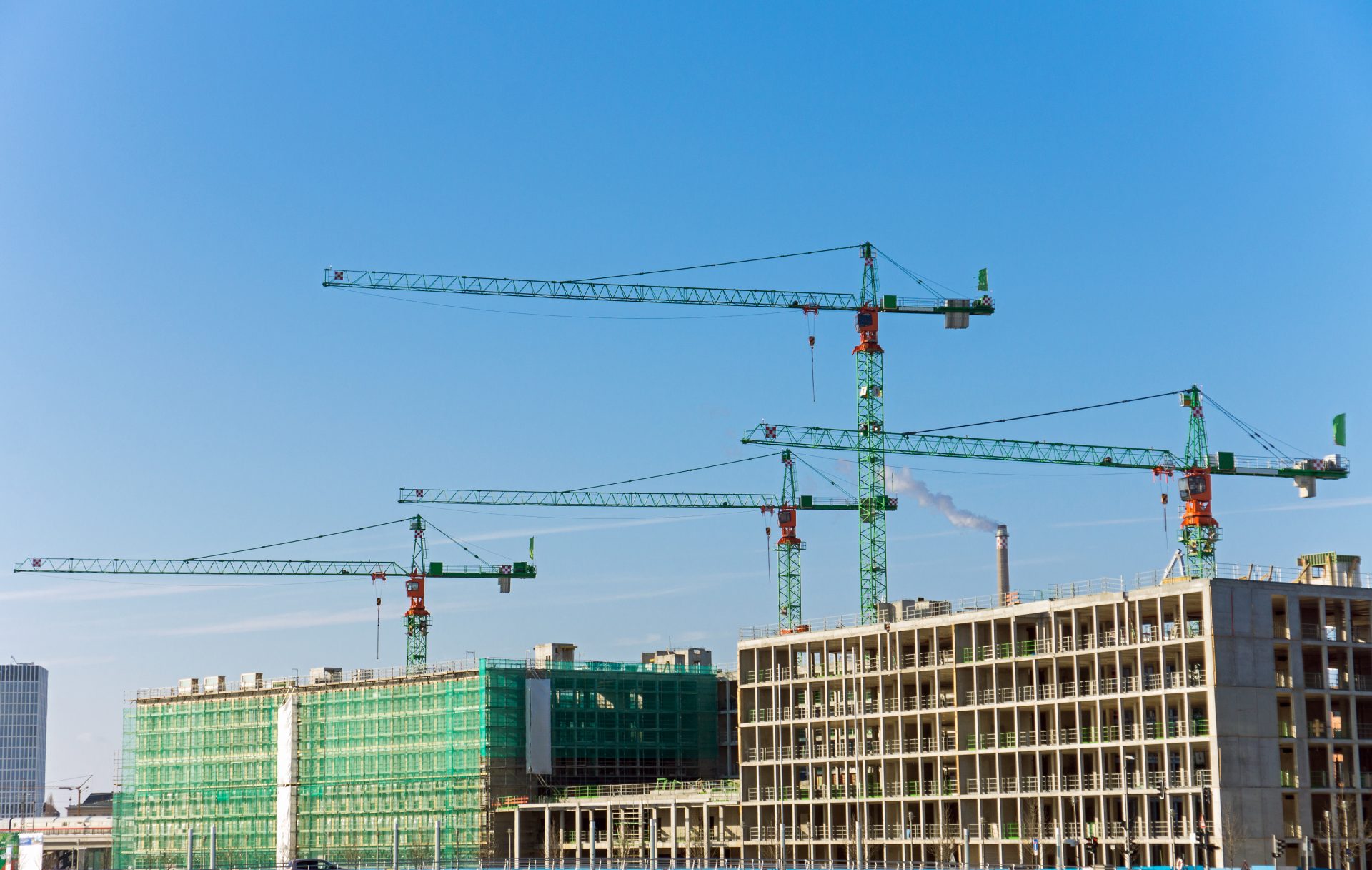
Raising the Bar for Wall Raising Safety
Raising a wall is a common task on a construction site. And it?s a task that endangers the safety of several workers at one time.
Main Category Group
Raising a wall is a common task on a construction site. And it?s a task that endangers the safety of several workers at one time.
Cuts and contact with substances in trash could expose you to dangerous chemicals and infections.
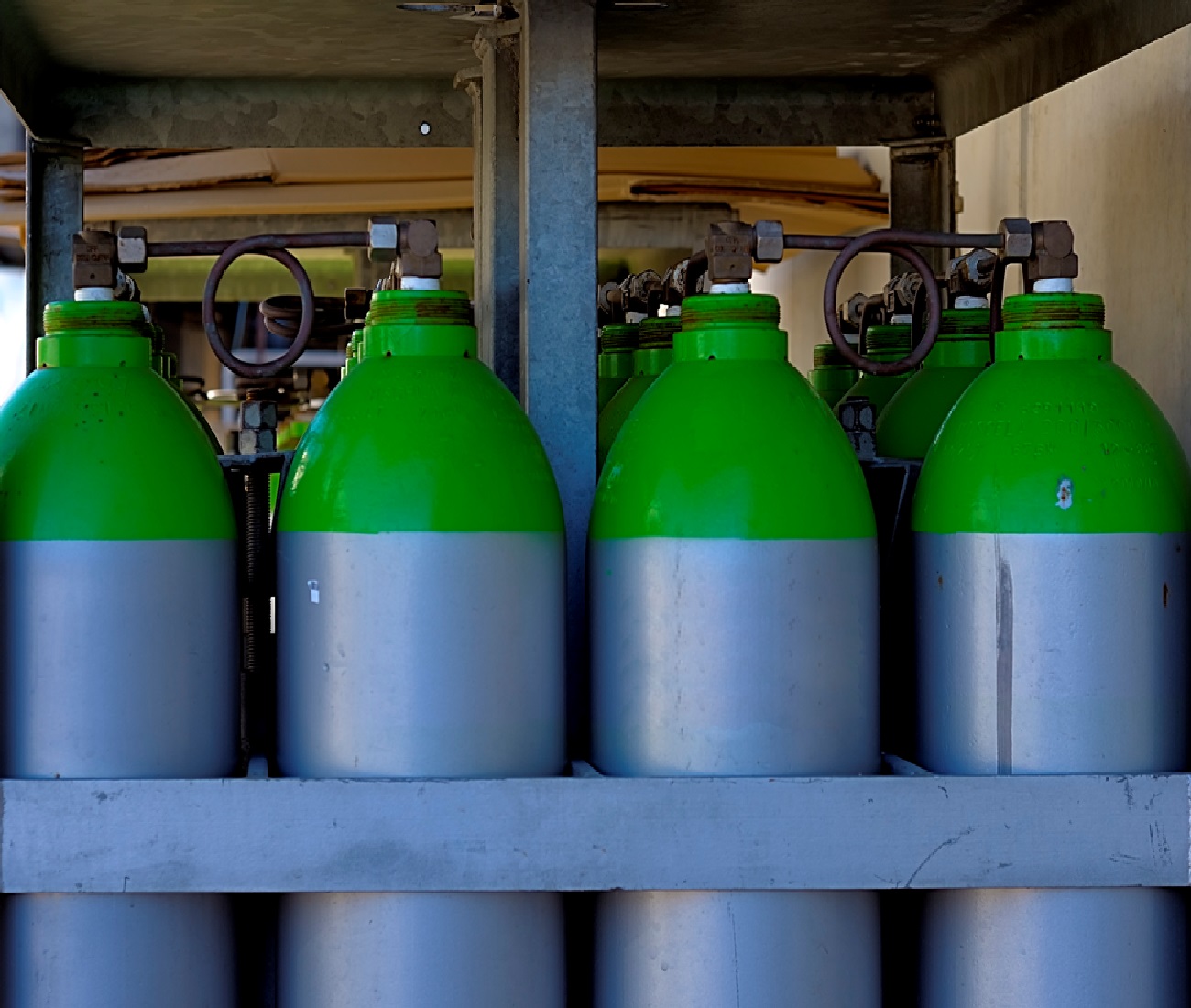
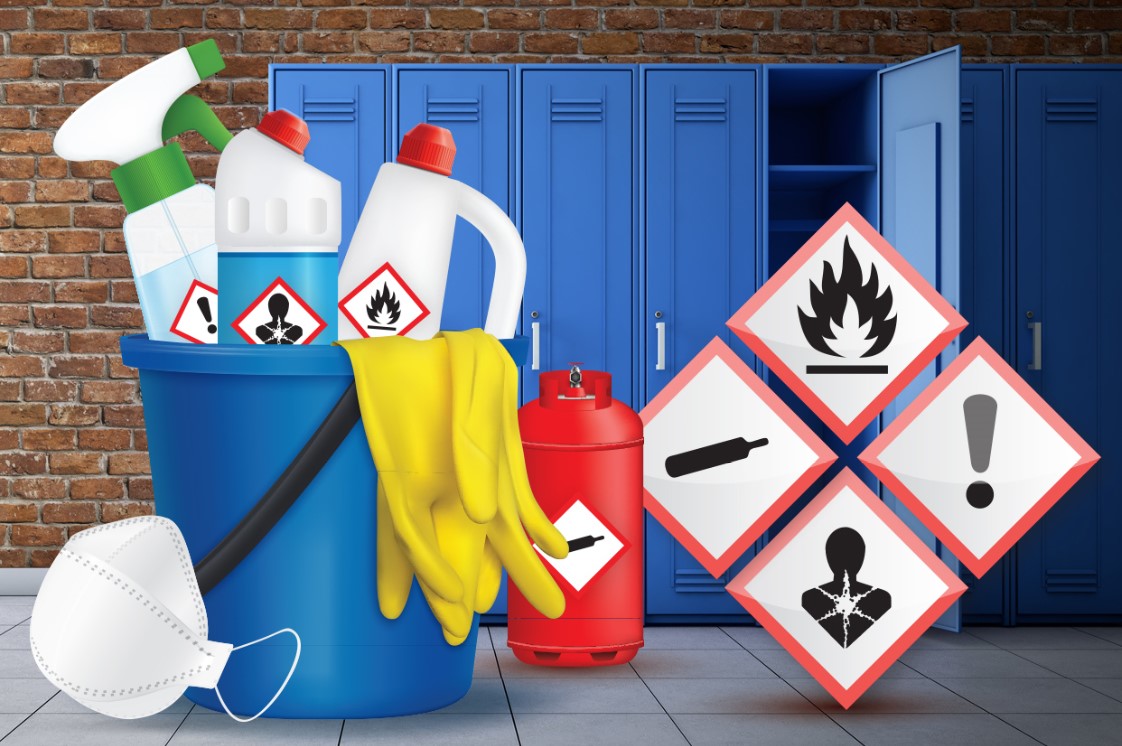
The hazards associated with compressed gas include oxygen displacement, fires, explosions, toxic effects from certain gases, reactivity and projectile concerns.
If you have never experienced a serious emergency in your workplace, you might find it hard to imagine such a thing could happen. However, every day in job settings just like yours, something goes seriously wrong.
Whether you are a machinist, a driver or a computer jockey, workplace housekeeping is part of your job.

Eyes are one of the most vulnerable parts of the body. They are susceptible to all kinds of injuries in the workplace if they are not properly protected.
It is important to be aware of the particular hazards of any stretch of road. However, the most critical mile is always the mile right in front of you. That is the mile which needs
Working outdoors in cold weather is just one of the reasons people in the oil and gas industry have to be tough.

If you aren't wearing the right protection your hands could be burned, frozen, cut, scraped or burned by chemicals. You could lose fingers, a thumb, or even your life. That's why you wear gloves.

Safety eyewear and face shields can save you from injuries which can lead to blindness. Prompt treatment of eye injuries reduces the risk of permanent damage.

Back injuries are a leading cause of lost time from work. They can occur in any type of job or workplace.
The Safety Talks! in this series are written to provide [...]
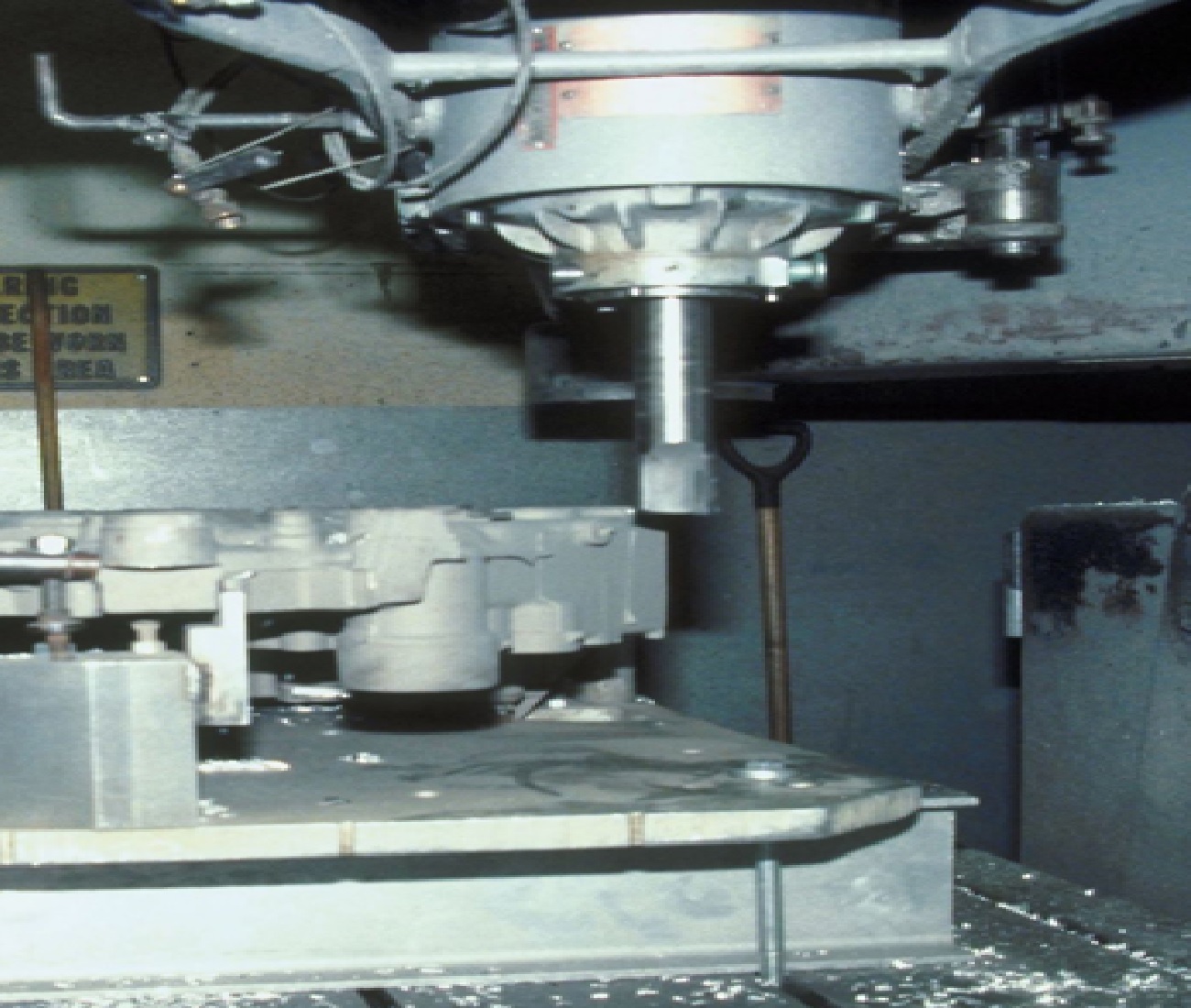
Lockout procedures eliminate the chance a machine could become energized whenever it is being cleaned, repaired, maintained, or unjammed.
Stress - everyone has it. It is a natural part of life, but too much stress can cause health problems and can affect your ability to work safely.
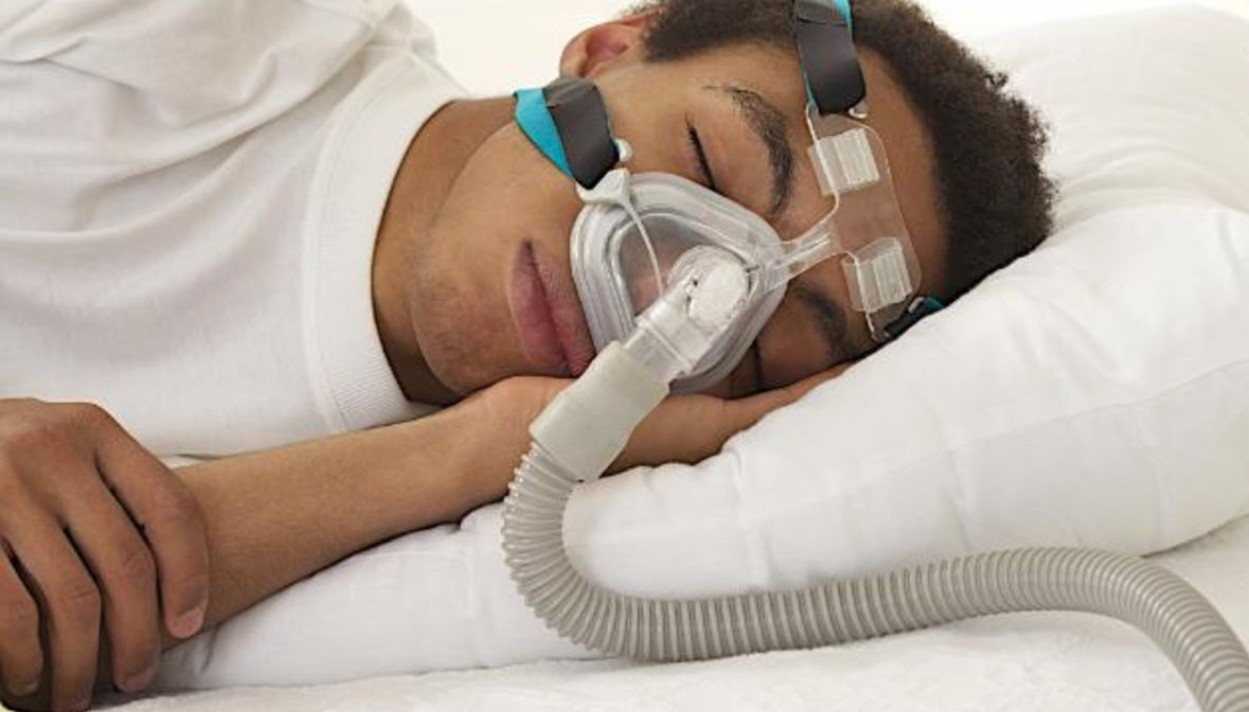
Think back to the last time you came to work after a night spent tossing and turning – or with no sleep at all. Now imagine working that way day in and day out.
Every year, more than 100 workers across North America die and thousands more are injured in highway work zones—areas where road construction, maintenance or utility work is being undertaken.
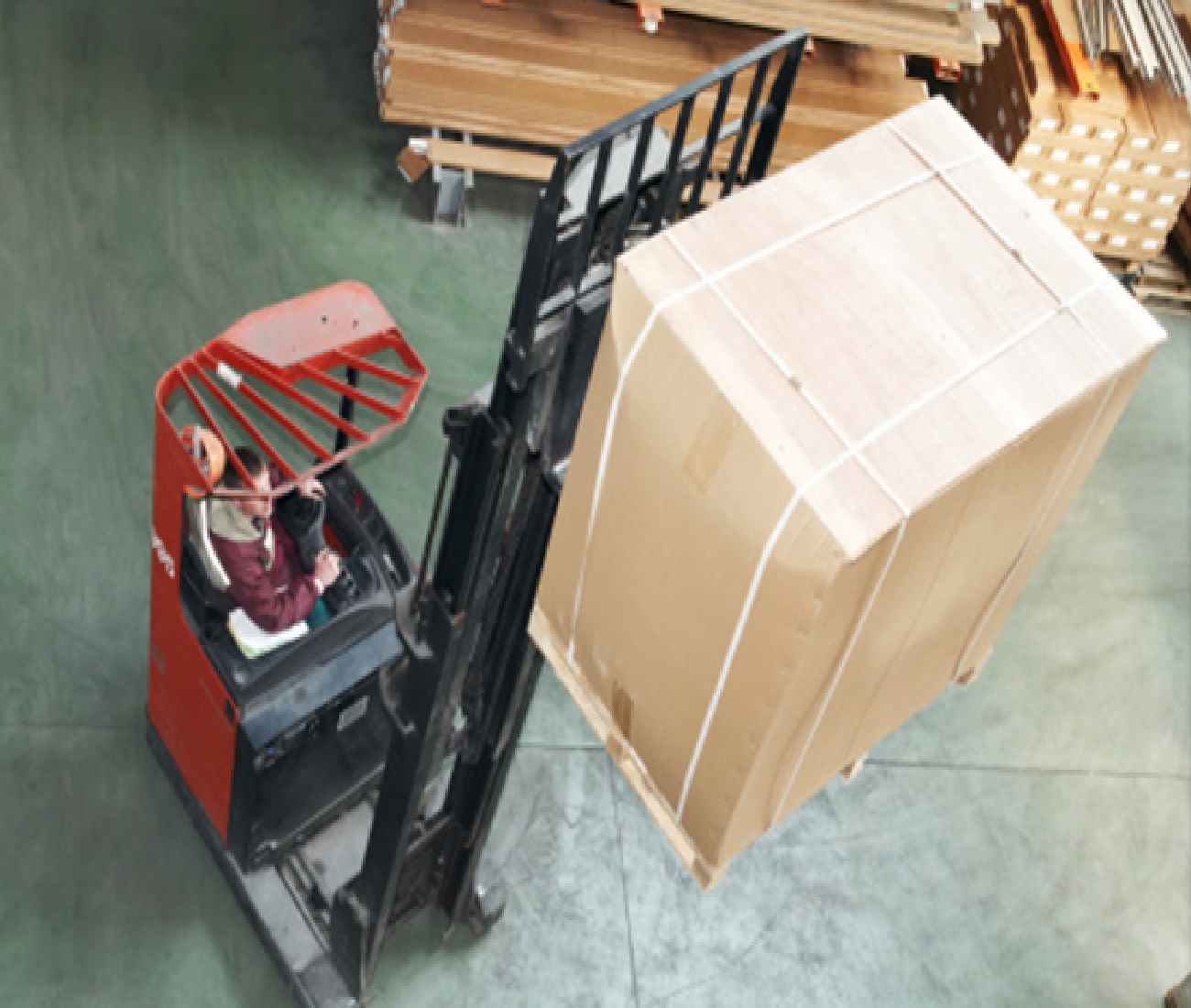
Workers who perform frequent and heavy lifting are at risk for back injuries and abdominal straining that can cause hernias. Arm, shoulder, neck and wrist pain is also a risk if materials are lifted improperly.
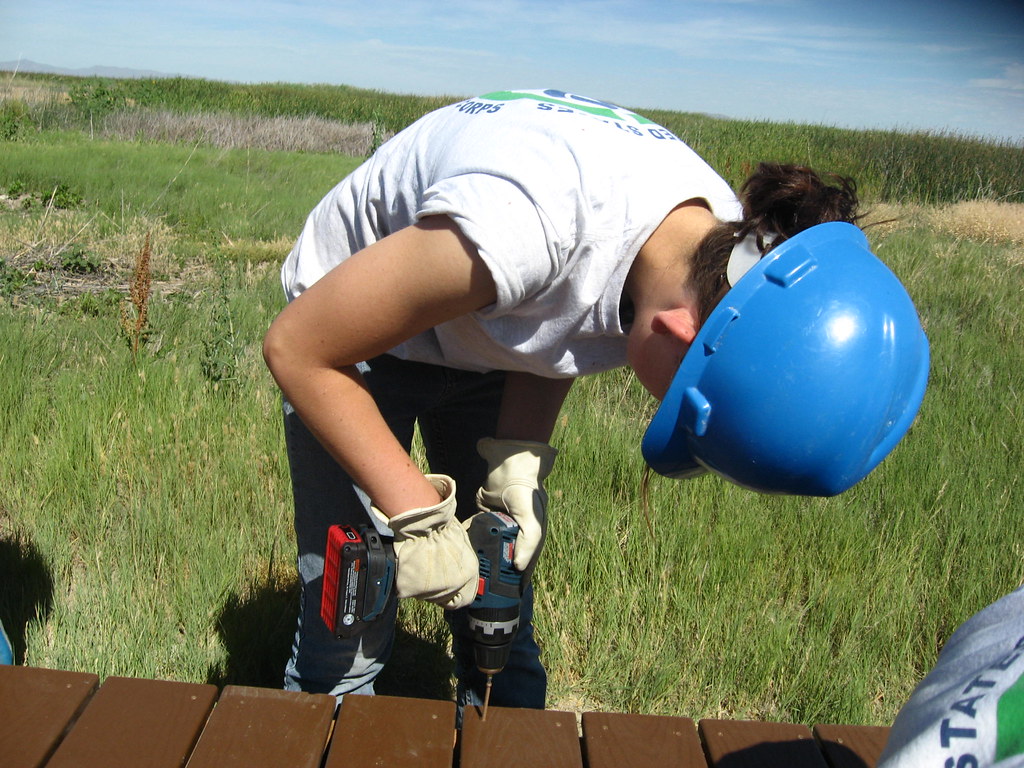
Fatal or disabling head injuries happen when people are hit in the head with running equipment, tools falling from above, broken machine parts propelled through the air and many other moving and stationary objects.
In this Safety Talk, we’ll look at what actually happens to our bodies as we age, why weight lifting helps us stay fit, and which exercises will help maintain muscle mass and strength.
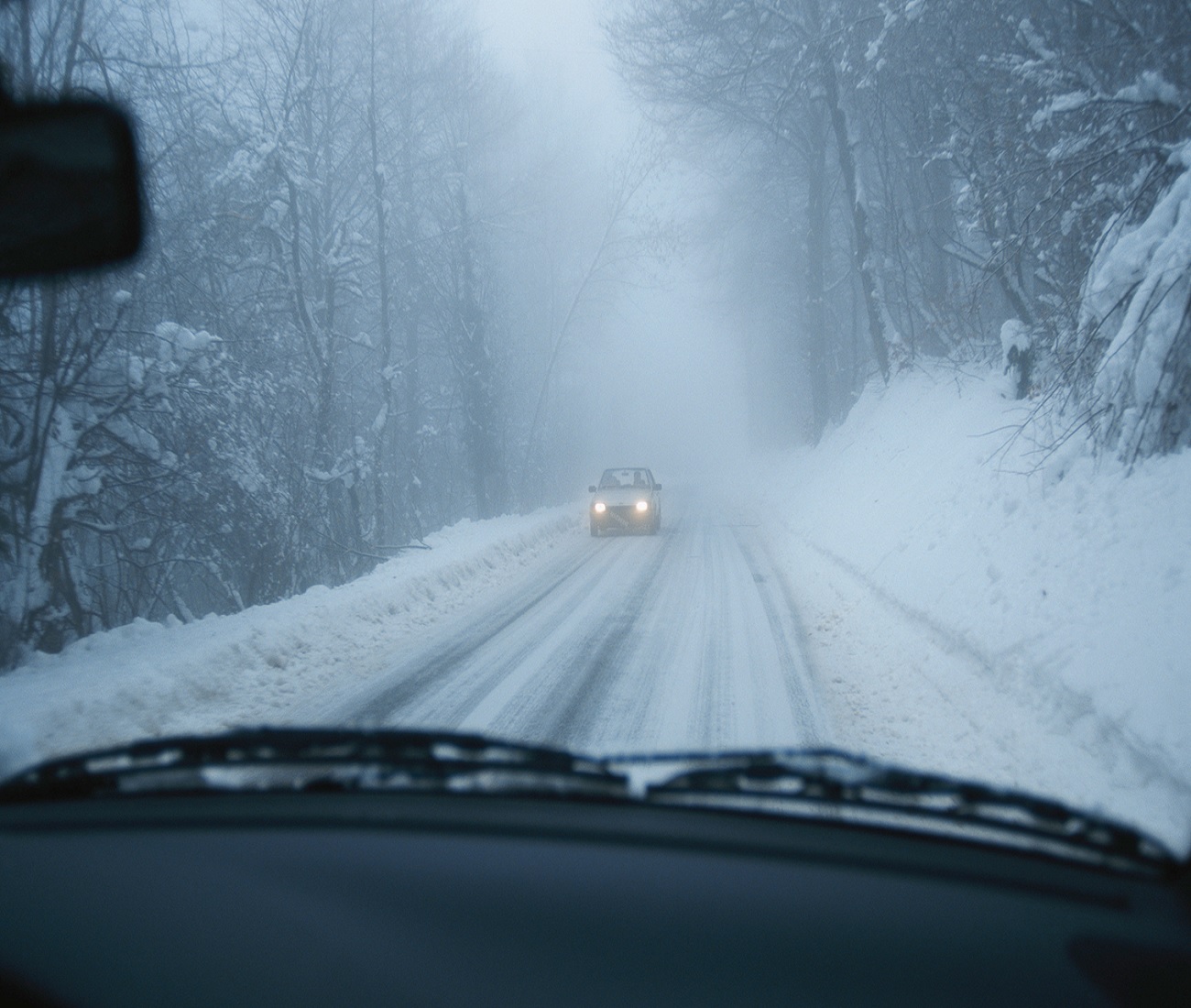
Winter weather can be unpredictable and dangerous. Getting caught in a winter storm can be downright deadly if you aren’t prepared.
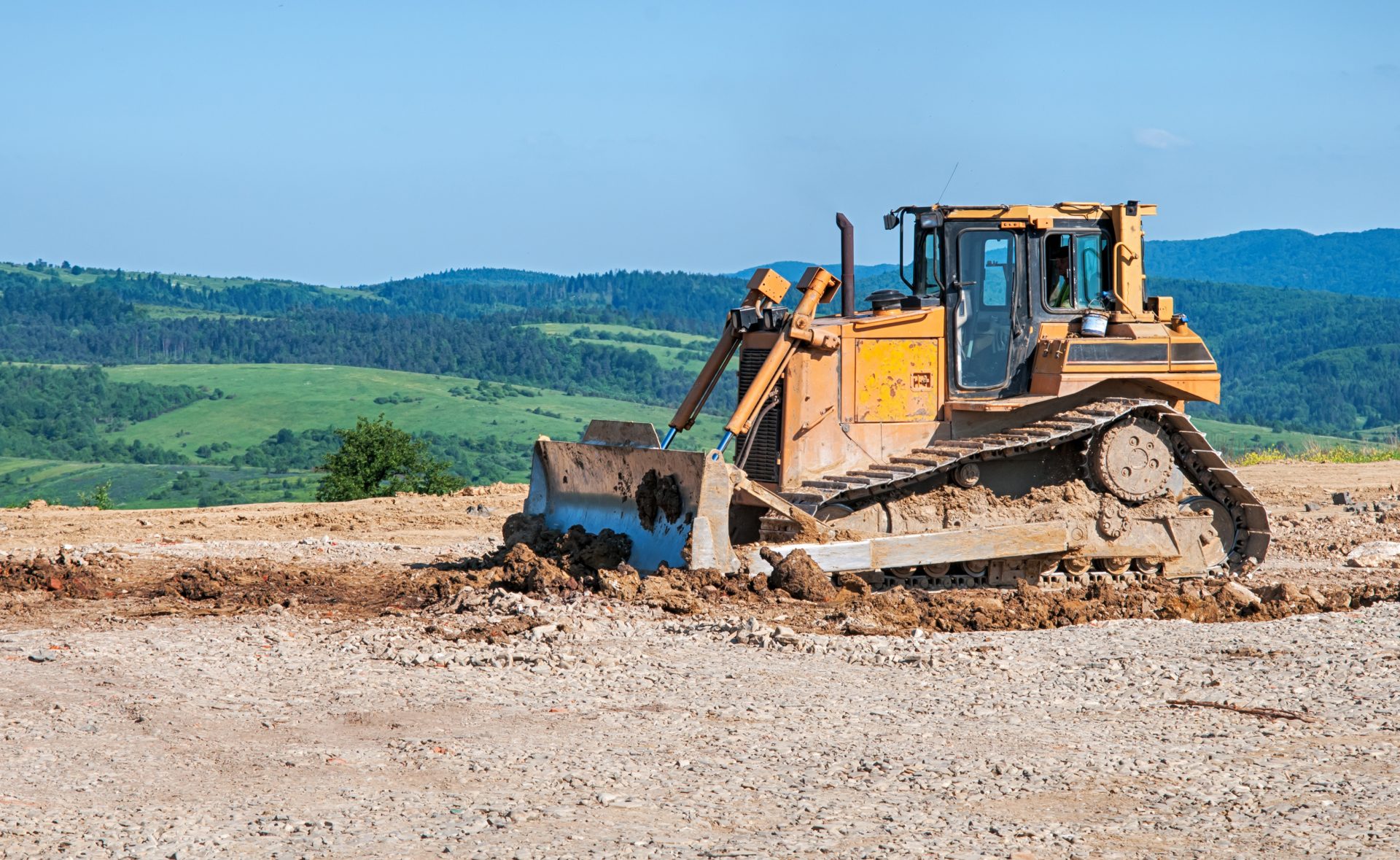
Each year over 20,000 workers are injured and hundreds are killed in road construction work zones.
If your job includes the use or handling of flammable substances, you need special training to recognize and avoid the hazards that go along with them.

Toxic chemicals are found in almost every home and workplace. In some industries such as chemical processing, they are used in great quantities. But they are also used for small, everyday tasks.
If you work with hazardous chemicals, then you?ve been trained on safe work practices to reduce your exposure. But have you ever considered the effects these chemicals might have on your family?
Since it's your first time, you may want to checkout some of the video tutorials.








 800-ICW-SAFETY (800.429.7233)
 SAFETYOnDemand@icwgroup.com