Hello, Guest!

Hello, Guest!

Main Category Group

Snowplow Safety

This program discusses how the safely operate Snowplows so operators can safely complete their tasks. Although they seem easy to use, they can be very dangerous when used by untrained drivers. Topics include: Pre operational inspection Obeying local, state, and federal laws Marking and flagging
Snowplow Safety2018-10-01T00:00:00+00:00

Lockout/Tagout – Spanish

It is estimated that over 100 workers are seriously injured every day due to failure to properly lockout-tagout equipment. This program covers the purpose of lockout-tagout, the hazards associated with the accidental release of stored energy, proper lockout-tagout procedures for attaining zero energy state, proper startup procedures and special situations. Referred by many professionals as the best training program in the market, Lockout-Tagout creates an awareness and respect for the hazards and motivates your workers to follow best practices to prevent incidents and ensure their safety.

Lockout/Tagout – Spanish2018-10-01T00:00:00+00:00

Solid Waste: Route Safety

Identifying and eliminating hazards are part of each drivers responsibilities. The purpose of this program is to help drivers analyze hazards and report them immediately to ensure their safety, the safety of their equipment and the safety of others working the same route in the future.

Solid Waste: Route Safety2018-10-01T00:00:00+00:00

Four Categories of Workplace Violence and Prevention Strategies

There are four generally agreed upon categories of workplace violence. Once you know what the categories of violence are you and your employer can practice ways to protect you, co-workers, and the public from ha

Four Categories of Workplace Violence and Prevention Strategies2018-10-01T00:00:00+00:00

Home Health Care – Slips, Trips and Falls – Spanish

Slips, trips and falls are the second most common cause of injury for home and community health workers. These types of accidents can result in serious disabling injuries and have a major impact on one???s ability to perform their job and may result in lost work days, reduction in productivity or a diminished ability to care for a client. Recognizing and correction of household hazards is examined as the first step in prevention. Common slips and falls are examined to show what are the actual root causes and steps are outlined for workers to take to reduce hazards for everyone in the home.

Home Health Care – Slips, Trips and Falls – Spanish2018-10-01T00:00:00+00:00

Supermarket: Bloodborne Pathogens

Bloodborne pathogens are sometimes called the ???Unexpected Hazard??? because, for most of us, we just don???t expect to come into contact with blood or bodily fluids when performing our normal job duties. Nevertheless, an unexpected encounter with bloodborne pathogens can happen at anytime. Responding properly when confronted with blood and other bodily fluids is critical to your health and safety. The purpose of this program is to provide viewers with the knowledge needed to take the appropriate actions when encountering bloodborne pathogens unexpectedly.

Supermarket: Bloodborne Pathogens2018-10-01T00:00:00+00:00

Lockout/Tagout Procedures

It is estimated that over 100 workers are seriously injured every day due to failure to properly lockout-tagout equipment. This program covers the purpose of lockout-tagout, the hazards associated with the accidental release of stored energy, proper lockout-tagout procedures for attaining zero energy state, proper startup procedures and special situations. Referred by many professionals as the best training program in the market, Lockout-Tagout creates an awareness and respect for the hazards and motivates your workers to follow best practices to prevent incidents and ensure their safety.

Lockout/Tagout Procedures2018-10-01T00:00:00+00:00

Solid Waste: Route Safety – Spanish

Identifying and eliminating hazards are part of each drivers responsibilities. The purpose of this program is to help drivers analyze hazards and report them immediately to ensure their safety, the safety of their equipment and the safety of others working the same route in the future.

Solid Waste: Route Safety – Spanish2018-10-01T00:00:00+00:00

Emergency Preparedness – Do You Know What to Do?

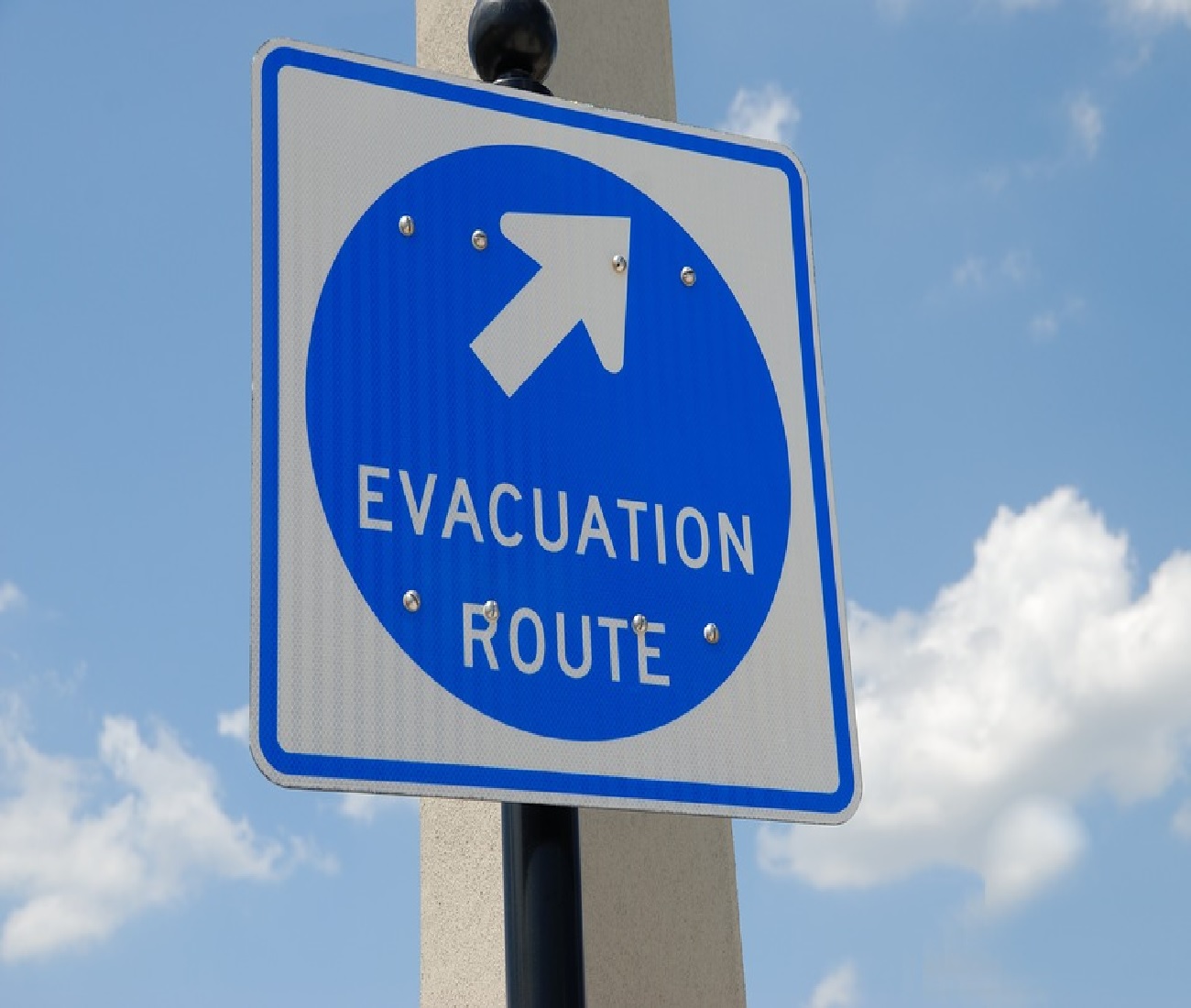
Unexpected emergencies occur every day in many facilities, including laboratories, offices, and residential buildings. It might be a fire, flood, earthquake, shooting, tornado, or hazardous chemical spill. If you don’t know what to do during an emergency the odds increase that you or others around you will be injured or killed.

Emergency Preparedness – Do You Know What to Do?2023-11-30T22:23:26+00:00

Home Health Care – Workplace Violence

Workplace Violence is unacceptable, regardless of the work environment. This program defines different types of workplace violence common to home health care situations and discusses ways to prevent incidents. Recognition, prevention and de-escalation are the main techniques taught.

Home Health Care – Workplace Violence2018-10-01T00:00:00+00:00

Supermarket: Bloodborne Pathogens – Spanish

Bloodborne pathogens are sometimes called the ???Unexpected Hazard??? because, for most of us, we just don???t expect to come into contact with blood or bodily fluids when performing our normal job duties. Nevertheless, an unexpected encounter with bloodborne pathogens can happen at anytime. Responding properly when confronted with blood and other bodily fluids is critical to your health and safety. The purpose of this program is to provide viewers with the knowledge needed to take the appropriate actions when encountering bloodborne pathogens unexpectedly.

Supermarket: Bloodborne Pathogens – Spanish2018-10-01T00:00:00+00:00

Office Ergonomics – Adjusting Your Workstation – (14 min) Spanish

This unique approach to Ergonomics training, begins by asking each viewer to select what area of their body, if any, is experiencing pain or discomfort. They are shown common postures that can cause or contribute to the conditions. The viewer is then lead through a comprehensive and specific method of adjusting a workstation to maximize neutral postures and minimize pain, discomfort and strain. This program also points out the multitude of other factors outside of the workplace that can contribute to musculo-skeletal disorders. This encourages viewers to take steps to adopt neutral postures in all of their activities.

Office Ergonomics – Adjusting Your Workstation – (14 min) Spanish2018-10-01T00:00:00+00:00

Solid Waste: Safety Orientation

This program provides a broad over view of hazards Solid Waste workers face in the course of their everyday jobs. Contains critical information for new employees but also effective for experienced workers.

Solid Waste: Safety Orientation2018-10-01T00:00:00+00:00

Picture This: Not So Great Moments in Hole Covers

There are some obvious hazards in this picture, yet it’s still a good tool for training and learning. Share this image with your crew and see how many hazards they spot. Then discuss why they are hazardous, how these hazards can be corrected, and what they would do if they were asked to work in this excavation.

Picture This: Not So Great Moments in Hole Covers2018-09-26T00:00:00+00:00

Healthcare: Staying Safe on the Heliport

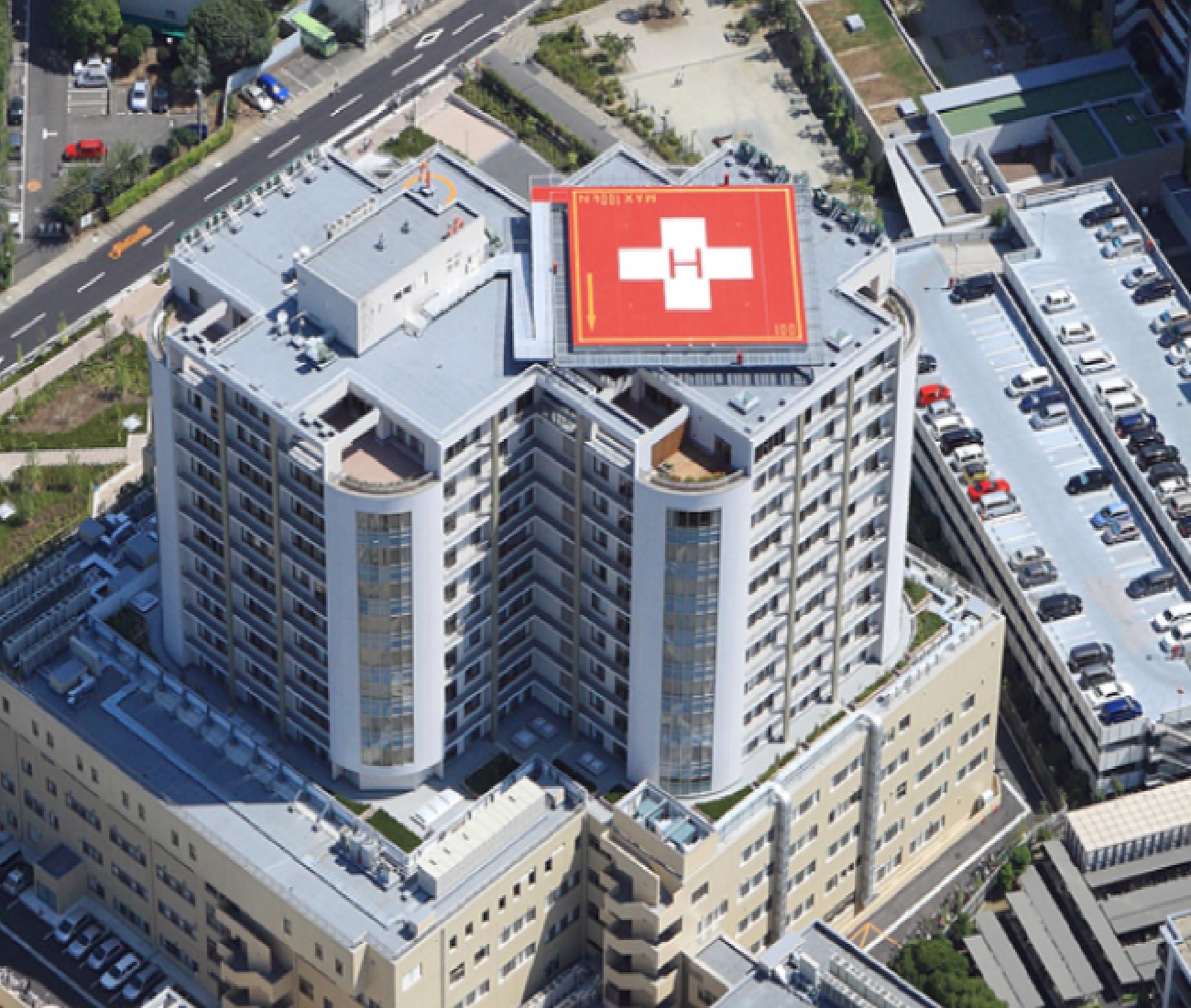
A helicopter transfer may be needed due to the remoteness of the patient when they need medical attention, or the severity of their need requires rapid transfer to hospital care. Sometimes they need to move to a different hospital for treatment.  Whatever the specifics of the case, these medical needs are urgent and often life threatening. The fastest and safest way to get them to the care they need is by helicopter. But it’s not without risks.

Healthcare: Staying Safe on the Heliport2018-09-23T00:00:00+00:00

Laboratory Electrical Hazards

A scientist was conducting an experiment using a portable fluorescent lighting rack.  The lighting rack was plugged into an electric timer, which was plugged into the wall. However, since the timer only accepted a two-prong plug, an adapter was used to allow the three-prong plug of the lighting rack to be used with the two-prong outlet of the timer.

Laboratory Electrical Hazards2018-09-23T00:00:00+00:00

Healthcare – Working with a Latex Allergy

Since it was recognized in the late 1970s, allergies to latex have become a major health concern. Latex is used in a variety of applications and products, which leads to an increasing number of people in the workplace being affected. 

Healthcare – Working with a Latex Allergy2018-09-23T00:00:00+00:00

Laboratory Equipment Safety: Autoclaves/Sterilizers

A postdoc was badly scalded by water while removing items from the top autoclave of a tower-style autoclave. To autoclave her own materials, the doctor began to remove a load that belonged to another laboratory while standing on a low step-stool. The load in the autoclave consisted of a Nalgene tub that contained liter bottles of media with water around them. The water in the tub was near boiling temperature, and as the doctor attempted to remove it, the contents spilled down her torso and thighs.

Laboratory Equipment Safety: Autoclaves/Sterilizers2018-09-23T00:00:00+00:00

Protecting Against Blood and Other Potentially Infectious Materials – Healthcare

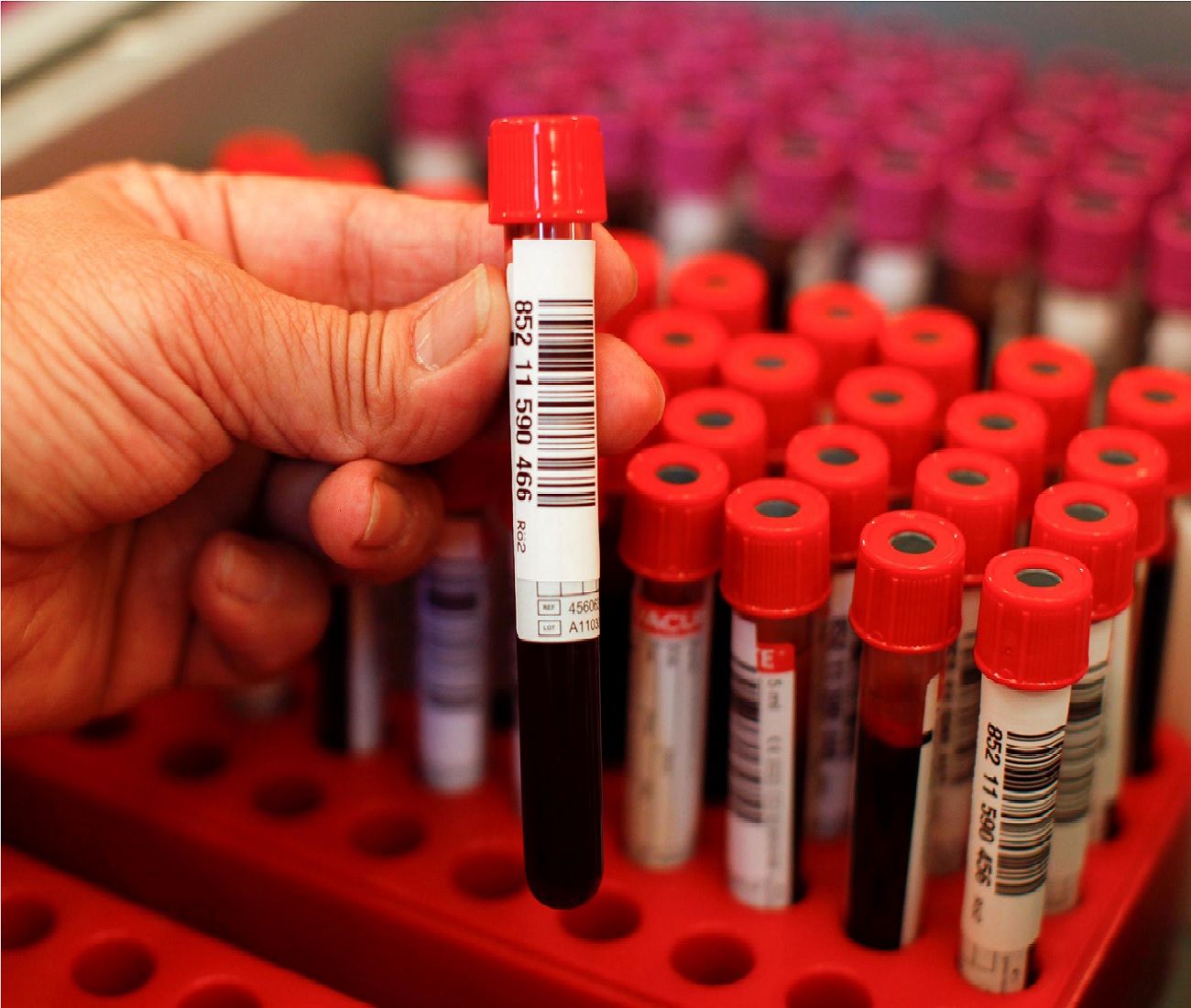
All human body fluids, including sweat, saliva, vomit, and blood, can potentially be infected with bacteria or viruses. Some of these potentially infectious materials die almost immediately once outside of the body, but others can survive for several minutes, hours, or days in the air or on surfaces. Healthcare workers can never know until laboratory tests are returned which patients pose a threat.

Protecting Against Blood and Other Potentially Infectious Materials – Healthcare2018-09-23T00:00:00+00:00

Fundamentals of First Aid: Burns

A burn means more than the burning sensation associated with this injury. Burns cause skin damage because the skin cells die. Burns can happen at work and outside of work. In fact, burns are one of the most common household injuries, especially among children.

Fundamentals of First Aid: Burns2018-09-23T00:00:00+00:00

Six Tricks for Better Sleep: Pick Six Infographic

With hectic schedules, the electric glowing light of our phones and tablets, the stress and anxiety of life, and a host of other factors contribute to many of us being sleep-deprived. Searching for that next cup of coffee, energy drink, or other ways to stay awake. We likely don’t spend as much time thinking about prepping for a blissful night’s sleep as we do searching for the next caffeine fix. Here are some tips to help you sleep better.

Six Tricks for Better Sleep: Pick Six Infographic2018-09-21T00:00:00+00:00

Train the Trainer: Emergency Preparedness

We are all vulnerable to disasters–whether they’re the work of Mother Nature in the form of earthquake, tsunami, hurricane, tornado or flood or deliberate acts of mankind in the form of arson, bombing or other act of terrorism. Surviving such disasters often hinges on being prepared.

Train the Trainer: Emergency Preparedness2018-09-19T00:00:00+00:00

Focus On: Establishing an Incident Investigation Program

When a serious incident happens in the workplace, everyone will be busy dealing with the emergency. Helping injured victims, assessing if the danger has abated, trying to piece together what happened. So, it’s critical to be prepared to investigate an incident before one occurs.

Focus On: Establishing an Incident Investigation Program2018-09-18T00:00:00+00:00

Laboratory Equipment Safety: Centrifuges

A laboratory was seriously damaged when the rotor of an ultracentrifuge failed while in use. Flying metal fragments damaged walls, the ceiling and other equipment. The shock wave blew out the laboratory's windows and shook down shelves.

Laboratory Equipment Safety: Centrifuges2018-09-16T00:00:00+00:00
Go to Top