
Overhead Hazards Fatality Report
INCIDENT A comparison in real time between a Near-Miss/Close Call [...]
INCIDENT A comparison in real time between a Near-Miss/Close Call [...]
Key Takeaways: - Learning about the safety devices that should [...]
Course Description This course will teach you fundamentals of overhead [...]
If you work around cranes, slings and rigging, it is your responsibility to be familiar with the tools and equipment and how to use them safely.
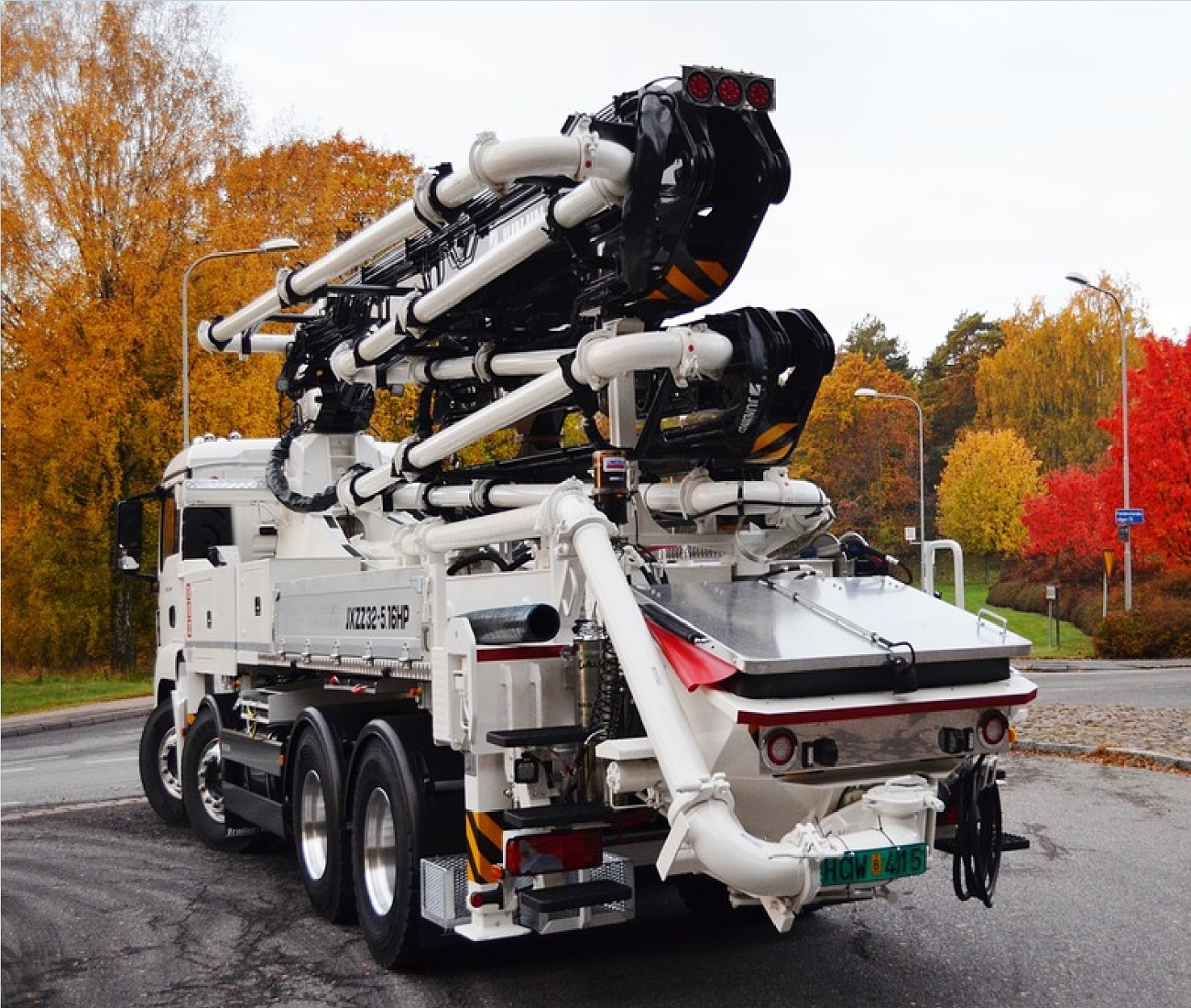
Few experiences may be as frightening as when a crane becomes unbalanced while a load is being lifted or when the crane collapses under the weight of an excessive load. An unbalanced load or crane collapse can cause death to the operator, other construction workers, can cause damage to property or equipment.
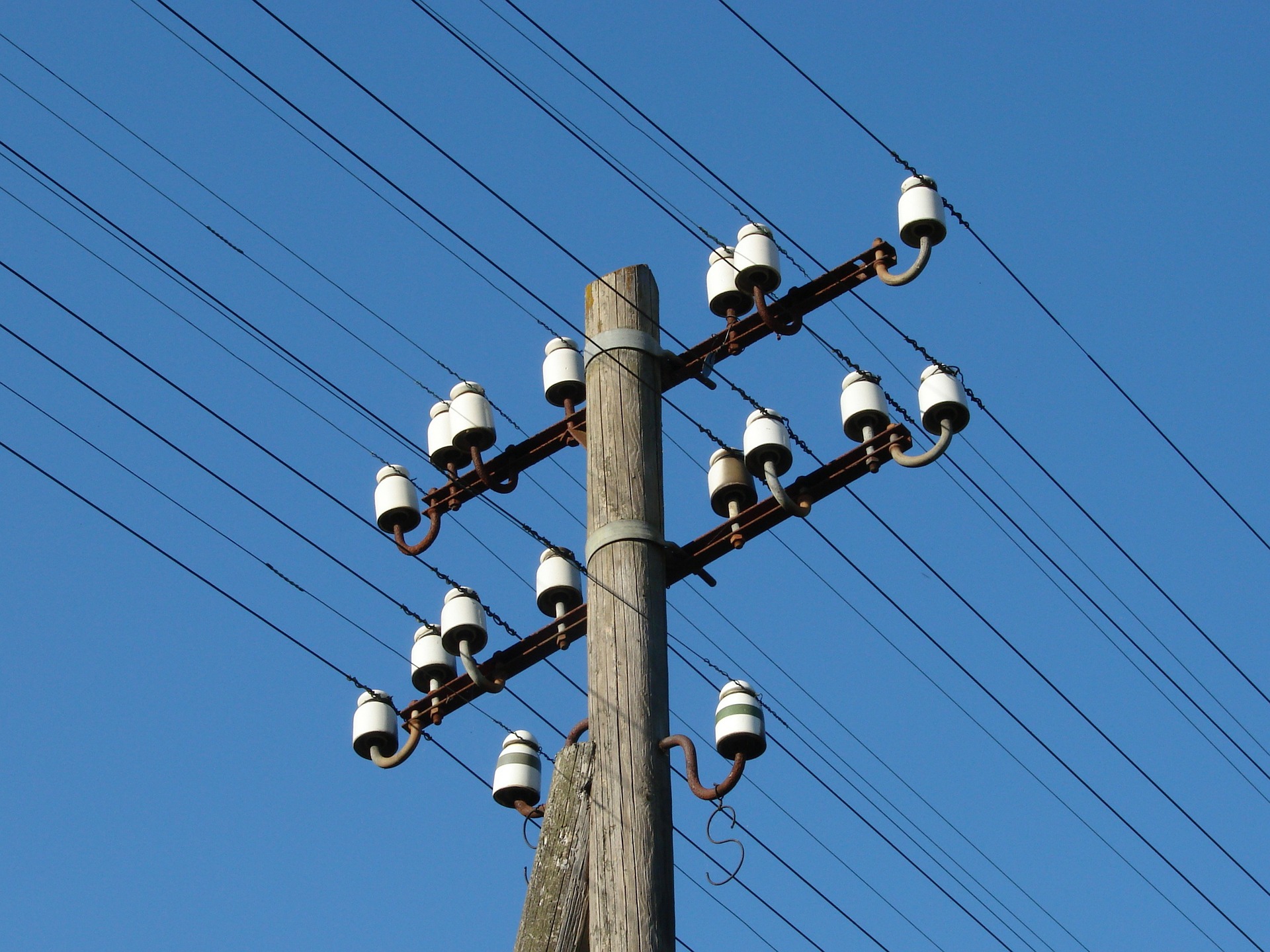
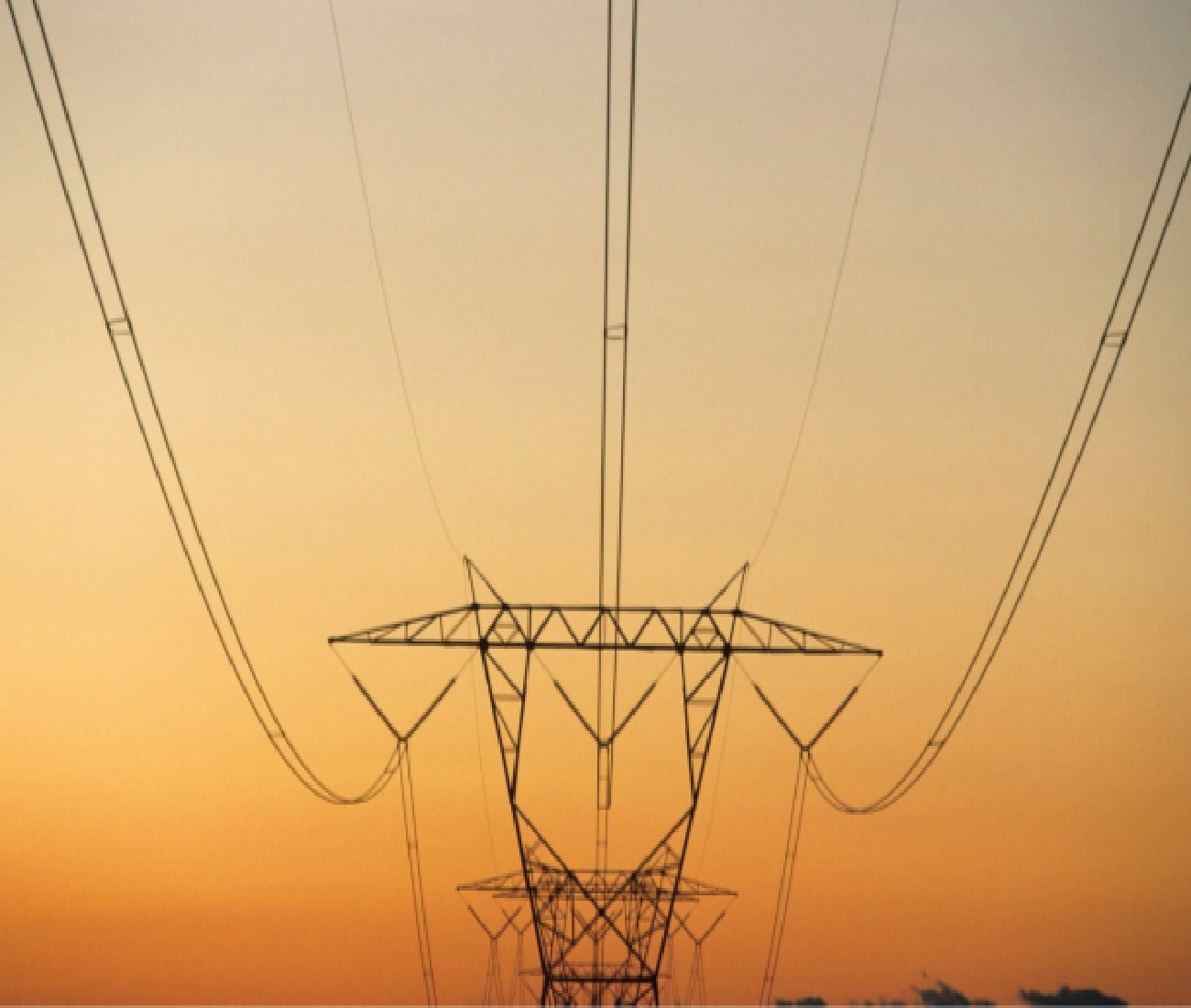
How close is too close when it comes to power lines?
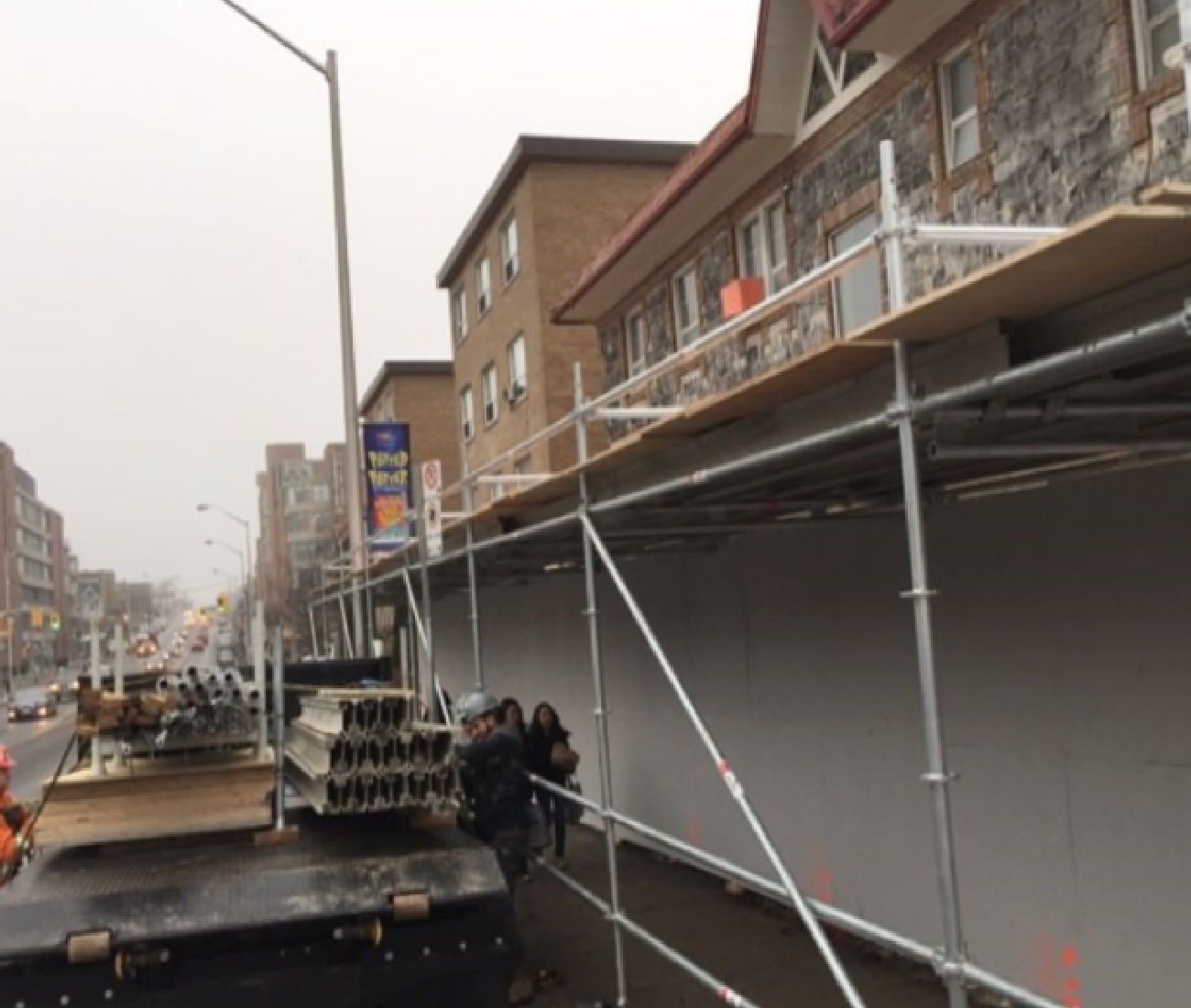
Some of the worst hazards in any work area are the ones you don’t see - because they’re above you. What’s at stake is your life, and there are two basic ways you could lose it: electrocution or falling objects.
When you install or remove overhead lines, you must protect yourself and others against hazards that could expose you to shock, electrocution, falls, flying and falling objects, and burns.
Few experiences may be as frightening as when a crane becomes unbalanced while a load is being lifted or when the crane collapses under the weight of an excessive load. An unbalanced load or crane collapse can cause death to the operator, other construction workers, can cause damage to property or equipment.

A crane collapse at the site of a new police [...]
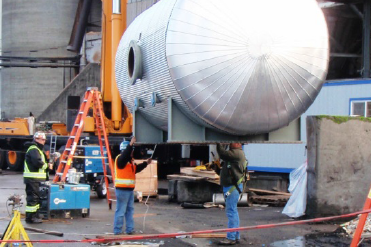
This photograph illustrates a hazard seen time and time again in the workplace--workers standing under suspended loads. Yes, that's danger tape in front of the workers, warning people to stay away from the area. It appears that these workers didn't get the memo.
Gymnastics should be considered one of the skills of safe ladder use. This worker is shown straddling two ladders, with one foot on each. This looks like a recipe for a nasty or even fatal fall.
If you work around cranes, slings and rigging, it is your responsibility to be familiar with the tools and equipment and how to use them safely.
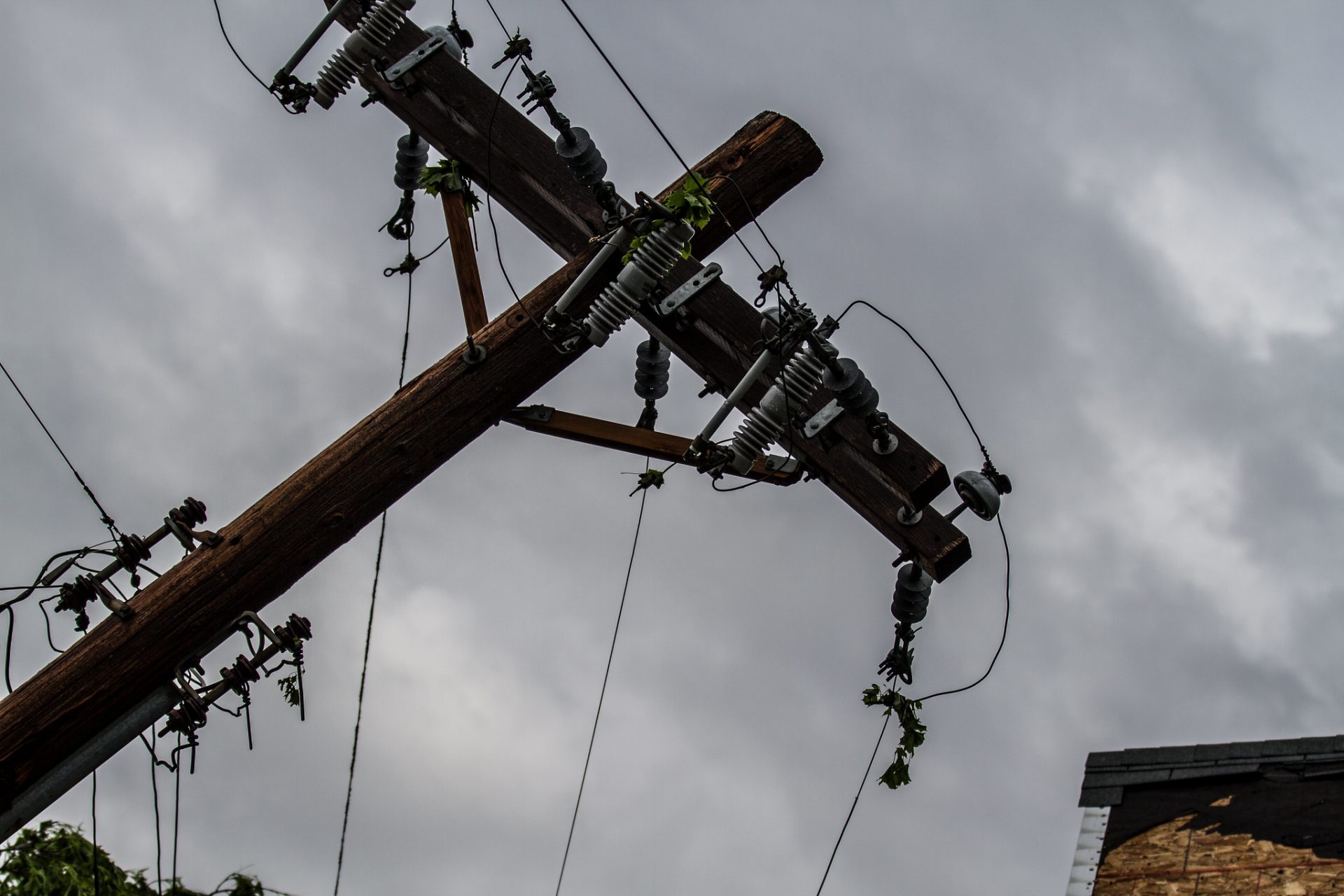
Fallen power lines are not preventable during winter storms, but you should avoid them for your own safety.
A painter was electrocuted and a co-worker survived a fall after they connected with a high voltage overhead power line. The two were using an aluminum extension ladder as they cleaned the brick wall of
Three employees were taking earth samples using a core sampling rig with a 22-foot high tower. As they removed the sampling rod, the rod struck a 4160 volt electrical power line directly above the work area.
A 44-year-old transportation worker died after being jolted with 7,200 volts of electricity while repaving a highway in Colorado.

An experienced press operator was killed when he was struck by pieces of a die thrown from his press. It appeared that the overhead ram of the press was set an inch lower than it
Five farm workers were electrocuted in two nearly identical accidents when grain augers they were moving struck live power lines. The augers are about 50 feet (15 meters) long, have inflatable car tires and weigh
If you think fatal falls happen only to construction workers swinging off skyscrapers, consider the following incident: A maintenance worker died after a fall from an elevation of just eight feet (2.5 meters).
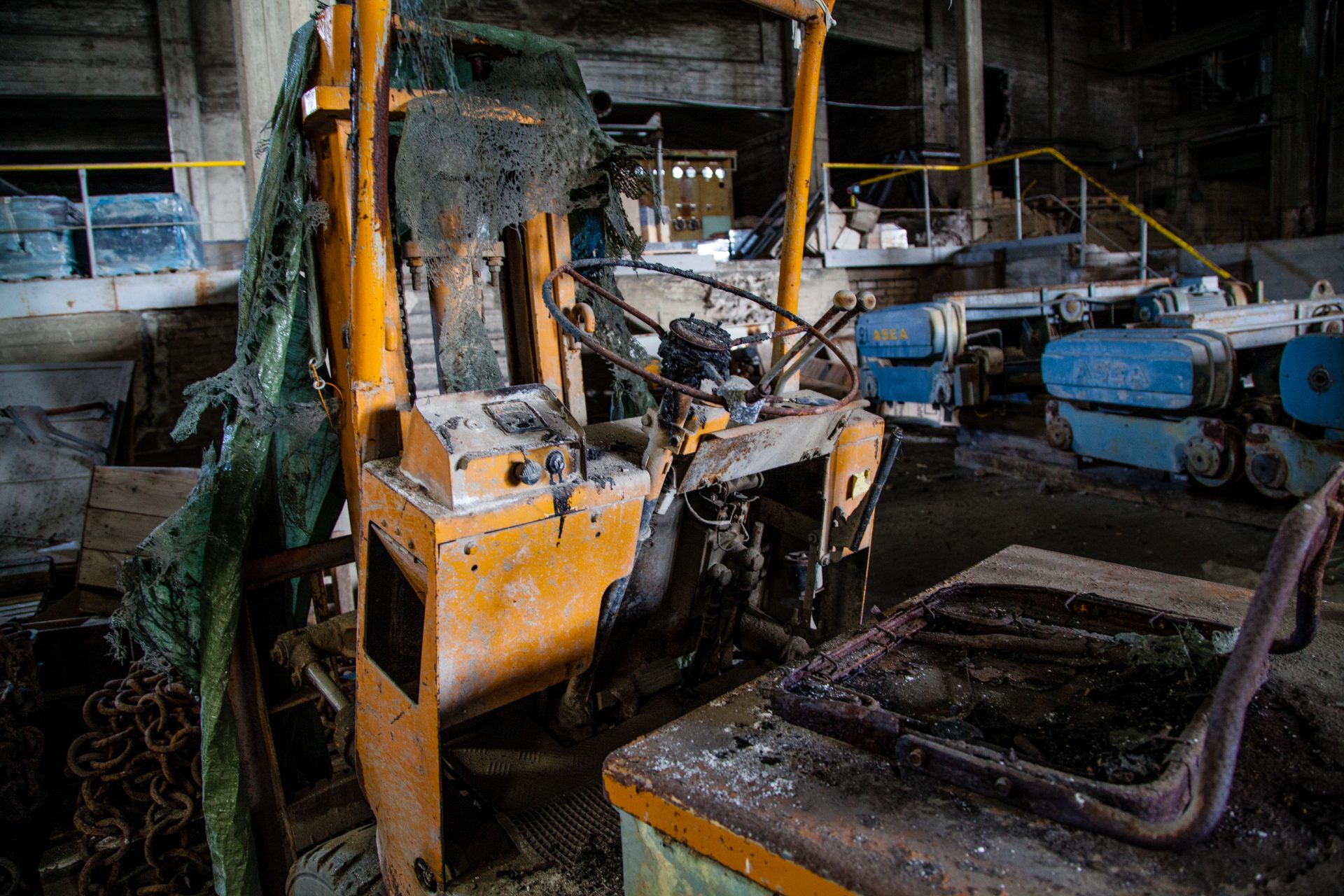
Two mechanics were electrocuted while repairing an earth-moving scraper.

An overhead crane operator died when a bale of steel slipped off the C-hook and hit him. He had positioned the bale incorrectly on the C-hook, so it was not balanced and centered. Ordinarily he
Two drilling crew members were electrocuted when the boom of their drill rig contacted a high-voltage overhead power line. The victims were employed by a company hired to find and blast large rocks that lay
A 24-year-old floor hand died from massive chest trauma from a falling pump jack head.
A tree faller was killed when struck by a decayed slab jarred loose by a fallen tree.
Since it's your first time, you may want to checkout some of the video tutorials.










 800-ICW-SAFETY (800.429.7233)
 SAFETYOnDemand@icwgroup.com