
Paper Mill Fined $107,000 for 29 Alleged Serious Violations
OSHA conducted an inspection late in 2008 and found several [...]

OSHA conducted an inspection late in 2008 and found several [...]
This powerful and dramatic safety video from the Workplace Safety and Insurance Board in Ontario drives home the point that there really aren't any workplace 'accidents.'
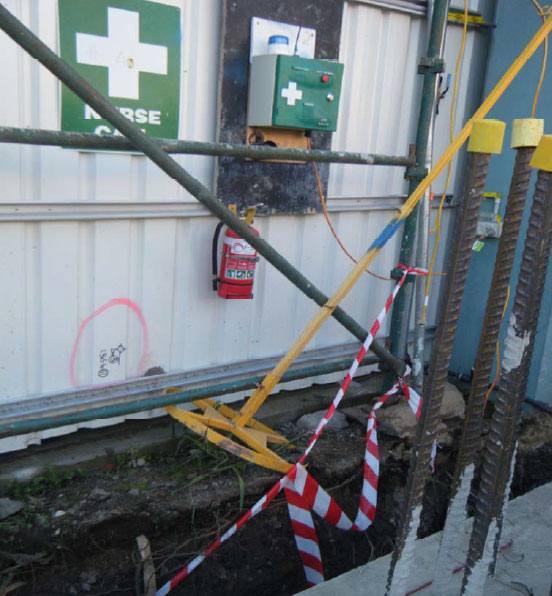
Clutter and an excavation could create considerable risk for anyone needing to access a first-aid kit or fire extinguisher.
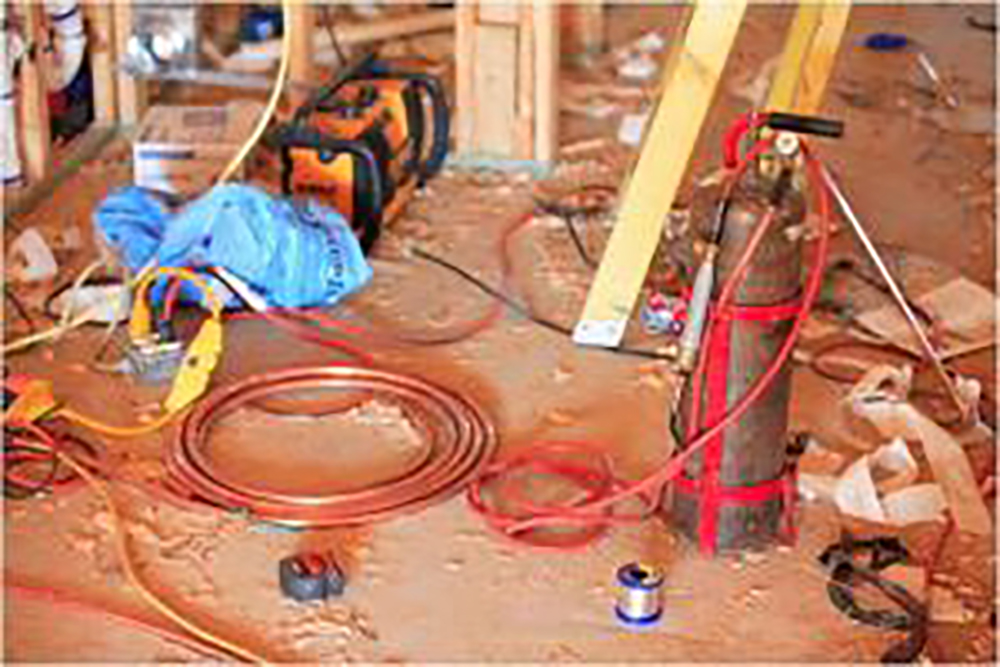
There are messy workplace and then there are th MESSY workplaces. Shown here is a housekeeping house of horrors that puts construction workers at serious risk for slip, trip and fall injuries.
Hot weather, high humidity, a lack of water and insufficient rest breaks can quickly lead to life-threatening heat illness.
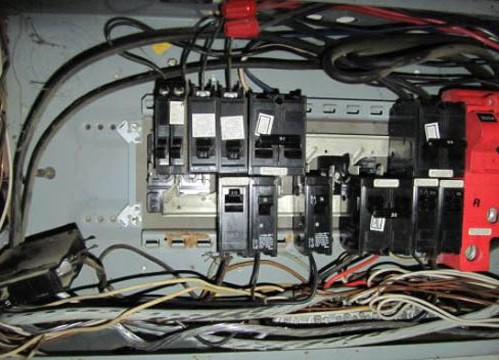
Amateur "handy persons" often produce shoddy work by failing to realize their limitations. But here's an example of someone crossing the line from shoddy to potentially deadly by performing electrical work they had no business tackling.
Few things can be more terrifying and catastrophic than a fire. That is why training and education is so important. This video looks at ways fires can be prevented and covers the basics of fire prevention, conditions that contribute to fires and steps employees can take to minimize the risk of a potential fire in a unit.
An important aspect of safety is good housekeeping. The importance of good housekeeping is often overlooked. Proper housekeeping prevents injuries, fires and other safety hazards. This program emphasizes everyone’s cooperation and effort in keeping their workplace clean, orderly, and safe.
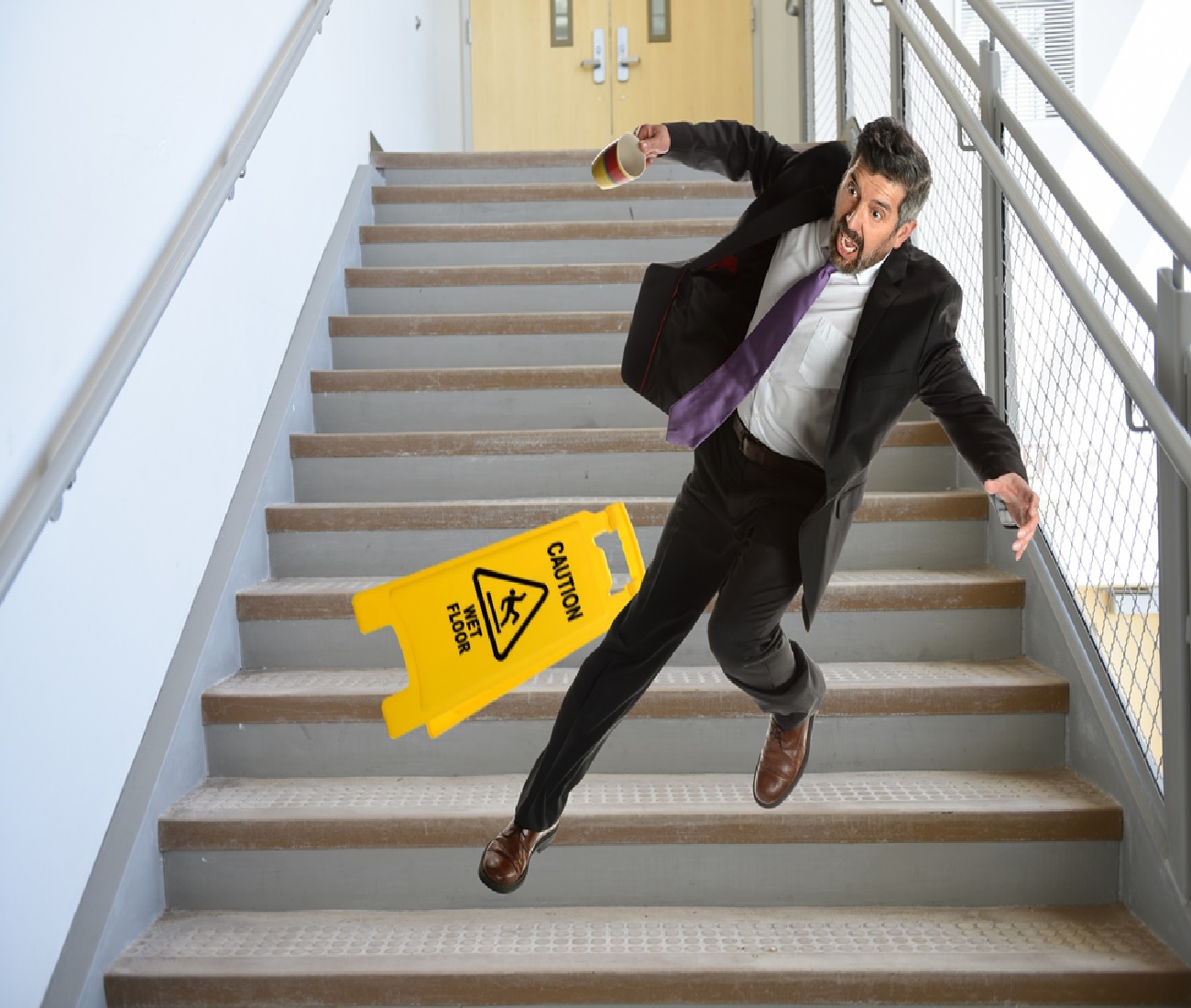
These accidents all have one factor in common - they involve poor job site housekeeping. Good housekeeping means keeping your work area free of dirt and clutter, keeping everything in its place and making sure there are no hazards.
The job isn't finished until the housekeeping is done and the work area is clean and orderly.
Workplace housekeeping has been an important part of job safety programs for many years. Whether you are working in a traditional factory or a 21st century work setting such as a wind energy tower, good housekeeping can be a life-saver.
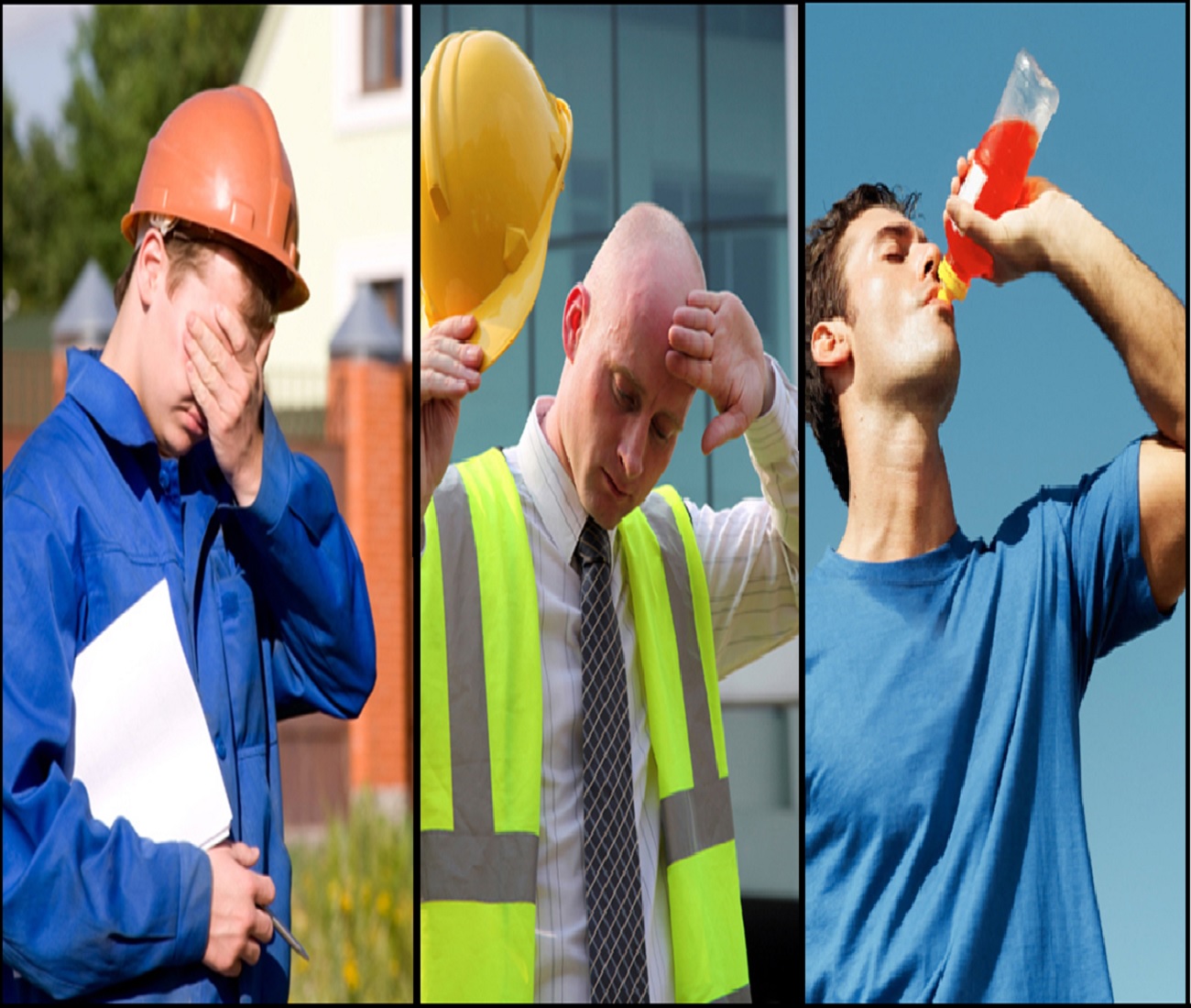
Any workplace can be too hot for safety, both outdoors and in hot, humid conditions indoors. Whenever you’re exposed to heat, you’re at risk of developing heat illness.
Poor housekeeping causes a wide range of injuries and fatalities, ranging from painful slips, trips and falls, to workers being unable to evacuate burning buildings because of blocked fire exits, to dust explosions that can claim multiple lives in an instant.
A poorly maintained work environment in a machine shop conceals all kinds of serious hazards. This may result in safety incidents ranging from trips and falls to chemical exposures, electrical hazards, and even explosions.
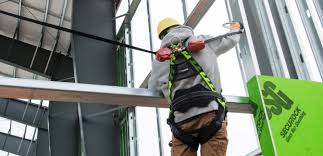
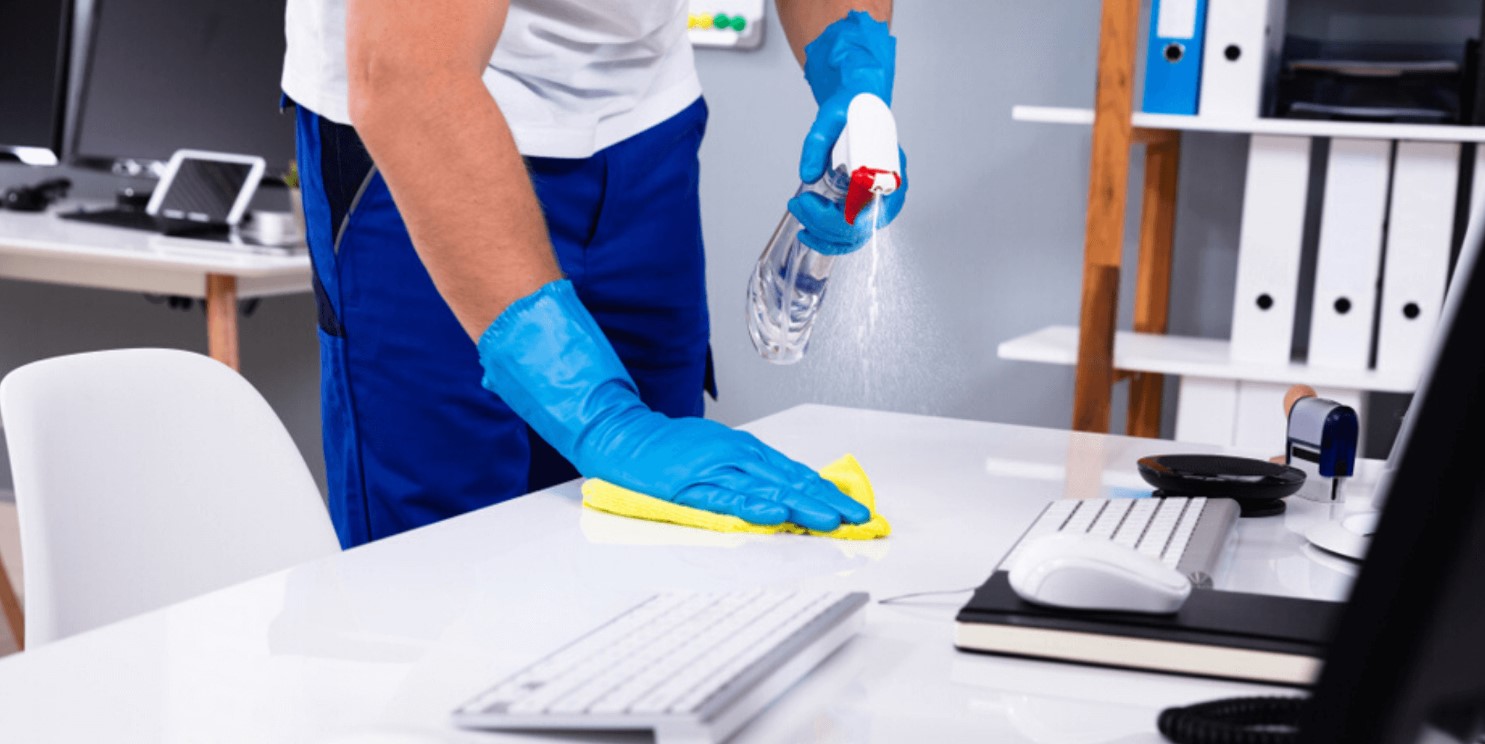
Your office can be a safe and comfortable place to work. Do your part and put into practice the tips you just learned to prevent common office hazards.
A combustible dust is any fine material that can catch fire and explode when mixed with air. The force from combustible dust explosions can cause multiple deaths, horrific injuries, and massive destruction of property.
Forklift safety is an essential part of warehouse and housekeeping safety. A forklift incident can easily injure its driver, as well as workers who share floor space with forklifts.
How does our workplace stack up against the following housekeeping standards? -? Are floors clean and free of water, mud, ice, grease, oil, waste and clutter? - ?Are leaks and spills cleaned up promptly? -?
“We can’t afford to spend time on making things look pretty. We’ve got production to get out,” he said. That’s true as far as it goes, but plant housekeeping involves a lot more than making
Cuts and contact with substances in trash could expose you to dangerous chemicals and infections.
Whether you are a machinist, a driver or a computer jockey, workplace housekeeping is part of your job.
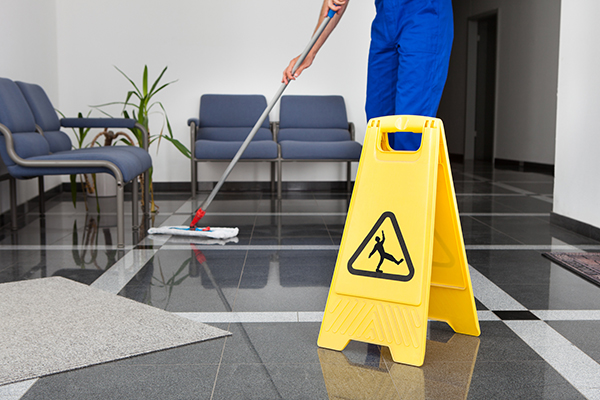
Housekeeping at work is about much more than cleaning windows and sweeping up dust bunnies. Poor housekeeping can cause injuries, slow down production, dampen morale, start fires and cause catastrophic explosions of combustible dusts.
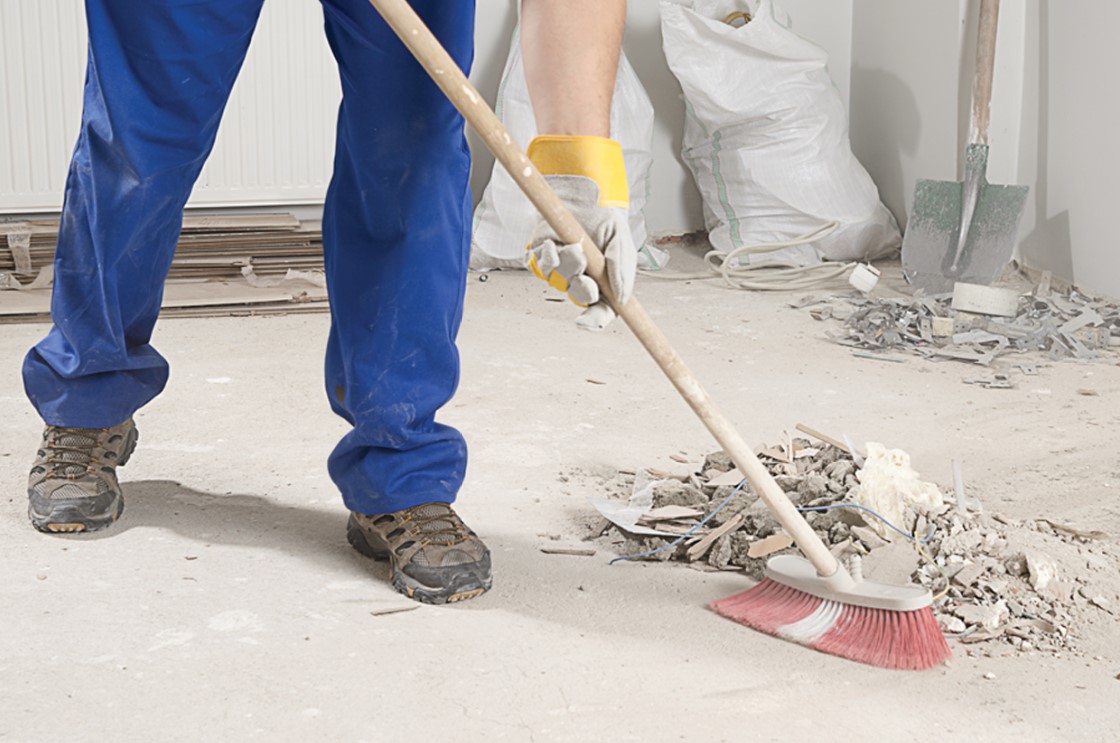
Housekeeping may not be your favorite job, but a messy workplace is where injuries occur.
Since it's your first time, you may want to checkout some of the video tutorials.










 800-ICW-SAFETY (800.429.7233)
 SAFETYOnDemand@icwgroup.com