
Drilling Company Cited for Repeat, Serious Violations at Cheyenne, OK Facility
OSHA initiated an inspection of the facility in February and [...]

OSHA initiated an inspection of the facility in February and [...]
A welder was seriously injured in an explosion while repairing [...]

An OSHA inspection found that a worker was exposed to [...]

OSHA opened an inspection at a Richardson, TX. worksite in [...]

OSHA conducted an investigation at a Covington, LA, worksite in [...]
A worker at a tire manufacturing plant got a 24-hour [...]

Following the death of a young worker who was exposed [...]
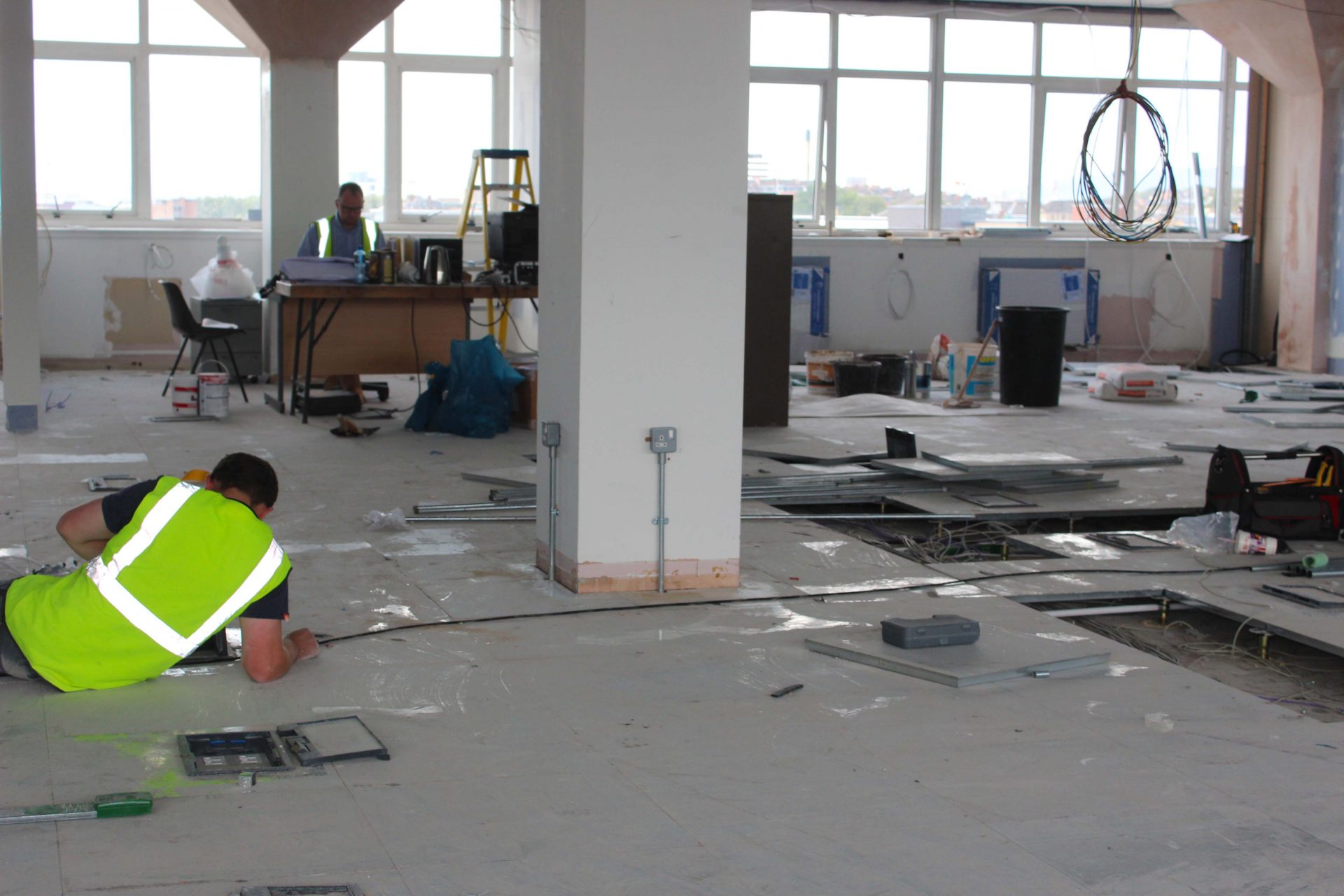
Two workers were standing on a temporary floor covering when [...]

Taking a Successful Safety Program to the Next Level Paradoxically, [...]

Following an inspection, OSHA has proposed $115,000 in penalties against [...]
OSHA has proposed penalties totaling $217,500 against a fire log [...]

OSHA has cited 11 repeat violations for alleged infractions including [...]

OSHA opened an investigation after a six-ton piece of stainless [...]

The citations allege the company’s failure to train and protect [...]

OSHA inspectors found that a utility contractor had been installing [...]
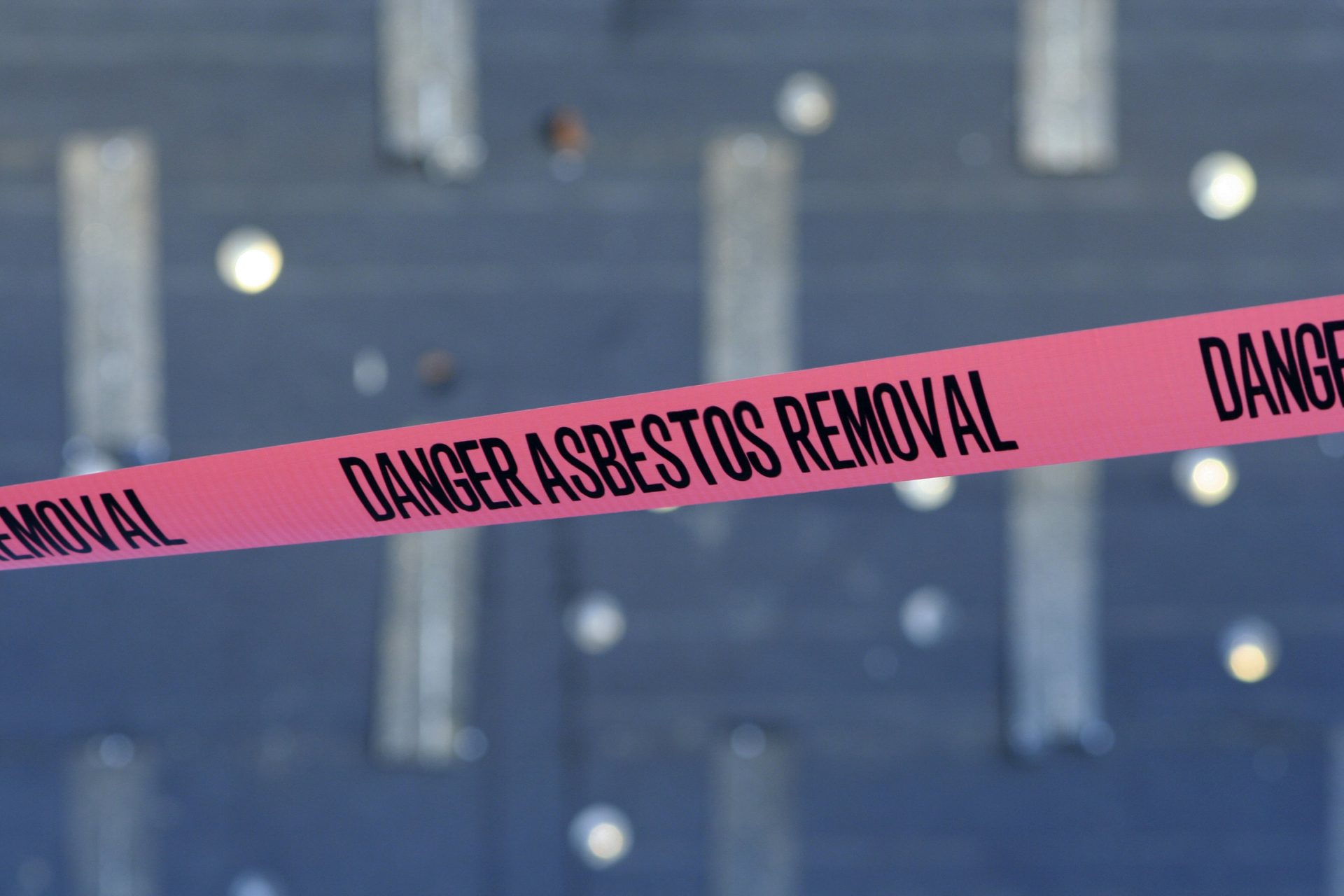
An asbestos removal contractor was hired to remove wall panels [...]
If safety is so important, why do accidents and injuries continue to occur? Government statistics estimate 5.7 million workplace injuries and illnesses occur annually with associated costs over $170 billion. This video addresses a complex issue with a light touch and an important message. Everyone is responsible and accountable for safety.
(15 minutes)

This program explains eye protection requirements in a way anyone can understand. After all, everyone knows the benefits of safety glasses yet too many neglect them. This video is a good way to remind them about the importance of wearing eye protection when required. You will find your employees respond well to this entertaining and informative video.

Aimed at experienced operators, this program communicates the importance of operating a forklift in a professional and safe manner and creates an awareness and respect for the potential hazards they may encounter. It establishes that the forklift operator is responsible for their safety and the safety of the people around them. Forklift Safety: The Experienced Operator will motivate your drivers to use the operating skills and techniques they’ve been taught to prevent accidents and injuries.
This program utilizes video shot on location as well as 3D animations to train new or experienced employees in the importance of safe operation and the responsibilities of professional lift truck operations, and the skills and techniques operators can use to help ensure workplace safety and incident prevention.

This video educates your employees on the different types of hand injuries that can occur, how to recognize common hazards found in the workplace and preventive measures to take to protect their hands. Safety is a personal responsibility. A hand injury can occur in a moment, but affect your for a lifetime. This program will motivate your workers to use best practices to prevent hand injuries.

This video deals with the safe way to use stepladders, straight ladders and platform ladders, as well as common hazards associated with improper ladder use. Explains the 4:1 rule when placing straight ladders, the belt buckle rule, 36″ requirement for straight ladders above landings and more. A great program for new or experienced workers.

Hearing loss is preventable if you follow procedures relating to hearing protection. This video heightens awareness of hearing conservation in the workplace. Explains the anatomy of the ear, how noise can cause hearing loss and how to prevent hearing loss.

This video is the perfect way to introduce new employees to general occupational hazards to which they may be exposed and to re-train experienced workers. Program includes basic safety rules, electrical hazards, powered equipment and machinery, back injury prevention, fire protection and more.
(15 Minutes)
Topics covered include: Taking immediate action at the scene of the incident, Gathering facts and information, How to take effective pictures and document an incident scene, Techniques for interviewing witnesses, Methods for analyzing the facts and information gathered, Developing corrective actions, Implementation and communication, and the importance of follow up.
Since it's your first time, you may want to checkout some of the video tutorials.





 800-ICW-SAFETY (800.429.7233)
 SAFETYOnDemand@icwgroup.com
