

Picture This! Heave Ho and Away We Go
The workers in this photograph could serve as poster boys for how not to lift heavy objects.
The workers in this photograph could serve as poster boys for how not to lift heavy objects.
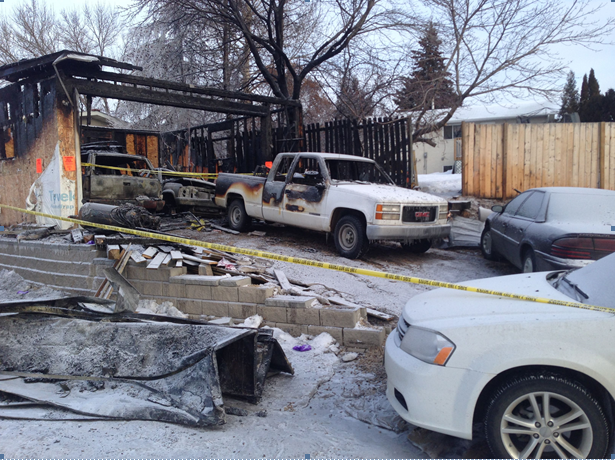
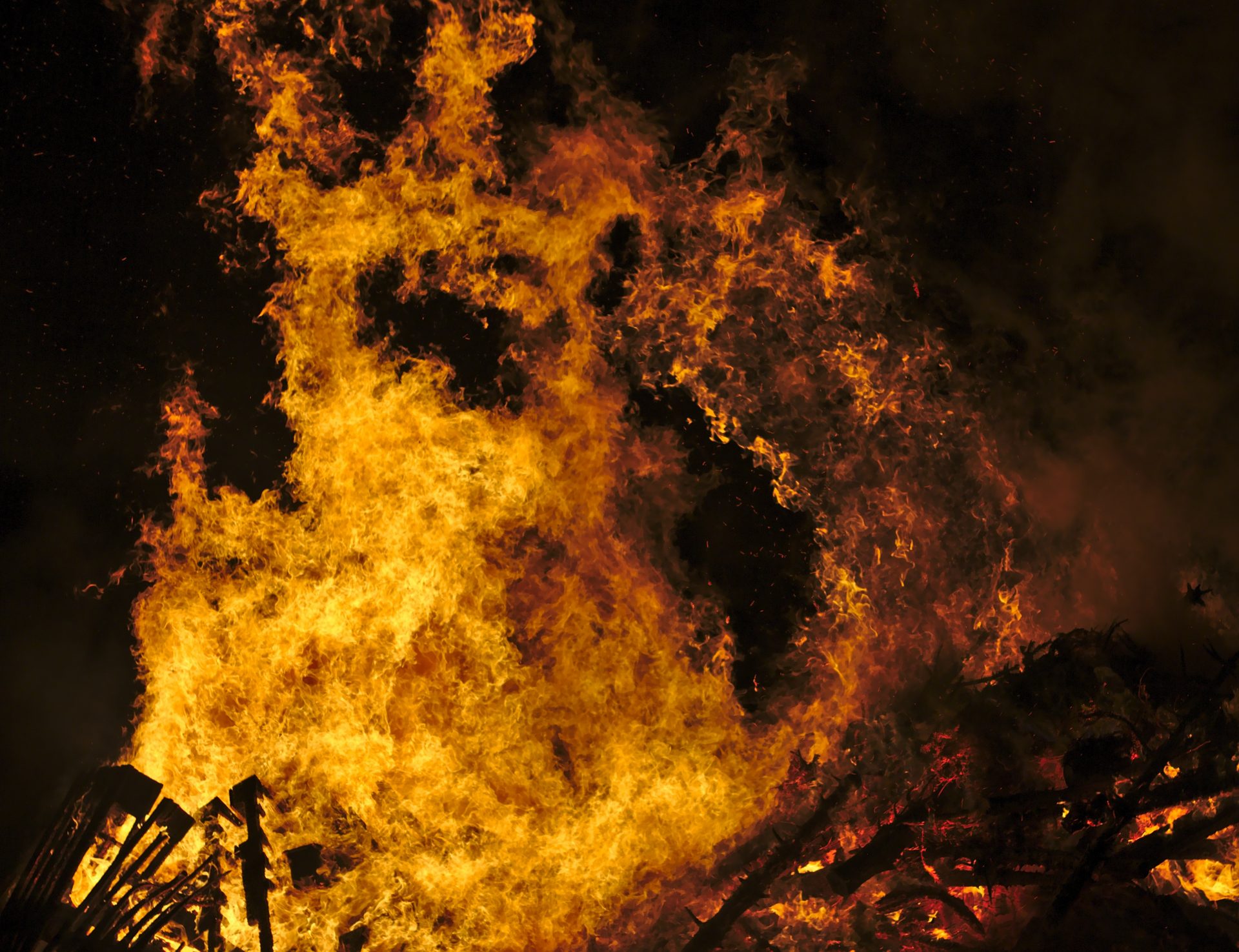
Two people died and a third person was injured in an explosion in a garage in Edmonton, Canada. Gas from a fuel tank spilled and its vapors were ignited by a red-hot propane heater. This photograph shows the damage caused in the fire and explosion.
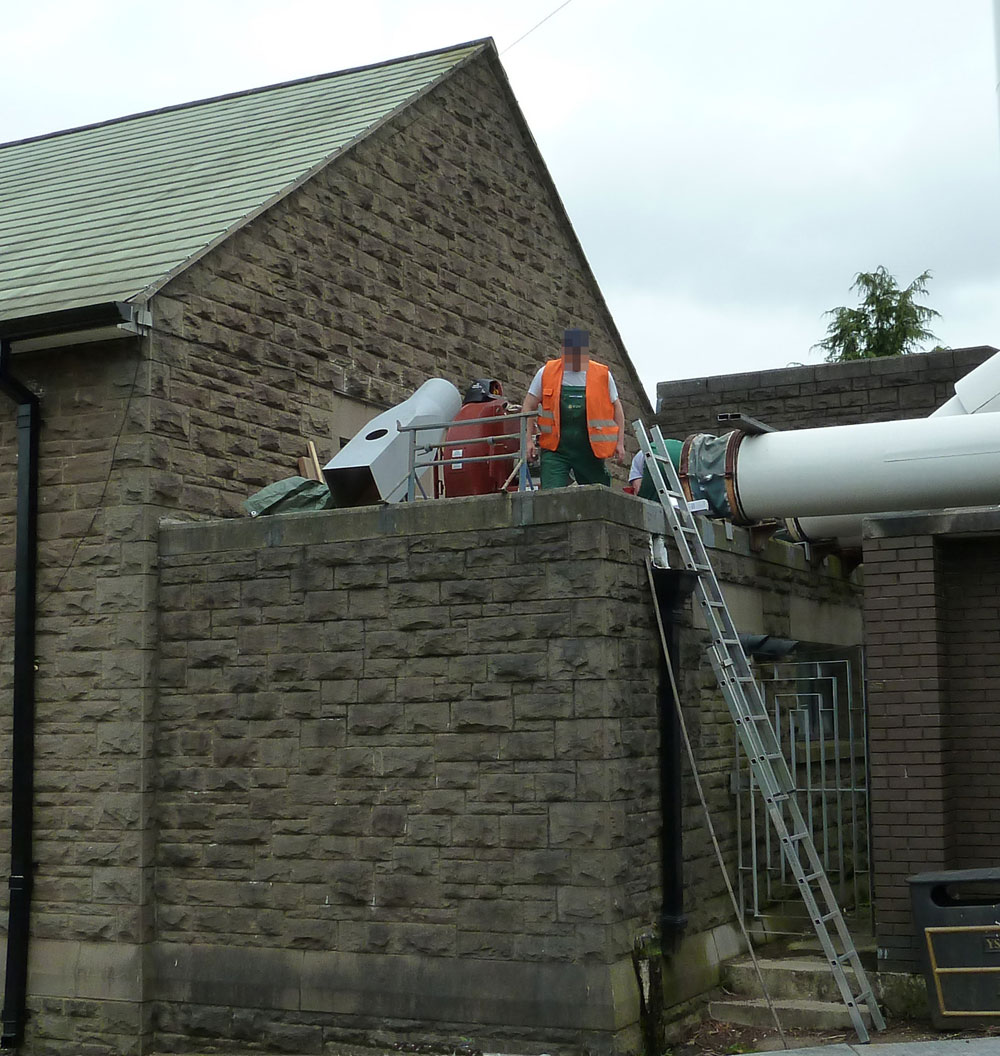
Working without fall protection on any roof is dangerous, but taking life or death risks on a crematorium roof is both hazardous and ironic.
All of OSHA’s recent regulations not only call for employees to receive initial training, but require that employees knowledge be “refreshed”... through retraining...on at least an annual basis.
(22 minutes)
This video raises awareness of employees of the hazards associated with the materials they handle and shows them how to secure and work with these materials safely.
(17 minutes)

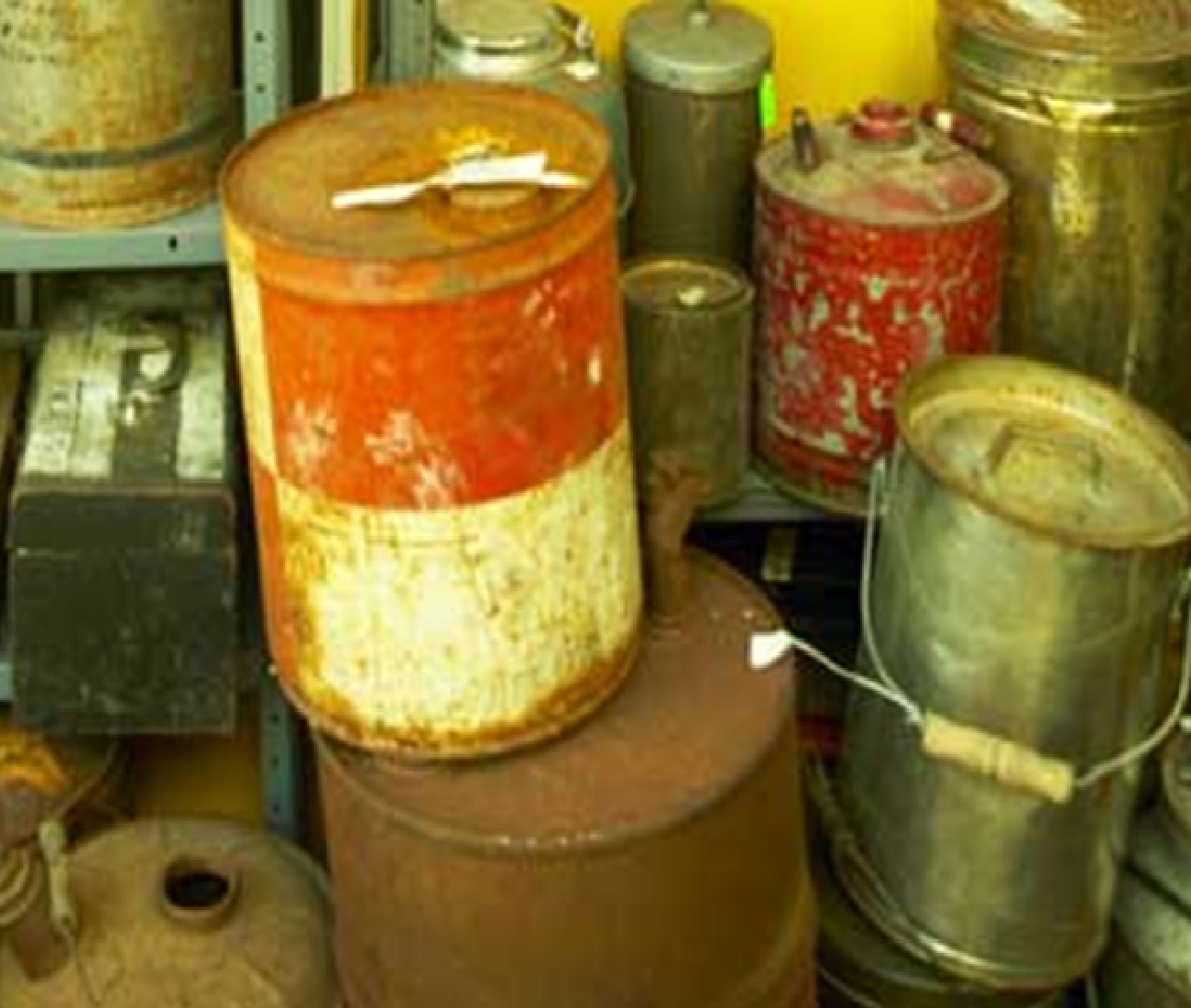
Instruction for employees working with flammable liquids. Defines LEL, UEL, flash points, and other related information. Provides the basics of bonding and grounding.
(9 minutes)
This program will teach your employees to recognize and understand the different means of communication used to identify hazardous chemicals including the United Nation’s new Globally Harmonized System. The training program will educate your workers on the physical characteristics and chemical properties communicated in the safety data sheets and on the container labels enabling them to make proper decisions concerning the safe use handling and storage of the substances.
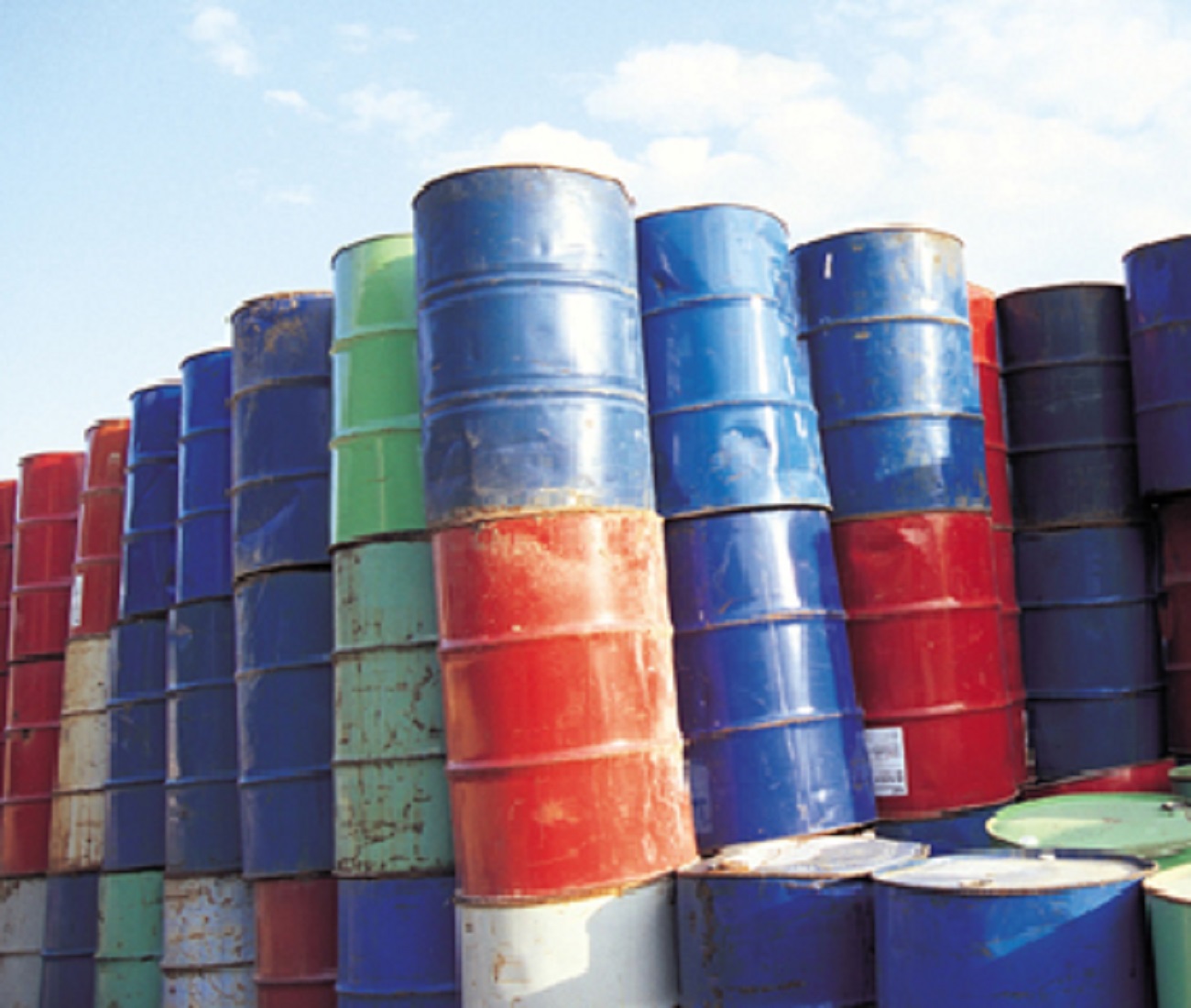
Over the years, we've learned that the nation's hazardous waste problems cannot be cured by simply burying waste in the land. Treating chemicals prior to land disposal will not necessarily remedy our hazardous waste problems.
(14 Minutes)
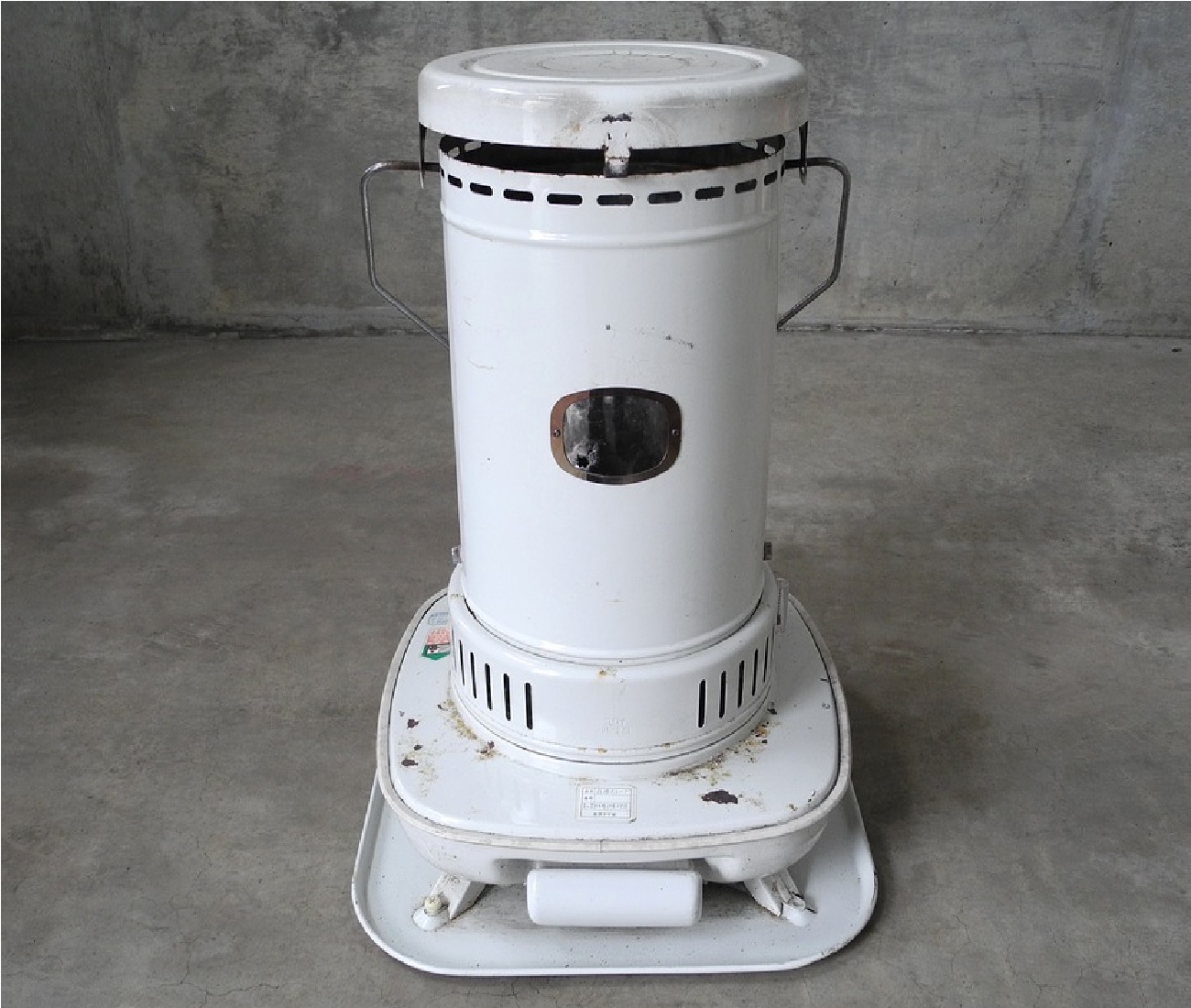
Portable heaters are handy devices. They are useful as temporary sources of heat in unexpectedly cold weather. But these electric or fuel-powered heaters also come with hazards.
The chemicals you use at work can be hazardous to your health and safety.
It's important for you to understand the potential hazards that you may be exposed to while working with hazardous waste.
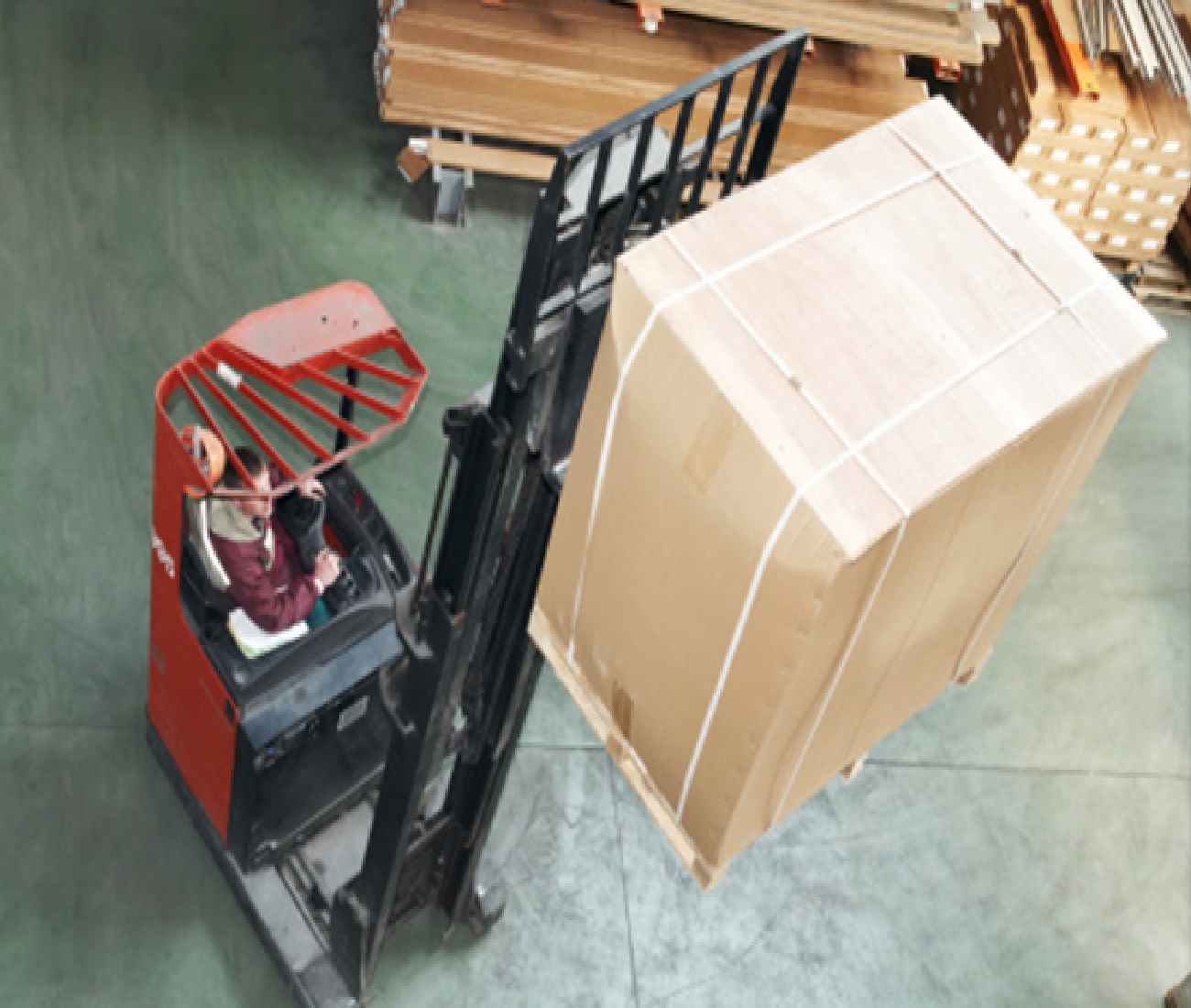
Workers who perform frequent and heavy lifting are at risk for back injuries and abdominal straining that can cause hernias. Arm, shoulder, neck and wrist pain is also a risk if materials are lifted improperly.
Focusing on a stationary object like a screen for a long period of time can have health consequences. The most common is a temporary condition called Computer Vision Syndrome (CVS).

Operations are undergoing near constant change in many facilities to help increase productivity, improve safety and reduce waste. Workers may feel strongly about their opinions, or have a hard time adapting to change. Conflict is to be expected in this fast-paced work environment.

Ill-fitting protective clothing and equipment is universally problematic in workplace safety. It deters workers from performing job-related tasks efficiently and safely.
We encounter many potentially dangerous substances at work.
Cuts and contact with substances in trash could expose you to dangerous chemicals and infections.
Respiratory hazards are a serious danger in the workplace. Let???s see how many of these clues you can use to complete this crossword puzzle.
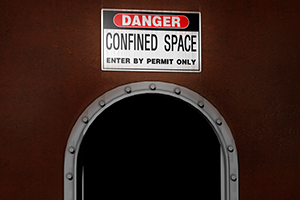
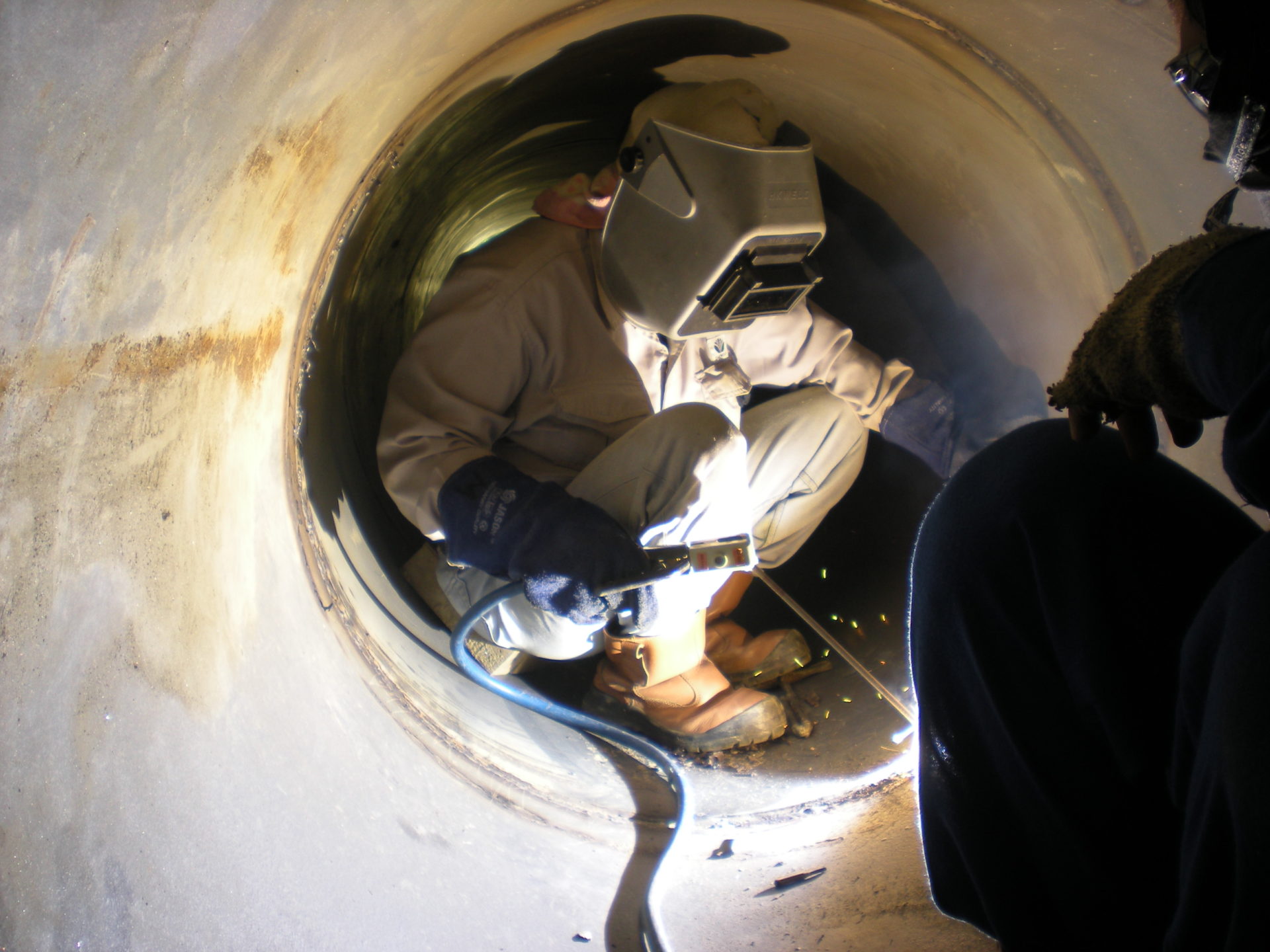
When a construction foreman was found dead in water at the bottom of a manhole, his workers followed him into the confined space and risked death themselves. The fatality occurred when his crew was installing
Lightning that traveled down an abandoned pump cable triggered a methane blast that killed 12 West Virginia miners in January 2006
A young laborer was seated on a looped chain as he was being lowered into a 21-foot (6.4-meter) deep manhole to prepare for utility construction work.
The dangers of trying to rescue others from a deadly atmosphere can't be emphasized enough.
A man working in a steel plant was removing steel slag from the bottom of an upright ladle. He was using a jack hammer, a pry bar and a cutting torch fueled by acetylene and oxygen.
Two workers died trying to fix a wastewater valve housed in a manhole.
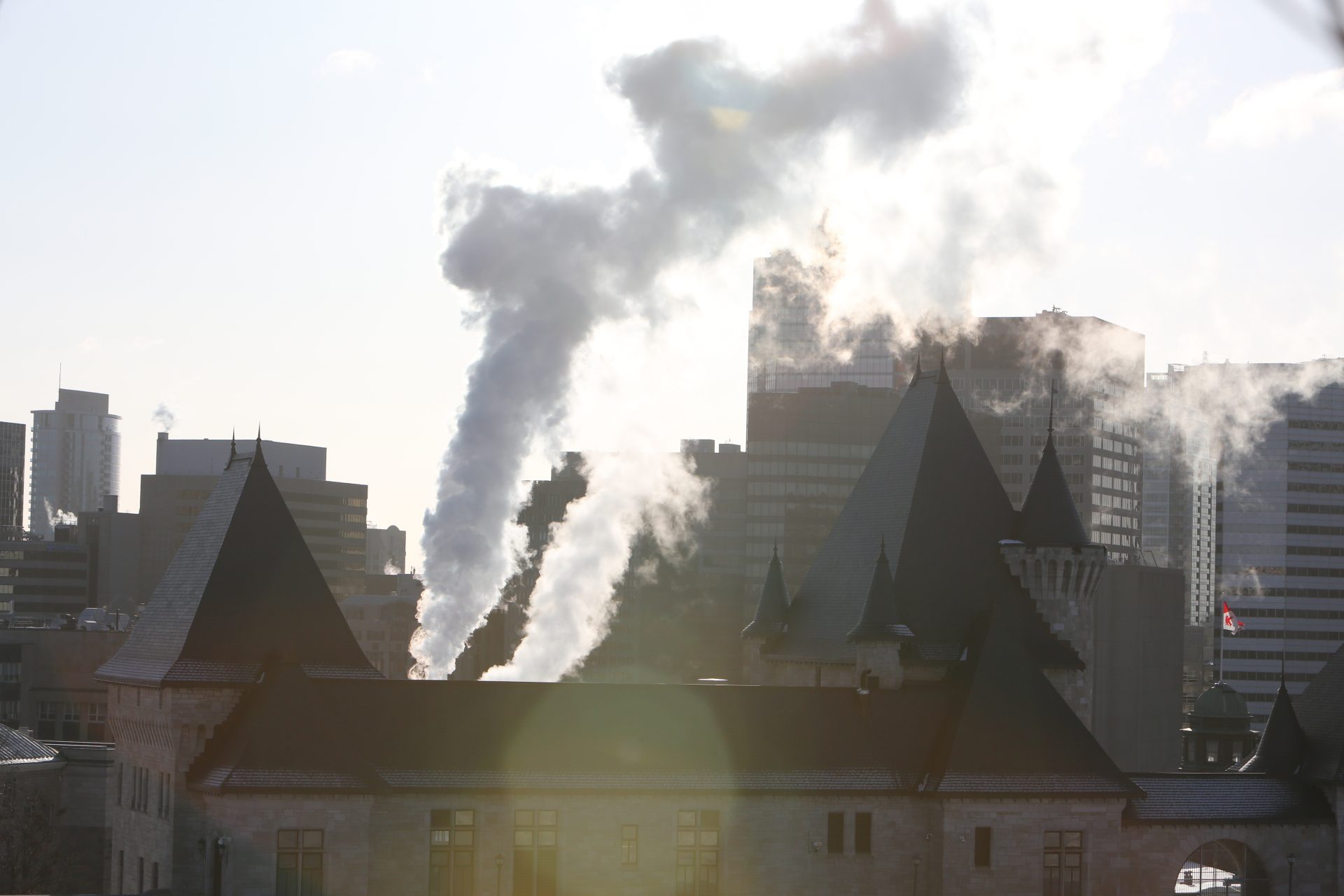
A makeshift switch on a sandblasting unit apparently set off an explosion of gasoline vapors killing a worker who was cleaning a petroleum storage tank. The victim had recently been promoted to foreman. His first
Since it's your first time, you may want to checkout some of the video tutorials.










 800-ICW-SAFETY (800.429.7233)
 SAFETYOnDemand@icwgroup.com