
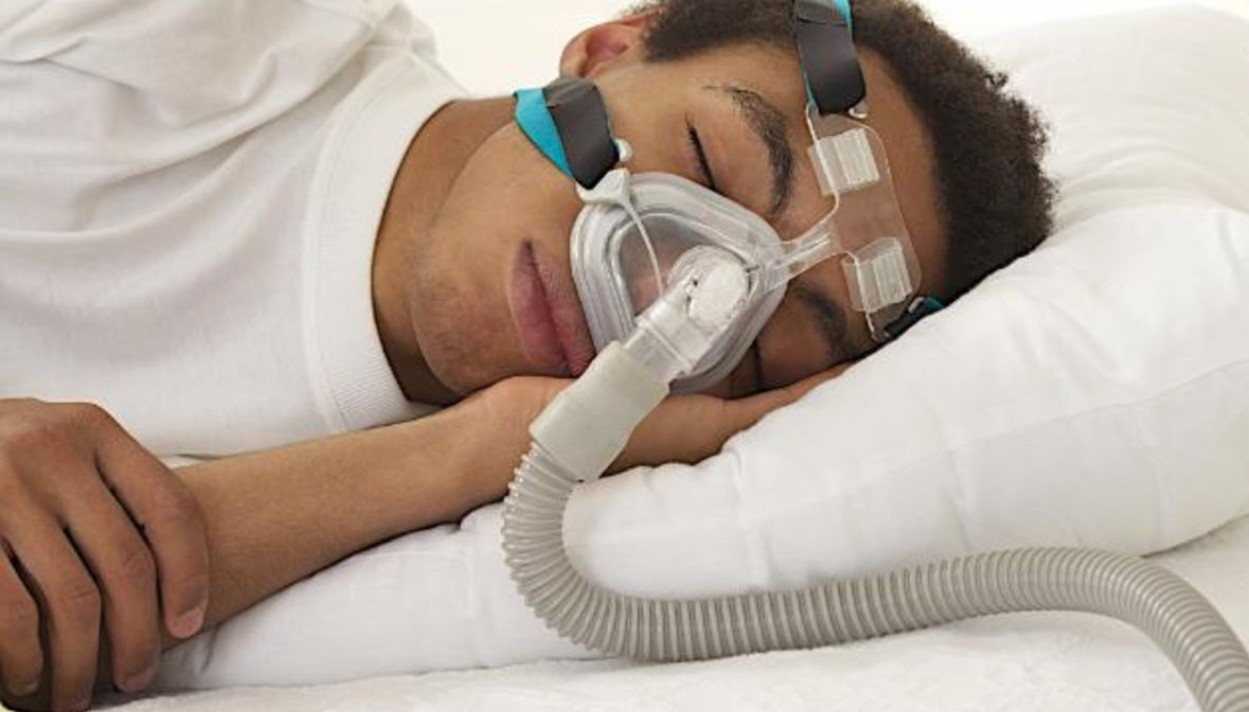
Sleep Apnea and Safety
Think back to the last time you came to work after a night spent tossing and turning – or with no sleep at all. Now imagine working that way day in and day out.
Think back to the last time you came to work after a night spent tossing and turning – or with no sleep at all. Now imagine working that way day in and day out.
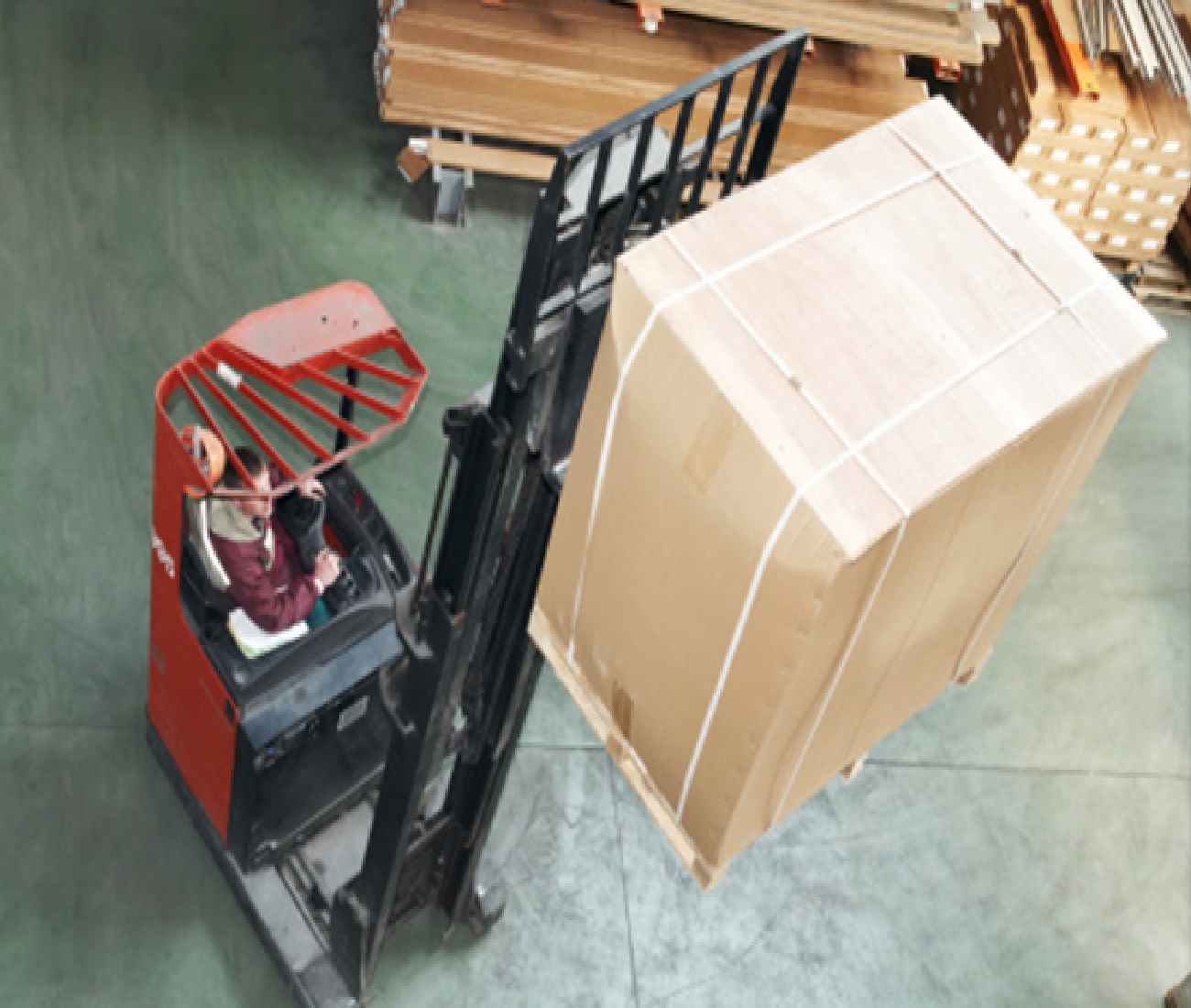
Workers who perform frequent and heavy lifting are at risk for back injuries and abdominal straining that can cause hernias. Arm, shoulder, neck and wrist pain is also a risk if materials are lifted improperly.
Every day we hear about environmental concerns including the diminishing ozone layer, overflowing landfills, pollution ... the list is endless. The problems seem so immense, what can one person do? The short answer is, plenty!
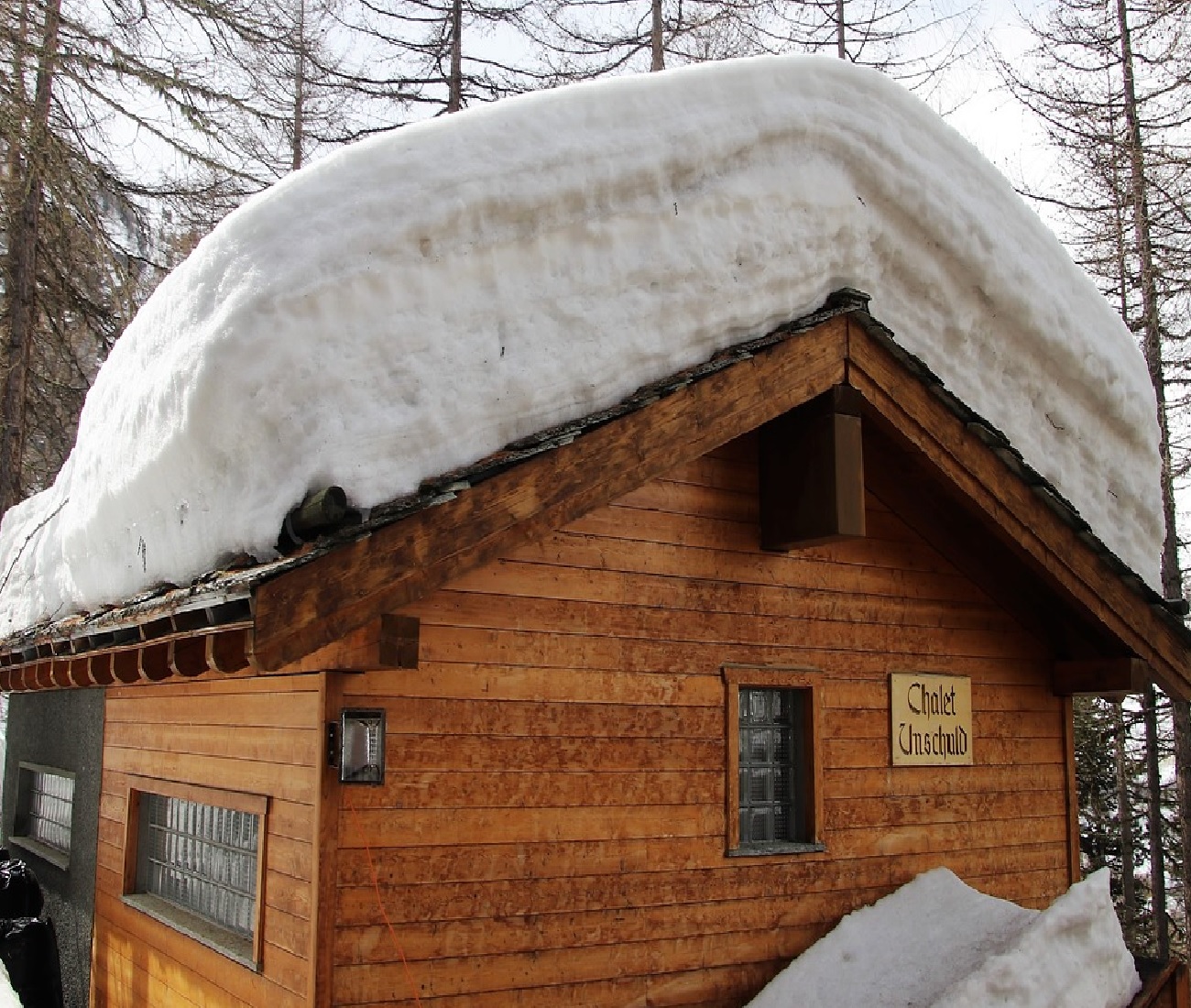
Snow and ice removal is a part of life for many facilities affected by winter weather. Clearing snow and ice from a roof can prevent injuries and property loss that occur when a roof collapses - but this activity also introduces hazards we need to understand and prepare for before any of us step on a roof.

On average, approximately 500 workers younger than 24 years of age die from work related injuries every year, and more than 800,000 are treated for nonfatal injuries in hospital emergency departments each year. While their injuries and illnesses might be similar, young workers face a different set of risk factors than older, more experienced workers.
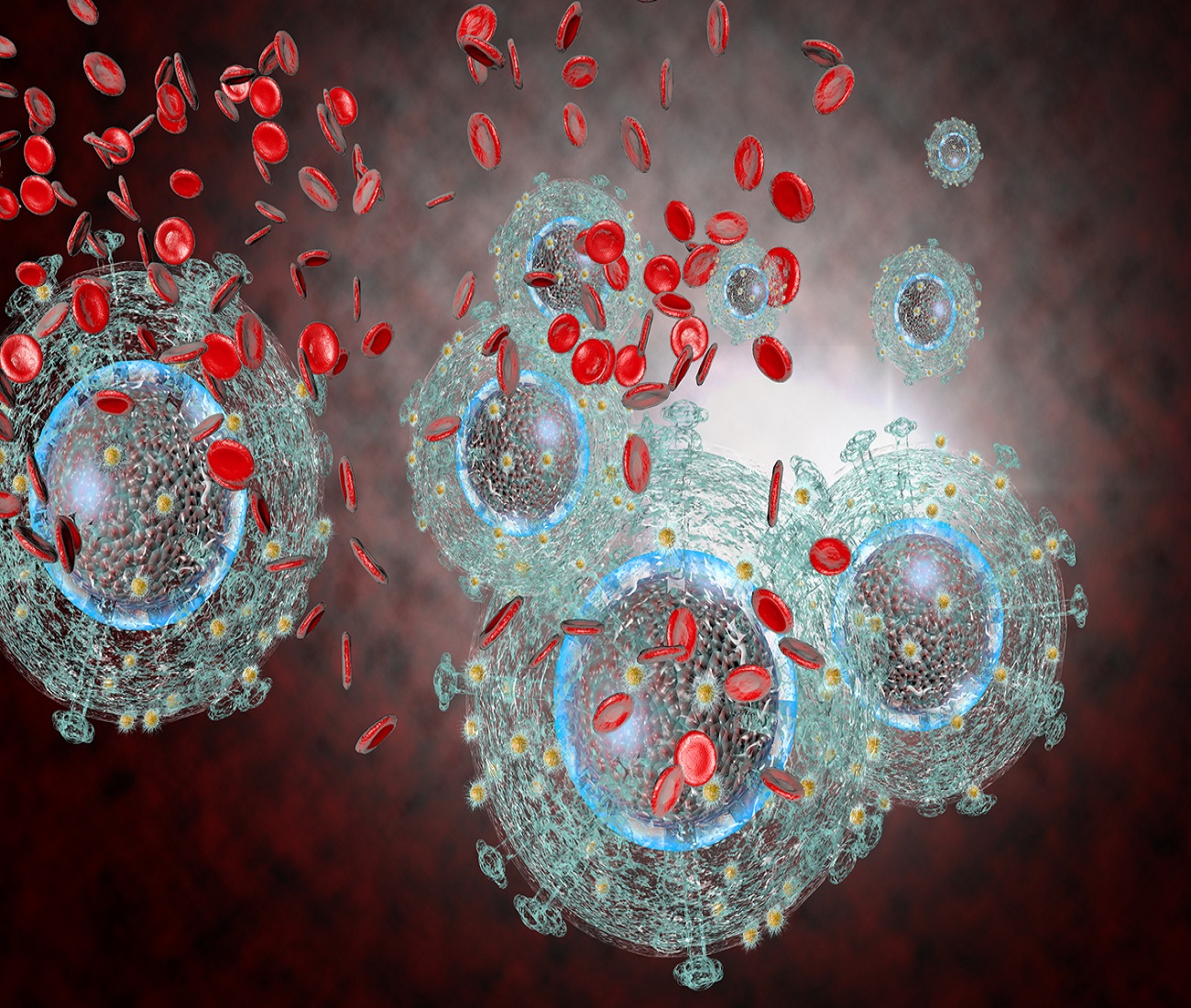
Bloodborne pathogens are infectious agents that can cause illness and death.
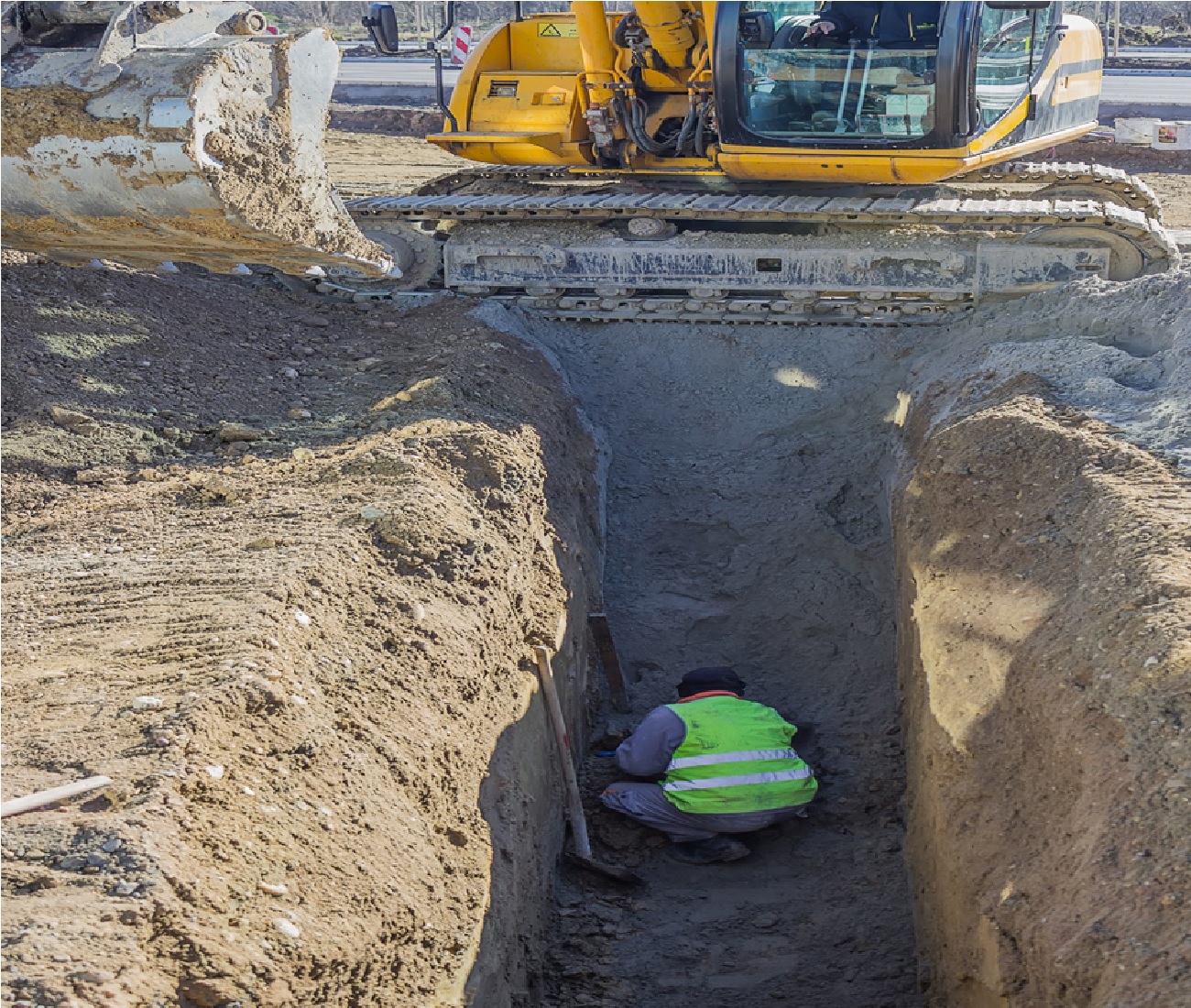
Struck-by and caught-between hazards account for over 1,500 workplace deaths a year and are present in almost every industry sector.
A job hazard analysis (JHA), sometimes called a job safety analysis (JSA), is a thorough work plan that is the cornerstone of any safety program.
Carbon monoxide, also known as CO, is a deadly gas. It’s colorless, odorless and tasteless, making it impossible to detect by human senses. When CO is breathed in, it quickly replaces the oxygen in the bloodstream. Various stages of illness can easily lead up to unconsciousness and death.
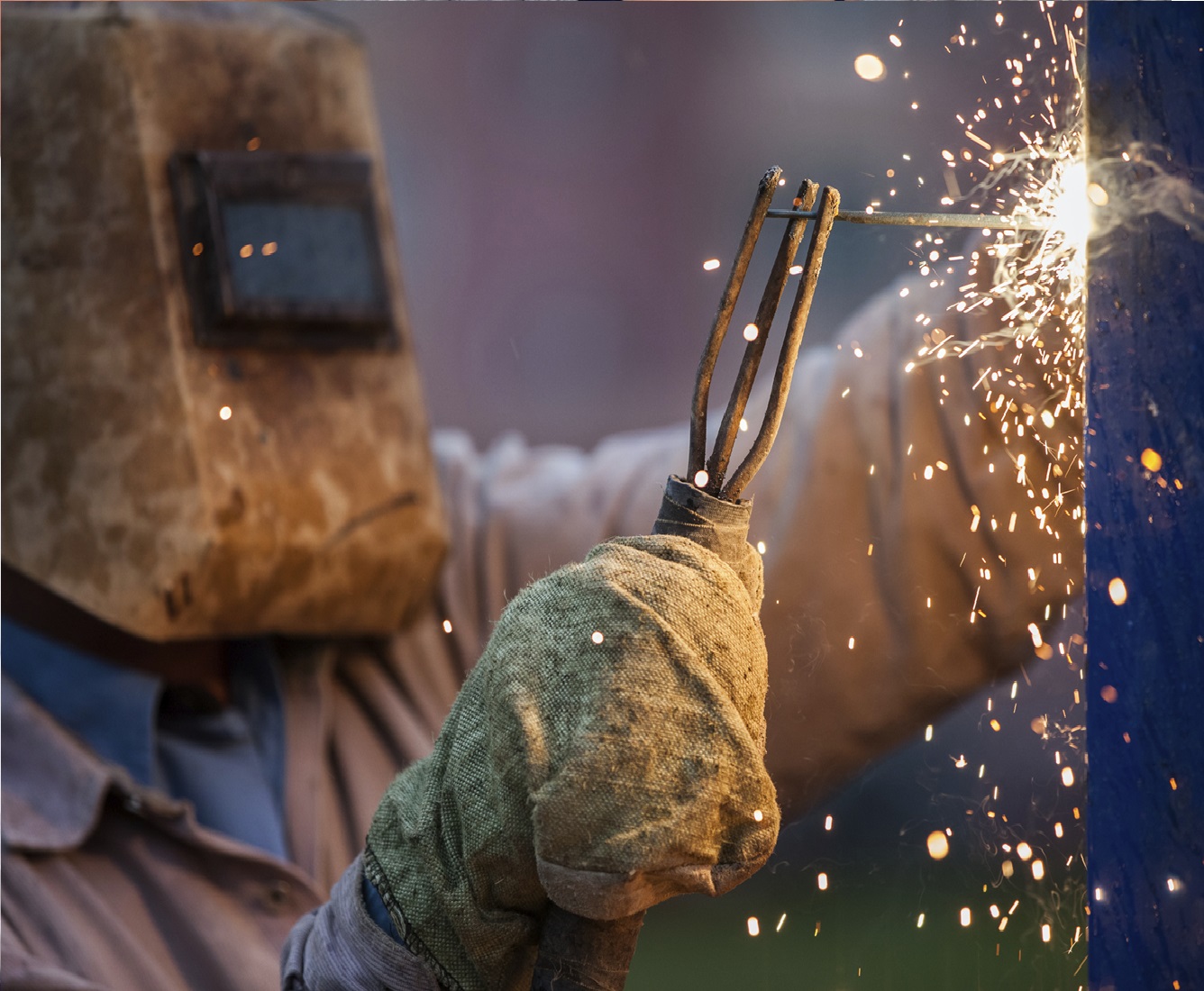
Welding poses a unique combination of both safety and health risks to more than 500,000 workers in a wide variety of industries.
While anthrax concerns have increased public awareness of respiratory biological hazards, there are many other common biological agents affecting workers every day. This safety talk will discuss a few of these hazards. What you need
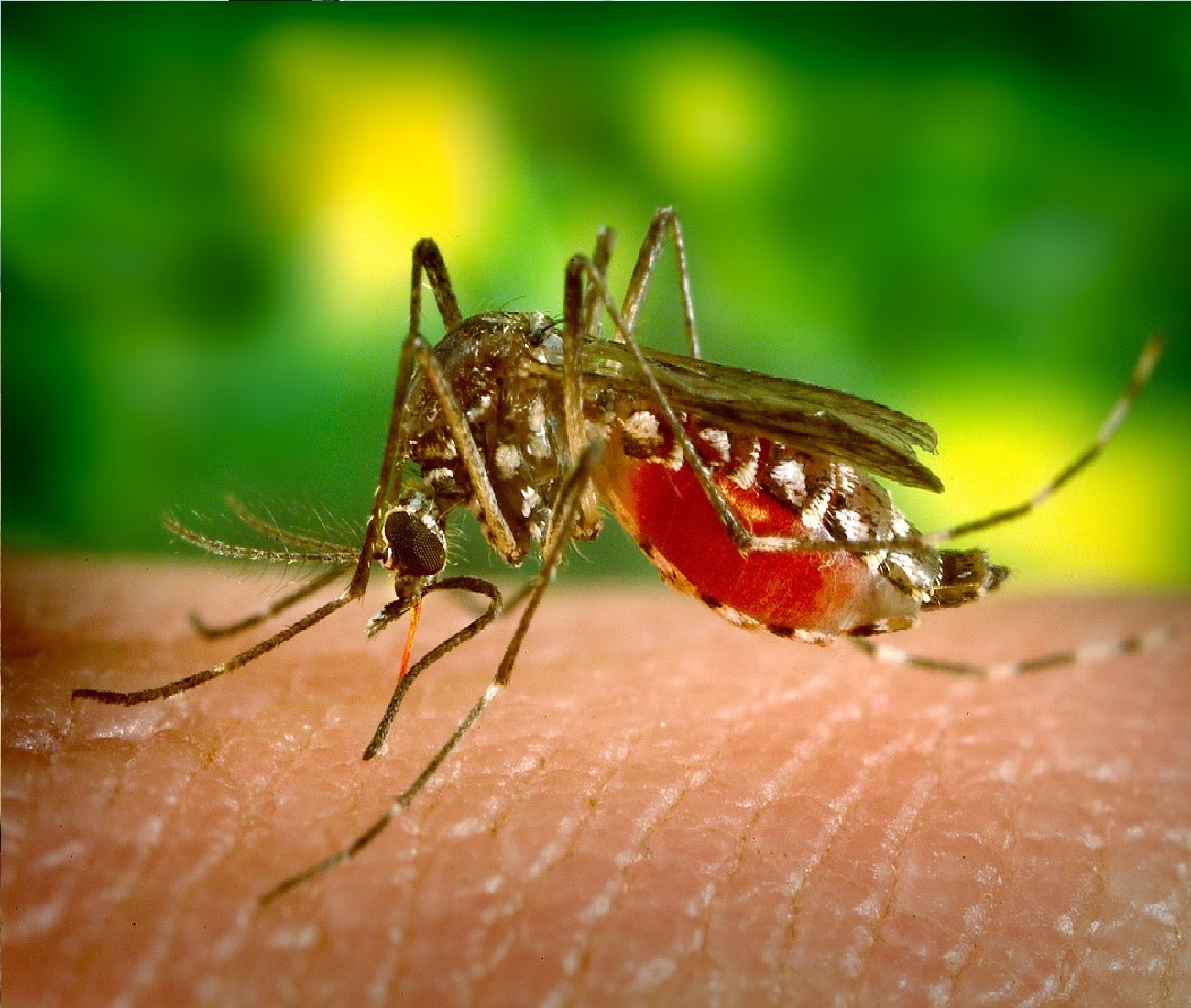
In humans, most West Nile virus infections cause either no symptoms or a mild flu-like illness. Severe infections include high fever, stiff neck, disorientation, tremors, muscle weakness and paralysis. The most severely affected patients may
Powered machinery such as mowers, trimmers, tillers and chippers slice through grass, weeds, branches and soil. These machines also easily slice through human fingers and toes.

Whether workers climb a ladder or the steps to a large vehicle, failing to heed the three-point rule has resulted in many workplace injuries and deaths.
If you have to work on equipment that cannot be de-energized before you work on it, you need knowledge about arc flash. It can cause traumatic injuries and death.
Aparte del resfriado común, la razón más frecuente para ausentarse del trabajo es el dolor de espalda.
Every day we hear about environmental concerns. The diminishing ozone layer, overflowing landfills, pollution ... the list is endless. The problems seem so immense that we ask ourselves what one person can do.
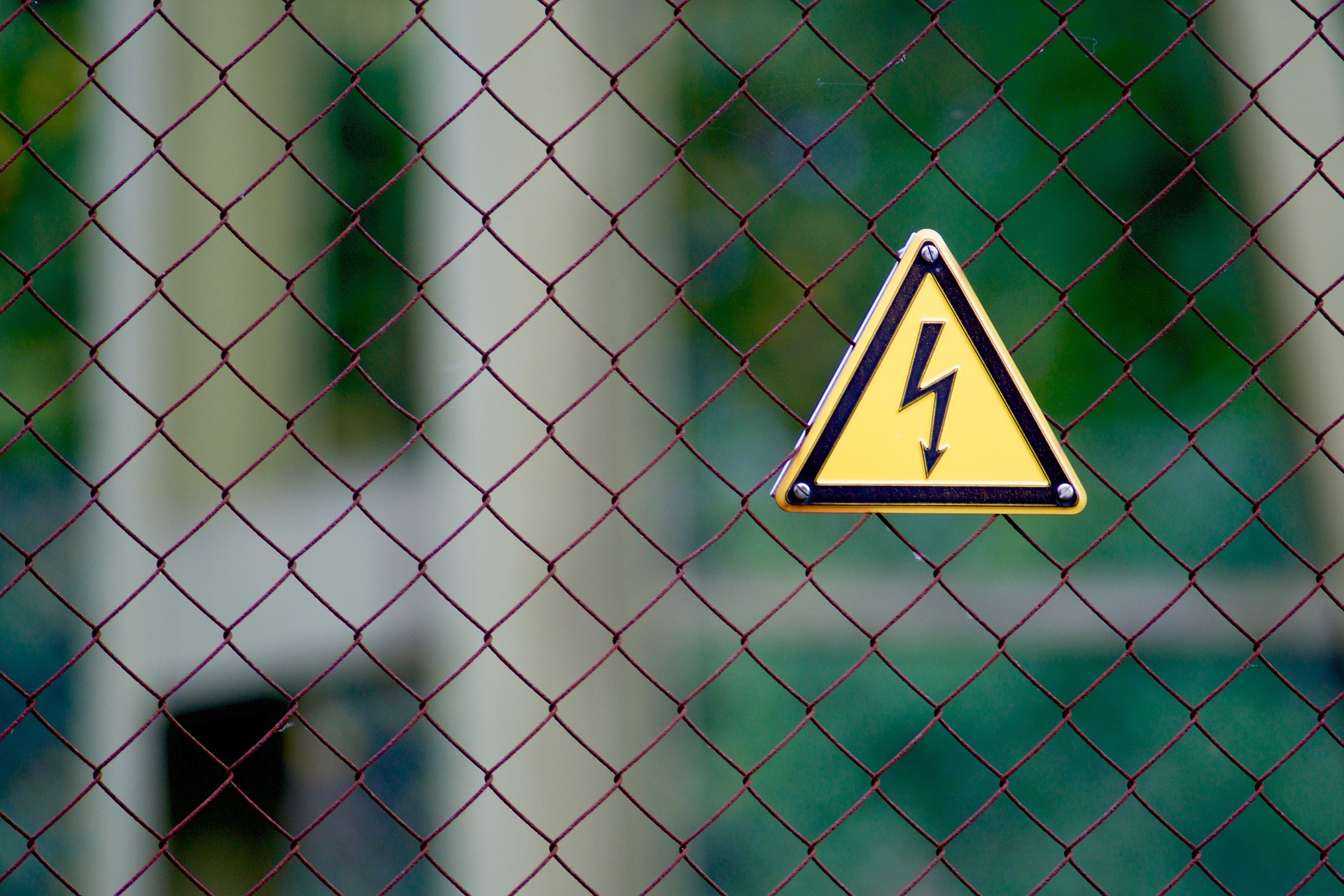
Electrical shock is a leading cause of workplace fatalities and almost every day approximately one electrocution, 10 disabling injuries and 100 electrical shocks are reported.
Focusing on a stationary object like a screen for a long period of time can have health consequences. The most common is a temporary condition called Computer Vision Syndrome (CVS).
No matter what job you are doing, safety is a thought process. So think S.A.F.E., which stands for See, Assess, Fix, and Evaluate. Taking a few moments to think through your task can save a lifetime of pain and regret.
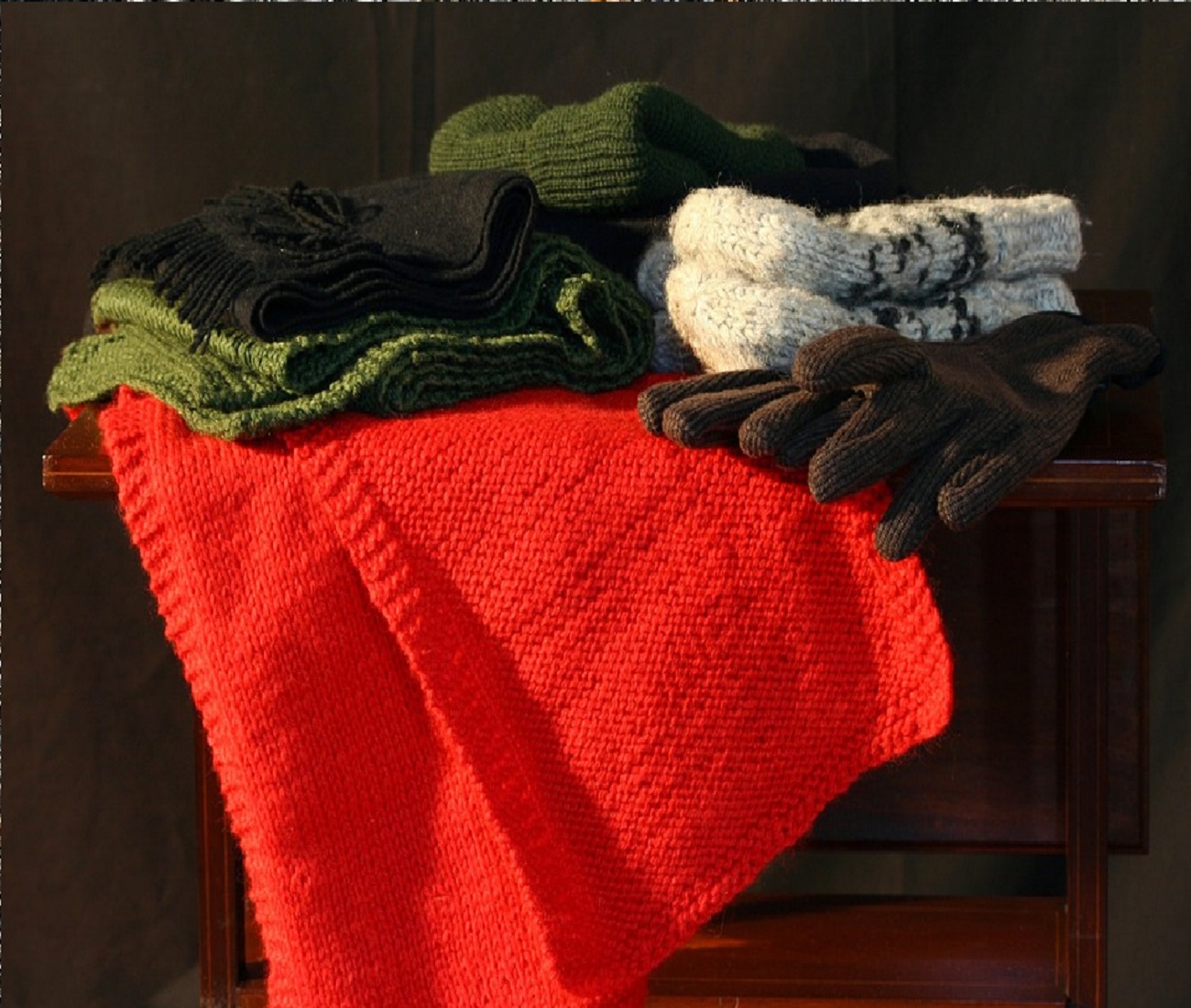
Do you know which clothes and protective equipment to wear in cold temperatures? This is important if you perform your job outdoors, or in any kind of low temperature environment such as food-storage freezers or meat-packing plants.
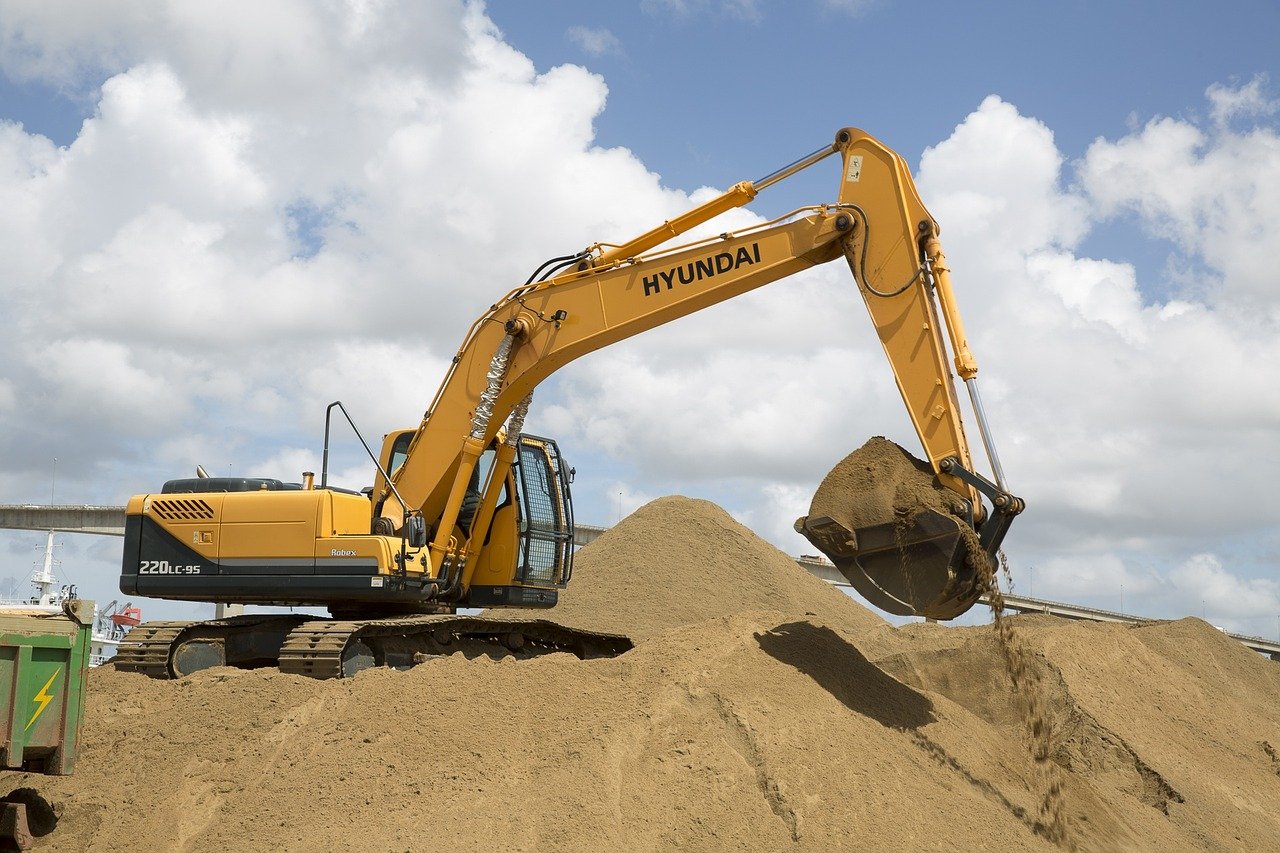
In this Safety Talk, learn about trench hazards and evacuation procedures to help prevent workers being injured or killed if a trench they are working in collapses.
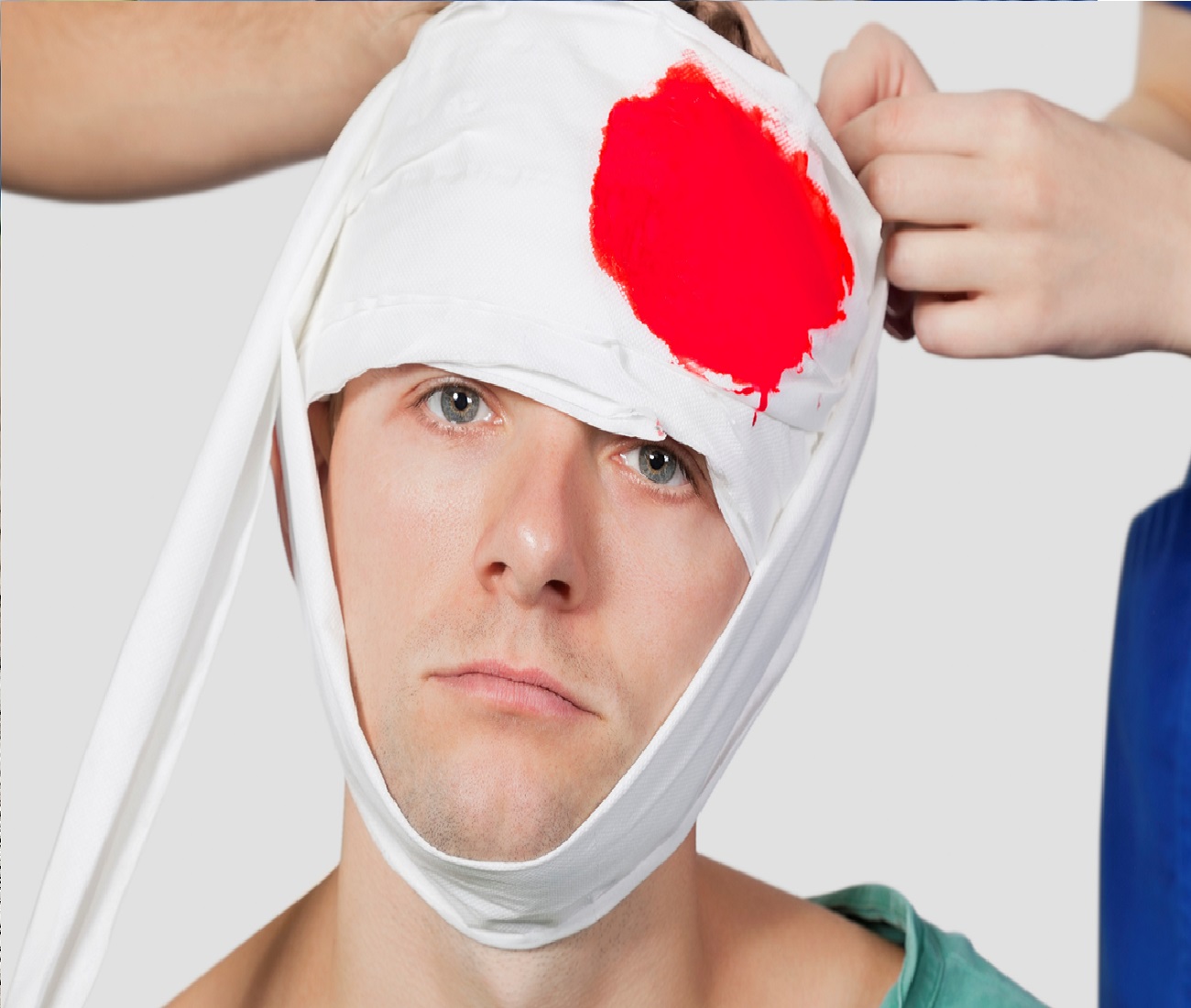
According to a recent report released by the CDC, nearly 1 in 5 Americans make a trip to the emergency room each year. And Canadians are among the most frequent users of emergency departments in the world, with an average of 17 million visits a year.

It’s summer! Time for the backyard barbecue, fireworks and fun in the sun. If you’re planning to host a day of summertime activities with family and friends, remember to work a little safety into the event, too.
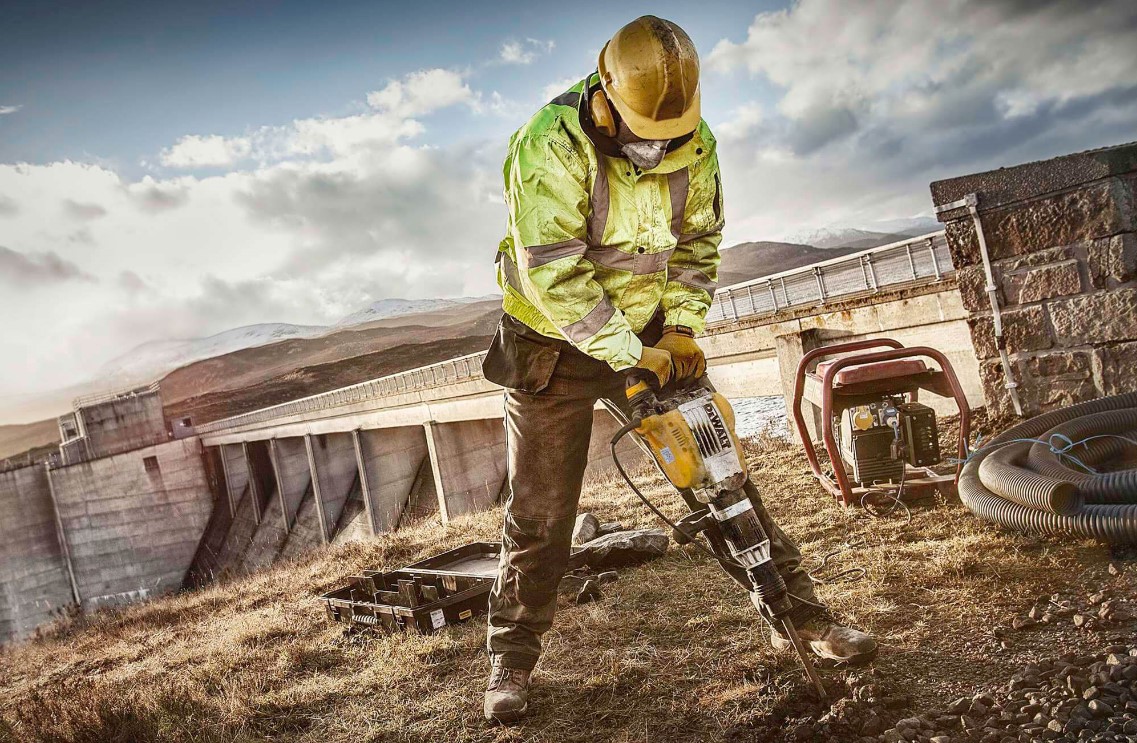
Safety Talk WHAT'S AT STAKE Millions of workers in North [...]
Since it's your first time, you may want to checkout some of the video tutorials.












 800-ICW-SAFETY (800.429.7233)
 SAFETYOnDemand@icwgroup.com