
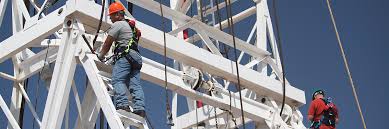
Picture This: Defying the Laws of Physics and Common Sense:
Some things you have to see to believe
Some things you have to see to believe
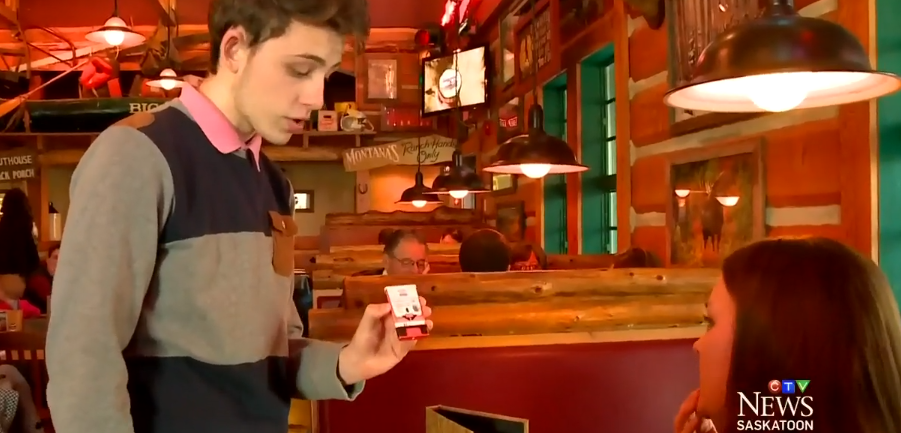
Star Winter, a customer at a restaurant in Saskatoon, SK, suffered a frightening allergic reaction to food and was fortunate that a restaurant employee, Aidan Murphy, was there to help her. Murphy gave Winter his personal epinephrine auto injector and a retired nurse administered it. The story had a happy ending, thanks to Murphy's quick thinking.
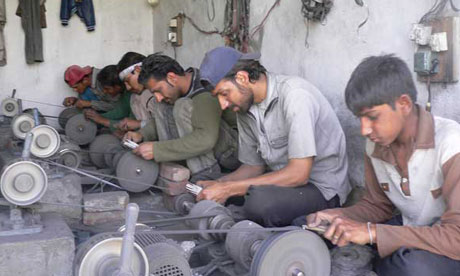
This photograph shows workers in Pakistan, including children, making scalpels and scissors without personal protective equipment or machine guarding. They could easily suffer eye injuries or machine entanglement injuries.
Imagine accidentally lodging a large nail deep inside your heart and living to tell about it. A Minnesota carpenter is recovering from open heart surgery after his ordeal.
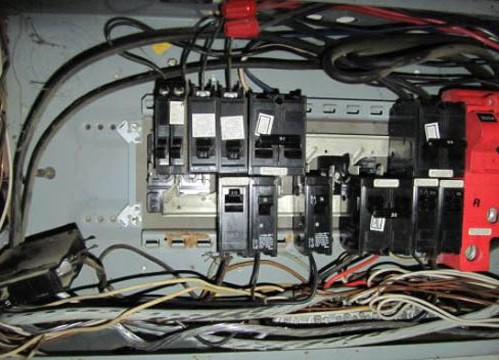
Amateur "handy persons" often produce shoddy work by failing to realize their limitations. But here's an example of someone crossing the line from shoddy to potentially deadly by performing electrical work they had no business tackling.
Try bending sharply at the waist for a minute and then stand up. Feel dizzy? Now imagine doing it while standing on two narrow boards high above the ground, with nothing but hard ground to break your fall should you lose your balance.
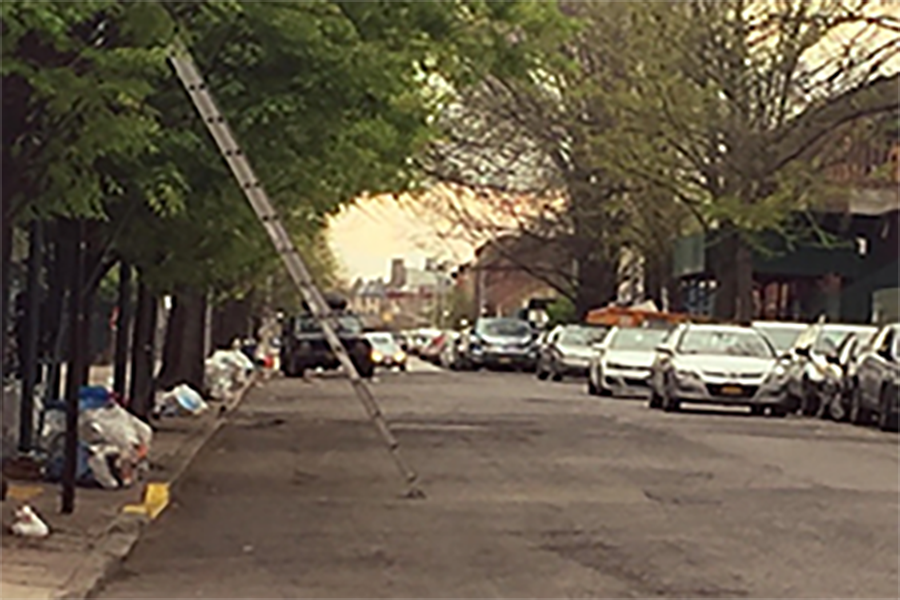
Whoever set this ladder up must have been so focused on getting the job done that he or she forgot to follow basic safety procedures.
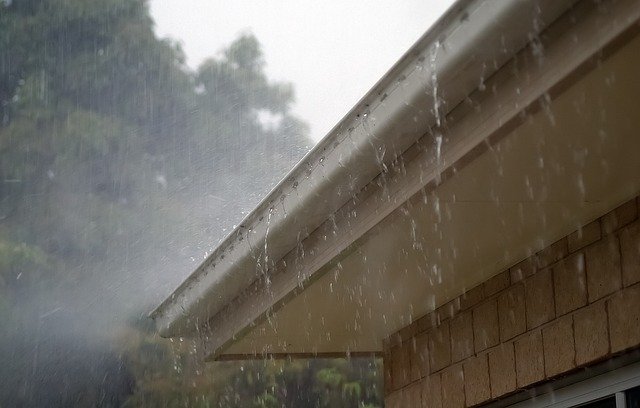
Most people hate the task of removing leaves and needles from rain gutters, so they try to get the job done as quickly as possible. This photograph shows a worker breaking two cardinal ladder safety rules while clearing a gutter of leaves.
Working in any trench without safeguards against collapse is risky, but this photo shows workers toiling in a deep, mucky one with lots of water in the bottom. It's a recipe for disaster.
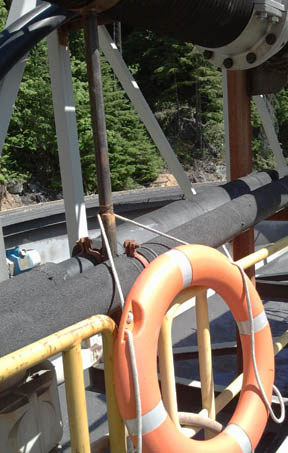
Here's an example oaf having an object designed to save lives that may be useless because it isn't easily accessible. The object in this case is a rescue ring that can't be used without a knife to cut it free.
This photo illustrates a very dangerous way to use a boom as a work platform, above traffic no less.
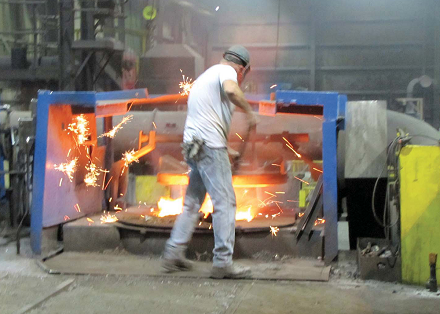
Molten metal and jeans and a T-shirt have no business being in close proximity. But this photograph shows a woefully unprotected worker getting up close and permanent with red-hot metal.
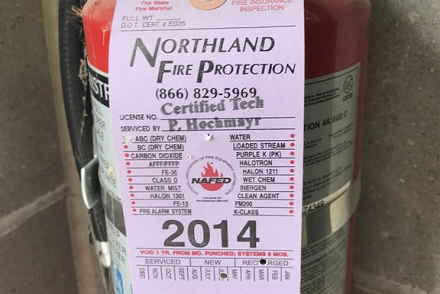
If this photo had been taken after June of 2013 or sometime before June of 2014, there wouldn't be an issue with this fire extinguisher.
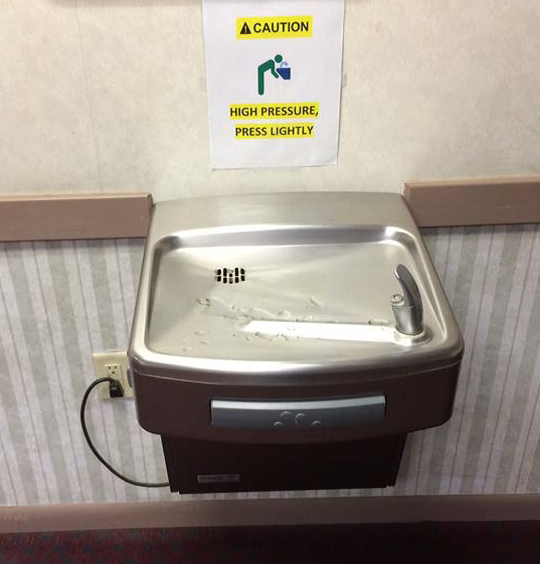
Some people get a charge from energy drinks, but here's a way to get one from a plain old drinking fountain. This photograph shows a fountain accompanied by a sign warning of high water pressure, located right next to a unsafely placed electrical outlet and plug.
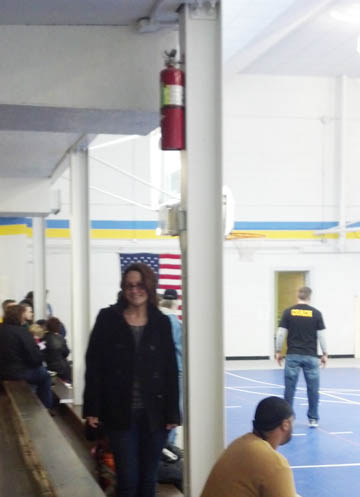
Location is everything, particularly when one is speaking about access to a fire extinguisher during an emergency. This device is well out of reach for all but the tallest people.
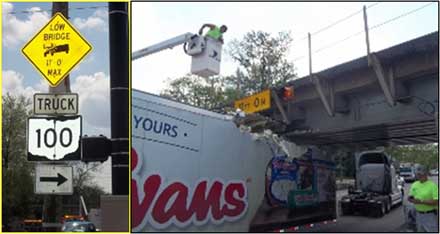
What happens to your rig when you underestimate a clearance height?
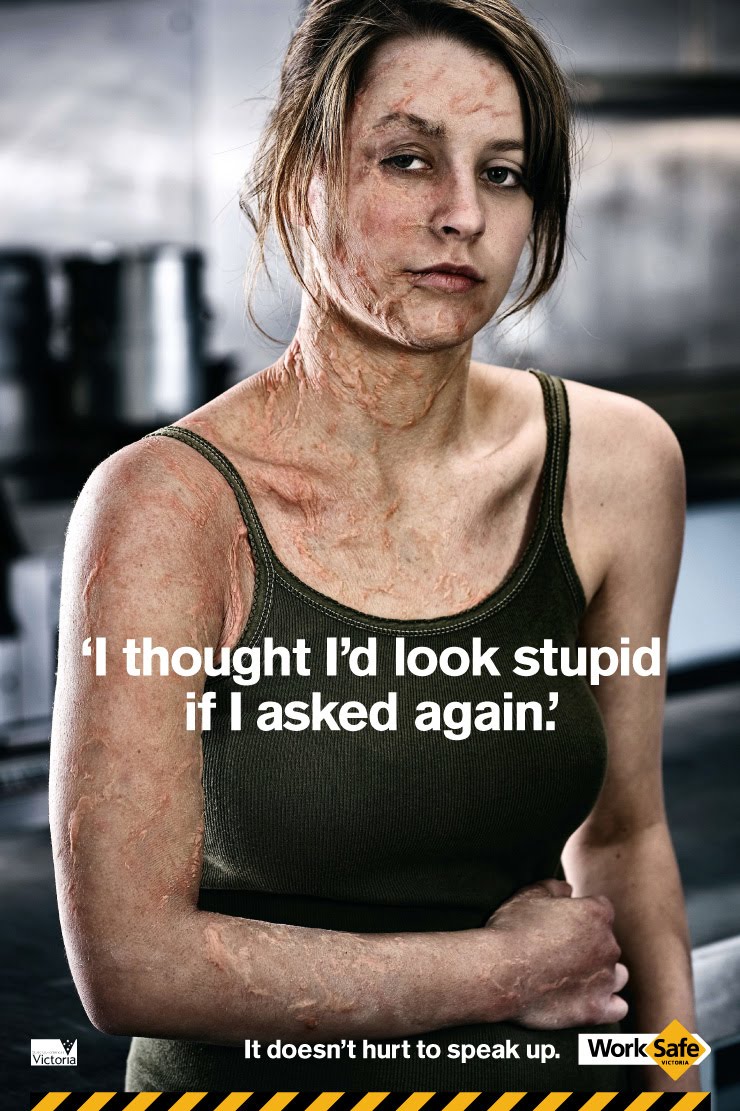
Many workers, especially young workers out to make a good impression, won't speak up when they have a question, for fear of appearing naive or stupid. They need to know it's always better to ask a question--any question--than to risk injury by trying to figure out a procedure on their own.
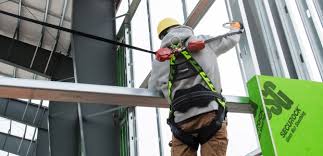
Heavy clothing, zero fall protection and working over water could prove to be a losing proposition for this worker.

A revealing glimpse into what OHS prosecutors look for when [...]

If a co-worker says or does something to upset or [...]
Six traffic safety statistics that may shock you. Odds of [...]

Taking a Successful Safety Program to the Next Level Paradoxically, [...]
An operator on a landscape project experienced sneezing, shortness of [...]
Motor vehicle accidents are the leading cause of death for the American worker. Since virtually everyone drives a vehicle every day for either business or personal reasons, defensive driving training is of vital importance. This program discusses distracted driving, stopping distances, following distances, adverse weather and other defensive driving techniques.
(20 Minutes)
Over the years, we've learned that the nation's hazardous waste problems cannot be cured by simply burying waste in the land. Treating chemicals prior to land disposal will not necessarily remedy our hazardous waste problems.
(14 Minutes)
Since it's your first time, you may want to checkout some of the video tutorials.









 800-ICW-SAFETY (800.429.7233)
 SAFETYOnDemand@icwgroup.com