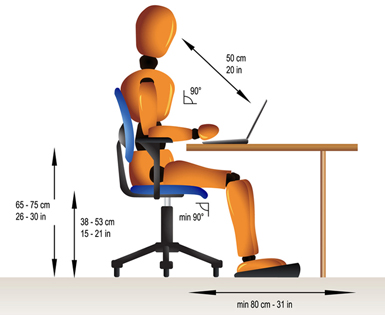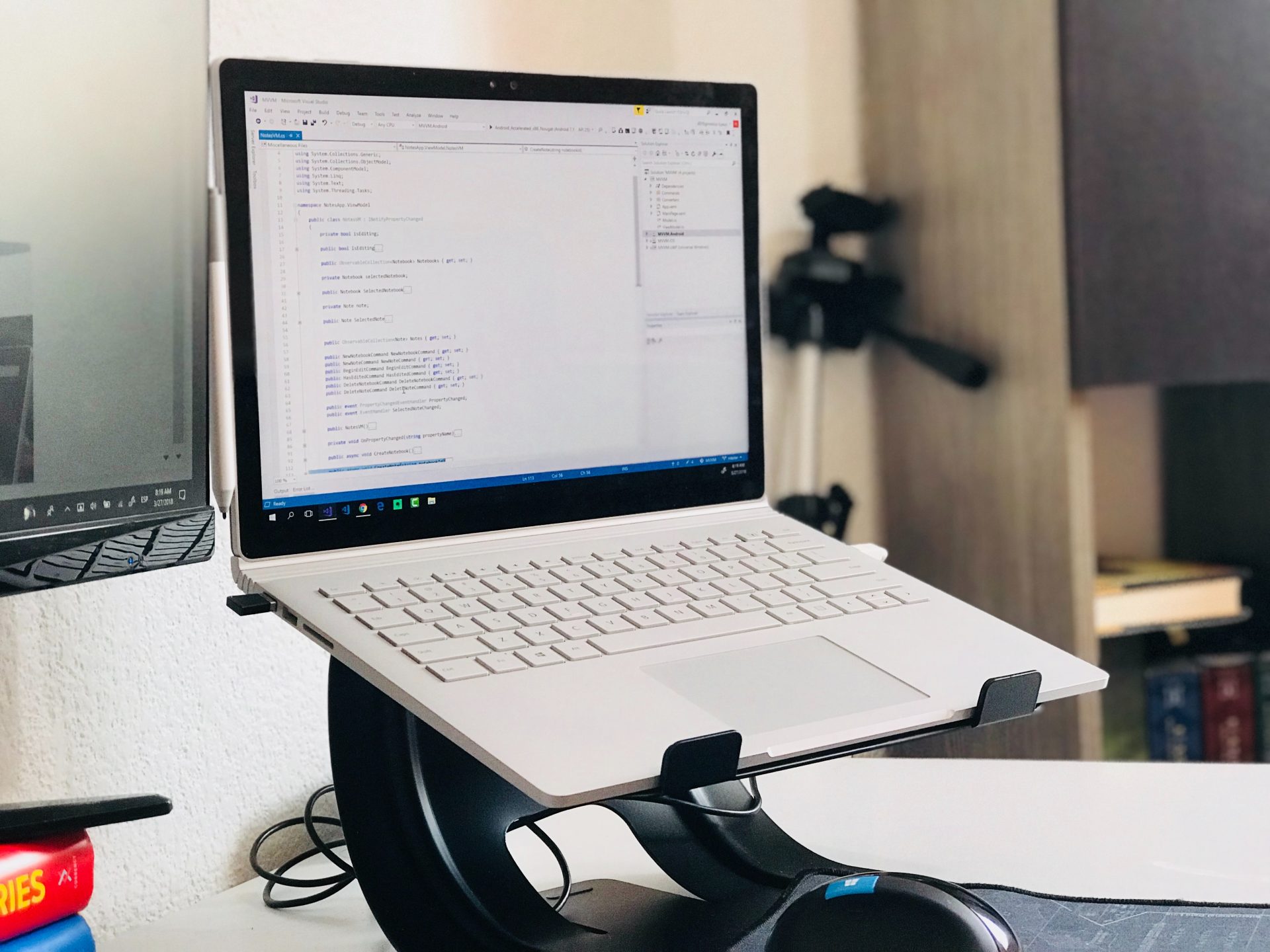
Working Ergonomically Safety Video
This video addresses how to recognize ergonomic problems and the potential adverse effects. It introduces some practical solutions employees can use to help deal with ergonomic problems in the office.
(13 Minutes)
This video addresses how to recognize ergonomic problems and the potential adverse effects. It introduces some practical solutions employees can use to help deal with ergonomic problems in the office.
(13 Minutes)
These types of injuries are often associated with lifting, pushing, pulling, tossing and handling ma¬terial. In this effective and motivational program, your employees will learn how the body functions, risk factors associated with overexertion type injuries, and preventive measures they can utilize to reduce their exposure and prevent injuries.
(14 Minutes)

A hand injury occurs in the workplace every 32-seconds. Though they usually do not grab the headlines and are not fatal in nature, over 16 million individuals seek emergency care each year for hand injuries. Hands are often in the forefront of the specific task being performed and thus exposed to more risks.
(13 minutes)
Tom didn't realize it, but he was a victim of contact stress. For the past year the electronics assembly worker developed painful symptoms merely by resting his forearms against the edge of his workbench. It was starting to take a nasty toll.
Equipment that you use on the job may require you to apply pushing or pulling forces.
La ergonomía es un campo de investigación que estudia la comodidad y la seguridad del cuerpo humano cuando las herramientas, los lugares de trabajo y los procedimientos del mismo se ajustan al trabajador.
If your job involves repeated motion or vibration to the hands, carpal tunnel syndrome could creep up on you. It tends to occur in carpentry, cashiering and assembly line work, but it can also occur in many other kinds of work.
By understanding the basics of ergonomics and how they relate to your job, you may be able to prevent painful injuries.
One size does not fit all when it comes to work equipment.

Workers who perform frequent and heavy lifting are at risk for back injuries and abdominal straining that can cause hernias. Arm, shoulder, neck and wrist pain is also a risk if materials are lifted improperly.
Focusing on a stationary object like a screen for a long period of time can have health consequences. The most common is a temporary condition called Computer Vision Syndrome (CVS).
Women are twice as likely as men to suffer ergonomic-related injuries.
In this Safety Talk, we’ll learn about the difference between strains and sprains, discover the risk factors that increase the likelihood of a strain or sprain, and discuss how these injuries can be prevented.

Safety Talk WHAT'S AT STAKE Millions of workers in North [...]
Do you often need to make strange or awkward movements to get your work done? Long reaches, twists, bends and stretches put your shoulders, back and elbows in uncomfortable and unnatural positions. These postures can
There are numerous tasks that can lead to what have become known as musculoskeletal disorders (MSDs). Frequently, they involve the use of equipment and moving of materials, or working with big pieces of equipment. It

Boxes and cartons The best way to carry boxes and cartons is to grip them at opposite top and bottom corners. Carry sacked materials the same way, and against your waist if possible. Don't strain

Train the Trainer - Ergonomics Training Lift Teams to Avoid [...]

A basic understanding of ergonomics can help you work more comfortably and safely. Do you understand these ergonomics terms?

Ergonomics is all about a good fit between you and your job. The correct answers to these clues are a good fit for these crossword spaces.
Some 2.2 million people worldwide die of work-related accidents and occupational diseases each year.

Supervisors can use this checklist as a tool to identify [...]
Sitting at a workstation for hours at a time isn't [...]
Safety Talk What’s at Stake? Older workers are dying on [...]

What can the 3 Stooges teach your workers about MSDs?