
Essential 29: Confined Space Entry – Permit Required – Spanish
Course Description Upon completion, learners will be able to identify [...]

Course Description Upon completion, learners will be able to identify [...]
Key Takeaways: - Learning the characteristics and examples of a [...]
Key Takeaways: - Recognizing characteristics and examples of a confined [...]
Can you find all the words associated with the safety precautions and hazards of confined spaces?
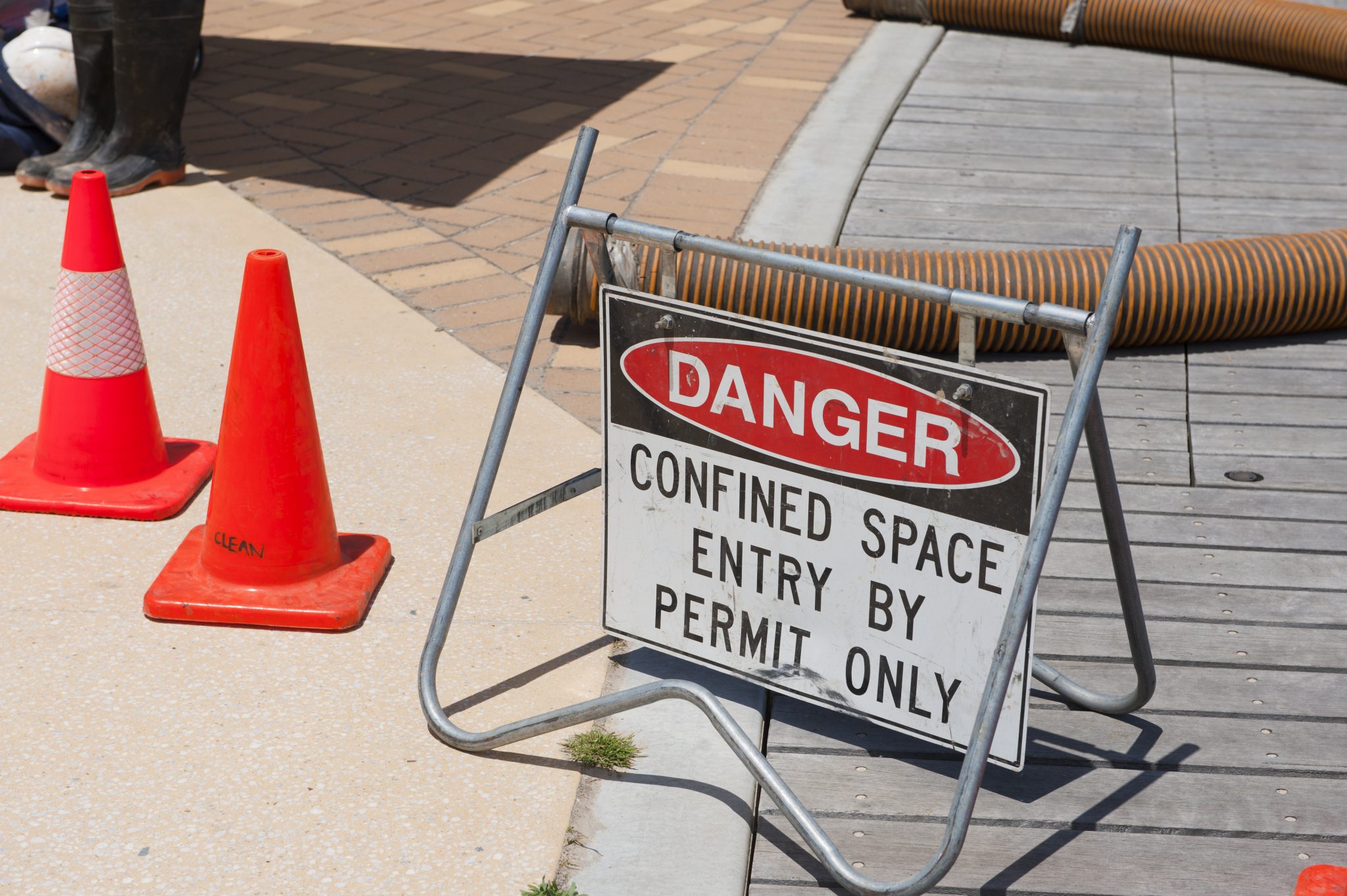
Working in a confined space is one of the most dangerous of all workplace hazards. In fact, it’s been calculated that working in a confined space is 150 times more dangerous than doing the same job outside of the space. While this Workplan is geared toward compliance remember, compliance is often only the minimum set of requirements for safety.
A Permit-Required Confined Space may be reclassified as a non-permit confined space under certain conditions. Use this form to document reclassification.
Multiple-fatality confined space incidents are far too common as untrained and unprotected would-be rescuers attempt to save their co-workers and others who have fallen victim to the dangers of confined spaces.
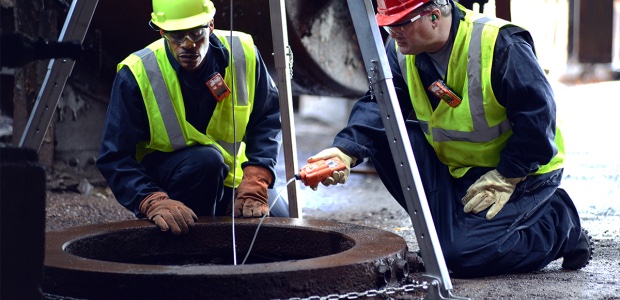
One of the core elements that a confined spaces entry program must include is a safe entry procedure. And one of the things required for entry into a confined space is an entry permit.
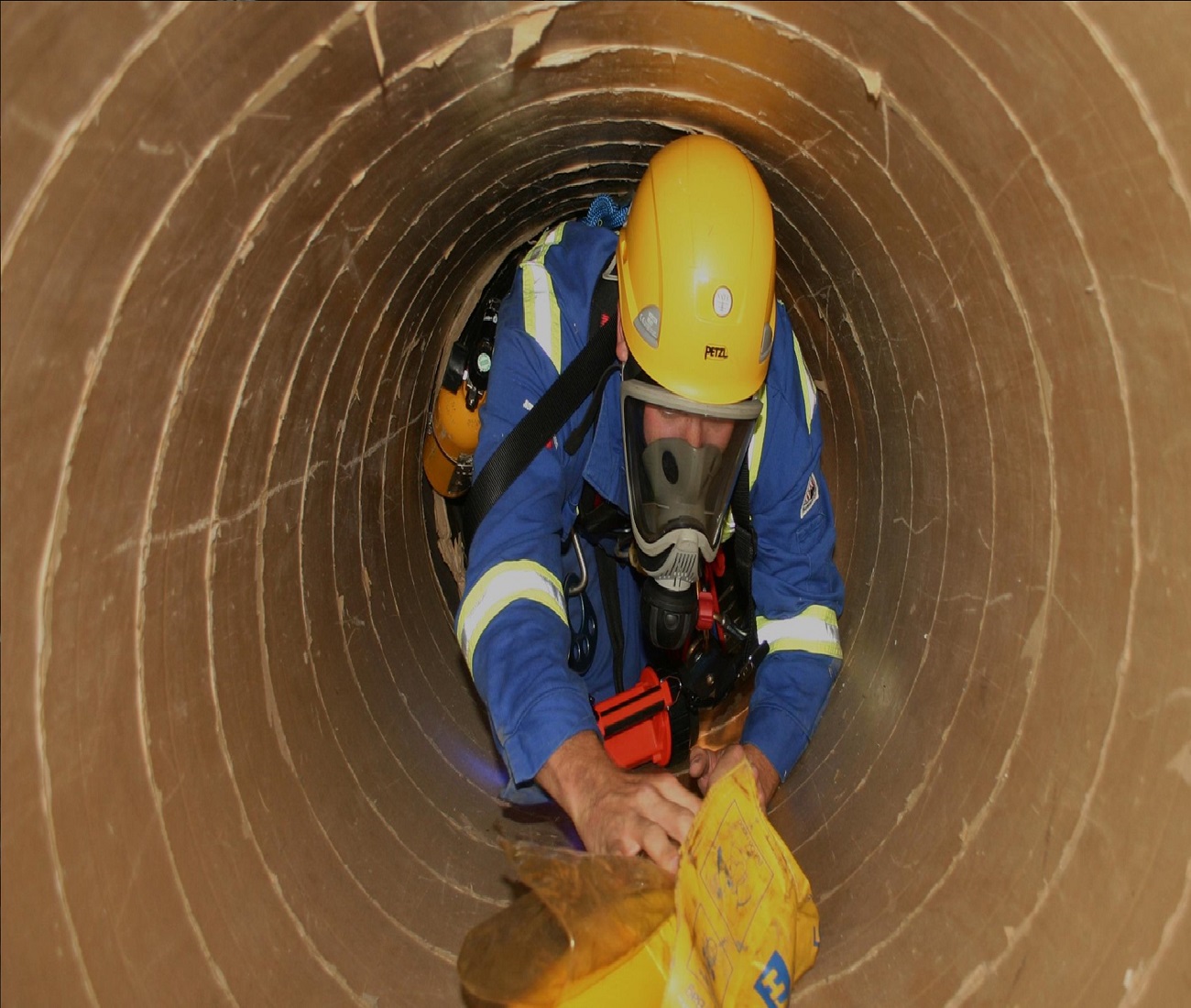
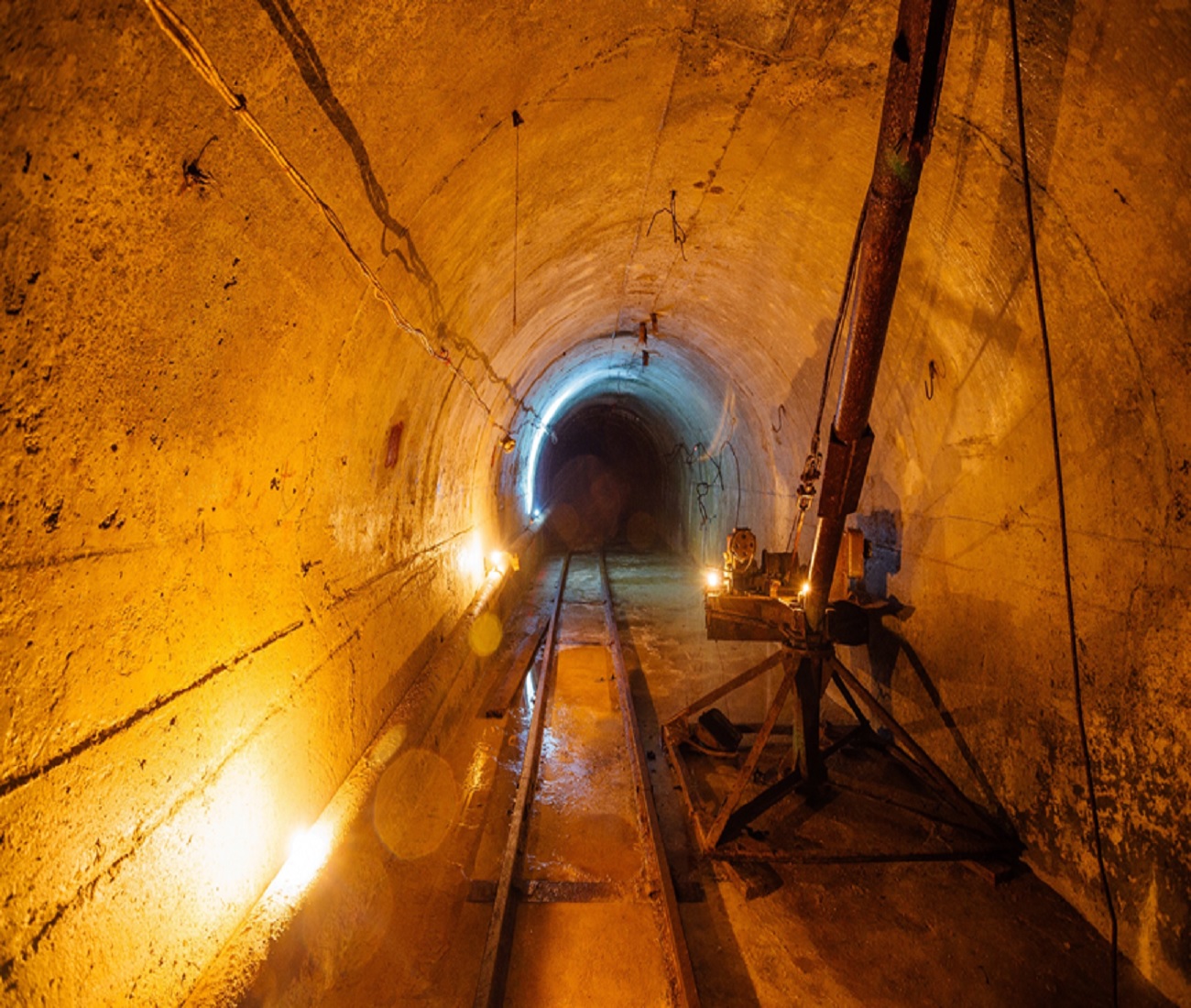
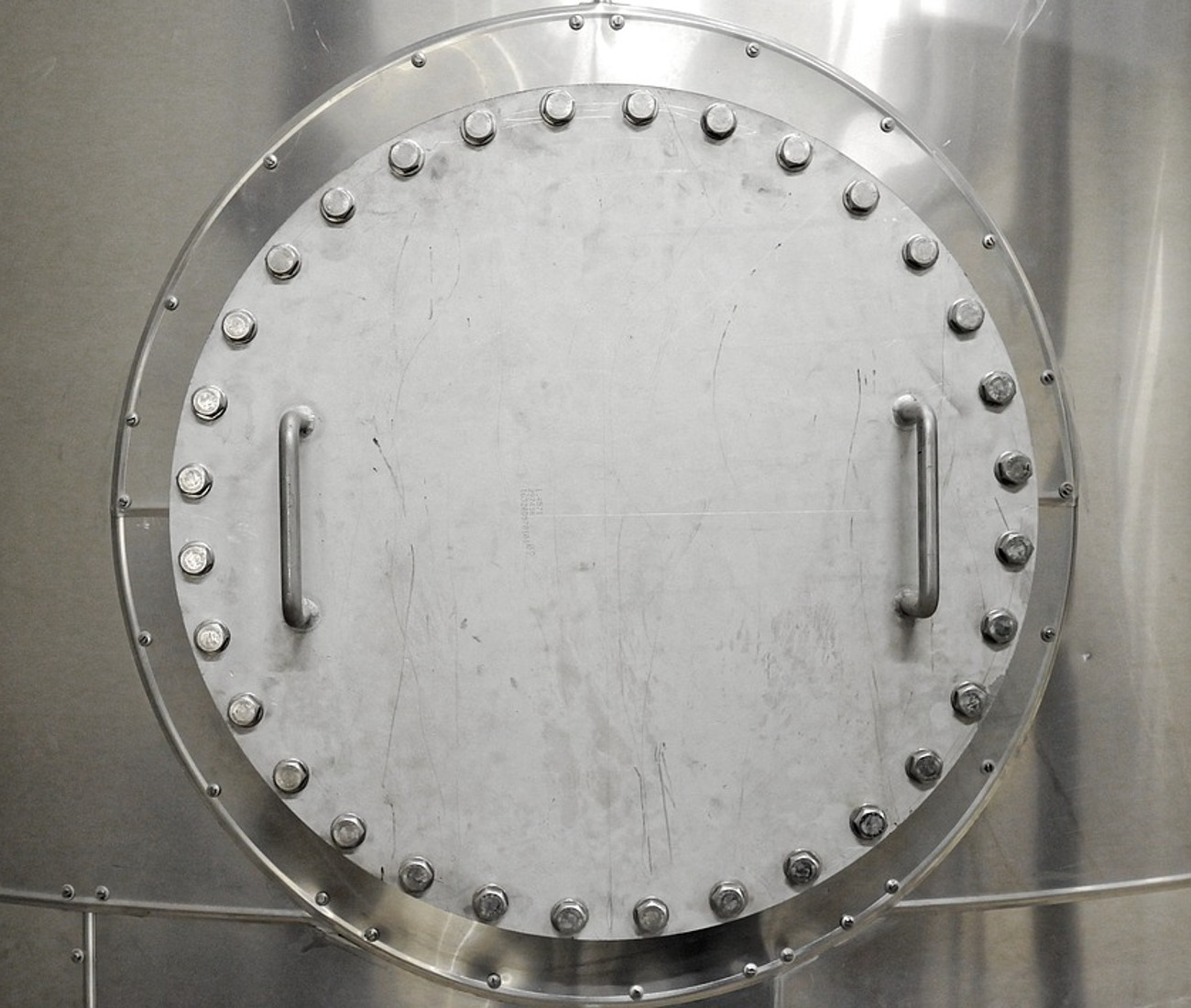
Let’s get serious about confined space safety. Confined spaces can be seriously dangerous and are the leading cause of multiple fatalities in the workplace. Here’s why… A confined space has limited openings for entry or exit, is large enough for entering and working, but is not designed for continuous worker occupancy.
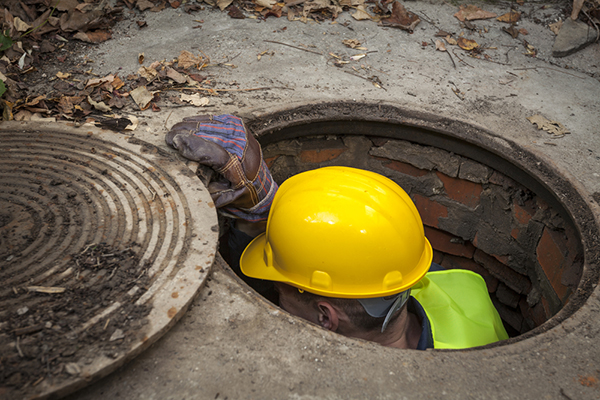
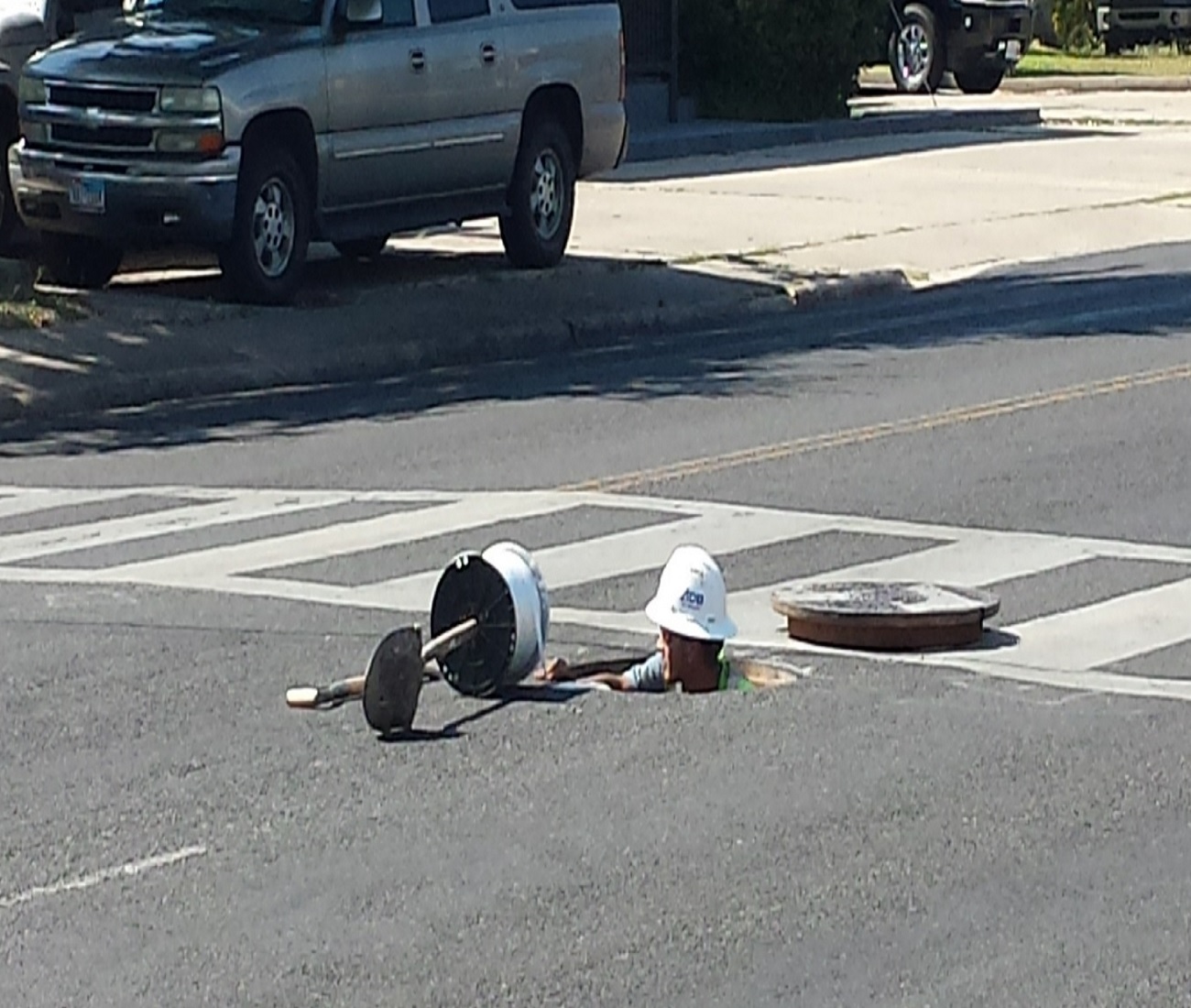
Two employees from a local construction company were assigned to repair a sewer line leak. One employee was responsible for entering the sewer—a confined space—to repair the leak. The other stayed topside as a standby person.
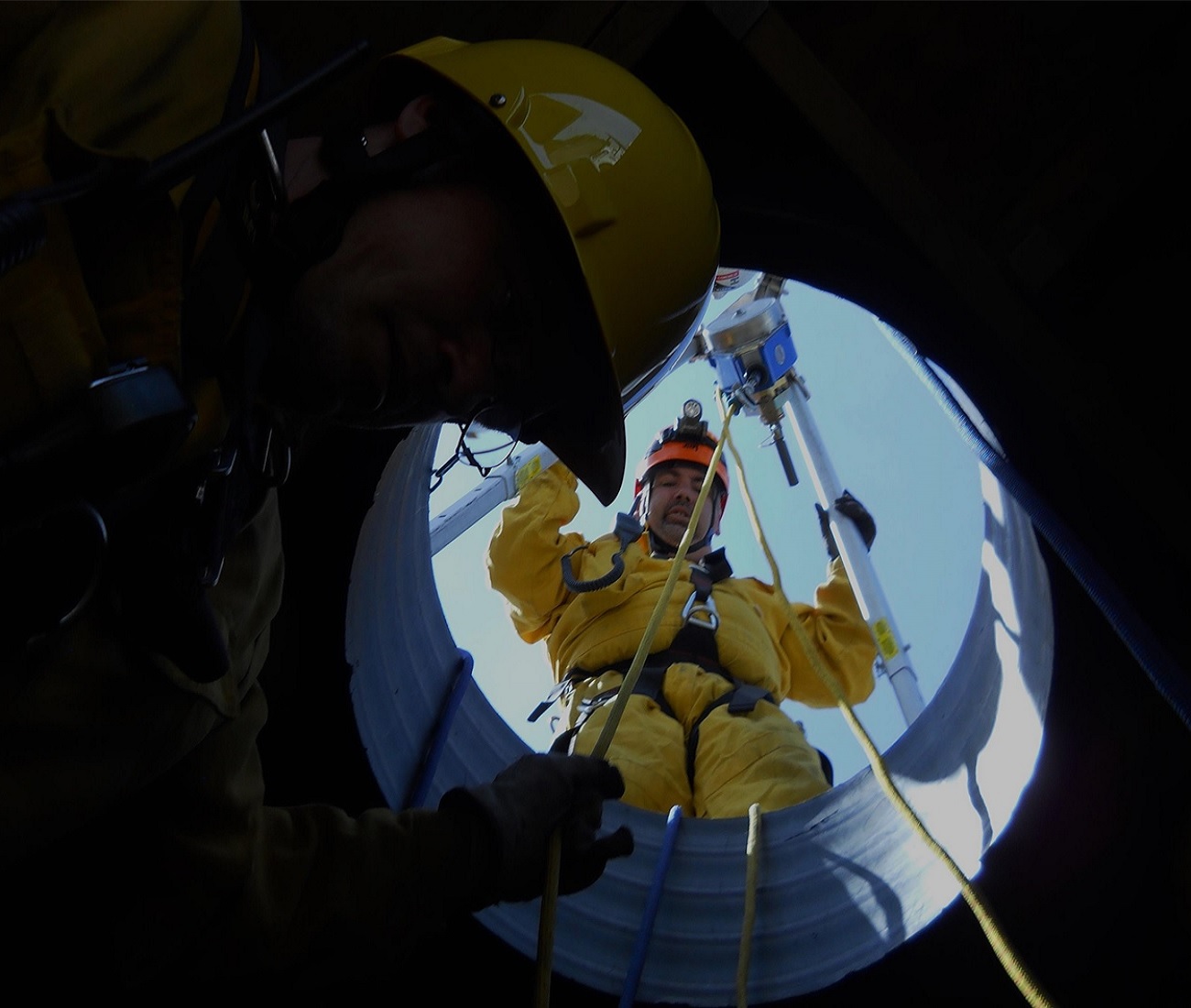
Permit-required confined space entry procedures must be part of your employers confined space entry program. Following these procedures will save your life and the lives of bystanders who may attempt rescue (unprepared and unprotected).
Confined spaces are notorious for hazards, often hidden that you can’t see or smell. Too many times when a hazard in a confined space is recognized it is too late for the entrants in the space to save themselves. Here are six hazardous and deadly confined space situations.
Use/modify this form to identify hazards associated with a confined space and to determine procedures and safety precautions required for entry into the space. This form is to be completed by a trained and competent Confined Space Entry Supervisor.
Permit required confined spaces have long been – and still are - the leading cause of multiple fatalities in the workplace.
Use this Decision Tree to help you determine if a confined space is a permit-required confined space or a non-permit confined space.
Seven Confined Space Entry Do's and Don'ts

The freedom of working alone sounds like a dream job for many, but the downside is there’s nobody around to help you if something goes wrong. Social workers, home care nurses, custodians, security guards and late-night convenience store clerks all face hazards from working solo. People might not be able to hear your calls for help and come to your rescue when you work alone.
Increasingly, utilities are installing much of their services underground.
Here are seven facts relating to confined spaces: 1 confined [...]
Safety Talk What’s at Stake? A confined space does not [...]
Fatality File “Somebody better do something about that [propylene oxide [...]

The company is facing $148,500 in proposed penalties for several [...]
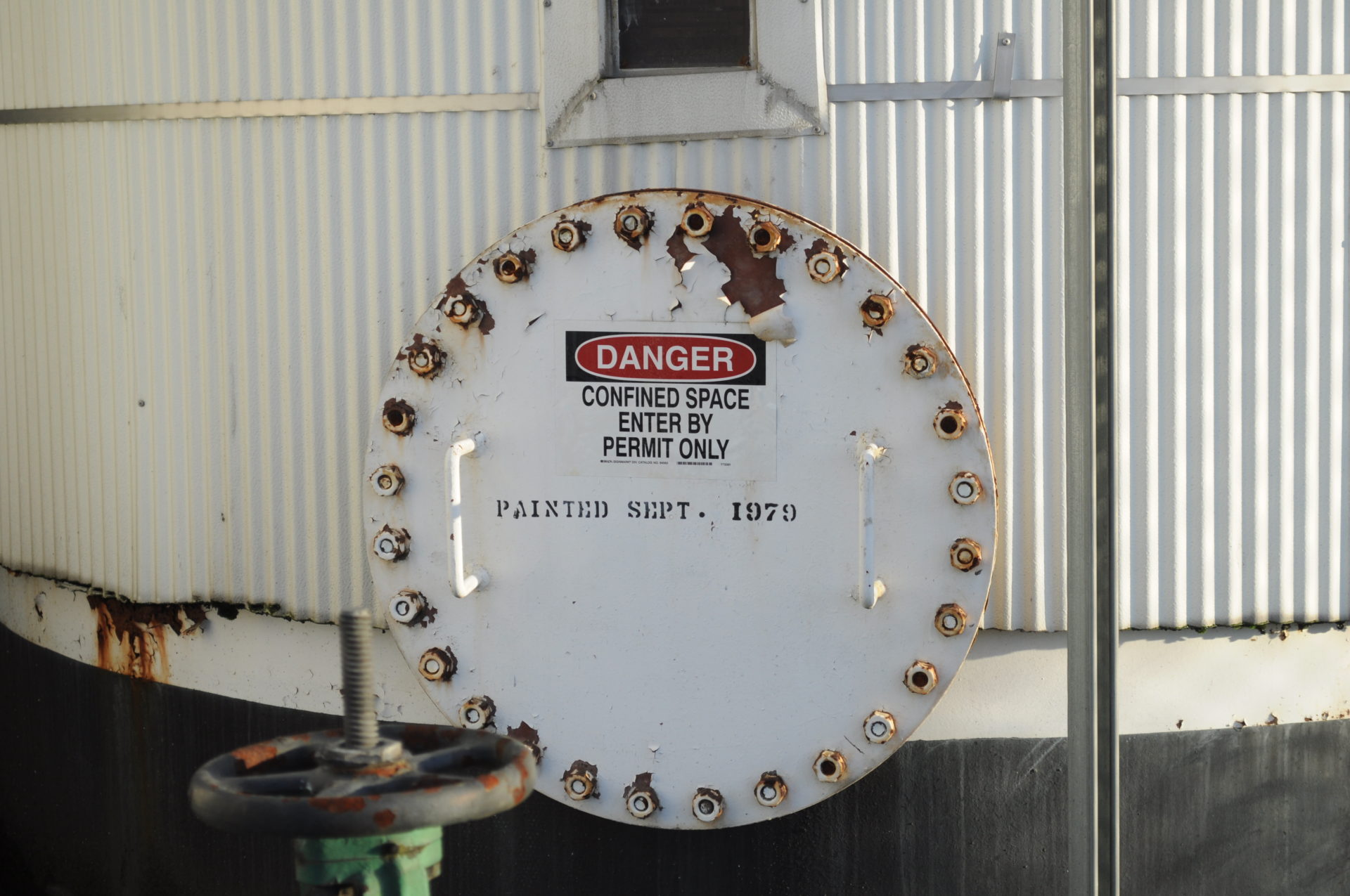
OSHA opened an investigation after an employee of Quala Systems [...]
An inspection of a crude oil refinery in Big Spring, [...]
OSHA opened an investigation after a diver drowned as a [...]
Since it's your first time, you may want to checkout some of the video tutorials.








 800-ICW-SAFETY (800.429.7233)
 SAFETYOnDemand@icwgroup.com