Quick Course – Protect Yourself Against Bloodborne Pathogens
Course Description Bloodborne pathogens pose a serious danger to your [...]

Course Description Bloodborne pathogens pose a serious danger to your [...]
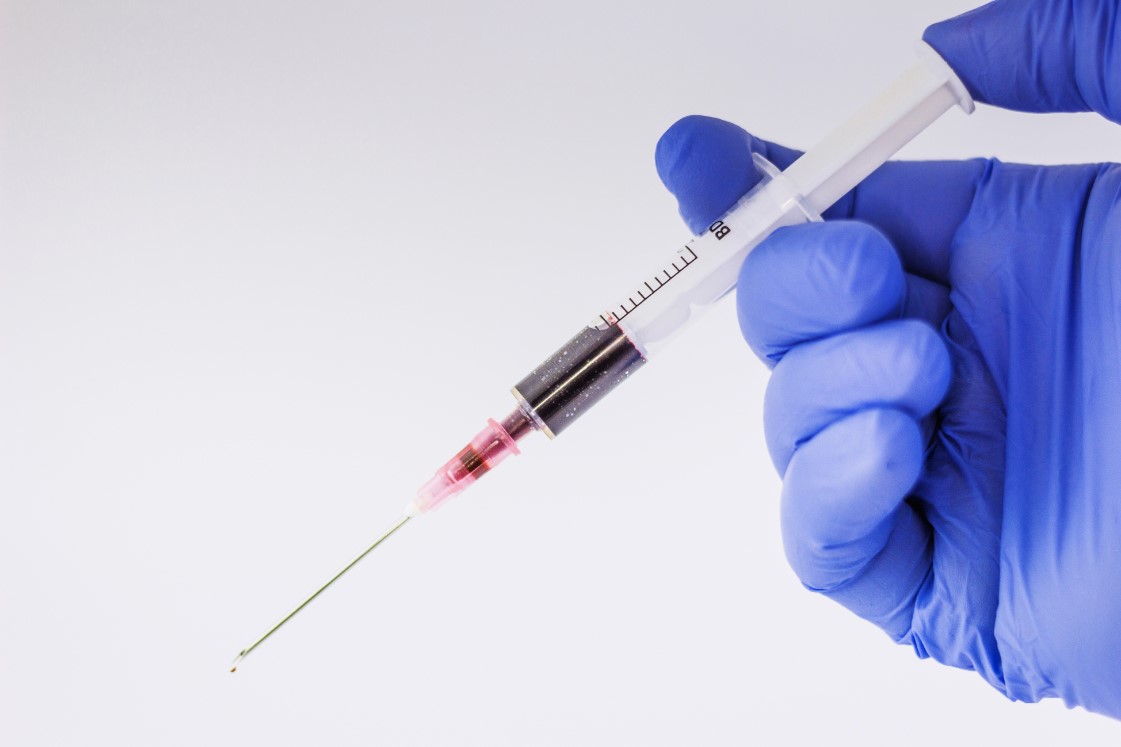
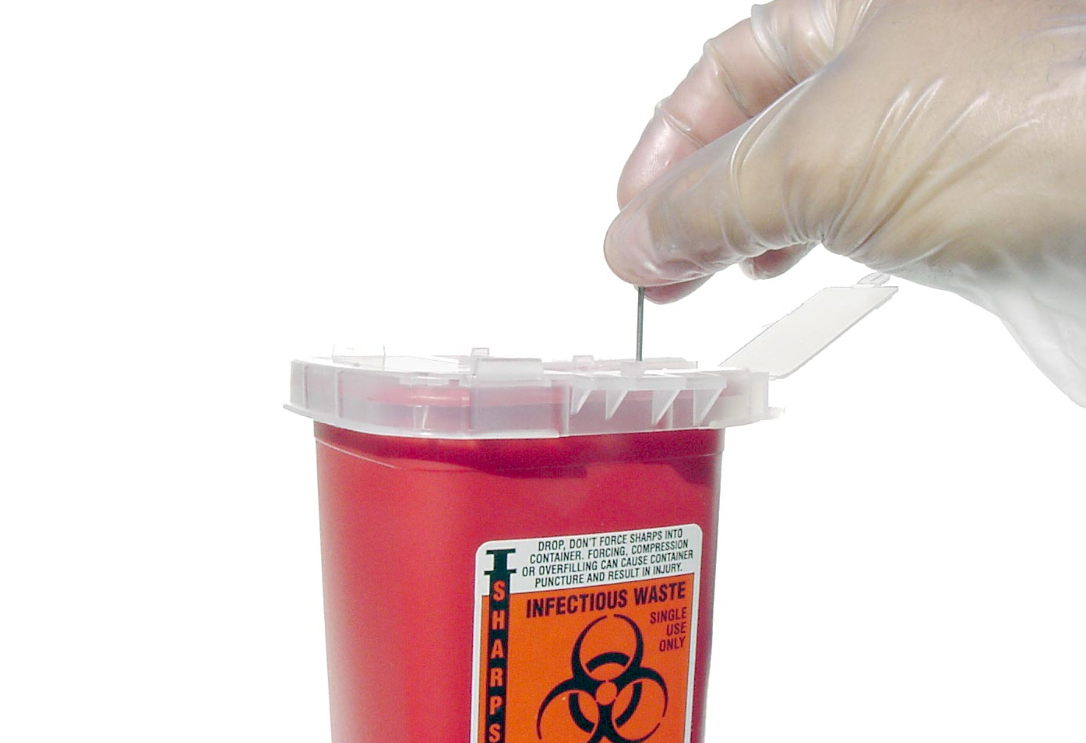
This course will cover sharp safety including what a sharp [...]
DID YOU KNOW? According to the Centers for Disease Control [...]
In pursuit of providing a safe and healthy [...]
DID YOU KNOW? Hepatitis is an inflammation of the liver [...]
YOUR INFECTION CONTROL DEPARTMENT Your infection control department will have [...]
SU DEPARTAMENTO DE CONTROL DE INFECCIONES Su departamento de control [...]
WHAT IS A SHARP? A sharp is an object or [...]
¿QUÉ ES UN OBJETO FILOSO? Son objetos o dispositivos que [...]
OSHA’S bloodborne pathogens standard protects employees who work in occupations [...]
The purpose of this Bloodborne Pathogens Exposure Control Plan is [...]
PREAMBLE Once every 39 seconds, a nurse in this country [...]

DID YOU KNOW? Q: What are bloodborne pathogens? A: Infectious [...]
Safety Talk WHAT’S AT STAKE? Bloodborne pathogens are infectious microorganisms [...]
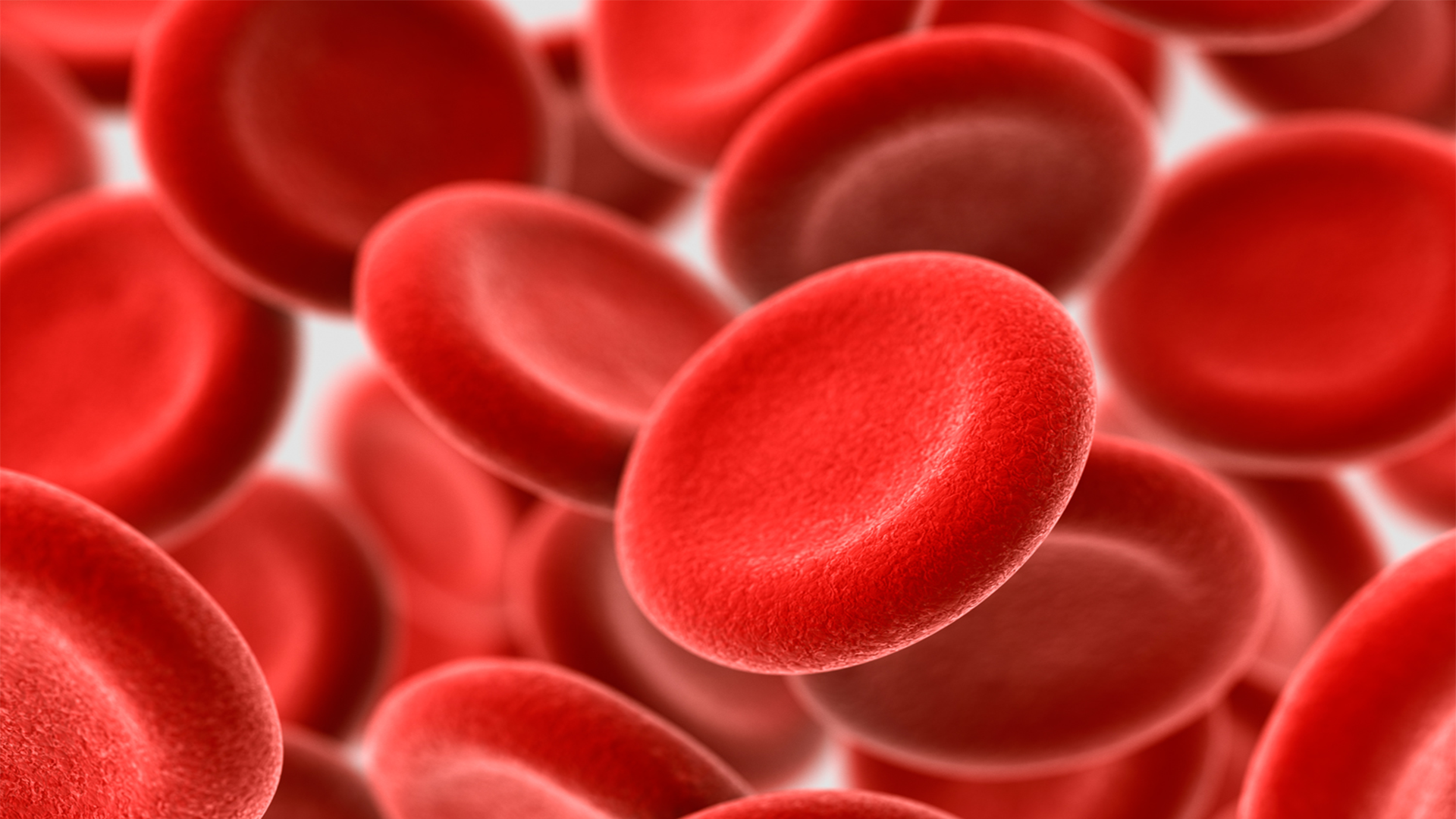
Safety Talk WHAT’S AT STAKE? Bloodborne pathogens are infectious microorganisms [...]
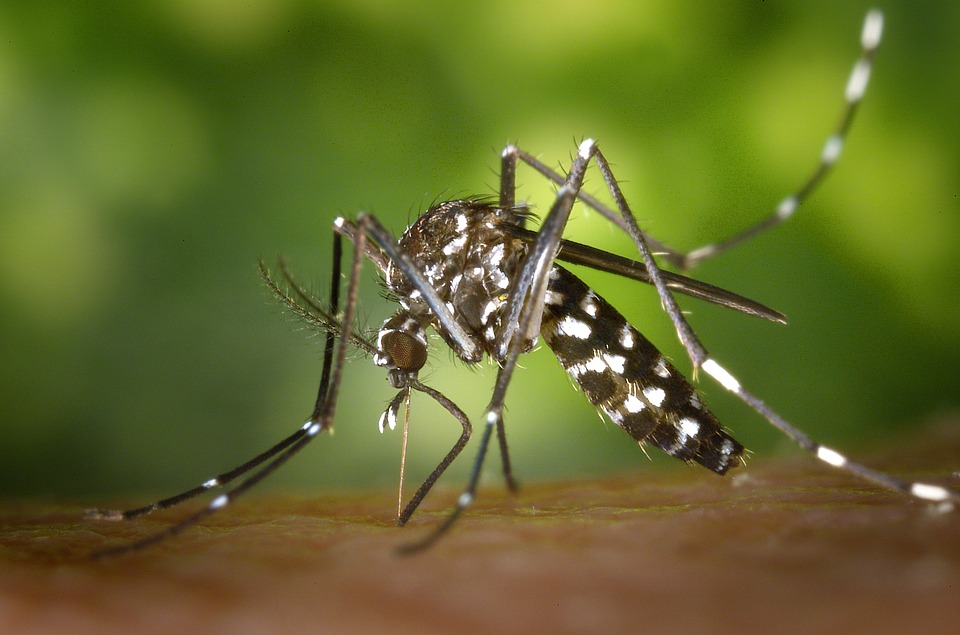
Key Takeaways: - Learning about vector-borne illnesses and how they [...]
Course Description This course teaches employees how to identify common [...]
Key Takeaways: Understanding which bloodborne pathogens pose the most serious [...]
Key Takeaways: - Understanding which bloodborne pathogens pose the most [...]
¿QUE ESTÁ EN RIESGO? Los agentes patógenos transmitidos por la [...]
Bloodborne pathogens are sometimes called the ???Unexpected Hazard??? because, for most of us, we just don???t expect to come into contact with blood or bodily fluids when performing our normal job duties. Nevertheless, an unexpected encounter with bloodborne pathogens can happen at anytime. Responding properly when confronted with blood and other bodily fluids is critical to your health and safety. The purpose of this program is to provide viewers with the knowledge needed to take the appropriate actions when encountering bloodborne pathogens unexpectedly.
Bloodborne pathogens are sometimes called the ???Unexpected Hazard??? because, for most of us, we just don???t expect to come into contact with blood or bodily fluids when performing our normal job duties. Nevertheless, an unexpected encounter with bloodborne pathogens can happen at anytime. Responding properly when confronted with blood and other bodily fluids is critical to your health and safety. The purpose of this program is to provide viewers with the knowledge needed to take the appropriate actions when encountering bloodborne pathogens unexpectedly.
As the title implies, this is an extremely comprehensive program relating to Bloodborne Pathogens. This program covers all aspects of an EXPOSURE CONTROL PLAN, information relating to BBP diseases, including Hepatitis B, C, and HIV, as well as modes of transmission, PPE and acceptable work practices, emergency procedures, and recordkeeping requirements. Dr. Jeffery Kahn, Liver Transplant Surgeon from the University of Southern California discusses the different types of viruses and Bloodborne Pathogens in general. Excellent program for both medical and industrial applications.
As the title implies, this is an extremely comprehensive program relating to Bloodborne Pathogens. This program covers all aspects of an EXPOSURE CONTROL PLAN, information relating to BBP diseases, including Hepatitis B, C, and HIV, as well as modes of transmission, PPE and acceptable work practices, emergency procedures, and recordkeeping requirements. Dr. Jeffery Kahn, Liver Transplant Surgeon from the University of Southern California discusses the different types of viruses and Bloodborne Pathogens in general. Excellent program for both medical and industrial applications.

A seniors' care facility in Texas has run afoul of [...]
Since it's your first time, you may want to checkout some of the video tutorials.




 800-ICW-SAFETY (800.429.7233)
 SAFETYOnDemand@icwgroup.com