
Main Category Group
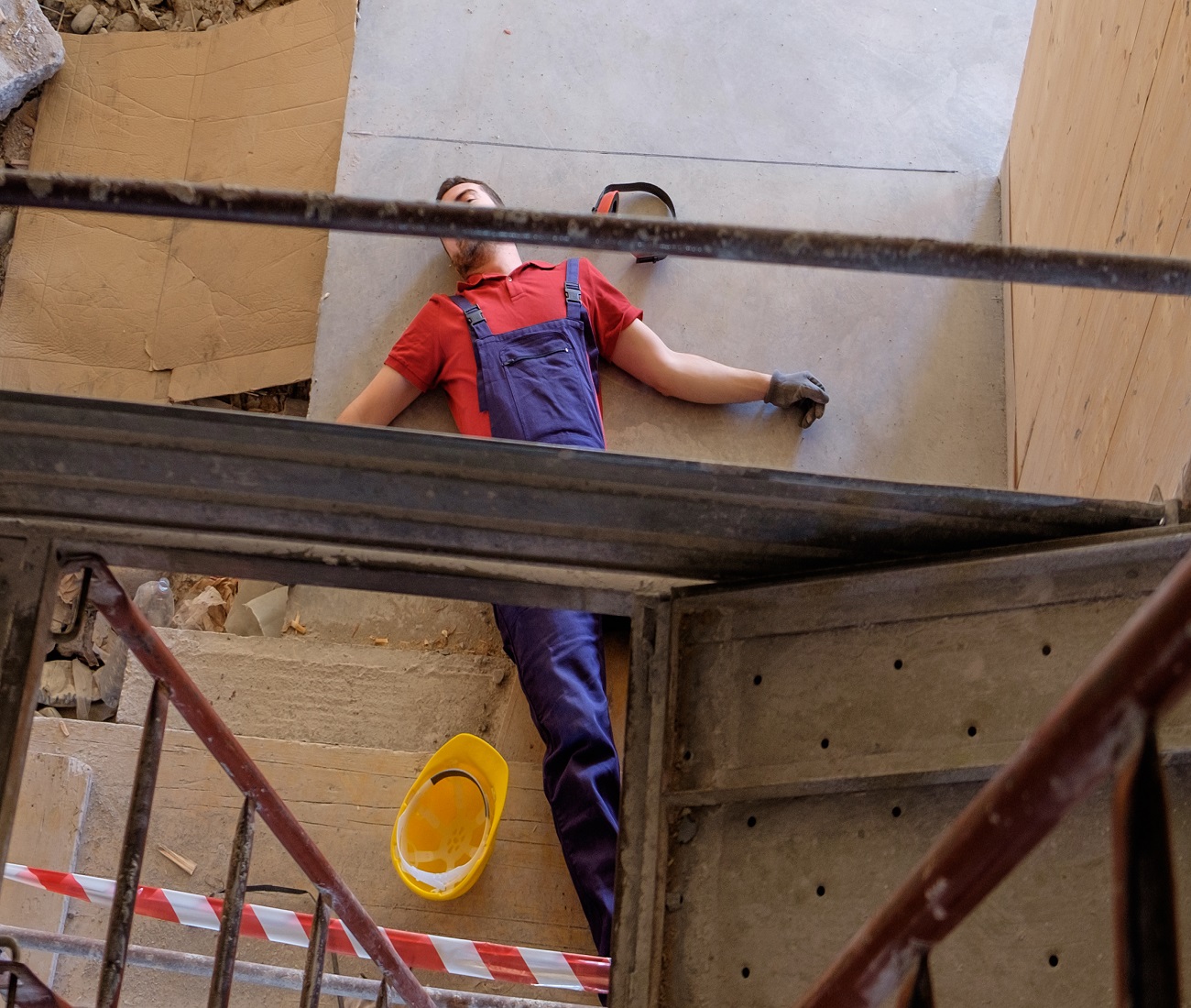
Stairway Collapse
A 64-year-old male employee was fatally injured when the stairway [...]
Main Category Group
A 64-year-old male employee was fatally injured when the stairway [...]
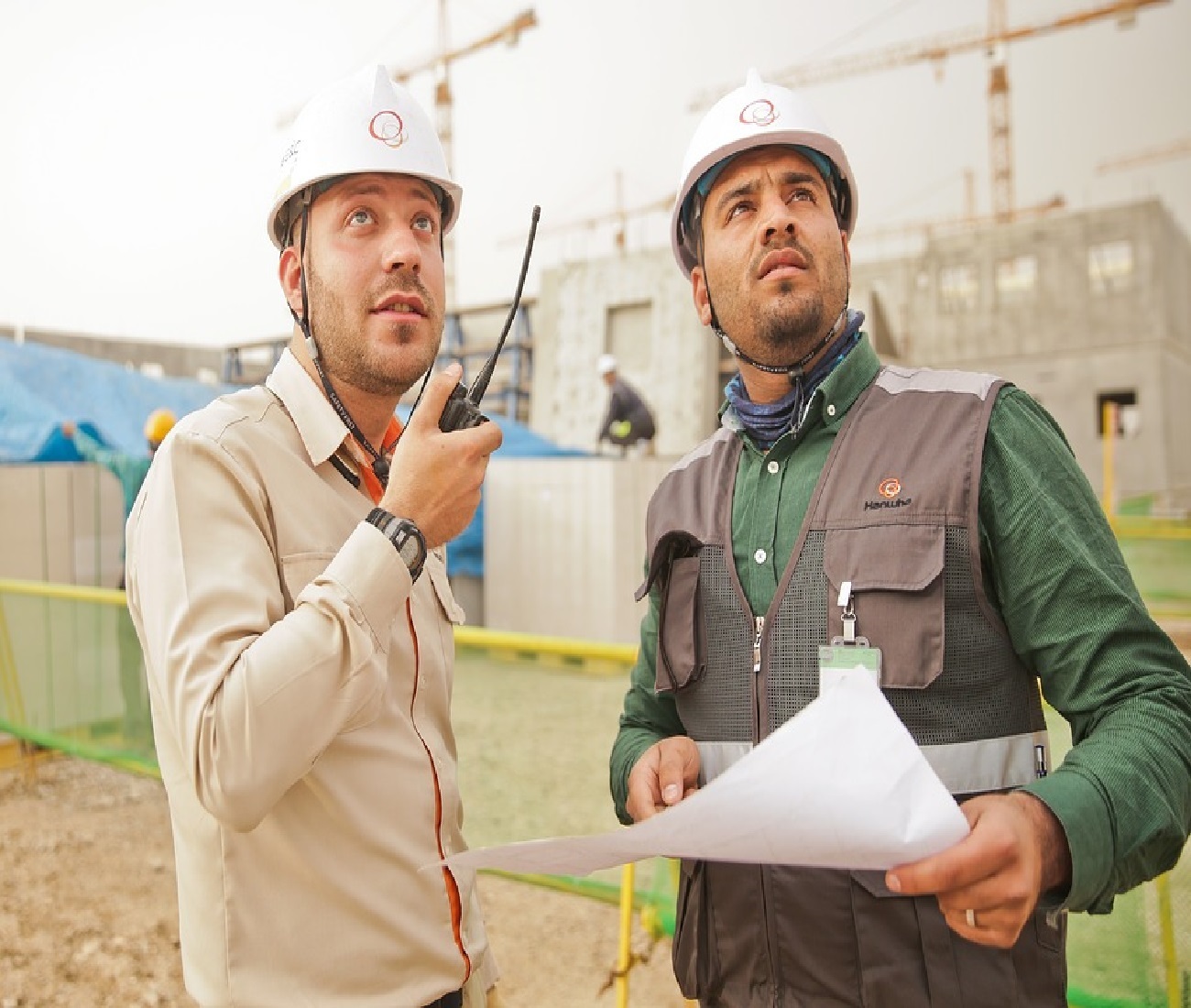
Need a reason to be regularly conducting workplace inspections? Here are 6,098 reasons why workplace inspections are important – that’s how many Canadian and U.S. workers died in 2017 from work-related injuries or illnesses.
Use and modify this checklist to assist you and your teams during workplace safety inspections.
Most crane collapses, failures, injuries, and deaths can be prevented by using a lift plan. All lifts require at least some planning – how much does the load weigh, what’s the capacity of the crane – but critical lifts require more planning and oversight to ensure a safe and successful lift.

Are you regularly doing scheduled workplace inspections? If you’re not, you should be and now is a great time to start. Workplace inspections give you a chance to thoroughly evaluate equipment, processes, tasks, tools, and other factors. Regular inspections help you find new hazards, see how existing hazard controls are working, correct or fix issues, and implement new controls (engineering, administrative, PPE) where needed.
Working with cranes, either operating or working around them exposes workers to the hazards of lifted and moving loads and equipment, shock and electrocution hazards from overhead powerlines, and the falling or collapse of the crane itself. The good news is there are things you can do immediately and in the long-term to keep your workers safe and equipment in safe working condition.
California OSHA cited Disney Construction, Inc. $106,110 for serious violations following the deaths of two employees who fell 80 feet from a crane-hoisted platform at a bridge construction site. Crane operator, the father of one of the victims, charged in the deaths.

This sample checklist, from the North Carolina Department of Labor, is designed to help you in developing programs tailored to your own operation. Please copy, expand, modify and customize this sample as needed.

Conducting regular safety inspections is a key component of any workplace safety program. Unfortunately, safety inspection methods leave a lot to be desired at many workplaces. Although the specific details of the inspection process will vary from operation to operation, here are five strategies just about any employer can use to improve inspections.
This sample checklist, from the North Carolina Department of Labor, is designed to help you in developing programs tailored to your own operation. Please copy, expand, modify and customize this sample as needed.
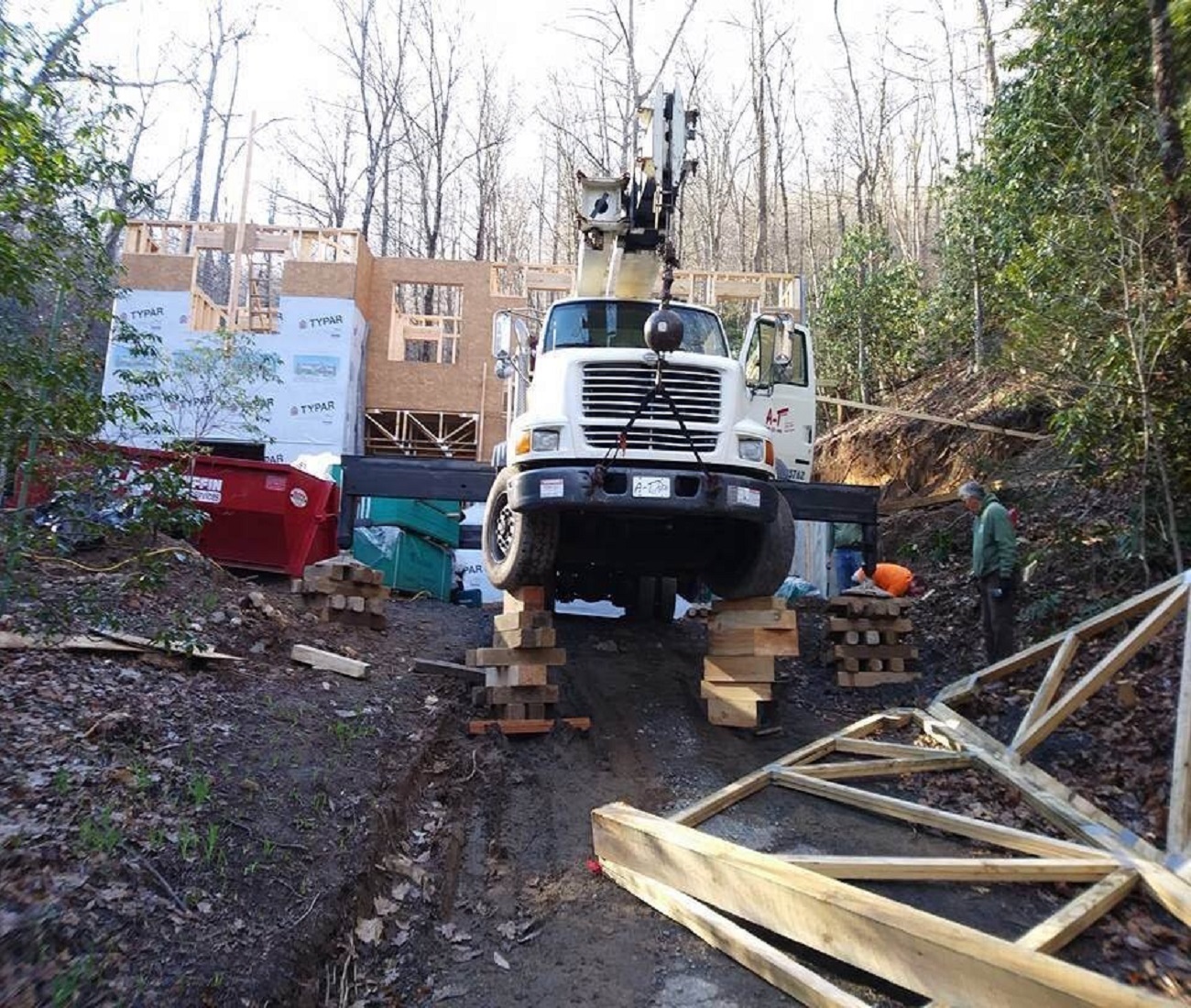
What we’ve got here are a few people who aren’t concerned at all about stability or gravity. My question is how did everyone/anyone on these sites let this happen? Even if you’re not well-versed in safety regulations these situations look incredibly unsafe.
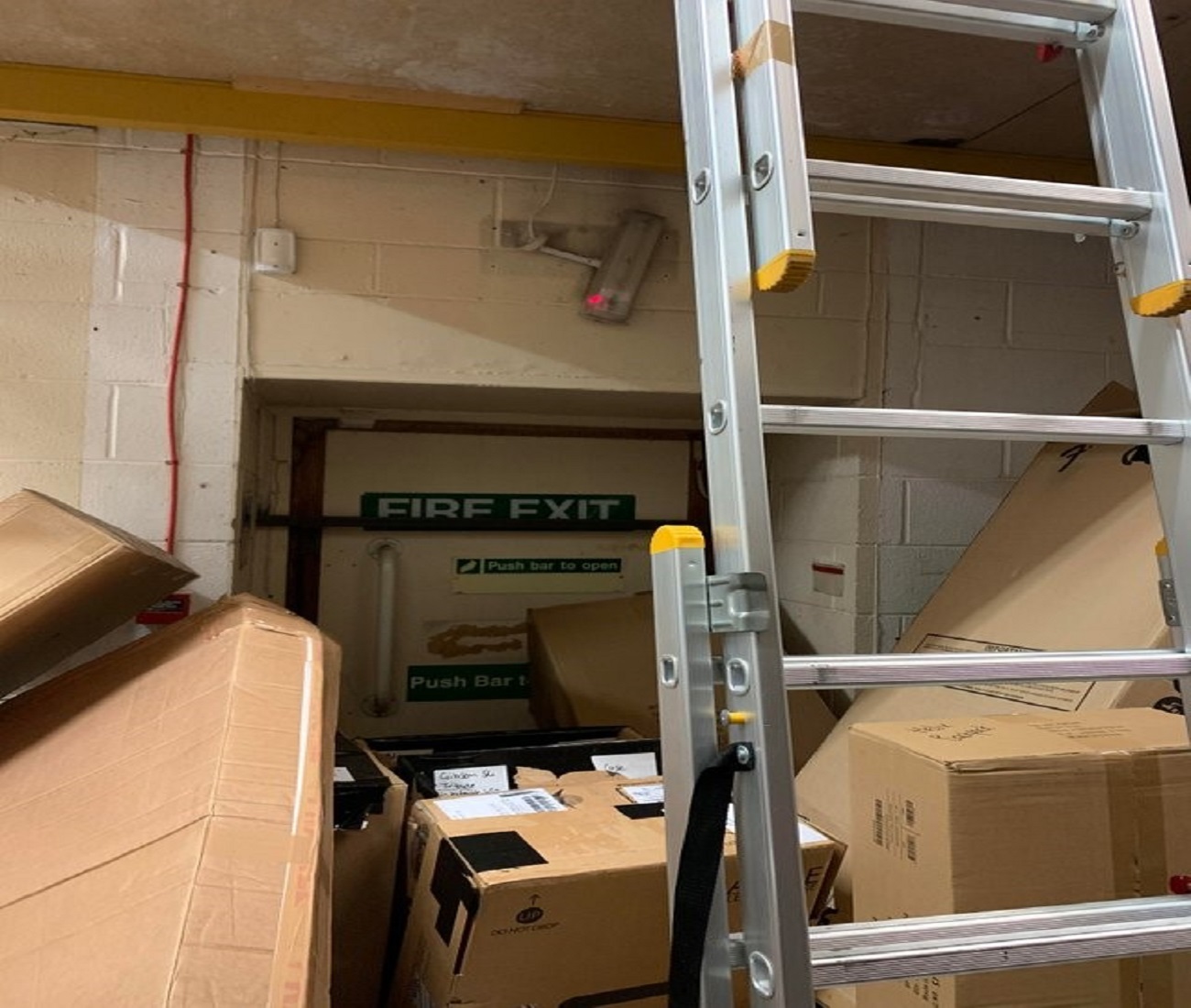
Your safety depends on workplace inspections and the corrective actions that should be taking place. Workplace inspections are designed to uncover hazards, the obvious and not so obvious kind.
This sample checklist, from the North Carolina Department of Labor, is designed to help you in developing programs tailored to your own operation. Please copy, expand, modify and customize this sample as needed.

Can you find all the words associated with heavy machinery and equipment?
Can you find all the words associated with the safety precautions and hazards of confined spaces?
Can you find all the words associated with laboratory?
Can you find all the words associated with health & safety management?
Can you find all the words associated with fire safety?
Can you find all the words associated with first aid?
Can you find all the words associated with human resources?
Can you find all the words associated with general safety?
Can you find all the words associated with chemical safety?
Can you find all the words associated with PPE?
Can you find all the words associated with ergonomics injuries?
Can you find all the words associated with electrical safety?
Since it's your first time, you may want to checkout some of the video tutorials.



 800-ICW-SAFETY (800.429.7233)
 SAFETYOnDemand@icwgroup.com