Hello, Guest!

Hello, Guest!

Main Category Group

Safe Lifting and Carrying Techniques for Ski Area Employees

Lifting???carrying???we do it all the time. Sometimes it???s something simple as a piece of paper off the ground???other times it???s something heavy like a fallen skier. They both have one thing in common, they can injure your back if not performed properly. But the good news is, they can all be performed properly, and if you do, you shouldn???t experience any discomfort, pain or debilitating injuries. Yes, there???s a safe way to lift anything and this program shows you how.

Safe Lifting and Carrying Techniques for Ski Area Employees2018-10-01T00:00:00+00:00

Back Safety- The Basics – (11 min) Spanish

Back injuries caused by improper lifting are the most common disabling injuries in the workplace. A person can injure their back in virtually any type of occupation, often to the point they can no longer work in their chosen field, along with having a devastating impact on their overall quality of life. Many of the causes of back injury can be prevented by teaching employees how the back operates and the basics of proper lifting techniques. This video does just that. Great for new or experienced employees.

Back Safety- The Basics – (11 min) Spanish2018-10-01T00:00:00+00:00

Workplan: Workplace Domestic Violence Prevention

A study done by the Society for Human Resource Management, found 65% of companies don’t have a formal workplace domestic violence plan in place even though 16% of organizations have had a domestic violence incident in the past five years.

Workplan: Workplace Domestic Violence Prevention2018-10-01T00:00:00+00:00

Home Health Care – Elder/Child Abuse and Neglect – Spanish

Elder and child Abuse. Tragic. Horrifying. Unthinkable. Yet, it???s estimated hundreds of thousands of elders and children are abused each year. Estimated because our picture of elder and child abuse is limited, due to the hidden and complex nature of the problem and the failure of healthcare workers and others to report elder and child abuse consistently. It can be hard to spot the more subtle forms of neglect and abuse. They???re often unrecognized, because victims tend to be isolated. By learning to recognize elder or child abuse and neglect, by learning how to respond to the cases and by committing yourself to safeguarding clients in your care.

Home Health Care – Elder/Child Abuse and Neglect – Spanish2018-10-01T00:00:00+00:00

Situational Awareness at the Ski Resort – (5 min)

Situational Awareness???it???s the key to safety???anywhere. In a factory???in a hotel???on the road and at a ski resort. This video stresses personal responsibility for accident prevention and teaches the system Observe, Decide, Act as the basis for correcting hazards.

Situational Awareness at the Ski Resort – (5 min)2018-10-01T00:00:00+00:00

BBP Know The Risk

As the title implies, this is an extremely comprehensive program relating to Bloodborne Pathogens. This program covers all aspects of an EXPOSURE CONTROL PLAN, information relating to BBP diseases, including Hepatitis B, C, and HIV, as well as modes of transmission, PPE and acceptable work practices, emergency procedures, and recordkeeping requirements. Dr. Jeffery Kahn, Liver Transplant Surgeon from the University of Southern California discusses the different types of viruses and Bloodborne Pathogens in general. Excellent program for both medical and industrial applications.

BBP Know The Risk2018-10-01T00:00:00+00:00

Hazard Communications – (17 min)

In today's litigious society, we begin to take cautions, warnings and disclaimers from manufacturers' with a touch of skepticism or disregard. When it comes to hazardous chemicals in the work place, words, colors and symbols mean something. Not only is it your workers' right, it is their responsibility to know what they mean. This program will teach your employees to recognize and understand the different means of communication used to identify hazardous chemicals including the United Nation's new Globally Harmonized System. The training program will educate your workers on the physical characteristics and chemical properties communicated in the material safety data sheets and on the container labels enabling them to make proper decisions concerning the safe use handling and storage of the substances. The program covers the purpose and role of hazard communication, the different classification of chemicals and their hazards, the primary forms of communication, and best practices and procedures to ensure their safety and health. Chemicals are an intricate and valuable part of our life. When respected and handled properly, they pose minimum risk our safety and health. Knowledge is a valuable safety tool. Not only is it your workers' right to know, it is their responsibility to use it to protect their safety and that of their co-workers.

Hazard Communications – (17 min)2018-10-01T00:00:00+00:00

By the Numbers: Warning Signs and Risk Factors for Domestic Violence in the Workplace

Domestic violence often doesn’t stay confined to the home. Whether directly or indirectly, domestic violence effects the victim, co-workers, and the organization. Learn these warning signs and risk factors for domestic violence in the workplace and share the information with your employees during workplace violence training.

By the Numbers: Warning Signs and Risk Factors for Domestic Violence in the Workplace2018-10-01T00:00:00+00:00

Home Health Care – Slips, Trips and Falls

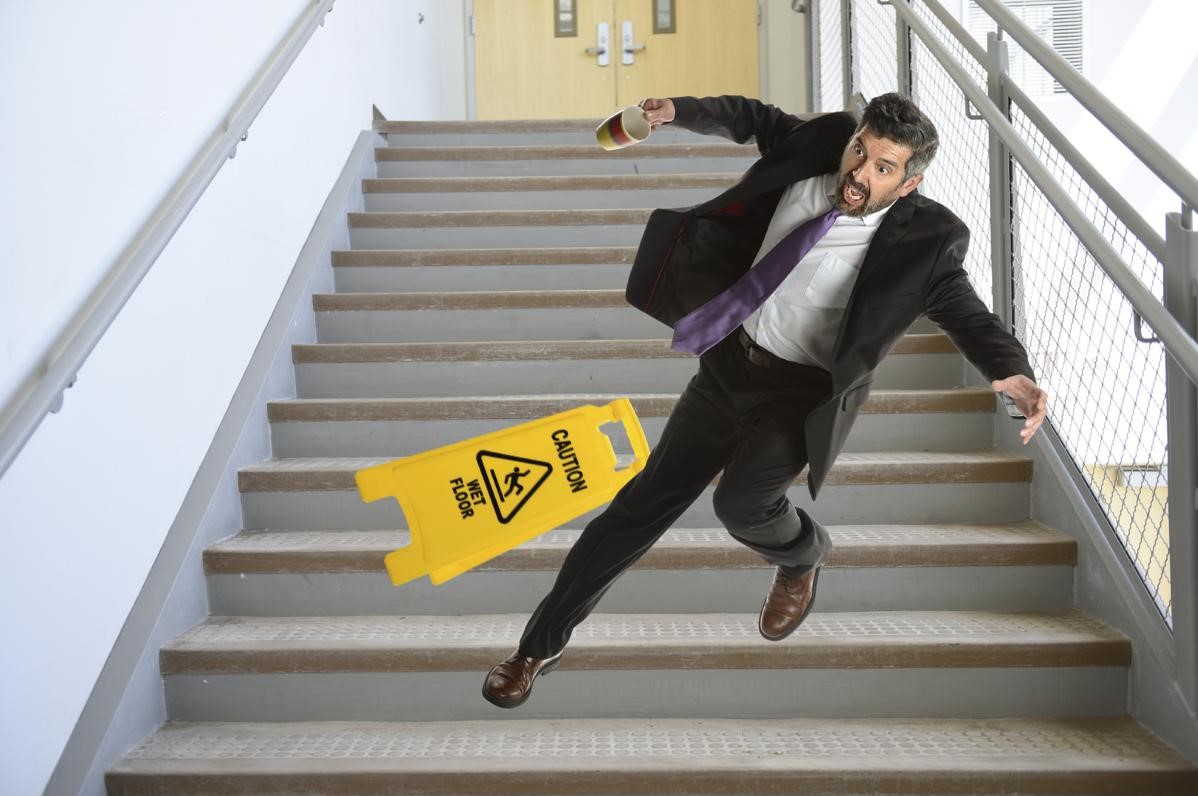
Slips, trips and falls are the second most common cause of injury for home and community health workers. These types of accidents can result in serious disabling injuries and have a major impact on one???s ability to perform their job and may result in lost work days, reduction in productivity or a diminished ability to care for a client. Recognizing and correction of household hazards is examined as the first step in prevention. Common slips and falls are examined to show what are the actual root causes and steps are outlined for workers to take to reduce hazards for everyone in the home.

Home Health Care – Slips, Trips and Falls2018-10-01T00:00:00+00:00

Snowplow Safety

This program discusses how the safely operate Snowplows so operators can safely complete their tasks. Although they seem easy to use, they can be very dangerous when used by untrained drivers. Topics include: Pre operational inspection Obeying local, state, and federal laws Marking and flagging

Snowplow Safety2018-10-01T00:00:00+00:00

BBP Know The Risk – (16 min) Spanish

As the title implies, this is an extremely comprehensive program relating to Bloodborne Pathogens. This program covers all aspects of an EXPOSURE CONTROL PLAN, information relating to BBP diseases, including Hepatitis B, C, and HIV, as well as modes of transmission, PPE and acceptable work practices, emergency procedures, and recordkeeping requirements. Dr. Jeffery Kahn, Liver Transplant Surgeon from the University of Southern California discusses the different types of viruses and Bloodborne Pathogens in general. Excellent program for both medical and industrial applications.

BBP Know The Risk – (16 min) Spanish2018-10-01T00:00:00+00:00

Hazard Communications – (17 min) Spanish

In today's litigious society, we begin to take cautions, warnings and disclaimers from manufacturers' with a touch of skepticism or disregard. When it comes to hazardous chemicals in the work place, words, colors and symbols mean something. Not only is it your workers' right, it is their responsibility to know what they mean. This program will teach your employees to recognize and understand the different means of communication used to identify hazardous chemicals including the United Nation's new Globally Harmonized System. The training program will educate your workers on the physical characteristics and chemical properties communicated in the material safety data sheets and on the container labels enabling them to make proper decisions concerning the safe use handling and storage of the substances. The program covers the purpose and role of hazard communication, the different classification of chemicals and their hazards, the primary forms of communication, and best practices and procedures to ensure their safety and health. Chemicals are an intricate and valuable part of our life. When respected and handled properly, they pose minimum risk our safety and health. Knowledge is a valuable safety tool. Not only is it your workers' right to know, it is their responsibility to use it to protect their safety and that of their co-workers.

Hazard Communications – (17 min) Spanish2018-10-01T00:00:00+00:00

Domestic Violence in the Workplace

Protecting employees from harm is the foundation of every safety program and piece of safety legislation. Protecting employees from workplace violence must be part of your safety program. Further still, having a plan and program in place to help employees experiencing domestic violence should be, and in many cases must be, part of your safety program.

Domestic Violence in the Workplace2018-10-01T00:00:00+00:00

Home Health Care – Slips, Trips and Falls – Spanish

Slips, trips and falls are the second most common cause of injury for home and community health workers. These types of accidents can result in serious disabling injuries and have a major impact on one???s ability to perform their job and may result in lost work days, reduction in productivity or a diminished ability to care for a client. Recognizing and correction of household hazards is examined as the first step in prevention. Common slips and falls are examined to show what are the actual root causes and steps are outlined for workers to take to reduce hazards for everyone in the home.

Home Health Care – Slips, Trips and Falls – Spanish2018-10-01T00:00:00+00:00

Supermarket: Bloodborne Pathogens

Bloodborne pathogens are sometimes called the ???Unexpected Hazard??? because, for most of us, we just don???t expect to come into contact with blood or bodily fluids when performing our normal job duties. Nevertheless, an unexpected encounter with bloodborne pathogens can happen at anytime. Responding properly when confronted with blood and other bodily fluids is critical to your health and safety. The purpose of this program is to provide viewers with the knowledge needed to take the appropriate actions when encountering bloodborne pathogens unexpectedly.

Supermarket: Bloodborne Pathogens2018-10-01T00:00:00+00:00

Defensive Driving – (20 min) Spanish

One of our Best Sellers! A fire extinguisher is a simple and effective piece of emergency equipment. This program explains the various classes of fires, different types of fire extinguishers, the key word PASS, and other tips for emergency use of fire extinguishers. This is the long version.

Defensive Driving – (20 min) Spanish2018-10-01T00:00:00+00:00

Picture This: Not So Great Moments in Hole Covers

There are some obvious hazards in this picture, yet it’s still a good tool for training and learning. Share this image with your crew and see how many hazards they spot. Then discuss why they are hazardous, how these hazards can be corrected, and what they would do if they were asked to work in this excavation.

Picture This: Not So Great Moments in Hole Covers2018-09-26T00:00:00+00:00

Healthcare: Staying Safe on the Heliport

A helicopter transfer may be needed due to the remoteness of the patient when they need medical attention, or the severity of their need requires rapid transfer to hospital care. Sometimes they need to move to a different hospital for treatment.  Whatever the specifics of the case, these medical needs are urgent and often life threatening. The fastest and safest way to get them to the care they need is by helicopter. But it’s not without risks.

Healthcare: Staying Safe on the Heliport2018-09-23T00:00:00+00:00

Laboratory Electrical Hazards

A scientist was conducting an experiment using a portable fluorescent lighting rack.  The lighting rack was plugged into an electric timer, which was plugged into the wall. However, since the timer only accepted a two-prong plug, an adapter was used to allow the three-prong plug of the lighting rack to be used with the two-prong outlet of the timer.

Laboratory Electrical Hazards2018-09-23T00:00:00+00:00

Healthcare – Working with a Latex Allergy

Since it was recognized in the late 1970s, allergies to latex have become a major health concern. Latex is used in a variety of applications and products, which leads to an increasing number of people in the workplace being affected. 

Healthcare – Working with a Latex Allergy2018-09-23T00:00:00+00:00

Laboratory Equipment Safety: Autoclaves/Sterilizers

A postdoc was badly scalded by water while removing items from the top autoclave of a tower-style autoclave. To autoclave her own materials, the doctor began to remove a load that belonged to another laboratory while standing on a low step-stool. The load in the autoclave consisted of a Nalgene tub that contained liter bottles of media with water around them. The water in the tub was near boiling temperature, and as the doctor attempted to remove it, the contents spilled down her torso and thighs.

Laboratory Equipment Safety: Autoclaves/Sterilizers2018-09-23T00:00:00+00:00

Protecting Against Blood and Other Potentially Infectious Materials – Healthcare

All human body fluids, including sweat, saliva, vomit, and blood, can potentially be infected with bacteria or viruses. Some of these potentially infectious materials die almost immediately once outside of the body, but others can survive for several minutes, hours, or days in the air or on surfaces. Healthcare workers can never know until laboratory tests are returned which patients pose a threat.

Protecting Against Blood and Other Potentially Infectious Materials – Healthcare2018-09-23T00:00:00+00:00

Fundamentals of First Aid: Burns

A burn means more than the burning sensation associated with this injury. Burns cause skin damage because the skin cells die. Burns can happen at work and outside of work. In fact, burns are one of the most common household injuries, especially among children.

Fundamentals of First Aid: Burns2018-09-23T00:00:00+00:00

Six Tricks for Better Sleep: Pick Six Infographic

With hectic schedules, the electric glowing light of our phones and tablets, the stress and anxiety of life, and a host of other factors contribute to many of us being sleep-deprived. Searching for that next cup of coffee, energy drink, or other ways to stay awake. We likely don’t spend as much time thinking about prepping for a blissful night’s sleep as we do searching for the next caffeine fix. Here are some tips to help you sleep better.

Six Tricks for Better Sleep: Pick Six Infographic2018-09-21T00:00:00+00:00
Go to Top