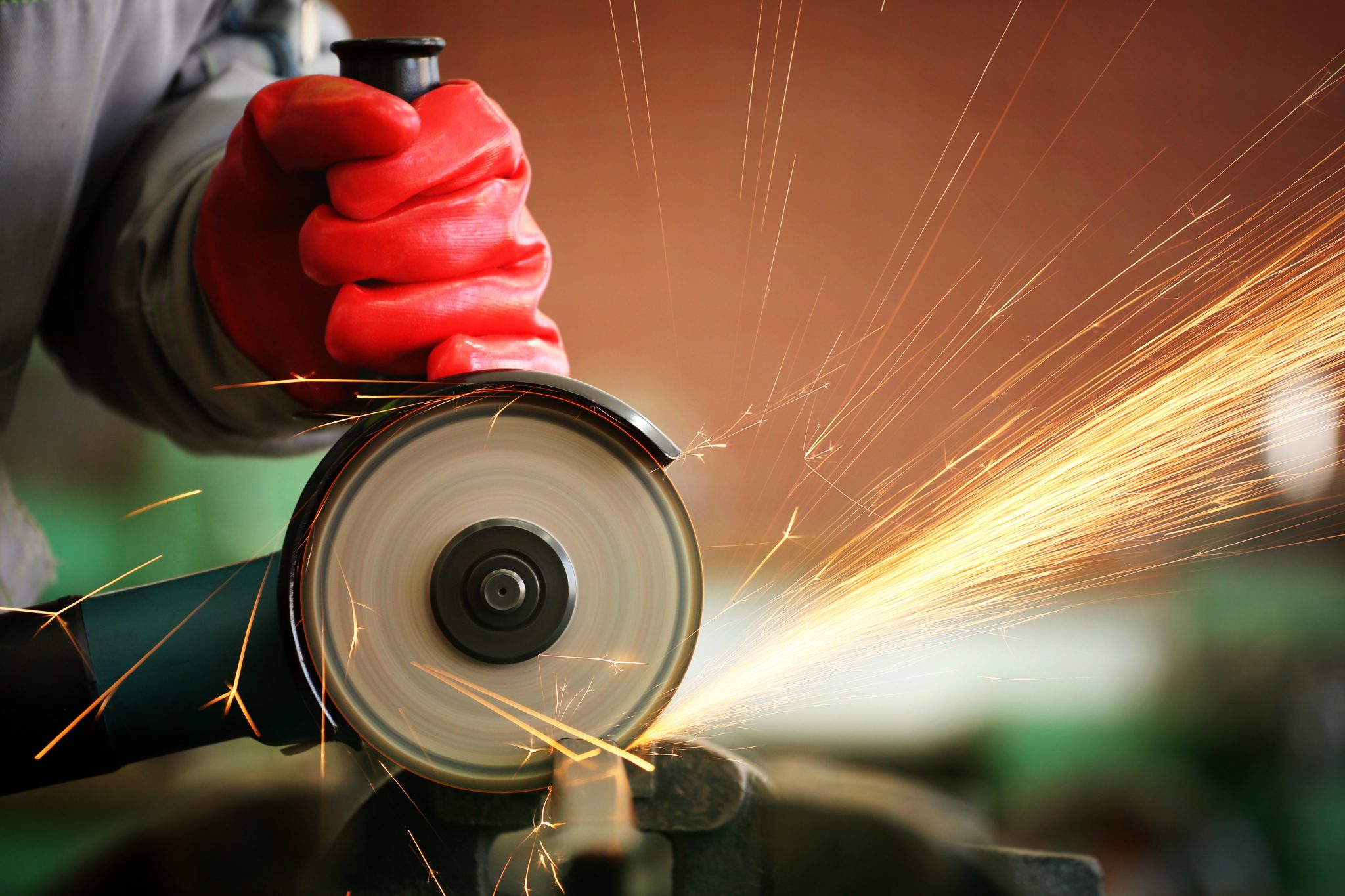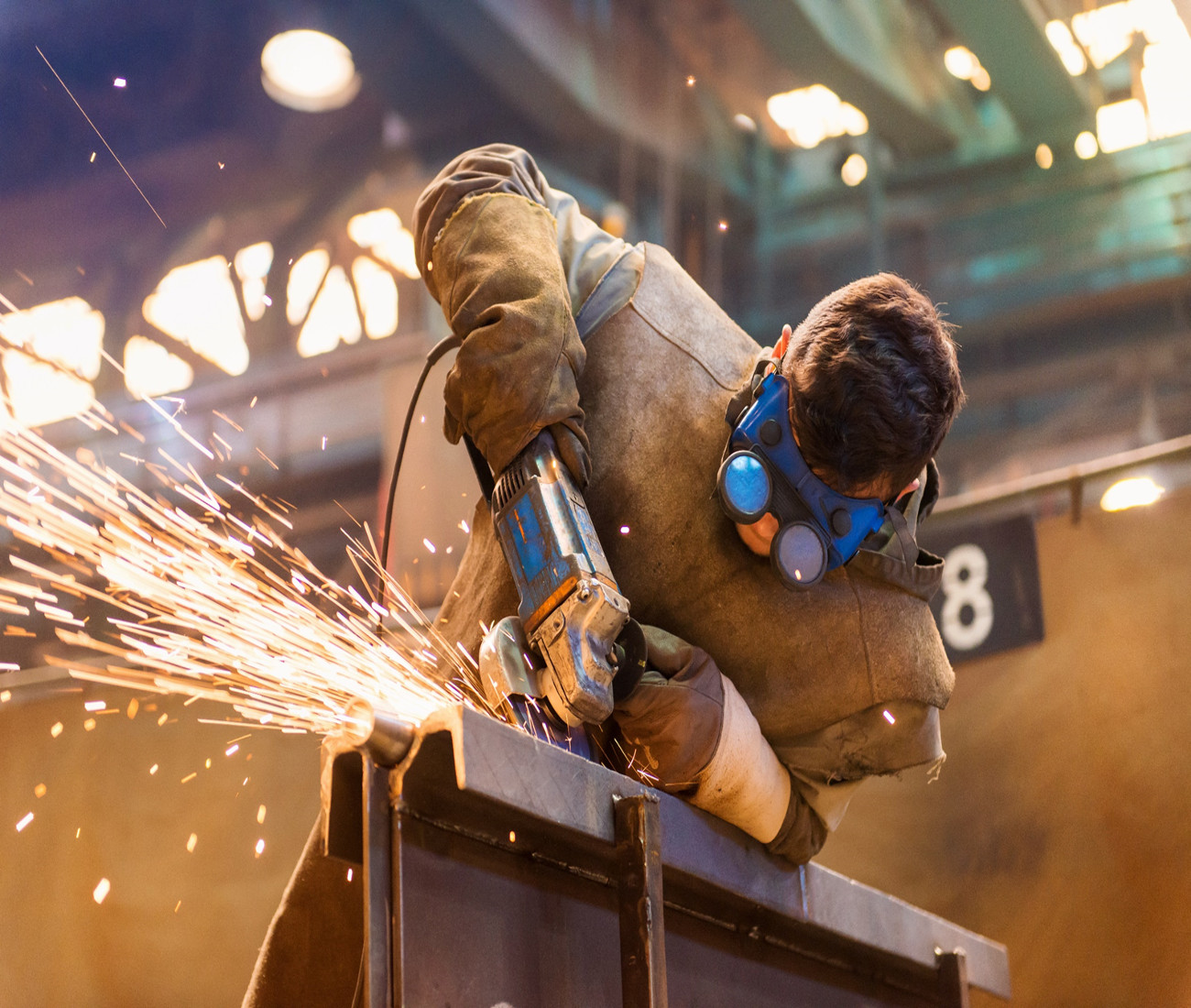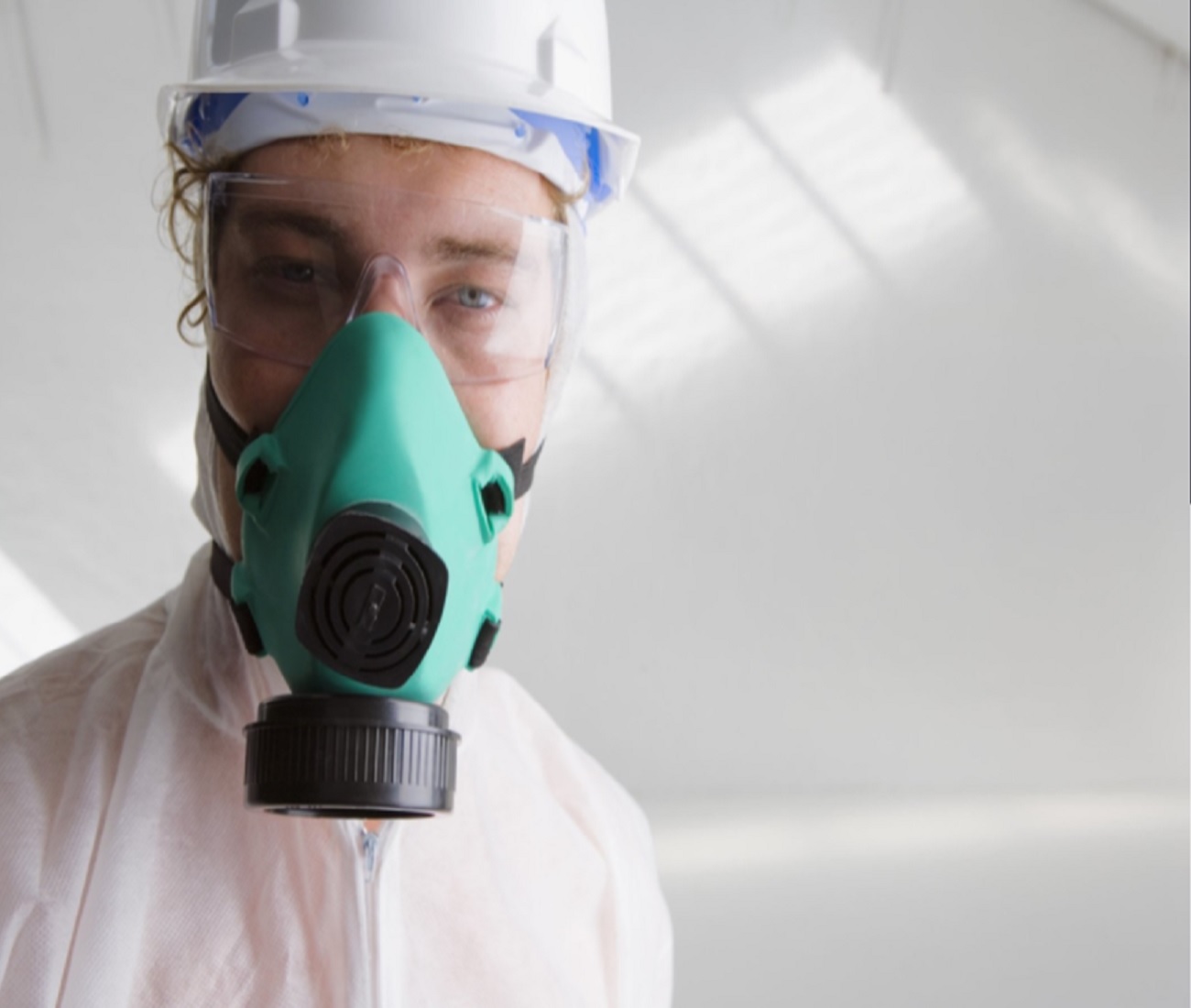
Hot Safety Tips for Welding, Cutting and Grinding
When you weld, cut or grind, the potential for accidents is significant. Eyes and skin can be burned, hearing can be damaged and an electric shock can kill you.

When you weld, cut or grind, the potential for accidents is significant. Eyes and skin can be burned, hearing can be damaged and an electric shock can kill you.

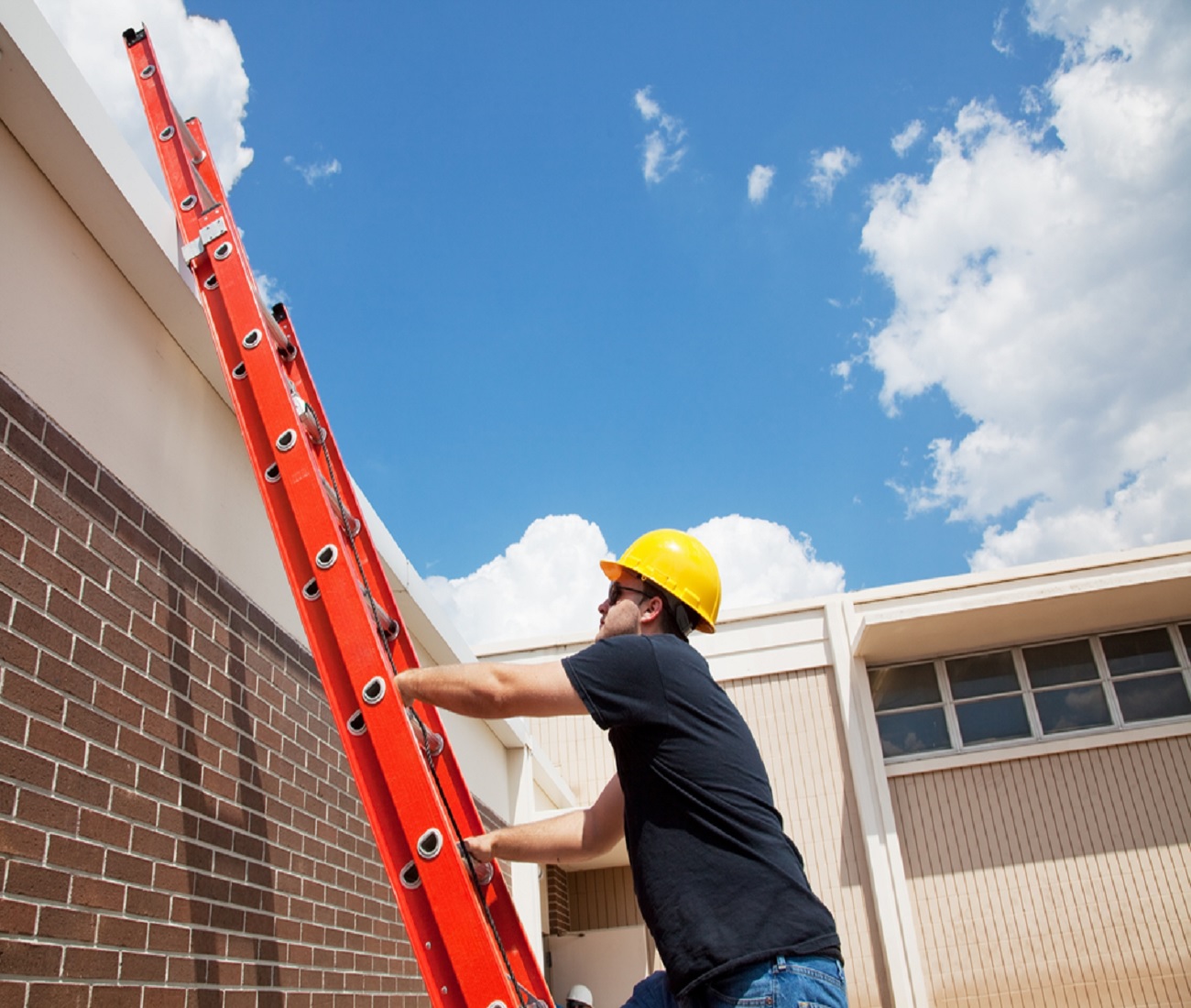
Whether workers climb a ladder or the steps to a large vehicle, failing to heed the three-point rule has resulted in many workplace injuries and deaths.
You're struggling to loosen over-tightened lug nuts while fixing a flat tire on a hot, dusty highway.

Moving machinery is everywhere. Even something as innocent as a photocopier contains moving parts.
The Safety Talks! in this series are written to provide [...]
A worker received an electric shock on a piece of equipment he was using. He was not injured, and he did not report the incident. A few days later another worker also received a shock from the same defective equipment, and again did not report the problem.
Every day we hear about environmental concerns. The diminishing ozone layer, overflowing landfills, pollution ... the list is endless. The problems seem so immense that we ask ourselves what one person can do.
Electrical shock is a leading cause of workplace fatalities and almost every day approximately one electrocution, 10 disabling injuries and 100 electrical shocks are reported.

Your body has a marvelous ability to regulate its internal temperature through sweating and the cooling effect caused by the evaporation of sweat. But there are a number of factors that can interfere with this process and cause your body temperature to spike, resulting in heat illness.
Electronics technology has progressed so quickly that instant messaging, the Internet and credit-card sized music players are now in the hands of millions of North Americans. Workplace regulations concerning the use of electronic devices are a hot-button issue. Musical distractions in vehicles, however, are almost impossible to regulate.
Maintenance workers need to know about a broader range of safety issues than probably anyone else in the workplace.

Do you know which clothes and protective equipment to wear in cold temperatures? This is important if you perform your job outdoors, or in any kind of low temperature environment such as food-storage freezers or meat-packing plants.

On average, approximately 500 workers younger than 24 years of age die from work related injuries every year, and more than 800,000 are treated for nonfatal injuries in hospital emergency departments each year. While their injuries and illnesses might be similar, young workers face a different set of risk factors than older, more experienced workers.
A combustible dust is any fine material that can catch fire and explode when mixed with air. The force from combustible dust explosions can cause multiple deaths, horrific injuries, and massive destruction of property.
There are over 20 million workers younger than 24 years of age in the workplace and these workers represent roughly 15% of the workforce.
We can come up with lots of excuses for ignoring close calls.

The safety rules, policies and procedures of your workplace are there to protect you from workplace hazards and to help prevent injuries.

Laboratories harbor fire and explosion hazards, and radiation hazards. There may be high-powered equipment which could cause cuts, entanglement or electrocution. There also could be biohazardous materials which can cause fatal diseases.

Welding poses a unique combination of both safety and health risks to more than 500,000 workers in a wide variety of industries.
There are some hazards associated with batteries, however. The chemical reactions required to generate electricity involve toxic and explosive substances, harmful to humans and the environment. Large batteries can deliver fatal electrical shock. Consider the
Your headlights are especially important for safe travel during the winter. In addition to the long hours of darkness, weather conditions such as fog, snow, sleet and rain reduce the ability to see and to
A safe, healthy workplace is also about food. A balanced, nutritious diet can boost energy and combat fatigue.

They carry you through heat or cold, wet and slippery conditions. Your feet are also at risk from falling construction materials and equipment. No wonder wearing approved steel-toed boots can be required on the job.

How This Affects You: Don't think fate wouldn't leave you stranded in a vehicle during a snow storm. This happened to school bus driver Carl Miller in Colorado.
How This Affects You: Many workers like you are killed or injured in workplace fires each year.