Hello, Guest!

Hello, Guest!

Main Category Group

Landscaping Poses a Bucket Full of Hazards

Landscapers face a variety of hazards, both physical and biological. In this Safety Talk, we’ll discuss some potential hazards of landscaping work and general precautions workers should take while on the job.

Landscaping Poses a Bucket Full of Hazards2024-10-11T20:47:06+00:00

Workplace Spills – Seven Sources and Seven Methods of Prevention and Control

From soda pop spilled on the breakroom floor at a local factory, to a chemical spill from that same factory that pollutes the river and contaminates your community’s water supply—workplace spills can range from minor inconveniences to major catastrophes.

Workplace Spills – Seven Sources and Seven Methods of Prevention and Control2018-01-29T00:00:00+00:00

You Can Help Make Highway Work Zones Safer

Highway work zones continue to have far too many traffic fatalities. Hundreds of people are killed in work zones each year. The victims include both construction workers and occupants of the vehicles trying to rush past them.

You Can Help Make Highway Work Zones Safer2018-01-29T00:00:00+00:00

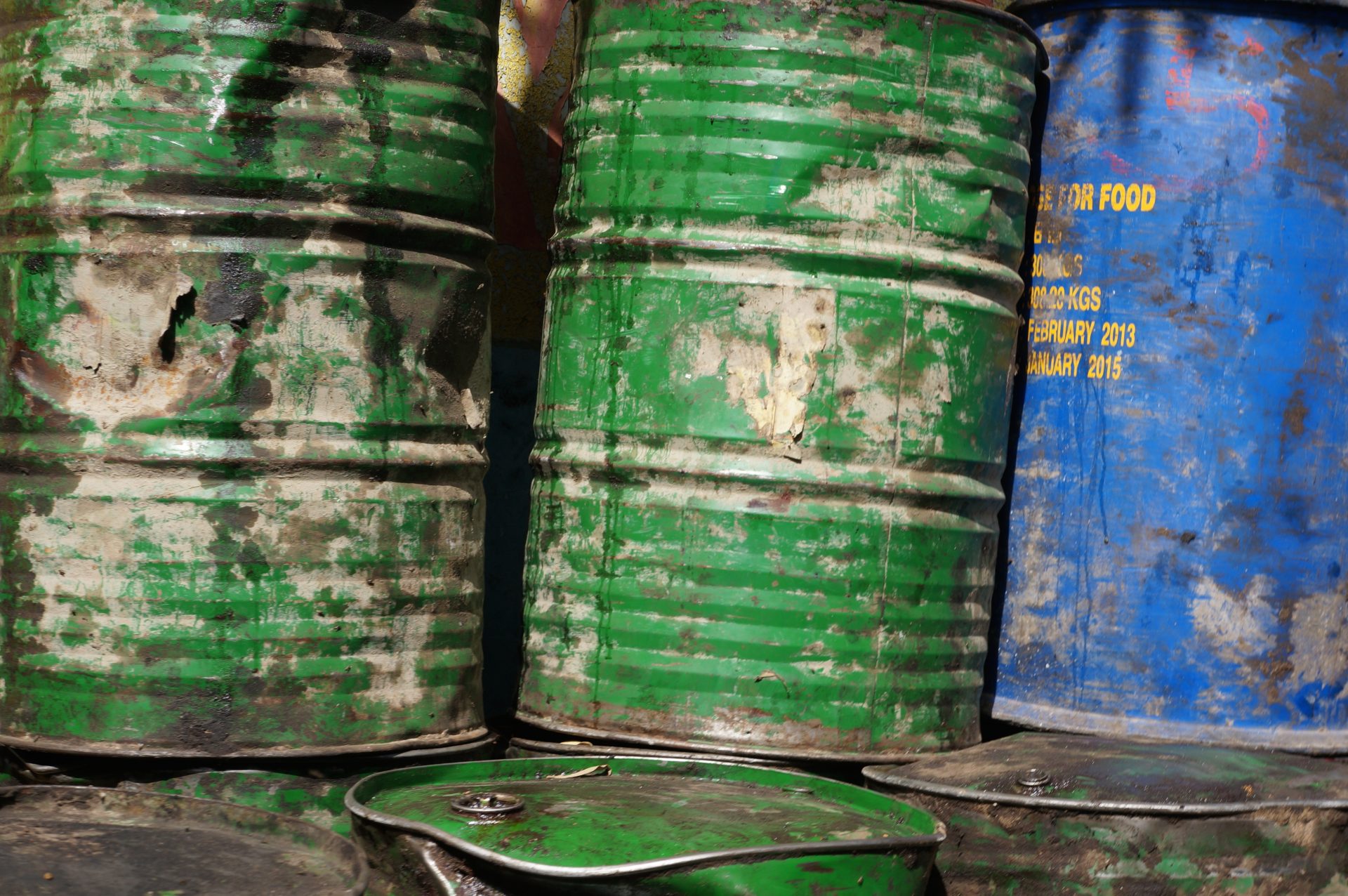
What’s the Most Dangerous Chemical? The Unlabeled One

Thousands of people across North America become victims of unintentional poisoning every year. A major contributor to this problem is when toxic chemicals are stored in unlabeled containers.

What’s the Most Dangerous Chemical? The Unlabeled One2018-01-29T00:00:00+00:00

Housekeeping at Work? Don’t Sweep It Under the Rug

Housekeeping at work is about much more than cleaning windows and sweeping up dust bunnies. Poor housekeeping can cause injuries, slow down production, dampen morale, start fires and cause catastrophic explosions of combustible dusts.

Housekeeping at Work? Don’t Sweep It Under the Rug2018-01-29T00:00:00+00:00

Dust Off Your Knowledge of Silica

Silica causes lungs to scar and develop nodules which block extraction of oxygen from air. Each year more than 250 American workers die from silicosis, the disease caused by inhaling tiny silica particles. Silicosis has

Dust Off Your Knowledge of Silica2018-01-29T00:00:00+00:00

Reporting Injuries and Illness

Every workplace is a little different, but one thing they all have in common is the need and desire to keep workers as safe and free from injury or illness as possible.

Reporting Injuries and Illness2018-01-29T00:00:00+00:00

High Pressure Danger With Compressed Air

Compressed air can make short work of everything from changing tires to nailing and stapling, but its power demands respect.

High Pressure Danger With Compressed Air2018-01-29T00:00:00+00:00

Preparing for Emergencies in the Workplace

Unexpected emergencies occur in workplaces every day in factories, plants, offices and warehouses, as well as construction sites and on the road. It could be a fire, fatal injury, flood, earthquake, shooting, tornado, chemical spill or another kind of crisis. So it’s important that companies have an emergency response plan to cover all expected and unexpected disasters. For this plan to be effective, all employees must be trained in the roles they will play in an emergency.

Preparing for Emergencies in the Workplace2018-01-29T00:00:00+00:00

Protect Against Frostbite and Hypothermia Hazards

Working in a cold environment—such as cold weather, cold water or an indoor freezer—can lead to serious injuries, illnesses and death.

Protect Against Frostbite and Hypothermia Hazards2018-01-29T00:00:00+00:00

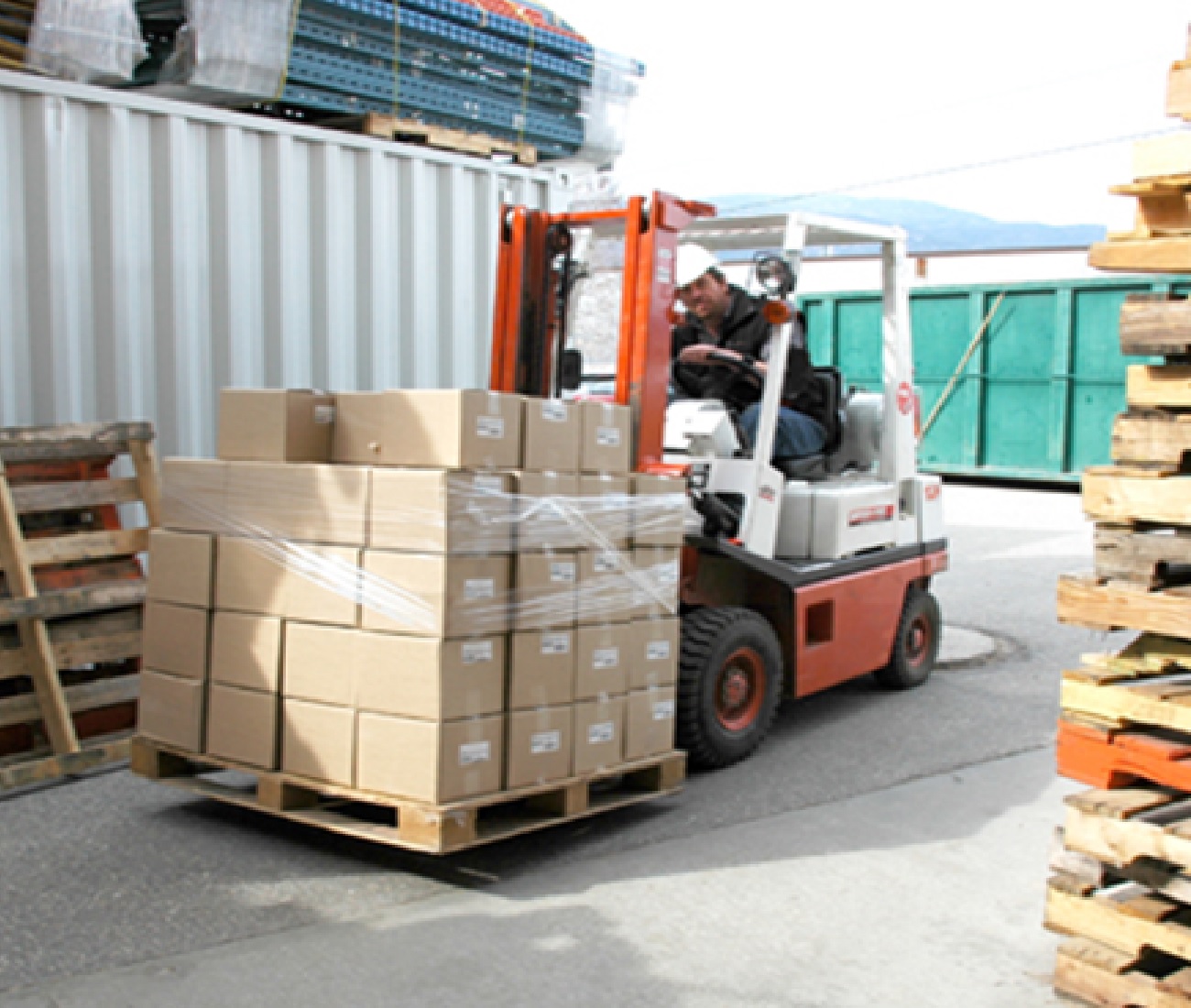
Forklifts are Dangerous Animals: Approach with Caution

Imagine a vehicle that weighs twice as much as your family car, can’t stop nearly as quickly and is operated by a person who may not see you.

Forklifts are Dangerous Animals: Approach with Caution2018-01-29T00:00:00+00:00

PowerPoint Overview of the 9 New GHS Pictograms

Run through this PowerPoint for a quick review on the 9 GHS pictograms. This PowerPoint details the official names, signal words and hazards associated with each pictogram.

PowerPoint Overview of the 9 New GHS Pictograms2018-01-29T00:00:00+00:00

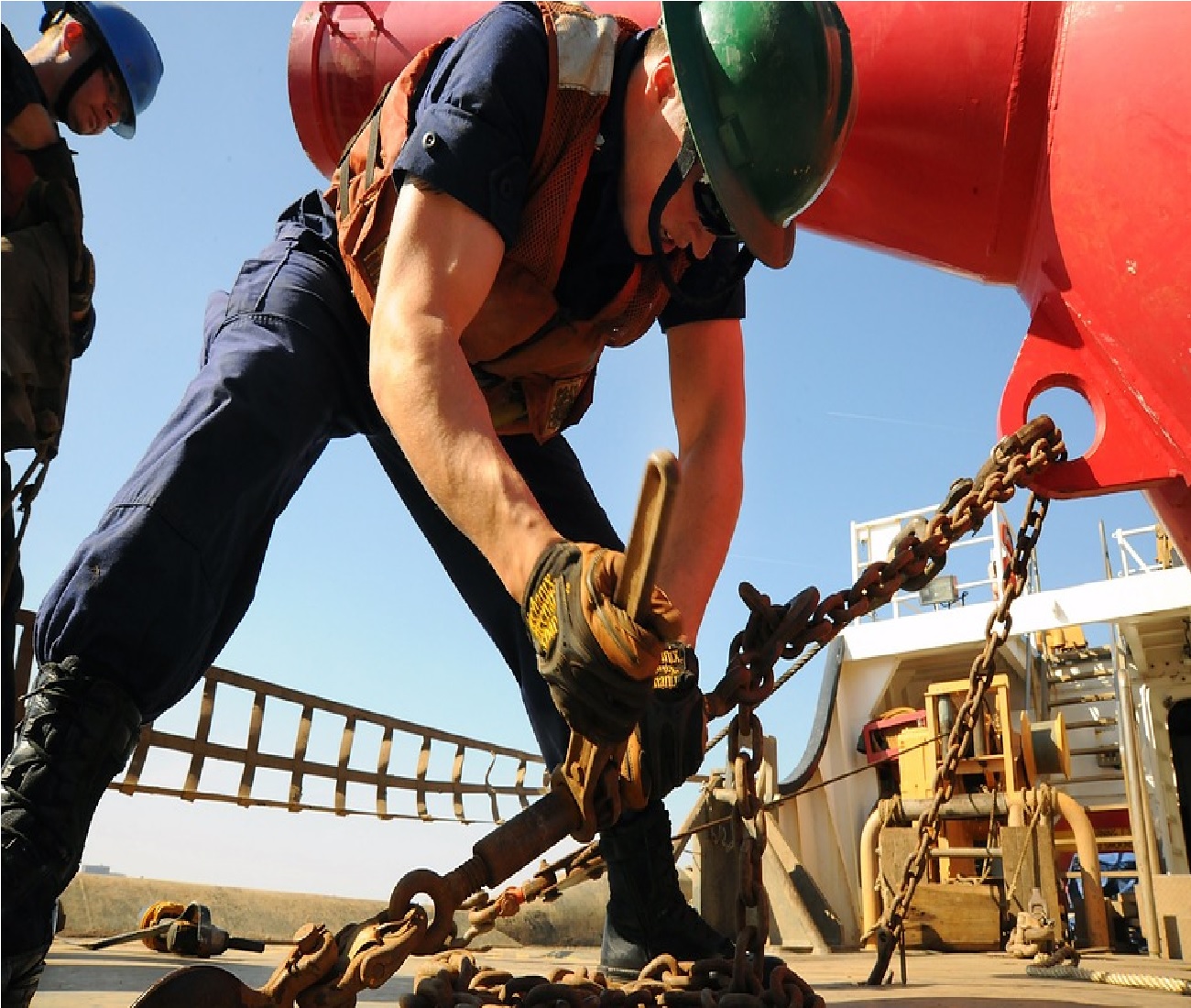
Don’t be a Blockhead – Chock and Block Safely

Chocking and blocking are good practices which serve the purpose of keeping heavy loads and vehicles stationary. Any worker loading or unloading, hitching or unhitching, or performing maintenance on a vehicle should take care to chock and block to prevent unintended movement of equipment and/or cargo.

Don’t be a Blockhead – Chock and Block Safely2023-09-04T18:23:26+00:00

Heavy Work Means Strains and Sprains

In this Safety Talk, we’ll learn about the difference between strains and sprains, discover the risk factors that increase the likelihood of a strain or sprain, and discuss how these injuries can be prevented.

Heavy Work Means Strains and Sprains2018-01-29T00:00:00+00:00
Go to Top