Hello, Guest!

Hello, Guest!

Main Category Group

Office Safety

Most offices have few hazardous chemicals and no heavy or moving machinery. If the worst that can happen is a paper cut, why do we need to talk about safety training? Because a paper cut isn’t the worst that can happen. Office employees still need to know what to do in case of an emergency, and accidents are surprisingly common. Also, people who sit down and use computers most of the day need to watch out for ergonomic issues.

Office Safety2018-10-15T00:00:00+00:00

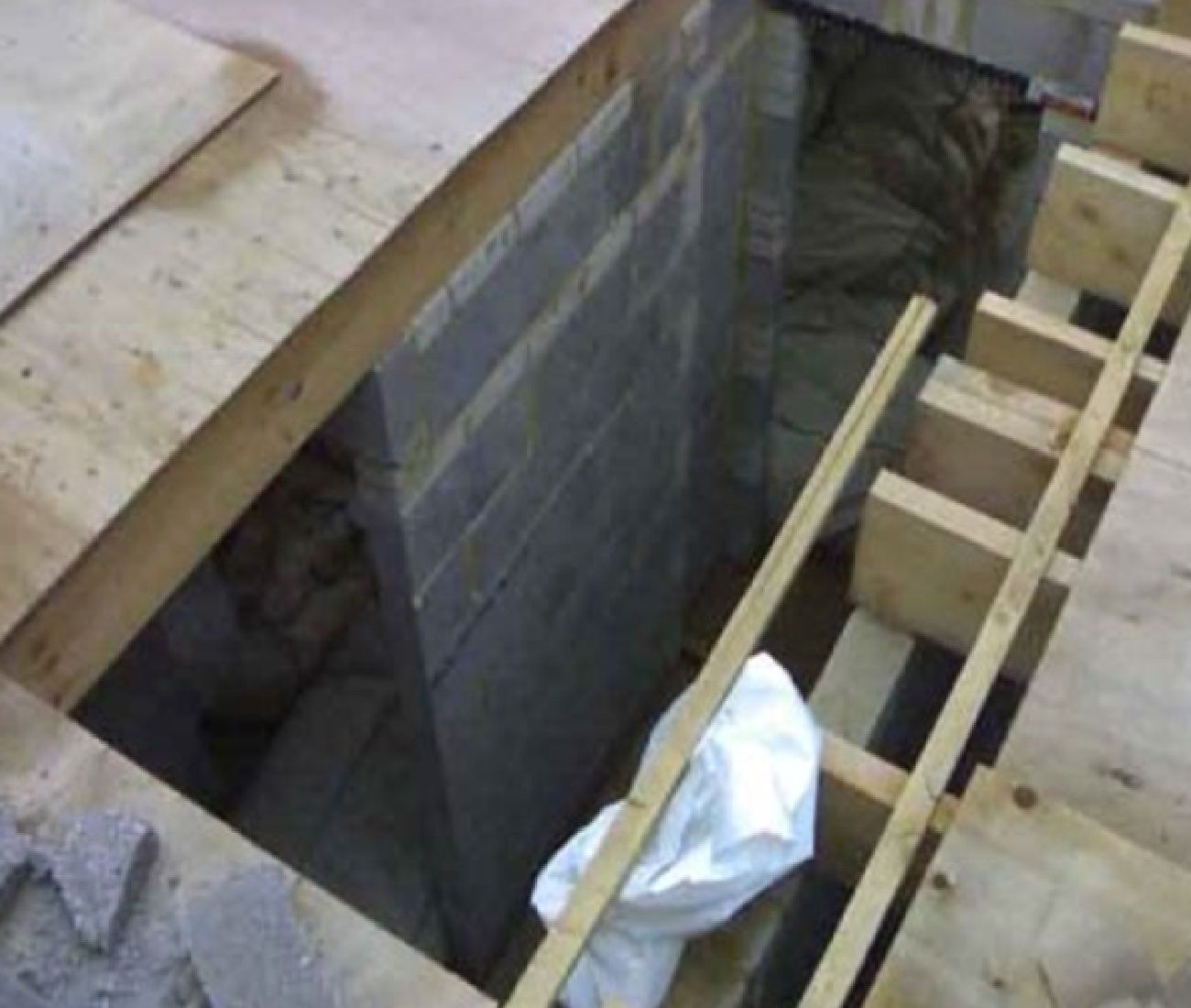
Falls Through Floor and Wall opening

It takes a split-second of inattention, a slight change in working conditions, a forgetful co-worker, or a lax safety program for you to fall through an opening.

Falls Through Floor and Wall opening2018-10-15T00:00:00+00:00

Be Safety-Conscious Off-the-Job too!

How safety-conscious are you when you are off-the-job? You can do a lot to increase your safety just by paying attention to your attitude and habits. You may be relaxing, but you can still relax safely!

Be Safety-Conscious Off-the-Job too!2018-10-15T00:00:00+00:00

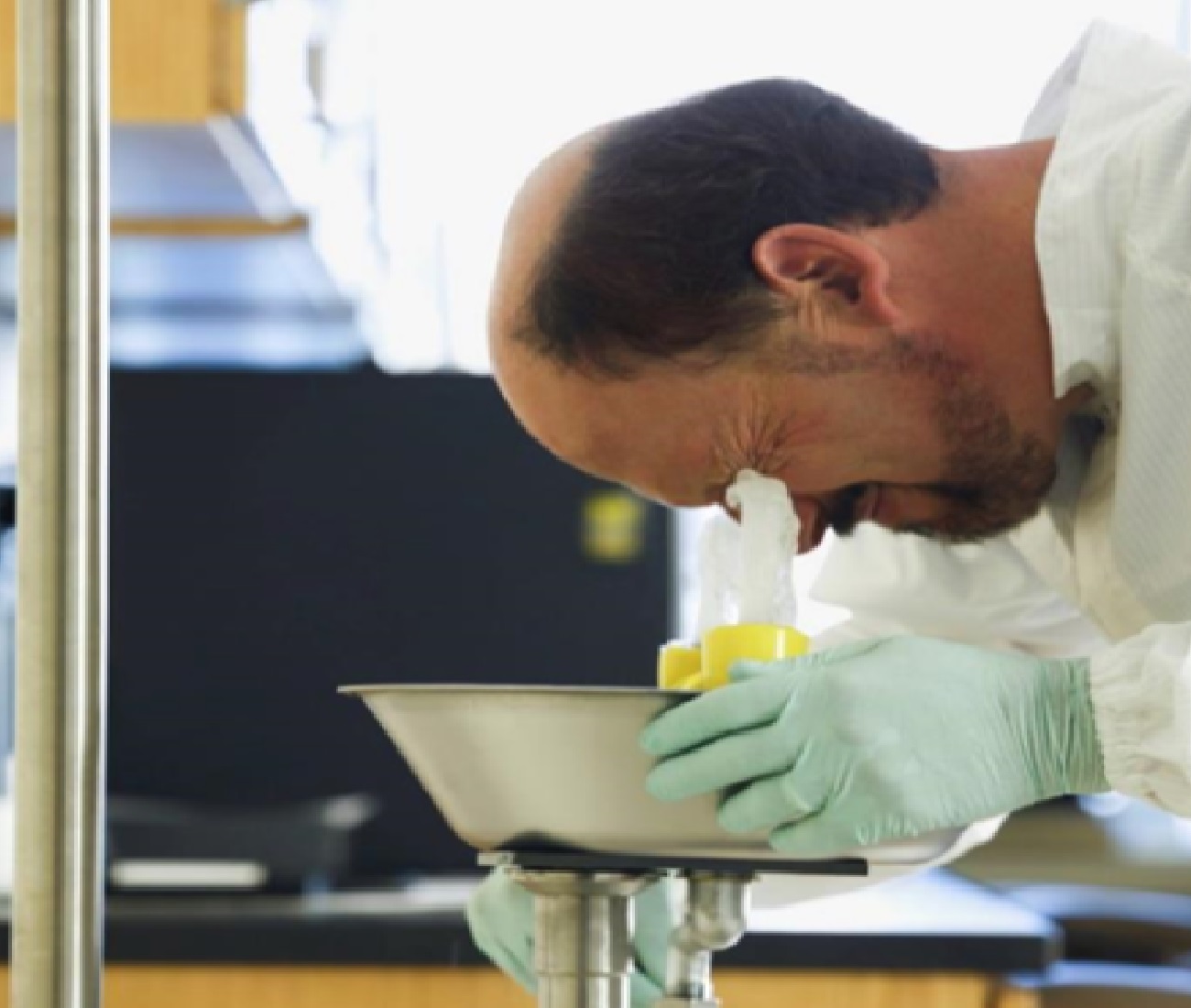
Can You Do the Chemical Splash Dash?

If a chemical splashed onto your skin or into your eye, could you get to a safety shower or eyewash station quickly? The time to consider that question is now, not when you are faced with an emergency. You need to know where this equipment is located, the shortest route to reach it and how to use it effectively.

Can You Do the Chemical Splash Dash?2018-10-15T00:00:00+00:00

Ask the Expert: How do you turn a good safety program into a great safety program?

You must create a safety culture where workers feel comfortable participating. Build trust by engaging employees in all aspects by asking for concerns, opinions and solutions.

Ask the Expert: How do you turn a good safety program into a great safety program?2018-10-13T00:00:00+00:00

By the Numbers: 10 Tips for Emergency Response Plans

Being prepared for an emergency is part of your employers and your responsibility. For help developing your emergency response planning, Ready.gov offers the following guidance.

By the Numbers: 10 Tips for Emergency Response Plans2018-10-11T00:00:00+00:00

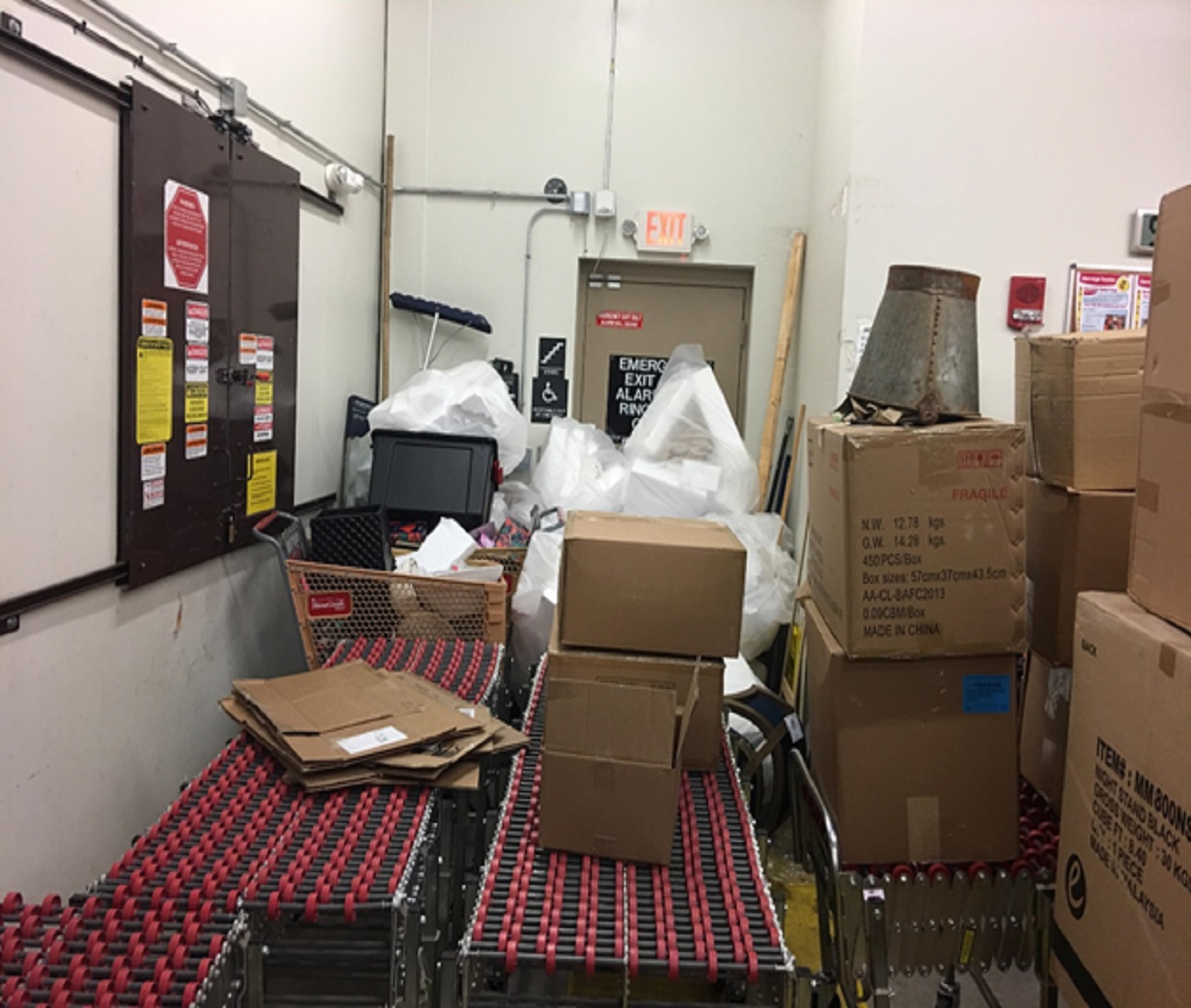
Picture This: Emergency Exit Nightmare

Let’s start with the obvious hazard – a blocked emergency exit. Blocked by conveyors, carts, trash, and cardboard boxes.

Picture This: Emergency Exit Nightmare2018-10-11T00:00:00+00:00

Don’t Let a Trench Be your Grave Safety Talk

Excavations and trenches more than 4-5 ft/1.2-1.5 m deep (depending on your federal, state, and provincial regulations) require a protective system is in place to protect workers from cave-ins. If a protective system isn’t in place – don’t enter the excavation. Look out for your safety and the safety of your co-workers and don’t become another buried body of an excavation cave-in.

Don’t Let a Trench Be your Grave Safety Talk2018-10-11T00:00:00+00:00

Domestic Violence in the Workplace

Protecting employees from harm is the foundation of every safety program and piece of safety legislation. Protecting employees from workplace violence must be part of your safety program. Further still, having a plan and program in place to help employees experiencing domestic violence should be, and in many cases must be, part of your safety program.

Domestic Violence in the Workplace2018-10-01T00:00:00+00:00

Home Health Care – Elder/Child Abuse and Neglect – Spanish

Elder and child Abuse. Tragic. Horrifying. Unthinkable. Yet, it???s estimated hundreds of thousands of elders and children are abused each year. Estimated because our picture of elder and child abuse is limited, due to the hidden and complex nature of the problem and the failure of healthcare workers and others to report elder and child abuse consistently. It can be hard to spot the more subtle forms of neglect and abuse. They???re often unrecognized, because victims tend to be isolated. By learning to recognize elder or child abuse and neglect, by learning how to respond to the cases and by committing yourself to safeguarding clients in your care.

Home Health Care – Elder/Child Abuse and Neglect – Spanish2018-10-01T00:00:00+00:00

Situational Awareness at the Ski Resort – (5 min)

Situational Awareness???it???s the key to safety???anywhere. In a factory???in a hotel???on the road and at a ski resort. This video stresses personal responsibility for accident prevention and teaches the system Observe, Decide, Act as the basis for correcting hazards.

Situational Awareness at the Ski Resort – (5 min)2018-10-01T00:00:00+00:00

BBP Know The Risk

As the title implies, this is an extremely comprehensive program relating to Bloodborne Pathogens. This program covers all aspects of an EXPOSURE CONTROL PLAN, information relating to BBP diseases, including Hepatitis B, C, and HIV, as well as modes of transmission, PPE and acceptable work practices, emergency procedures, and recordkeeping requirements. Dr. Jeffery Kahn, Liver Transplant Surgeon from the University of Southern California discusses the different types of viruses and Bloodborne Pathogens in general. Excellent program for both medical and industrial applications.

BBP Know The Risk2018-10-01T00:00:00+00:00

Hazard Communications – (17 min)

In today's litigious society, we begin to take cautions, warnings and disclaimers from manufacturers' with a touch of skepticism or disregard. When it comes to hazardous chemicals in the work place, words, colors and symbols mean something. Not only is it your workers' right, it is their responsibility to know what they mean. This program will teach your employees to recognize and understand the different means of communication used to identify hazardous chemicals including the United Nation's new Globally Harmonized System. The training program will educate your workers on the physical characteristics and chemical properties communicated in the material safety data sheets and on the container labels enabling them to make proper decisions concerning the safe use handling and storage of the substances. The program covers the purpose and role of hazard communication, the different classification of chemicals and their hazards, the primary forms of communication, and best practices and procedures to ensure their safety and health. Chemicals are an intricate and valuable part of our life. When respected and handled properly, they pose minimum risk our safety and health. Knowledge is a valuable safety tool. Not only is it your workers' right to know, it is their responsibility to use it to protect their safety and that of their co-workers.

Hazard Communications – (17 min)2018-10-01T00:00:00+00:00

Picture This: Domestic Violence – What Would You Do?

How would you respond if one of your employees came to work with bruises or other injuries? Does your organization have a policy and process in place for dealing with suspected and confirmed cases of domestic abuse?

Picture This: Domestic Violence – What Would You Do?2018-10-01T00:00:00+00:00

Home Health Care – Slips, Trips and Falls

Slips, trips and falls are the second most common cause of injury for home and community health workers. These types of accidents can result in serious disabling injuries and have a major impact on one???s ability to perform their job and may result in lost work days, reduction in productivity or a diminished ability to care for a client. Recognizing and correction of household hazards is examined as the first step in prevention. Common slips and falls are examined to show what are the actual root causes and steps are outlined for workers to take to reduce hazards for everyone in the home.

Home Health Care – Slips, Trips and Falls2018-10-01T00:00:00+00:00

Snowplow Safety

This program discusses how the safely operate Snowplows so operators can safely complete their tasks. Although they seem easy to use, they can be very dangerous when used by untrained drivers. Topics include: Pre operational inspection Obeying local, state, and federal laws Marking and flagging

Snowplow Safety2018-10-01T00:00:00+00:00

BBP Know The Risk – (16 min) Spanish

As the title implies, this is an extremely comprehensive program relating to Bloodborne Pathogens. This program covers all aspects of an EXPOSURE CONTROL PLAN, information relating to BBP diseases, including Hepatitis B, C, and HIV, as well as modes of transmission, PPE and acceptable work practices, emergency procedures, and recordkeeping requirements. Dr. Jeffery Kahn, Liver Transplant Surgeon from the University of Southern California discusses the different types of viruses and Bloodborne Pathogens in general. Excellent program for both medical and industrial applications.

BBP Know The Risk – (16 min) Spanish2018-10-01T00:00:00+00:00

Hazard Communications – (17 min) Spanish

In today's litigious society, we begin to take cautions, warnings and disclaimers from manufacturers' with a touch of skepticism or disregard. When it comes to hazardous chemicals in the work place, words, colors and symbols mean something. Not only is it your workers' right, it is their responsibility to know what they mean. This program will teach your employees to recognize and understand the different means of communication used to identify hazardous chemicals including the United Nation's new Globally Harmonized System. The training program will educate your workers on the physical characteristics and chemical properties communicated in the material safety data sheets and on the container labels enabling them to make proper decisions concerning the safe use handling and storage of the substances. The program covers the purpose and role of hazard communication, the different classification of chemicals and their hazards, the primary forms of communication, and best practices and procedures to ensure their safety and health. Chemicals are an intricate and valuable part of our life. When respected and handled properly, they pose minimum risk our safety and health. Knowledge is a valuable safety tool. Not only is it your workers' right to know, it is their responsibility to use it to protect their safety and that of their co-workers.

Hazard Communications – (17 min) Spanish2018-10-01T00:00:00+00:00

Four Categories of Workplace Violence and Prevention Strategies

There are four generally agreed upon categories of workplace violence. Once you know what the categories of violence are you and your employer can practice ways to protect you, co-workers, and the public from ha

Four Categories of Workplace Violence and Prevention Strategies2018-10-01T00:00:00+00:00

Home Health Care – Slips, Trips and Falls – Spanish

Slips, trips and falls are the second most common cause of injury for home and community health workers. These types of accidents can result in serious disabling injuries and have a major impact on one???s ability to perform their job and may result in lost work days, reduction in productivity or a diminished ability to care for a client. Recognizing and correction of household hazards is examined as the first step in prevention. Common slips and falls are examined to show what are the actual root causes and steps are outlined for workers to take to reduce hazards for everyone in the home.

Home Health Care – Slips, Trips and Falls – Spanish2018-10-01T00:00:00+00:00

Supermarket: Bloodborne Pathogens

Bloodborne pathogens are sometimes called the ???Unexpected Hazard??? because, for most of us, we just don???t expect to come into contact with blood or bodily fluids when performing our normal job duties. Nevertheless, an unexpected encounter with bloodborne pathogens can happen at anytime. Responding properly when confronted with blood and other bodily fluids is critical to your health and safety. The purpose of this program is to provide viewers with the knowledge needed to take the appropriate actions when encountering bloodborne pathogens unexpectedly.

Supermarket: Bloodborne Pathogens2018-10-01T00:00:00+00:00

Defensive Driving – (20 min) Spanish

One of our Best Sellers! A fire extinguisher is a simple and effective piece of emergency equipment. This program explains the various classes of fires, different types of fire extinguishers, the key word PASS, and other tips for emergency use of fire extinguishers. This is the long version.

Defensive Driving – (20 min) Spanish2018-10-01T00:00:00+00:00

Emergency Preparedness – Do You Know What to Do?

Unexpected emergencies occur every day in many facilities, including laboratories, offices, and residential buildings. It might be a fire, flood, earthquake, shooting, tornado, or hazardous chemical spill. If you don’t know what to do during an emergency the odds increase that you or others around you will be injured or killed.

Emergency Preparedness – Do You Know What to Do?2023-11-30T22:23:26+00:00

Home Health Care – Workplace Violence

Workplace Violence is unacceptable, regardless of the work environment. This program defines different types of workplace violence common to home health care situations and discusses ways to prevent incidents. Recognition, prevention and de-escalation are the main techniques taught.

Home Health Care – Workplace Violence2018-10-01T00:00:00+00:00
Go to Top