
Emergency! Would You Know How to Respond?
Quick! A co-worker has just been seriously injured and emergency medical assistance is needed. Do you know what to do?
Quick! A co-worker has just been seriously injured and emergency medical assistance is needed. Do you know what to do?
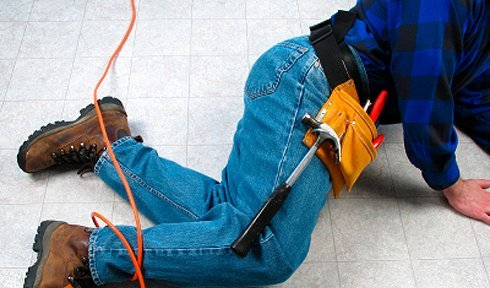
Electrical shock is a leading cause of workplace fatalities and almost every day approximately one electrocution, 10 disabling injuries and 100 electrical shocks are reported.

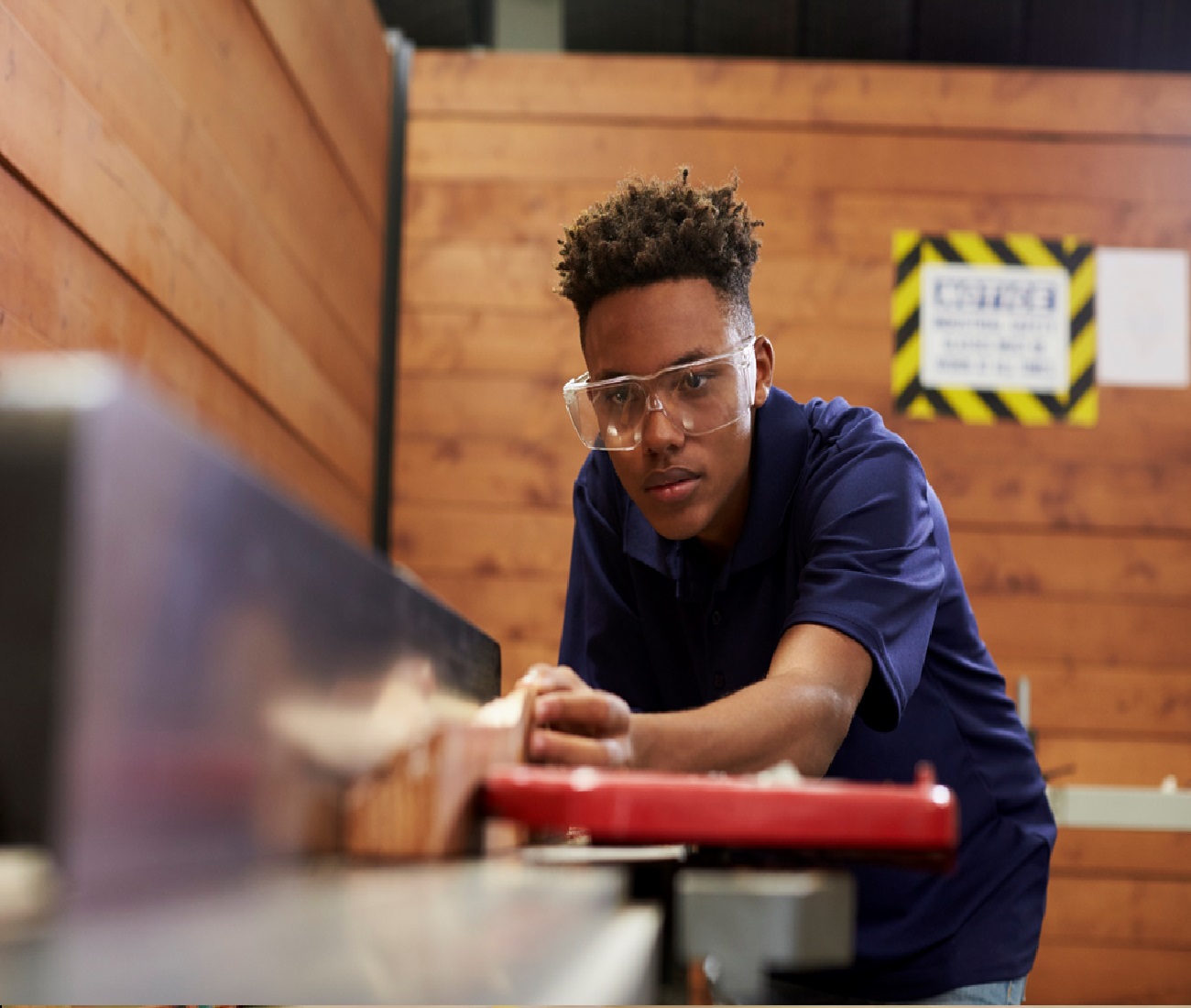
Workplace safety can be a complex issue, but learning and adhering to a few safety basics can go a long way toward keeping employees safe on the job. Many workplace injuries and fatalities are directly related to either not knowing how to do something and attempting it anyway or committing unsafe acts through inattention or for other reasons.
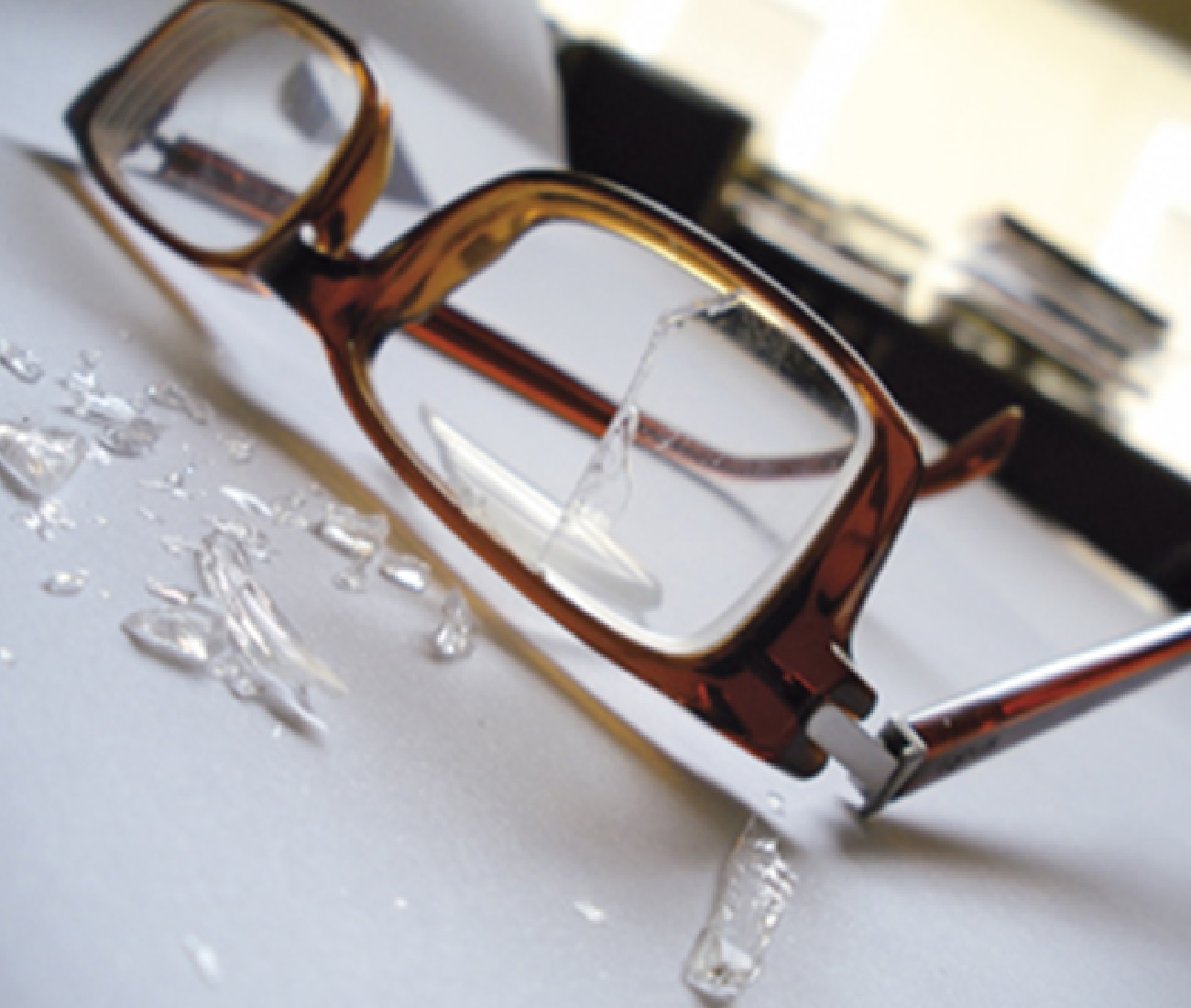
Focusing on a stationary object like a screen for a long period of time can have health consequences. The most common is a temporary condition called Computer Vision Syndrome (CVS).
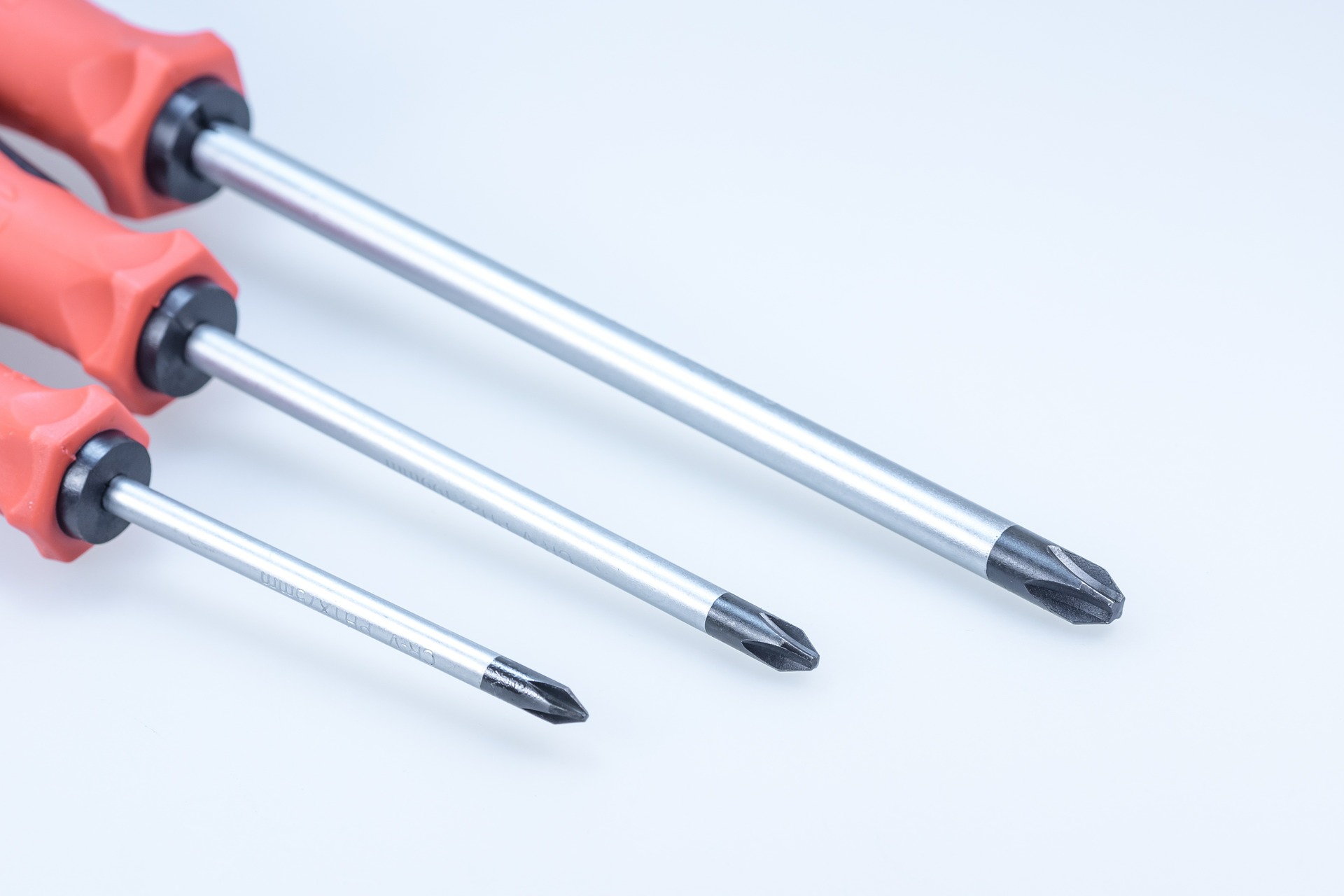
Every tool has a purpose, but many workers attempt to find new and unsafe applications for the tools they use. And the common screwdriver just might be the most misused tool in the workplace.
Using poor-fitting respiratory protection can be as bad as using nothing at all. Even worse, the harm to your body from respiratory hazards can be impossible to detect or even take years to develop.

In this Safety Talk, we’ll discuss what happens during a caught-between incident, how to avoid hazardous situations when working with machinery, and provide some tips on how to work around machinery without getting hurt.
The holiday season often brings two very unwelcomed guests – stress and depression. With increased demands on your time, your wallet, and your patience it can be hard to enjoy the season with family and friends.
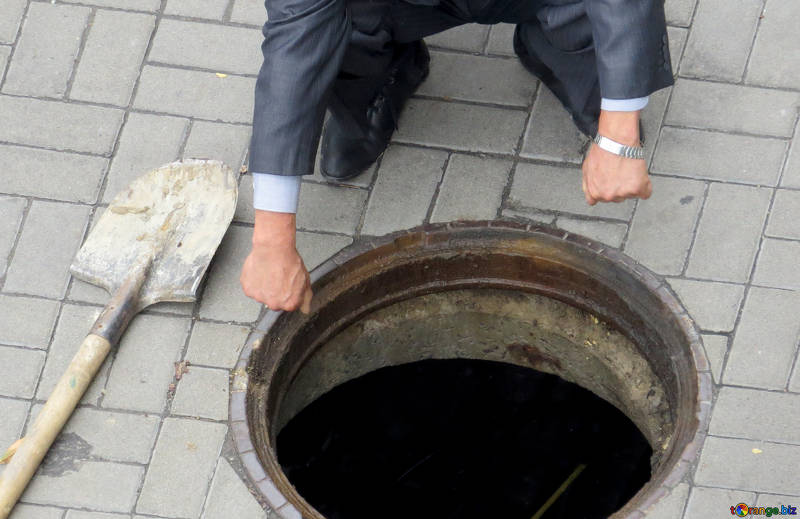
An average of two workers a week die in confined space incidents.
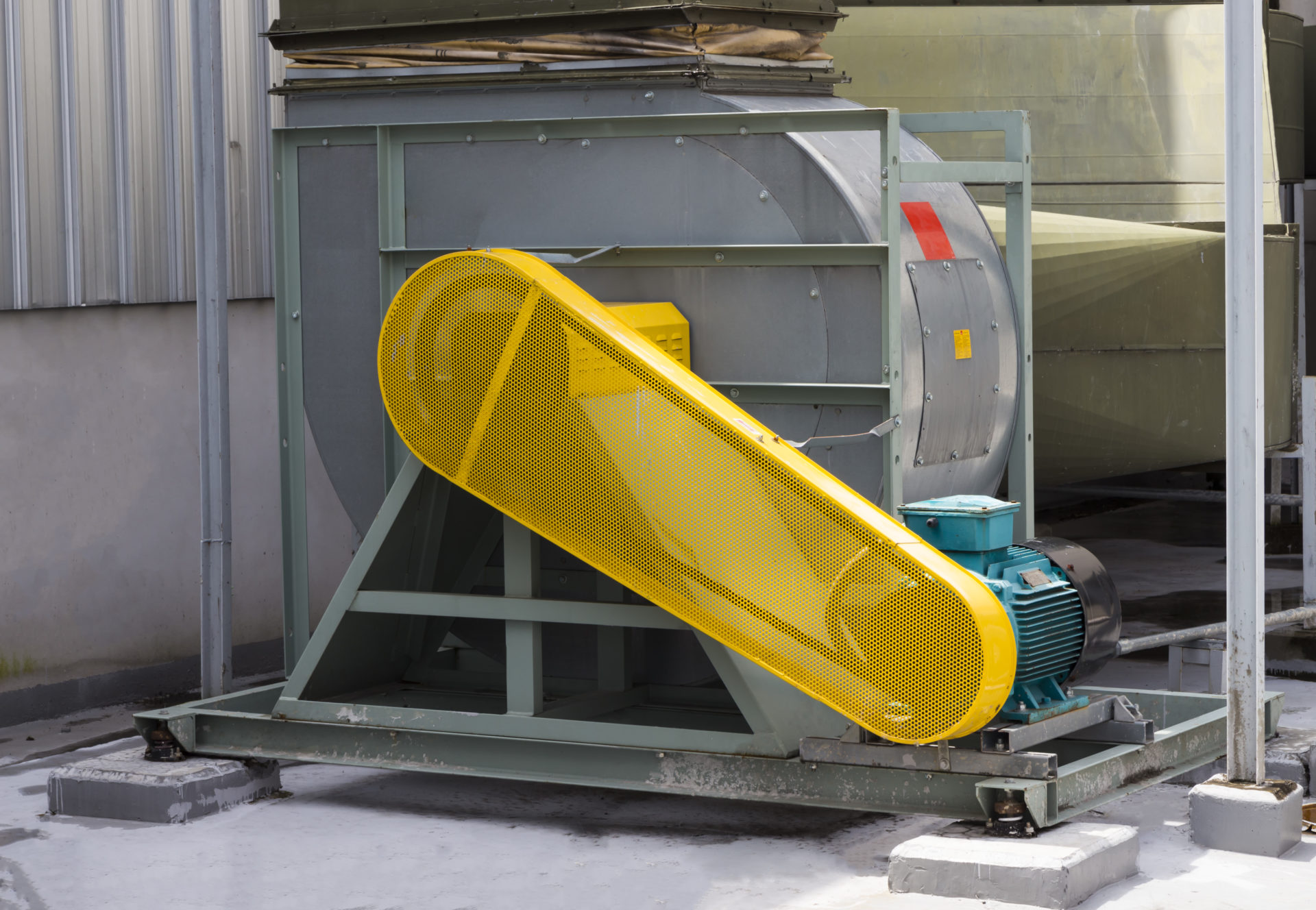
Getting caught in machinery is every worker's nightmare, but you can prevent it from becoming yours with a little vigilance.
WHAT'S AT STAKE Most workers have a healthy respect for [...]
It?s a great thing to be courageous and to have nerves of steel. There are many important tasks that would never get done if it weren?t for those who were brave enough and tough enough to tackle them. But there is a fine line between being brave and being dangerous.
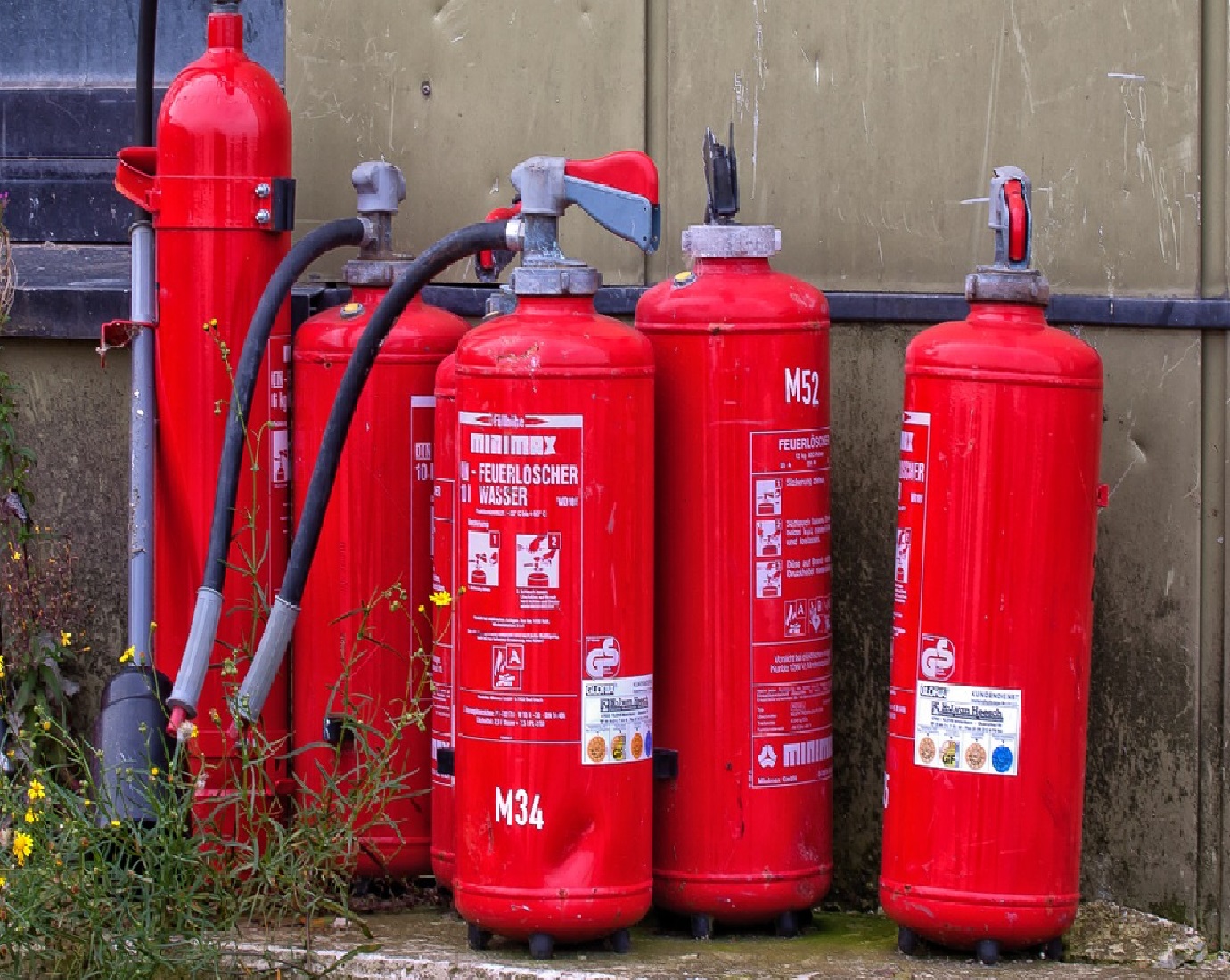
In a heroic attempt to extinguish an apartment fire, two men working in a residential building found extinguishers in a hallway and raced to the unit. Although they had just rescued a tenant from the same unit, they were both overcome by thick smoke and died of cardiac arrest.

Head injuries are one of the most serious types of injuries that can occur at work.
While anthrax concerns have increased public awareness of respiratory biological hazards, there are many other common biological agents affecting workers every day. This safety talk will discuss a few of these hazards. What you need
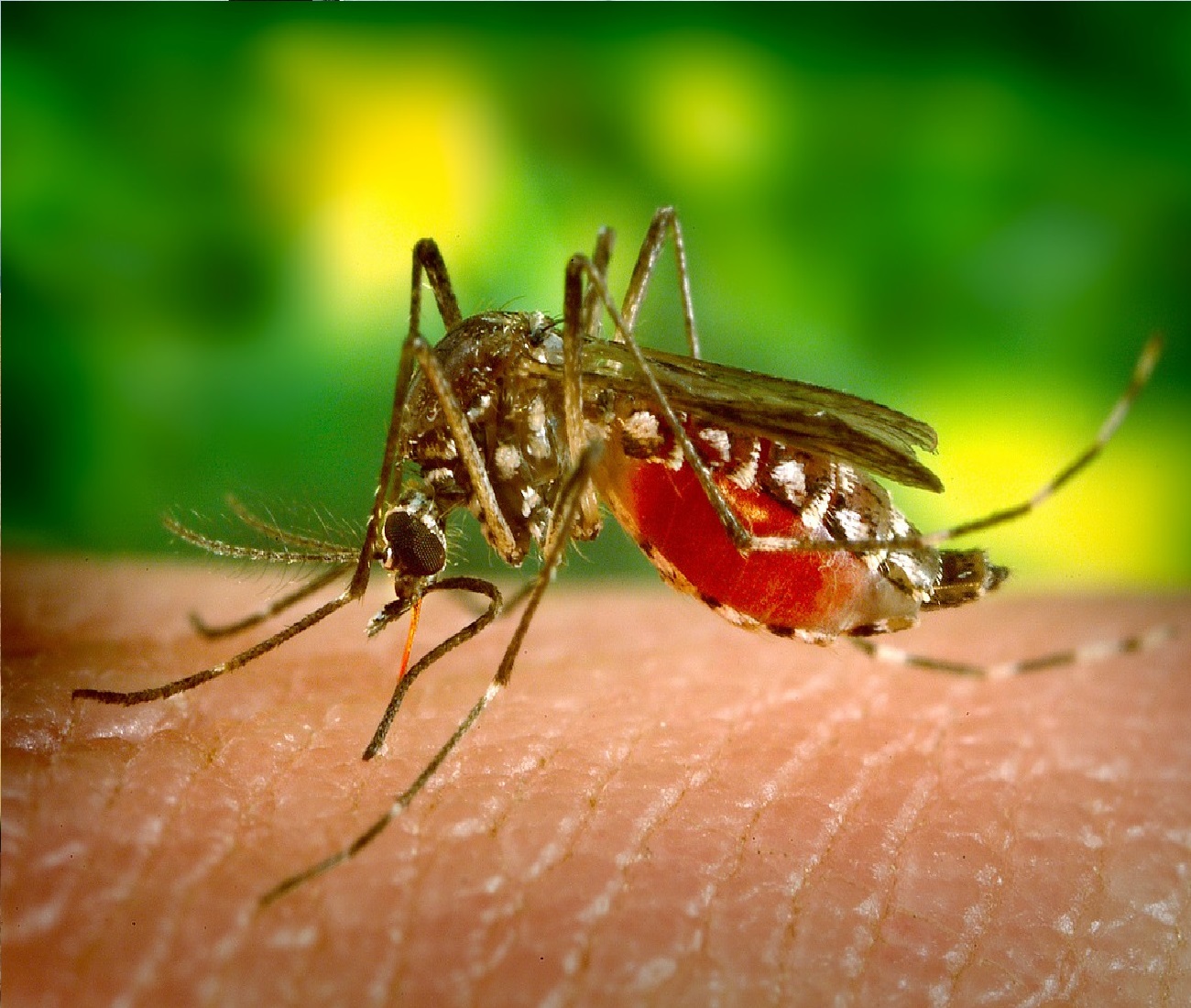
In humans, most West Nile virus infections cause either no symptoms or a mild flu-like illness. Severe infections include high fever, stiff neck, disorientation, tremors, muscle weakness and paralysis. The most severely affected patients may

Even a simple extension cord needs to be looked after. It's a shock orfire hazard when deteriorated, worn-out or used improperly.
Portable electric-powered tools can be indispensable. They can also be deadly. Each year, thousands of construction workers are injured using these otherwise handy tools.
When fuel is burned, carbon monoxide is a byproduct. This gas kills thousands of people at work and at home each year.

Housekeeping may not be your favorite job, but a messy workplace is where injuries occur.
How This Affects You: Workplace violence can happen to anyone, even you.
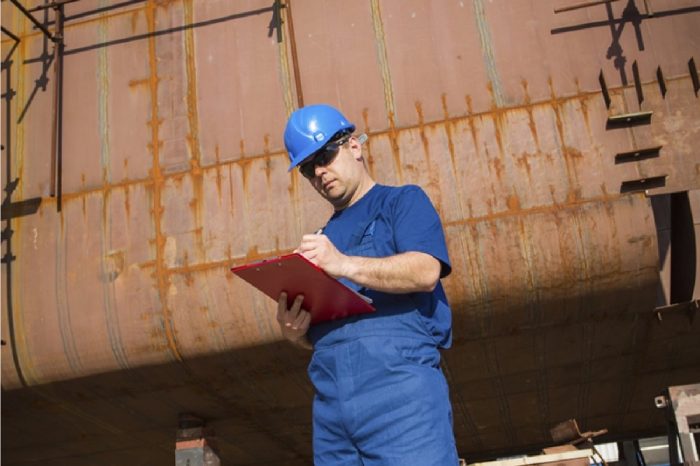
Moving machinery is everywhere. Even something as innocent as a photocopier contains moving parts.
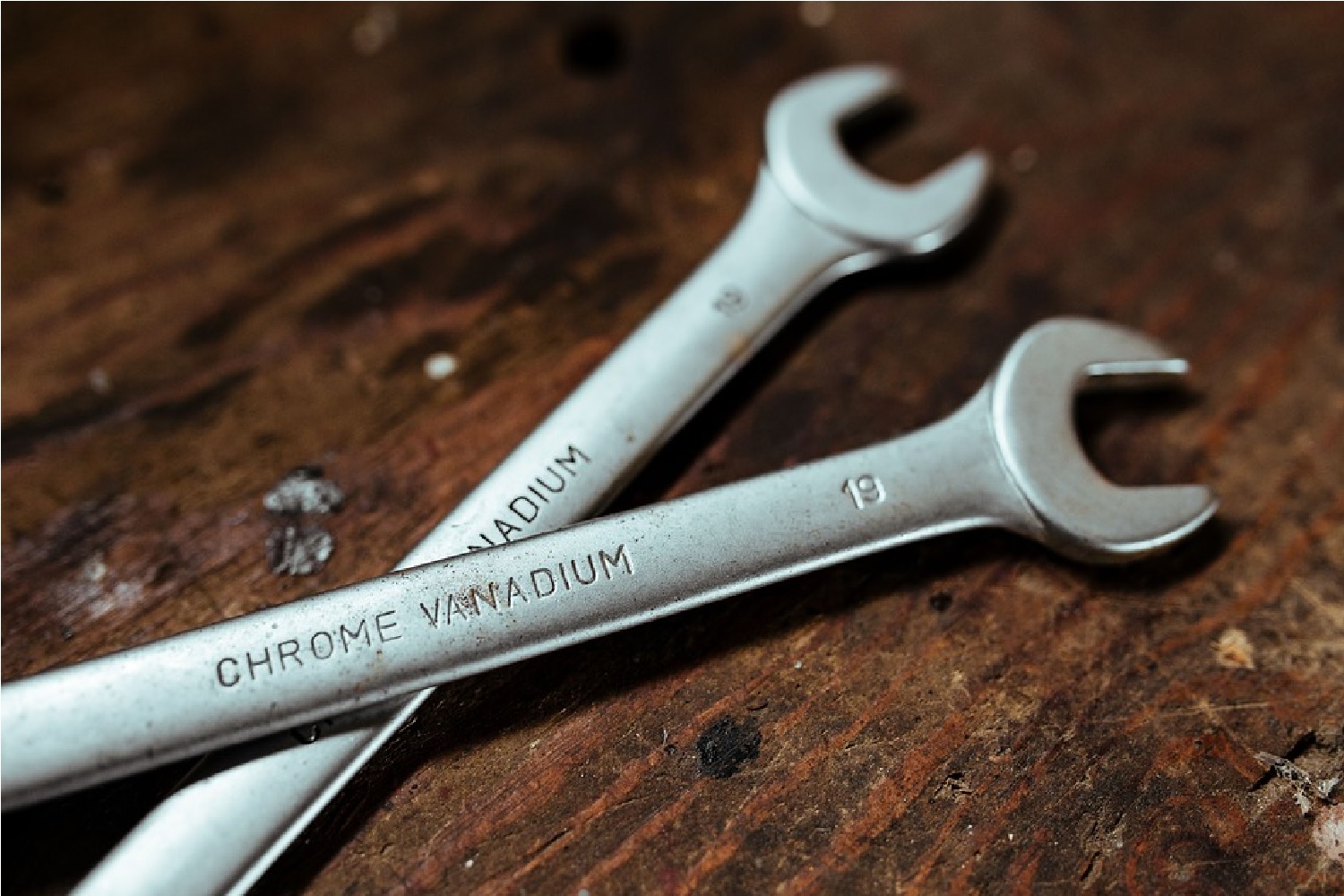
We all know how important it is to use caution around power tools. But what about tools in general? Can a wrench really be dangerous?
If your job involves repeated motion or vibration to the hands, carpal tunnel syndrome could creep up on you. It tends to occur in carpentry, cashiering and assembly line work, but it can also occur in many other kinds of work.
Workplace housekeeping has been an important part of job safety programs for many years. Whether you are working in a traditional factory or a 21st century work setting such as a wind energy tower, good housekeeping can be a life-saver.
Since it's your first time, you may want to checkout some of the video tutorials.








 800-ICW-SAFETY (800.429.7233)
 SAFETYOnDemand@icwgroup.com
