
Picture This! We Really Shouldn’t be Meeting Like This
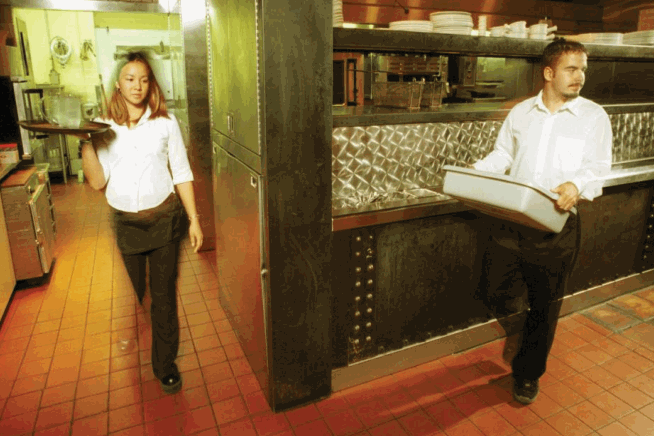
In a busy restaurant, workers probably have their minds on issues other than where they are walking. But situational awareness is necessary to avoid collisions with other workers or customers.
In a busy restaurant, workers probably have their minds on issues other than where they are walking. But situational awareness is necessary to avoid collisions with other workers or customers.
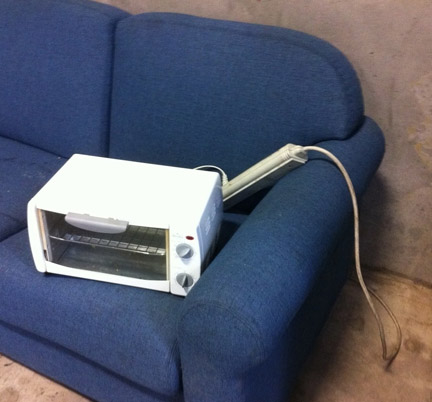
When there's no table or countertop handy and you're hungry, finding a convenient place to plug in a toaster oven can be challenging. But this isn't the solution.
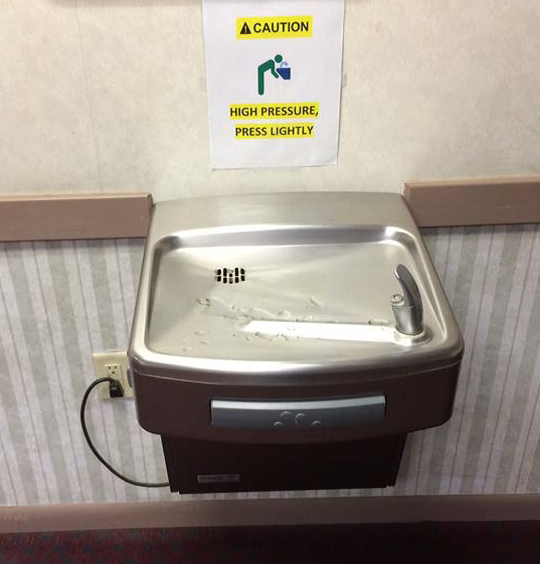
Some people get a charge from energy drinks, but here's a way to get one from a plain old drinking fountain. This photograph shows a fountain accompanied by a sign warning of high water pressure, located right next to a unsafely placed electrical outlet and plug.
A well-placed safety sign is a good reminder for your workers and visitors, but this photograph shows a dizzying array of "watch your step" warning signs that could actually distract workers and lead to a fall on this stairway.
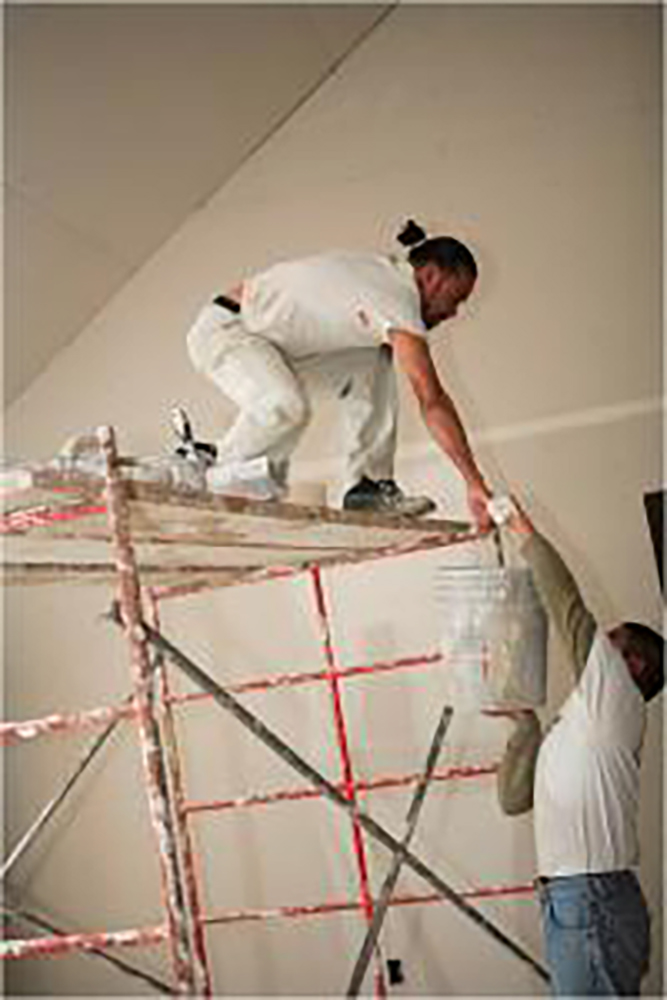
The workers in this photograph could serve as poster boys for how not to lift heavy objects.
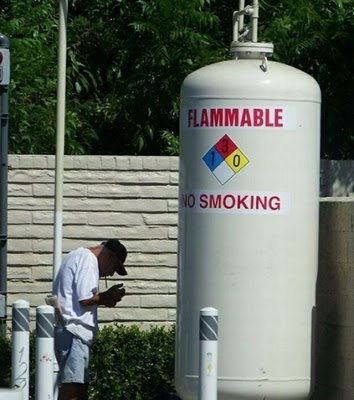
Increasingly, smokers are being driven outdoors by tough indoor anti-smoking laws, but as this photo shows, there are situations where firing up a cigarette outdoors isn't safe or smart.
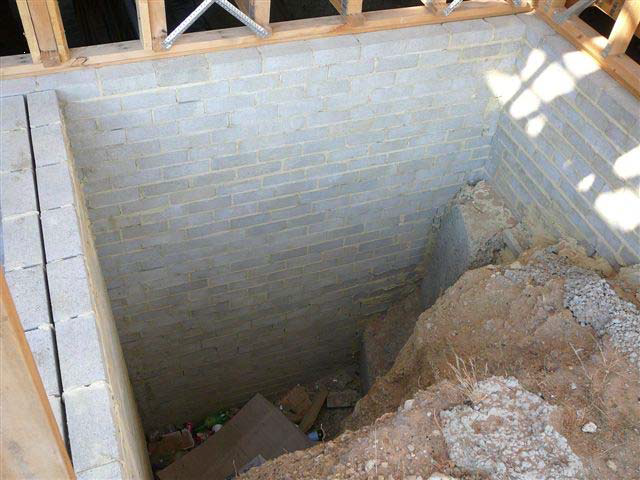
Unprotected excavations and unguarded floor openings result in countless preventable injuries and fatalities around the world every year. Here's a picture illustrating this type of hazard.
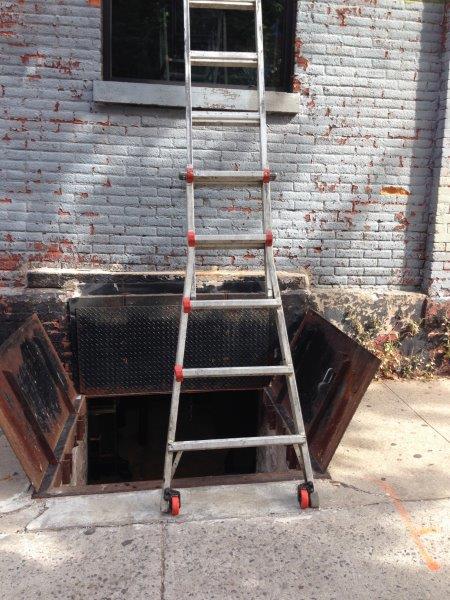
Why would anyone lean a ladder against a wall over an uncovered hole?
OSHA opened an inspection after a worker lost two fingers [...]
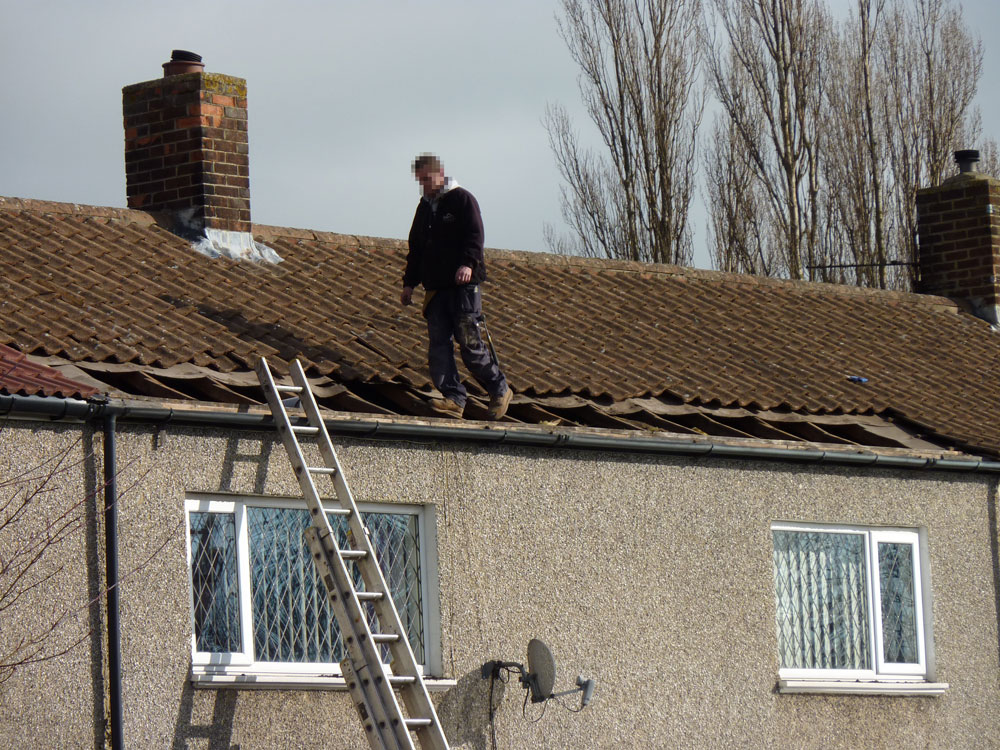
A fall from even a short height can be fatal. We're willing to bet that this worker would be looking at a hospital stay at minimum if he lost his footing on this roof.
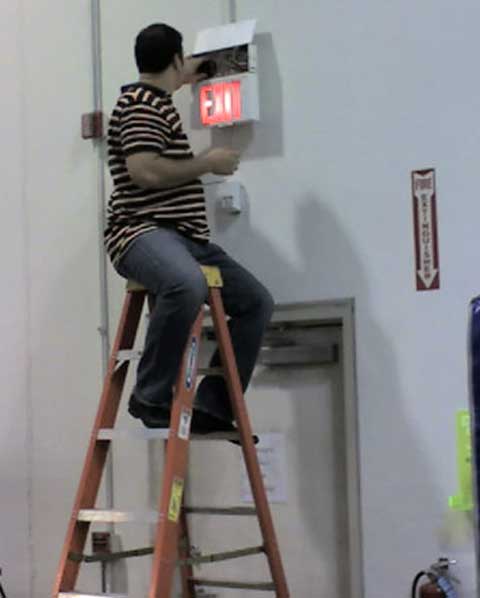
Standing on the top rung of a ladder isn't safe. And neither is this.
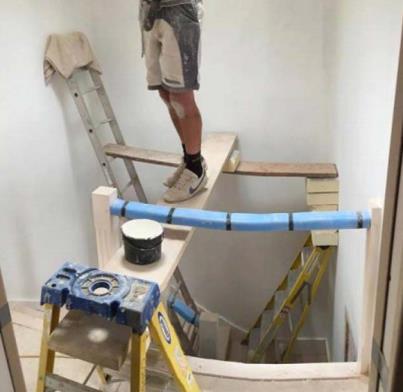
When working in a stairwell you need to have the right equipment and a plan for performing the job safely. The worker shown in this photograph has come up short on both counts, having cobbled together a questionable assortment of ladders, blocks and boards into a highly unstable and unsafe platform.
What happened to these cones?
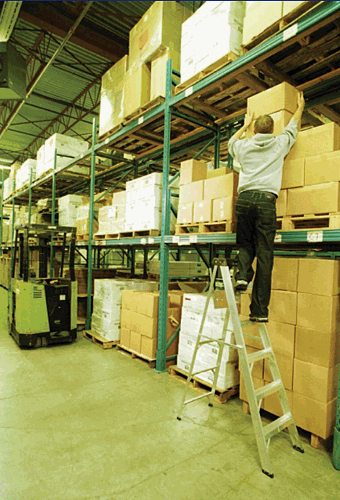
This scenario, involving a worker climbing on the upper rungs of a stepladder and lifting heavy objects from a shelf, plays out countless times across the world every day. Sadly, the consequences of this unsafe behavior can be life-altering or life-ending.
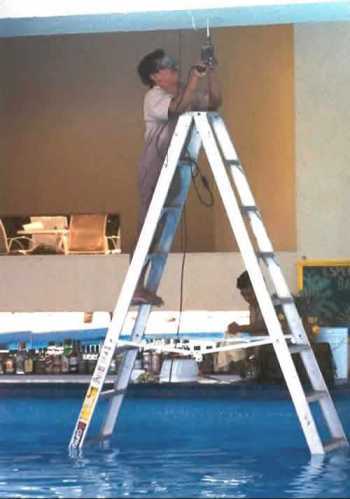
Using an aluminum ladder around electricity is dangerous enough but this guy has raised the stakes considerably.
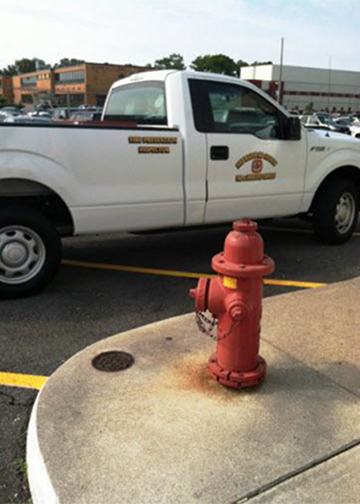
Areas in front of fire hydrants are strict no-parking zones for obvious reasons. But the fire inspector who parked here seems to have not received the memo.
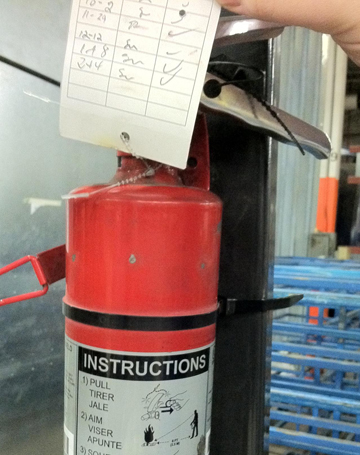
Zip ties are an ingenious invention, but this photograph illustrates a less-than ingenious use for one. It is shown securing a fire extinguisher, which won't be helpful to anyone trying to quickly free it during a fire.
Garment manufacturers operating in the Los Angeles area have received [...]
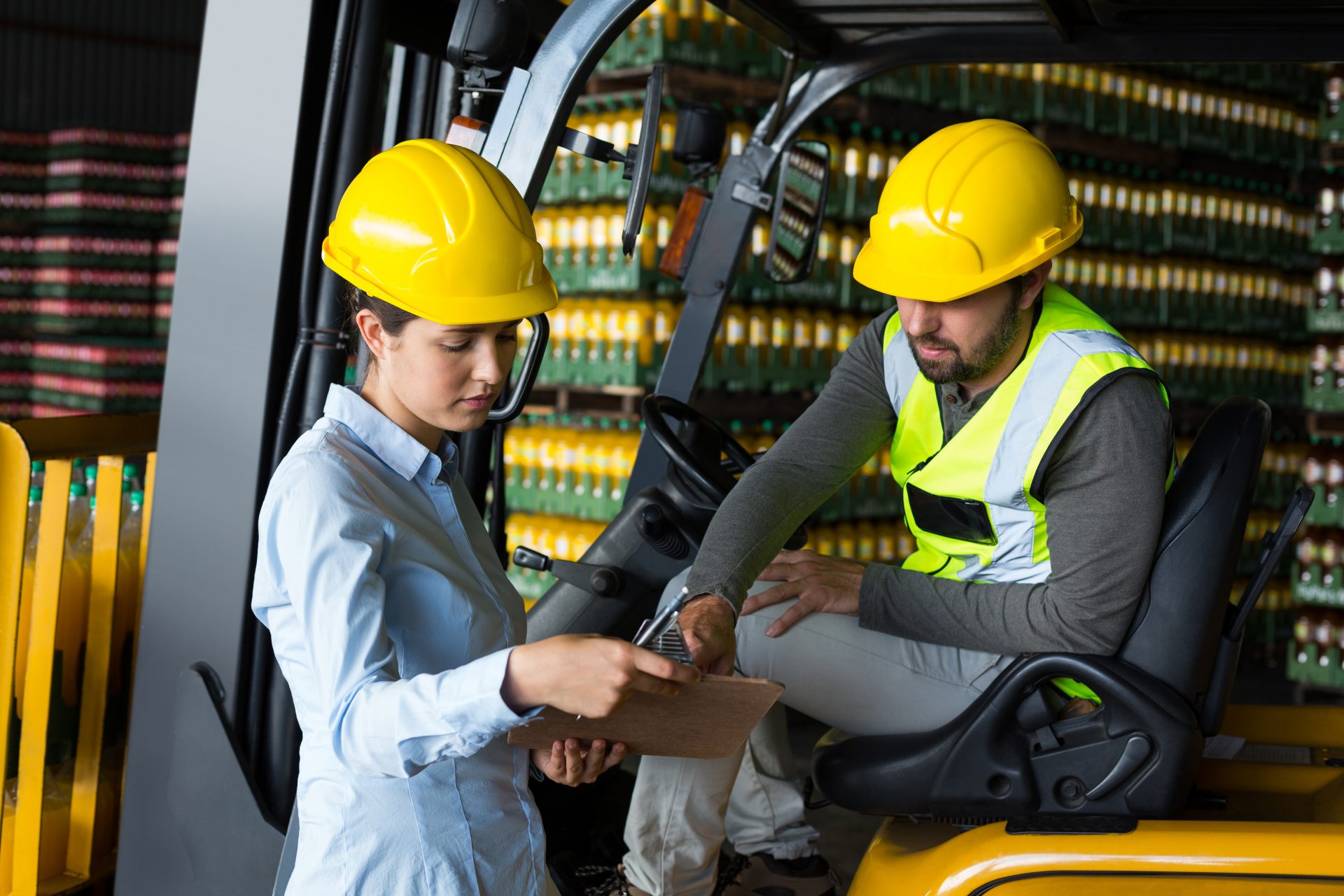
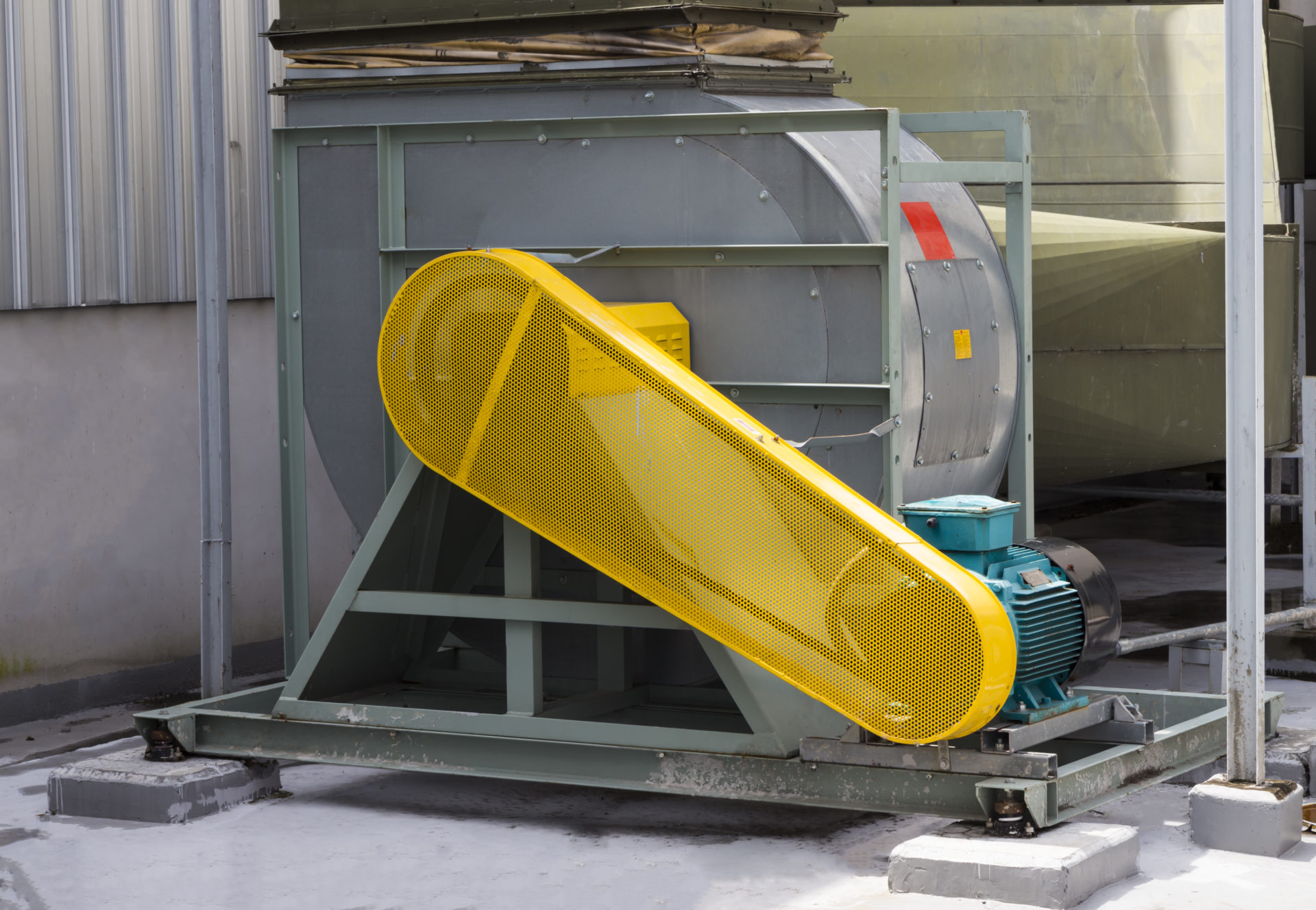
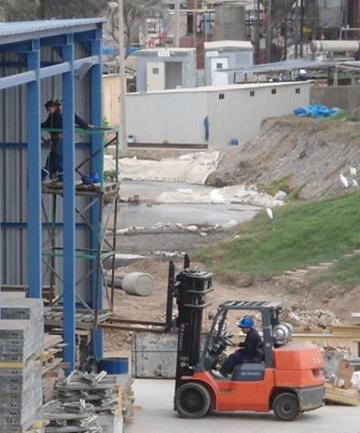
Forklifts are remarkably effective tools in millions of workplaces, but like any other tool, they are prone to being misused
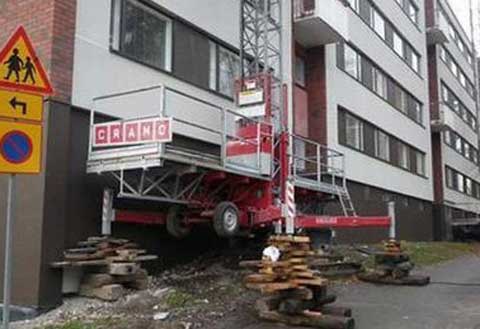
This picture illustrates an unbelievable support system for a crane's outriggers.
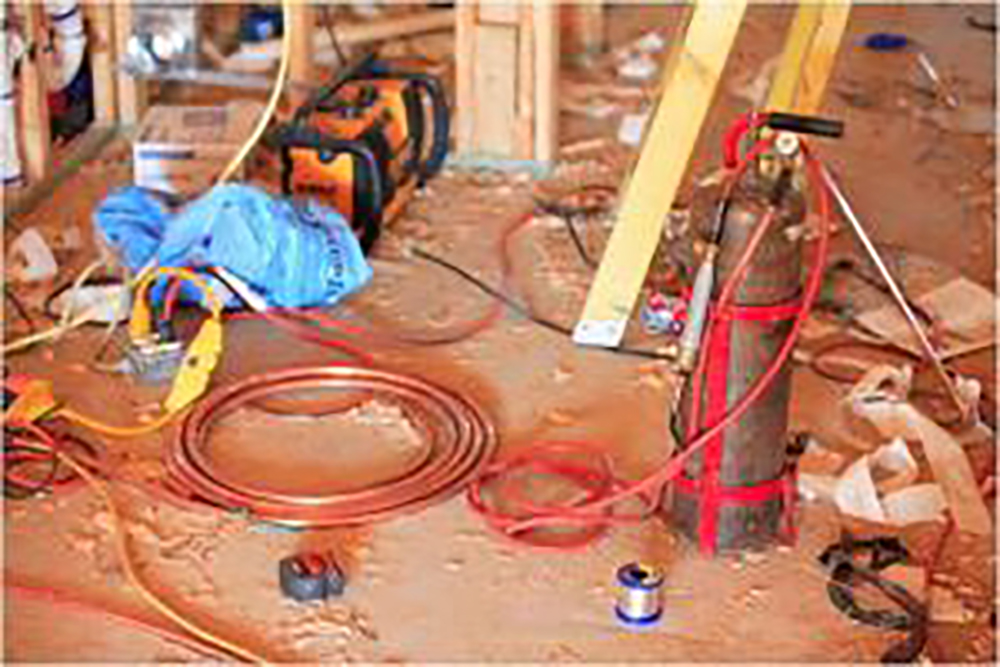
There are messy workplace and then there are th MESSY workplaces. Shown here is a housekeeping house of horrors that puts construction workers at serious risk for slip, trip and fall injuries.
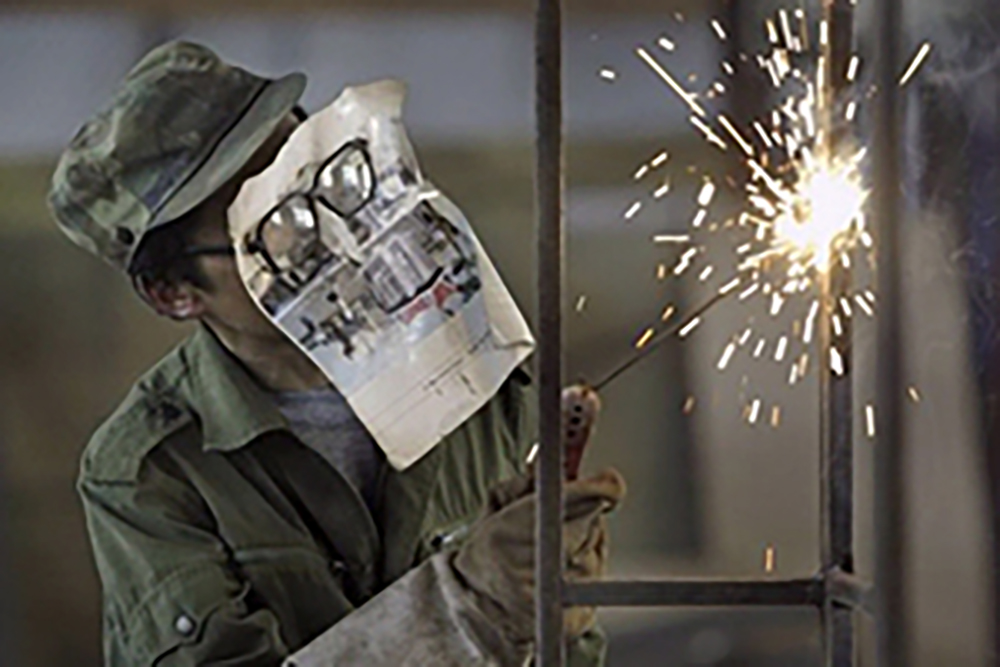
We are not sure what possessed the worker shown here to believe that a piece of paper wedged around his eyeglasses would provide face protection against a shower of sparks while performing hot work.
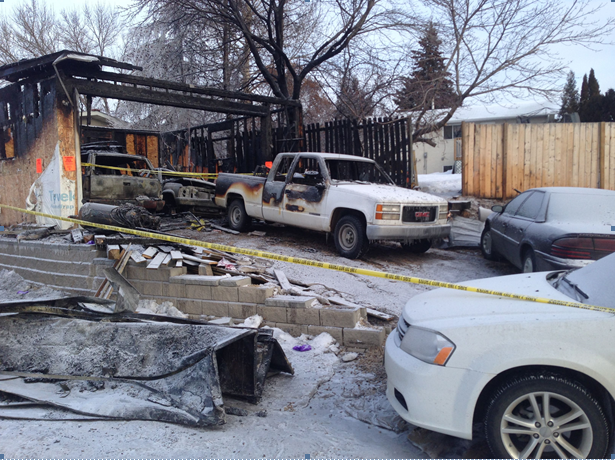
Two people died and a third person was injured in an explosion in a garage in Edmonton, Canada. Gas from a fuel tank spilled and its vapors were ignited by a red-hot propane heater. This photograph shows the damage caused in the fire and explosion.
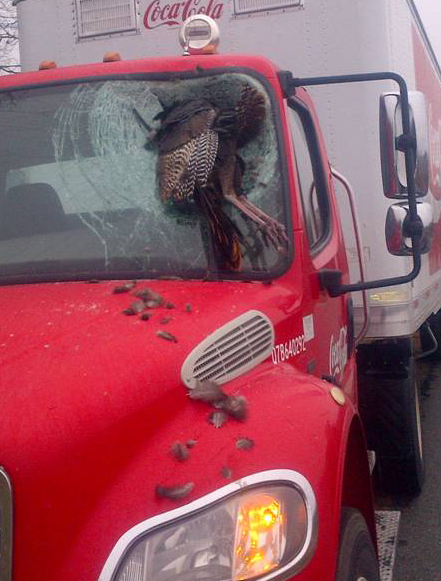
It was a new twist on Turkey Day for this truck driver, who had a large bird smash through his vehicle's windshield. He suffered no injuries.
Here's an eye-popping photograph showing workers perched on makeshift scaffolding that could shift or snap without warning.
Since it's your first time, you may want to checkout some of the video tutorials.



 800-ICW-SAFETY (800.429.7233)
 SAFETYOnDemand@icwgroup.com