Hello, Guest!

Hello, Guest!

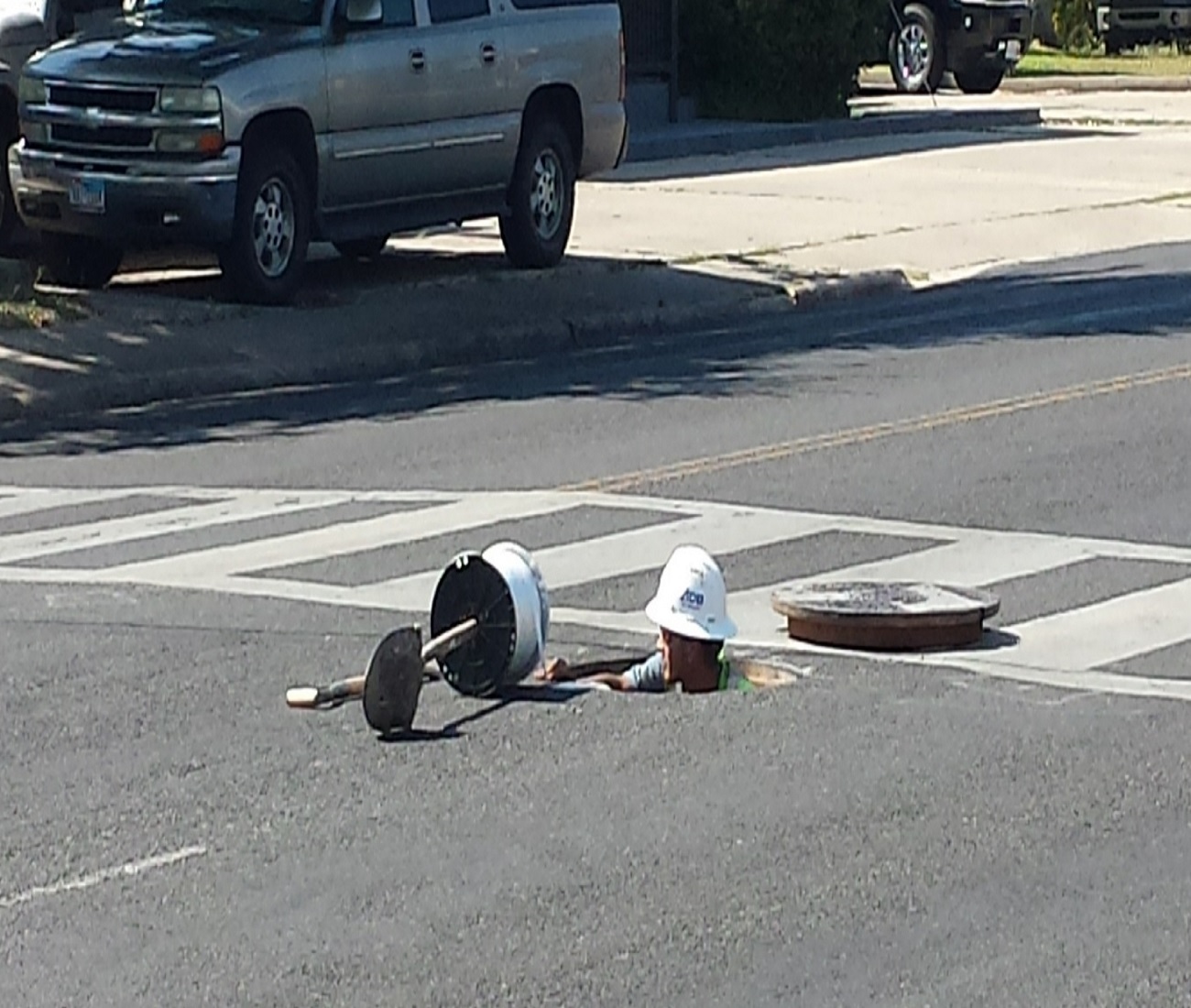
Picture This: Confined Space Whack-a-Mole

Permit-required confined space entry procedures must be part of your employers confined space entry program. Following these procedures will save your life and the lives of bystanders who may attempt rescue (unprepared and unprotected).

Picture This: Confined Space Whack-a-Mole2023-09-04T12:14:21+00:00

Tool: Confined Space Hazard Assessment Worksheet

Use/modify this form to identify hazards associated with a confined space and to determine procedures and safety precautions required for entry into the space. This form is to be completed by a trained and competent Confined Space Entry Supervisor.

Tool: Confined Space Hazard Assessment Worksheet2019-02-28T00:00:00+00:00

Picture This: Someone is About to Get Schooled with Sparks to the Eyes and Face

Using an angle grinder can be extremely dangerous for several reasons. If the wheel isn’t the right size or type, or is defective, it could break apart and become a dangerous projectile. One that can take off a finger, put out an eye, or do serious and sometimes fatal damage.

Picture This: Someone is About to Get Schooled with Sparks to the Eyes and Face2023-09-04T12:13:00+00:00

By the Numbers: Confined Space Injuries and Deaths

 Permit required confined spaces have long been – and still are - the leading cause of multiple fatalities in the workplace.

By the Numbers: Confined Space Injuries and Deaths2019-02-28T00:00:00+00:00

Tool: Confined Space Classification Decision Tree

Use this Decision Tree to help you determine if a confined space is a permit-required confined space or a non-permit confined space.

Tool: Confined Space Classification Decision Tree2019-02-28T00:00:00+00:00

Workplan: 10 Steps to Creating a Confined Space Entry Program

Working in a confined space is one of the most dangerous of all workplace hazards. In fact, it’s been calculated that working in a confined space is 150 times more dangerous than doing the same job outside of the space. While this Workplan is geared toward compliance remember, compliance is often only the minimum set of requirements for safety.

Workplan: 10 Steps to Creating a Confined Space Entry Program2019-02-28T00:00:00+00:00

Tool: Confined Space Reclassification Form

A Permit-Required Confined Space may be reclassified as a non-permit confined space under certain conditions. Use this form to document reclassification.

Tool: Confined Space Reclassification Form2019-02-28T00:00:00+00:00

Multiple-Fatality Confined Space Incident

Multiple-fatality confined space incidents are far too common as untrained and unprotected would-be rescuers attempt to save their co-workers and others who have fallen victim to the dangers of confined spaces.

Multiple-Fatality Confined Space Incident2019-02-28T00:00:00+00:00

Tool: Confined Space Entry Procedure and Permit

One of the core elements that a confined spaces entry program must include is a safe entry procedure. And one of the things required for entry into a confined space is an entry permit.

Tool: Confined Space Entry Procedure and Permit2019-02-28T00:00:00+00:00

By the Numbers: Eye Injuries

Do you know how many workplace eye injuries could be prevented if eye protection had been worn? Read on to find out.

By the Numbers: Eye Injuries2019-02-28T00:00:00+00:00

Focus On: How to Do a PPE Hazard Assessment

Are your workers in danger of becoming a statistic? Thousands of people are blinded each year from work-related eye injuries that could have been prevented with the proper selection and use of eye and face protection. Personal protective equipment (PPE) for the eyes and face is designed to prevent or lessen the severity of injuries to workers. But, to be effective you must first know what hazards your workers are exposed to by doing a hazard assessment.

Focus On: How to Do a PPE Hazard Assessment2019-02-28T00:00:00+00:00

Infographic: Seven Confined Space Entry Do’s and Don’ts

Seven Confined Space Entry Do's and Don'ts

Infographic: Seven Confined Space Entry Do’s and Don’ts2023-09-04T12:15:16+00:00

News You Can Use: OSHA Crane Operator Qualification

On November 9, 2018 OSHA published a Final Rule amending the requirements for crane and derrick operator training, certification, and employer evaluation (29 CFR 1926 Subpart CC).  The evaluation and documentation requirements become effective on February 7, 2019. Here’s what you need to know.

News You Can Use: OSHA Crane Operator Qualification2019-02-06T00:00:00+00:00

Grain Elevator Safety – (10 min)

There are a multitude of potential hazards when working in or near a grain elevator. This programs takes a detailed look at: Personal Protective Equipment (PPE) Confined Space Entry Grain Bins Grain Dust Explosions The information isn???t complicated, but it???s necessary to prevent serious and costly incidents at your facility.

Grain Elevator Safety – (10 min)2019-02-01T00:00:00+00:00

Workplace Violence Facts Prevention

The potential for workplace violence has become a stark reality in our world today. While the odds of a serious incident happening on your property may be slim, the importance for effective preparedness remains vital. This program helps you achieve a level of preparedness and allows viewers to develop a sense of confidence if faced with a potentially violent situation in the workplace. How to recognize signs of potential problems and what to do if the potential becomes reality are discussed in depth.

Workplace Violence Facts Prevention2019-02-01T00:00:00+00:00

Fire Prevention 101

Few things can be more terrifying and catastrophic than a fire. That is why training and education is so important. This video looks at ways fires can be prevented and covers the basics of fire prevention, conditions that contribute to fires and steps employees can take to minimize the risk of a potential fire in a unit.

Fire Prevention 1012019-02-01T00:00:00+00:00

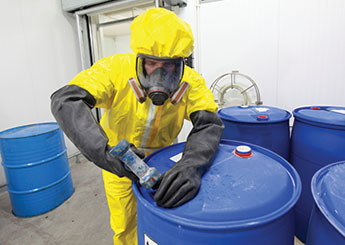
HAZWOPER: Chemical Protective Clothing

Designed to explain the different types and limitations of protective clothing and the correct application of each type. Also discusses heat stress. Security risks associated with transporting hazardous materials, Methods that have been designed to enhance transportation security, How to recognize security risks and Responding to possible security threats.

HAZWOPER: Chemical Protective Clothing2019-02-01T00:00:00+00:00

Beyond Basic Driving: Utility Cart Safety – (5 min)

Utility carts are in use at many Hotel and Resort locations for a wide variety of purposes. This program addresses specific hazards associated with utility cart use that were compiled from actual loss control data. Viewers are shown common sense approaches to reducing risks for them, their passengers and pedestrians. This program aims to make everyone on your property safer.

Beyond Basic Driving: Utility Cart Safety – (5 min)2023-10-16T23:49:53+00:00

Employee Safety Orientation – Hospitality

This video is the perfect way to introduce new employees to general occupational hazards to which they may be exposed and to re-train experienced workers. Program includes basic safety rules, electrical hazards, powered equipment and machinery, back injury prevention, fire protection and more.

Employee Safety Orientation – Hospitality2019-02-01T00:00:00+00:00

HAZWOPER: Donning/Doffing/Decontamination

Describes how to properly don chemical protective clothing, how to properly remove it and how to decontaminate clothing and personnel effectively. Security risks associated with transporting hazardous materials, Methods that have been designed to enhance transportation security, How to recognize security risks and Responding to possible security threats.

HAZWOPER: Donning/Doffing/Decontamination2019-02-01T00:00:00+00:00

Beyond Basic Driving: Company Owned Vehicles

Beyond Safe Driving is exactly that. This video won???t teach your drivers how to drive. They already know that. It goes beyond that to teach them specific skills in handling larger courtesy vehicles. These vehicles handle quite differently than most passenger cars and a specific skill set and knowledge is required to operate them safely. We address today???s #1 hazard, Distracted Driving, but we also detail numerous hazards and the steps that can be taken to reduce the risk to your driver, your vehicle and your passengers.

Beyond Basic Driving: Company Owned Vehicles2019-02-01T00:00:00+00:00
Go to Top