Tool: Soil Types – Canada Soil Types United States
The type of soil determines the strength and stability of trench walls. These charts give you an overview of the four soil classifications in Canada and the U.S.

Slips, trips, and falls are consistently rank as one of the top 2 causes of injuries and deaths on the job. Our contributor, Zachary O’Dell from SafetyLine asks, “Have you taken these 6 precautions to avoid injuries in your own workplace?”
During a busy shift, an OB technician helped with many crash deliveries and operations. Consequently, surgical instruments and trays that should have been washed, piled up on the sink counter and eventually knocked over a gallon jug of 4% formaldehyde. The employee was in and out of the utility room, doing the dishes between surgeries, and noticed that her throat was sore.

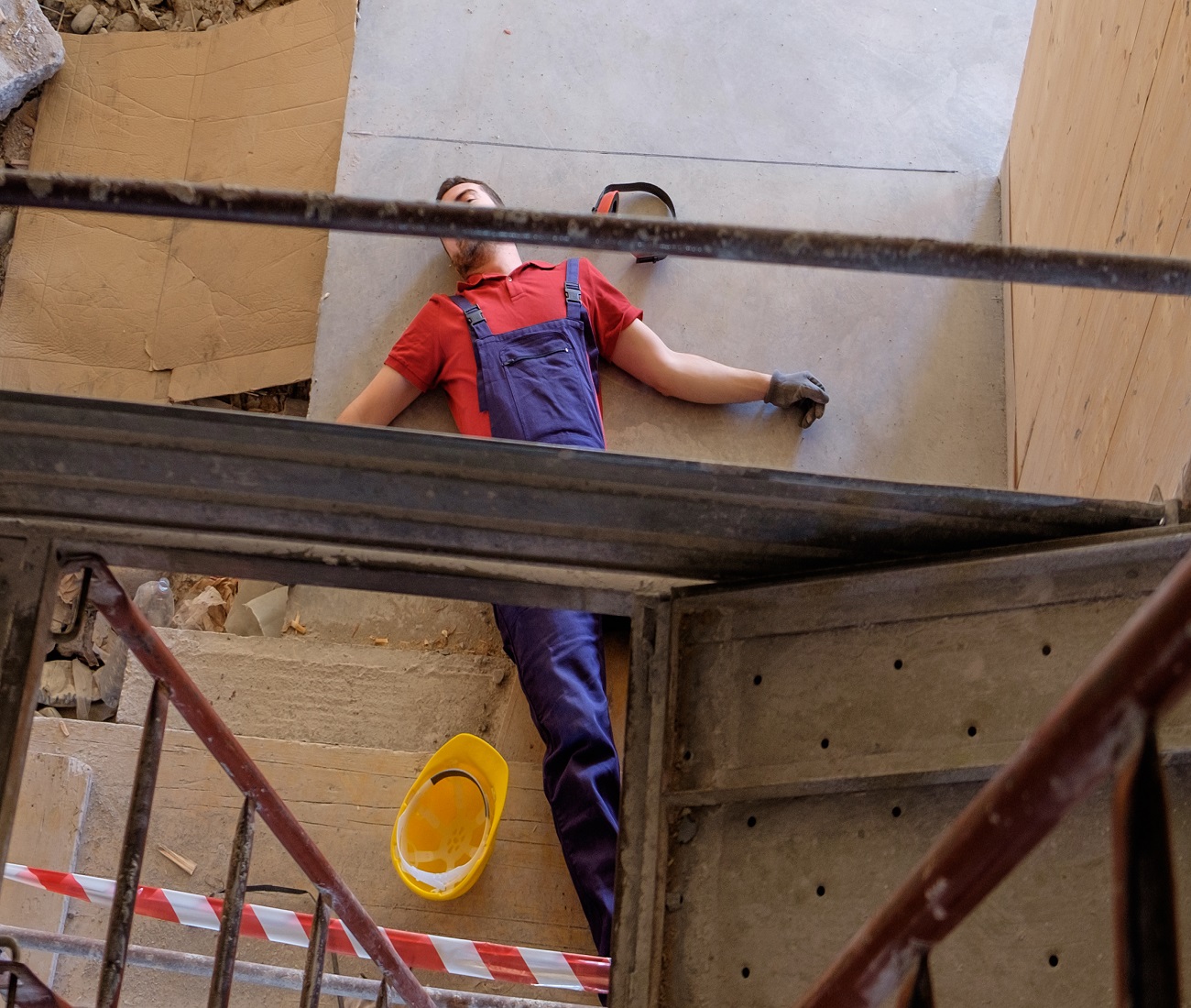
Hazardous walking and working surfaces account for hundreds of thousands of injuries and hundreds of deaths every year. This translates into billions of dollars spent on work comp, lost-time injuries, and days away from work. Set yourself, your employees, and your organization up for success by doing your part to keep these surfaces safe.
An excavation is any man-made cut, cavity, trench, or depression in an earth surface formed by earth removal. Trench is a narrow excavation (in relation to its length) made below the surface of the ground. In general, the depth is greater than the width.
When you install or remove overhead lines, you must protect yourself and others against hazards that could expose you to shock, electrocution, falls, flying and falling objects, and burns.

Slip, trip, and fall injuries are one of the most common causes of workplace injuries and death. The falls from slips and trips can lead to disabling injuries, traumatic brain injuries, surgeries, and countless hours in rehab. These types of injuries are painful and costly and can put stress on your relationships, lead to depression, anxiety, and in some cases post-traumatic stress disorder, or PSTD.
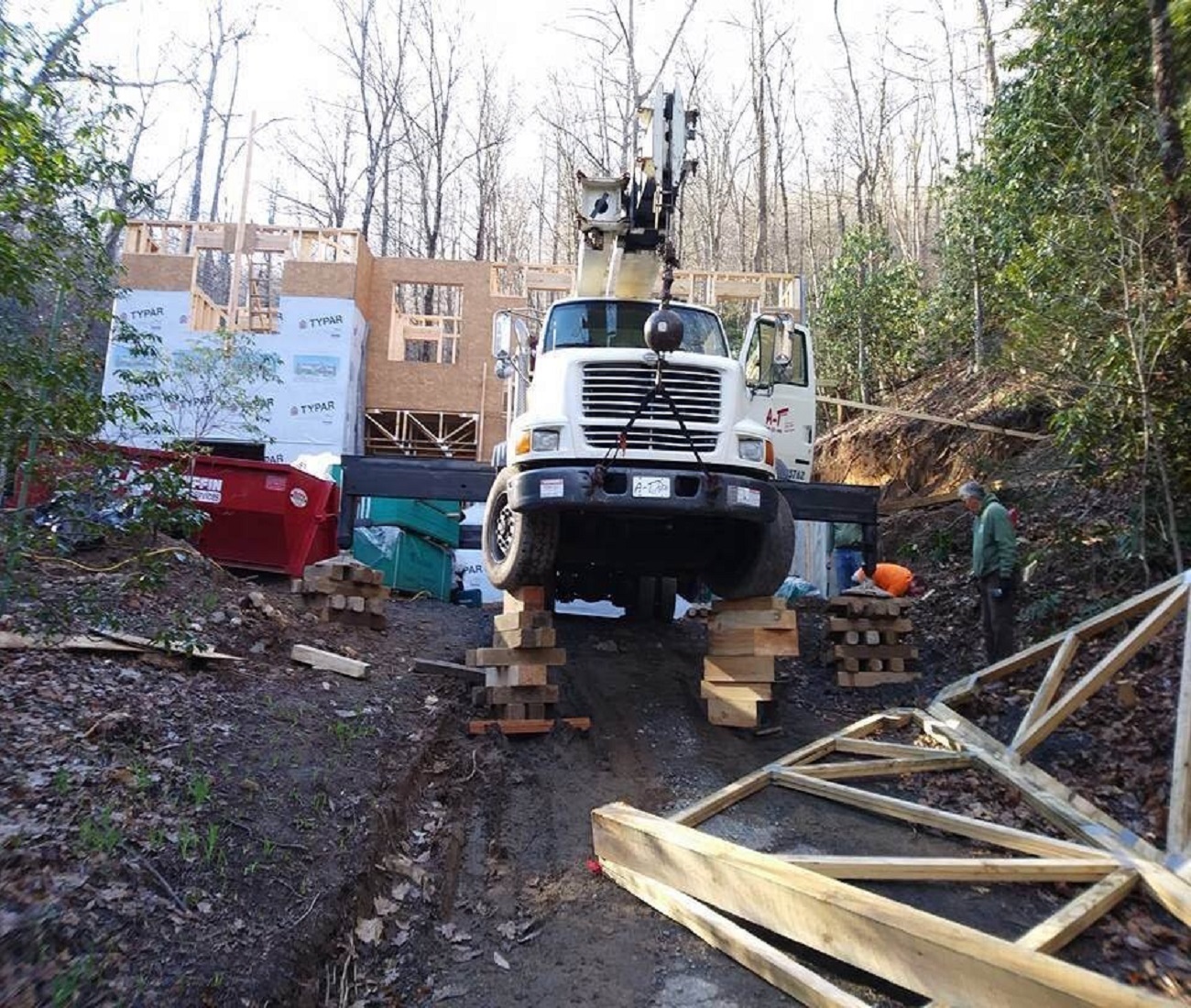
Few experiences may be as frightening as when a crane becomes unbalanced while a load is being lifted or when the crane collapses under the weight of an excessive load. An unbalanced load or crane collapse can cause death to the operator, other construction workers, can cause damage to property or equipment.
A trench is an excavation, too, if it isn’t more than 15 feet (4.5 meters) wide at the bottom. And, if you install forms or other structures in an excavation that reduce its width to less than 15 feet, measured at the bottom, the excavation is also considered a trench.

Hazardous Locations are defined as premises, buildings or parts thereof where fire or explosion hazards may exist due to the presence of flammable gases or vapors, flammable liquids, combustible dusts, or easily ignitable fibers.

Hazardous Locations are defined as premises, buildings or parts thereof where fire or explosion hazards may exist due to the presence of flammable gases or vapors, flammable liquids, combustible dusts, or easily ignitable fibers.
A 40-year-old worker was killed at a construction site recently in Toronto. According to police, concrete panels had fallen onto the worker as they were being unloaded, and the man became trapped.

The potential for serious injuries and even fatalities is very high when thinking about work involved for concrete and masonry workers. Precast concrete, lift-slab operations, and masonry construction all pose different types of risk, and all have the potential for multiple employees to be hurt or killed if these risks are ignored.

Aerial lifts are commonly used by utility workers. Aerial lifts include boom-supported aerial platforms, such as cherry pickers or bucket trucks, and elevating platforms, such as scissor lifts.

Infographic - summer safety

Flammable and combustible liquids are responsible for workplace fires and fires at home. You may not realize it, but you probably have at least a few containers hanging out in your garage, basement, or under the kitchen sink.

One of the biggest challenges when you are investigating an incident is sorting out the irrelevant information from the relevant information. One way to do this is by using a systematic approach to investigate all incidents that focuses on finding the root causes.

The use, storage, and handling of flammable and combustible materials is critical to the safety of workers, property, the community, and the environment. This is a general checklist designed to give you a starting point.
Water-related deaths are a sad part of every summer. The following stats are meant to bring awareness to just how often drowning deaths and diving-related injuries occur. There is also an important link to a blog post, Drowning Doesn’t Look Like Drowning, that I highly recommend reading – it is eye-opening.

What do these dual personality containers and a woman in Utah drinking sweet tea and a BBQ joint have in common?

Investigating an incident allows you to look beyond what happened and discover why it happened. It also allows you to identify and correct deficiencies in your safety and health programs, management shortcomings, and unsafe processes, conditions, and actions.
A 35-year-old employee died from injuries sustained during a flammable gas explosion.
Looking deeper to uncover the causes for a tragic and deadly train derailment.
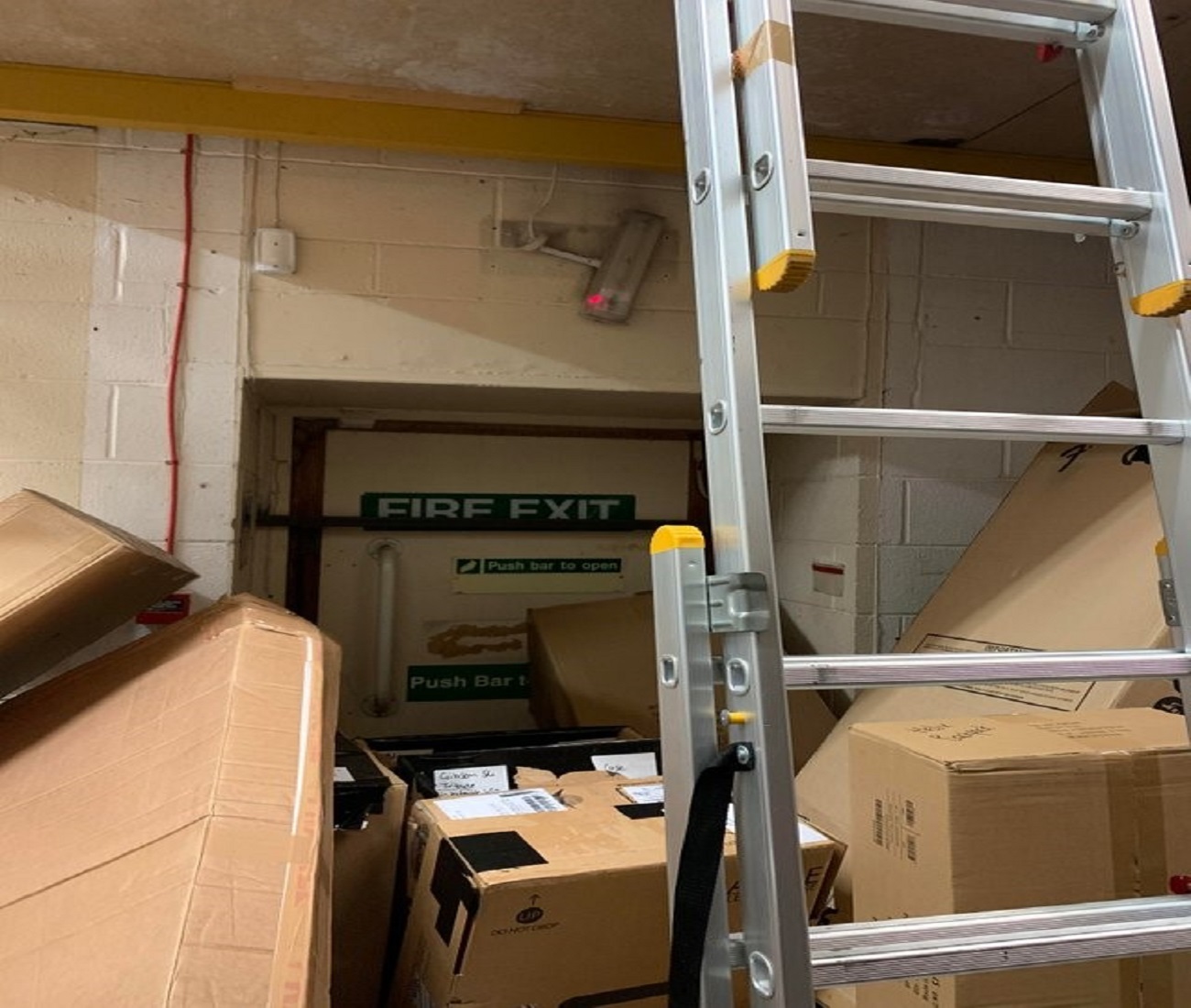
How Many Hazards Can You Pick Out?

Unsafe working conditions and unsafe work practices lead to a staggering number of workplace and work-related injuries, illnesses, and deaths.