
Main Category Group

Talk About Safety
Whether you call it safety coaching or a preshift meeting, you may need to talk to your co-workers about safety and why safety is a cooperative effort.
Main Category Group
Whether you call it safety coaching or a preshift meeting, you may need to talk to your co-workers about safety and why safety is a cooperative effort.
It’s easy to get overly confident once you’ve mastered something. But even an experienced worker can become entangled in the conveyor, struck by a vehicle in a work zone or slip on a wet floor. No matter how long you have been on the job and no matter how skilled you are, you must remember the basic safety precautions. Don’t get complacent.
Unless you’re fortunate enough to live in a climate of perpetual summer, or something close to it, cold winter weather is a chilling reality for millions of people across North America.

Hearing loss is one of the fastest growing chronic conditions facing today’s workers, affecting nearly 30 million people in the United States and Canada. While there are many causes of hearing loss, noise-induced hearing loss (NIHL) is one of the most common types and it can affect anyone who is exposed to loud sounds or noise over a long period of time, whether at work or during recreational activities.

The Globally Harmonized System of Classification and Labeling of Chemicals (GHS) was created by the United Nations to help bring uniformity to hazardous materials labeling around the world.
Corrosive chemicals are used to break down metal and for other industrial purposes, but they can also destroy body tissue on contact. They are extremely dangerous if handled improperly.
Driving at night is deadly and you, at some point this year, will most likely need to drive at night while working. So, whether you are traveling to a remote jobsite or heading in for an early morning conference, you will need to be careful on the road.
Heat-related illnesses can range from annoying to deadly, and progress quickly if the person doesn’t receive appropriate medical treatment. Read this safety talk and protect workers from heat related illnesses.
Today, heart disease and stroke take one life every 7 minutes and 90% of Canadians have at least one risk factor.
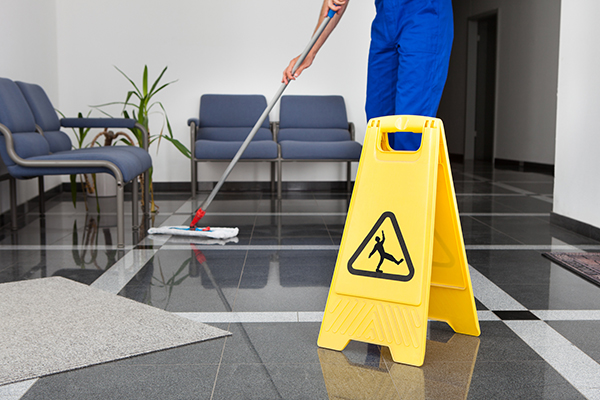
How does our workplace stack up against the following housekeeping standards? -? Are floors clean and free of water, mud, ice, grease, oil, waste and clutter? - ?Are leaks and spills cleaned up promptly? -?

Workers sometimes take chances with ladders, failing to remove worn or damaged ladders from service. This could cause serious, even fatal, injury.
When someone has a substance abuse problem, it affects his or her family members and friends. And since most drug users, binge and heavy drinkers, and people with substance use disorders are employed, the problem is also a concern for employers and co-workers.
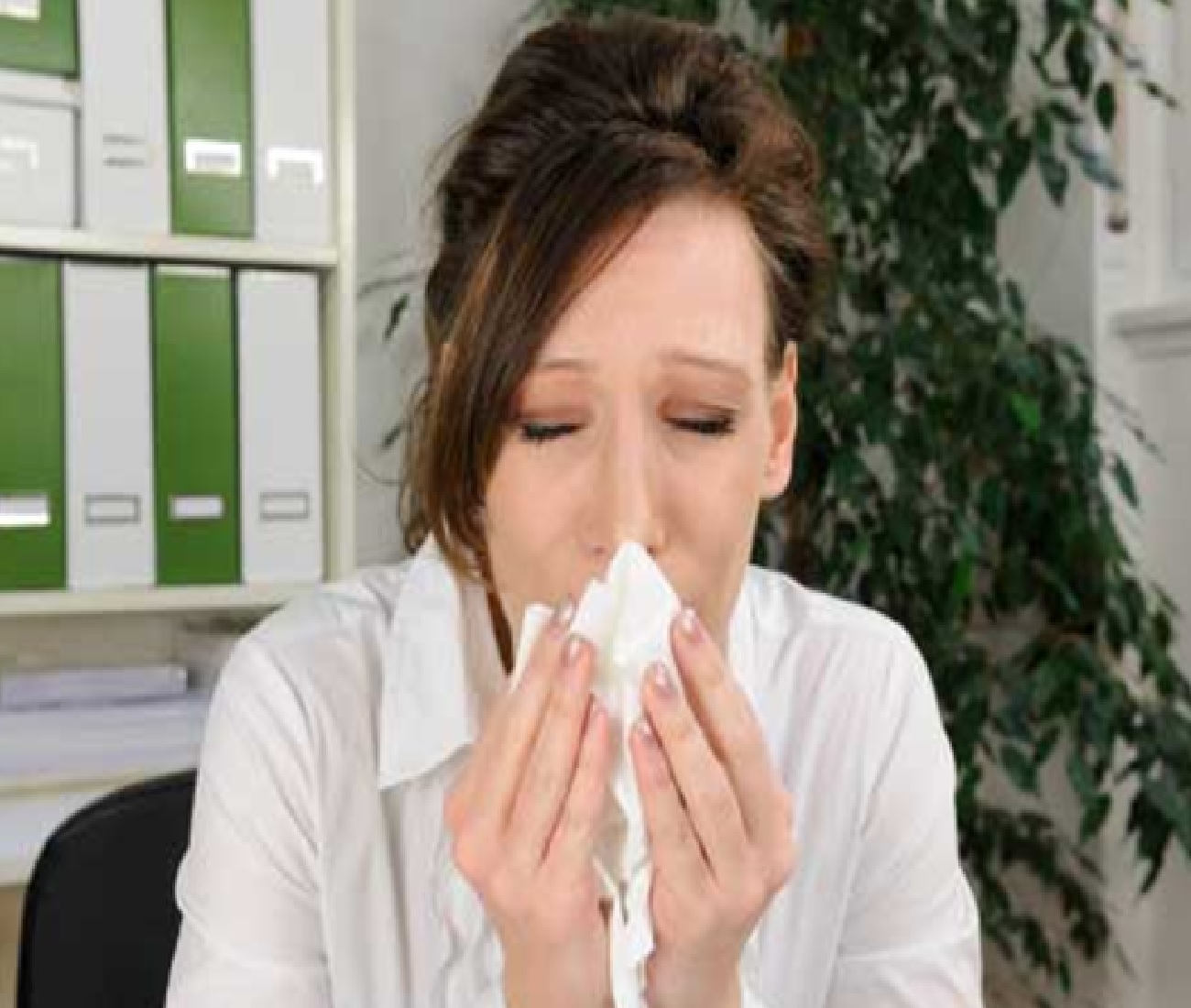
Most of us have seen a sick co-worker trying to make his way through the workday instead of being home resting or in bed. But coming to work with a cold, flu or other illness is a bad idea. It can make all of us less productive.
Don’t give danger a second chance to get too close for comfort. Report all near misses immediately so they can be investigated and hazards can be corrected.
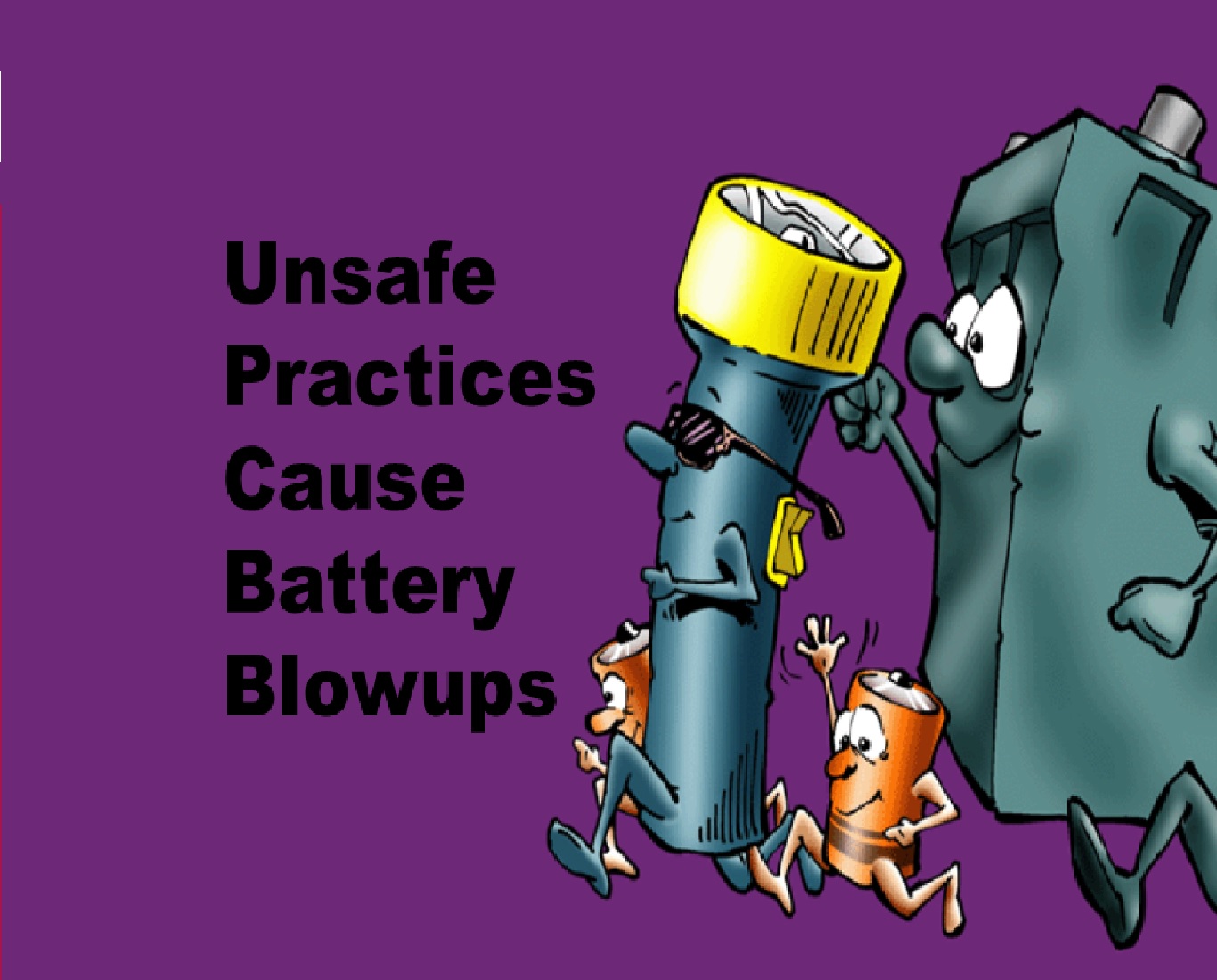
There are some hazards associated with batteries, however. The chemical reactions required to generate electricity involve toxic and explosive substances, harmful to humans and the environment. Large batteries can deliver fatal electrical shock. Consider the
Your headlights are especially important for safe travel during the winter. In addition to the long hours of darkness, weather conditions such as fog, snow, sleet and rain reduce the ability to see and to
A safe, healthy workplace is also about food. A balanced, nutritious diet can boost energy and combat fatigue.
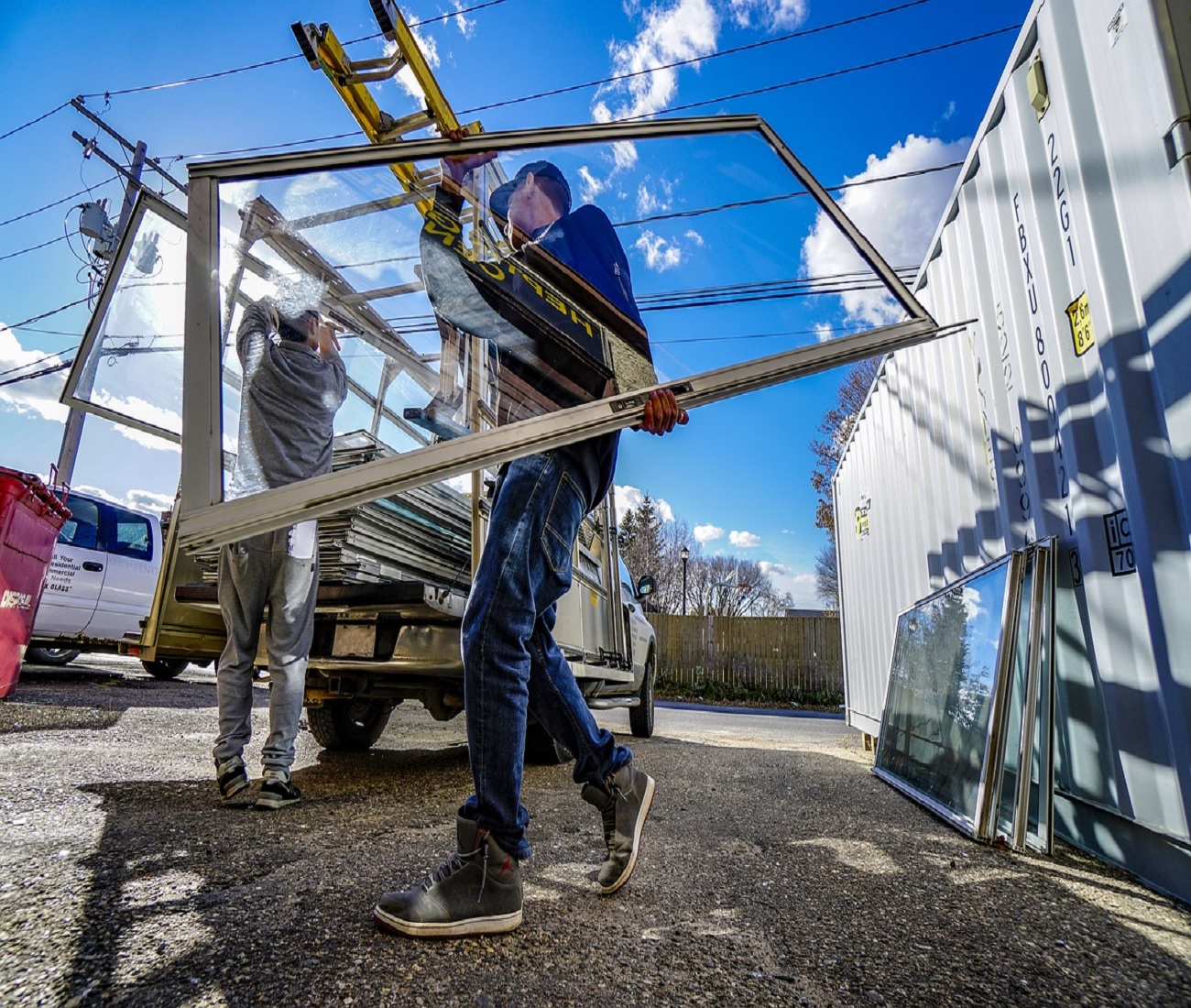
Boxes and cartons The best way to carry boxes and cartons is to grip them at opposite top and bottom corners. Carry sacked materials the same way, and against your waist if possible. Don't strain
We're all grownups around here, right? Everyone has a job to do and every job is taken seriously.
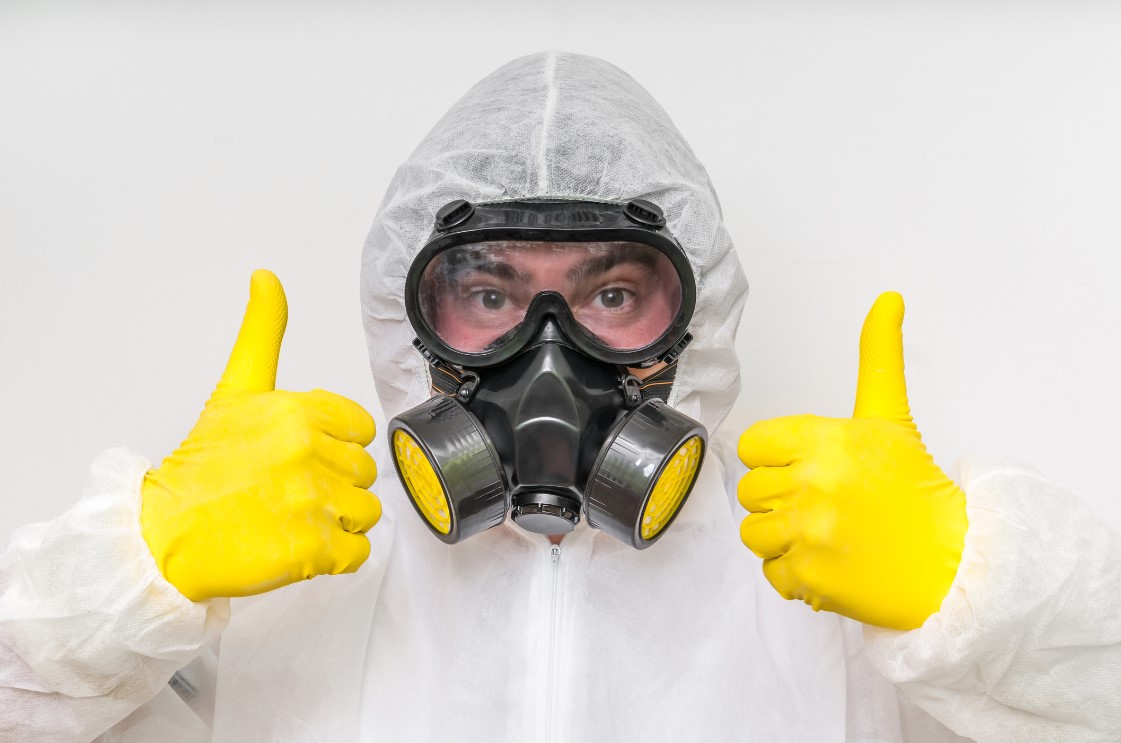
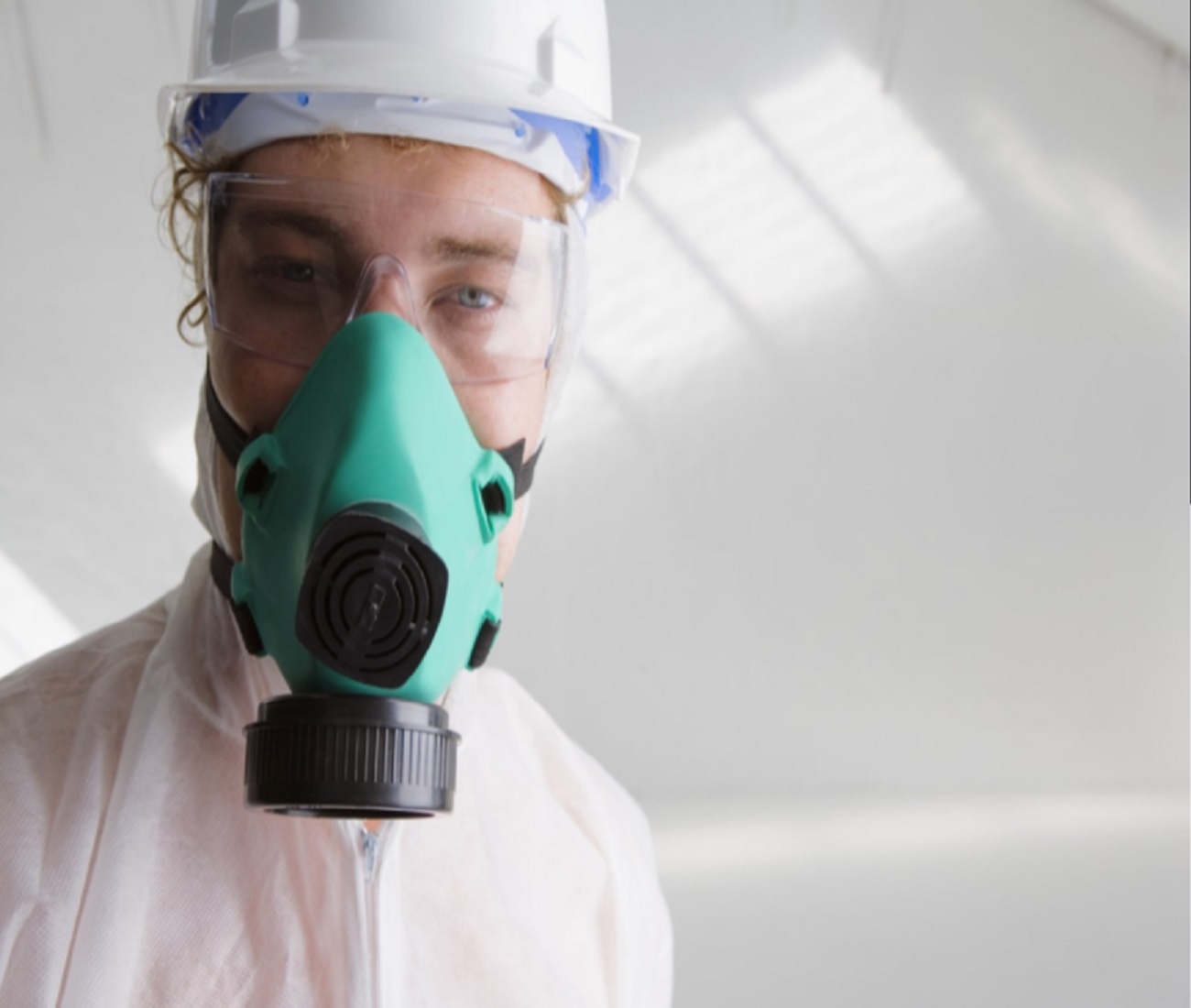
Okay, you've got your hardhat, gloves, safety glasses and respirator; now you're all set for the job. But are you really protected from the hazards?
How This Affects You: The air around you keeps you alive.
If you have to work on equipment that cannot be de-energized before you work on it, you need knowledge about arc flash. It can cause traumatic injuries and death.
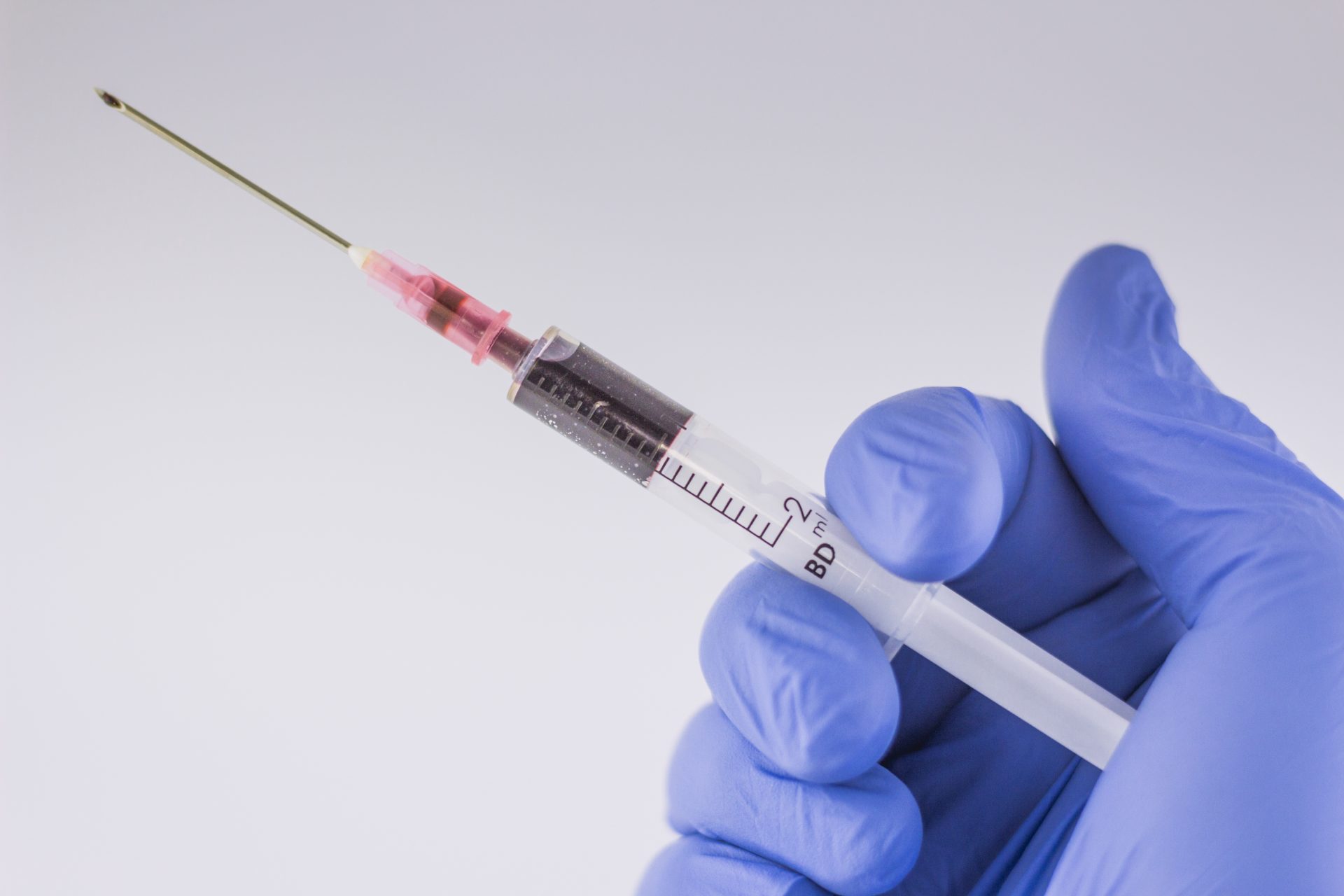
Nearly any worker could encounter bloodborne pathogens -whether bandaging a co-worker's cut, stepping on a used hypodermic needle in the alley or helping an accident victim on the way home.
Energy keeps the workplace going, but it can also kill. Unexpected release of energy is the cause of many serious injuries.
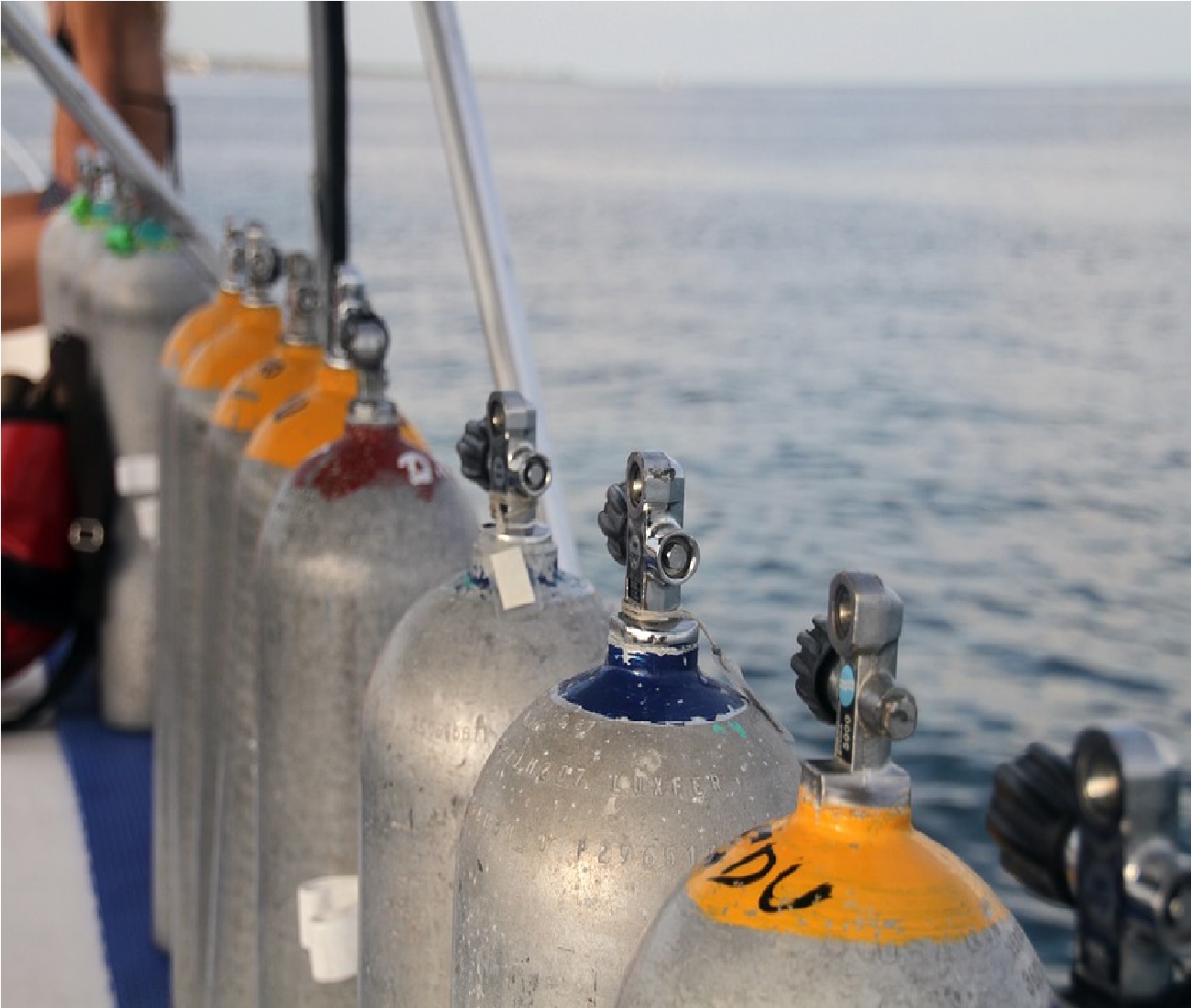
Compressed air can make short work of everything from changing tires to nailing and stapling, but its power demands respect.
Since it's your first time, you may want to checkout some of the video tutorials.







 800-ICW-SAFETY (800.429.7233)
 SAFETYOnDemand@icwgroup.com
