10 Electrical Safety Tips for Every Worker
WHAT'S AT STAKE Workers in almost every work environment are [...]

WHAT'S AT STAKE Workers in almost every work environment are [...]
Every tool has a purpose, but many workers attempt to find new and unsafe applications for the tools they use. And the common screwdriver just might be the most misused tool in the workplace.
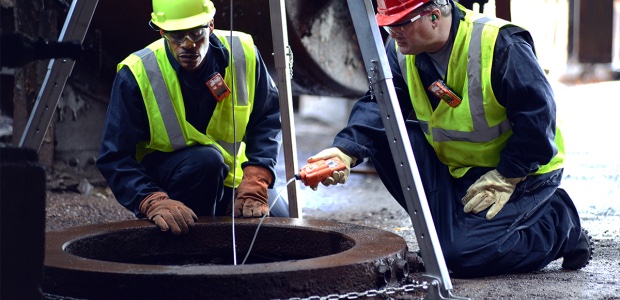
An average of two workers a week die in confined space incidents.
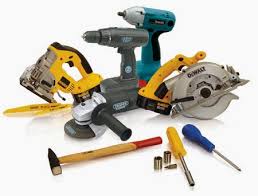
It?s ironic that tools are vital to maintaining machinery, yet many people drop the ball when it comes to maintaining the hand and power tools that help them perform this maintenance. Hand and power tools are common items in most workplaces. But they?re still capable of causing serious injuries.
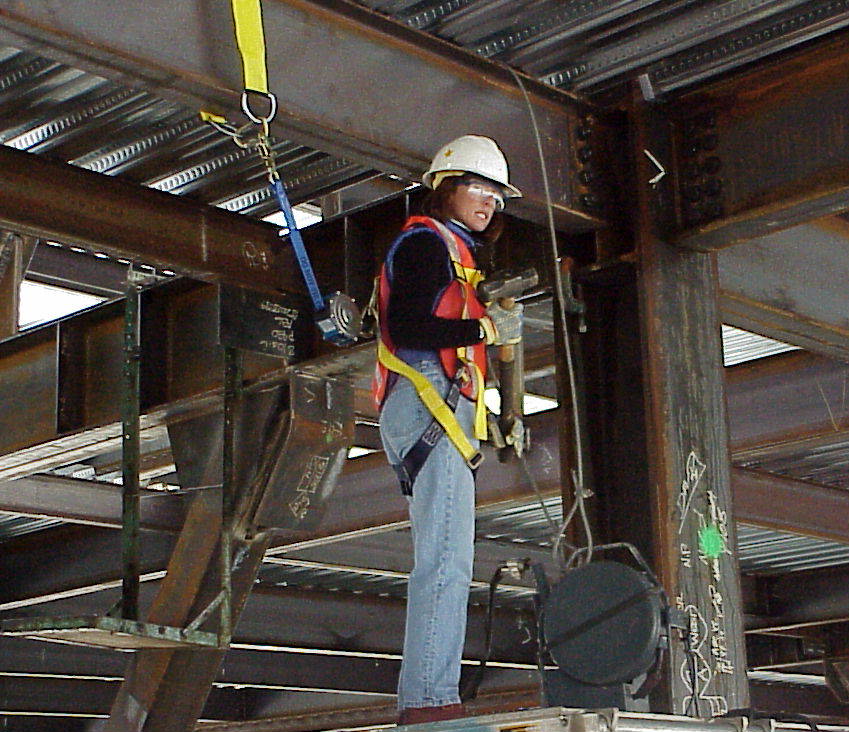
Fall protection includes personal fall arrest equipment, conventional equipment such as guardrails, and positioning device systems. A fall arrest system is used to halt a person's fall from a working level 10 feet (three meters)
The forklift is an efficient tool. However, sometimes things go terribly wrong.

Most motor vehicle fatalities happen after dark, even though we drive less at night than in the daytime.
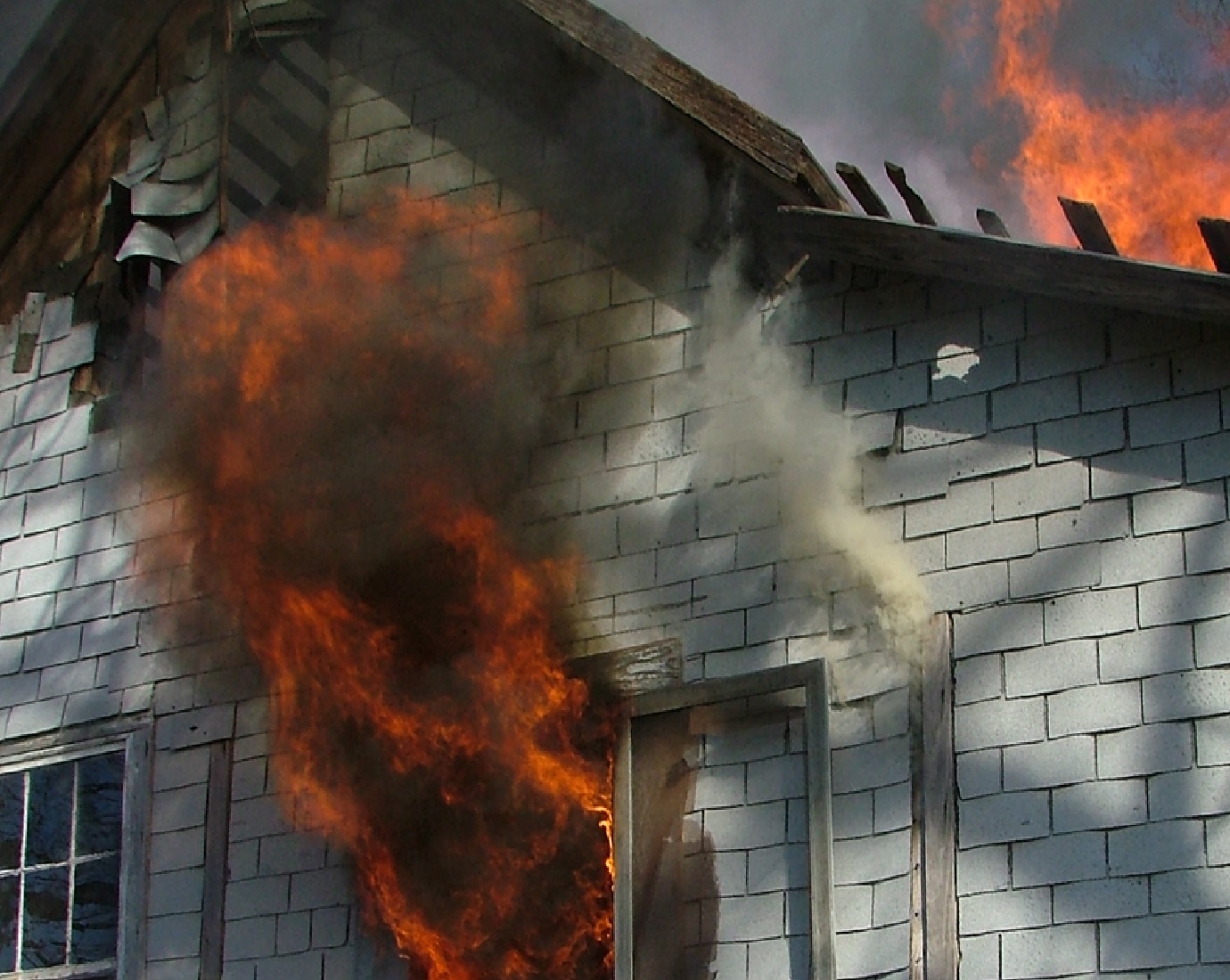
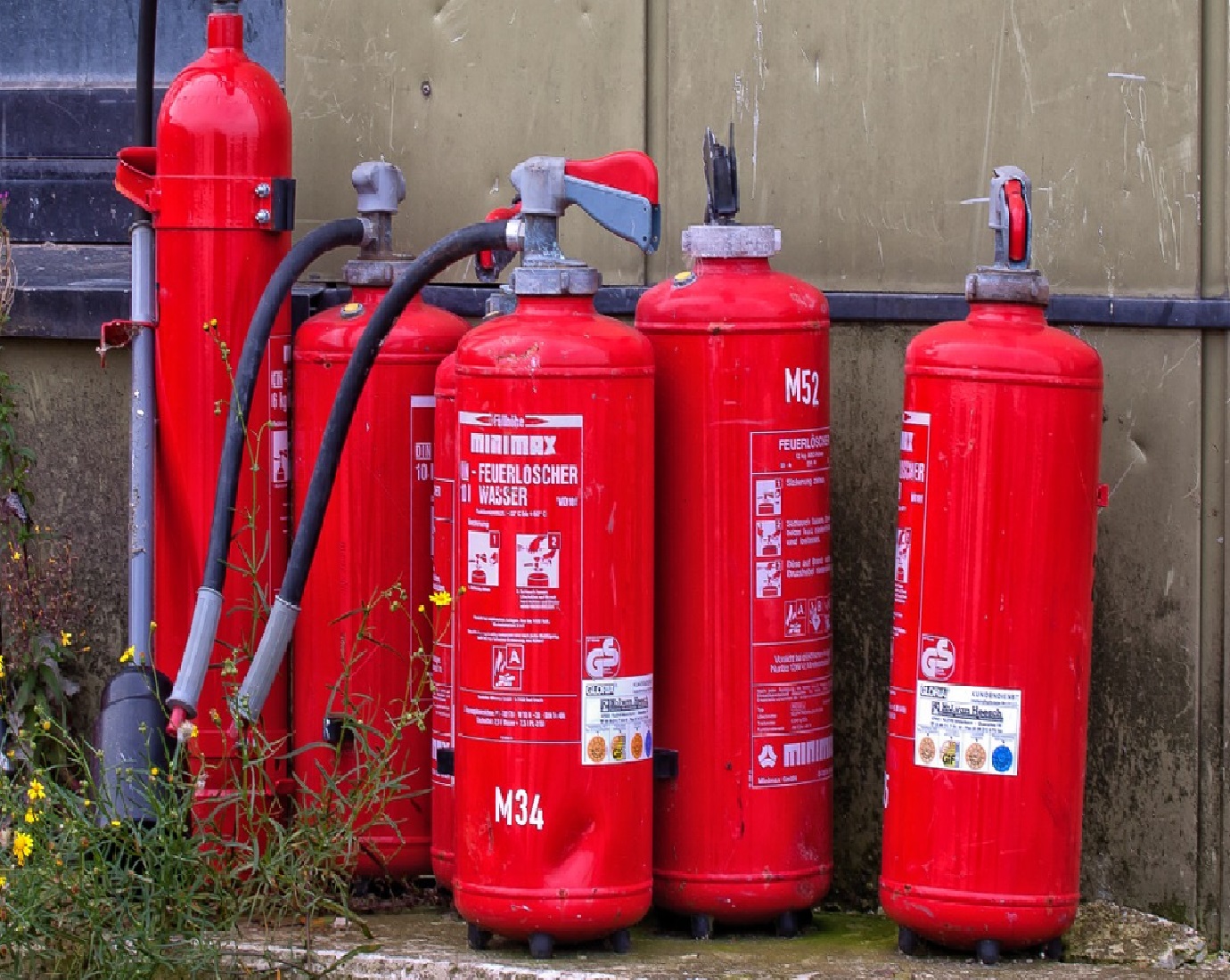
Workplace fires account for many injuries and deaths, with approximately three percent of workplace fatalities being related to fire and explosions. Not only do workplace fires cause injuries and deaths, they also cause millions of dollars worth of property damage every year, leading to job losses. In fact, a great many of the workplaces destroyed by fire are never rebuilt.
Chocking and blocking are good practices which serve the purpose of keeping heavy loads and vehicles stationary. Any worker loading or unloading, hitching or unhitching, or performing maintenance on a vehicle should take care to chock and block to prevent unintended movement of equipment and/or cargo.
You’re in free fall after a misstep sent you over the edge of elevated work, 40-feet off the ground.

The safety rules, policies and procedures of your workplace are there to protect you from workplace hazards and to help prevent injuries.

Anyone who has to move heavy objects, work in awkward positions, hold one position for a long time or perform certain tasks at a fast pace can get hurt. These tips will help protect your

When your feet hurt, everything hurts. Ask anyone finishing a long shift in bad shoes.
You're struggling to loosen over-tightened lug nuts while fixing a flat tire on a hot, dusty highway.
Using a ladder is a safer alternative to using a makeshift climbing device or an improvised work platform.
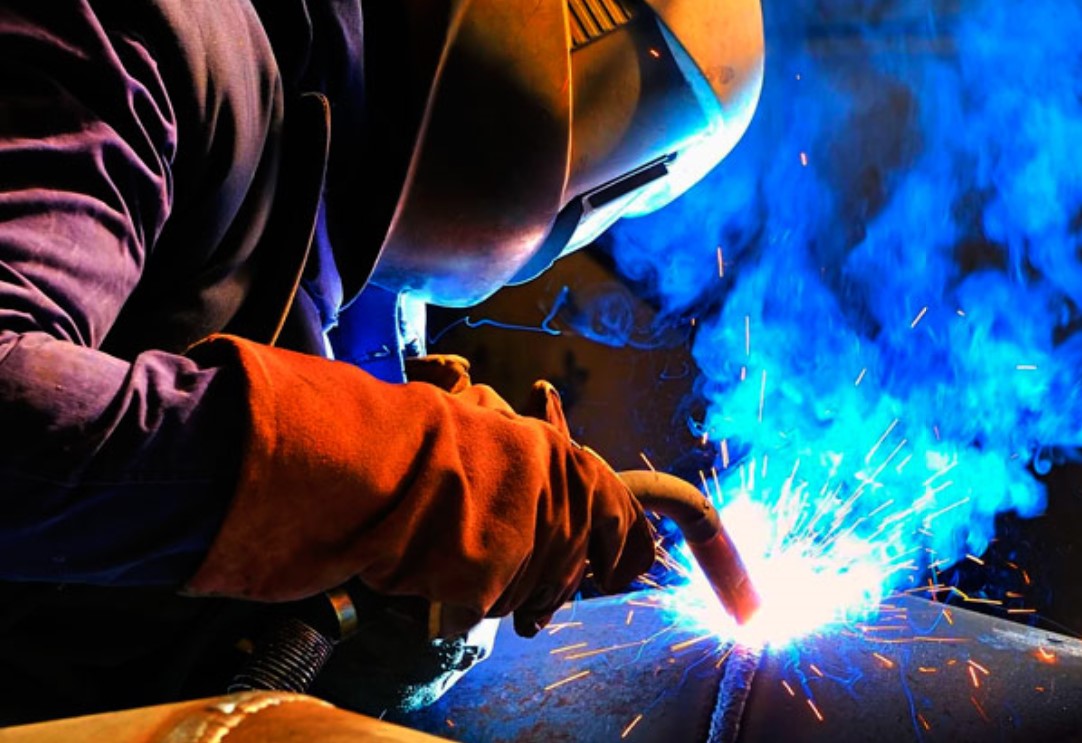
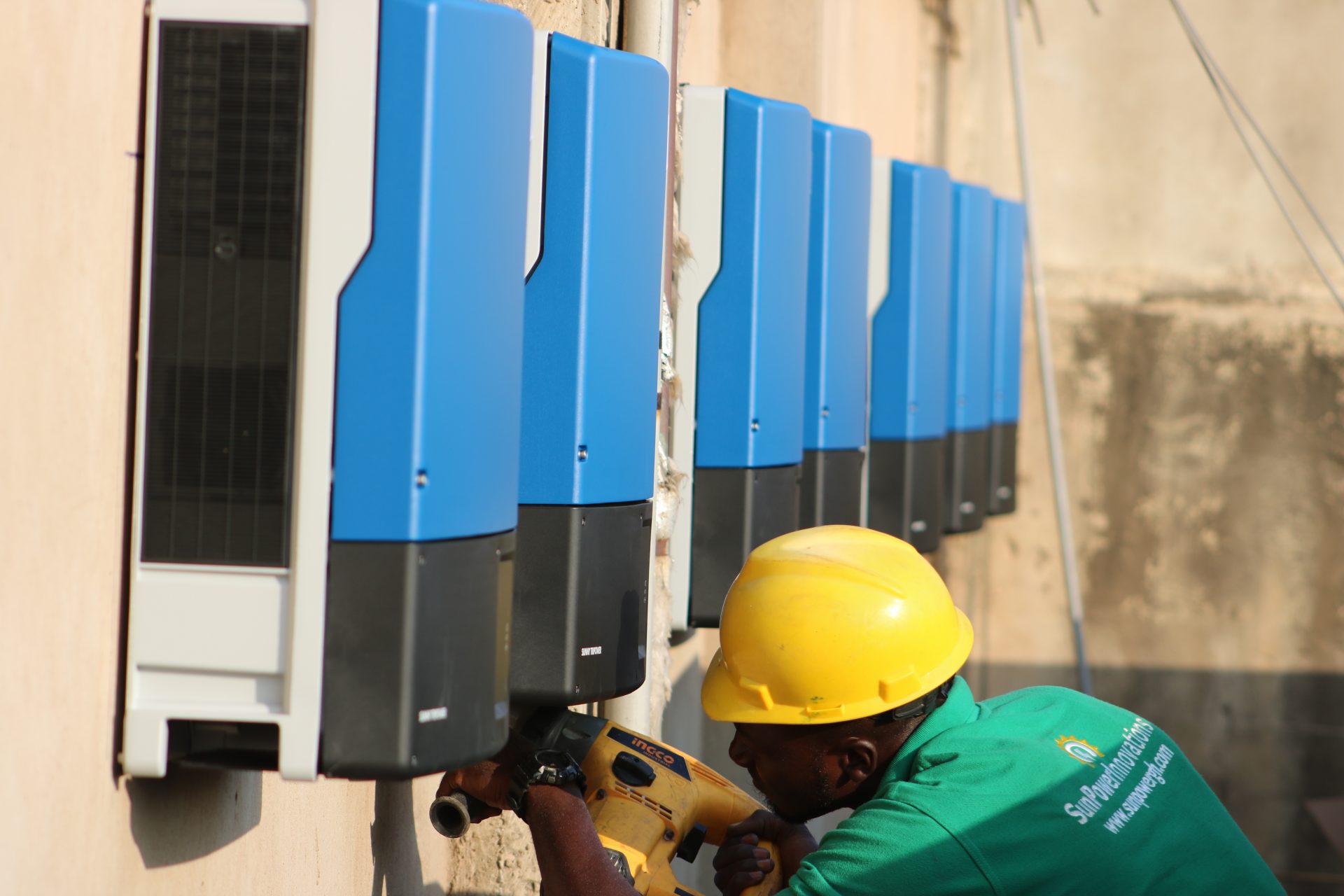
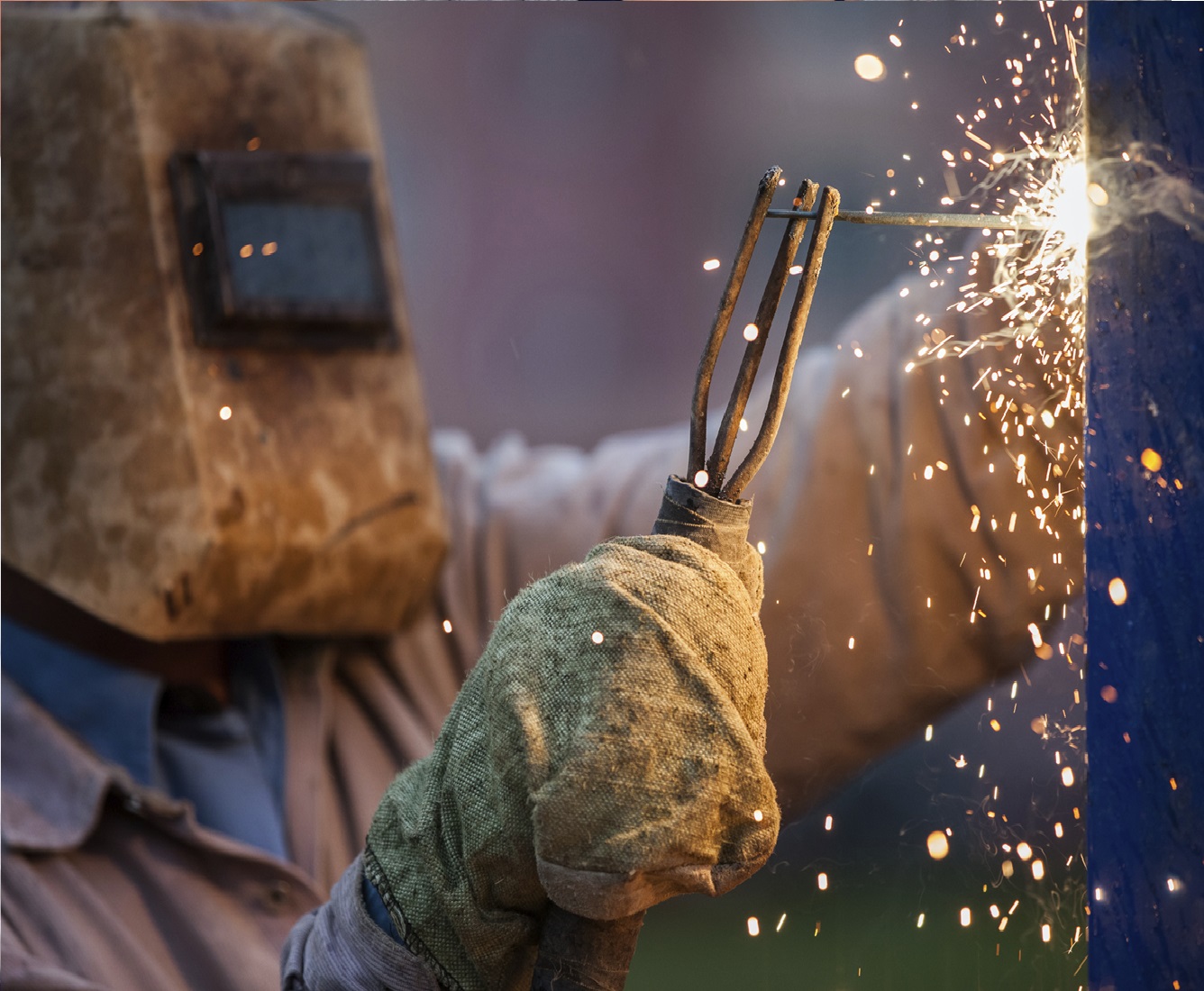
Electrical shock is a leading cause of workplace fatalities and almost every day approximately one electrocution, 10 disabling injuries and 100 electrical shocks are reported.

Did you know 90% of all falls involving scaffolds happen while workers are performing routine jobs and the average height of those falls are just 12 to 15 feet?

The tornado season in North America begins in April, peaks in June and July, and ends in September. But really the storms can occur at any time, with approximately 1,000 tornadoes being reported in the United States and 80 in Canada each year.

Even a simple extension cord needs to be looked after. It's a shock orfire hazard when deteriorated, worn-out or used improperly.
When fuel is burned, carbon monoxide is a byproduct. This gas kills thousands of people at work and at home each year.
How This Affects You: Many workers like you are killed or injured in workplace fires each year.

When you work around machinery, vehicles and anything else that moves, you could be caught in a tight spot and crushed.
What would you do if you encountered an emergency, either in the workplace or outside? Would you call for help? Would you know who to call and what to tell them?

If you’re a standby person and think all the risks are inside the confined space, think again: over 60% of confined space deaths don’t involve people assigned to work in the confined space. These deaths involve the standby person or other would-be rescuers who enter the confined space in an emergency.