
By the Numbers: Eye Injuries
Do you know how many workplace eye injuries could be prevented if eye protection had been worn? Read on to find out.

Do you know how many workplace eye injuries could be prevented if eye protection had been worn? Read on to find out.
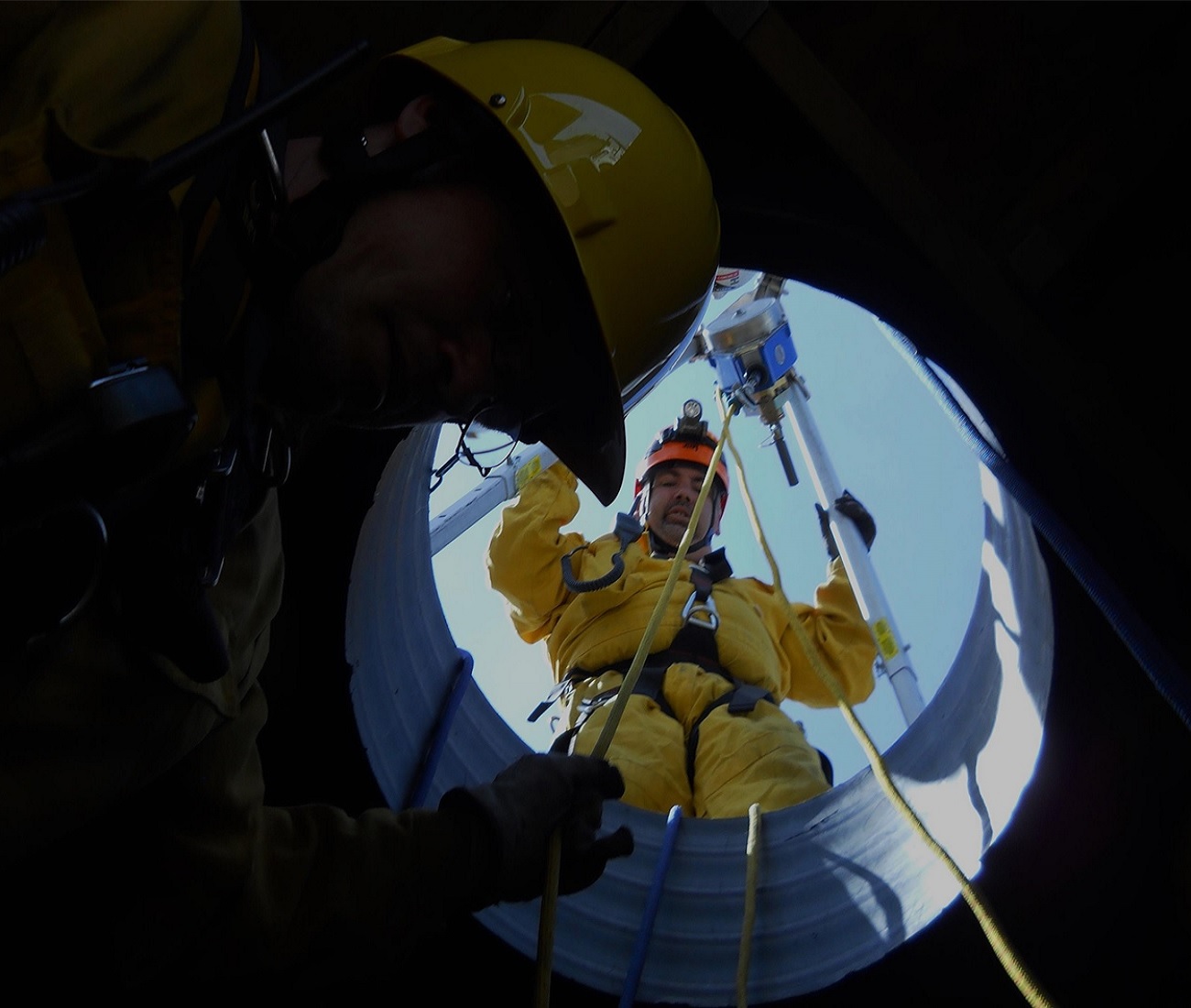
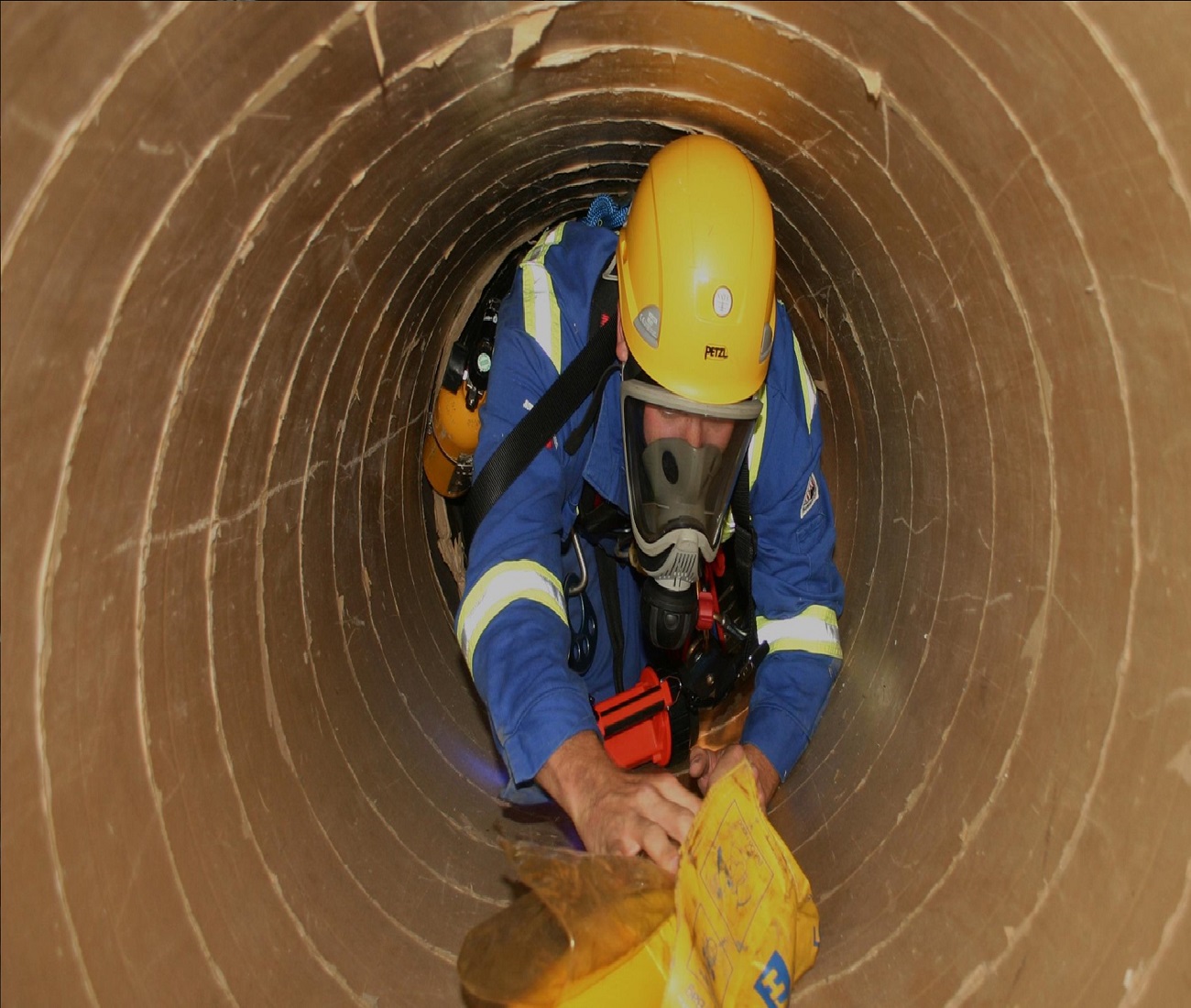
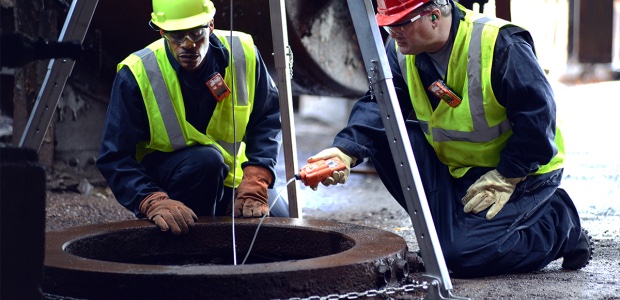
Let’s get serious about confined space safety. Confined spaces can be seriously dangerous and are the leading cause of multiple fatalities in the workplace. Here’s why… A confined space has limited openings for entry or exit, is large enough for entering and working, but is not designed for continuous worker occupancy.

Safety eyewear and face shields can save you from injuries which can lead to blindness and facial disfigurement. Prompt treatment of eye and facial injuries reduces the risk of permanent damage.
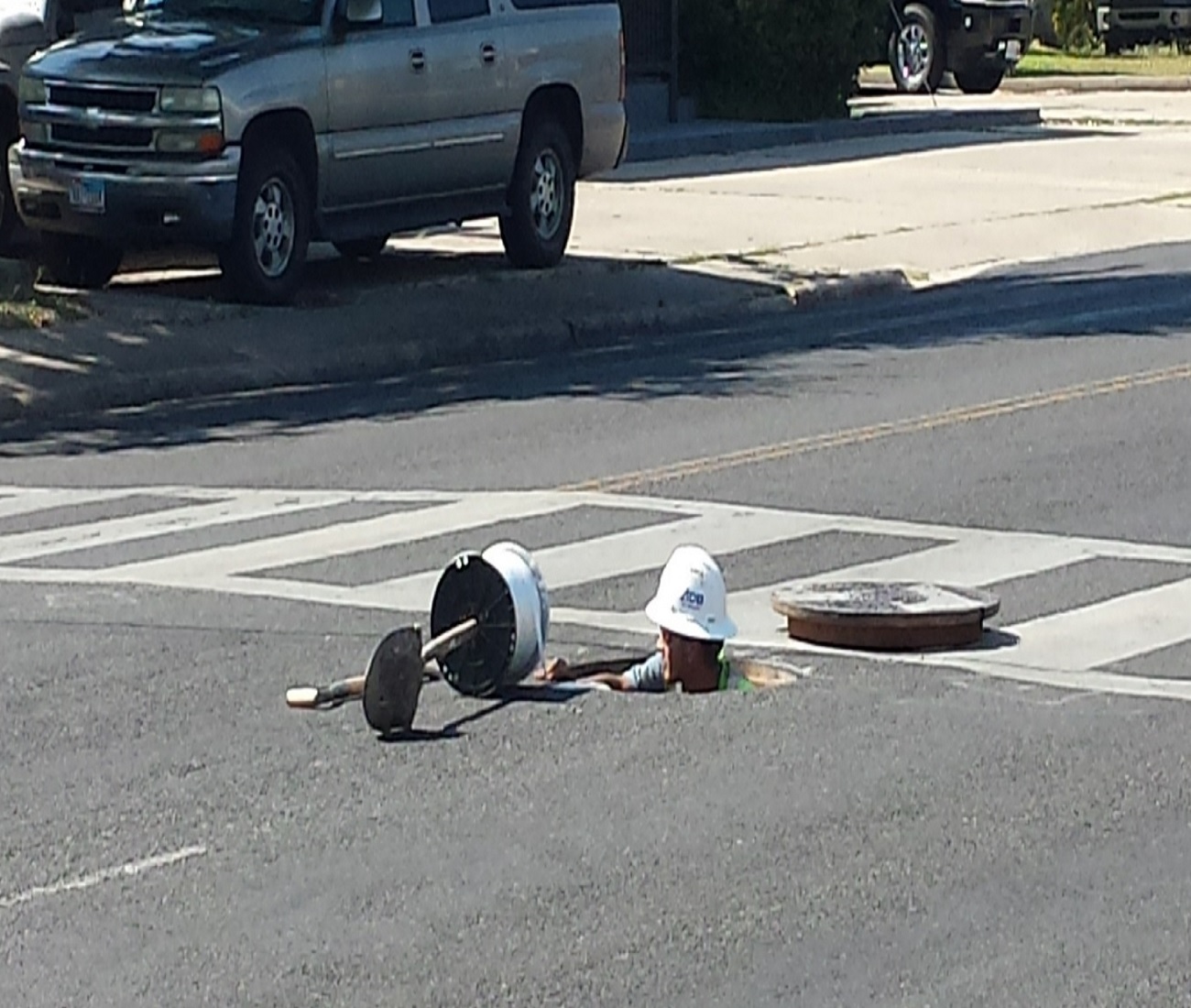
Two employees from a local construction company were assigned to repair a sewer line leak. One employee was responsible for entering the sewer—a confined space—to repair the leak. The other stayed topside as a standby person.

The use of proper eye and face protection, such as safety glasses, goggles, face shields and helmets can prevent countless eye injuries. This Workplan focuses on implementing an Eye and Face PPE program but can easily be modified to include all PPE.
Permit-required confined space entry procedures must be part of your employers confined space entry program. Following these procedures will save your life and the lives of bystanders who may attempt rescue (unprepared and unprotected).

Using an angle grinder can be extremely dangerous for several reasons. If the wheel isn’t the right size or type, or is defective, it could break apart and become a dangerous projectile. One that can take off a finger, put out an eye, or do serious and sometimes fatal damage.
Confined spaces are notorious for hazards, often hidden that you can’t see or smell. Too many times when a hazard in a confined space is recognized it is too late for the entrants in the space to save themselves. Here are six hazardous and deadly confined space situations.
11 Feb 2020 Last 30 Days February 10 - Region 4 - [...]
Use/modify this form to identify hazards associated with a confined space and to determine procedures and safety precautions required for entry into the space. This form is to be completed by a trained and competent Confined Space Entry Supervisor.
Seven Confined Space Entry Do's and Don'ts
On November 9, 2018 OSHA published a Final Rule amending the requirements for crane and derrick operator training, certification, and employer evaluation (29 CFR 1926 Subpart CC). The evaluation and documentation requirements become effective on February 7, 2019. Here’s what you need to know.

Don’t take chances when it comes to icy surfaces. Ice on walking and working surfaces can cause serious slip, trip, and fall hazards which can lead to disabling injuries, major concussions, and loss of life. Avoid these icy hazards by ensuring procedures are in place and enforced for the safe removal of ice on these seven surfaces.
A first aid program is required for most employers in the U.S. and Canada. The program should be based on the hazards, risks, and proximity to medical services of an individual site, however there are several elements that every program should include.
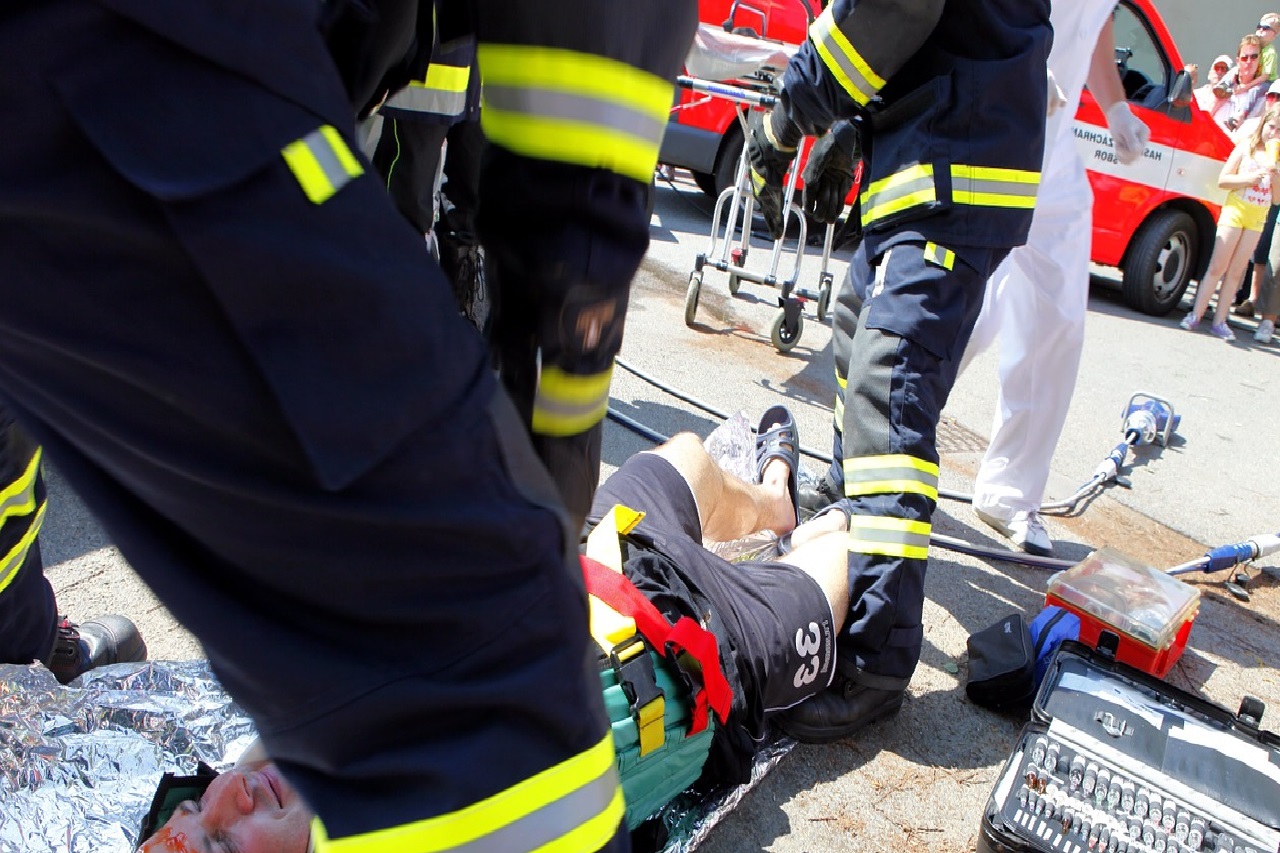
Training your first aid attendants and first responders is a required part of every first aid program. But do you know what exactly should be covered or what training methods to use? Hazards are present at all worksites, from offices to mines. So too are the chances of injuries and illnesses. Sudden cardiac arrest, severe bleeding, shock, a near-drowning, or lack of oxygen during confined space work are all life-threatening emergencies. Without prompt and properly performed first aid a victim of any of these situations will very likely die or be permanently disabled while waiting for emergency services to arrive and begin care.

The time to unearth potential problems in your current workplace first aid arrangements is right now—before a medical emergency does it for you. Although first aid requirements can vary - there are FIVE sets of documents to focus on when conducting an audit of your first aid program.
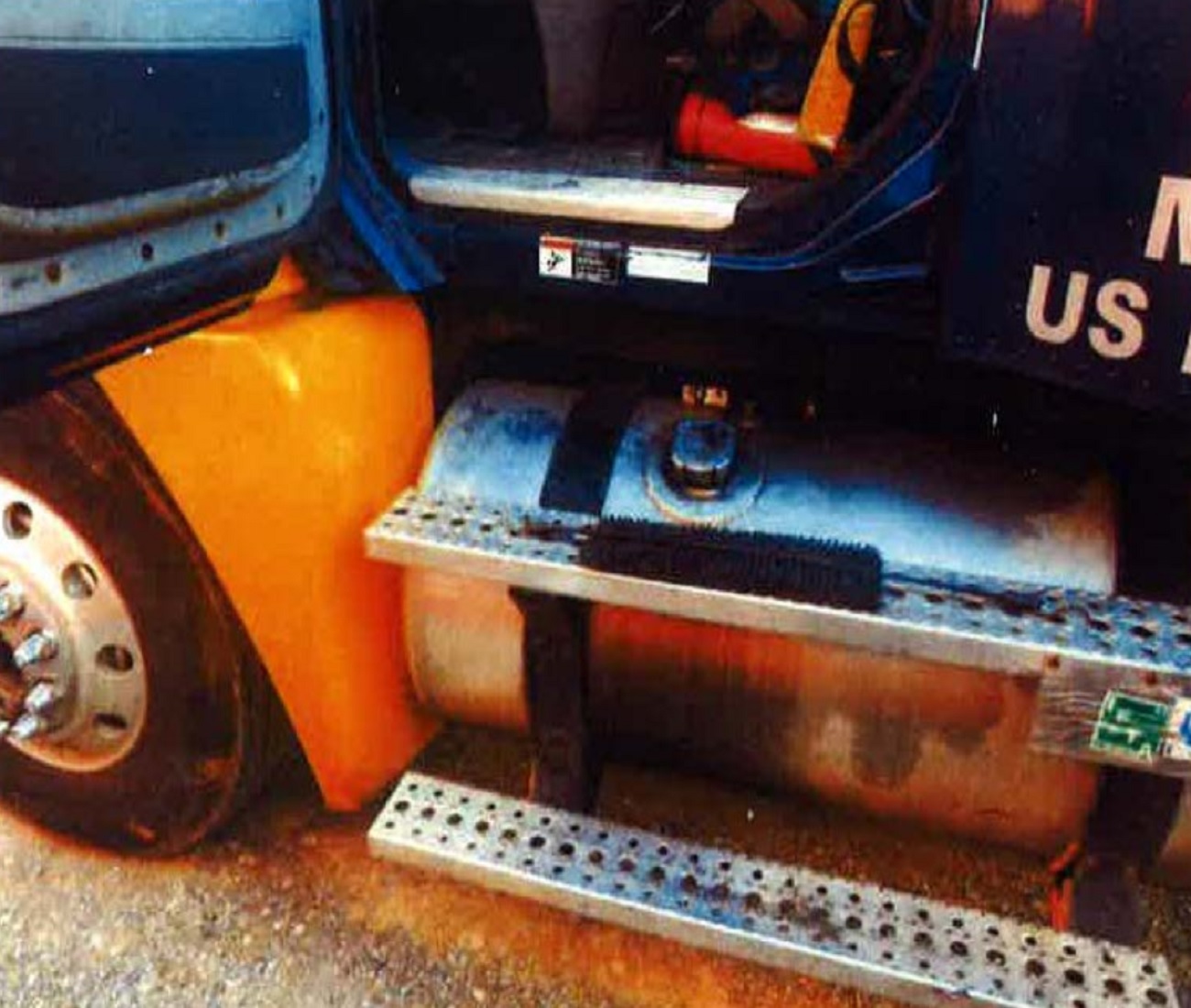
Timely first aid saves lives. As these four fatal incidents show, accidents at work vary greatly in type, cause, and location. The common thread between them is the chance that first aid might have made a difference in how these workers’ stories ended.
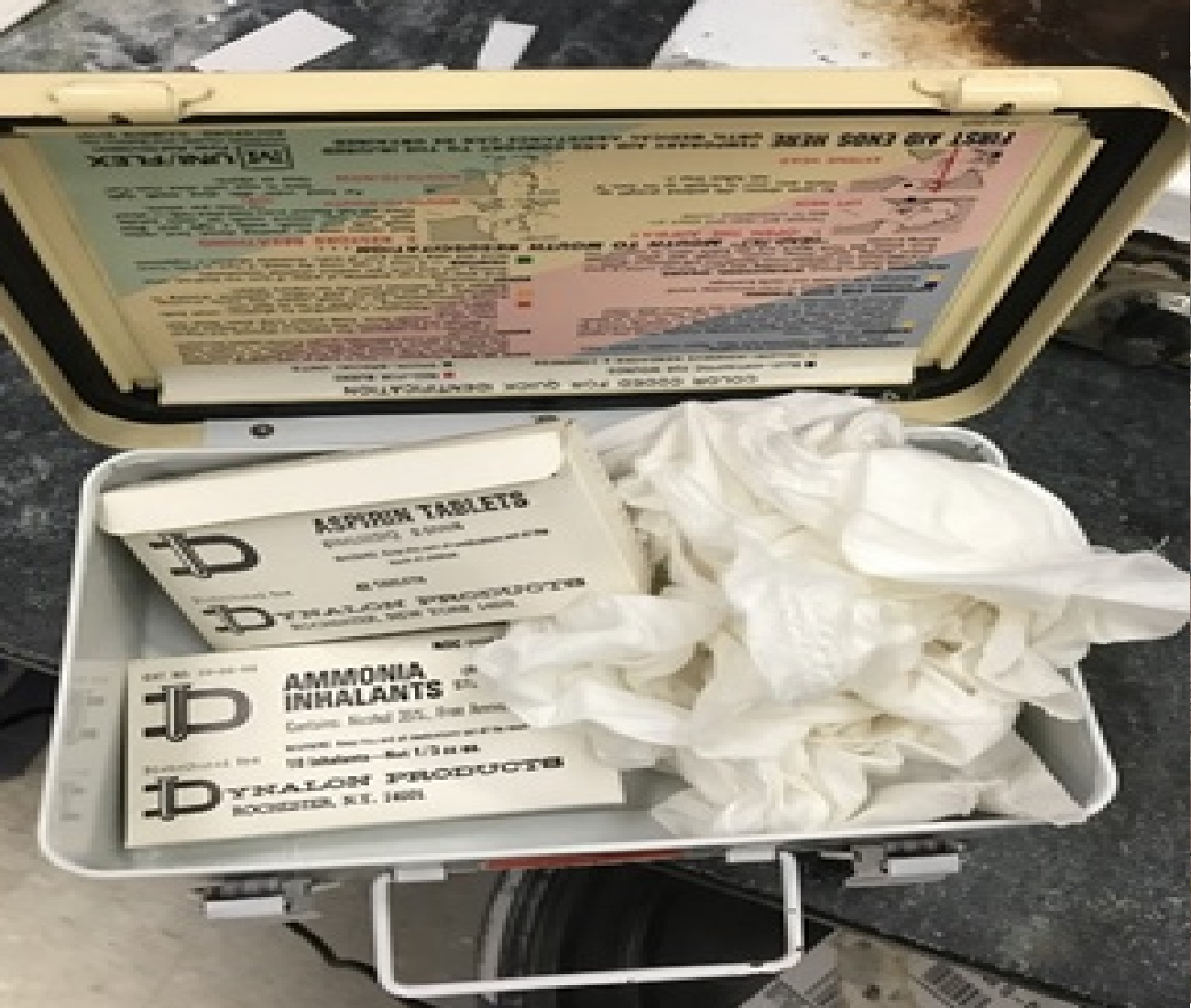
Check out what this worker found when he went to use the first aid kit in his lab after he burned himself.
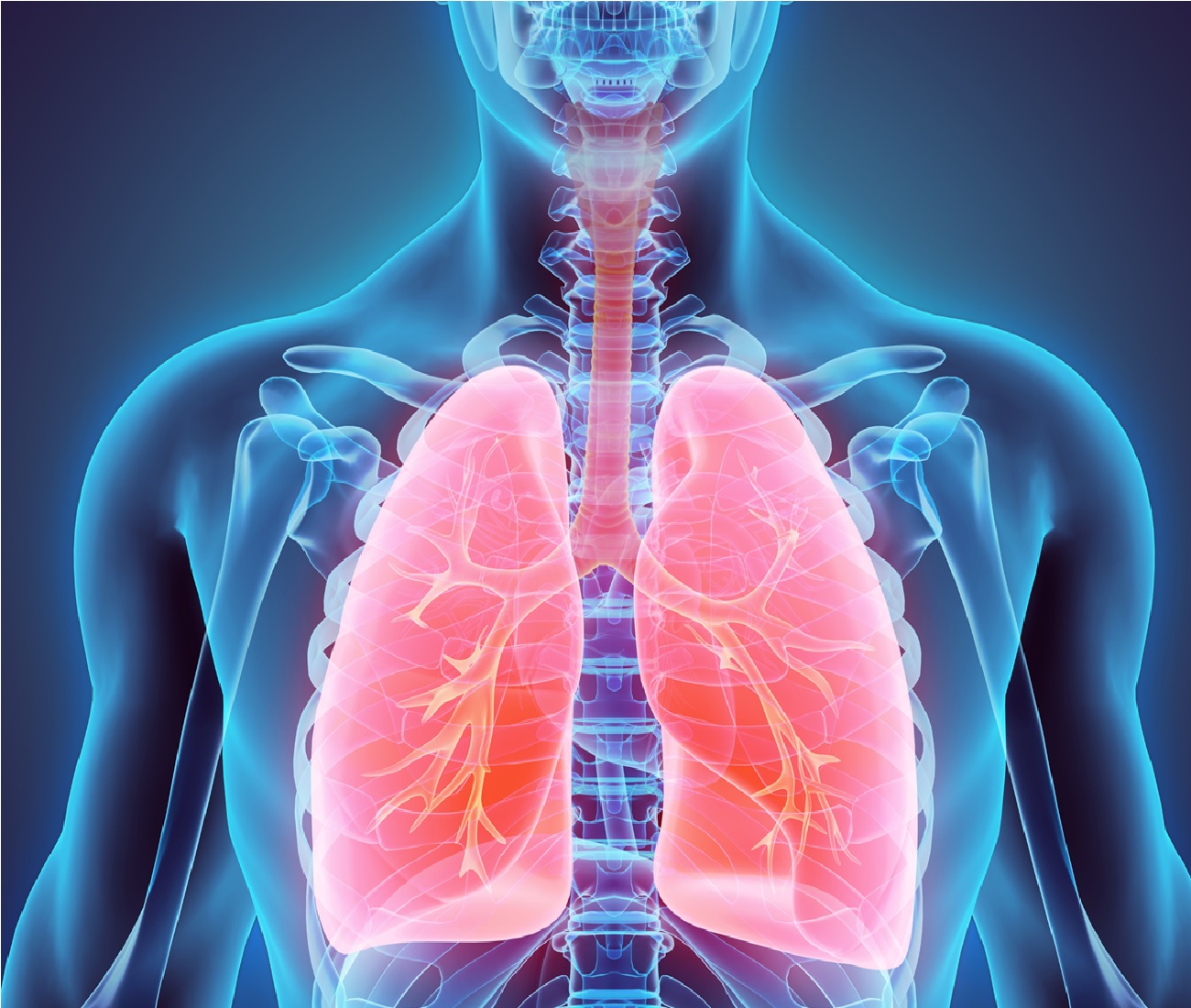
A carcinogen is any substance that can cause cancer. They are chronic toxins that cause damage after repeated or long-term exposure. For some people, the workplace can be a source of exposure to some carcinogens, such as asbestos, benzene, or formaldehyde.

A human heart can cease beating within 4 minutes after breathing stops. Permanent brain damage can occur within 4 to 6 minutes after breathing stops. Average ambulance response time is 8 to 12 minutes.
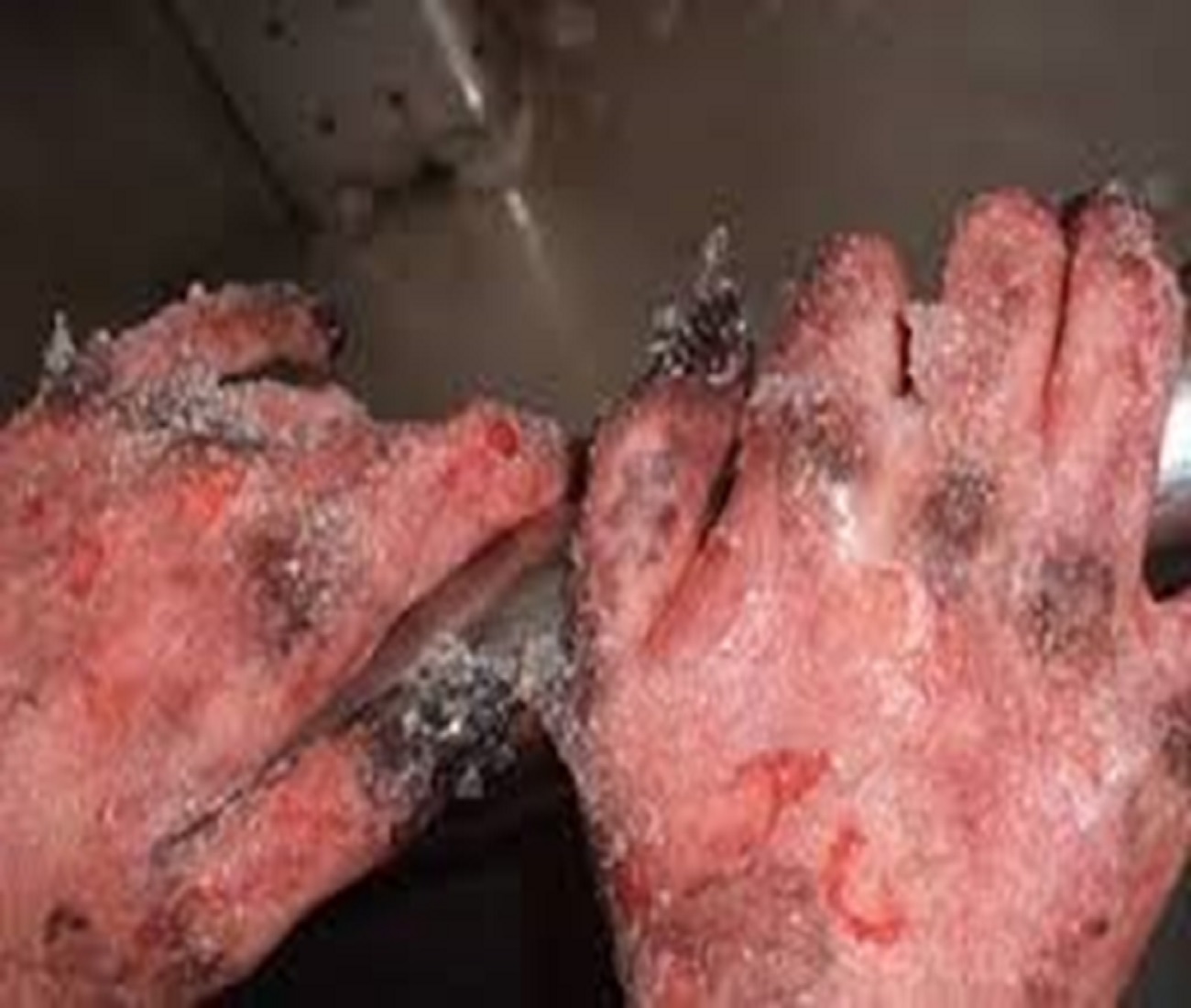
Frostbite is the freezing of the extremities (fingers, toes, nose, earlobes, etc.) caused by loss of blood flow, which can cause tissue damage and the need for amputation. Make sure you know the signs and symptoms of frostbite so you can recognize and properly treat the condition.

Want to see a higher rate of retention and return on investment in your training program? Keep these characteristics in mind when it comes to adult learning.

Course Description You’re an accident waiting to happen if you [...]

The only thing you can count on in today’s workplace is change. Just when you get accustomed to one way of doing things, a new plan comes along.

Keep workers safe (and warm) by training them on the signs, symptoms, and first aid treatment for cold-related illnesses. You can download and edit this chart to share with your workers.
Since it's your first time, you may want to checkout some of the video tutorials.






 800-ICW-SAFETY (800.429.7233)
 SAFETYOnDemand@icwgroup.com