
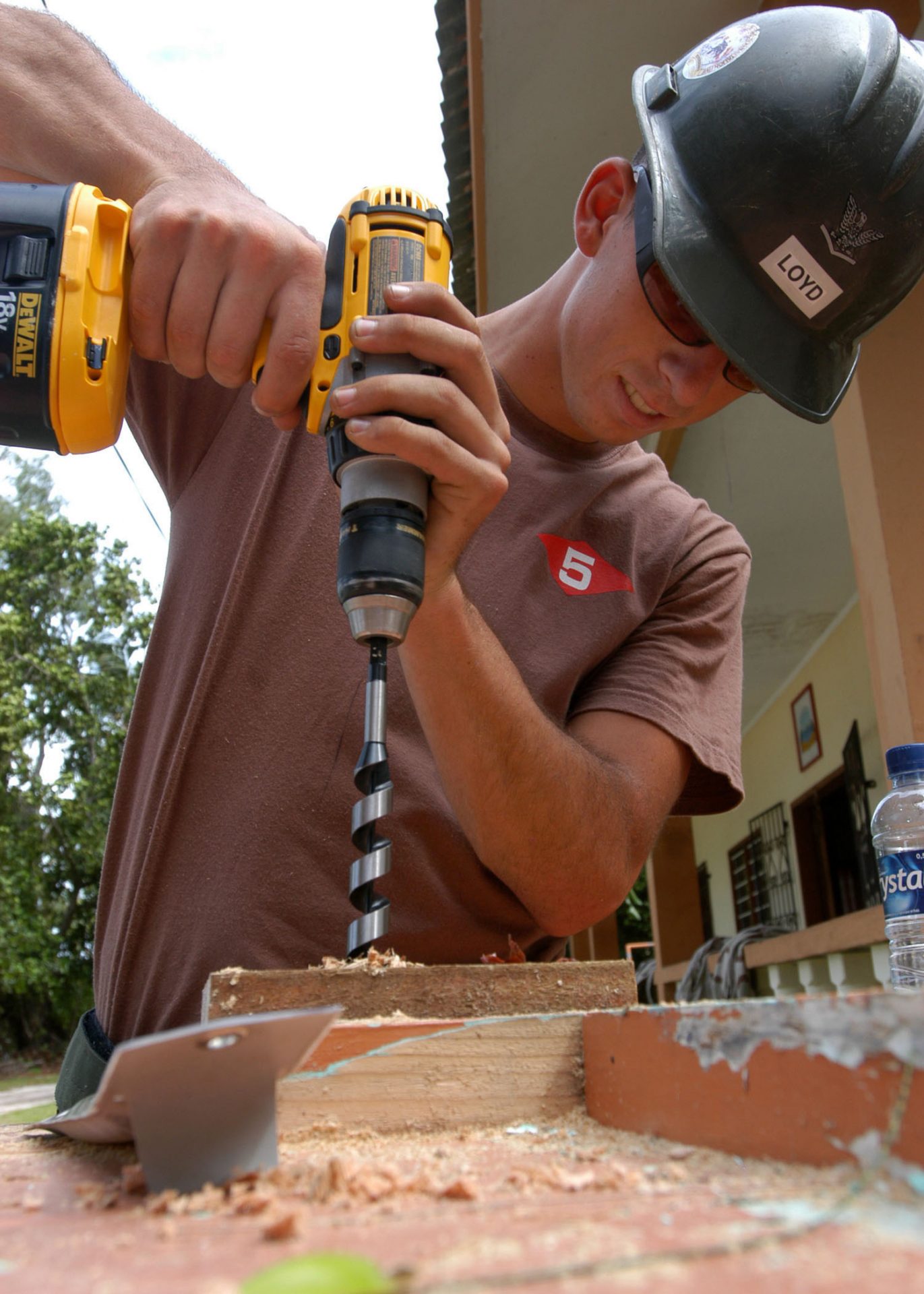
Use Tools Safely
How This Affects You: You can be seriously injured by using common workplace tools incorrectly.
How This Affects You: You can be seriously injured by using common workplace tools incorrectly.

A back injury can begin a lifetime of pain, inability to work or play, reduced income and unhappy dealings with medical agencies.

The Globally Harmonized System of Classification and Labeling of Chemicals (GHS) was created by the United Nations to help bring uniformity to hazardous materials labeling around the world.
Anyone who uses the wrong ladder for a job or uses it inappropriately is courting trouble. Don?t become a statistic. Remember these ladder safety tips: Select the correct ladder. Why waver on the top rung
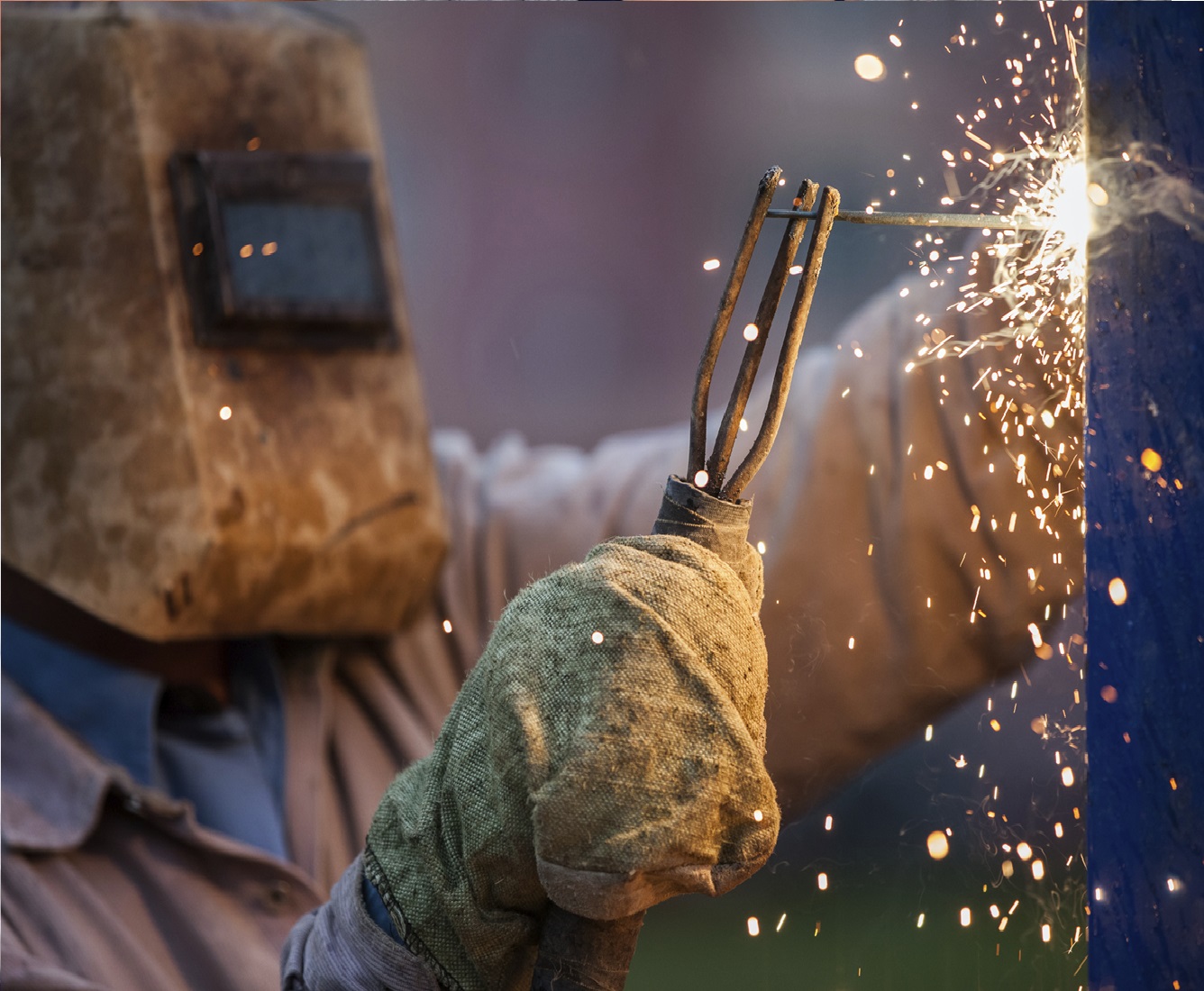
Welding poses a unique combination of both safety and health risks to more than 500,000 workers in a wide variety of industries.
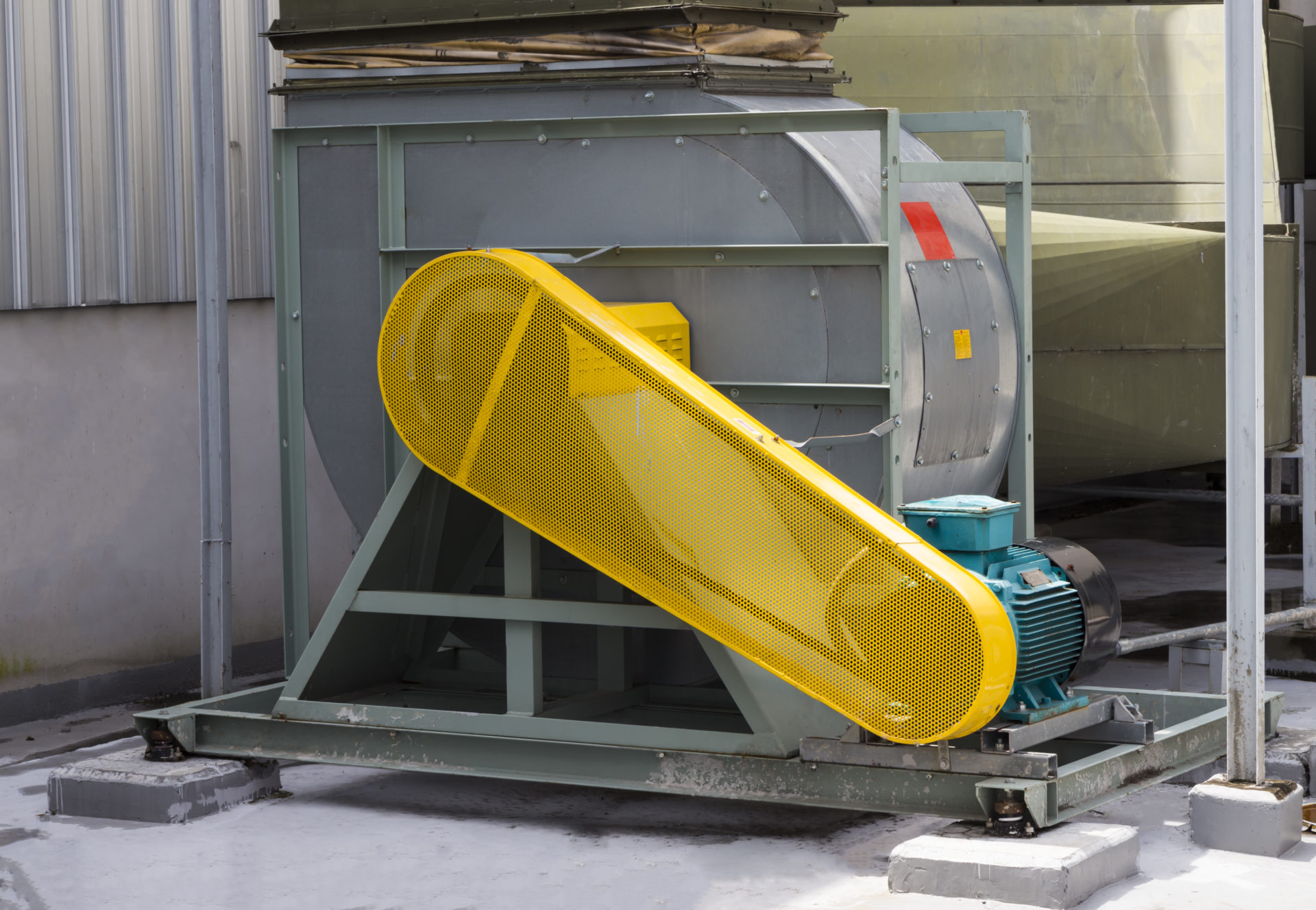
A sawmill worker suffered multiple fractures to his right arm when it became caught in an edger outfeed chain and sprocket. For unknown reasons, he had lifted the guard to check the drive mechanism.

When your feet hurt, everything hurts. Ask anyone finishing a long shift in bad shoes.
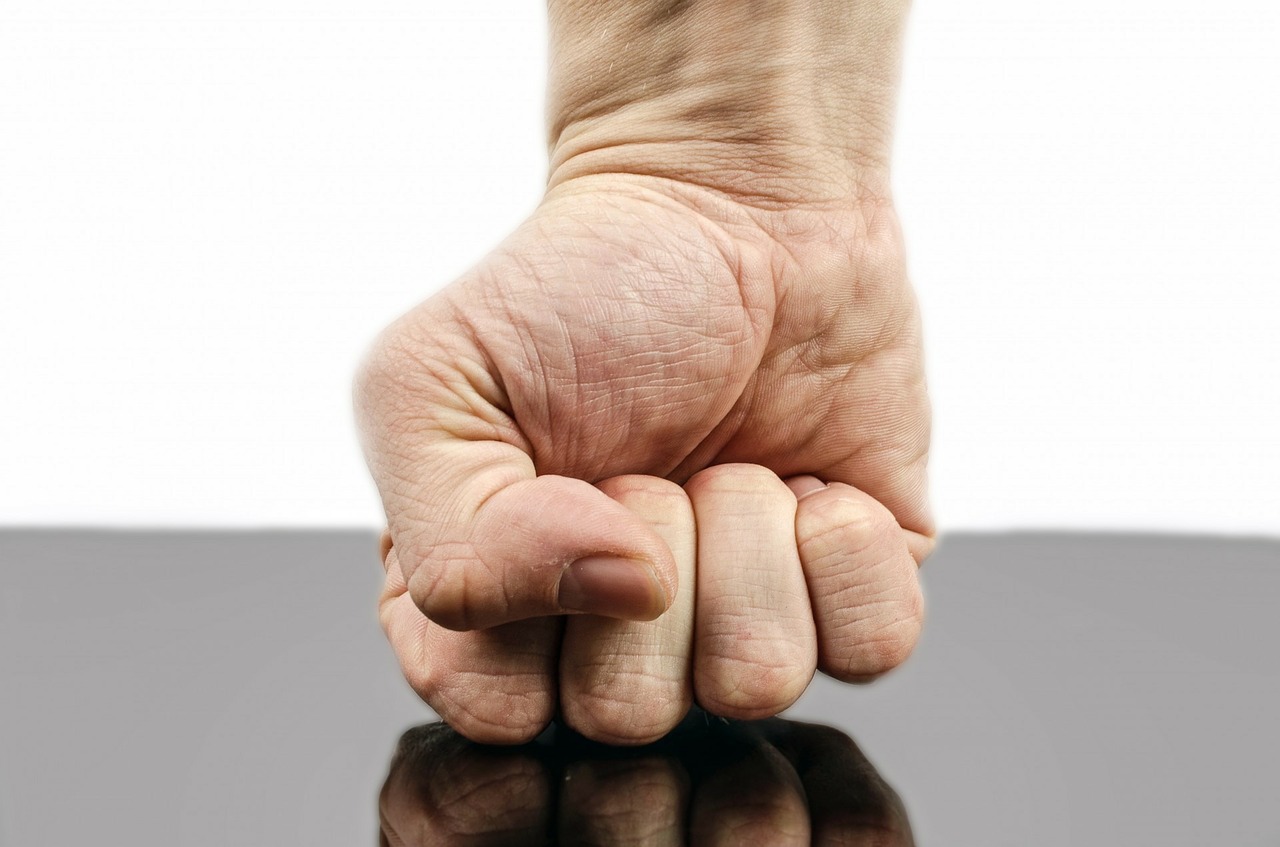
How This Affects You: Workplace violence can happen to anyone, even you.
Compressed air can make short work of everything from changing tires to nailing and stapling, but its power demands respect.
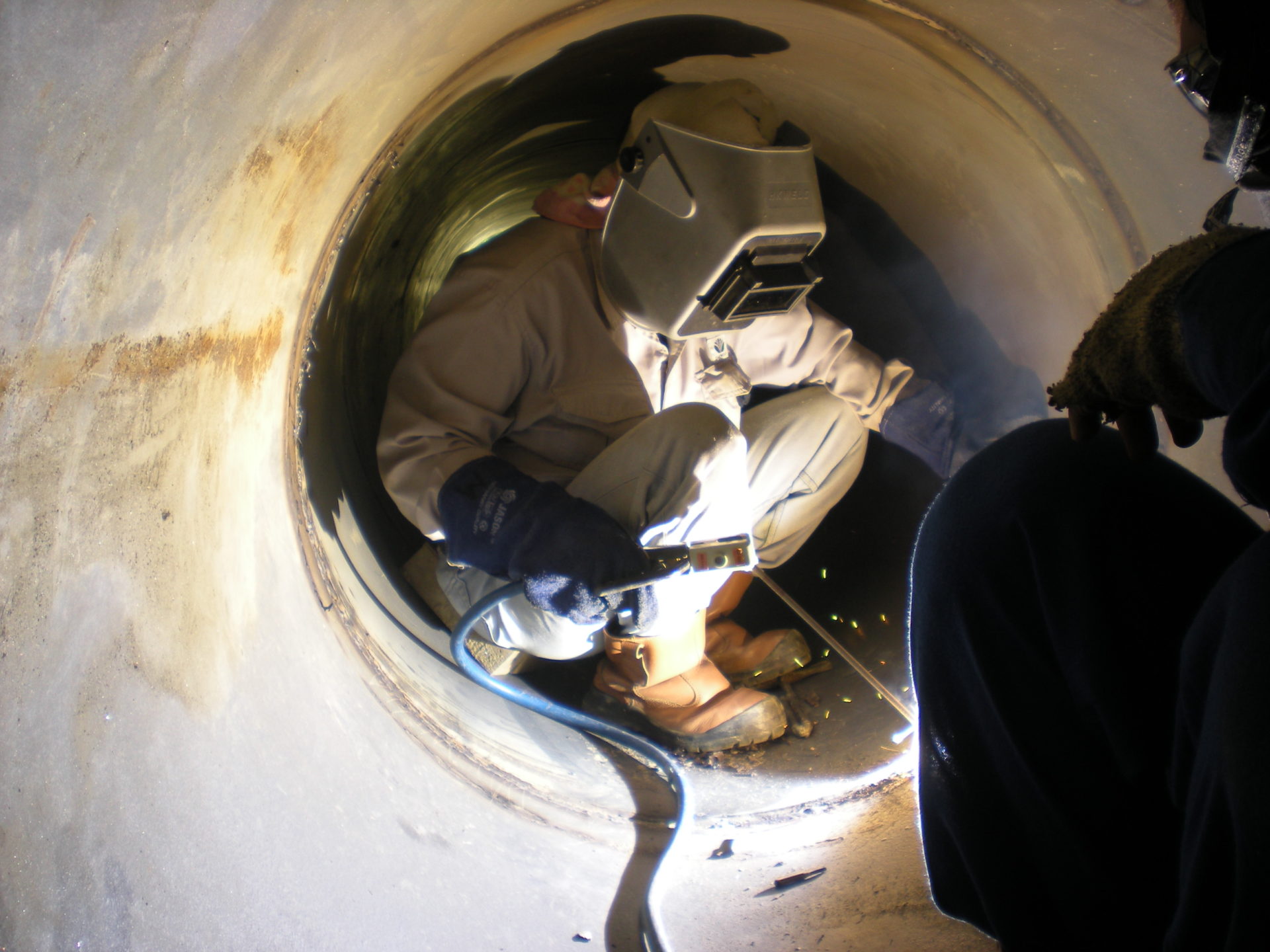
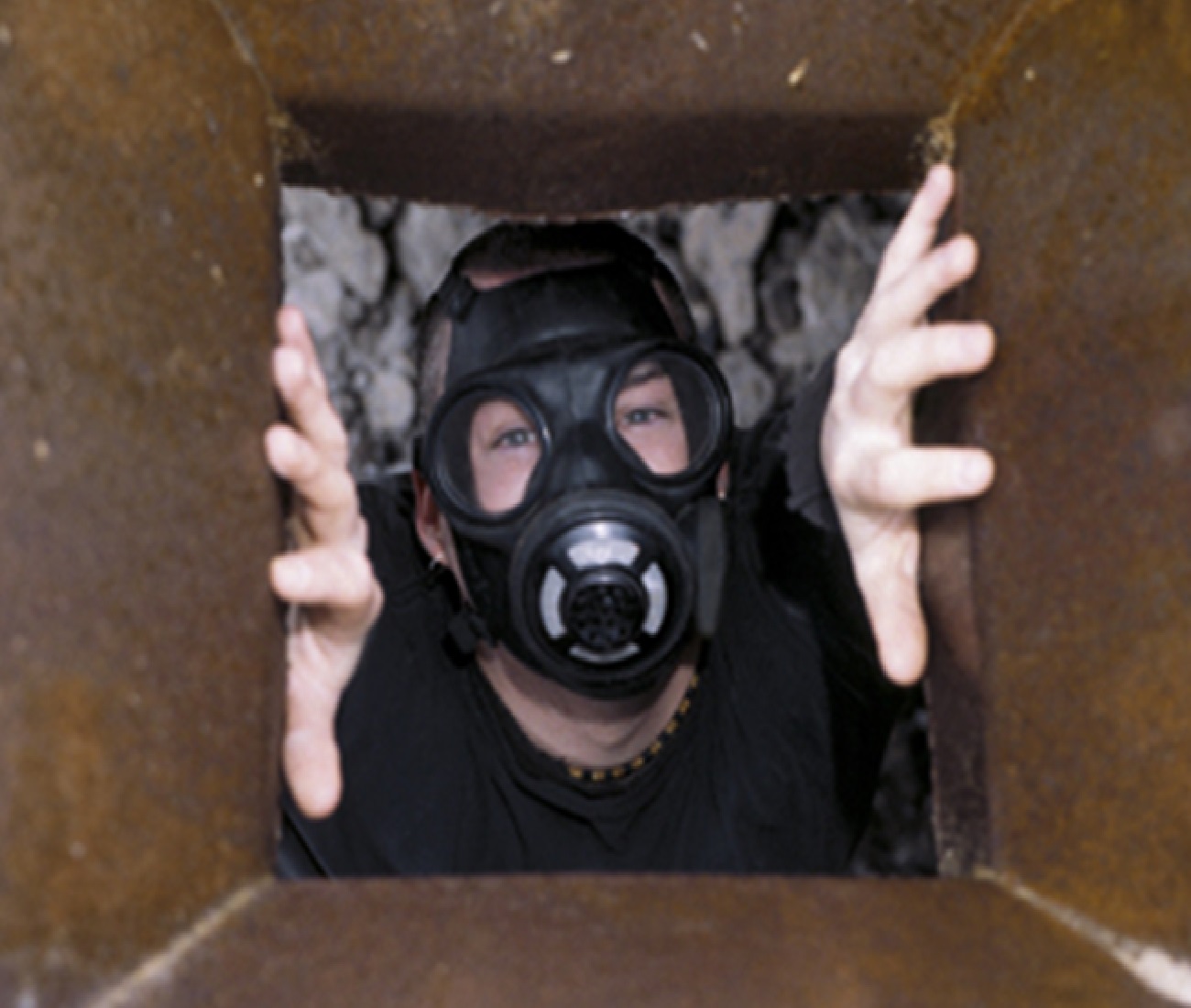
Some jobs require workers to enter and work in tight areas known as confined spaces, which can be both uncomfortable and dangerous. Usually, a confined space will have limited access, poor ventilation and poor lighting.
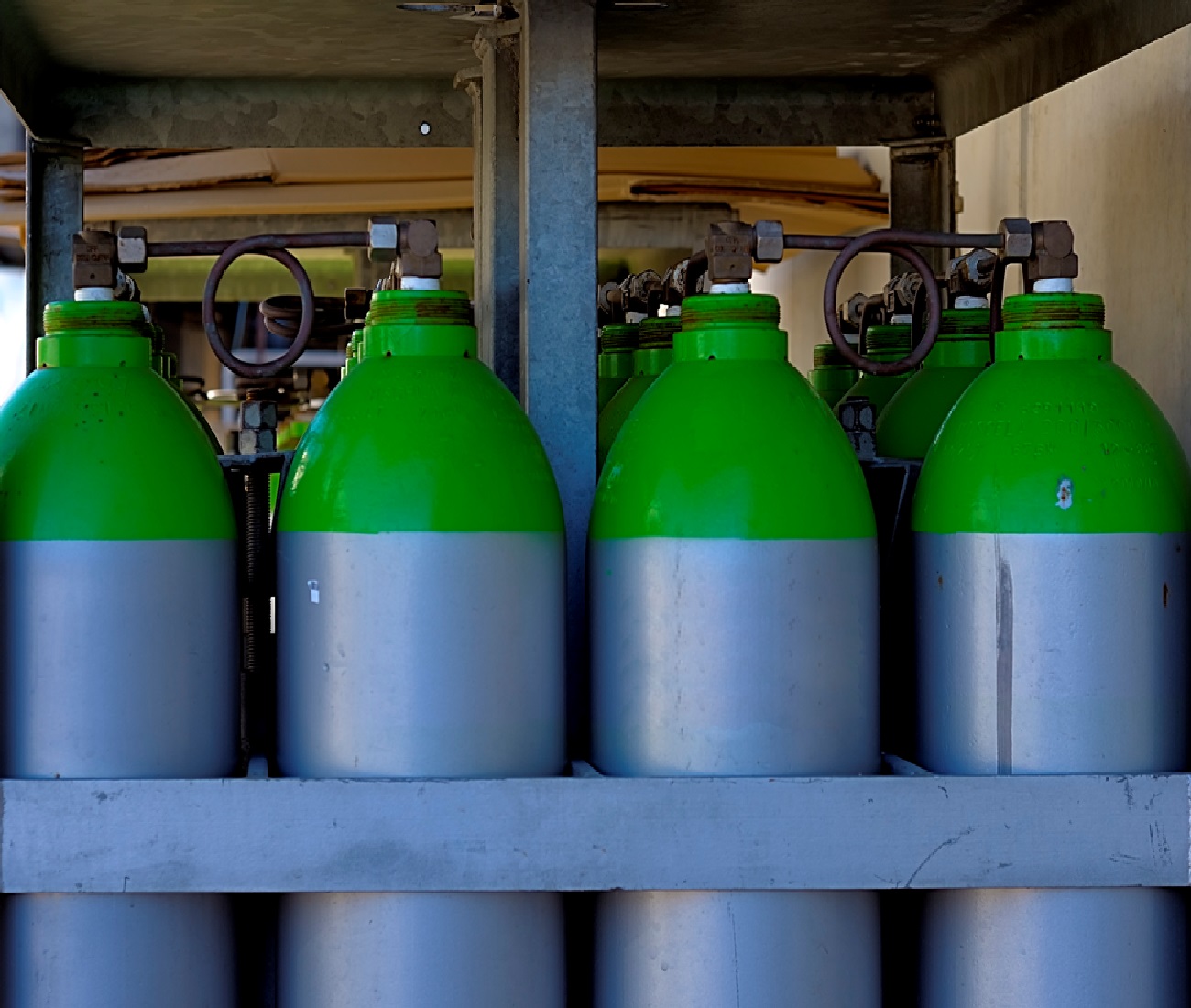
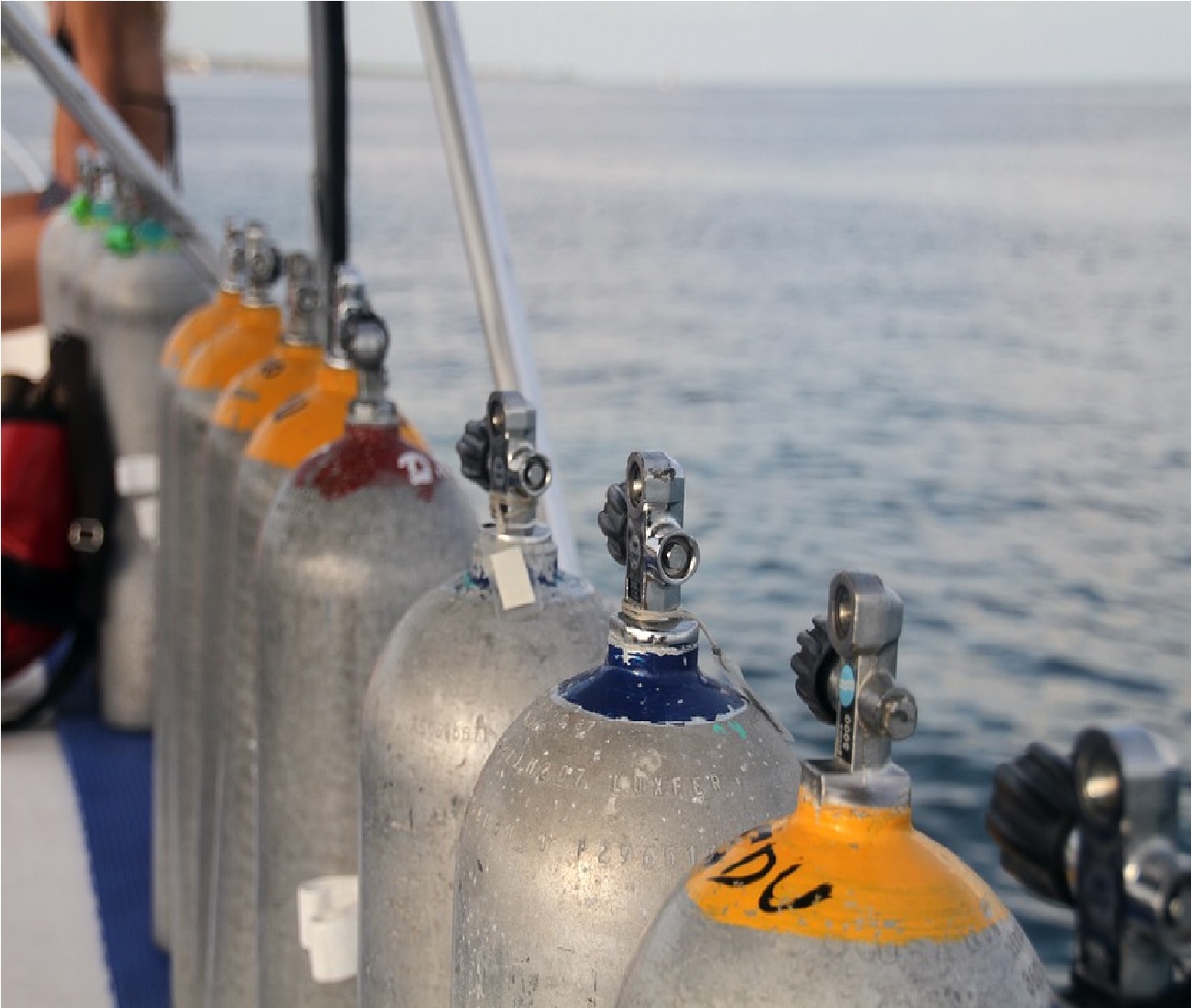
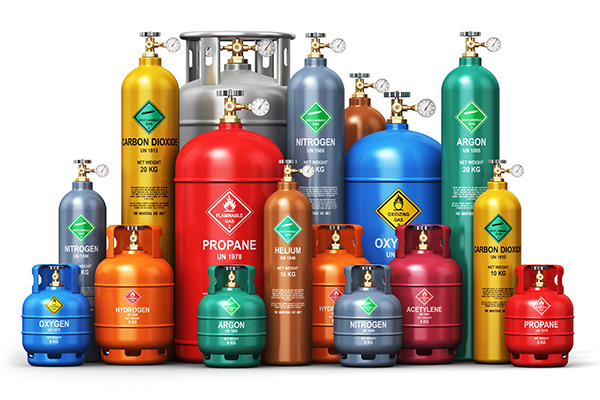
The hazards associated with compressed gas include oxygen displacement, fires, explosions, toxic effects from certain gases, reactivity and projectile concerns.
There may be moving equipment, slippery or dangerous surfaces, electric shock hazards, falling objects, water or other liquid contents, chemicals or extreme temperatures. Noise, poor visibility or shifting materials such as grain or sand could
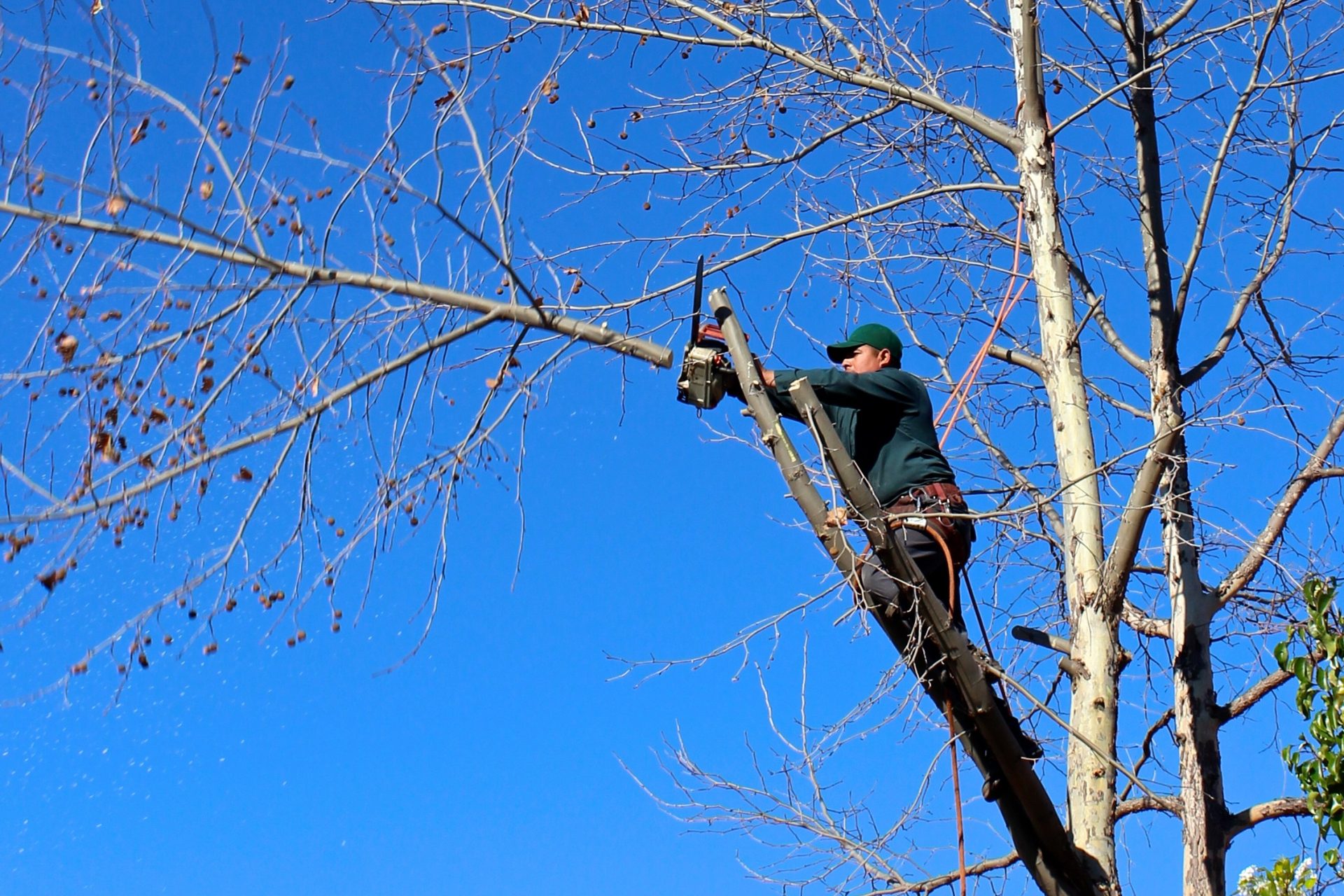
People who never touched a chainsaw before have been using these tools for disaster cleanup. So it's time for a safety talk on the hazards of these tools.

Safety eyewear and face shields can save you from injuries which can lead to blindness. Prompt treatment of eye injuries reduces the risk of permanent damage.

Is there a manhole to a sewage system near your workplace, or an underground vault for an electrical system? Any boiler, tunnel, well, silo, shaft or poorly ventilated crawl space can be a potentially dangerous confined space.
If pressure vessels are improperly operated or improperly maintained, they can fail catastrophically, potentially flattening buildings and killing workers and people living in the area.
Getting caught in machinery is every worker's nightmare, but you can prevent it from becoming yours with a little vigilance.

The body normally cools itself by sweating. During hot weather, especially with high humidity, sweating isn't enough.

Anyone who has to move heavy objects, work in awkward positions, hold one position for a long time or perform certain tasks at a fast pace can get hurt. These tips will help protect your
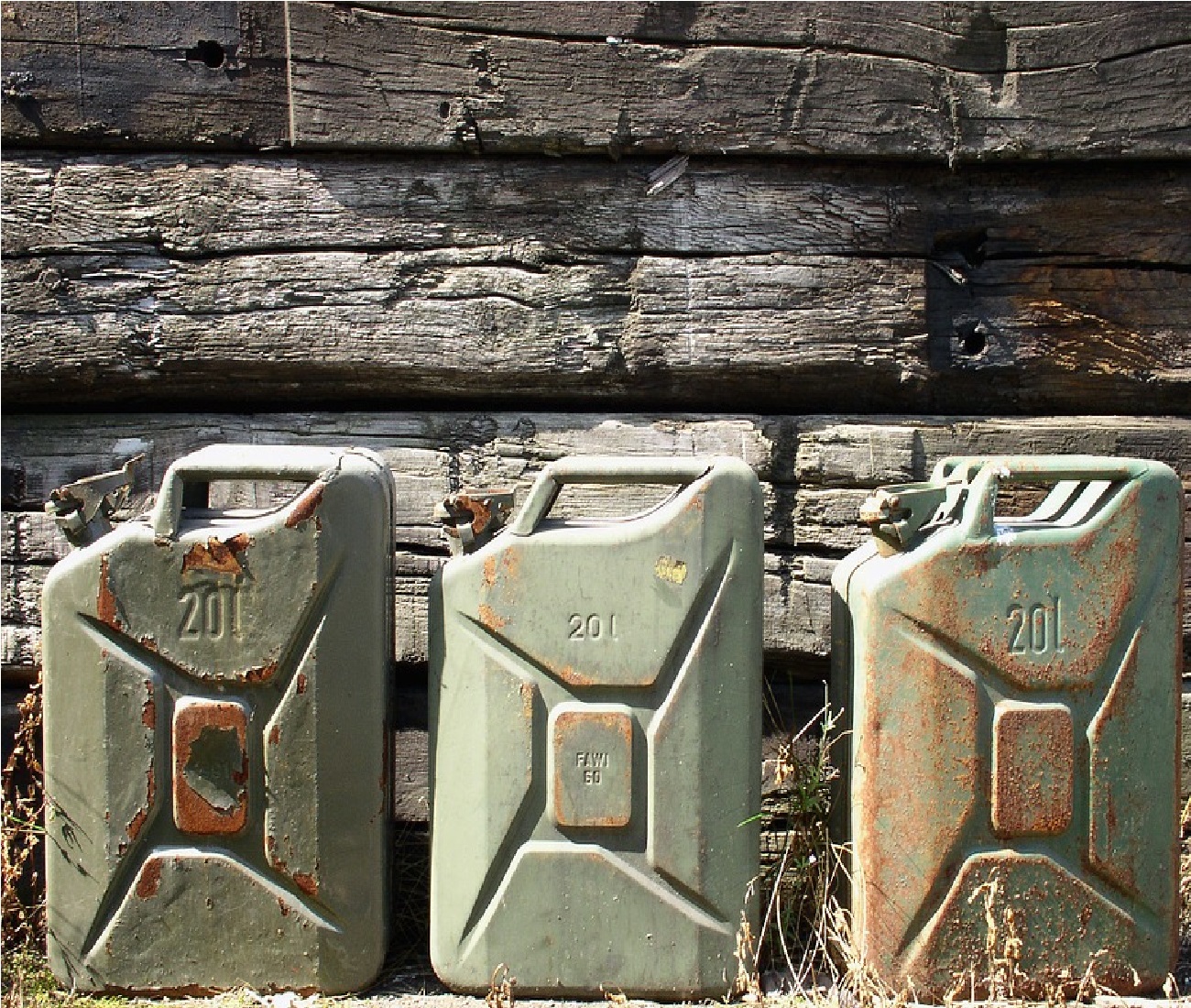
You're steam cleaning the shop floor when you accidentally knock over a 5-gallon can of gasoline near the welding booth. Do you know what to do?
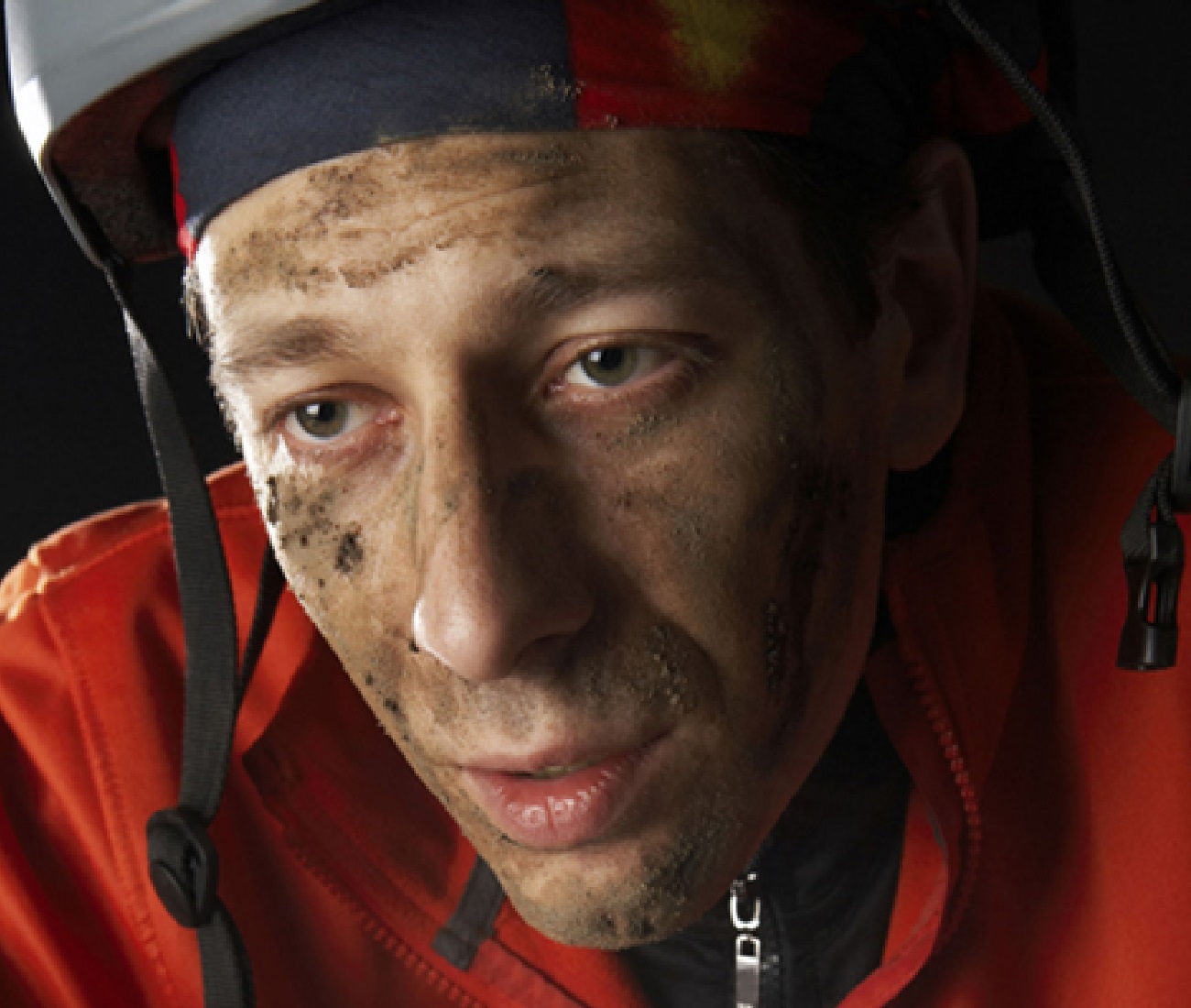
A hot work environment or summer weather can bring heat illness - in three stages.
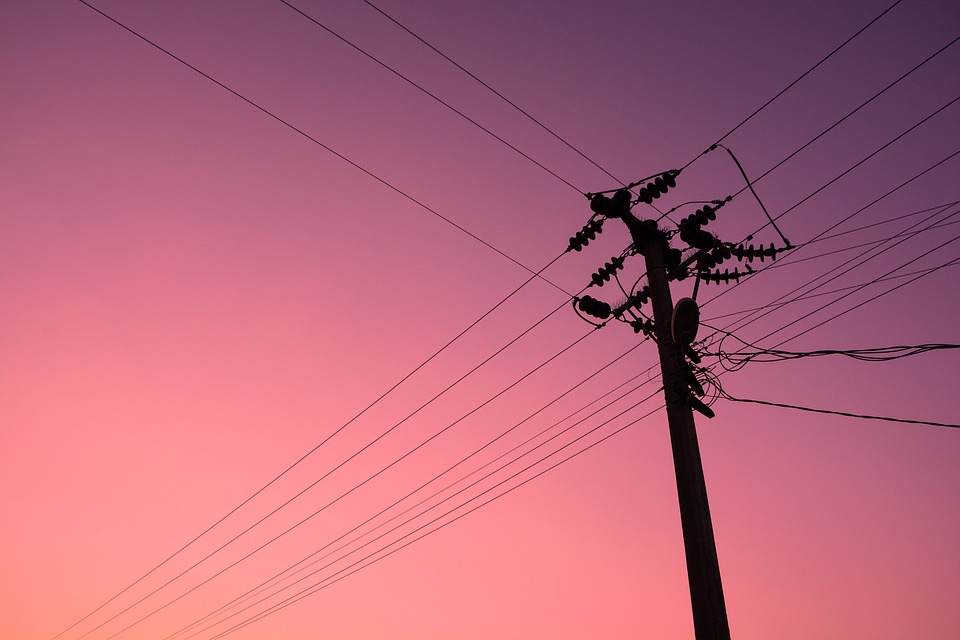
WHAT'S AT STAKE Workers in almost every work environment are [...]
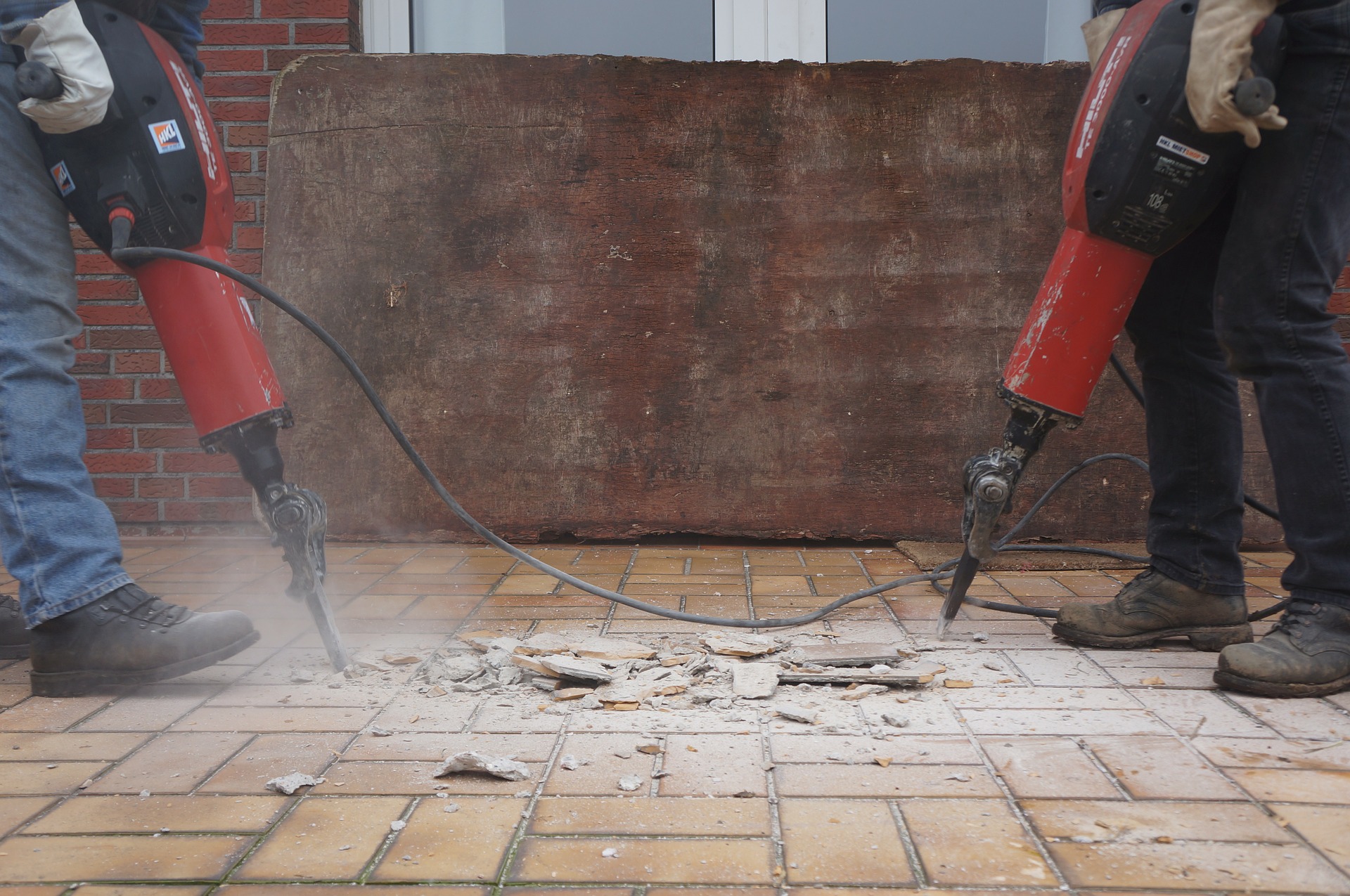
Occupational divers put themselves at risk every time they brave the depths, whether?harvesting seafood, repairing ships or retrieving golf balls from ponds.

Head injuries are one of the most serious types of injuries that can occur at work.
Since it's your first time, you may want to checkout some of the video tutorials.



 800-ICW-SAFETY (800.429.7233)
 SAFETYOnDemand@icwgroup.com