
Hand Tool Hazards
We all know how important it is to use caution around power tools. But what about tools in general? Can a wrench really be dangerous?
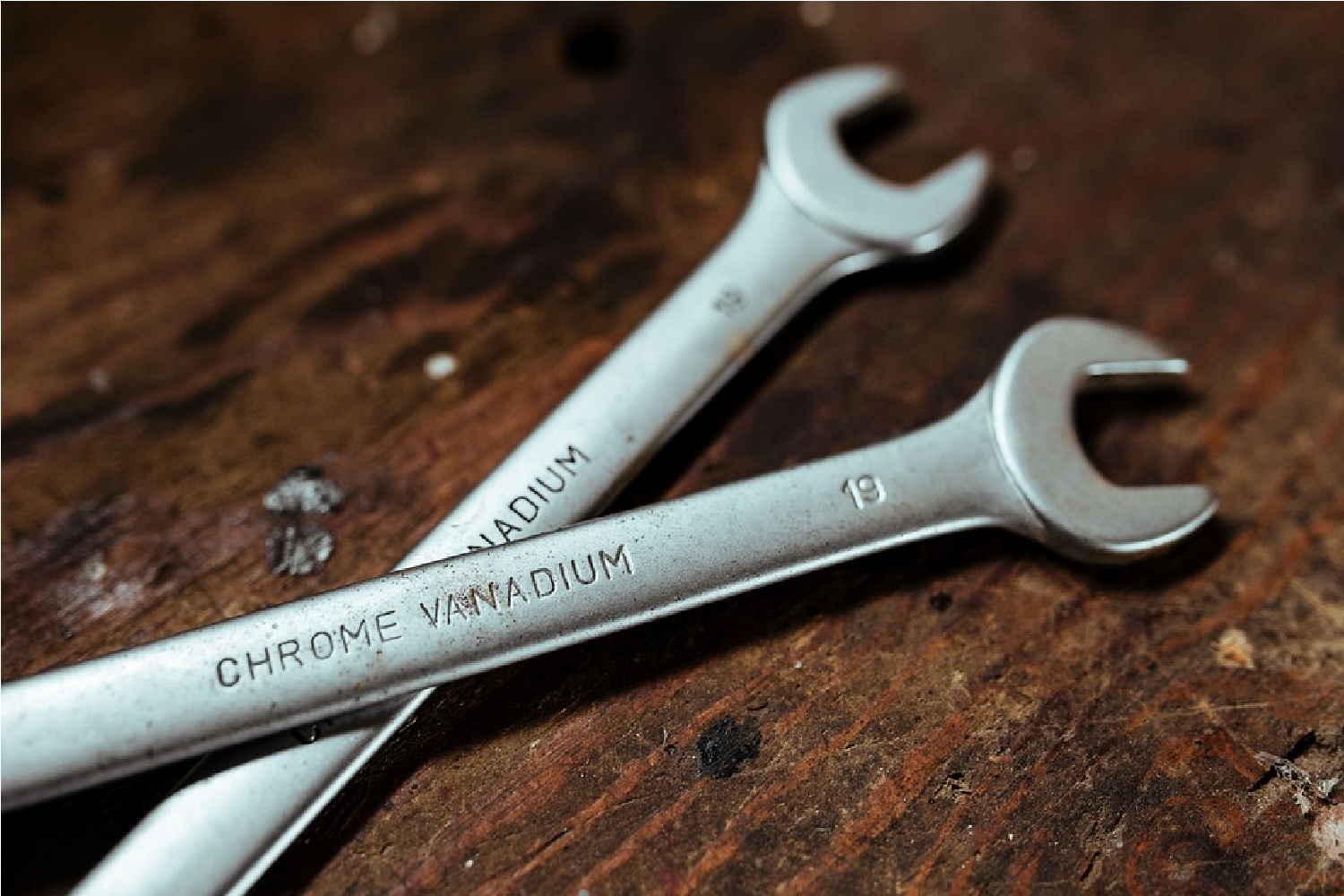
We all know how important it is to use caution around power tools. But what about tools in general? Can a wrench really be dangerous?

Your feet and toes may be at the opposite end from your head, but you still need to use your brain when it comes to which type of shoes you wear in the winter.

A moment of distraction is all it took for Terrence’s foot to catch at the walkway’s edge, causing him to stumble. He recovered his balance but it was a close thing!
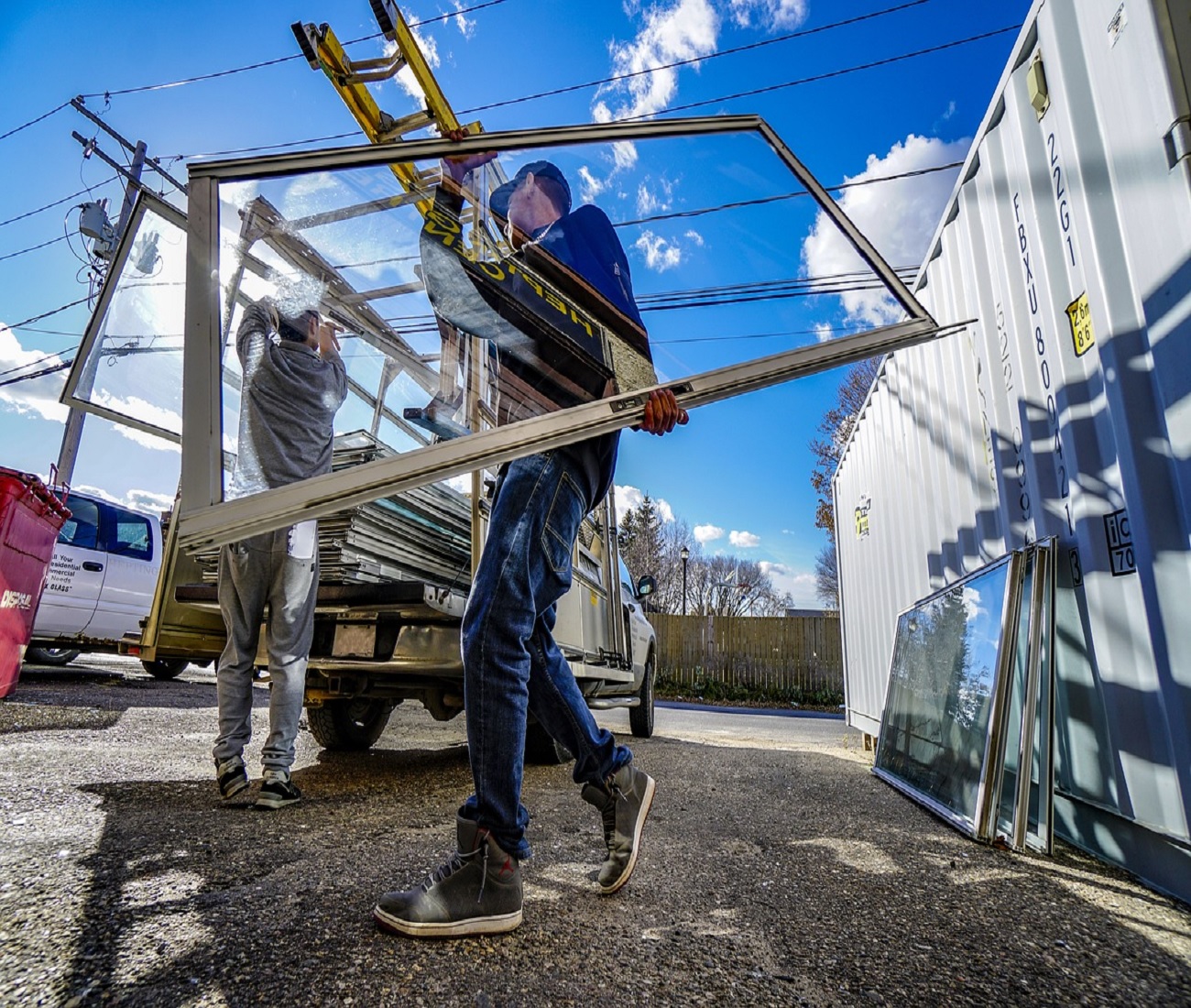
Boxes and cartons The best way to carry boxes and cartons is to grip them at opposite top and bottom corners. Carry sacked materials the same way, and against your waist if possible. Don't strain

There are a number of hazards your hands encounter every day on the job. Here are a few examples.
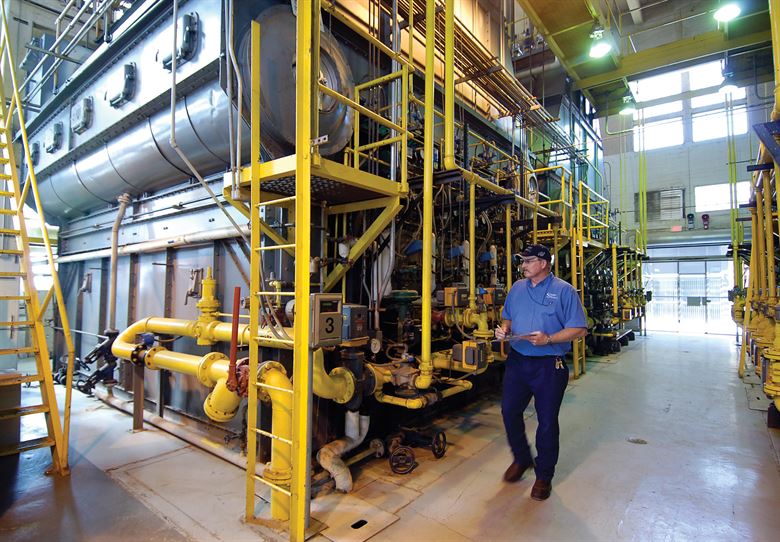
Exposure to unguarded or improperly guarded machines causes over 1000 deaths and 20,000 serious cuts, crushing injuries, scalpings and amputations every year
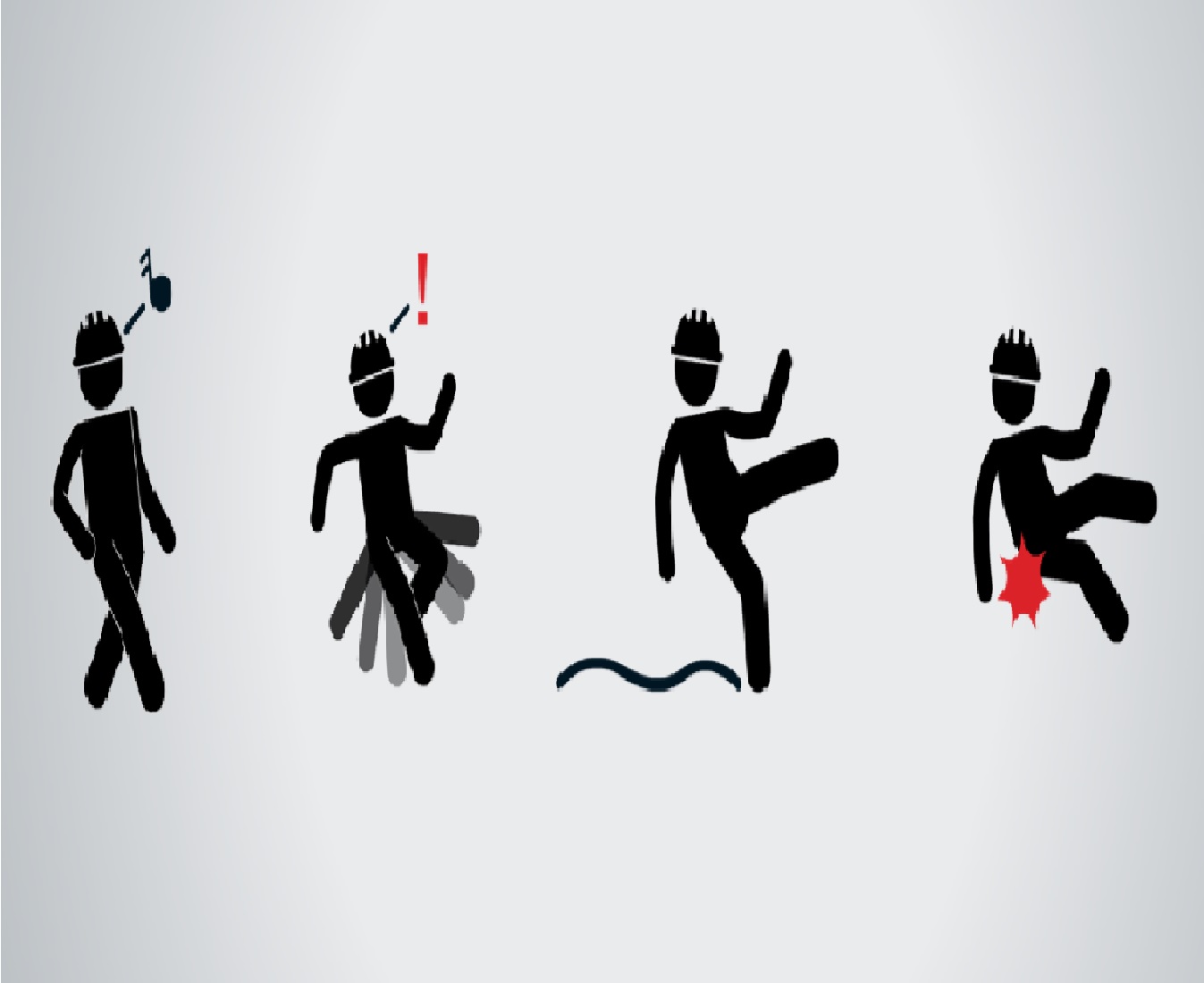
Read this Safety talk and learn how to avoid unsafe conditions which are a leading source of workplace accidents, with over 200,000 reported every year.
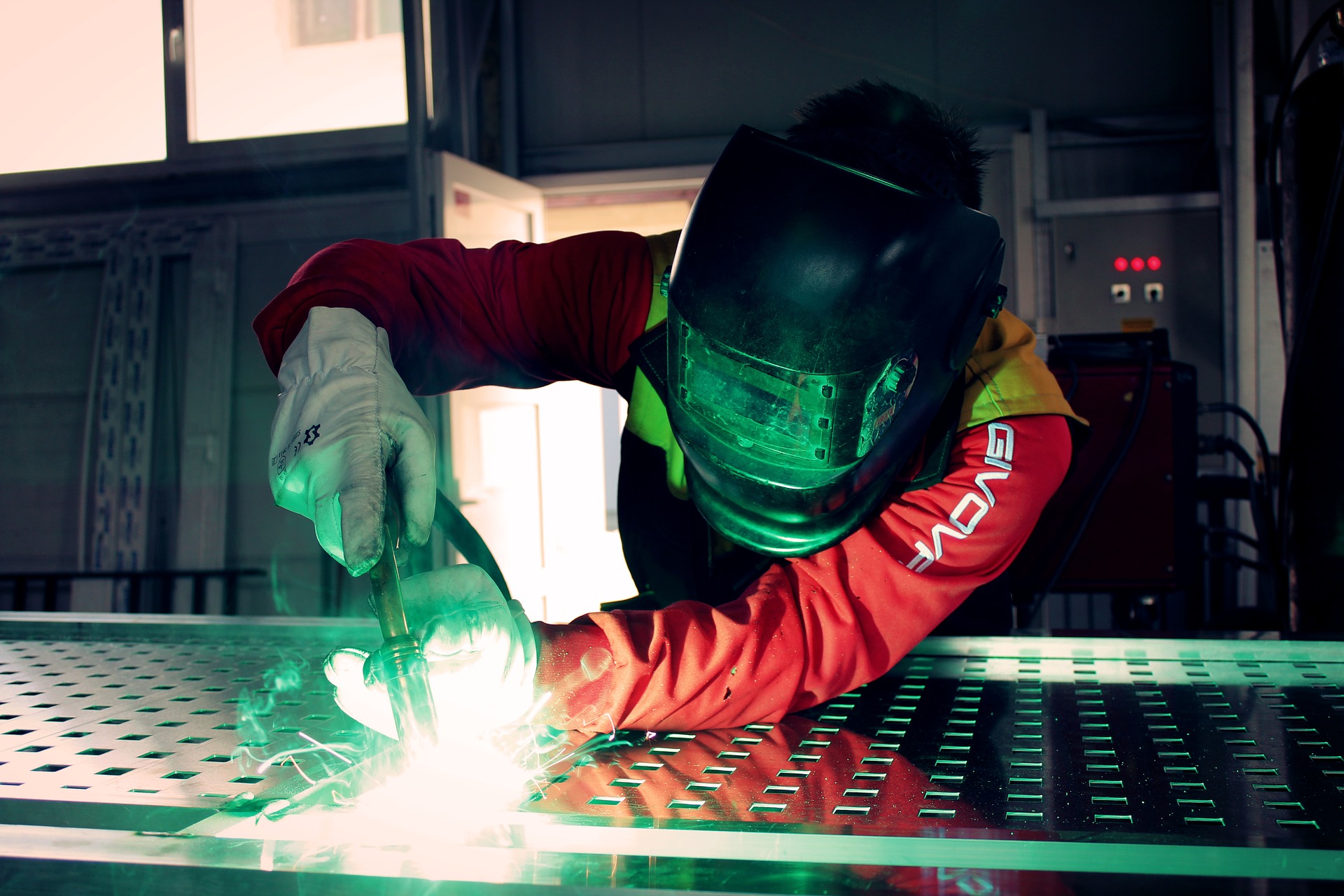
When you weld, cut or grind, the potential for accidents is significant. Eyes and skin can be burned, hearing can be damaged and an electric shock can kill you.
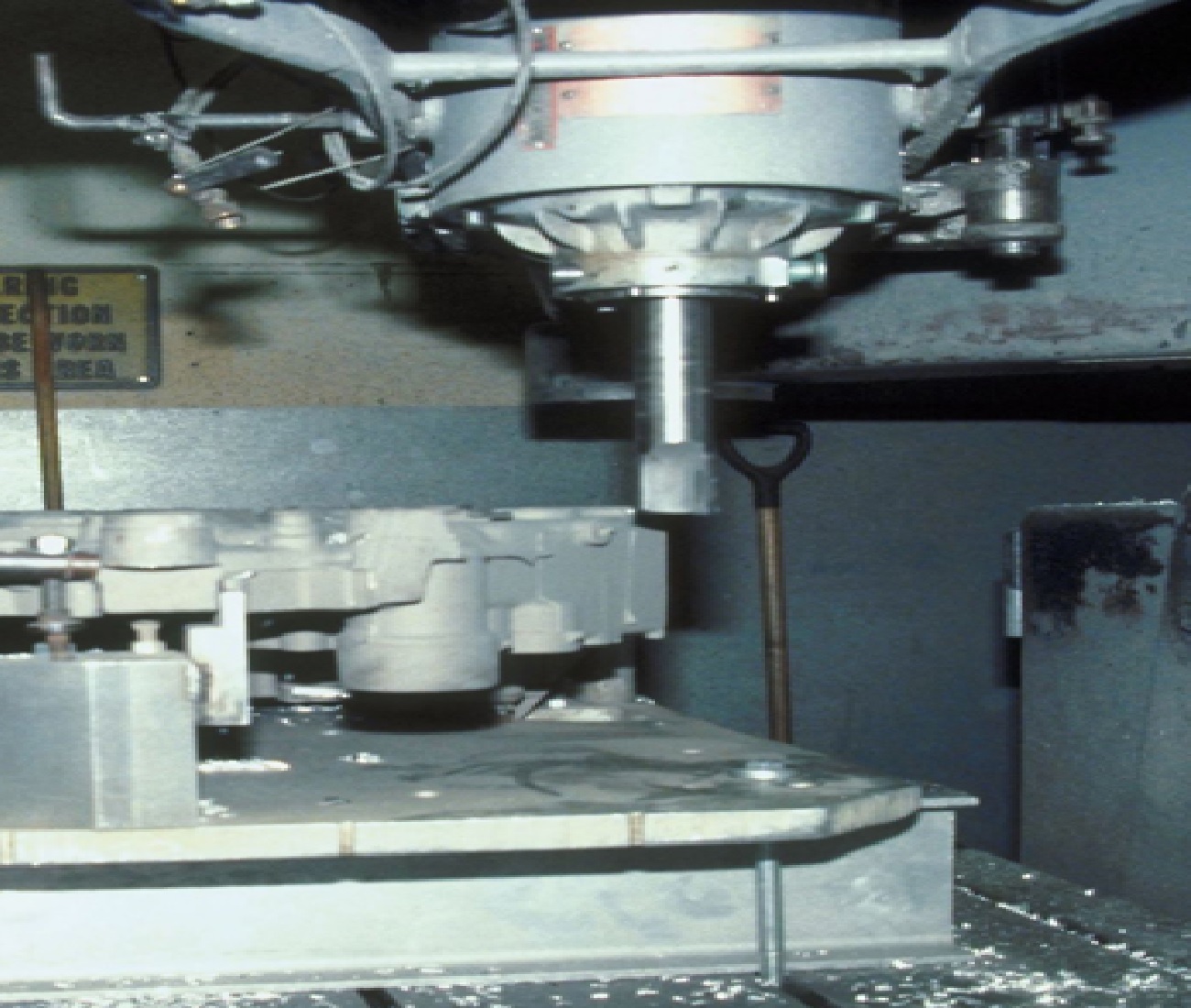
Lockout procedures eliminate the chance a machine could become energized whenever it is being cleaned, repaired, maintained, or unjammed.
Thousands of non-disabling and disabling injuries occur annually from work with electricity and on average one person dies every day from an electrical incident on the job.

Head injuries are one of the most serious types of injuries that can occur at work.

They carry you through heat or cold, wet and slippery conditions. Your feet are also at risk from falling construction materials and equipment. No wonder wearing approved steel-toed boots can be required on the job.
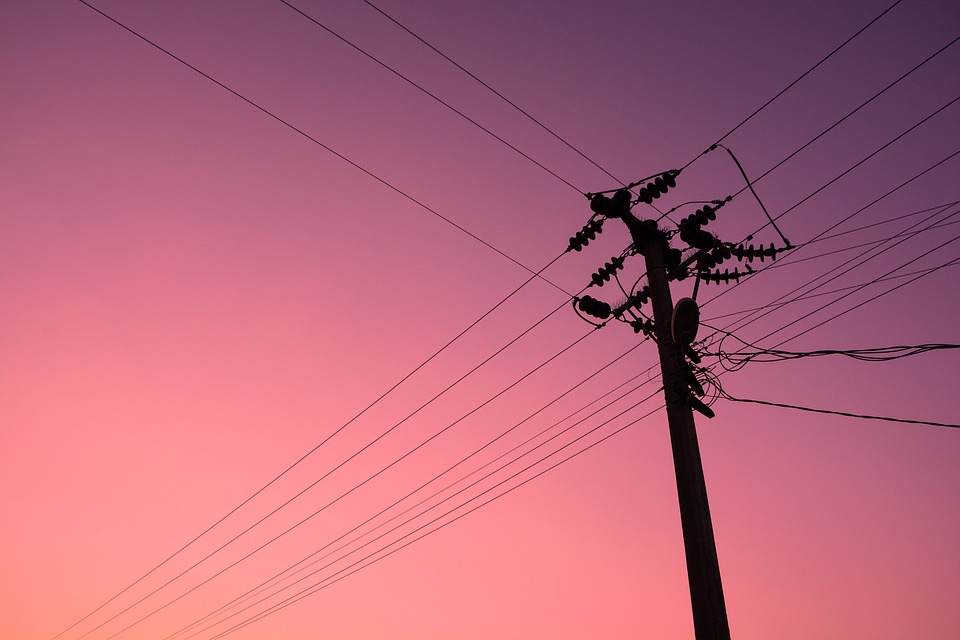
WHAT'S AT STAKE Workers in almost every work environment are [...]
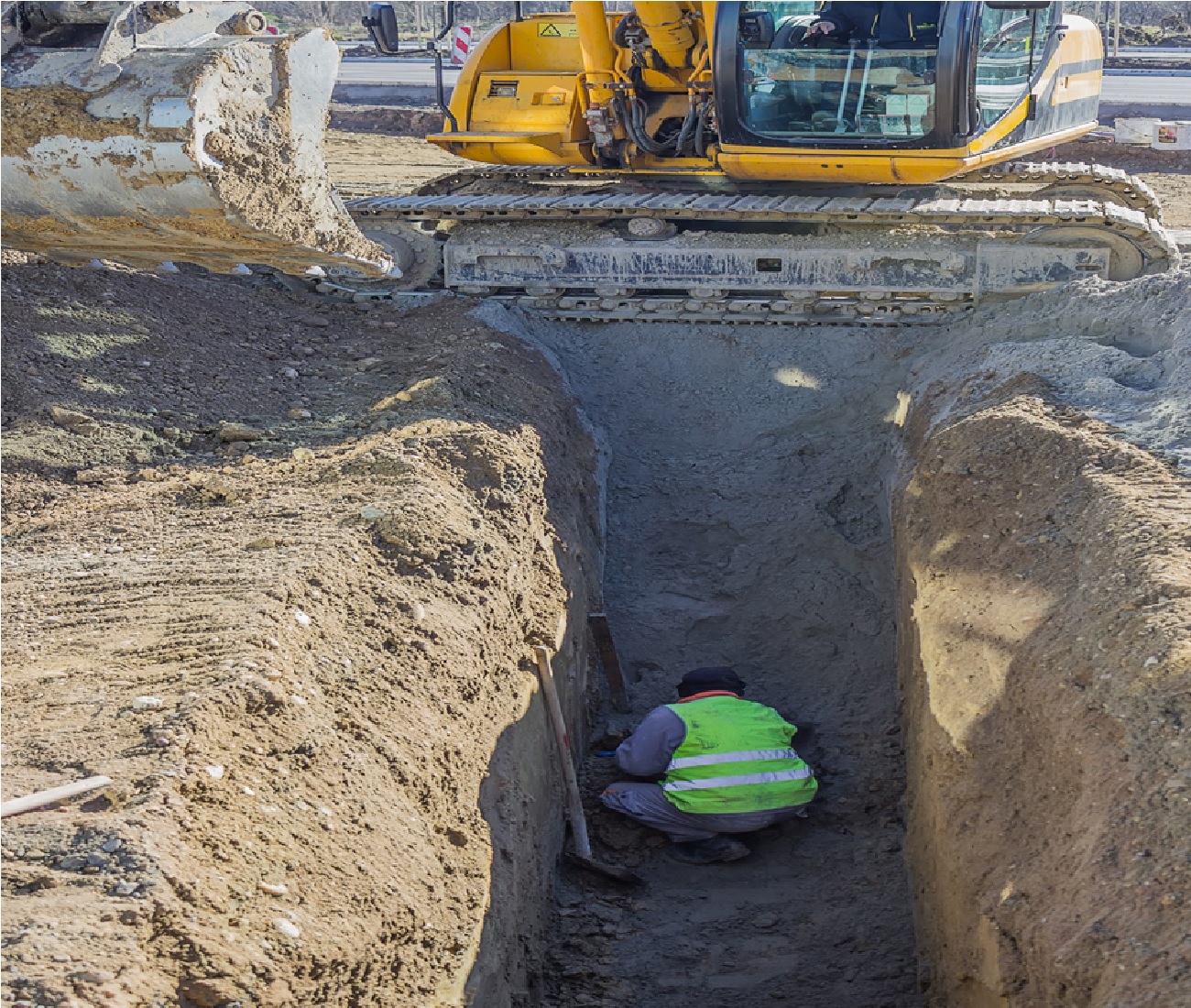
Struck-by and caught-between hazards account for over 1,500 workplace deaths a year and are present in almost every industry sector.

Whether workers climb a ladder or the steps to a large vehicle, failing to heed the three-point rule has resulted in many workplace injuries and deaths.

There’s hardly a workplace that doesn’t handle or store materials.
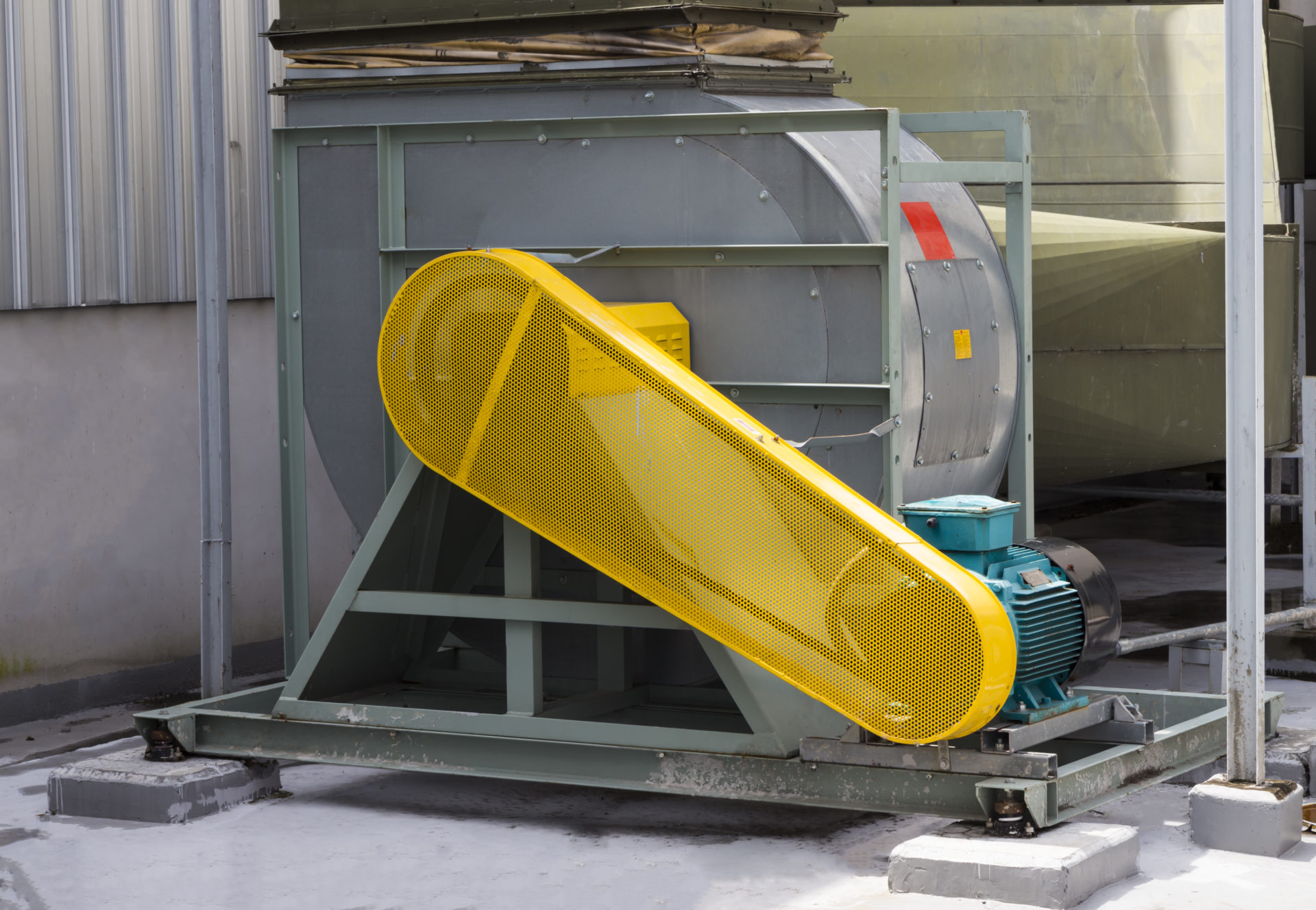
Getting caught in machinery is every worker's nightmare, but you can prevent it from becoming yours with a little vigilance.
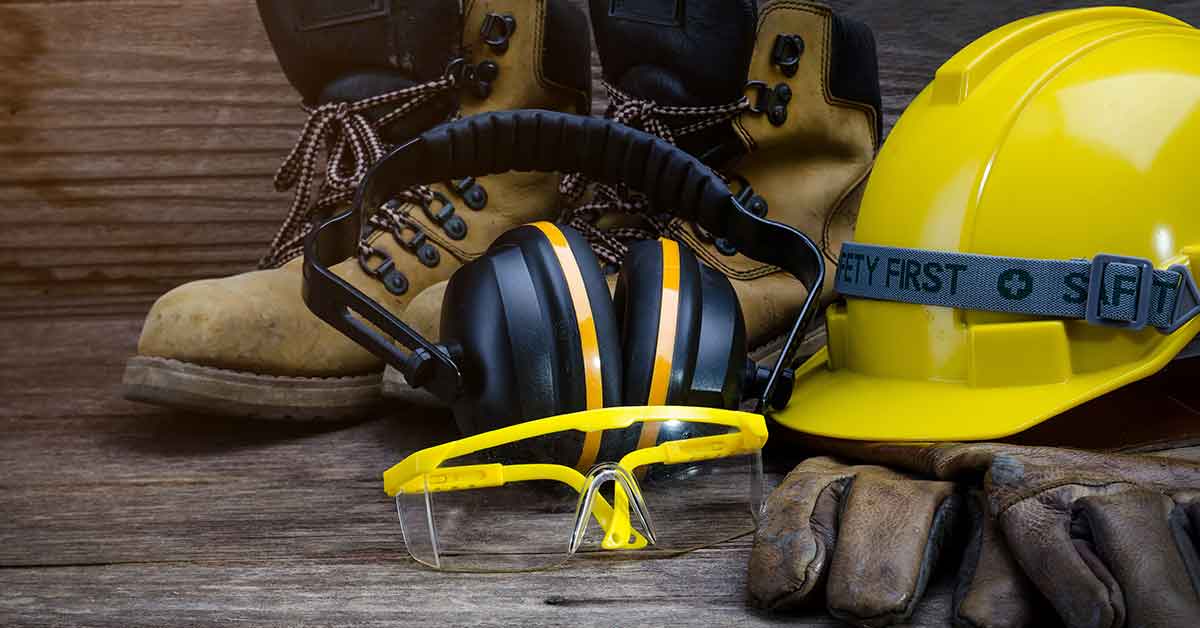
You may spend 15 minutes deciding what you're going to wear for a night on the town. But for a day on the job, safety dictates your wardrobe.
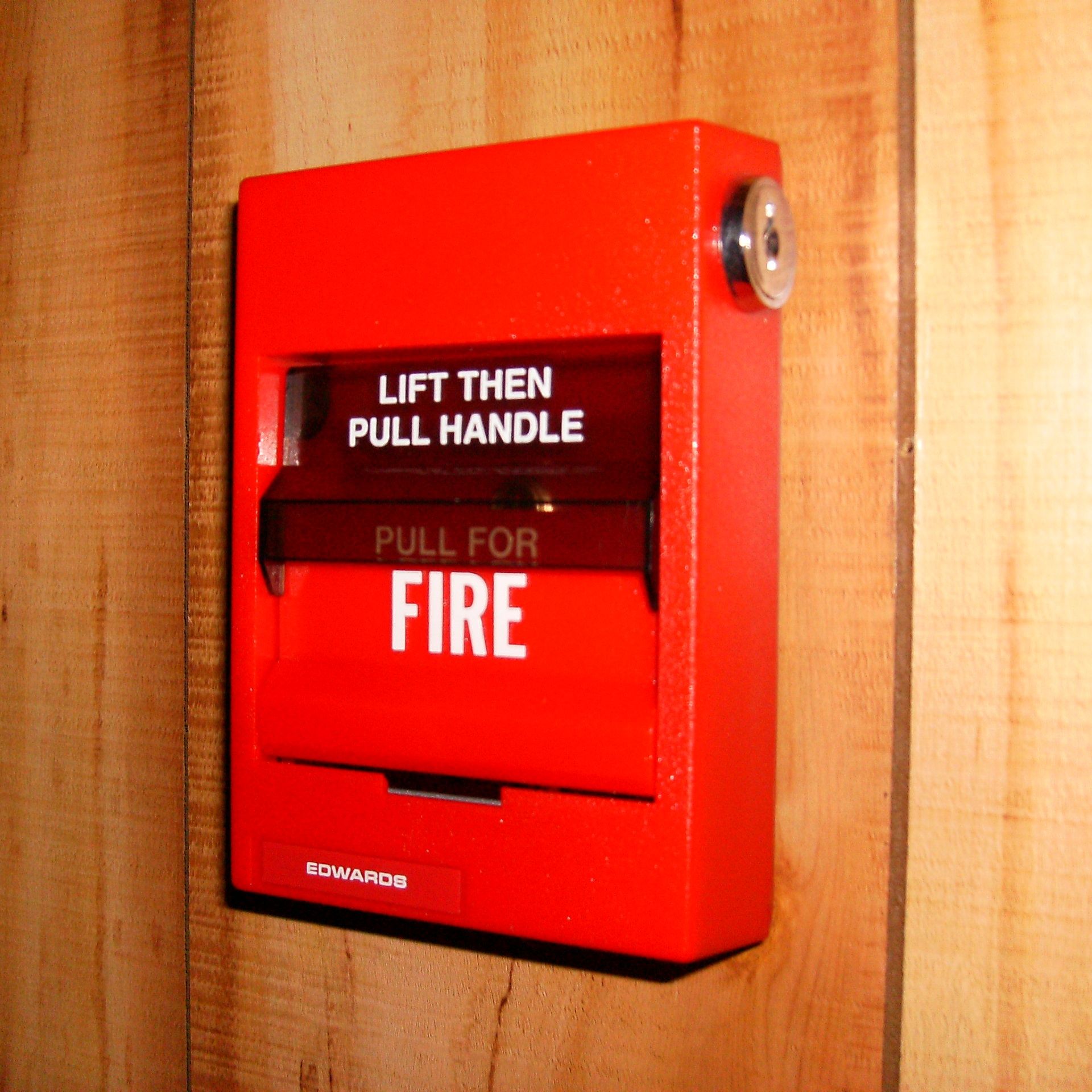
We often hear about people being “in the wrong place at the wrong time.” While this saying often refers to people who have been victims of crime, it certainly applies to workers as well.

Break time is your chance to break away from the routine and relax before heading back to work. But you can?t take a break from safety.

Meanwhile, Bill the operator returned from his break. He did not see John and there was no indication the machine was under repair. Assuming his machine was ready to run, Bill started it. He had

Maintenance employees are confronted with many hazards that can cause injury or death. One such hazard is exposure to asbestos.

Workplace safety can be a complex issue, but learning and adhering to a few safety basics can go a long way toward keeping employees safe on the job. Many workplace injuries and fatalities are directly related to either not knowing how to do something and attempting it anyway or committing unsafe acts through inattention or for other reasons.
We encounter many potentially dangerous substances at work.

This kind of behavior is not tolerated in the workplace. If you ever find yourself a target of harassment, you do not have to put up with it. You have the law on your side
Since it's your first time, you may want to checkout some of the video tutorials.


 800-ICW-SAFETY (800.429.7233)
 SAFETYOnDemand@icwgroup.com