
Safety Rules Protect You
The safety rules, policies and procedures of your workplace are there to protect you from workplace hazards and to help prevent injuries.
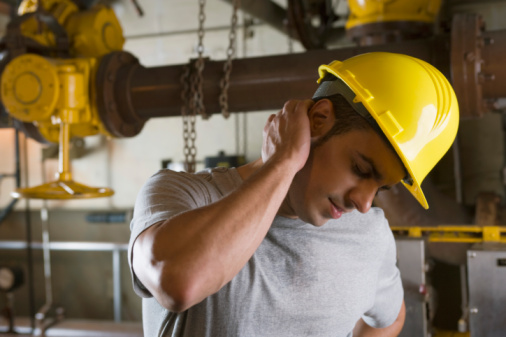
The safety rules, policies and procedures of your workplace are there to protect you from workplace hazards and to help prevent injuries.
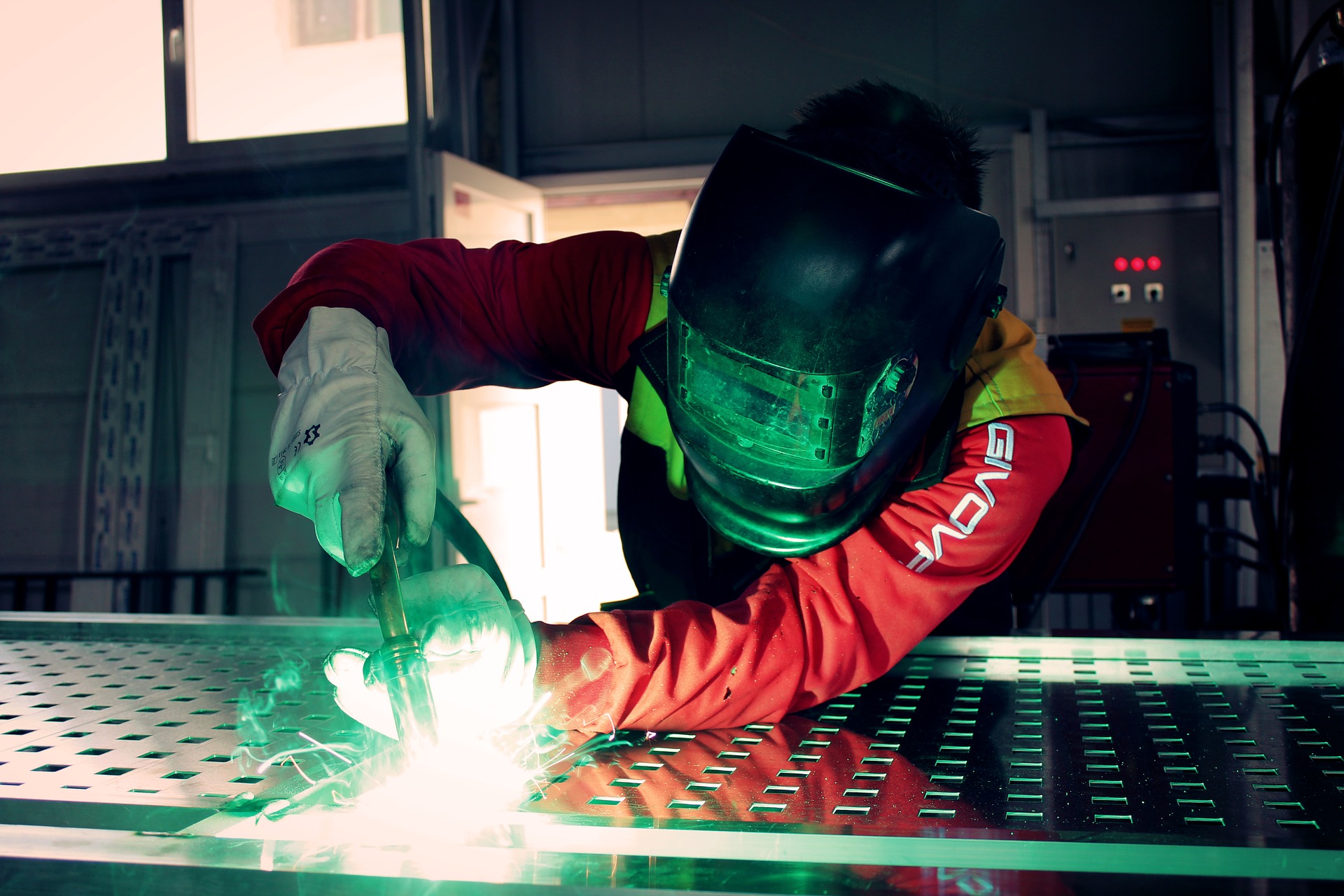
When you weld, cut or grind, the potential for accidents is significant. Eyes and skin can be burned, hearing can be damaged and an electric shock can kill you.

There are a number of hazards your hands encounter every day on the job. Here are a few examples.
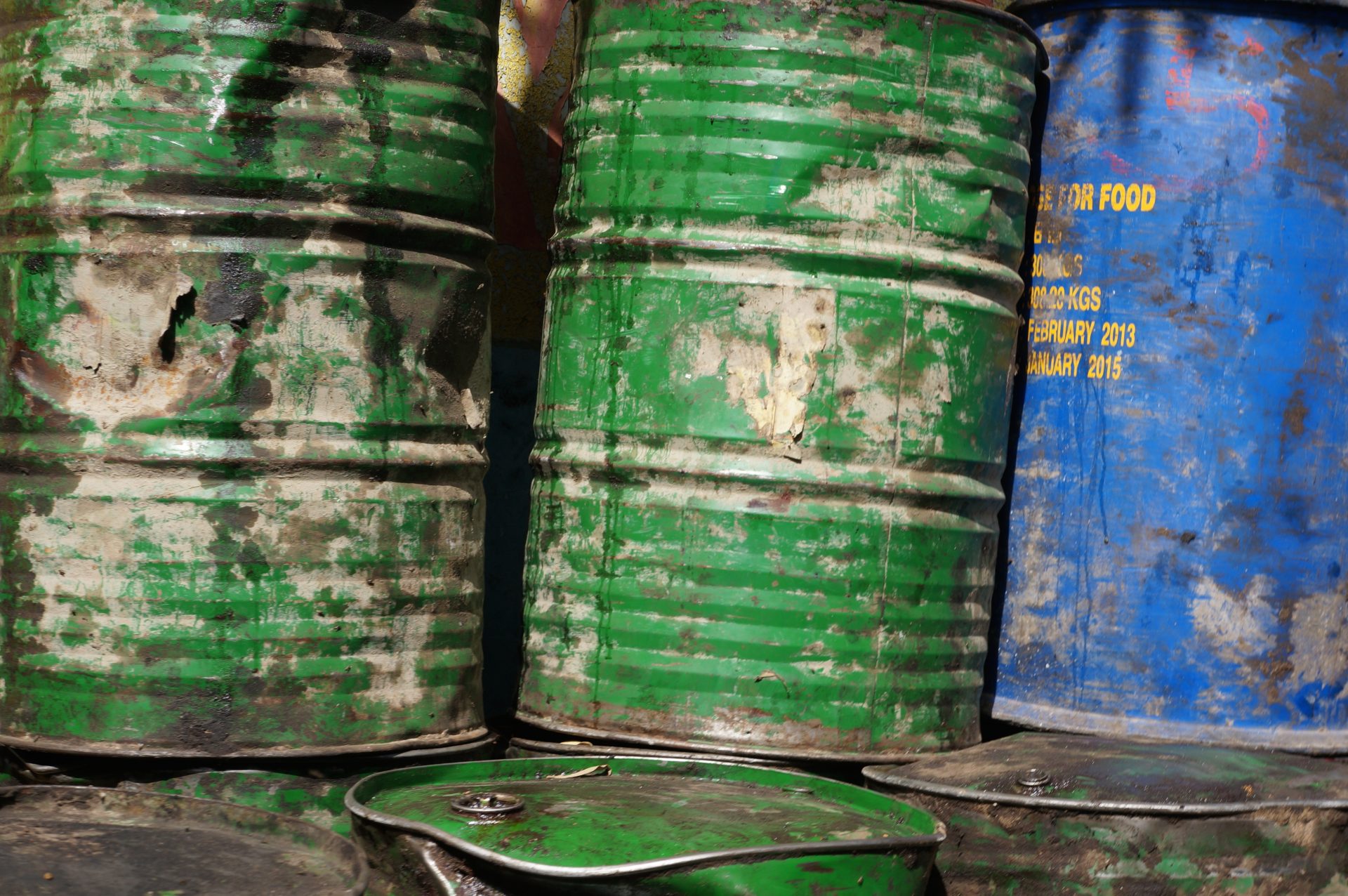
From soda pop spilled on the breakroom floor at a local factory, to a chemical spill from that same factory that pollutes the river and contaminates your community’s water supply—workplace spills can range from minor inconveniences to major catastrophes.
Bullying is defined as repeated aggressive behavior against another person in an effort to hurt that person, either emotionally or physically. And it happens more often than you’d think. In fact, an estimated 35 to 37 percent of North American workers report being bullied on the job by a co-worker or person in a position of authority.
If you work with chemicals, make sure you are familiar with the first aid required in case of exposure. This information is located on the chemical label and on the Material Safety Data Sheet (MSDS).

They carry you through heat or cold, wet and slippery conditions. Your feet are also at risk from falling construction materials and equipment. No wonder wearing approved steel-toed boots can be required on the job.
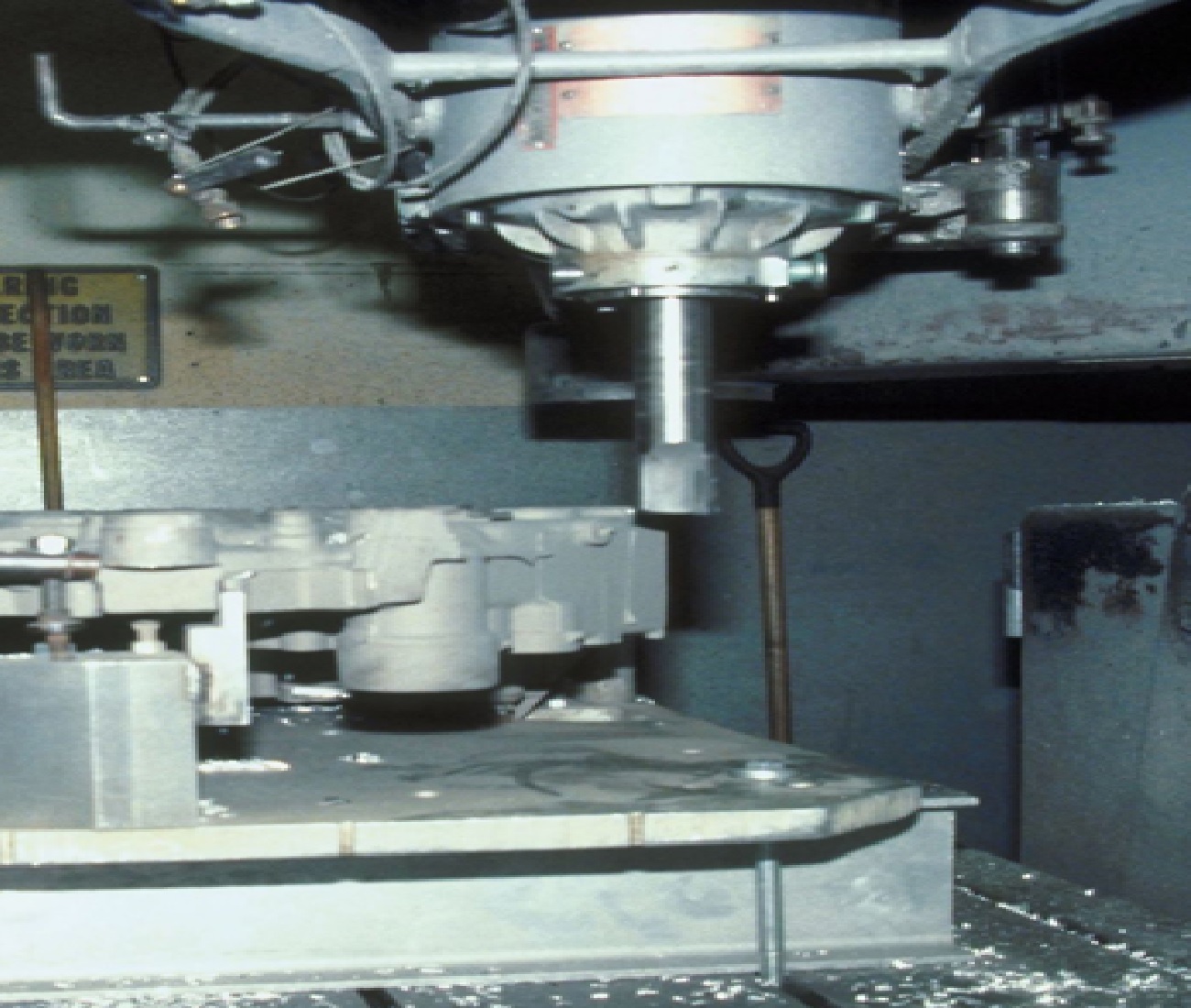
Lockout procedures eliminate the chance a machine could become energized whenever it is being cleaned, repaired, maintained, or unjammed.

Your feet and toes may be at the opposite end from your head, but you still need to use your brain when it comes to which type of shoes you wear in the winter.

An injured worker needs care now — can you administer it? Proper training, supplies and equipment are essential for providing prompt care to injured workers. If you have ever been faced with an injury, no matter how small, you will probably know the value of first aid.

Meanwhile, Bill the operator returned from his break. He did not see John and there was no indication the machine was under repair. Assuming his machine was ready to run, Bill started it. He had

Whether workers climb a ladder or the steps to a large vehicle, failing to heed the three-point rule has resulted in many workplace injuries and deaths.

WHAT'S AT STAKE Workers in almost every work environment are [...]
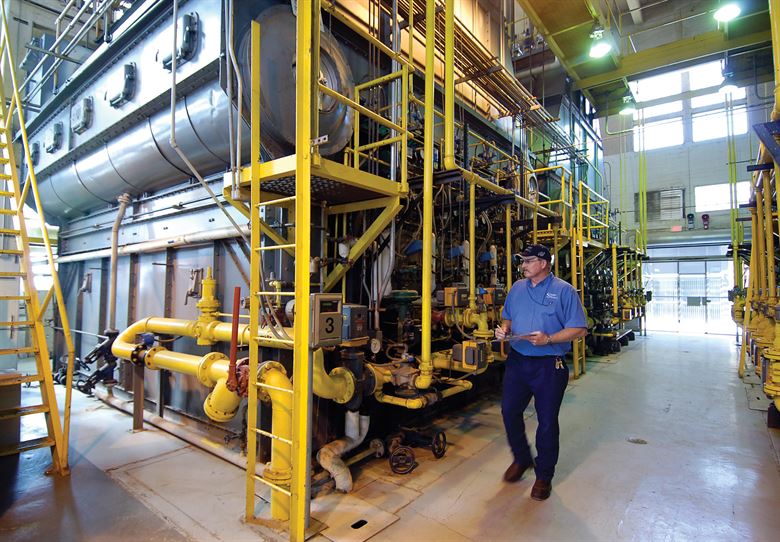
Exposure to unguarded or improperly guarded machines causes over 1000 deaths and 20,000 serious cuts, crushing injuries, scalpings and amputations every year

The space between a loading dock and a truck trailer is one of the most dangerous in any plant. But no matter how fast things move for just-in-time shipping, you should always make time for safety.

This kind of behavior is not tolerated in the workplace. If you ever find yourself a target of harassment, you do not have to put up with it. You have the law on your side
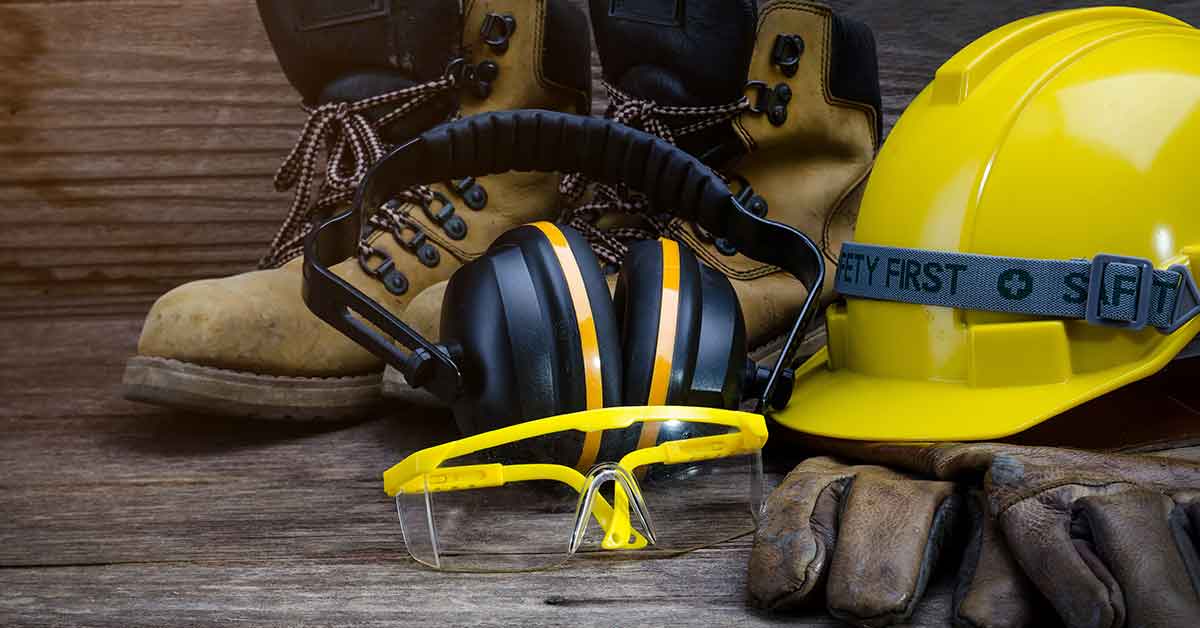
You may spend 15 minutes deciding what you're going to wear for a night on the town. But for a day on the job, safety dictates your wardrobe.

There’s hardly a workplace that doesn’t handle or store materials.

A moment of distraction is all it took for Terrence’s foot to catch at the walkway’s edge, causing him to stumble. He recovered his balance but it was a close thing!
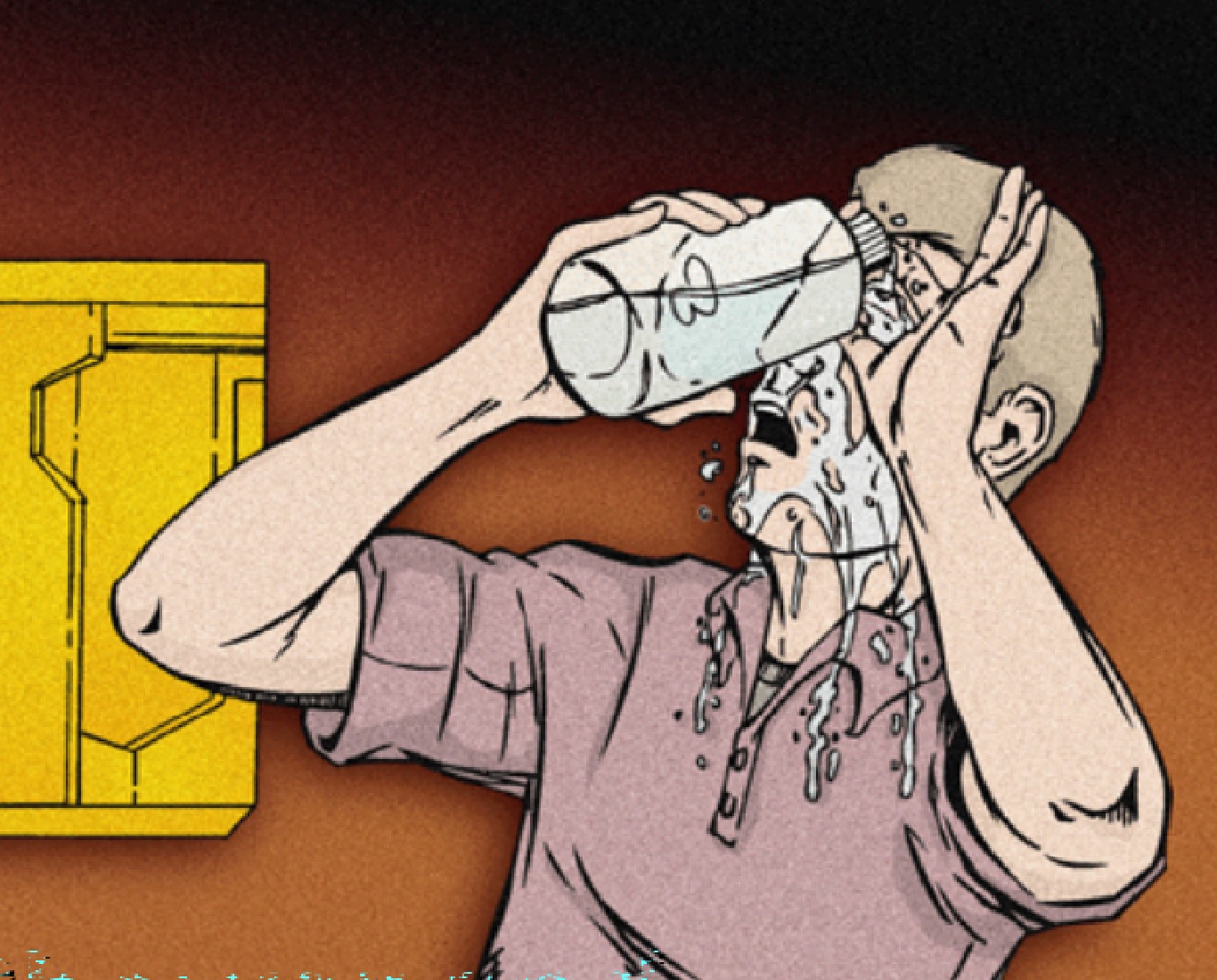
Your workplace is most likely equipped with safety showers and eyewash stations and you may have used them. Not only are they used in emergency situations to wash away harmful chemicals or put out clothing

Maintenance employees are confronted with many hazards that can cause injury or death. One such hazard is exposure to asbestos.
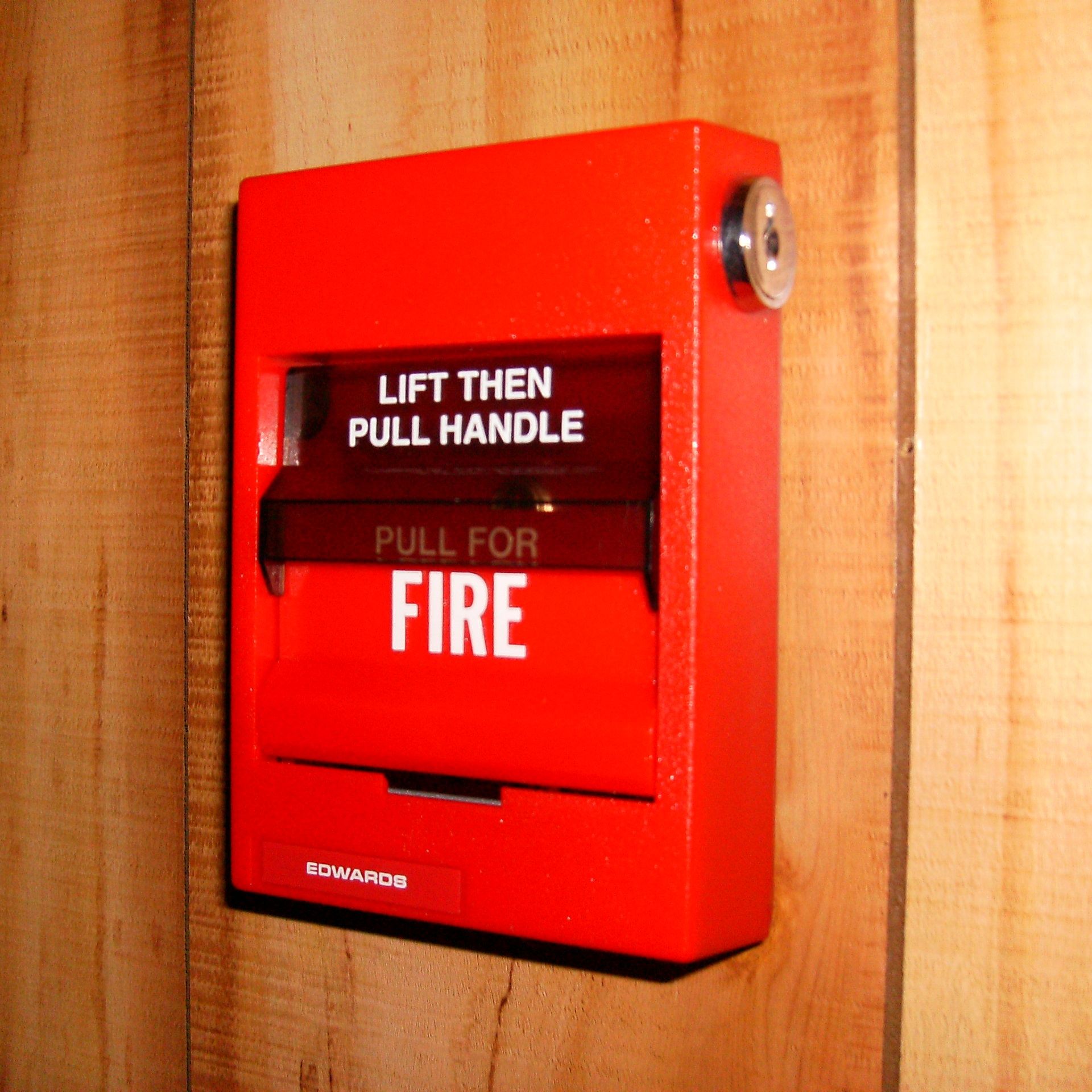
We often hear about people being “in the wrong place at the wrong time.” While this saying often refers to people who have been victims of crime, it certainly applies to workers as well.
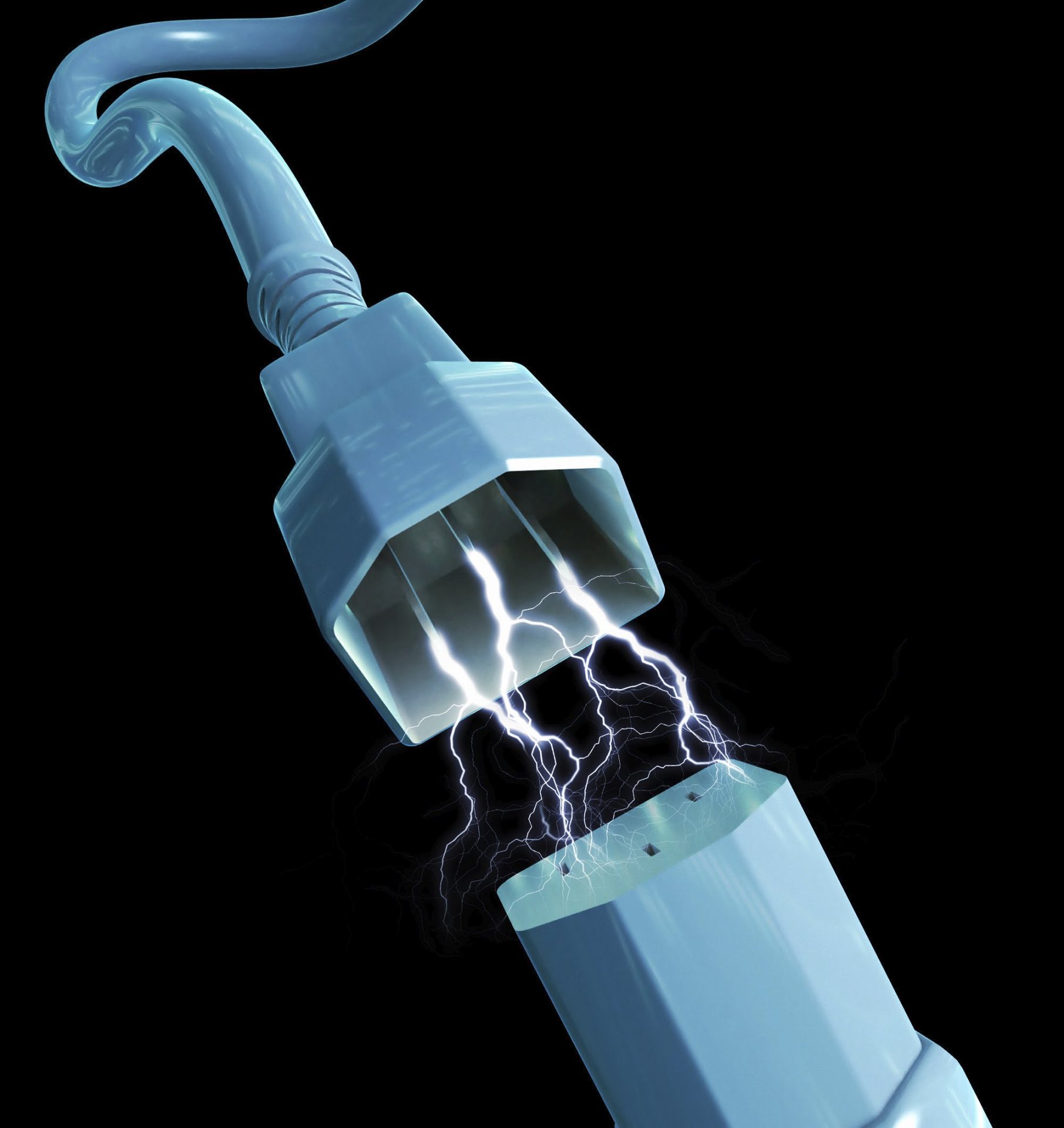
Thousands of non-disabling and disabling injuries occur annually from work with electricity and on average one person dies every day from an electrical incident on the job.
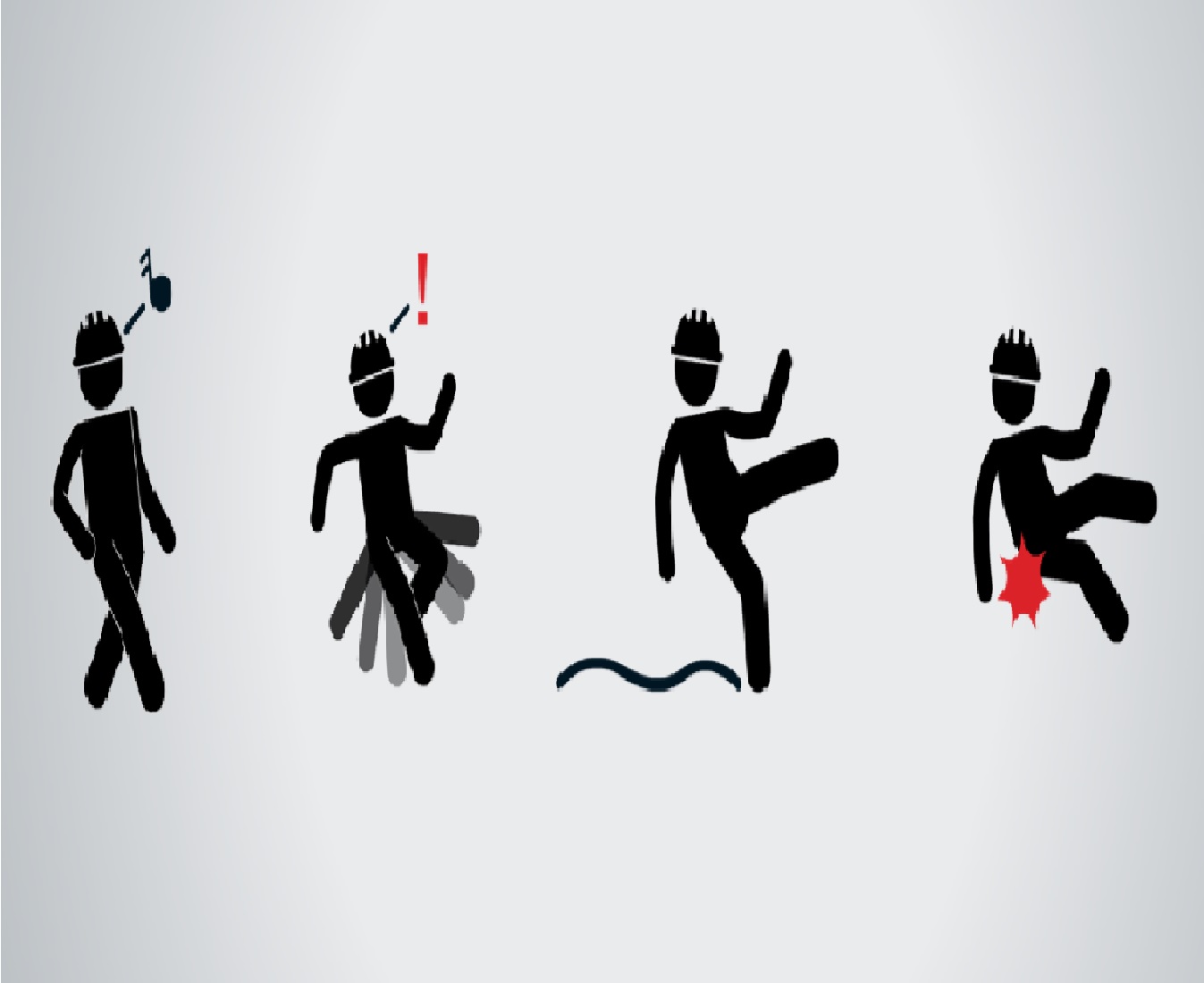
Read this Safety talk and learn how to avoid unsafe conditions which are a leading source of workplace accidents, with over 200,000 reported every year.
Silica causes lungs to scar and develop nodules which block extraction of oxygen from air. Each year more than 250 American workers die from silicosis, the disease caused by inhaling tiny silica particles. Silicosis has
Since it's your first time, you may want to checkout some of the video tutorials.





 800-ICW-SAFETY (800.429.7233)
 SAFETYOnDemand@icwgroup.com