
Steer Clear of Heavy Lifting – Spanish
¿QUE ESTÁ EN RIESGO? Busque formas de evitar el levantamiento. [...]
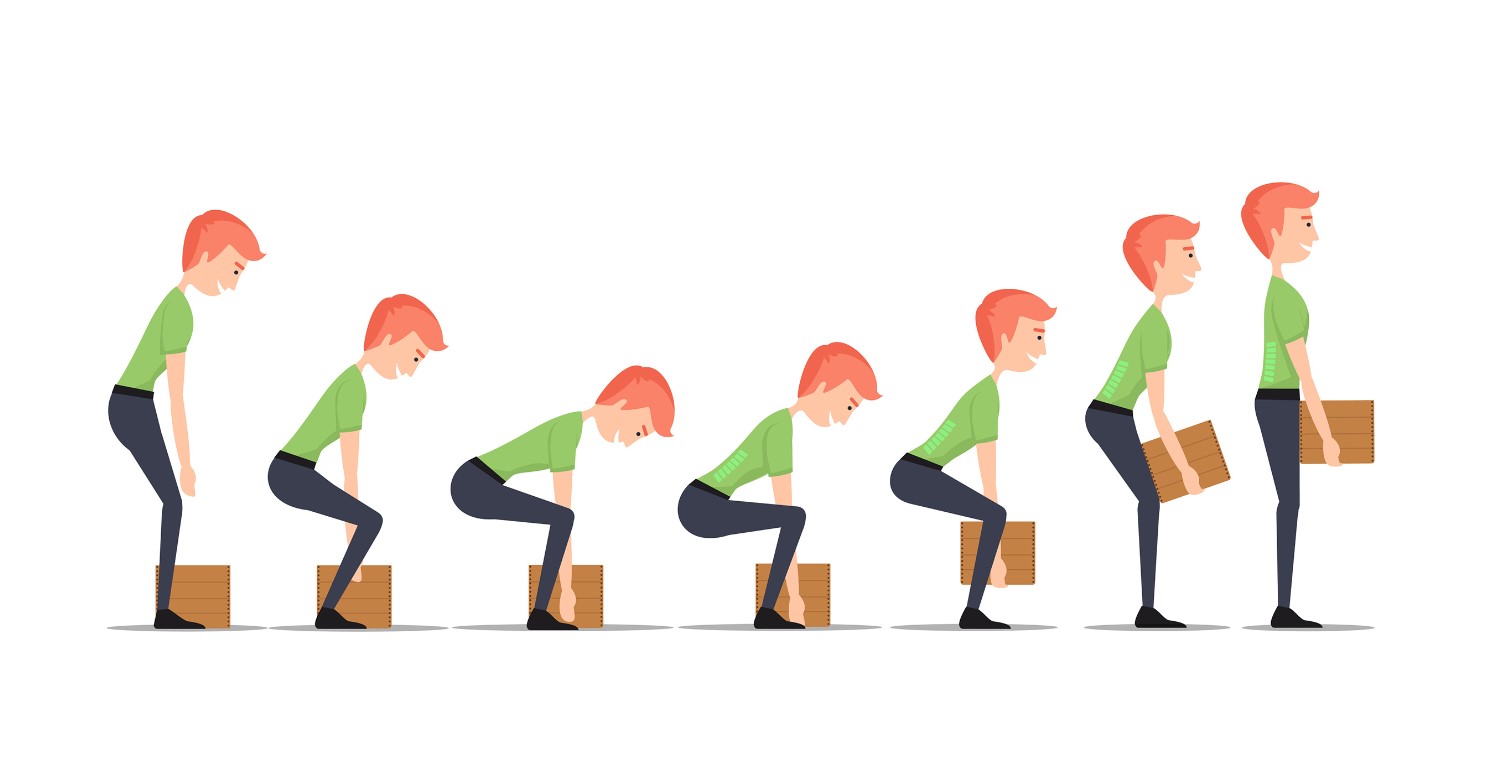
¿QUE ESTÁ EN RIESGO? Busque formas de evitar el levantamiento. [...]

¿QUE ESTÁ EN RIESGO? El trabajo de manejo de materiales [...]

¿QUE ESTÁ EN RIESGO? Atrapado y aplastado entre los peligros [...]
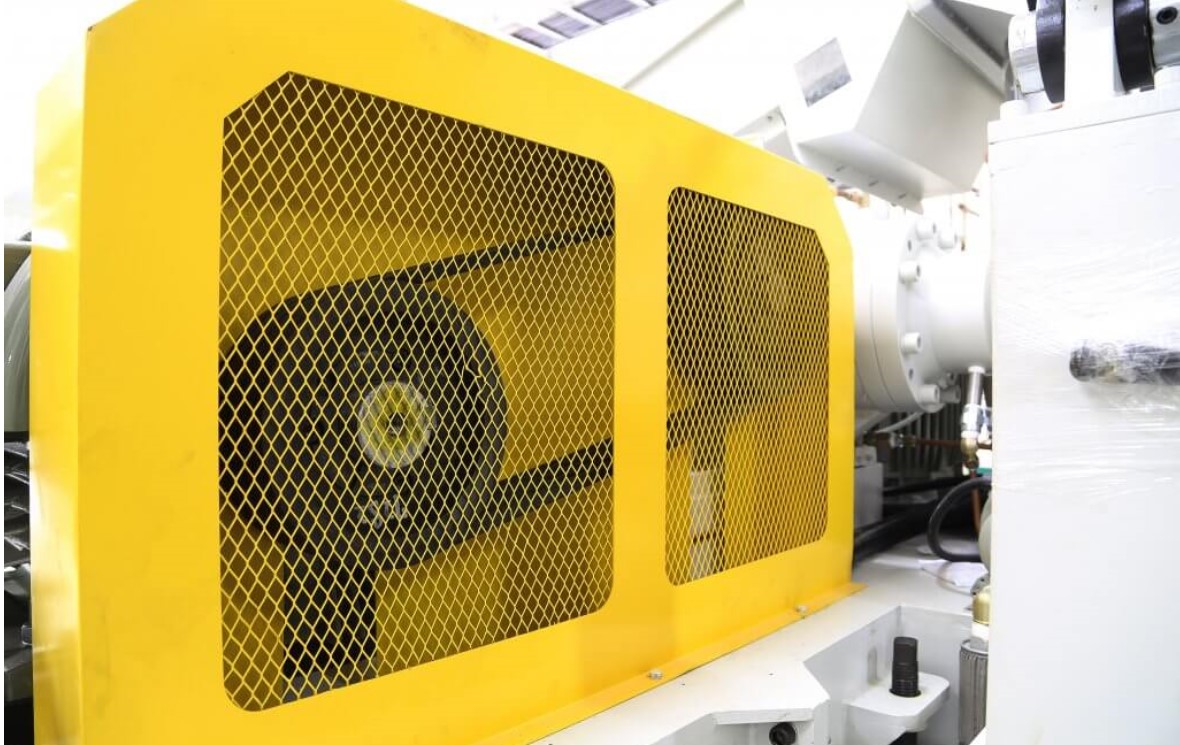
¿QUE ESTÁ EN RIESGO? La exposición a máquinas desprotegidas o [...]
Energy control procedures (ECP) are required for any operations where unexpected energization, start up or release of stored energy could harm workers during the servicing or maintenance of machines and equipment.

You must annually review your lockout/tagout program and make updates and changes as needed. Copy or customize this checklist from the University of Washington to meet the needs of your LOTO program Annual Inspection and Training Assessment.
During the servicing and maintenance of machines and equipment, the unexpected startup or release of stored energy can result in serious injury or death. Injuries may include electrocution, burns, crushing, cutting, lacerating, amputating, or fracturing body parts. It’s estimated more than 120 deaths and over 50,000 injuries are prevented each year due to following proper lockout/tagout procedures.

Lack of LOTO procedures leads to worker’s death. A 46-year-old male employee was fatally injured when he was crushed by the upper ram of a rubber mixer.

Companies have a duty to protect workers both while using equipment and machinery for their intended purpose and when repairing and maintaining that equipment. The primary way of fulfilling that duty is through what’s called “lockout,” which is when a equipment has been turned off and rendered inoperable with the use of a lock.

Unintentional falls are the most common form of injury across the country: every day last year, falls resulted in almost 1,800 reported emergency department visits and 417 hospital admissions, says a new report by the Canadian Institute for Health Information (CIHI). In the U.S. in 2017, fatal falls were at their highest level in the 26-year history of the Census of Fatal Occupational Injuries (CFOI) accounting for 887 (17 percent) worker deaths.

You must annually review your lockout/tagout program and make updates and changes as needed. Copy or customize this checklist from the University of Washington to meet the needs of your LOTO program Annual Inspection and Training Assessment.

According to a recent study, when asked what happens to harassers, 70% of respondents stated they believed harassers face no consequences. Imagine what this belief does to the willingness and probability of a victim reporting an incident of harassment. It doesn’t matter if 100% of harassers did face consequences, perception is often seen as reality and in this case, the reality that’s being seen is likely one of the reasons harassment often goes unreported and unchecked.What do you think the perception is at your organization? What’s the reality? Have you asked?

Sexual harassment, and any kind of harassment in the workplace, can have devastating and profound emotional, physical, and financial effects on the victim and the workplace as a whole.

More than half of adult women have experienced "unwanted sexual pressure" and more than one in 10 — both men and women — say sexual harassment of women in their workplace is "really quite common," according to a recent study.From a moral and legal standpoint, it is simply unacceptable to ignore the issue of sexual harassment in the workplace. Employers, supervisors, and employees all have responsibilities they must know, understand, and follow.

It is not uncommon to hear employees say things like this, “We can’t even give someone a compliment around here without being accused of sexual harassment.” Or, “I was just joking, she’s way too sensitive. There’s no way that was harassment.” No doubt you have several other phrases you could add to the list.But it’s not that hard to understand what is and what is not considered sexual harassment when you look at in terms of a behavior being unwelcome and unwanted.

Can you find all the words associated with health & safety management?

Do you know how many workplace eye injuries could be prevented if eye protection had been worn? Read on to find out.

The use of proper eye and face protection, such as safety glasses, goggles, face shields and helmets can prevent countless eye injuries. This Workplan focuses on implementing an Eye and Face PPE program but can easily be modified to include all PPE.
Types of Safety Lenses

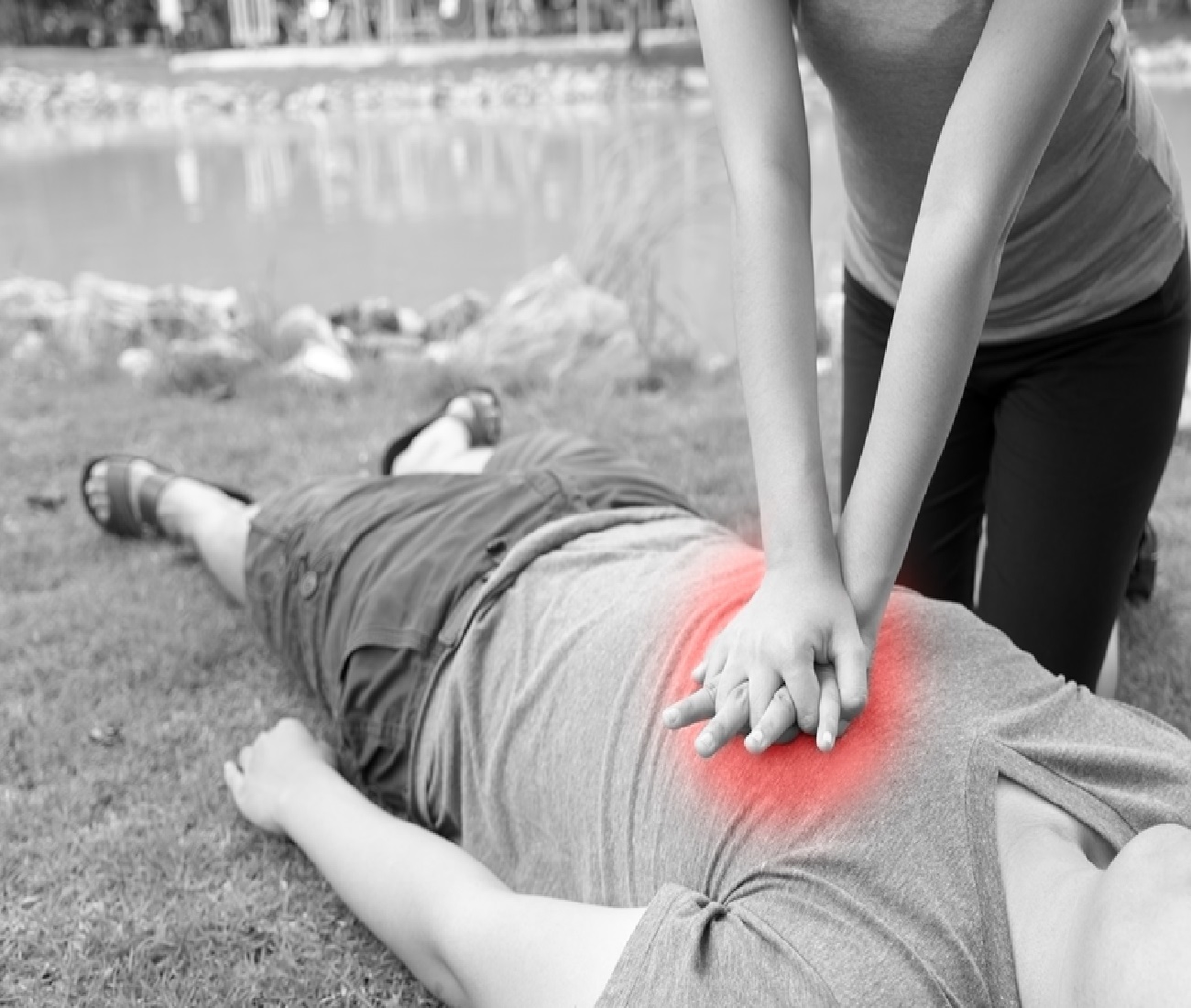
Safety Talk What’s at Stake? If a person suffers from [...]

Don’t take chances when it comes to icy surfaces. Ice on walking and working surfaces can cause serious slip, trip, and fall hazards which can lead to disabling injuries, major concussions, and loss of life. Avoid these icy hazards by ensuring procedures are in place and enforced for the safe removal of ice on these seven surfaces.
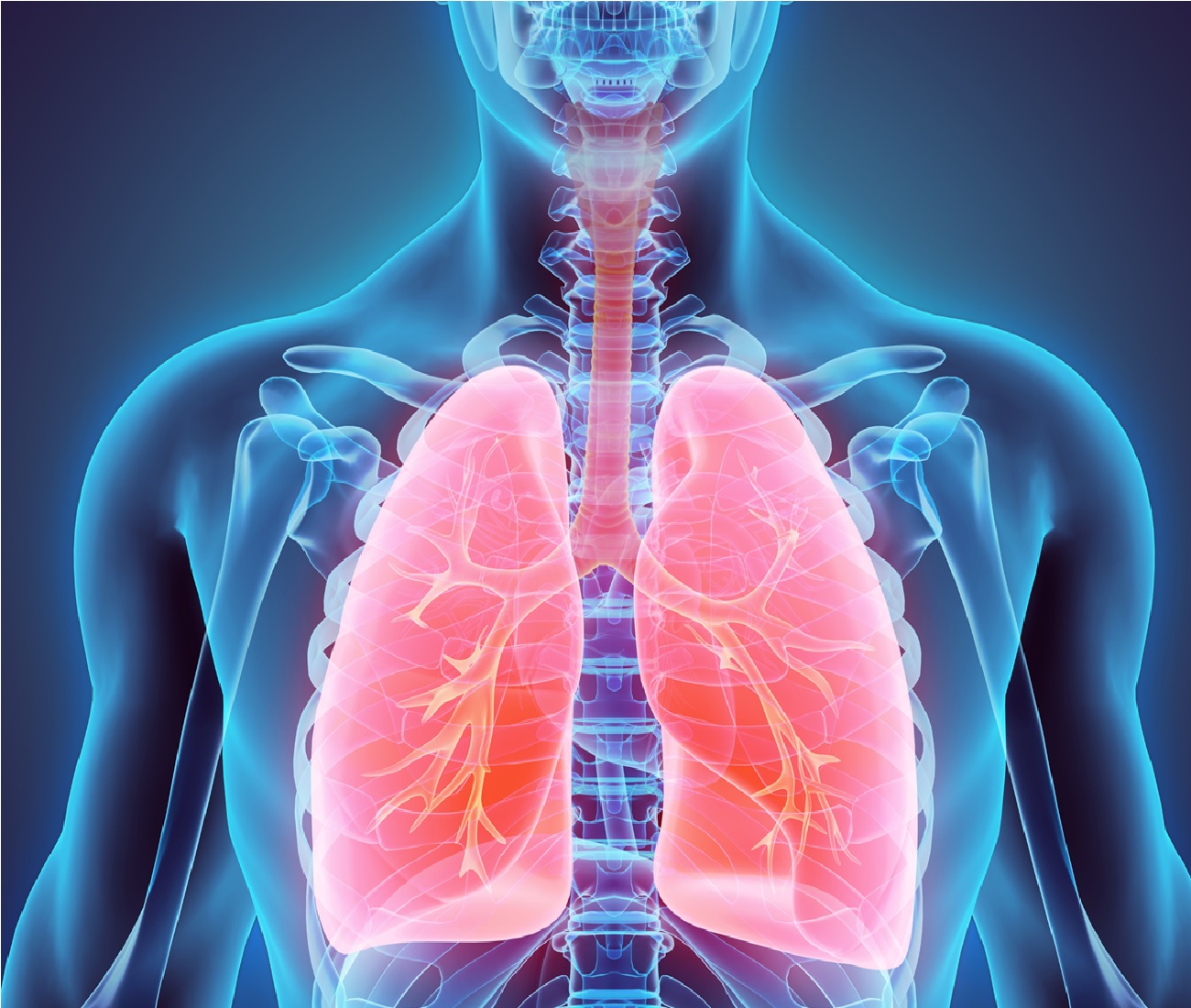
A carcinogen is any substance that can cause cancer. They are chronic toxins that cause damage after repeated or long-term exposure. For some people, the workplace can be a source of exposure to some carcinogens, such as asbestos, benzene, or formaldehyde.
A first aid program is required for most employers in the U.S. and Canada. The program should be based on the hazards, risks, and proximity to medical services of an individual site, however there are several elements that every program should include.
Since it's your first time, you may want to checkout some of the video tutorials.



 800-ICW-SAFETY (800.429.7233)
 SAFETYOnDemand@icwgroup.com