Hello, Guest!

Hello, Guest!

Focus On: First Aid Training

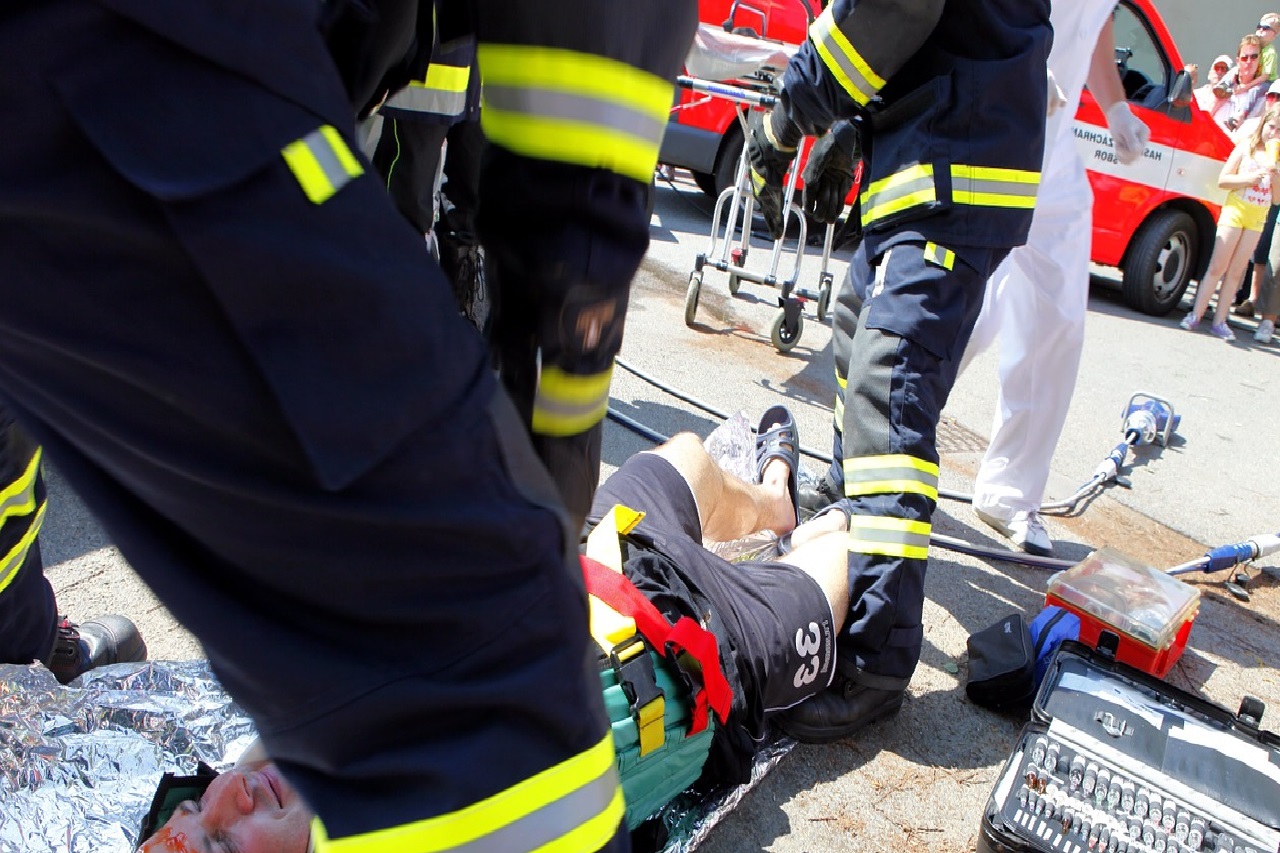
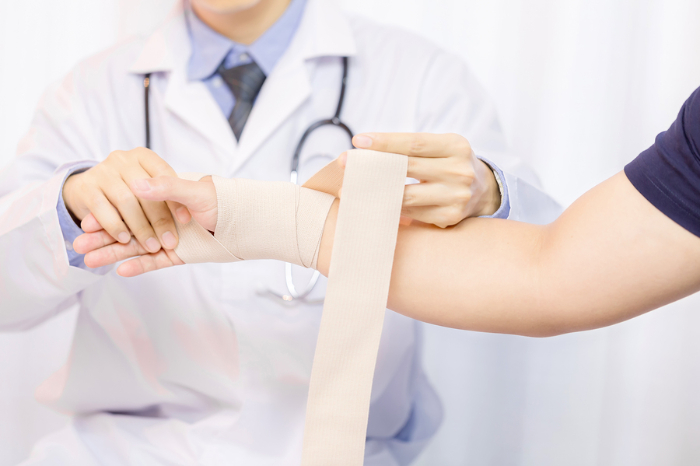
Training your first aid attendants and first responders is a required part of every first aid program. But do you know what exactly should be covered or what training methods to use? Hazards are present at all worksites, from offices to mines. So too are the chances of injuries and illnesses. Sudden cardiac arrest, severe bleeding, shock, a near-drowning, or lack of oxygen during confined space work are all life-threatening emergencies. Without prompt and properly performed first aid a victim of any of these situations will very likely die or be permanently disabled while waiting for emergency services to arrive and begin care.

Focus On: First Aid Training2019-01-31T00:00:00+00:00

Checklist: Focus Five – First Aid Program Checklist

 The time to unearth potential problems in your current workplace first aid arrangements is right now—before a medical emergency does it for you. Although first aid requirements can vary - there are FIVE sets of documents to focus on when conducting an audit of your first aid program.

Checklist: Focus Five – First Aid Program Checklist2019-01-31T00:00:00+00:00

By the Numbers: First Aid Matter – When Minutes Matter

A human heart can cease beating within 4 minutes after breathing stops. Permanent brain damage can occur within 4 to 6 minutes after breathing stops. Average ambulance response time is 8 to 12 minutes.

By the Numbers: First Aid Matter – When Minutes Matter2019-01-31T00:00:00+00:00

Focus On: 8 Crucial Skills Supervisors Need to Have

Here are 8 crucial skills supervisors need to have.

Focus On: 8 Crucial Skills Supervisors Need to Have2019-01-29T00:00:00+00:00

Quick Course – Fatigue at Work Can Kill You

Course Description You’re an accident waiting to happen if you [...]

Quick Course – Fatigue at Work Can Kill You2019-01-24T00:00:00+00:00

Disciplining Employees for Safety Obligations: What Is Permitted?

February 27th, 2019 | Summary coming soon.

Disciplining Employees for Safety Obligations: What Is Permitted?2019-01-03T00:00:00+00:00

Nine Ways to Control Stress

Stress – everyone has it. It is a natural part of life, but too much stress can cause health problems and can affect your ability to work safely. It’s becoming increasingly difficult to disconnect and unwind in our 24/7/365 world of news, noise, and responsibilities.

Nine Ways to Control Stress2018-12-31T00:00:00+00:00

Handling Work Refusals and Avoiding Reprisal Complaints

March 27th, 2019 | One of the most powerful protections for employees under the Occupational Health and Safety Act is the right to refuse unsafe work. While the right to refuse unsafe work has proven to be an essential element of safeguarding workplace safety, it has also been improperly used as a tool for other, non-safety related ends by employees and organized labour. Employers must navigate these treacherous waters, ensuring that legitimate work refusals are dealt with appropriately, while preventing abuse of this significant power.

Handling Work Refusals and Avoiding Reprisal Complaints2018-12-17T00:00:00+00:00

Noise Levels: Pick Six

Hearing damage, and the symptoms can take time to develop. You are likely to be exposed to different types and levels of noise during you work day.

Noise Levels: Pick Six2018-12-11T00:00:00+00:00

Workplan: Manual Materials Handling

Lifting, pushing, pulling and carrying heavy objects remains a fundamental job task in just about all industries and work settings. Performing these tasks – typically referred to as “manual materials handling” – puts workers at risk of musculoskeletal disorders (aka, “MSDs”), or serious and painful injuries to the back, limbs, joints and muscles. This Workplan outlines four steps you can implement over a 30-day period to prevent MSDs along with the insurance, citations, productivity, and other liabilities that can result.

Workplan: Manual Materials Handling2018-11-01T00:00:00+00:00

Put a Safe Foot Forward

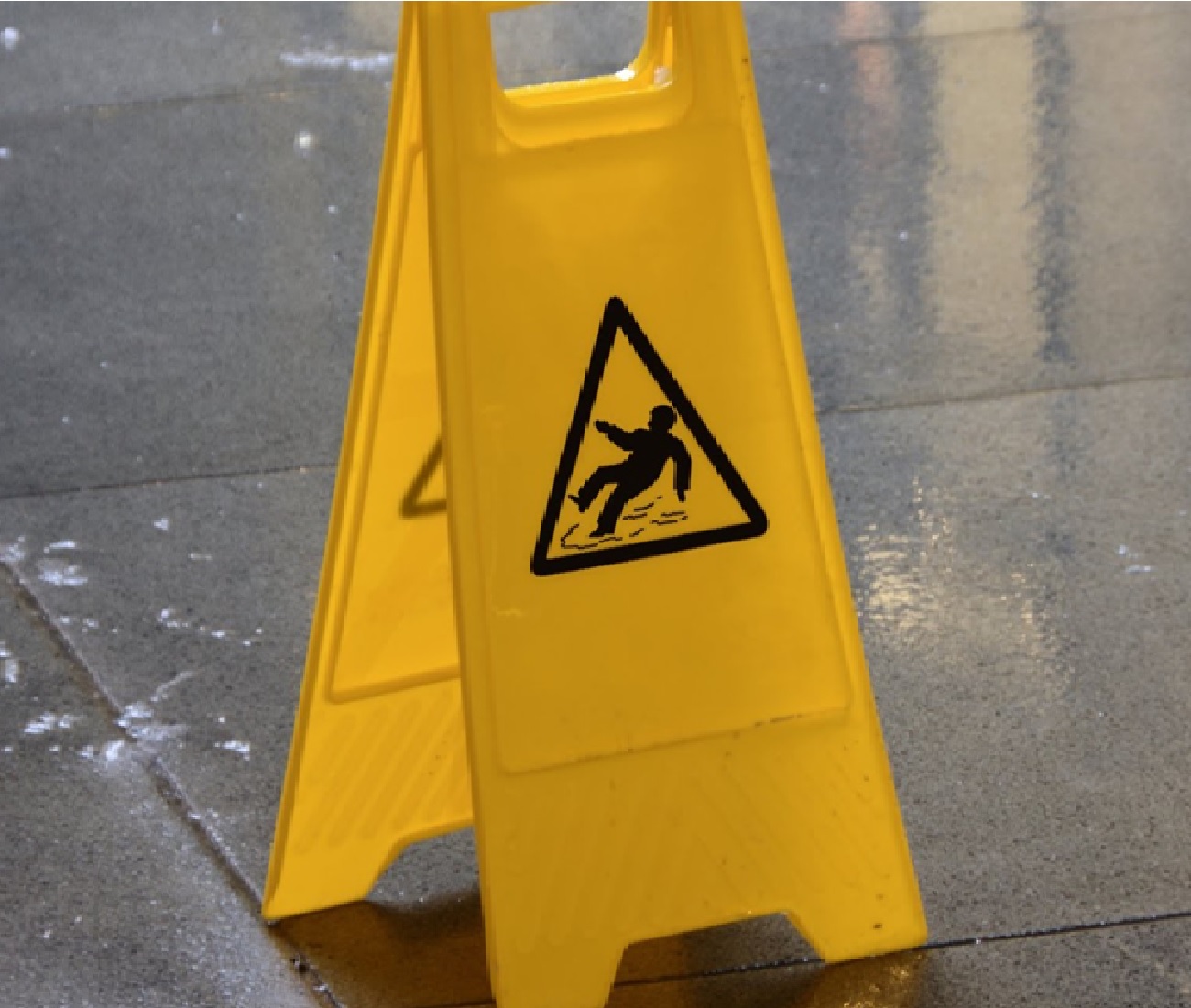
Slips, trips and falls are among the leading causes of workplace injuries. They occur when housekeeping procedures aren’t followed and enforced, when you rush or fail to pay attention to what you’re doing and where you’re walking, when you don’t wear the right kind of footwear, and when stairways, parking lots, and other walking and working surfaces aren’t well-maintained.

Put a Safe Foot Forward2018-11-01T00:00:00+00:00

Safely Handling Materials

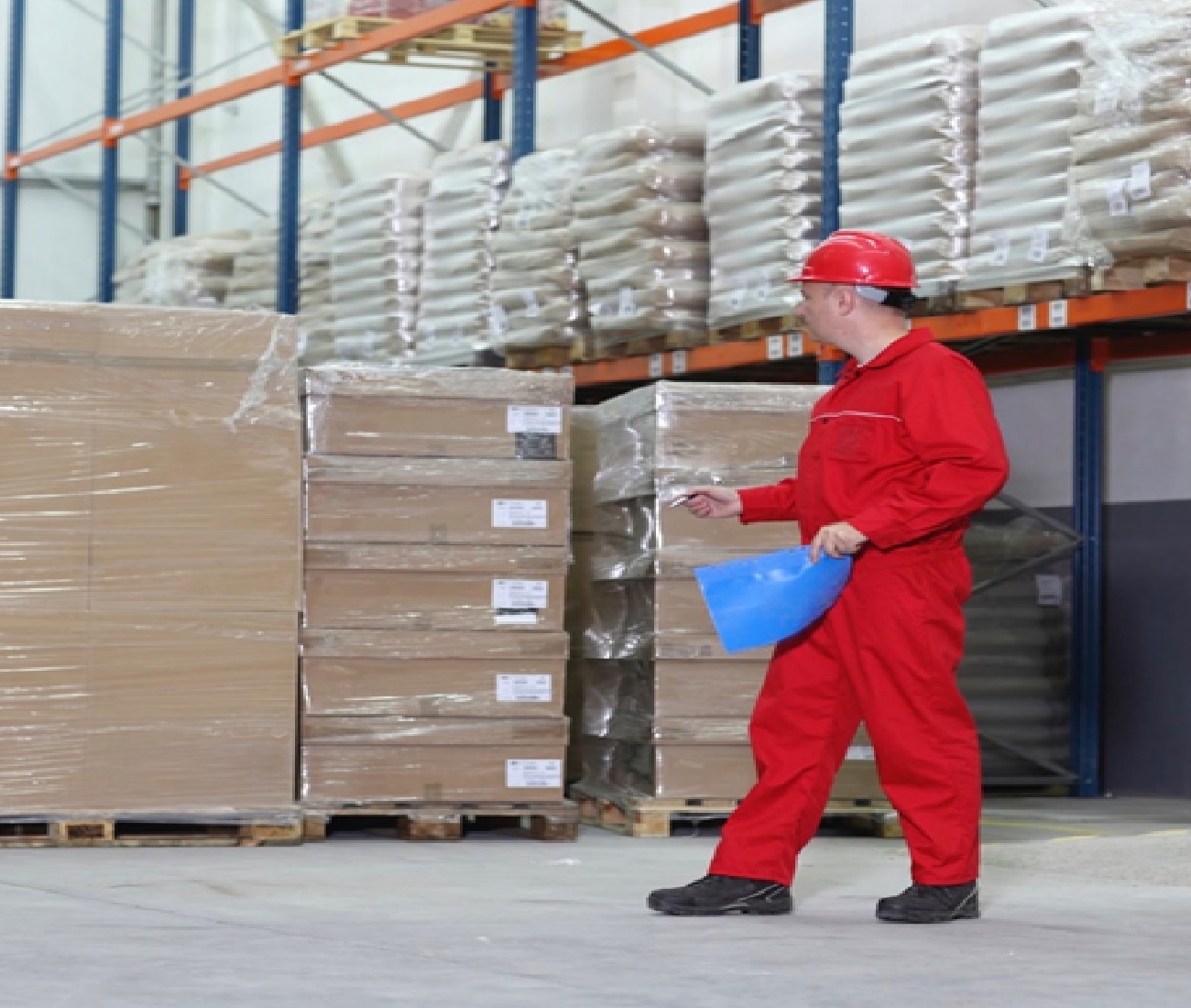
Materials handling work is part of many jobs. Think about the different things you lift, move, and store as part of your job – frequently or infrequently.

Safely Handling Materials2018-10-31T00:00:00+00:00

The Basics of Electricity

Electricity is the movement of electrons between atoms. In their normal state, electrons in a conductor such as copper, freely and randomly move from atom to atom.

The Basics of Electricity2018-10-25T00:00:00+00:00

Caught and Crushed by Pinch Points

Caught and between. These two mild words describe a type of injury which is anything but mild. Instead, they refer to being caught between two moving objects or a moving object and a stationary object. The result is compression and crushing injuries which can be fatal. The places where these incidents occur are called "pinch points."

Caught and Crushed by Pinch Points2018-10-18T00:00:00+00:00

Falls Through Floor and Wall opening

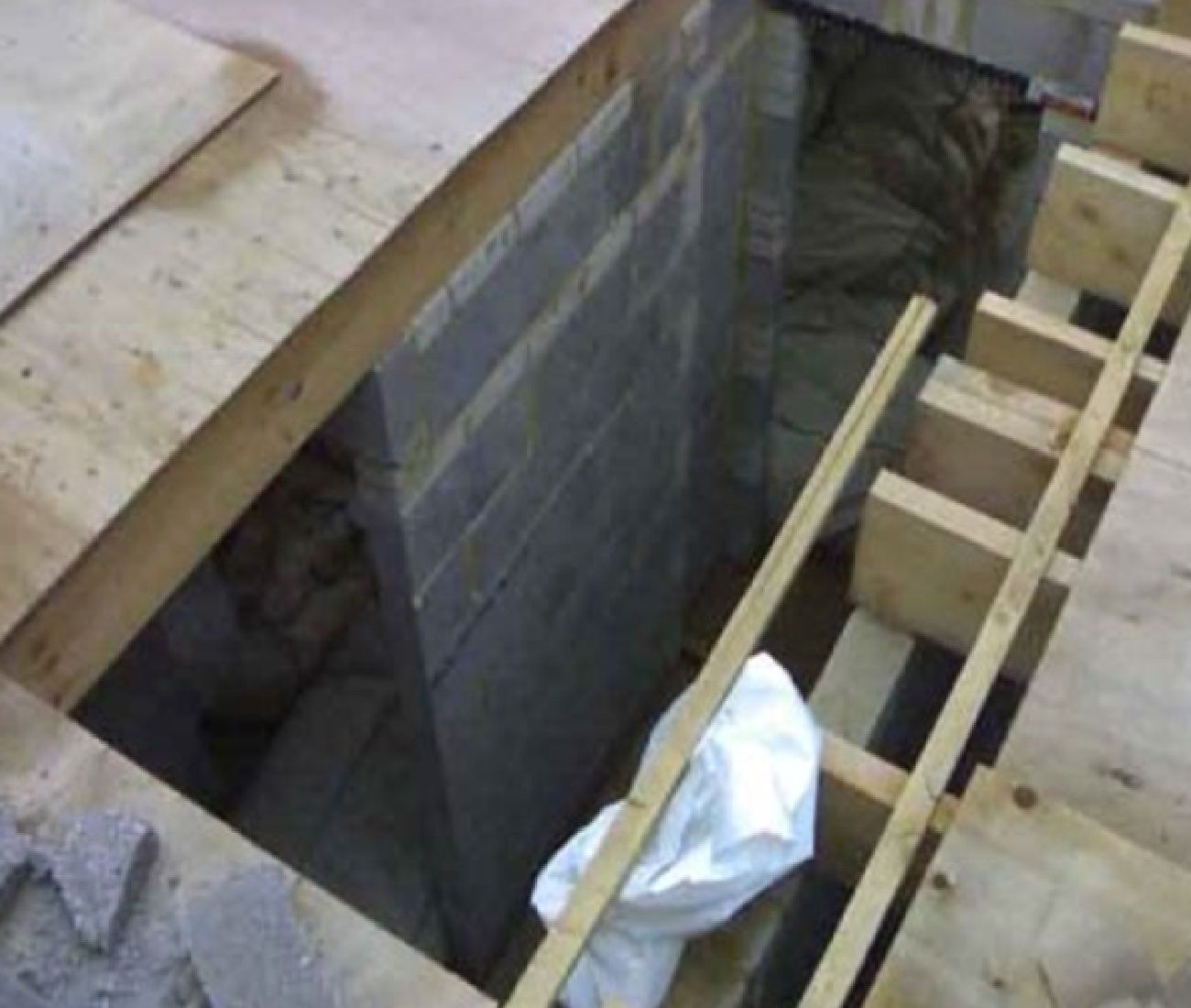
It takes a split-second of inattention, a slight change in working conditions, a forgetful co-worker, or a lax safety program for you to fall through an opening.

Falls Through Floor and Wall opening2018-10-15T00:00:00+00:00

Respiratory Protection: The Facts – Spanish

Sometimes it is difficult to respect a hazard you can???t see or one that may take years to affect you. Respirators can provide protection, but only if they are worn and used properly. Respiratory Protection creates an awareness and respect for the hazards by demonstrating with highly effective graphics how the respiratory system works and the effects of different airborne hazards. The program covers proper use, care and maintenance of air-purifying respirators and the importance of proper selection and fit. Respiratory Protection will educate and motivate your worker on when and how to properly use their air-purifying respirator.

Respiratory Protection: The Facts – Spanish2018-10-01T00:00:00+00:00

Lockout/Tagout – Spanish

It is estimated that over 100 workers are seriously injured every day due to failure to properly lockout-tagout equipment. This program covers the purpose of lockout-tagout, the hazards associated with the accidental release of stored energy, proper lockout-tagout procedures for attaining zero energy state, proper startup procedures and special situations. Referred by many professionals as the best training program in the market, Lockout-Tagout creates an awareness and respect for the hazards and motivates your workers to follow best practices to prevent incidents and ensure their safety.

Lockout/Tagout – Spanish2018-10-01T00:00:00+00:00

Lockout/Tagout Procedures

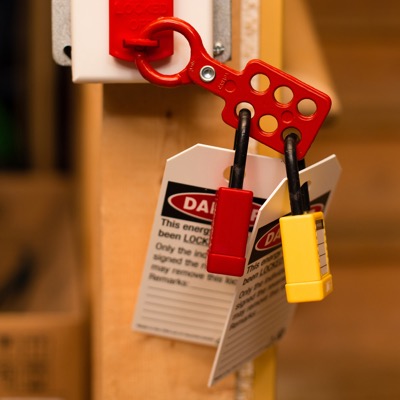
It is estimated that over 100 workers are seriously injured every day due to failure to properly lockout-tagout equipment. This program covers the purpose of lockout-tagout, the hazards associated with the accidental release of stored energy, proper lockout-tagout procedures for attaining zero energy state, proper startup procedures and special situations. Referred by many professionals as the best training program in the market, Lockout-Tagout creates an awareness and respect for the hazards and motivates your workers to follow best practices to prevent incidents and ensure their safety.

Lockout/Tagout Procedures2018-10-01T00:00:00+00:00

Hazard Communications – (17 min)

In today's litigious society, we begin to take cautions, warnings and disclaimers from manufacturers' with a touch of skepticism or disregard. When it comes to hazardous chemicals in the work place, words, colors and symbols mean something. Not only is it your workers' right, it is their responsibility to know what they mean. This program will teach your employees to recognize and understand the different means of communication used to identify hazardous chemicals including the United Nation's new Globally Harmonized System. The training program will educate your workers on the physical characteristics and chemical properties communicated in the material safety data sheets and on the container labels enabling them to make proper decisions concerning the safe use handling and storage of the substances. The program covers the purpose and role of hazard communication, the different classification of chemicals and their hazards, the primary forms of communication, and best practices and procedures to ensure their safety and health. Chemicals are an intricate and valuable part of our life. When respected and handled properly, they pose minimum risk our safety and health. Knowledge is a valuable safety tool. Not only is it your workers' right to know, it is their responsibility to use it to protect their safety and that of their co-workers.

Hazard Communications – (17 min)2018-10-01T00:00:00+00:00

Hazard Communications – (17 min) Spanish

In today's litigious society, we begin to take cautions, warnings and disclaimers from manufacturers' with a touch of skepticism or disregard. When it comes to hazardous chemicals in the work place, words, colors and symbols mean something. Not only is it your workers' right, it is their responsibility to know what they mean. This program will teach your employees to recognize and understand the different means of communication used to identify hazardous chemicals including the United Nation's new Globally Harmonized System. The training program will educate your workers on the physical characteristics and chemical properties communicated in the material safety data sheets and on the container labels enabling them to make proper decisions concerning the safe use handling and storage of the substances. The program covers the purpose and role of hazard communication, the different classification of chemicals and their hazards, the primary forms of communication, and best practices and procedures to ensure their safety and health. Chemicals are an intricate and valuable part of our life. When respected and handled properly, they pose minimum risk our safety and health. Knowledge is a valuable safety tool. Not only is it your workers' right to know, it is their responsibility to use it to protect their safety and that of their co-workers.

Hazard Communications – (17 min) Spanish2018-10-01T00:00:00+00:00

Securing Loads Safely – Spanish

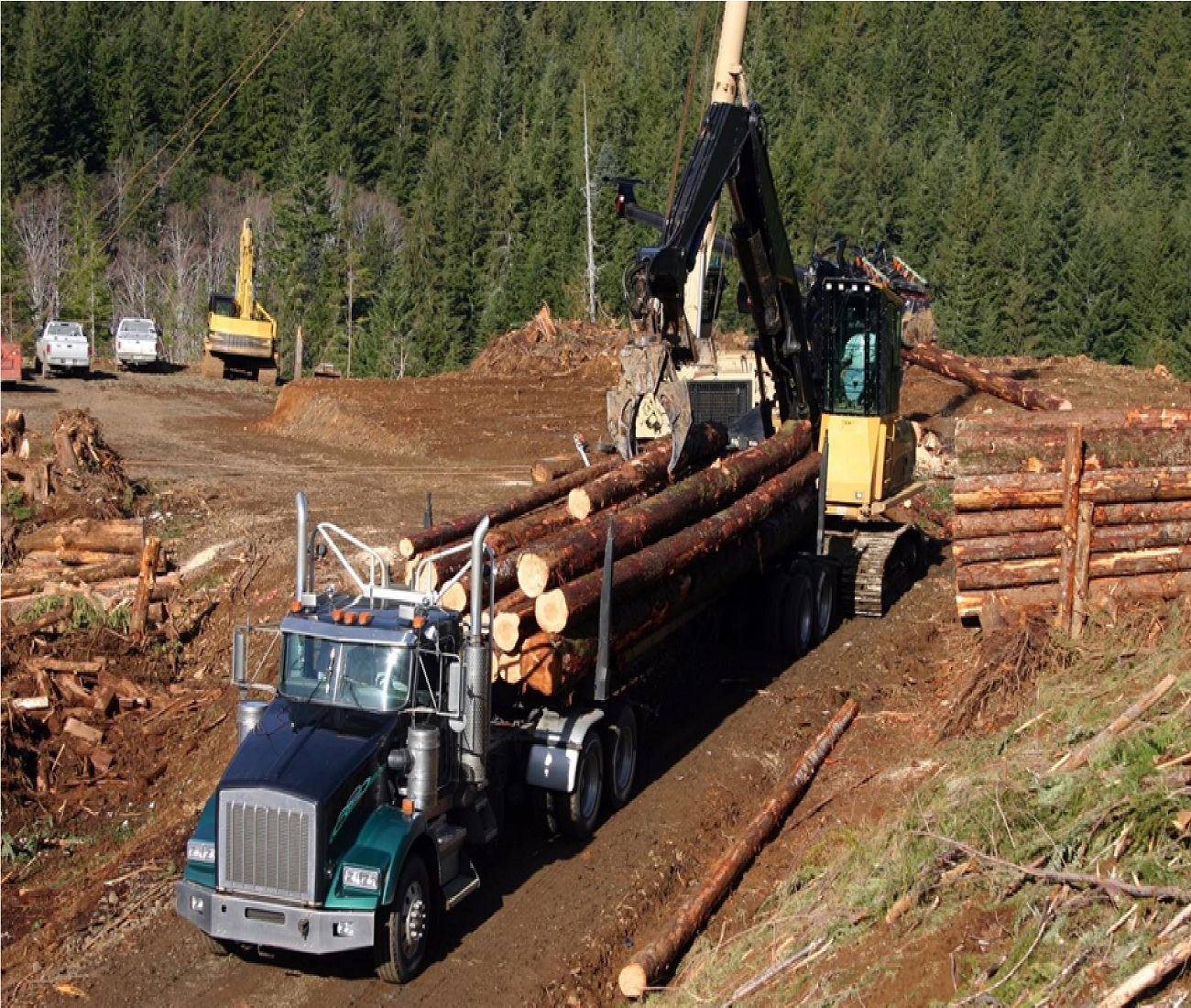
This program helps employees comply with DOT regulations relating to securing loads on tractor trailers. Topics include: different types of trucks and associated loading requirements, load securement procedures, number of straps needed for different loads, working load limits and other related safety information. Great training to ensure you and your vehicles are not cited or placed out of service due to non-compliance issues.

Securing Loads Safely – Spanish2018-10-01T00:00:00+00:00

Fundamentals of First Aid – Fractures

A fracture is the medical term for a broken bone. The break can be along the length of the bone or across the bone, so it looks as though the bone has snapped. These are generally clean breaks but sometimes the bone can fracture in several places, especially if the fracture is caused by a fall from a great height or from being crushed.

Fundamentals of First Aid – Fractures2018-09-08T00:00:00+00:00

Sexual Harassment: Defining Sexual Harassment in the Workplace

Sexual harassment is defined as any conduct, comment, gesture, or contact of a sexual nature that is likely to cause offence or humiliation to any employee; or that might, on reasonable grounds, be perceived by that employee as placing a condition of a sexual nature on employment or on any opportunity for training or promotion.

Sexual Harassment: Defining Sexual Harassment in the Workplace2018-09-08T00:00:00+00:00

6 Tips for Avoiding Slips, Trips, and Falls in the Workplace

Slips, trips, and falls are consistently rank as one of the top 2 causes of injuries and deaths on the job. Our contributor, Zachary O’Dell from SafetyLine asks, “Have you taken these 6 precautions to avoid injuries in your own workplace?”

6 Tips for Avoiding Slips, Trips, and Falls in the Workplace2025-10-09T20:13:39+00:00

Stopping Slips, Trips, and Falls

Slip, trip, and fall injuries are one of the most common causes of workplace injuries and death. The falls from slips and trips can lead to disabling injuries, traumatic brain injuries, surgeries, and countless hours in rehab. These types of injuries are painful and costly and can put stress on your relationships, lead to depression, anxiety, and in some cases post-traumatic stress disorder, or PSTD.

Stopping Slips, Trips, and Falls2018-09-02T00:00:00+00:00
Go to Top