
Take Care of Your Protective Wear
It?s important to select and wear the correct PPE. It?s equally important that you inspect and care for the equipment properly, so that it will protect you when you need it!
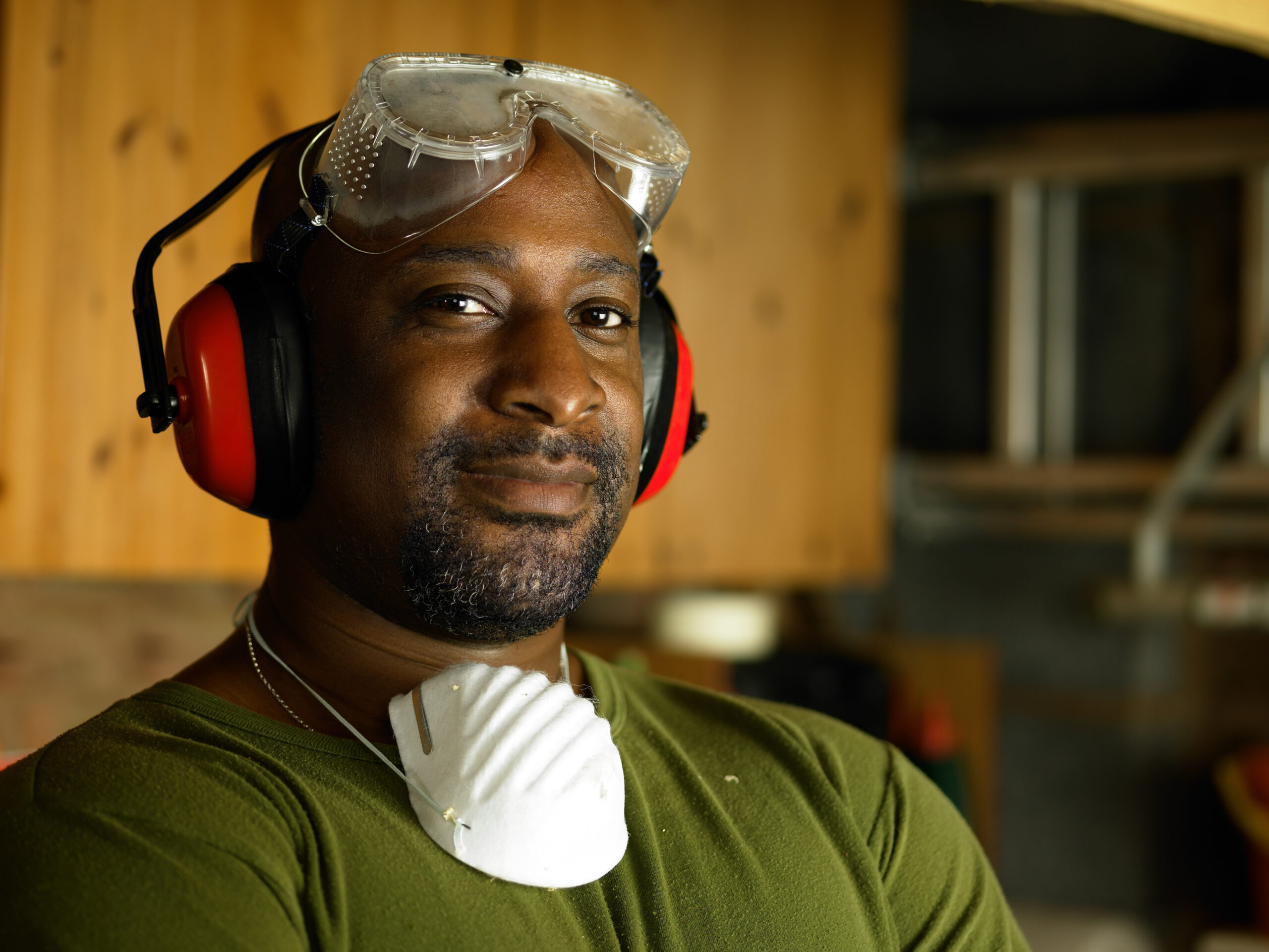
It?s important to select and wear the correct PPE. It?s equally important that you inspect and care for the equipment properly, so that it will protect you when you need it!

Let's look first at the problem of stored materials. Materials are piled in the yard, in the truck or at various places on the jobsite.

Maintenance employees are confronted with many hazards that can cause injury or death. One such hazard is exposure to asbestos.
It's important for you to understand the potential hazards that you may be exposed to while working with hazardous waste.

Is there a manhole to a sewage system near your workplace, or an underground vault for an electrical system? Any boiler, tunnel, well, silo, shaft or poorly ventilated crawl space can be a potentially dangerous confined space.
If you think fatal falls happen only to construction workers swinging off skyscrapers, think again. Because ladder use is so common, many workers take ladder safety for granted, and do not take the appropriate precautions.
A combustible dust is any fine material that can catch fire and explode when mixed with air. The force from combustible dust explosions can cause multiple deaths, horrific injuries, and massive destruction of property.
It?s ironic that tools are vital to maintaining machinery, yet many people drop the ball when it comes to maintaining the hand and power tools that help them perform this maintenance. Hand and power tools are common items in most workplaces. But they?re still capable of causing serious injuries.
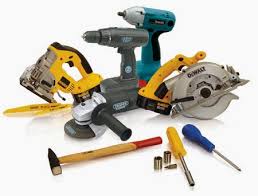
Portable electric-powered tools can be indispensable. They can also be deadly. Each year, thousands of construction workers are injured using these otherwise handy tools.

If you aren't wearing the right protection your hands could be burned, frozen, cut, scraped or burned by chemicals. You could lose fingers, a thumb, or even your life. That's why you wear gloves.

Back injuries are a leading cause of lost time from work. They can occur in any type of job or workplace.

WHAT'S AT STAKE Workers in almost every work environment are [...]

The Globally Harmonized System of Classification and Labeling of Chemicals (GHS) was created by the United Nations to help bring uniformity to hazardous materials labeling around the world.
If you work with any amount of chemicals,? or work in an environment where chemicals are used, handled, stored,? transported or disposed of, you must understand the hazards and how to protect? yourself.
Too much noise can cause permanent hearing loss. It develops gradually and without pain, but noise-induced hearing loss cannot be reversed.

Your workplace probably has countless electrical tools and devices capable of delivering a fatal electrical shock.
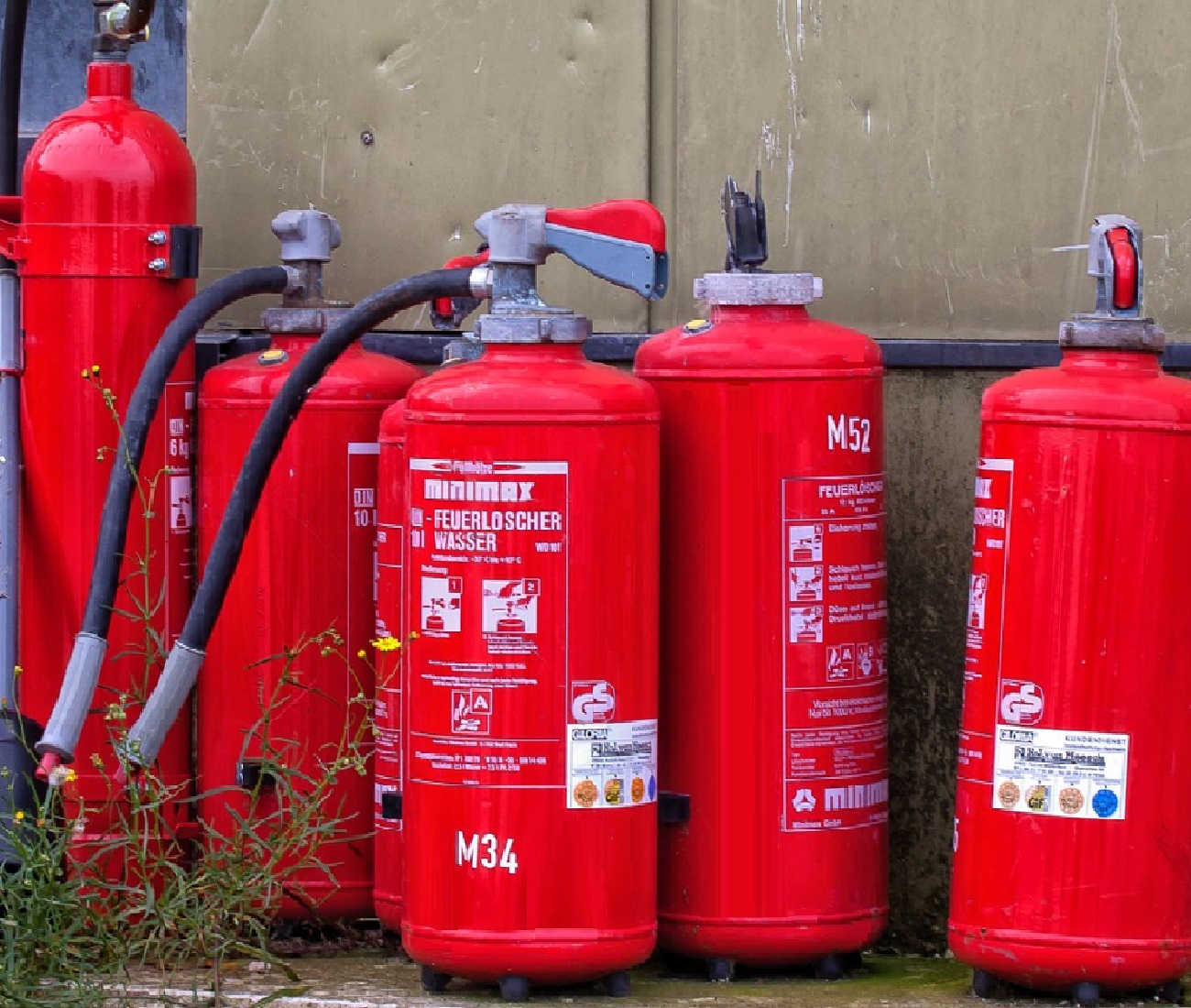
Using a portable fire extinguisher is an important safety skill.
There’s hardly a workplace that doesn’t handle or store materials.
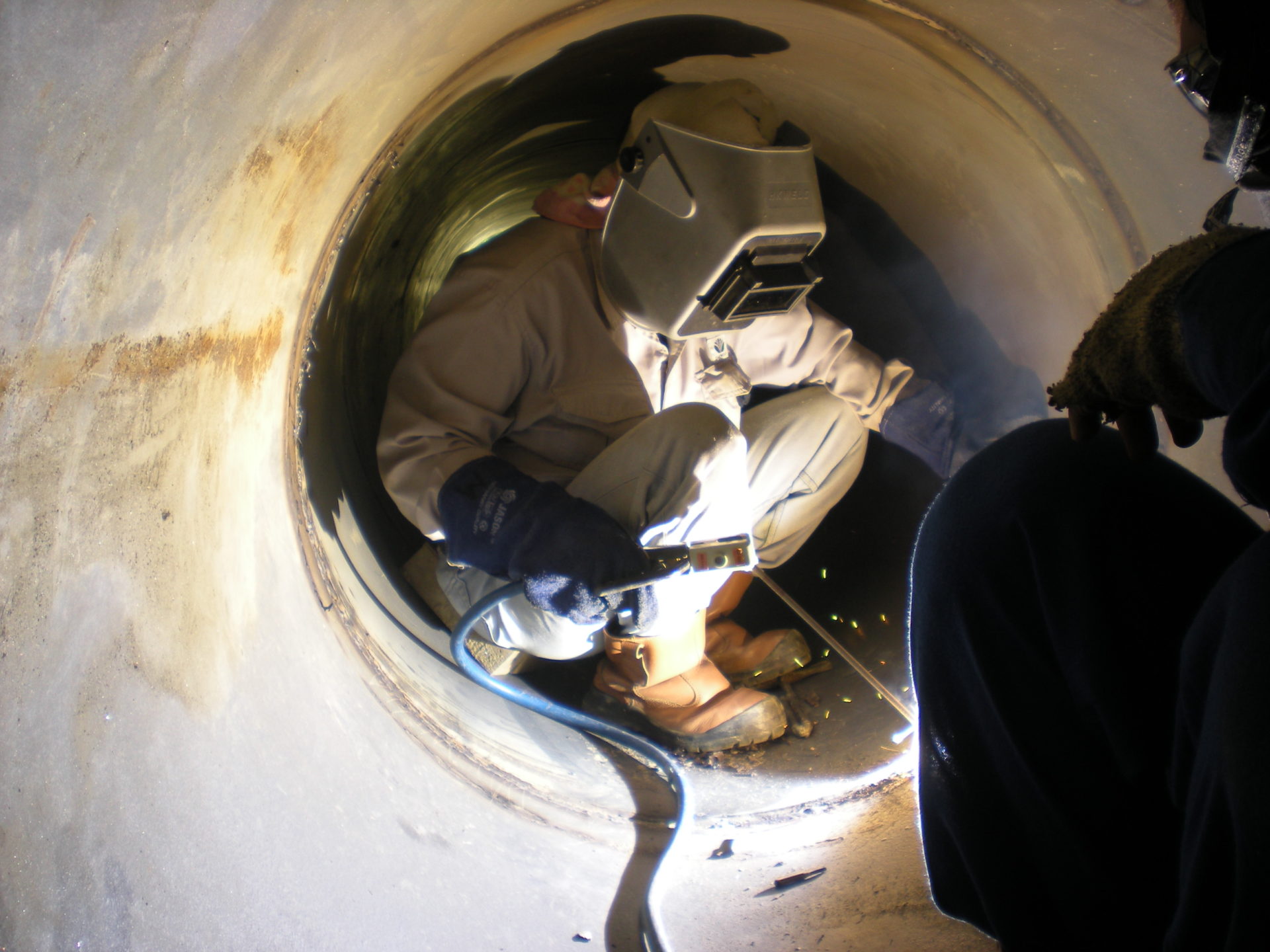
Some jobs require workers to enter and work in tight areas known as confined spaces, which can be both uncomfortable and dangerous. Usually, a confined space will have limited access, poor ventilation and poor lighting.
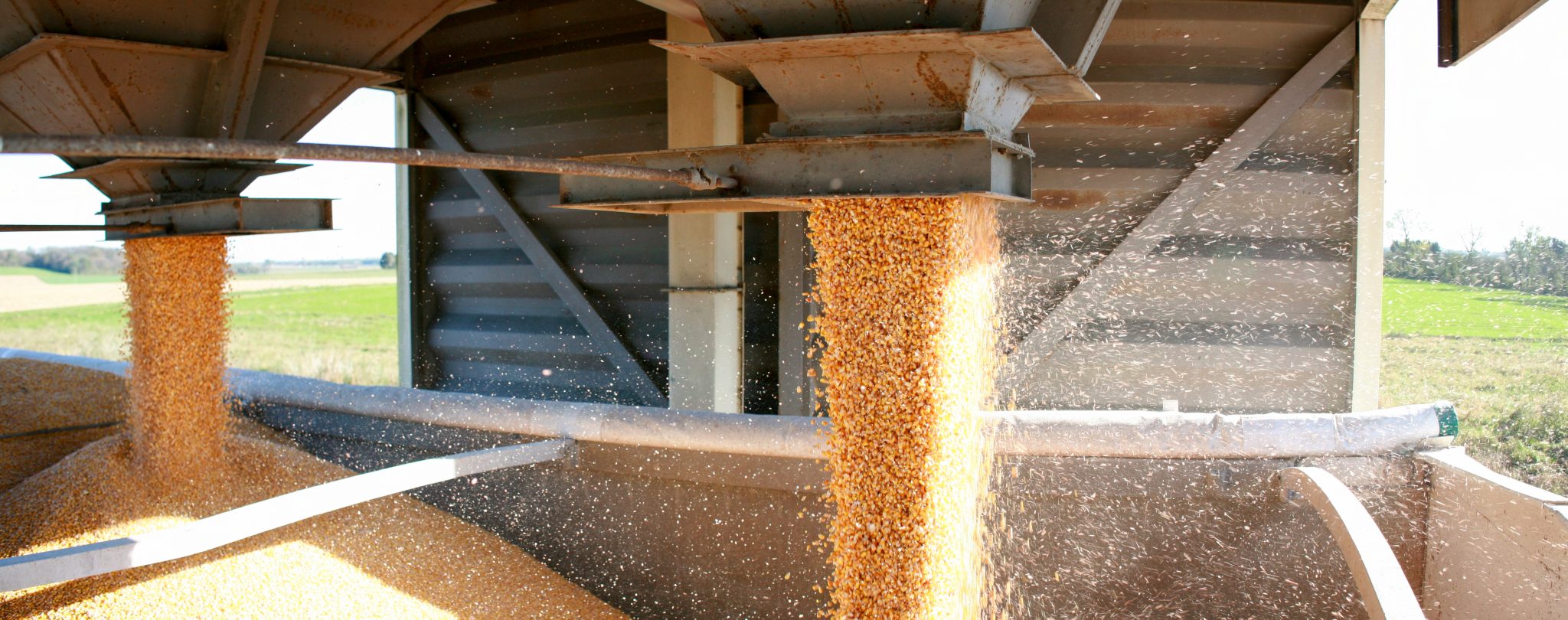
Twenty seconds — that’s all it takes for a grown man to become engulfed by grain in a storage bin or trailer used to haul grain.

The tornado season in North America begins in April, peaks in June and July, and ends in September. But really the storms can occur at any time, with approximately 1,000 tornadoes being reported in the United States and 80 in Canada each year.
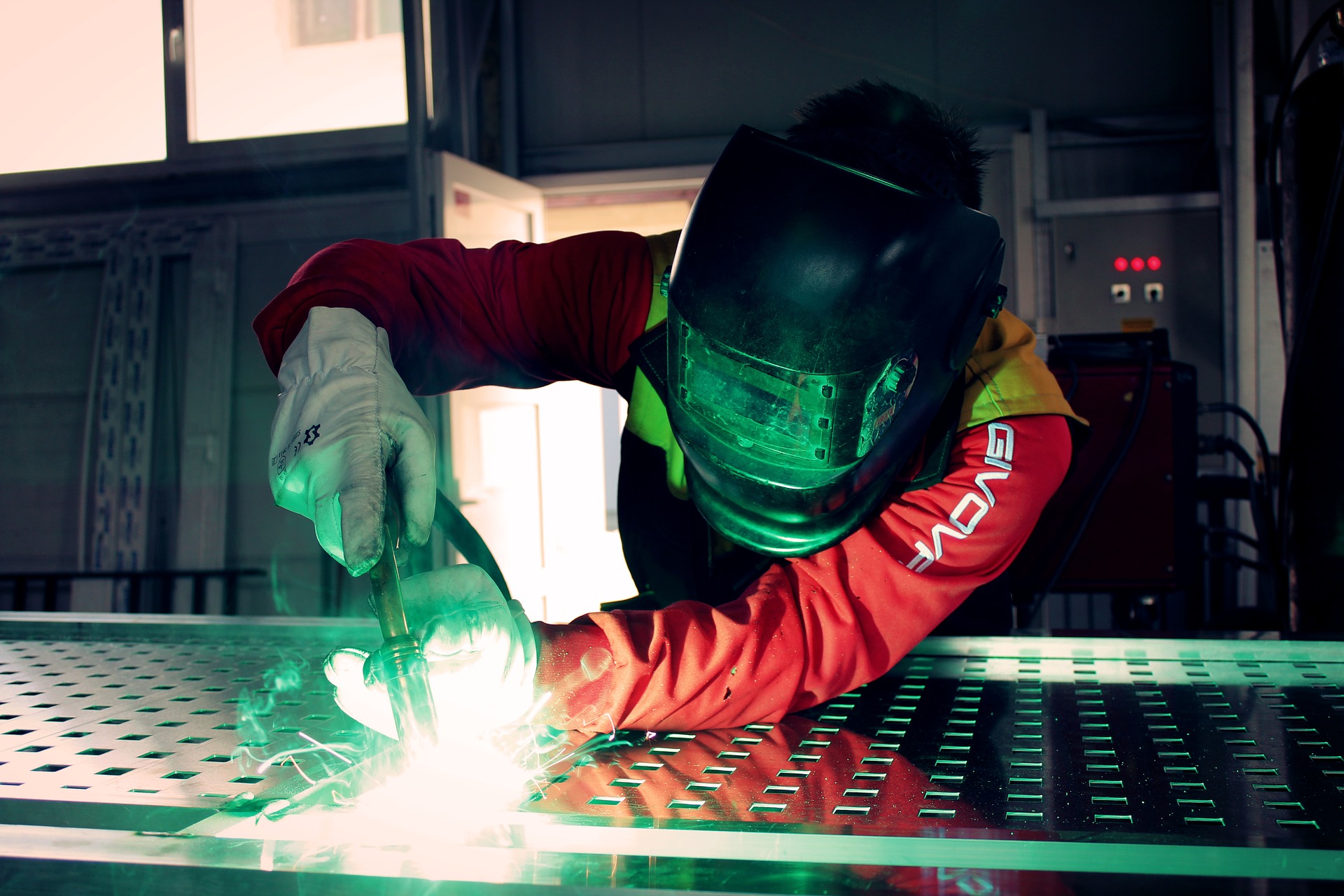
When you weld, cut or grind, the potential for accidents is significant. Eyes and skin can be burned, hearing can be damaged and an electric shock can kill you.

You might be the toughest roughneck around, but a good dose of heat stress can quickly tame anyone's bravado.

Gloves - of materials such as nitrile, poly vinyl chloride, natural rubber (latex) and butyl rubber

Any workplace can be too hot for safety, both outdoors and in hot, humid conditions indoors. Whenever you’re exposed to heat, you’re at risk of developing heat illness.
Since it's your first time, you may want to checkout some of the video tutorials.








 800-ICW-SAFETY (800.429.7233)
 SAFETYOnDemand@icwgroup.com