

Use Ladders Safely
Using a ladder is a safer alternative to using a makeshift climbing device or an improvised work platform.
Using a ladder is a safer alternative to using a makeshift climbing device or an improvised work platform.
If you think fatal falls happen only to construction workers swinging off skyscrapers, think again. Because ladder use is so common, many workers take ladder safety for granted, and do not take the appropriate precautions.

You?ve heard it before and you?ll hear it again because it?s a fact - seatbelts save lives. A high percentage of all work-related fatalities each year are caused by motor vehicle crashes. Many of these deaths could have been avoided if the drivers and passengers in these vehicles had been belted in.

Eyes are one of the most vulnerable parts of the body. They are susceptible to all kinds of injuries in the workplace if they are not properly protected.

Your workplace probably has countless electrical tools and devices capable of delivering a fatal electrical shock.
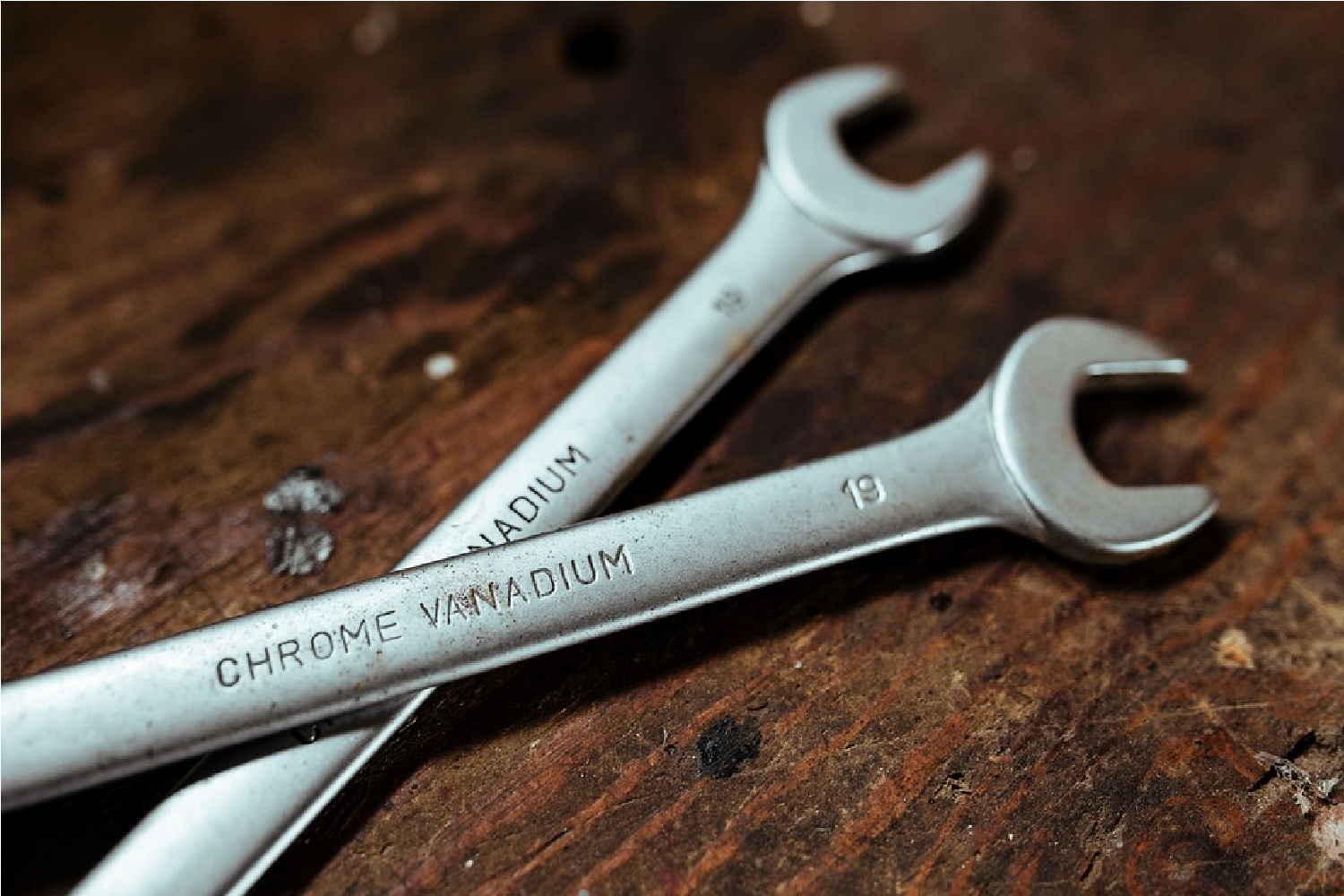
We all know how important it is to use caution around power tools. But what about tools in general? Can a wrench really be dangerous?

The Globally Harmonized System of Classification and Labeling of Chemicals (GHS) was created by the United Nations to help bring uniformity to hazardous materials labeling around the world.
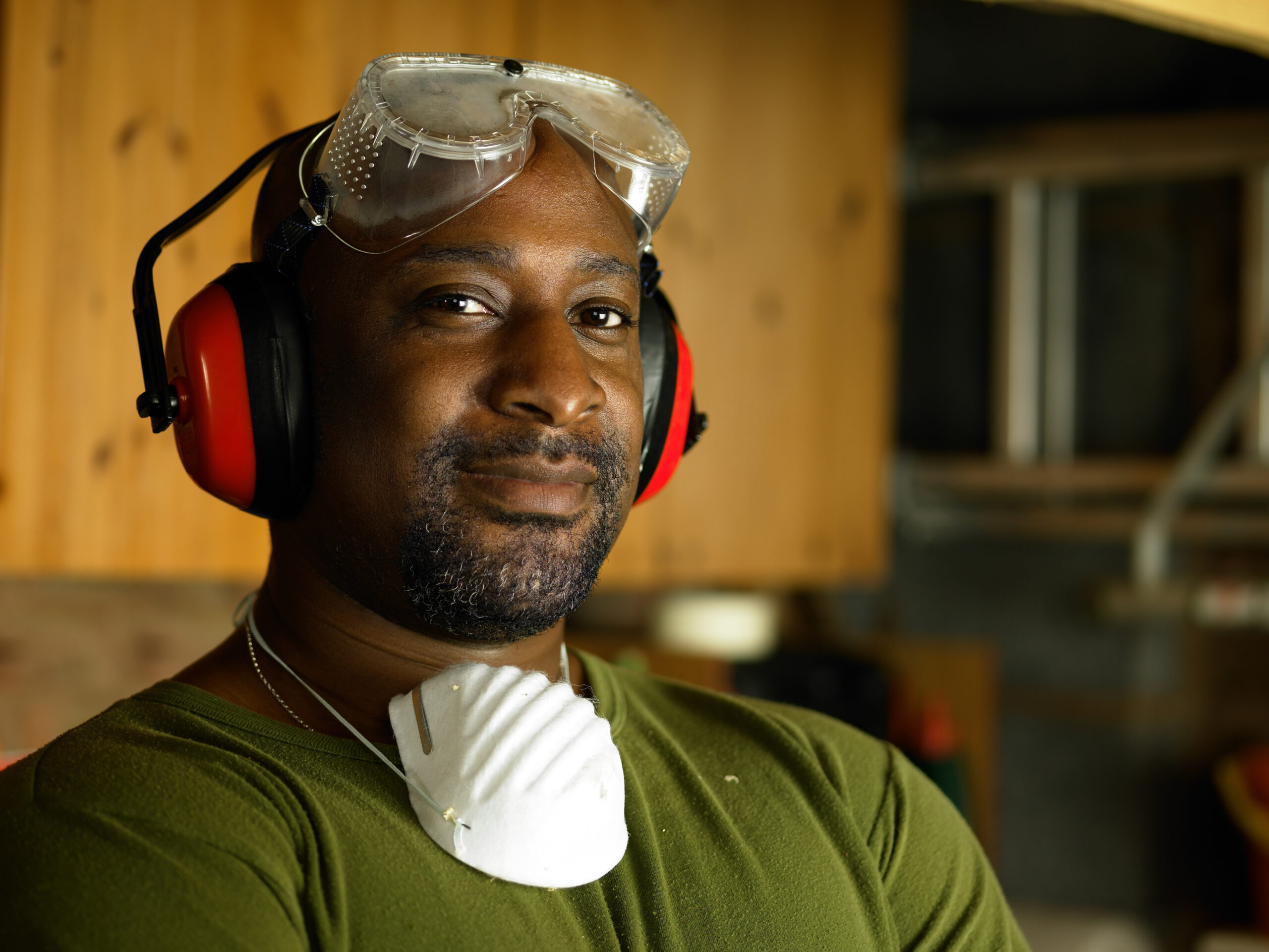
It?s important to select and wear the correct PPE. It?s equally important that you inspect and care for the equipment properly, so that it will protect you when you need it!

An injury which would be minor if it occurred elsewhere can be extremely serious if it occurs on the eye. For example, a piece of metal which is shot through the air from a grinder
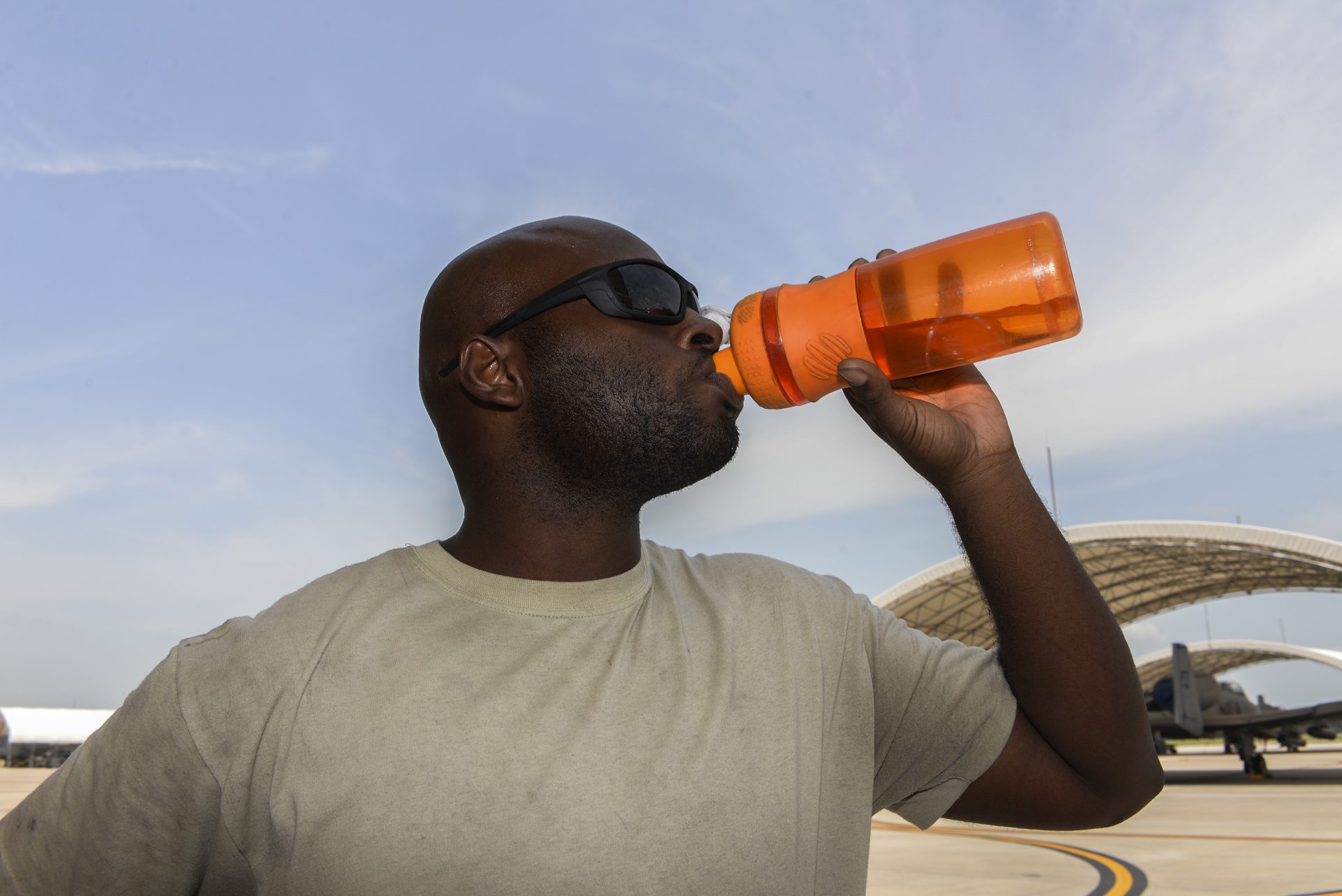
You might be the toughest roughneck around, but a good dose of heat stress can quickly tame anyone's bravado.
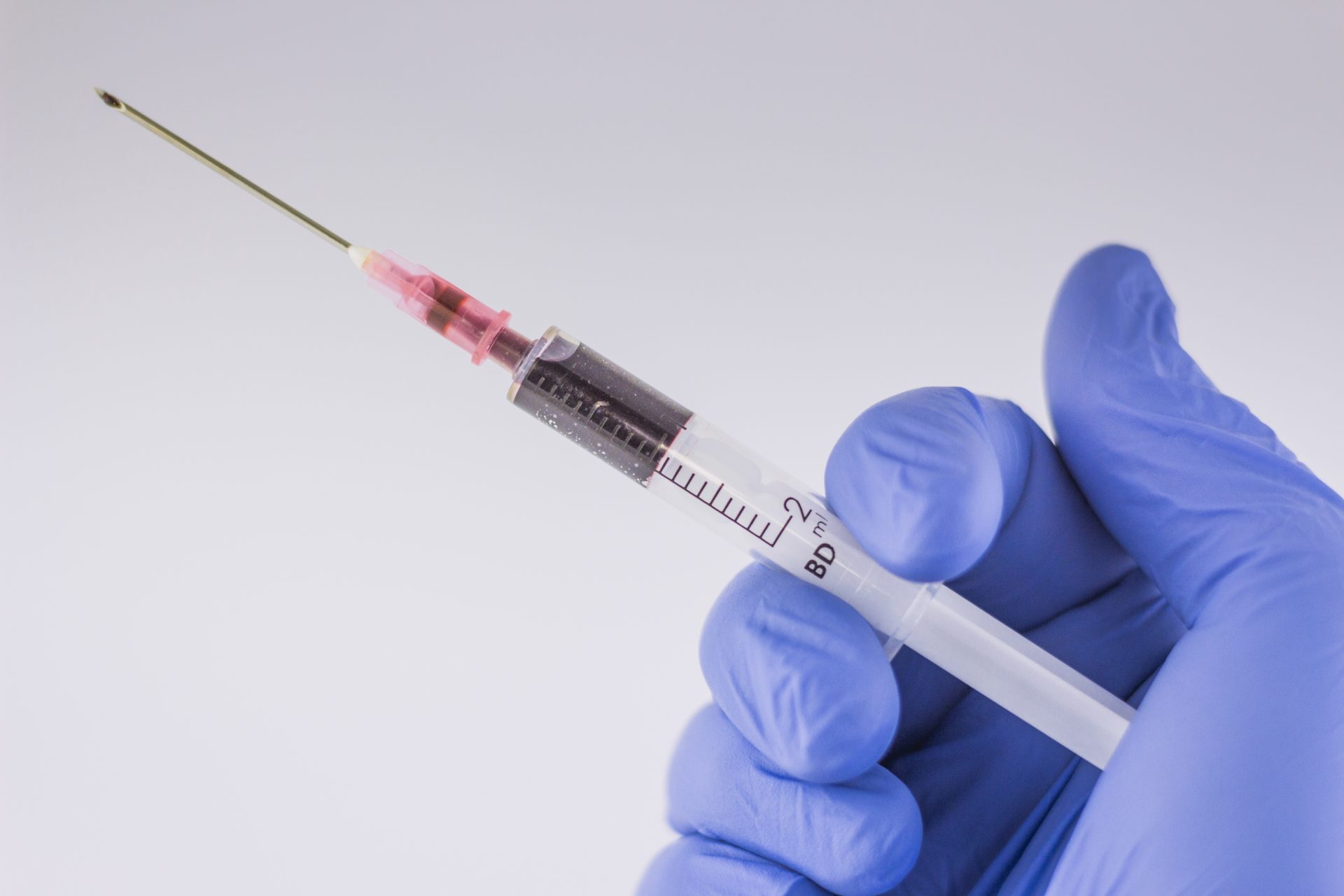
Nearly any worker could encounter bloodborne pathogens -whether bandaging a co-worker's cut, stepping on a used hypodermic needle in the alley or helping an accident victim on the way home.
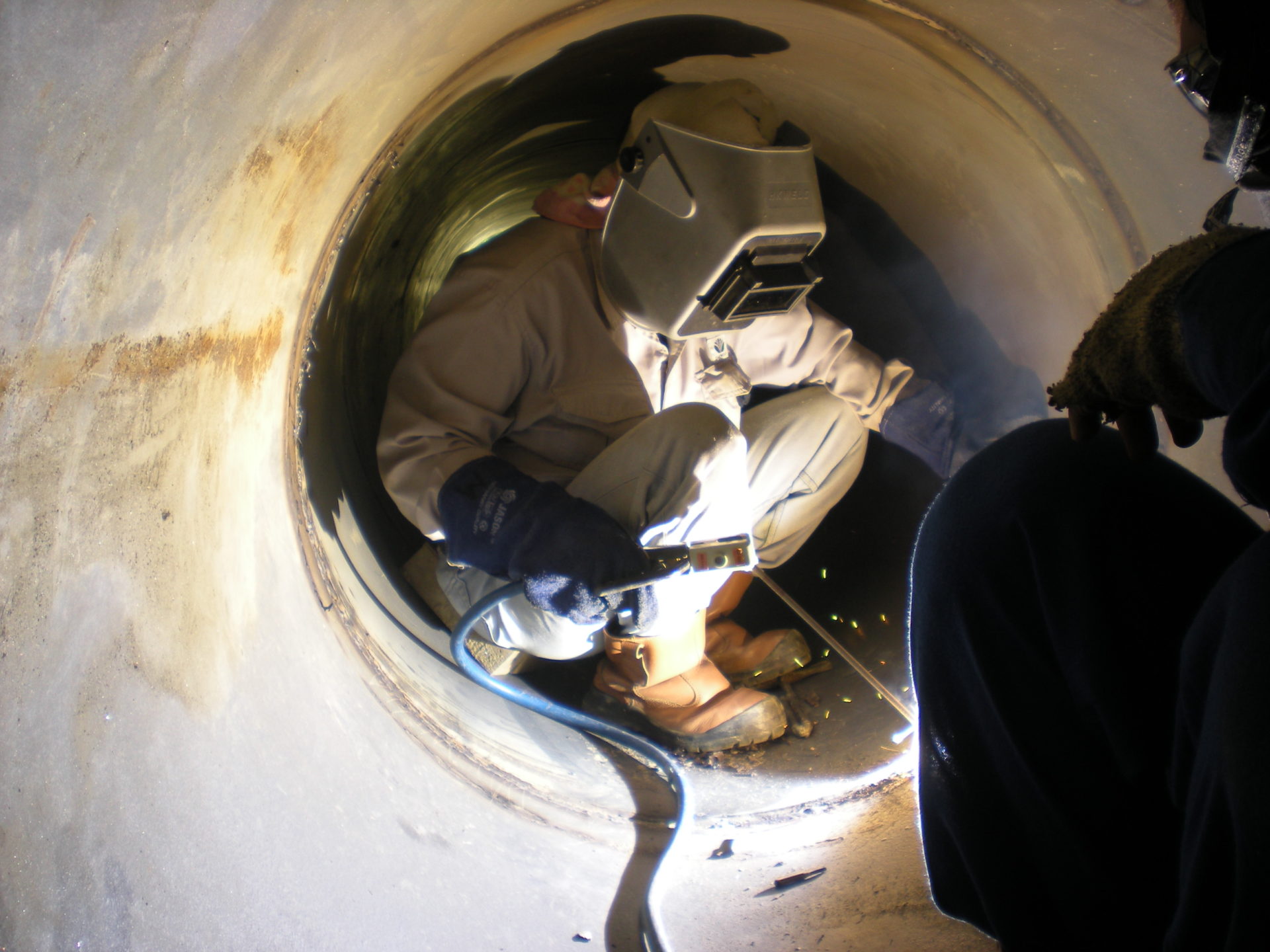
Some jobs require workers to enter and work in tight areas known as confined spaces, which can be both uncomfortable and dangerous. Usually, a confined space will have limited access, poor ventilation and poor lighting.
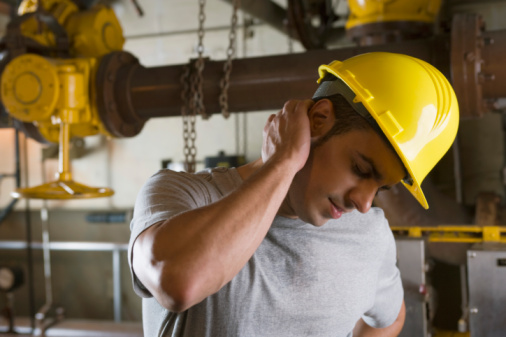
The safety rules, policies and procedures of your workplace are there to protect you from workplace hazards and to help prevent injuries.

Workers in health care, warehousing, transportation, manufacturing, retail and many other industry sectors have to lift and move people and materials as part of their jobs.
Aparte del resfriado común, la razón más frecuente para ausentarse del trabajo es el dolor de espalda.

If you’re a standby person and think all the risks are inside the confined space, think again: over 60% of confined space deaths don’t involve people assigned to work in the confined space. These deaths involve the standby person or other would-be rescuers who enter the confined space in an emergency.
When someone has a substance abuse problem, it affects his or her family members and friends. And since most drug users, binge and heavy drinkers, and people with substance use disorders are employed, the problem is also a concern for employers and co-workers.

Let's look first at the problem of stored materials. Materials are piled in the yard, in the truck or at various places on the jobsite.
You're struggling to loosen over-tightened lug nuts while fixing a flat tire on a hot, dusty highway.

There are a number of hazards your hands encounter every day on the job. Here are a few examples.

On average, approximately 500 workers younger than 24 years of age die from work related injuries every year, and more than 800,000 are treated for nonfatal injuries in hospital emergency departments each year. While their injuries and illnesses might be similar, young workers face a different set of risk factors than older, more experienced workers.

The tornado season in North America begins in April, peaks in June and July, and ends in September. But really the storms can occur at any time, with approximately 1,000 tornadoes being reported in the United States and 80 in Canada each year.
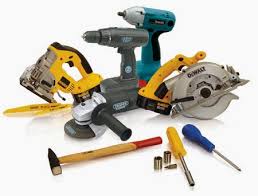
Portable electric-powered tools can be indispensable. They can also be deadly. Each year, thousands of construction workers are injured using these otherwise handy tools.
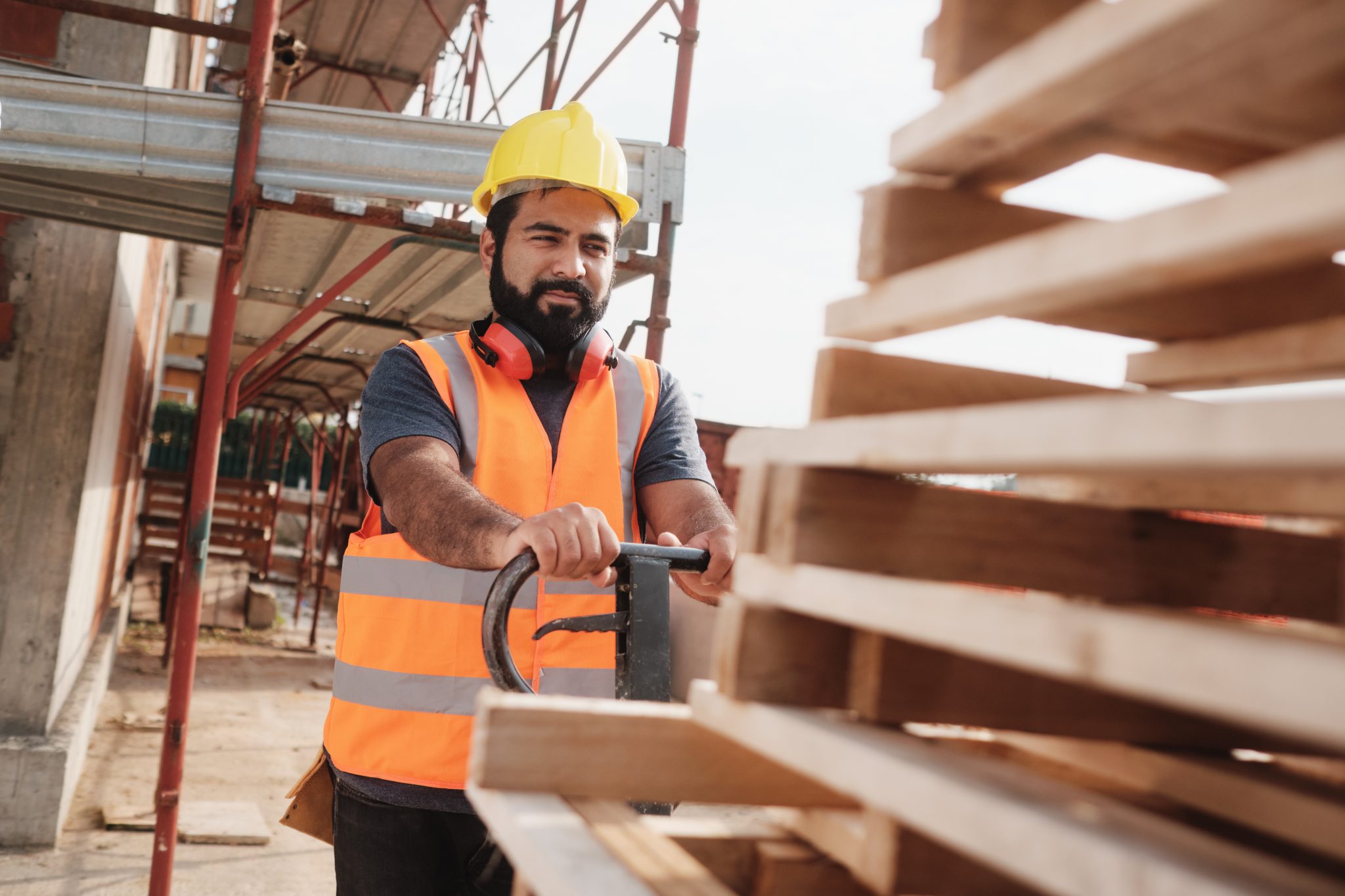
How This Affects You: Your back is used in all you do, on and off the job, and hurting it can have severe consequences: a lifetime of pain, inability to work or play and reduced income.

Chemicals enter the body in a number of different ways. A chemical can be absorbed by the skin, inhaled, ingested or through a puncture like a needle. Once in the body, chemicals are circulated by
Since it's your first time, you may want to checkout some of the video tutorials.




 800-ICW-SAFETY (800.429.7233)
 SAFETYOnDemand@icwgroup.com