Hello, Guest!

Hello, Guest!

Imperial Chicken Plant Fire

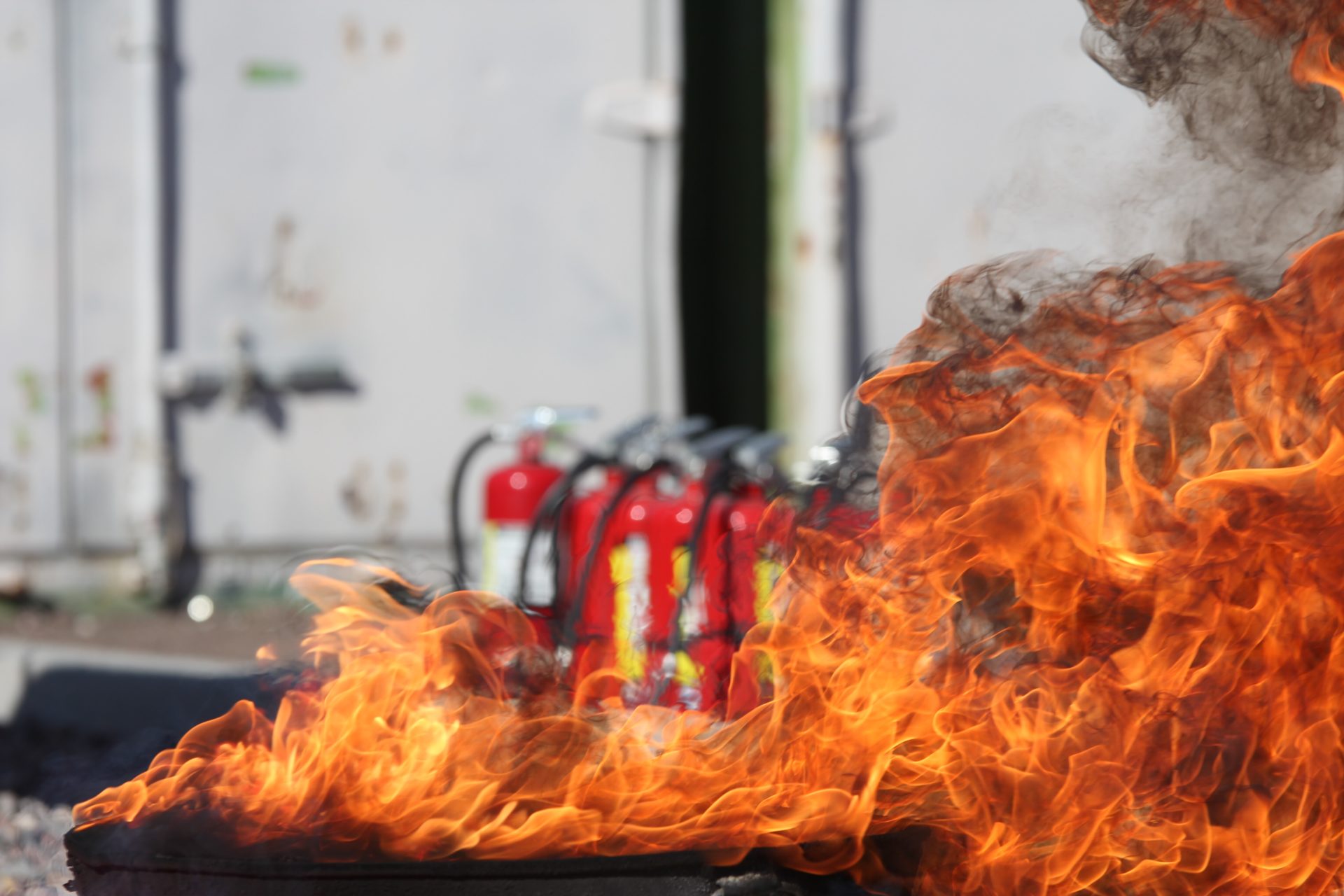
 Imagine being at work when suddenly the lights go out and someone starts yelling, “There’s a fire! We need to get out of here! This place is on fire!”  Imagine fumbling your way in the dark and the smoke to an exit…only to find it was locked…from the outside. This is exactly what happened to Lilly Davis and 80 other workers on September 3, 1991 at the Imperial Foods chicken processing plant.

Imperial Chicken Plant Fire2018-10-21T00:00:00+00:00

Know Your Enemies: Workplace Hazard

If you and your friends were facing a dangerous, deceptive enemy, you'd want to find out all you could about the enemy and share any information you come up with. The fact is you do have such a treacherous enemy—the workplace hazard. And this enemy threatens you and your co-workers daily.

Know Your Enemies: Workplace Hazard2018-10-20T00:00:00+00:00

Fatigue at Work Can Kill You

You’re an accident waiting to happen if you are not alert at work. This applies to most high-risk jobs, trucking and transport jobs, repetitive jobs, such as sorting logs in a lumber mill, and a host of other jobs – regardless of the inherent risk level.

Fatigue at Work Can Kill You2018-10-19T00:00:00+00:00

Distractions Derail Safety

The ever-increasing use of smartphones finds most of with our heads down staring into the glow of text messages, games, tweets, twitters, selfies and more. One of the downsides to this obsession is that people mistakenly think they can perform their jobs safely while they use these devices.

Distractions Derail Safety2018-10-18T00:00:00+00:00

Industrial Ergonomics Hazards Assessment Checklist

Adapt and use this Hazards Assessment to determine areas of potential and existing ergonomic and materials handling concerns.

Industrial Ergonomics Hazards Assessment Checklist2018-10-17T00:00:00+00:00

Ergonomic Injury Record Review

To root out ergonomic injuries you must be proactive. The first step is to do a record review and create a “snapshot” of worker injuries, so you can analyze causes and identify trends. Here’s a form you can adapt and use at your workplace to perform an effective records review.

Ergonomic Injury Record Review2018-10-16T00:00:00+00:00

Office Safety

Most offices have few hazardous chemicals and no heavy or moving machinery. If the worst that can happen is a paper cut, why do we need to talk about safety training? Because a paper cut isn’t the worst that can happen. Office employees still need to know what to do in case of an emergency, and accidents are surprisingly common. Also, people who sit down and use computers most of the day need to watch out for ergonomic issues.

Office Safety2018-10-15T00:00:00+00:00

By the Numbers: 10 Tips for Emergency Response Plans

Being prepared for an emergency is part of your employers and your responsibility. For help developing your emergency response planning, Ready.gov offers the following guidance.

By the Numbers: 10 Tips for Emergency Response Plans2018-10-11T00:00:00+00:00

Picture This: Emergency Exit Nightmare

Let’s start with the obvious hazard – a blocked emergency exit. Blocked by conveyors, carts, trash, and cardboard boxes.

Picture This: Emergency Exit Nightmare2018-10-11T00:00:00+00:00

Healthcare: Safe Moving and Handling of Patients

Overexertion injuries among healthcare workers is consistently two to five times greater than the rate of the general workforce. The single greatest cause for these injuries is manual patient handling such as manual lifting, moving and repositioning of hospitalized patients, home-health care patients, and nursing home residents.

Healthcare: Safe Moving and Handling of Patients2018-10-01T00:00:00+00:00

Home Health Care – Slips, Trips and Falls

Slips, trips and falls are the second most common cause of injury for home and community health workers. These types of accidents can result in serious disabling injuries and have a major impact on one???s ability to perform their job and may result in lost work days, reduction in productivity or a diminished ability to care for a client. Recognizing and correction of household hazards is examined as the first step in prevention. Common slips and falls are examined to show what are the actual root causes and steps are outlined for workers to take to reduce hazards for everyone in the home.

Home Health Care – Slips, Trips and Falls2018-10-01T00:00:00+00:00

BBP Know The Risk – (16 min) Spanish

As the title implies, this is an extremely comprehensive program relating to Bloodborne Pathogens. This program covers all aspects of an EXPOSURE CONTROL PLAN, information relating to BBP diseases, including Hepatitis B, C, and HIV, as well as modes of transmission, PPE and acceptable work practices, emergency procedures, and recordkeeping requirements. Dr. Jeffery Kahn, Liver Transplant Surgeon from the University of Southern California discusses the different types of viruses and Bloodborne Pathogens in general. Excellent program for both medical and industrial applications.

BBP Know The Risk – (16 min) Spanish2018-10-01T00:00:00+00:00

Home Health Care – Slips, Trips and Falls – Spanish

Slips, trips and falls are the second most common cause of injury for home and community health workers. These types of accidents can result in serious disabling injuries and have a major impact on one???s ability to perform their job and may result in lost work days, reduction in productivity or a diminished ability to care for a client. Recognizing and correction of household hazards is examined as the first step in prevention. Common slips and falls are examined to show what are the actual root causes and steps are outlined for workers to take to reduce hazards for everyone in the home.

Home Health Care – Slips, Trips and Falls – Spanish2018-10-01T00:00:00+00:00

Home Health Care – Workplace Violence

Workplace Violence is unacceptable, regardless of the work environment. This program defines different types of workplace violence common to home health care situations and discusses ways to prevent incidents. Recognition, prevention and de-escalation are the main techniques taught.

Home Health Care – Workplace Violence2018-10-01T00:00:00+00:00

Home Health Care – Workplace Violence – Spanish

Workplace Violence is unacceptable, regardless of the work environment. This program defines different types of workplace violence common to home health care situations and discusses ways to prevent incidents. Recognition, prevention and de-escalation are the main techniques taught.

Home Health Care – Workplace Violence – Spanish2018-10-01T00:00:00+00:00

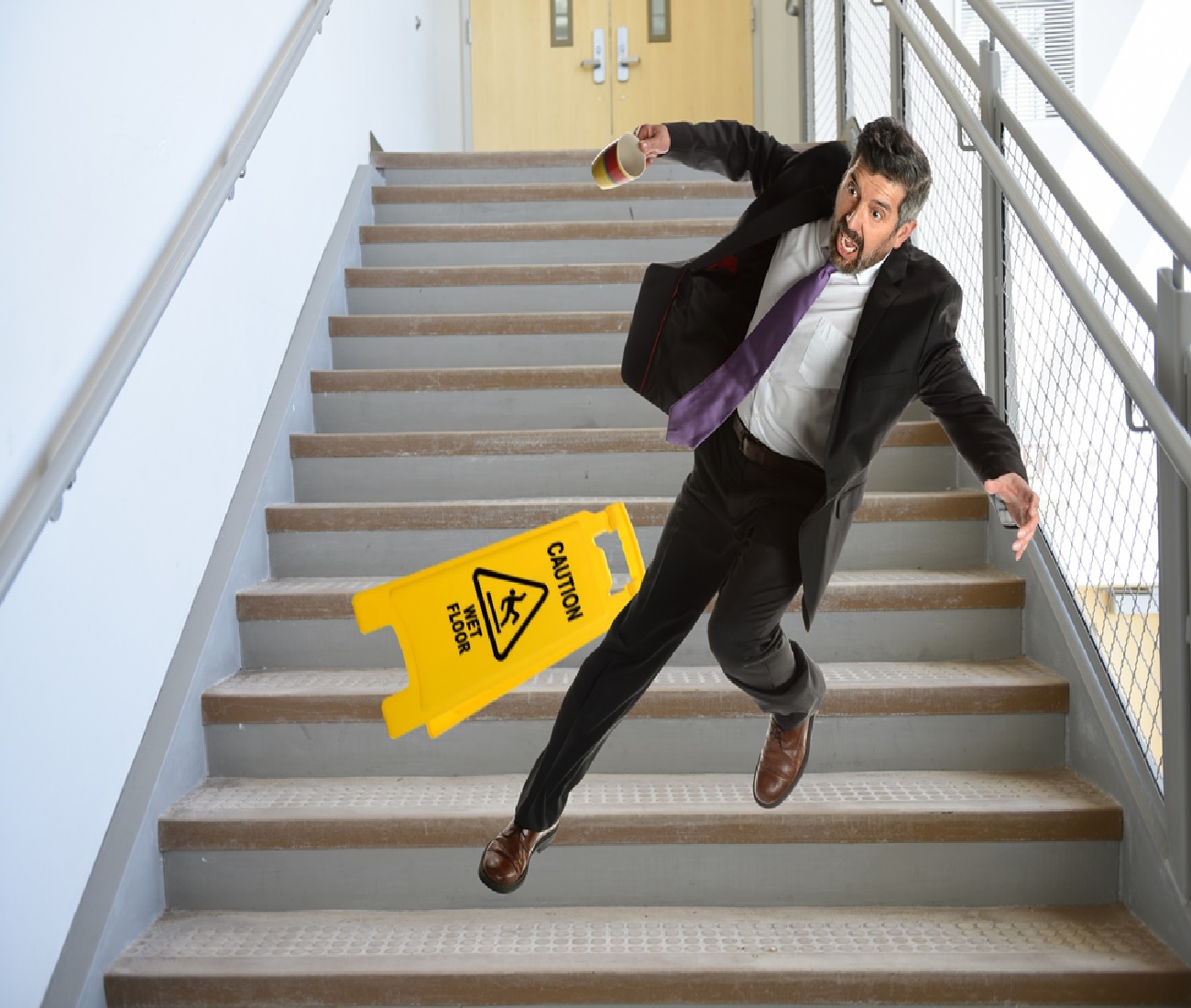
Housekeeping: Slips, Trips and Falls Facts Prevention

Housekeeping/Slips, Trips & Falls A construction site can become a very messy place. But, the longer it stays that way, the more dangerous it becomes. This video outlines the connection between good housekeeping and injury prevention, especially slips, trips & falls. Common trip and fall hazards are shown and the root causes are examined for maximum impact.

Housekeeping: Slips, Trips and Falls Facts Prevention2018-10-01T00:00:00+00:00

Tool: Supervisor’s Guide – Responding to Domestic Violence in the Workplace

Domestic violence often crosses over into the workplace and many domestic violence victims are in danger of being attacked, harassed, or stalked while at work. Would you know what to do if an employee came to you about violence they are experiencing at home? Does your organization have a plan? An organization’s response to and support of victims can help to keep the workplace safe and secure for everyone.

Tool: Supervisor’s Guide – Responding to Domestic Violence in the Workplace2018-10-01T00:00:00+00:00

Preventing Slips, Trips and Falls for Ski Area Employees – (8 min)

Ski Areas???snow ???ice???water???slippery surfaces???they increase the potential for a slip, trip or fall. But does this mean a slip, Trip or fall HAS to happen? Of course not. Slips, trips and Falls are preventable and that???s what this program is all about???prevention. The program examines some common slip, trip and fall accidents common to ski areas and examines the root causes of each.

Preventing Slips, Trips and Falls for Ski Area Employees – (8 min)2018-10-01T00:00:00+00:00

Workplan: Workplace Domestic Violence Prevention

A study done by the Society for Human Resource Management, found 65% of companies don’t have a formal workplace domestic violence plan in place even though 16% of organizations have had a domestic violence incident in the past five years.

Workplan: Workplace Domestic Violence Prevention2018-10-01T00:00:00+00:00

Preventing Workplace Violence in a Restaurant

Preventing Workplace Violence shows employees how to recognize the warning signs of possible violent behavior, as well as how to avoid or defuse potentially dangerous situations. One out of every six violent crimes occurs in the workplace. And while workplace homicides grab the headlines??? (homicide is the second leading cause of death on the job and the number one killer of women in the workplace)??? other forms of workplace violence happen much more frequently. No organization, regardless of its size or type, is immune to workplace violence. Areas covered in the course include the nature of workplace violence, underlying causes and warning signs, aggressive behavior, threats and verbal abuse, sexual harassment, physical assault and armed assailants, fostering a positive workplace environment, and more.This VOD program is one of the most effective and efficient ways to get employees the training that they need, in a classroom or individually through their desktop or tablet computer.

Preventing Workplace Violence in a Restaurant2018-10-01T00:00:00+00:00

By the Numbers: Warning Signs and Risk Factors for Domestic Violence in the Workplace

Domestic violence often doesn’t stay confined to the home. Whether directly or indirectly, domestic violence effects the victim, co-workers, and the organization. Learn these warning signs and risk factors for domestic violence in the workplace and share the information with your employees during workplace violence training.

By the Numbers: Warning Signs and Risk Factors for Domestic Violence in the Workplace2018-10-01T00:00:00+00:00

Domestic Violence in the Workplace

Protecting employees from harm is the foundation of every safety program and piece of safety legislation. Protecting employees from workplace violence must be part of your safety program. Further still, having a plan and program in place to help employees experiencing domestic violence should be, and in many cases must be, part of your safety program.

Domestic Violence in the Workplace2018-10-01T00:00:00+00:00

Picture This: Domestic Violence – What Would You Do?

How would you respond if one of your employees came to work with bruises or other injuries? Does your organization have a policy and process in place for dealing with suspected and confirmed cases of domestic abuse?

Picture This: Domestic Violence – What Would You Do?2018-10-01T00:00:00+00:00

Four Categories of Workplace Violence and Prevention Strategies

There are four generally agreed upon categories of workplace violence. Once you know what the categories of violence are you and your employer can practice ways to protect you, co-workers, and the public from ha

Four Categories of Workplace Violence and Prevention Strategies2018-10-01T00:00:00+00:00

Emergency Preparedness – Do You Know What to Do?

Unexpected emergencies occur every day in many facilities, including laboratories, offices, and residential buildings. It might be a fire, flood, earthquake, shooting, tornado, or hazardous chemical spill. If you don’t know what to do during an emergency the odds increase that you or others around you will be injured or killed.

Emergency Preparedness – Do You Know What to Do?2023-11-30T22:23:26+00:00
Go to Top