
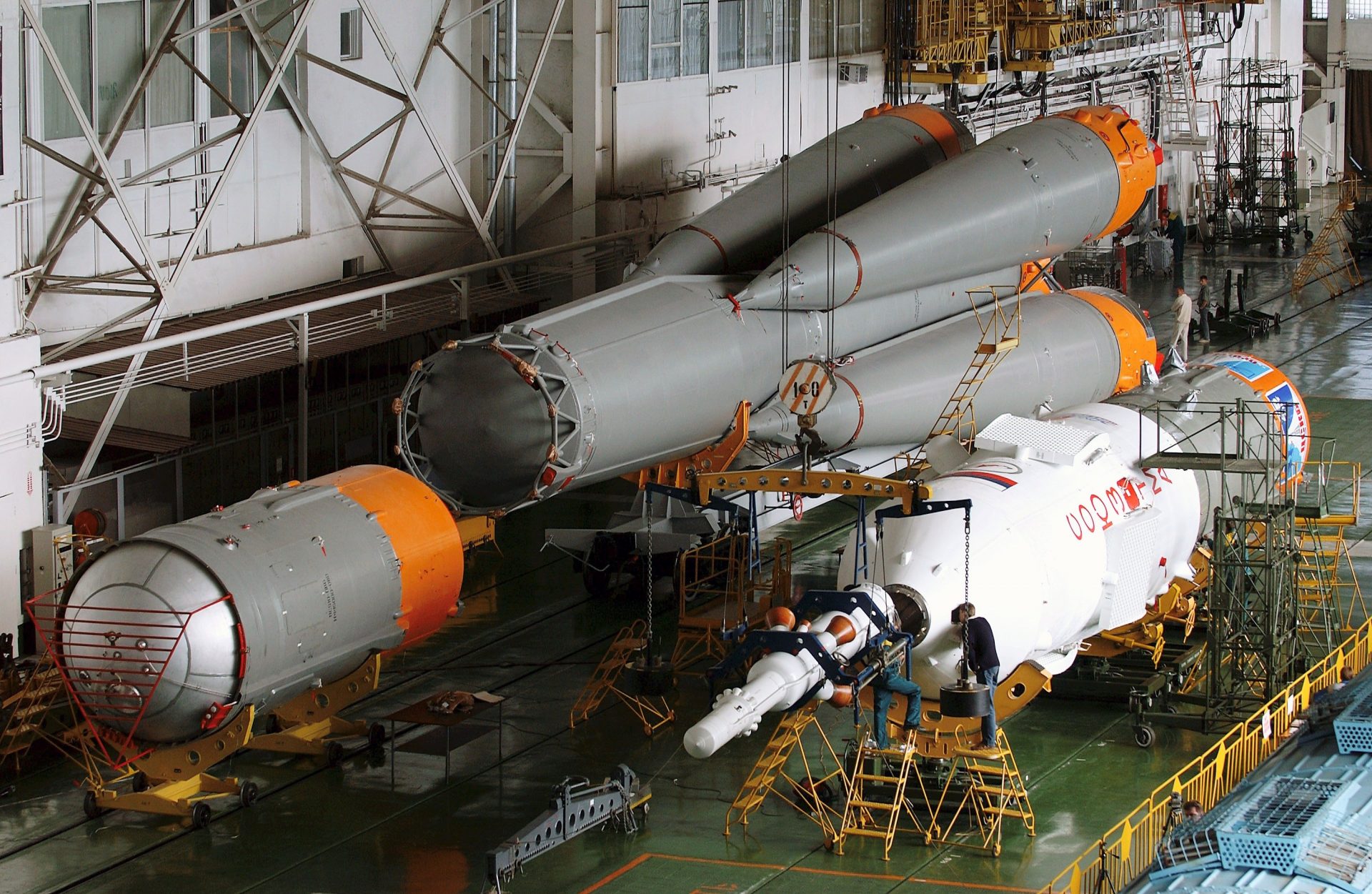
Assembly Line Worker Electrocuted
A mobile home assembly worker was electrocuted while installing a roof on a mobile home.
A mobile home assembly worker was electrocuted while installing a roof on a mobile home.
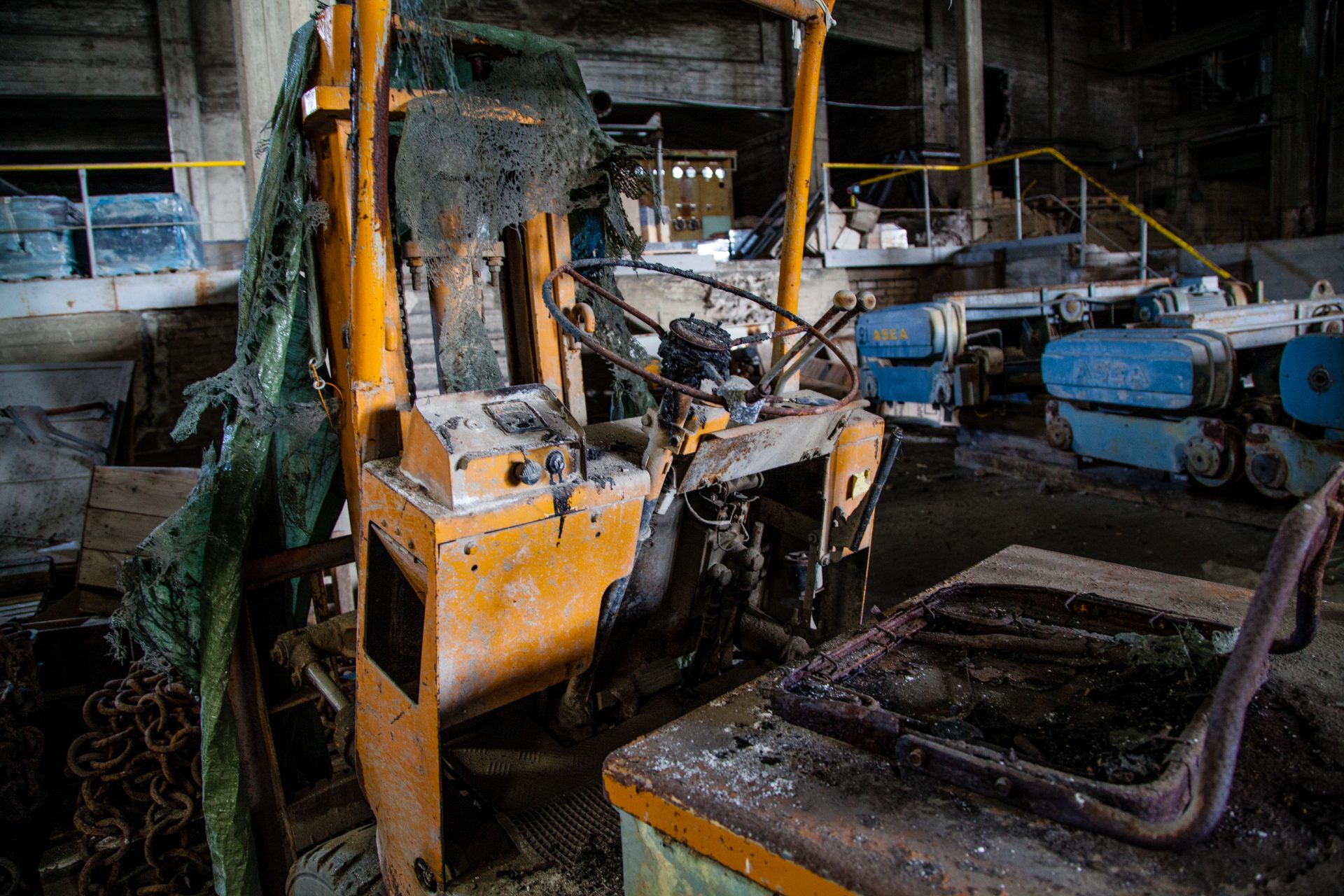
Two mechanics were electrocuted while repairing an earth-moving scraper.
A city maintenance worker who was trying to dislodge material from a street sweeper's suction hose was killed after accidentally placing his foot on a lever that raises and lowers the machine's hopper.
A worker was inside a pressure trailer tanker applying a coat of anti-corrosive paint. He was using a safety lamp with a 500-watt quartz beam. A folded coat hanger was wrapped around the light and hooked to the manhole flange.
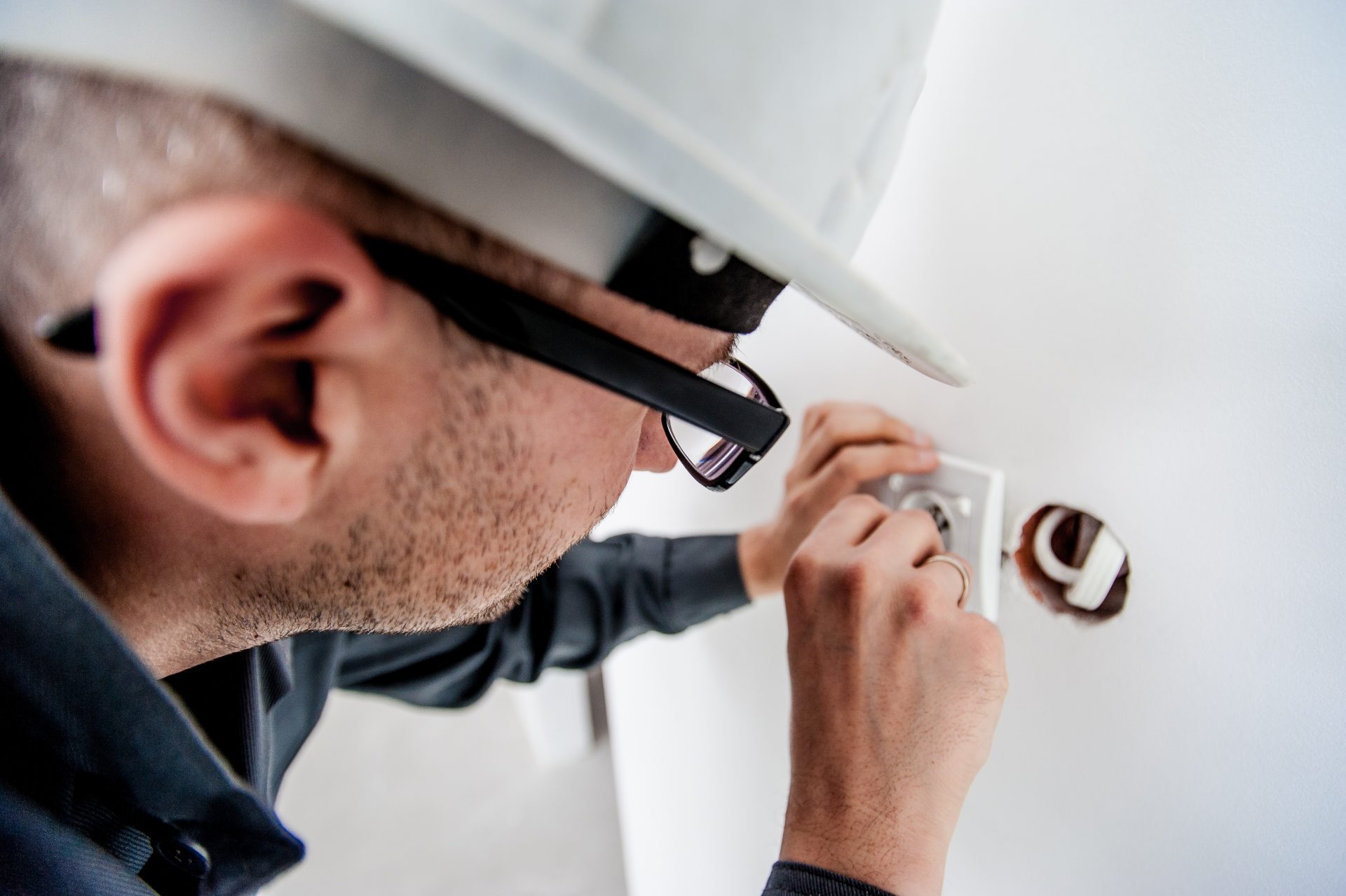
About two weeks before this fatality, an electrical plug on a power cable of a welding machine was found to be damaged. The broken piece was the protective aluminum cover which housed the plug attached
Two workers died of oxygen deprivation as they were repairing the concrete wall at a garbage disposal site. One of them had been attaching anchor bolts to the wall of an intake pit and was
Two workers were installing shutters on the windows of a building. One was about six feet (two meters) above the ground on a scaffold.
Two plumbers had been working in a construction trench. When it was time to come back up to the street level, they rode in the bucket of an excavator. As the excavator operator started to
Two employees were painting the outside of a three-story building. They were standing on a two-point suspension scaffold. The outriggers for the scaffold were inadequately counterweighted with three five-gallon (18.93-liter) buckets of sand. They were
An employee died as a result of extensive burns to more than 50 percent of his body. The middle-aged man had been working for five months as a tank cleaner.
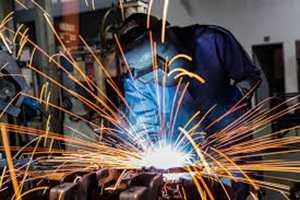
AThree experienced welders were killed recently in separate incidents while using torches to work on containers they believed were empty. In the first, a mechanic supervisor was using a torch to cut a 55-gallon metal
A piece of a crane motor fell and struck a worker in the head. The mishap occurred when the lifting boom of the crane did not respond to the operator's command. The loaded boom began
A laundry worker was killed instantly when he was struck by a piece of metal ejected from a water extractor machine. He was one of about 75 workers covering a day and an evening shift.

A small woodland fire was the scene of a workplace fatality when one firefighter died of heat stroke. The young man was one of two affected by heat stroke that day. Two others were affected
A worker drowned in an aqueduct after he became trapped in a drain. A student was working with the victim was unfamiliar with the surroundings, untrained and afraid of water.
"That's what you get for firing me," said the man shooting rounds from a semi-automatic handgun at a group of managers. Three were killed and two were injured when the ex-employee found the group in
A bulk materials bag full of split black beans, weighing about a ton, killed a grain elevator worker when it fell onto him. The victim died after becoming pinned against a retaining wall. What happened?

A 23-year-old mill worker received a compound fracture to his foot when he tried to clear a conveyor jam.
Work-related fatal falls continue to take a terrible toll in the workplace. According to the Bureau of Labor Statistics, 815 workers throughout the US lost their lives in falls in 2004. In Canada, a worker dies in a fall about every three days.
A 1,200-pound (543.6 kilogram) gate fell on a worker, trapping him between his pickup truck and the gate and asphyxiating him.
She did everything she could to keep him from finding her, but in the end her best wasn't good enough.
Dale Scott was in the mechanic's shop alone fixing a leaky left rear tire on a front-end loader.
The victim and his co-worker were working a busy 24-hour shift, due to icy rain and reduced visibility that made area bridges icy.
Menes Daniel, Torivio Acevedo and Endy Guirand were killed when a concrete form collapsed.
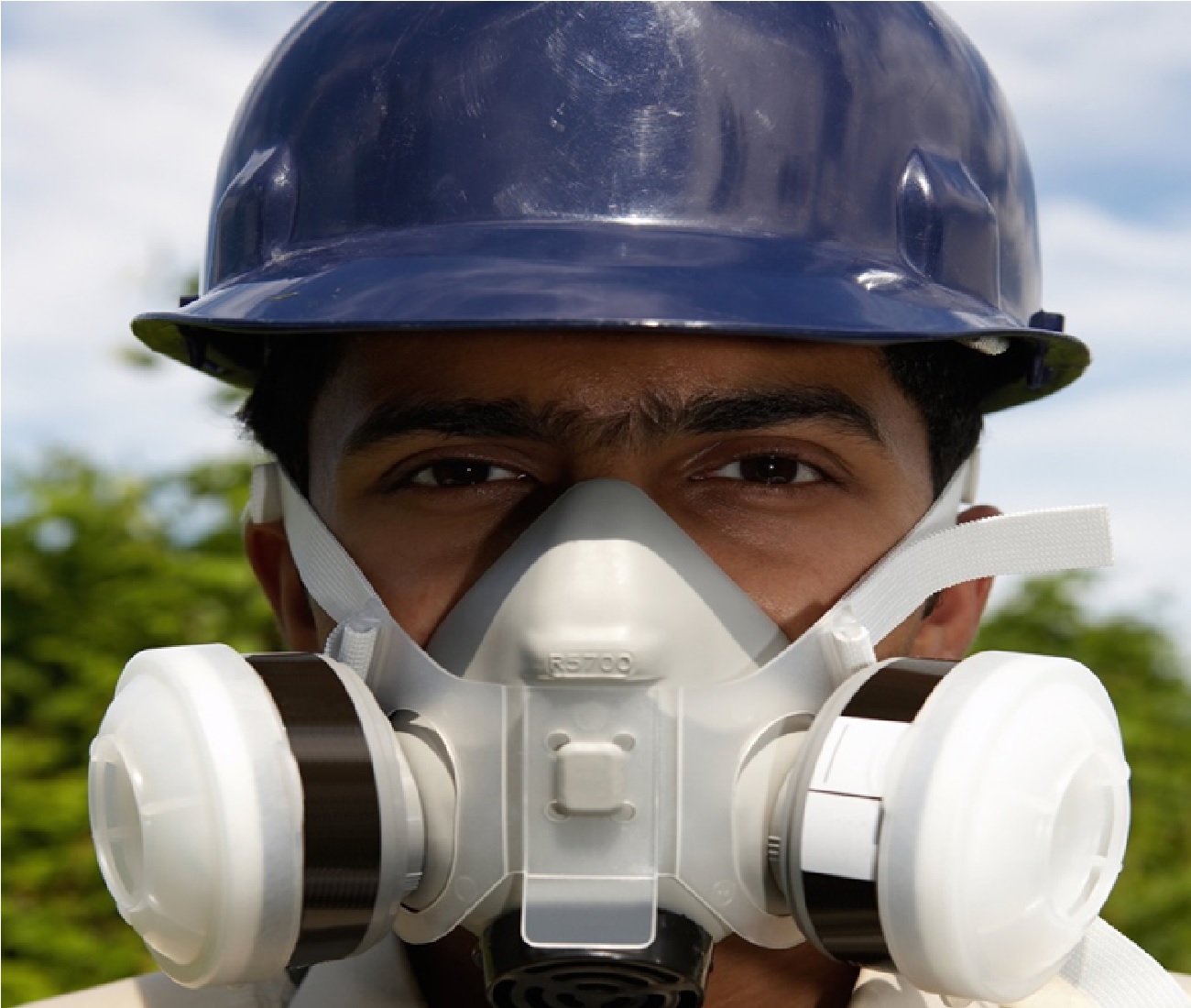
Your five senses are of little use in alerting you to respiratory hazards. You usually can't see, feel or hear them, and they often have no smell or taste
Since it's your first time, you may want to checkout some of the video tutorials.












 800-ICW-SAFETY (800.429.7233)
 SAFETYOnDemand@icwgroup.com