
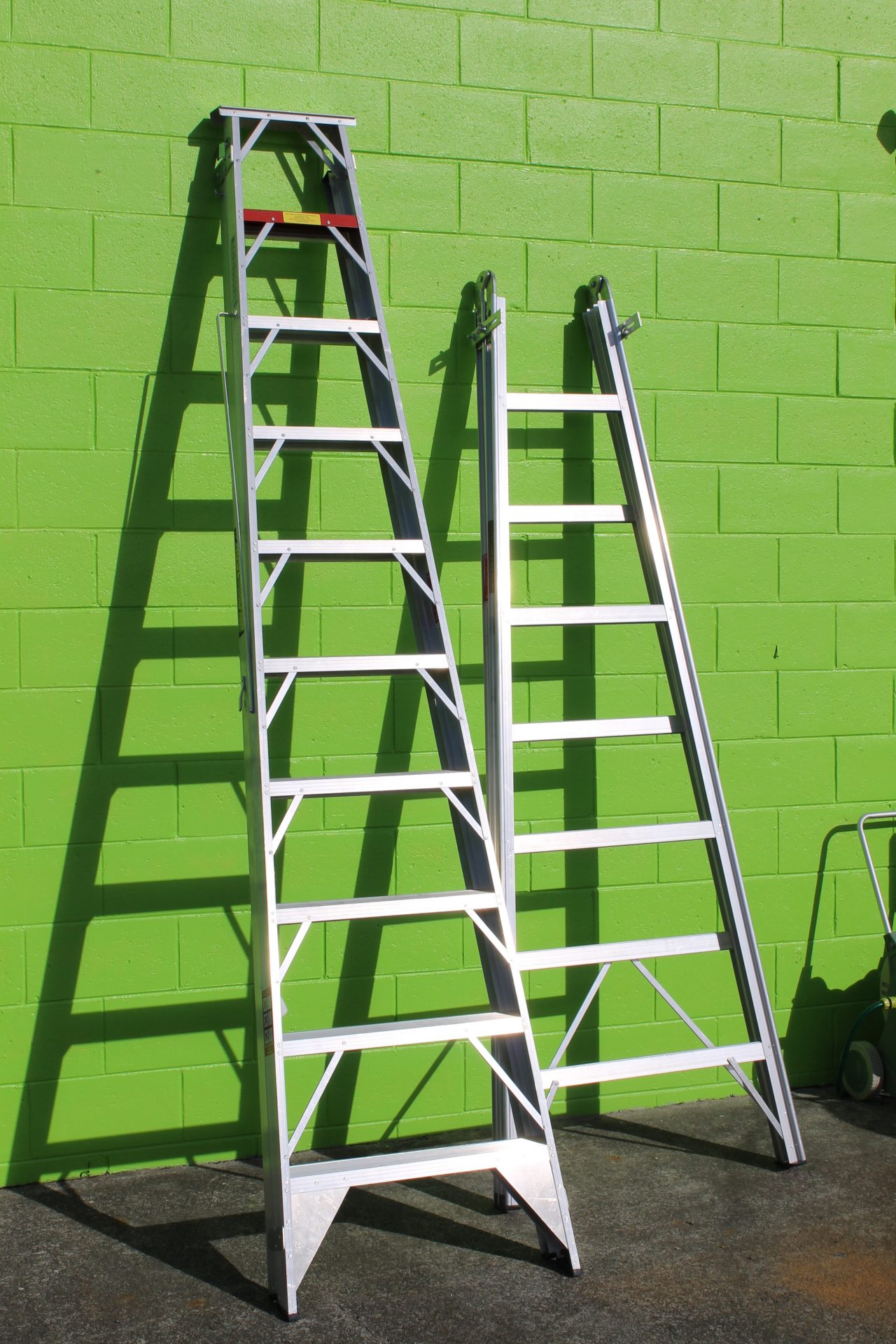
Use Extension Ladders Safely
How This Affects You: Every year thousands of employees are injured in falls from ladders.
How This Affects You: Every year thousands of employees are injured in falls from ladders.

Sus manos corren una variedad de peligros diariamente en el trabajo.

Hearing loss is one of the fastest growing chronic conditions facing today’s workers, affecting nearly 30 million people in the United States and Canada. While there are many causes of hearing loss, noise-induced hearing loss (NIHL) is one of the most common types and it can affect anyone who is exposed to loud sounds or noise over a long period of time, whether at work or during recreational activities.
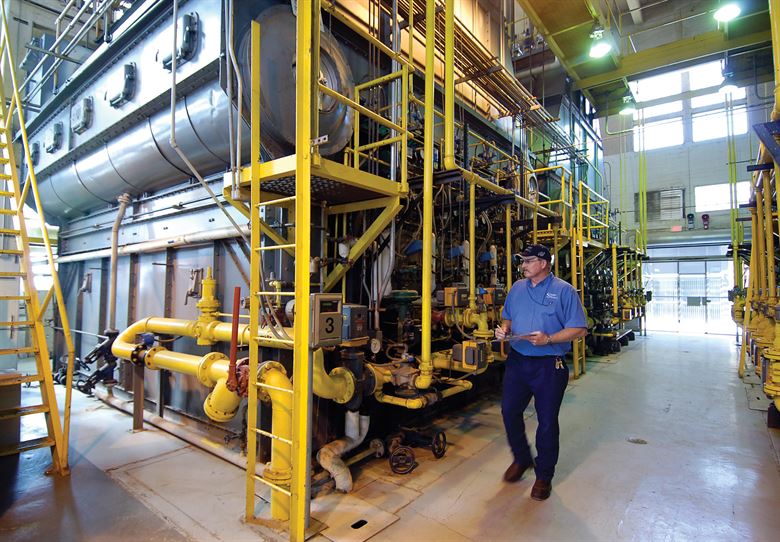
Exposure to unguarded or improperly guarded machines causes over 1000 deaths and 20,000 serious cuts, crushing injuries, scalpings and amputations every year

The tornado season in North America begins in April, peaks in June and July, and ends in September. But really the storms can occur at any time, with approximately 1,000 tornadoes being reported in the United States and 80 in Canada each year.
Fall protection includes personal fall arrest equipment, conventional equipment such as guardrails, and positioning device systems. A fall arrest system is used to halt a person's fall from a working level 10 feet (three meters)
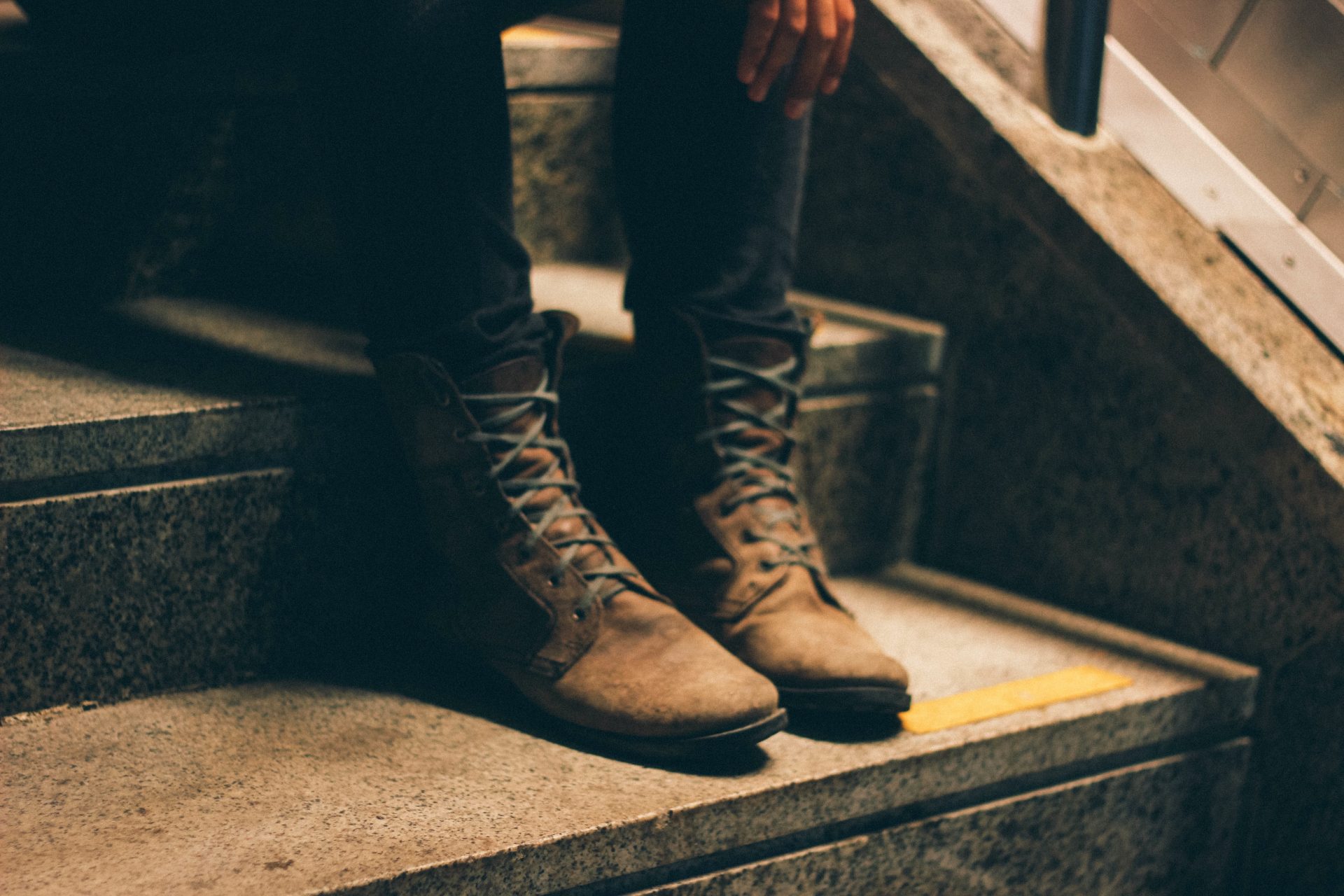
When your feet hurt, everything hurts. Ask anyone finishing a long shift in bad shoes.
How This Affects You: You can be seriously injured by using common workplace tools incorrectly.

There are a number of hazards your hands encounter every day on the job. Here are a few examples.

Workers all have their areas of expertise and they develop impressive skills through years of experience. But being an expert machine operator doesn’t necessarily mean one is able to perform critical maintenance or repairs on that machinery.

Things are constantly changing in many areas of people?s lives. Your job likely sees a lot of change, where new methods of doing things are introduced, potentially affecting your safety and health.
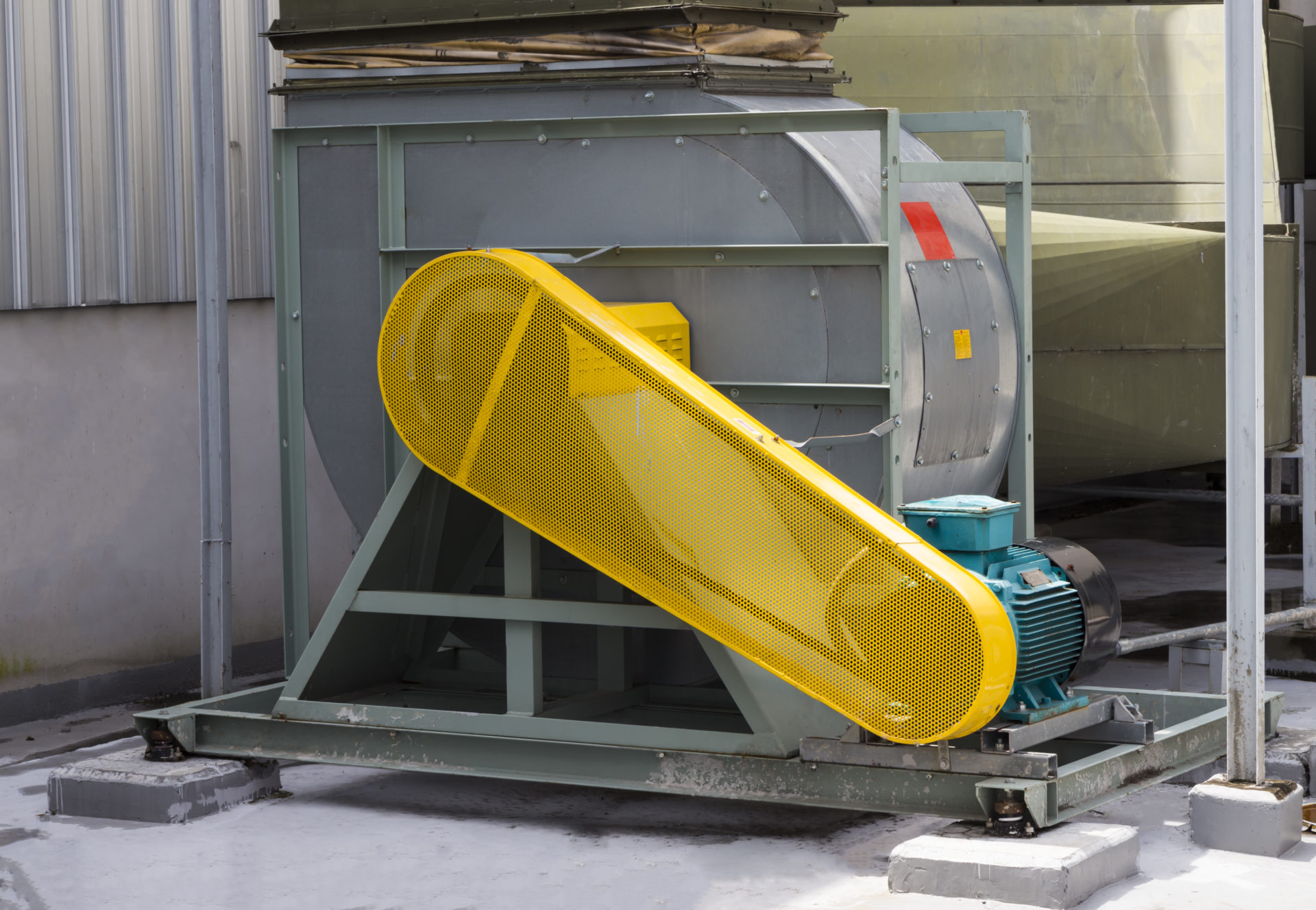
A sawmill worker suffered multiple fractures to his right arm when it became caught in an edger outfeed chain and sprocket. For unknown reasons, he had lifted the guard to check the drive mechanism.
People who never touched a chainsaw before have been using these tools for disaster cleanup. So it's time for a safety talk on the hazards of these tools.
How This Affects You: Workplace violence can happen to anyone, even you.

Chemicals enter the body in a number of different ways. A chemical can be absorbed by the skin, inhaled, ingested or through a puncture like a needle. Once in the body, chemicals are circulated by
If you think fatal falls happen only to construction workers swinging off skyscrapers, think again. Because ladder use is so common, many workers take ladder safety for granted, and do not take the appropriate precautions.
Being splashed in the face with molten metal and being splashed with water will have dramatically different results on your body.

The space between a loading dock and a truck trailer is one of the most dangerous in any plant. But no matter how fast things move for just-in-time shipping, you should always make time for safety.
There may be moving equipment, slippery or dangerous surfaces, electric shock hazards, falling objects, water or other liquid contents, chemicals or extreme temperatures. Noise, poor visibility or shifting materials such as grain or sand could
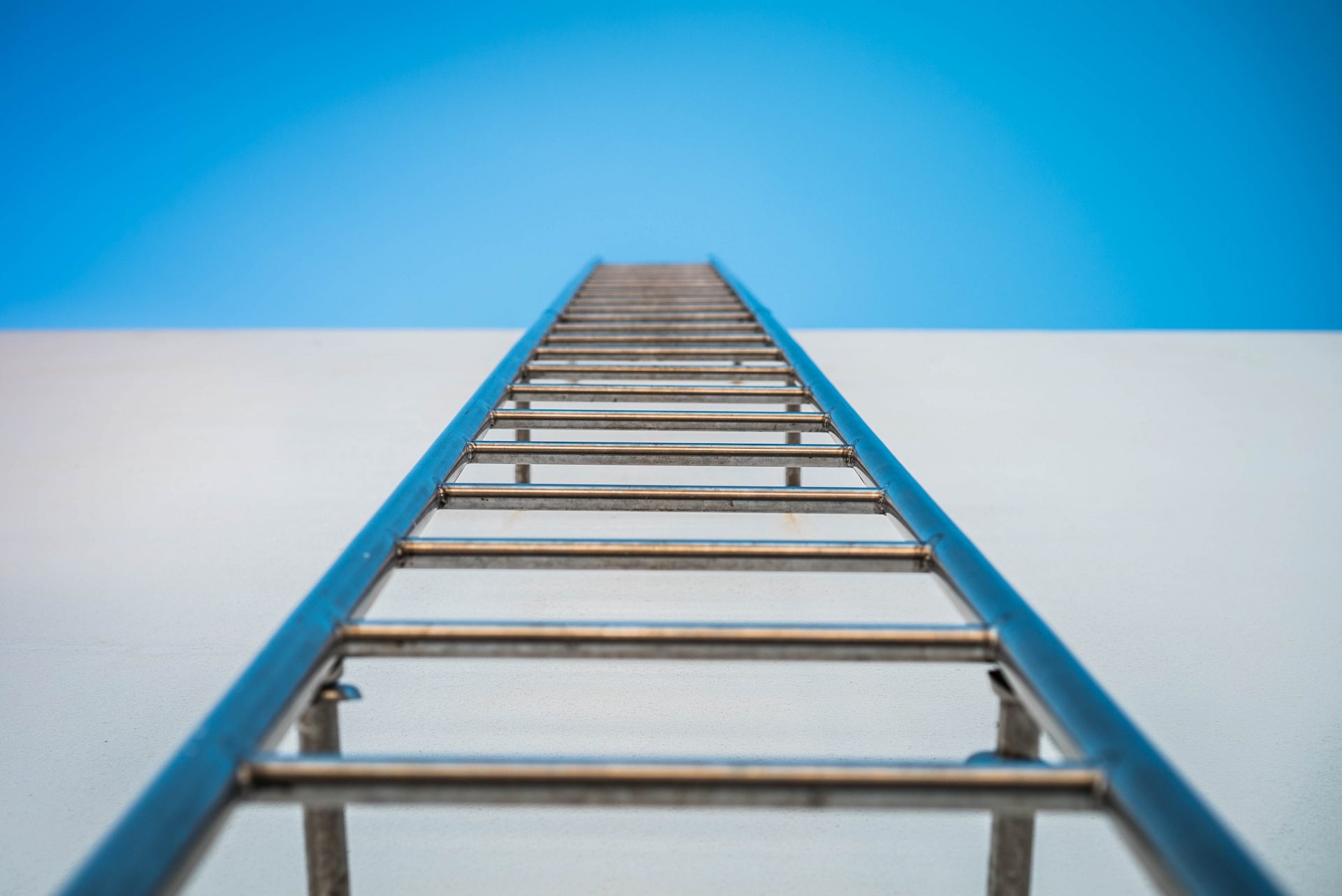
Whether workers climb a ladder or the steps to a large vehicle, failing to heed the three-point rule has resulted in many workplace injuries and deaths.
How This Affects You: The air around you keeps you alive.

A back injury can begin a lifetime of pain, inability to work or play, reduced income and unhappy dealings with medical agencies.

The Globally Harmonized System of Classification and Labeling of Chemicals (GHS) was created by the United Nations to help bring uniformity to hazardous materials labeling around the world.
Working outside puts workers at risk for countless hazards.

Anyone who has to move heavy objects, work in awkward positions, hold one position for a long time or perform certain tasks at a fast pace can get hurt. These tips will help protect your
Since it's your first time, you may want to checkout some of the video tutorials.


 800-ICW-SAFETY (800.429.7233)
 SAFETYOnDemand@icwgroup.com