
Picture This! De-Feeting the Purpose of Safety Footwear
Whatever part of this safety footwear which was considered to be “safe” by the wearer is something that only he would know.
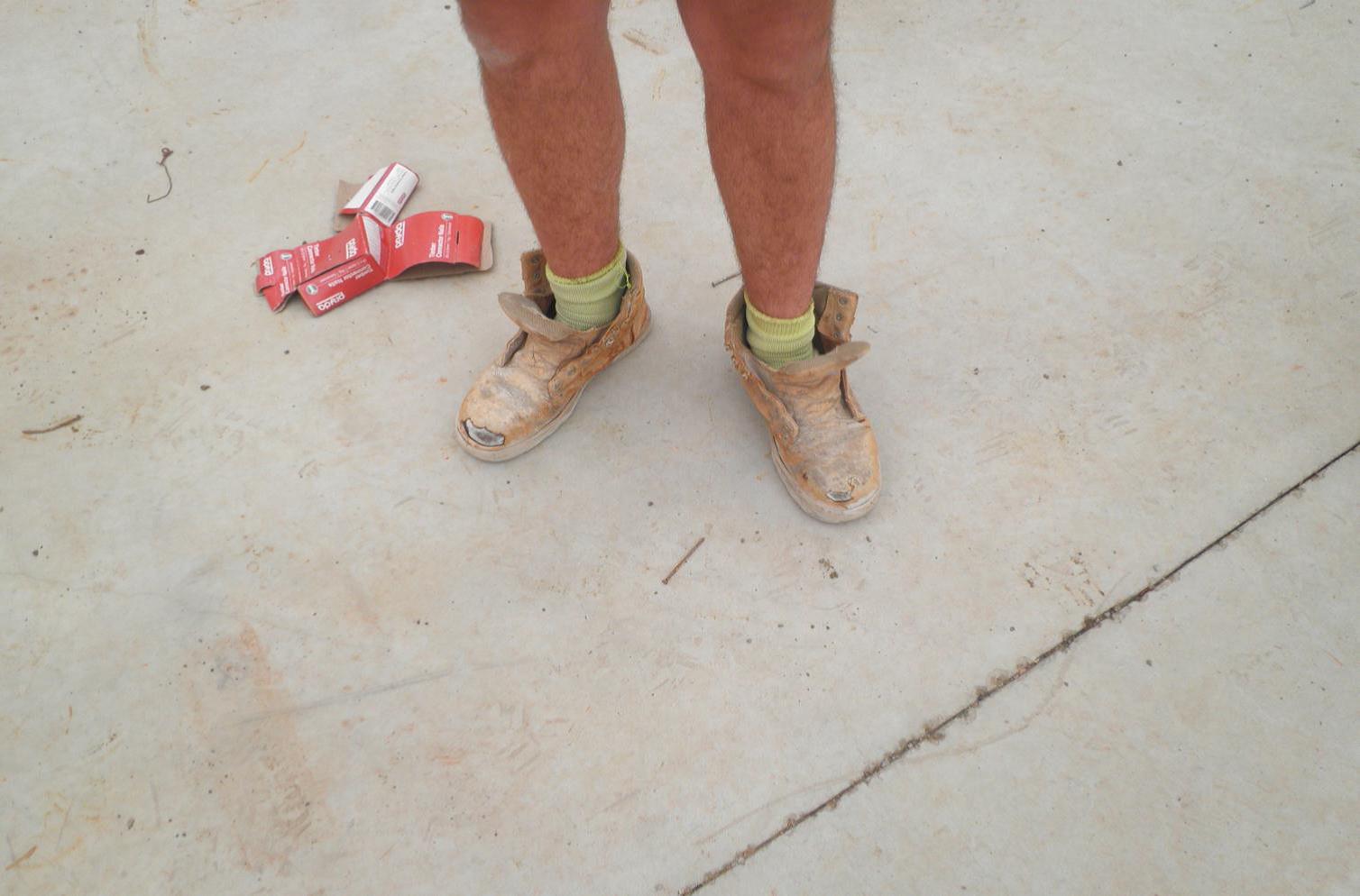
Whatever part of this safety footwear which was considered to be “safe” by the wearer is something that only he would know.

Key Takeaways: Distinguish between risk management and impairment management Explain [...]
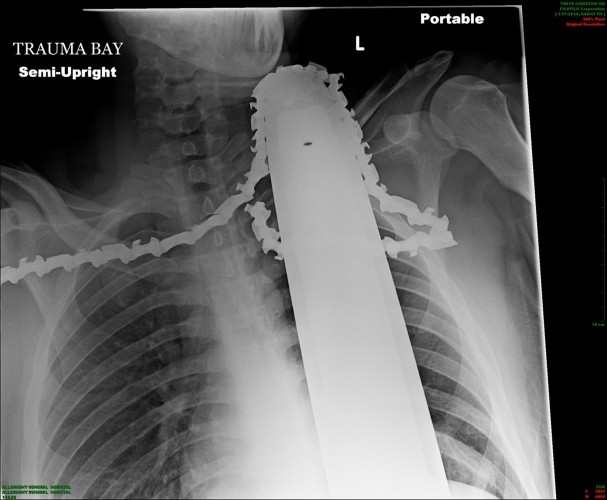
Chainsaw kickbacks are often deadly, but a Pennsylvania tree trimmer survived in spite of having a chainsaw's chain embed itself in his neck. The horrifying incident hasn't put James Valentine, 21, off returning to that job. Here's a photograph showing an X-ray of the chain inside his body.

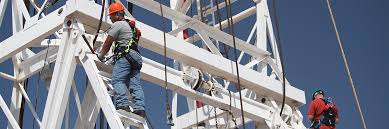
What would you tell a worker using a ladder in this way?
A well-placed safety sign is a good reminder for your workers and visitors, but this photograph shows a dizzying array of "watch your step" warning signs that could actually distract workers and lead to a fall on this stairway.
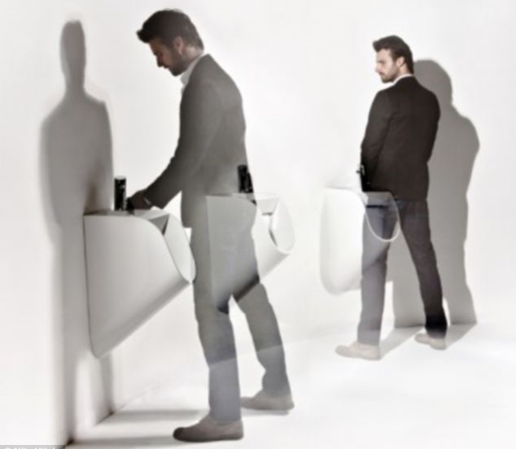
Does this graphic ACTUALLY depict a man washing his hands in a urinal? What is going on?
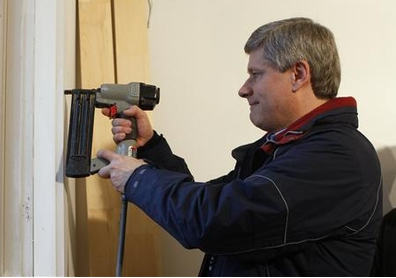
Canada's Prime Minister, Stephen Harper, was photographed using a nail gun to promote a home improvement stimulus program. Too bad he wasn't wearing any PPE.
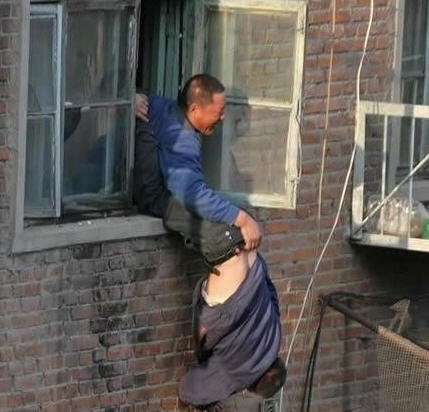
When people don't have the right equipment or are too lazy to go get it, they tend to improvise in ways that are anything but wise. Here's a photo of a man holding a worker upside down outside an elevated window. The strain is plainly evident on his face.
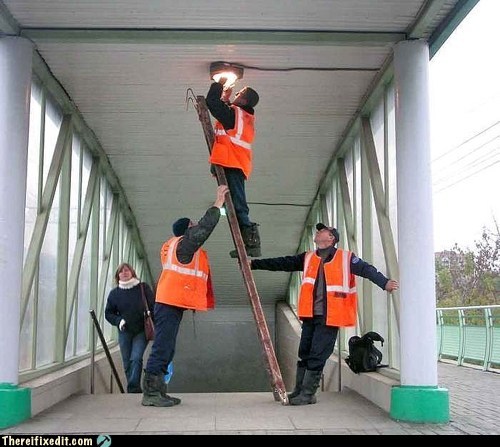
How many workers does it take to safely change a light bulb? Apparently more than these three guys.

What to do if you think OSHA has unfairly cited [...]

A revealing glimpse into what OHS prosecutors look for when [...]
To assess the risk of repeat violations, you first need [...]
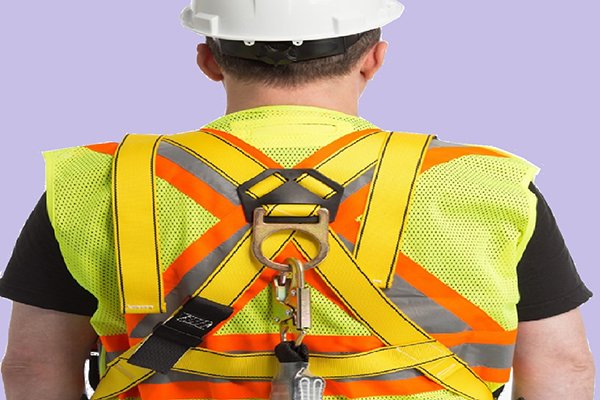
Issues involving a lack of fall protection measures were number [...]
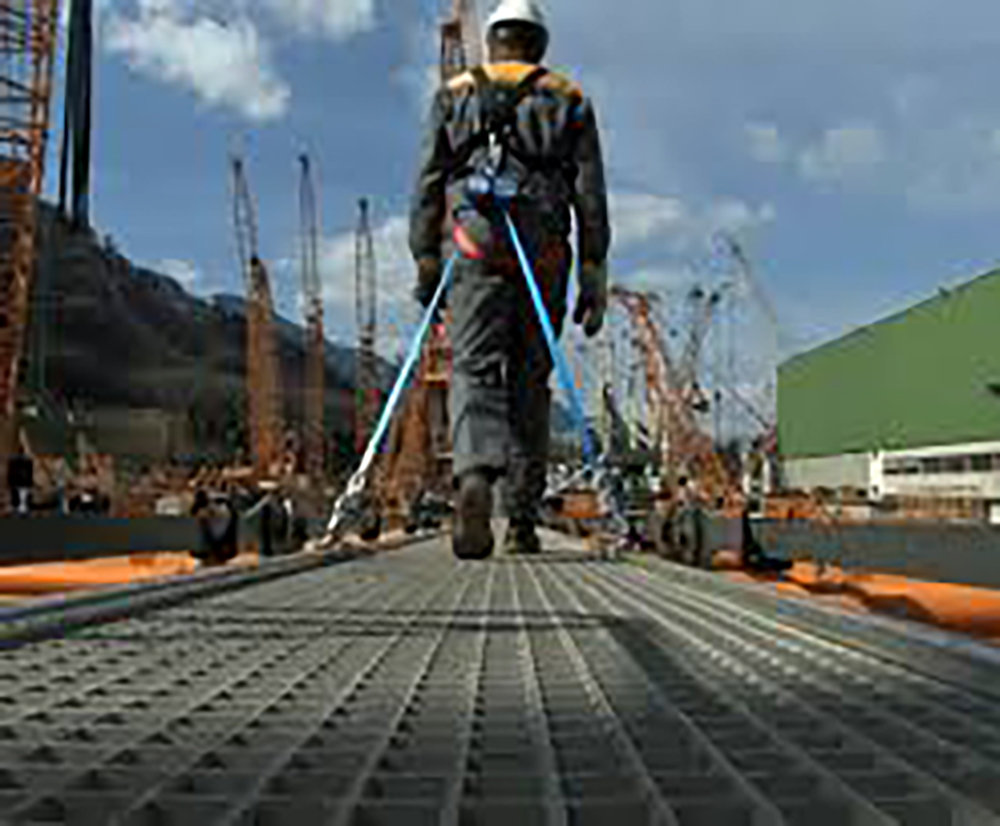
Fall protection issues have topped the list of OSHA’s most-cited [...]

In order for accidents to be reduced to the absolute [...]

Following the death of a young worker who was exposed [...]

Countless workers have been seriously injured or killed because they [...]

If a co-worker says or does something to upset or [...]

Taking a Successful Safety Program to the Next Level Paradoxically, [...]

OSHA has cited 11 repeat violations for alleged infractions including [...]
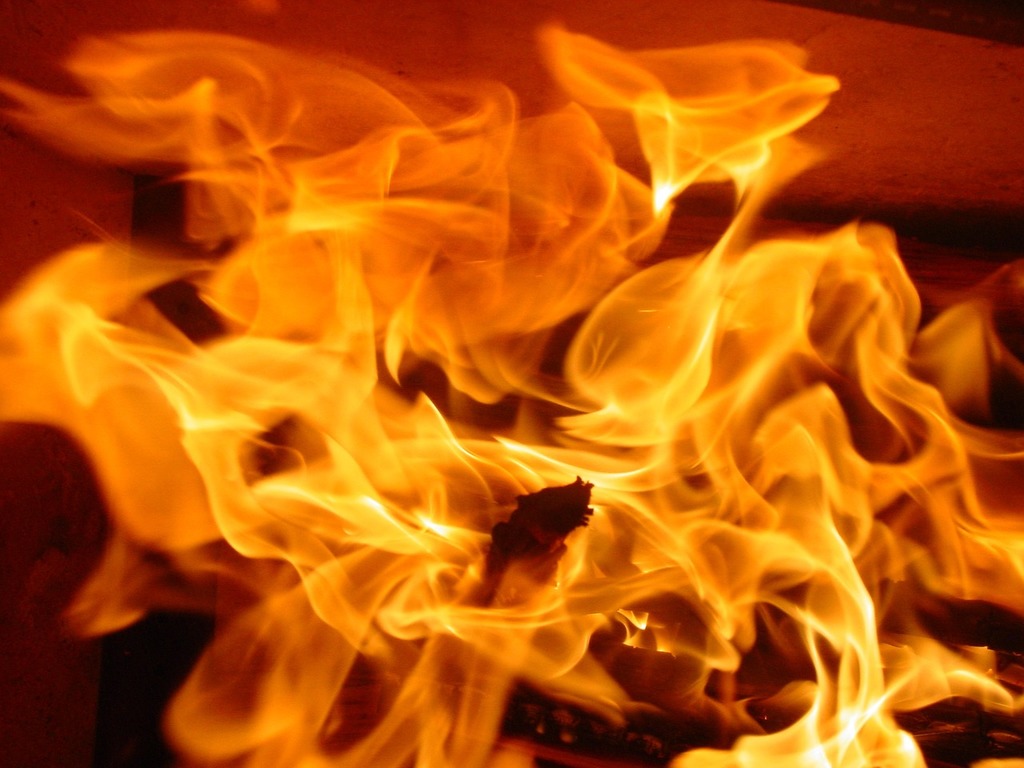
(Warning: Graphic Content)
This video is the most motivating high impact video on the market. Fires are an everyday occurrence, but little attention is paid to fire prevention. This video will have a long term effect on employees related to causes, prevention and emergency action. Extremely graphic scenes of burns and fire injuries.
(19 minutes)

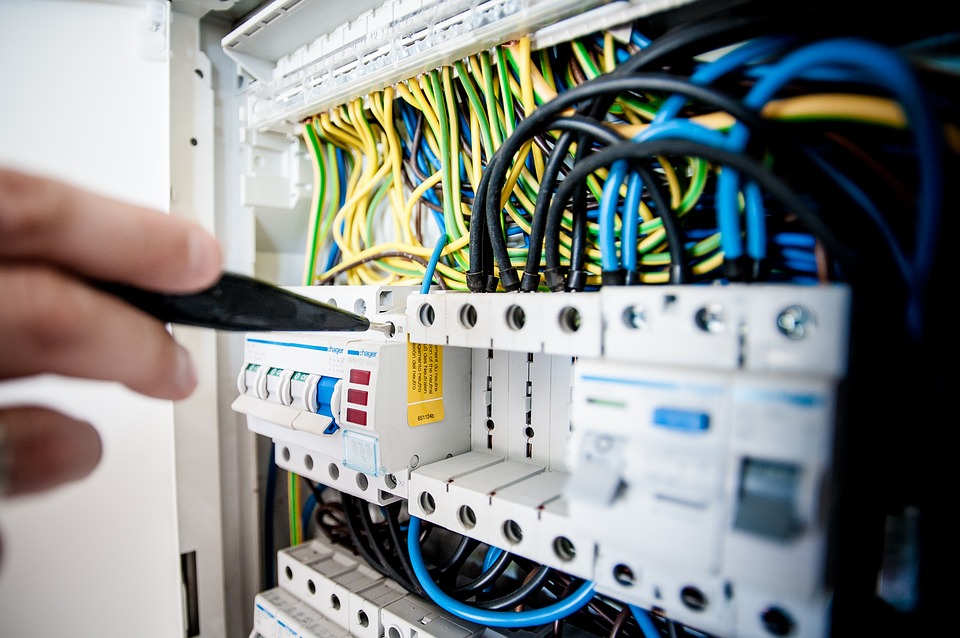
This video is designed to make employees aware of basic electrical safety in the workplace. It reviews the safety requirements on plugs, cords, cables, disconnect switches, hand/power safety, and other electrical safety equipment.
(10 minutes)
This is an excellent training video for all employees. Discusses electrical safety, grounding of electrical equipment, power cords, extension cords, double insulation, three prong plugs, wires, and a good sfety overview of electrical safety in the workplace.
(16 minutes)
Topics include components of a fall arrest system, inspection, calculating fall distance, selection of a connecting device and the importance of choosing a legal tie-off point.
(20 Minutes)
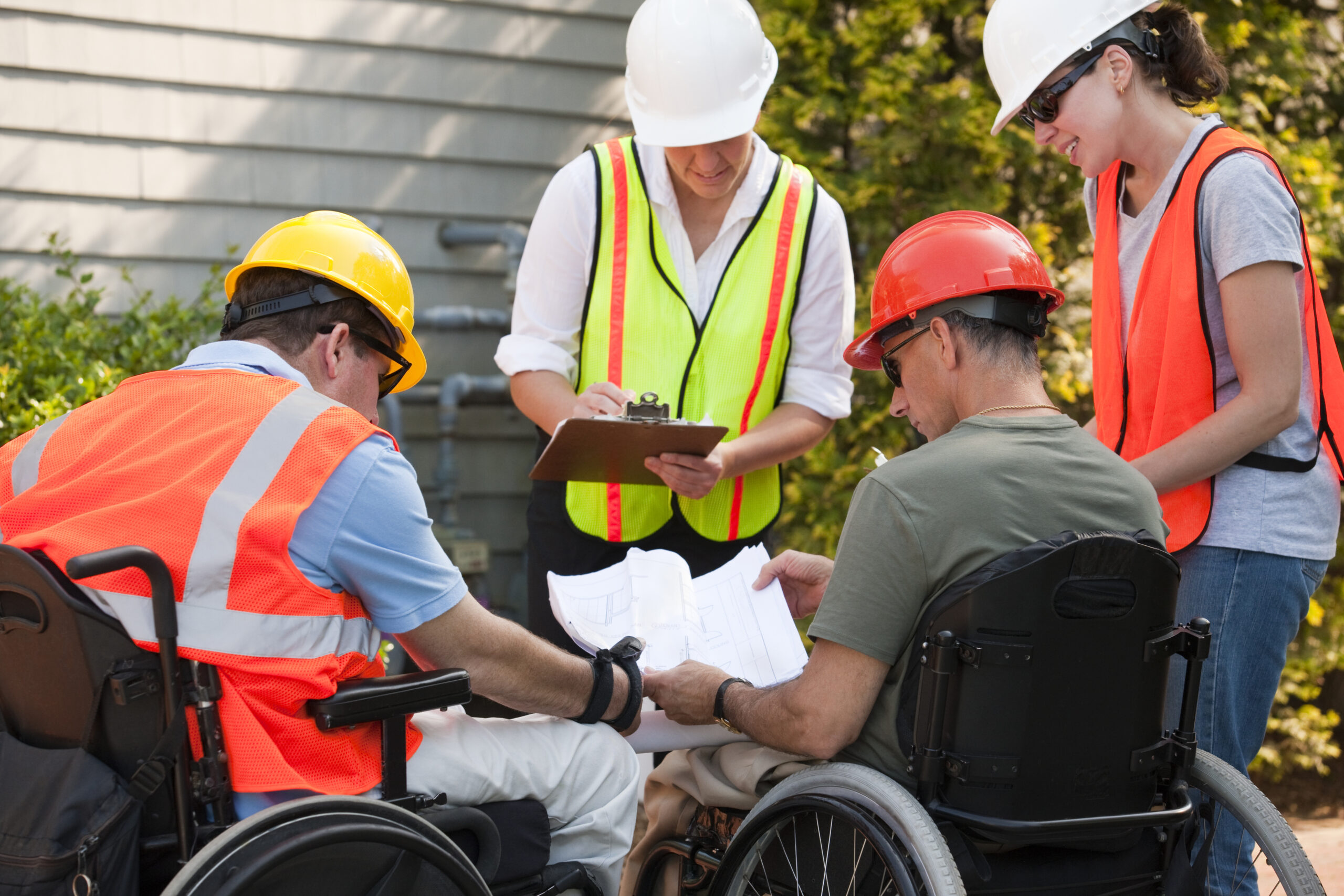
This video explains how to comply with GHS requirements, without changing your entire HAZCOM program. The topics in this program include: changes to hazcom, hazard classifications, labels, pictograms, the new safety data sheets (SDS)
(15 min)
Since it's your first time, you may want to checkout some of the video tutorials.



 800-ICW-SAFETY (800.429.7233)
 SAFETYOnDemand@icwgroup.com