
Picture This: Four Reasons Inspections are Important
Your safety depends on workplace inspections and the corrective actions that should be taking place. Workplace inspections are designed to uncover hazards, the obvious and not so obvious kind.
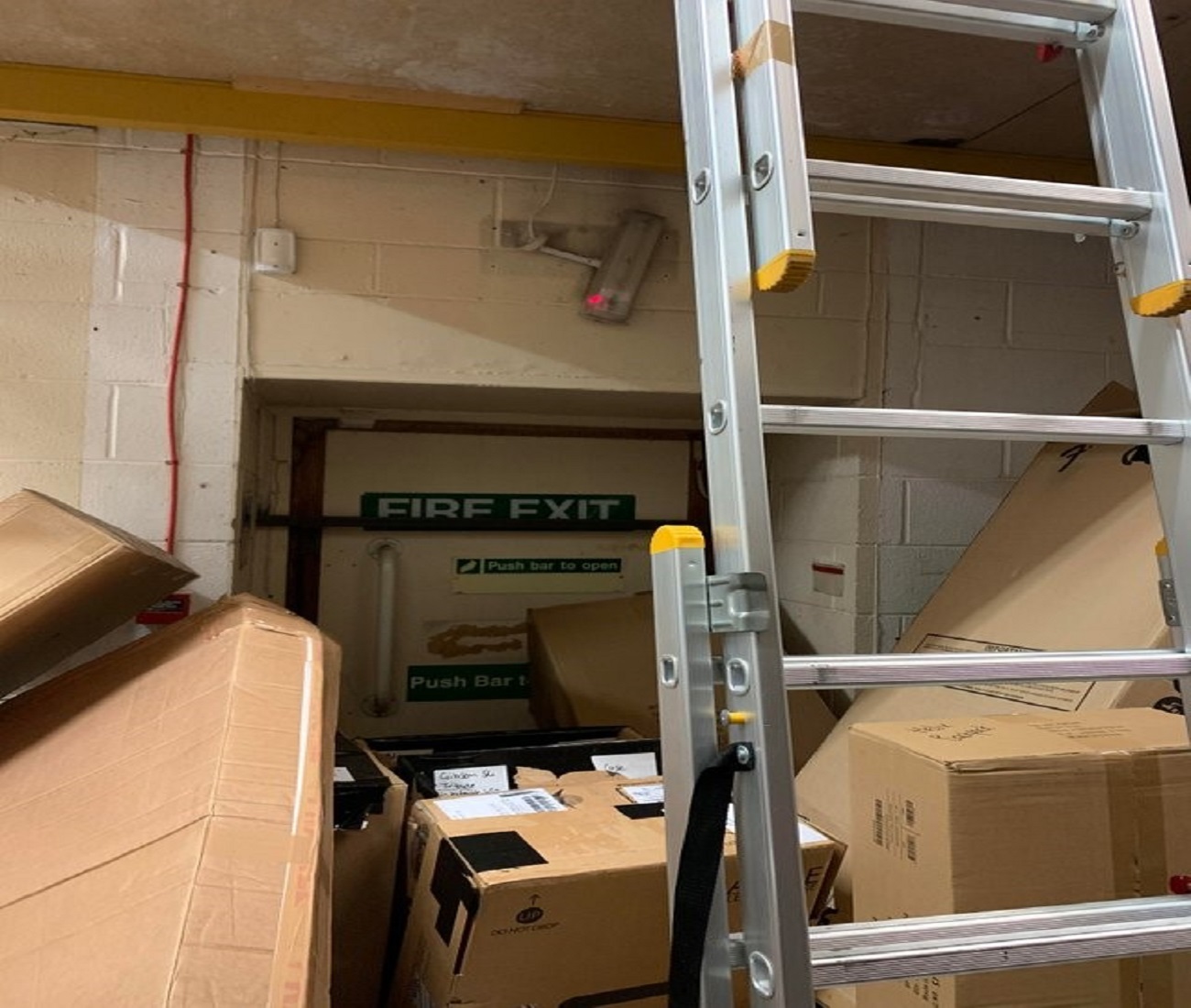
Your safety depends on workplace inspections and the corrective actions that should be taking place. Workplace inspections are designed to uncover hazards, the obvious and not so obvious kind.
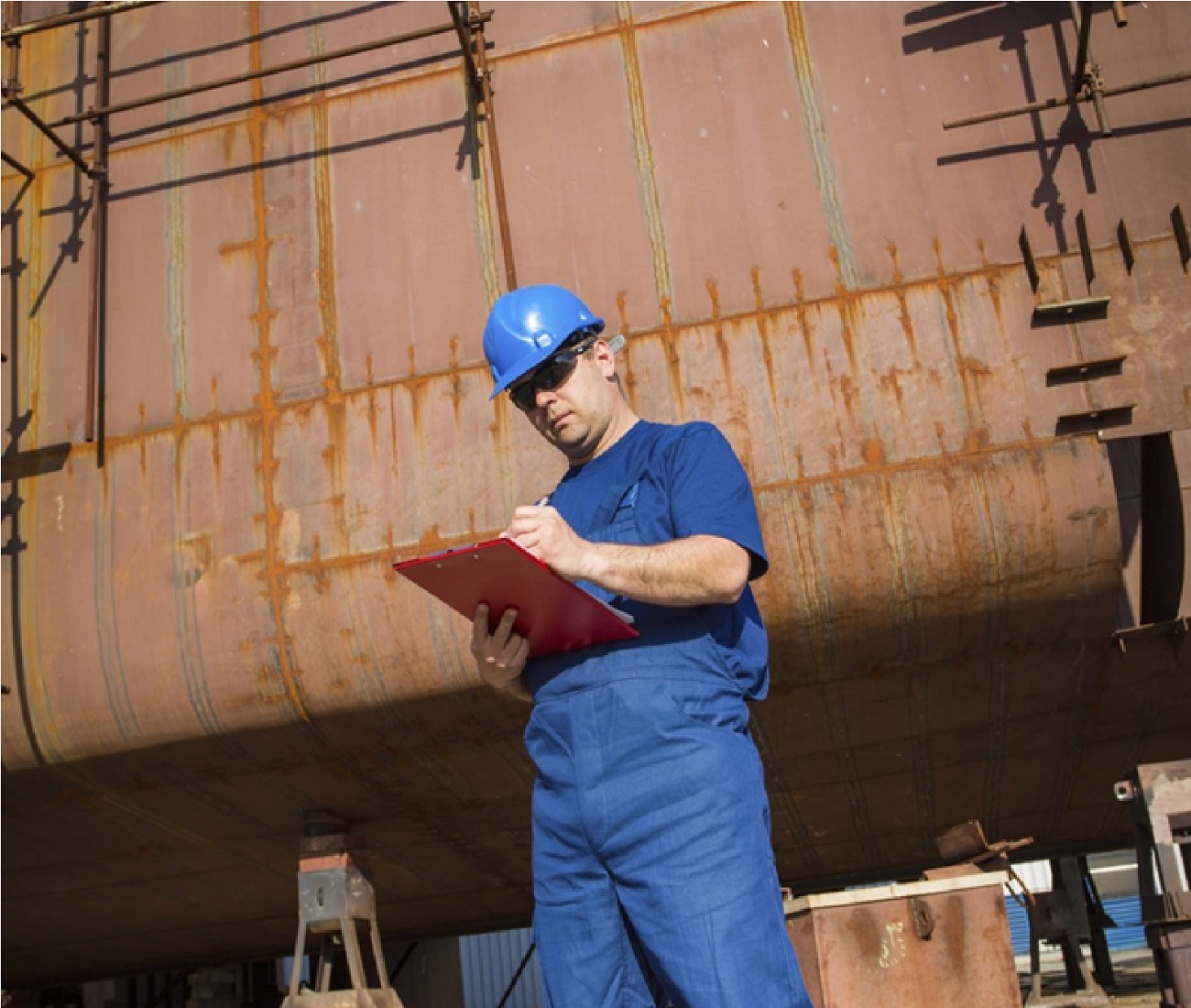
Conducting regular safety inspections is a key component of any workplace safety program. Unfortunately, safety inspection methods leave a lot to be desired at many workplaces. Although the specific details of the inspection process will vary from operation to operation, here are five strategies just about any employer can use to improve inspections.
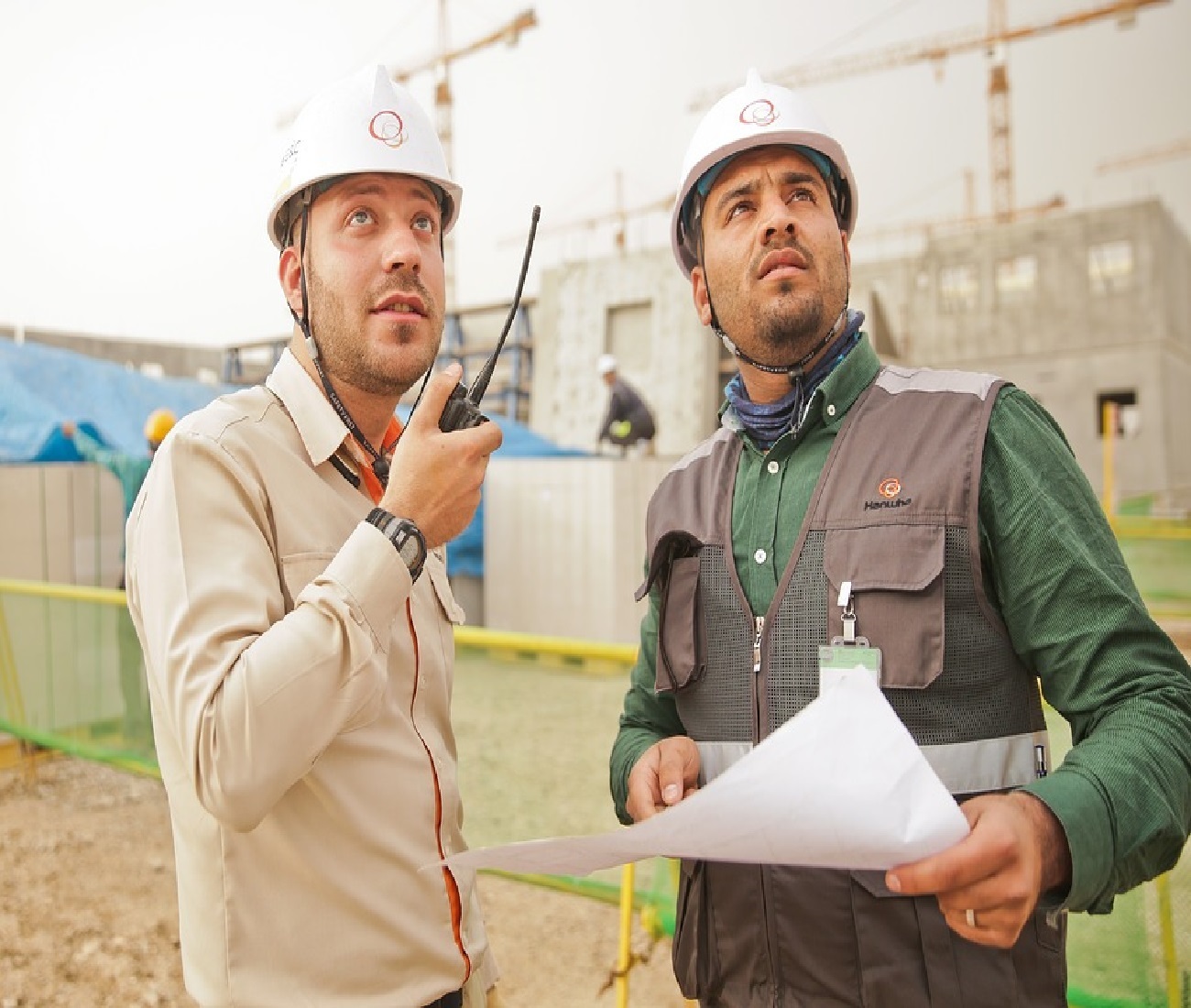
Need a reason to be regularly conducting workplace inspections? Here are 6,098 reasons why workplace inspections are important – that’s how many Canadian and U.S. workers died in 2017 from work-related injuries or illnesses.
Working with cranes, either operating or working around them exposes workers to the hazards of lifted and moving loads and equipment, shock and electrocution hazards from overhead powerlines, and the falling or collapse of the crane itself. The good news is there are things you can do immediately and in the long-term to keep your workers safe and equipment in safe working condition.

Can you find all the words associated with heavy machinery and equipment?
Can you find all the words associated with health & safety management?
Can you find all the words associated with fire safety?
Can you find all the words associated with first aid?
Can you find all the words associated with human resources?
Can you find all the words associated with general safety?
Can you find all the words associated with chemical safety?
Can you find all the words associated with PPE?
Can you find all the words associated with ergonomics injuries?
Can you find all the words associated with electrical safety?
Can you find all the words associated with environmental protection?

Do you know how many workplace eye injuries could be prevented if eye protection had been worn? Read on to find out.

Safety eyewear and face shields can save you from injuries which can lead to blindness and facial disfigurement. Prompt treatment of eye and facial injuries reduces the risk of permanent damage.

The use of proper eye and face protection, such as safety glasses, goggles, face shields and helmets can prevent countless eye injuries. This Workplan focuses on implementing an Eye and Face PPE program but can easily be modified to include all PPE.

Using an angle grinder can be extremely dangerous for several reasons. If the wheel isn’t the right size or type, or is defective, it could break apart and become a dangerous projectile. One that can take off a finger, put out an eye, or do serious and sometimes fatal damage.
11 Feb 2020 Last 30 Days February 10 - Region 4 - [...]
On November 9, 2018 OSHA published a Final Rule amending the requirements for crane and derrick operator training, certification, and employer evaluation (29 CFR 1926 Subpart CC). The evaluation and documentation requirements become effective on February 7, 2019. Here’s what you need to know.
A first aid program is required for most employers in the U.S. and Canada. The program should be based on the hazards, risks, and proximity to medical services of an individual site, however there are several elements that every program should include.
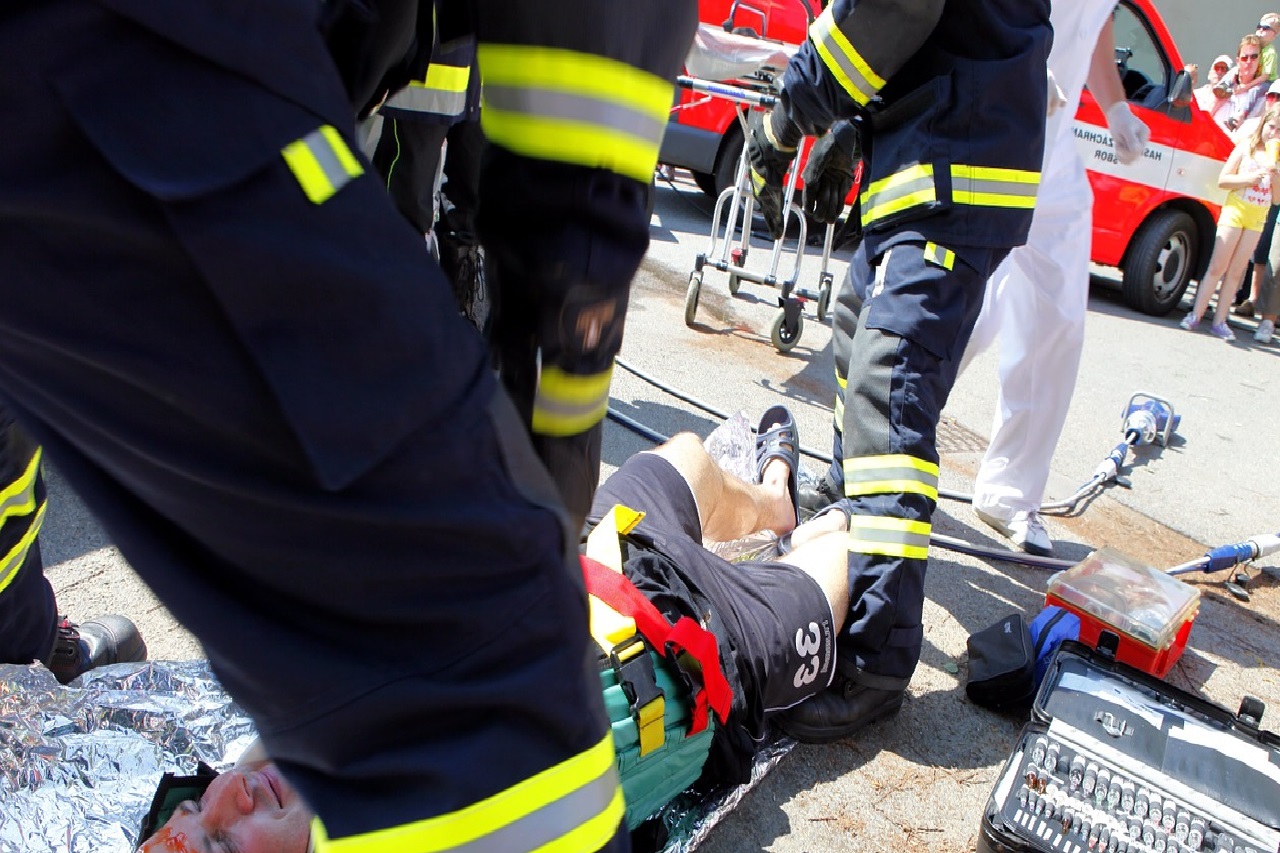
Training your first aid attendants and first responders is a required part of every first aid program. But do you know what exactly should be covered or what training methods to use? Hazards are present at all worksites, from offices to mines. So too are the chances of injuries and illnesses. Sudden cardiac arrest, severe bleeding, shock, a near-drowning, or lack of oxygen during confined space work are all life-threatening emergencies. Without prompt and properly performed first aid a victim of any of these situations will very likely die or be permanently disabled while waiting for emergency services to arrive and begin care.
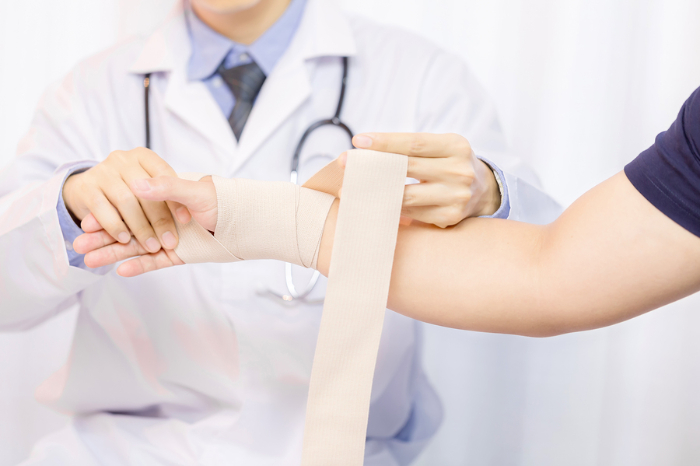
The time to unearth potential problems in your current workplace first aid arrangements is right now—before a medical emergency does it for you. Although first aid requirements can vary - there are FIVE sets of documents to focus on when conducting an audit of your first aid program.
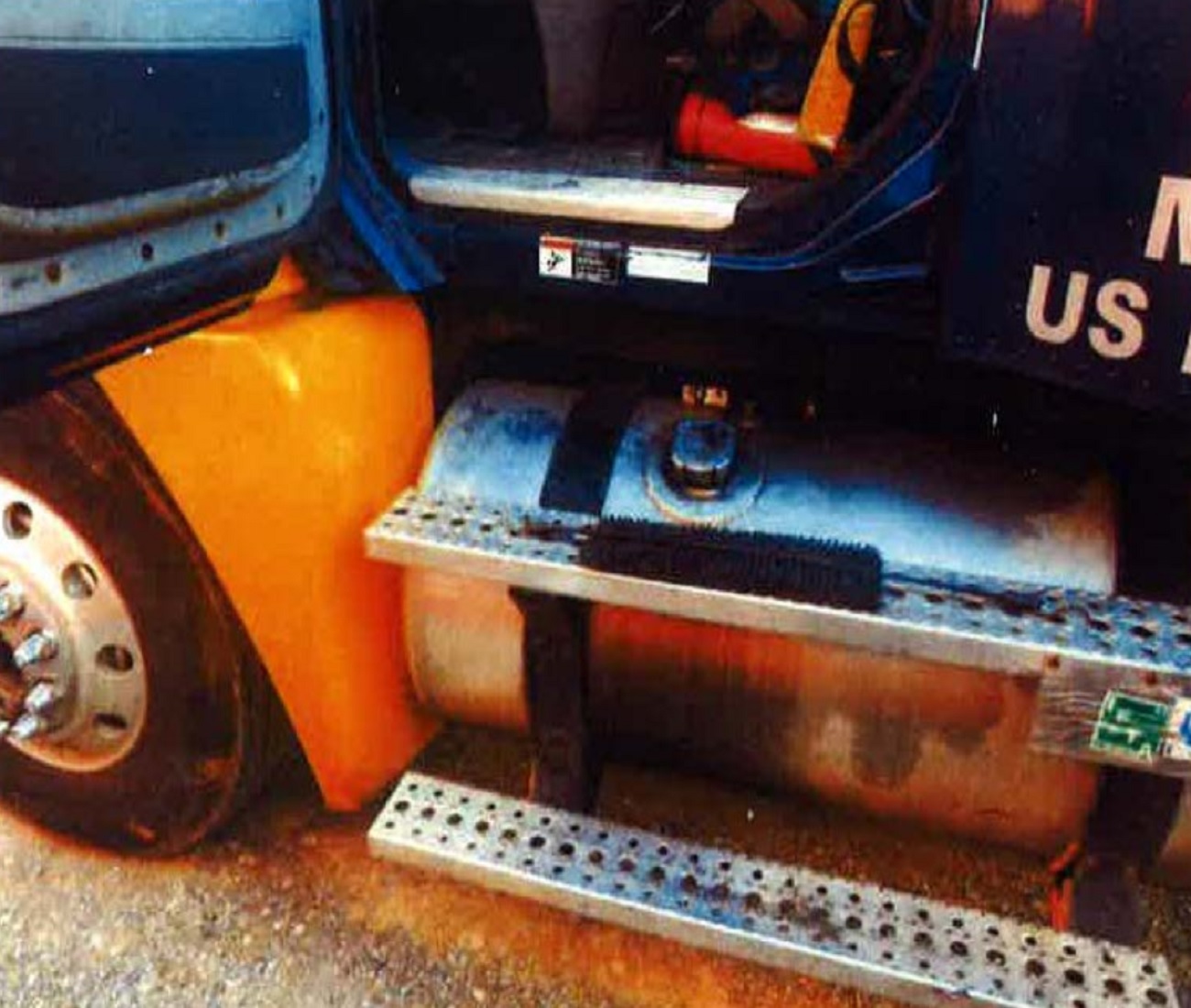
Timely first aid saves lives. As these four fatal incidents show, accidents at work vary greatly in type, cause, and location. The common thread between them is the chance that first aid might have made a difference in how these workers’ stories ended.
Since it's your first time, you may want to checkout some of the video tutorials.


 800-ICW-SAFETY (800.429.7233)
 SAFETYOnDemand@icwgroup.com