
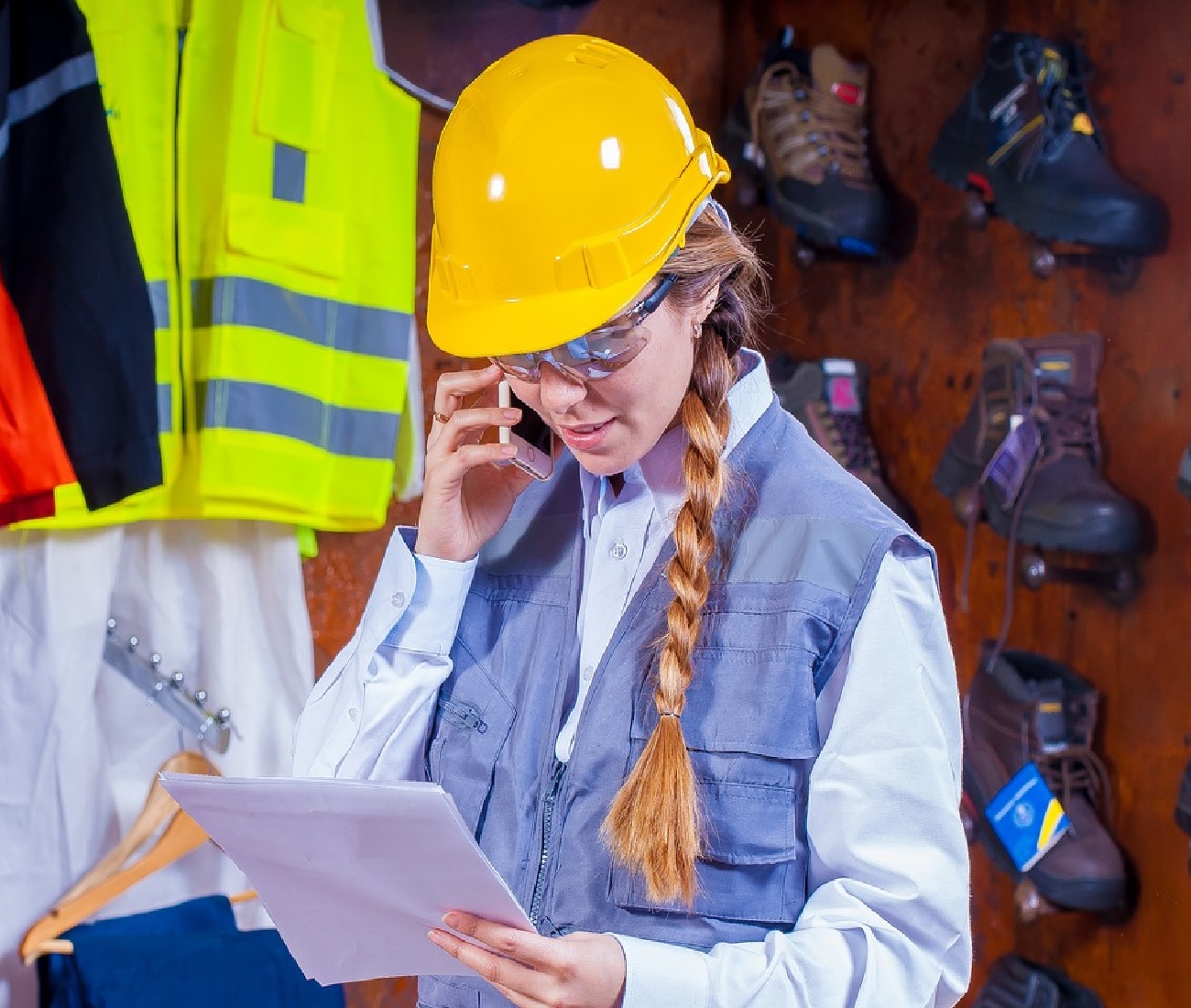
Women at Greater Risk for Ergonomic Injury
Women are twice as likely as men to suffer ergonomic-related injuries.
Women are twice as likely as men to suffer ergonomic-related injuries.
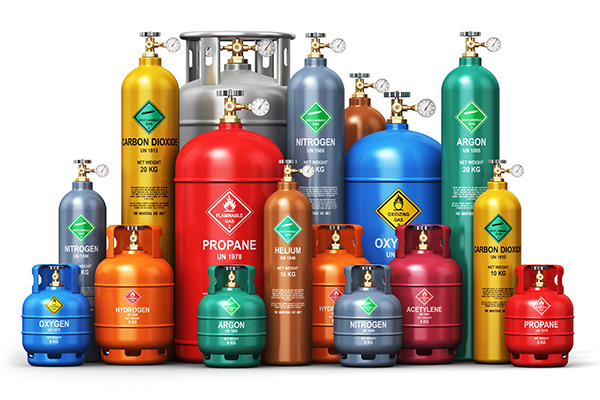
If you work with any amount of chemicals,? or work in an environment where chemicals are used, handled, stored,? transported or disposed of, you must understand the hazards and how to protect? yourself.

The first few minutes are important for the survival of any accident victim. If you can provide prompt and proper first aid while waiting for medical assistance to arrive, you greatly increase your co-worker's chance for a complete recovery.

Your workplace probably has countless electrical tools and devices capable of delivering a fatal electrical shock.
WHAT'S AT STAKE Workers in almost every work environment are [...]
If pressure vessels are improperly operated or improperly maintained, they can fail catastrophically, potentially flattening buildings and killing workers and people living in the area.
The safety rules, policies and procedures of your workplace are there to protect you from workplace hazards and to help prevent injuries.
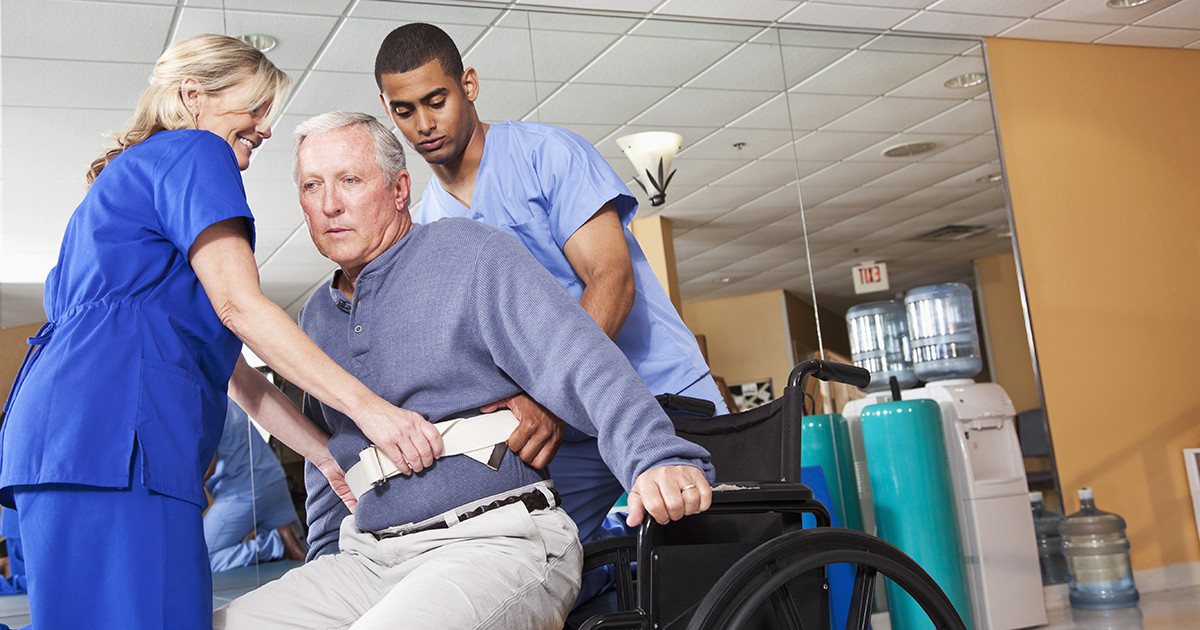
Workers in health care, warehousing, transportation, manufacturing, retail and many other industry sectors have to lift and move people and materials as part of their jobs.
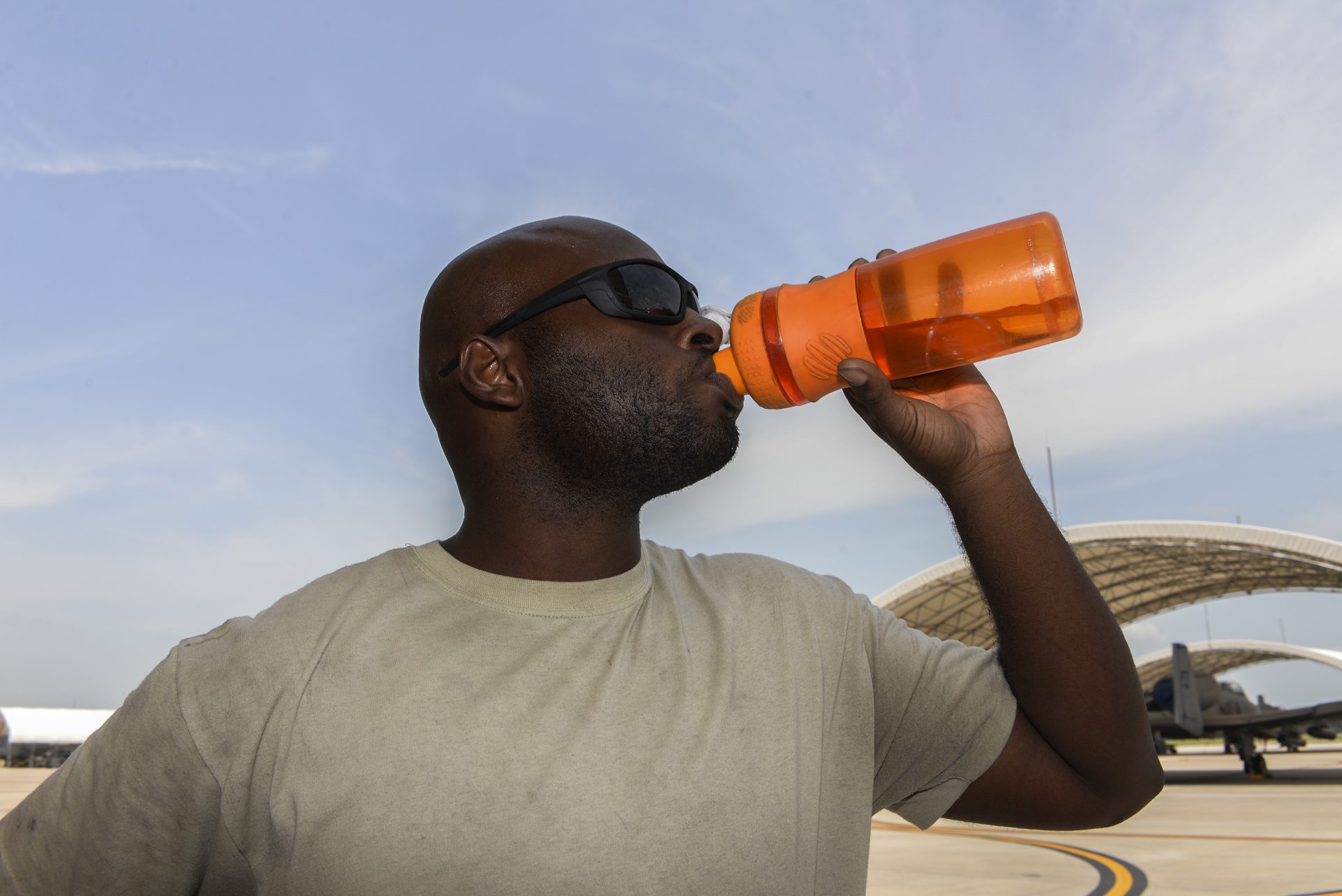
You might be the toughest roughneck around, but a good dose of heat stress can quickly tame anyone's bravado.

Download Instructor-Led Material Meeting Kit PowerPoint WHAT'S AT STAKE Working [...]
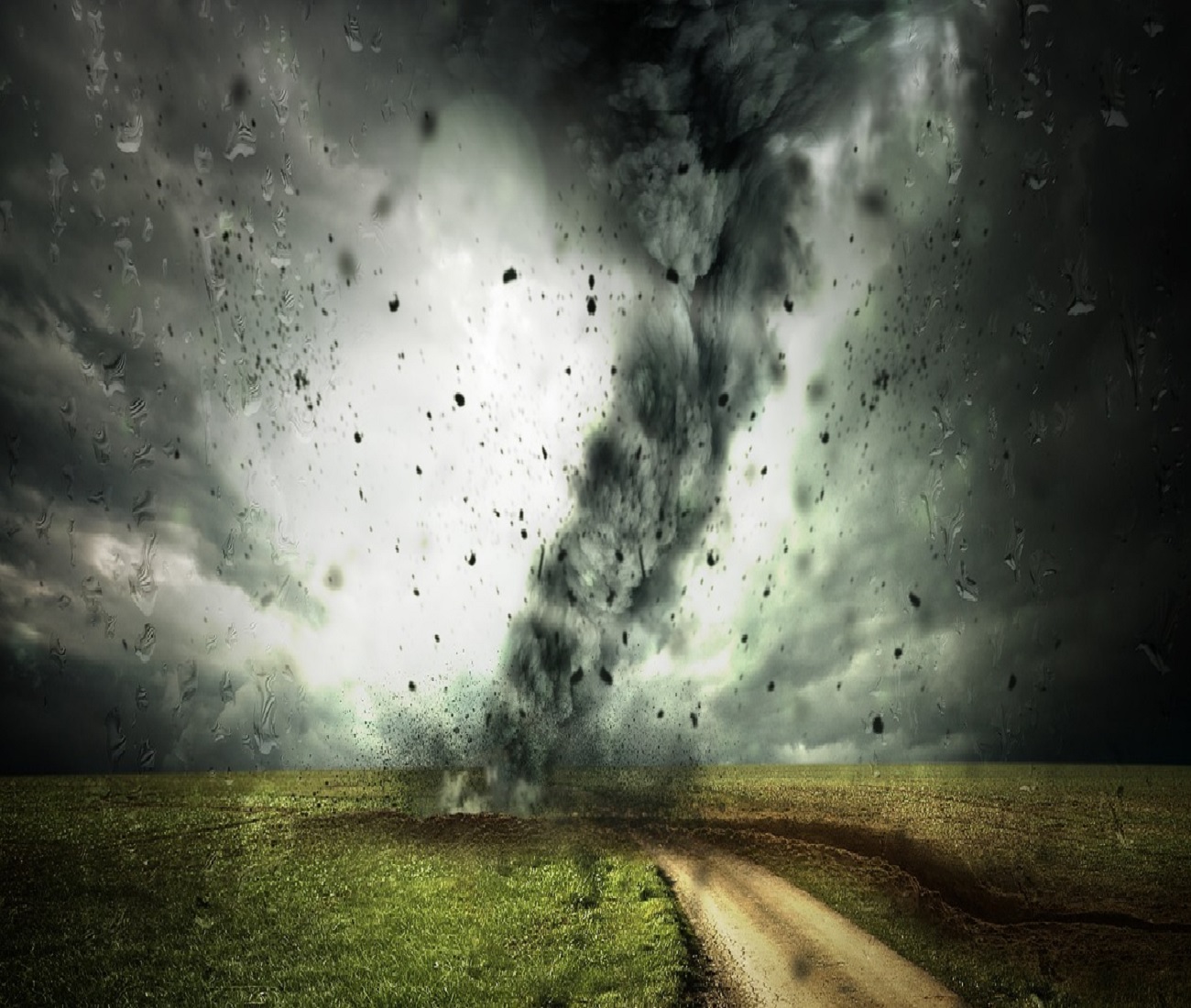
The tornado season in North America begins in April, peaks in June and July, and ends in September. But really the storms can occur at any time, with approximately 1,000 tornadoes being reported in the United States and 80 in Canada each year.

Let's look first at the problem of stored materials. Materials are piled in the yard, in the truck or at various places on the jobsite.
You're struggling to loosen over-tightened lug nuts while fixing a flat tire on a hot, dusty highway.
Unexpected emergencies occur in workplaces every day in factories, plants, offices and warehouses, as well as construction sites and on the road. It could be a fire, fatal injury, flood, earthquake, shooting, tornado, chemical spill or another kind of crisis. So it’s important that companies have an emergency response plan to cover all expected and unexpected disasters. For this plan to be effective, all employees must be trained in the roles they will play in an emergency.

It's easy to take the subject of falls lightly? unless you or someone you know has had a serious fall. Then you realize how deadly this commonplace accident can be.
Bullying is defined as repeated aggressive behavior against another person in an effort to hurt that person, either emotionally or physically. And it happens more often than you’d think. In fact, an estimated 35 to 37 percent of North American workers report being bullied on the job by a co-worker or person in a position of authority.
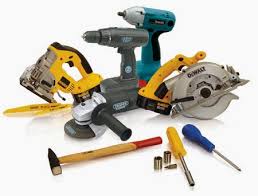
Portable electric-powered tools can be indispensable. They can also be deadly. Each year, thousands of construction workers are injured using these otherwise handy tools.
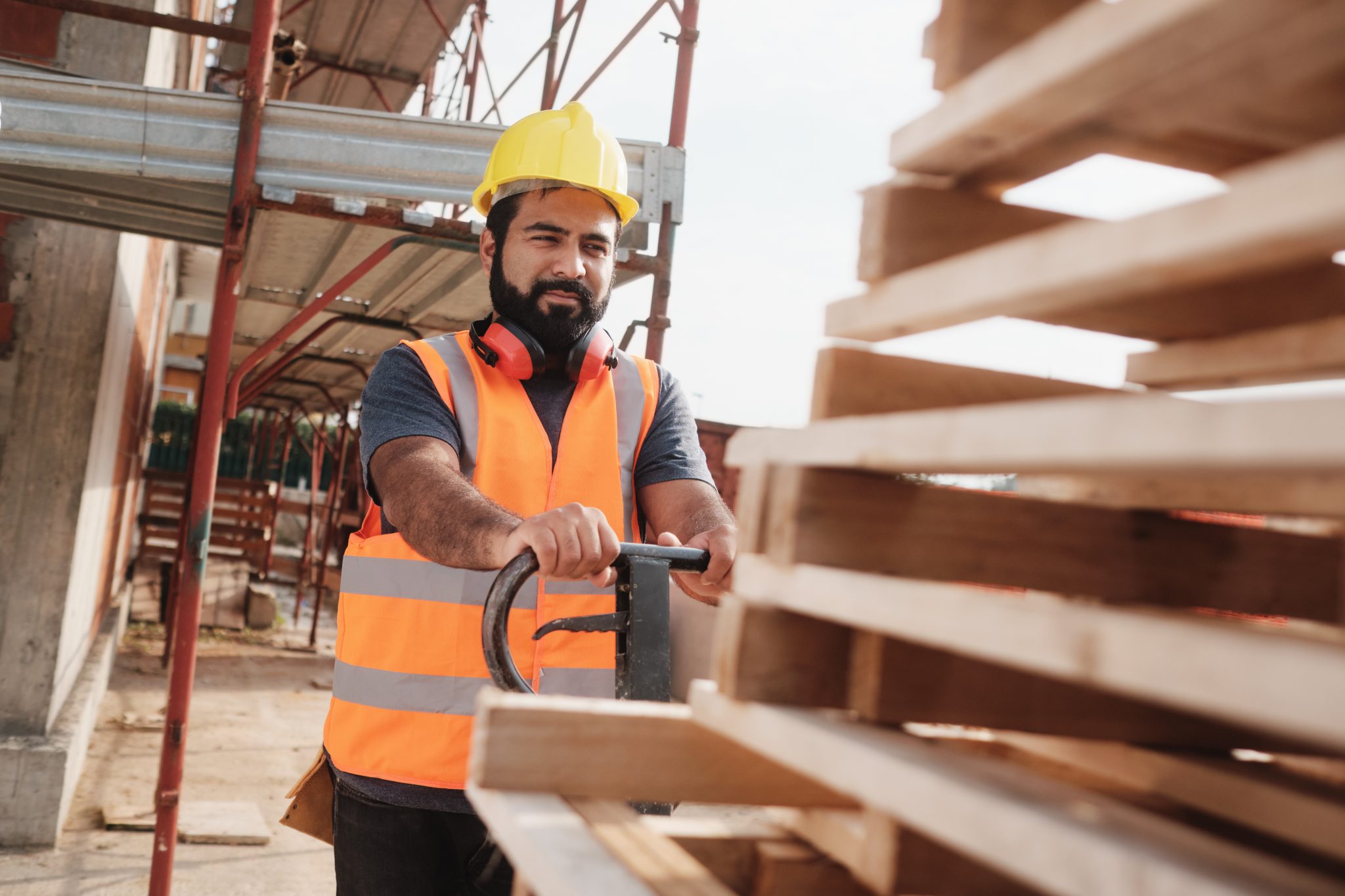
How This Affects You: Your back is used in all you do, on and off the job, and hurting it can have severe consequences: a lifetime of pain, inability to work or play and reduced income.

People who aren’t expecting to end up in water often are not prepared for that possibility and the results can be tragic. Every year in the United States and Canada, an estimated 3,800 people drown, with many of these victims being people who ended up in the water unintentionally.
In this Safety Talk, we’ll learn about the difference between strains and sprains, discover the risk factors that increase the likelihood of a strain or sprain, and discuss how these injuries can be prevented.
Carbon monoxide, also known as CO, is a deadly gas. It’s colorless, odorless and tasteless, making it impossible to detect by human senses. When CO is breathed in, it quickly replaces the oxygen in the bloodstream. Various stages of illness can easily lead up to unconsciousness and death.
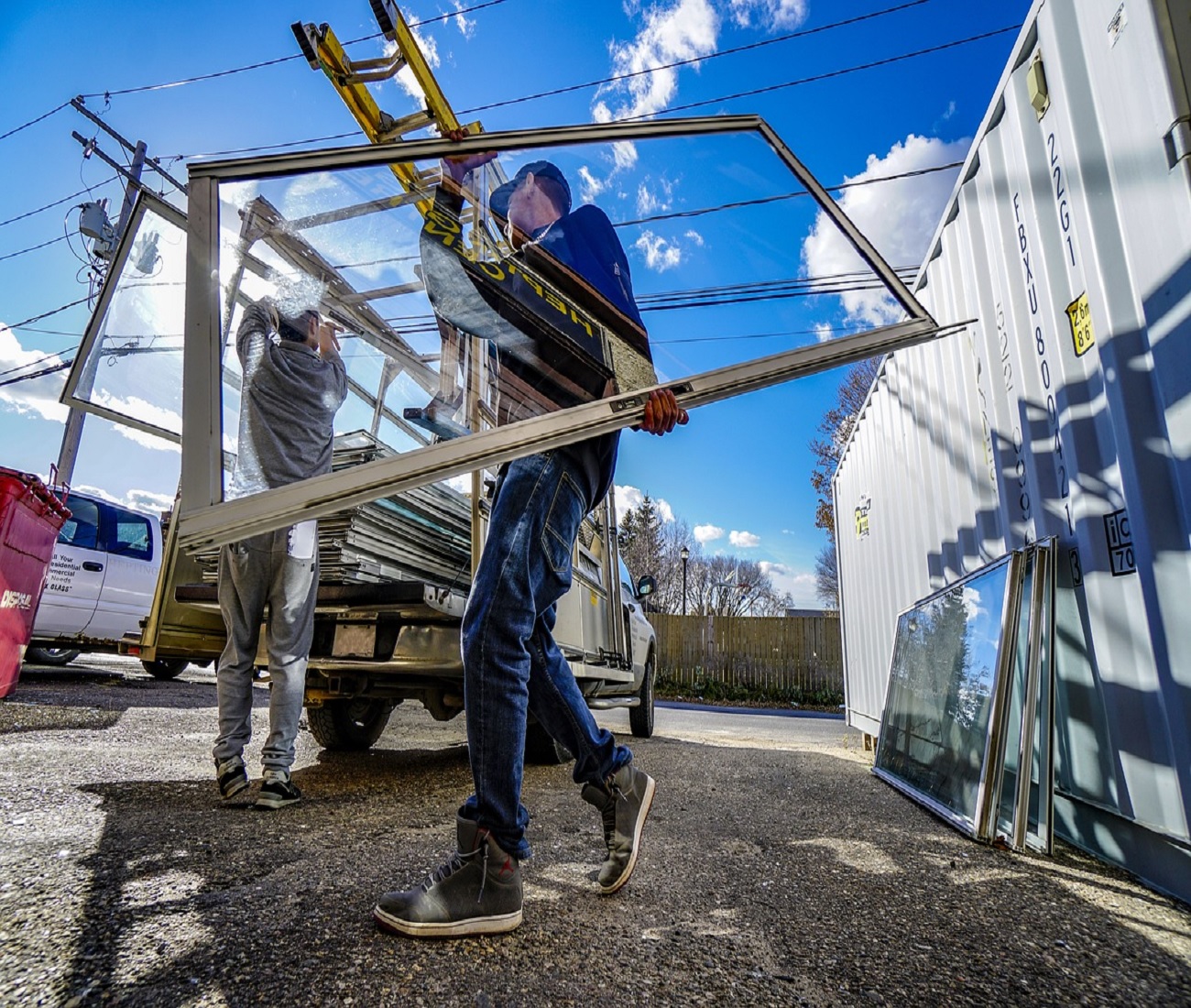
Boxes and cartons The best way to carry boxes and cartons is to grip them at opposite top and bottom corners. Carry sacked materials the same way, and against your waist if possible. Don't strain
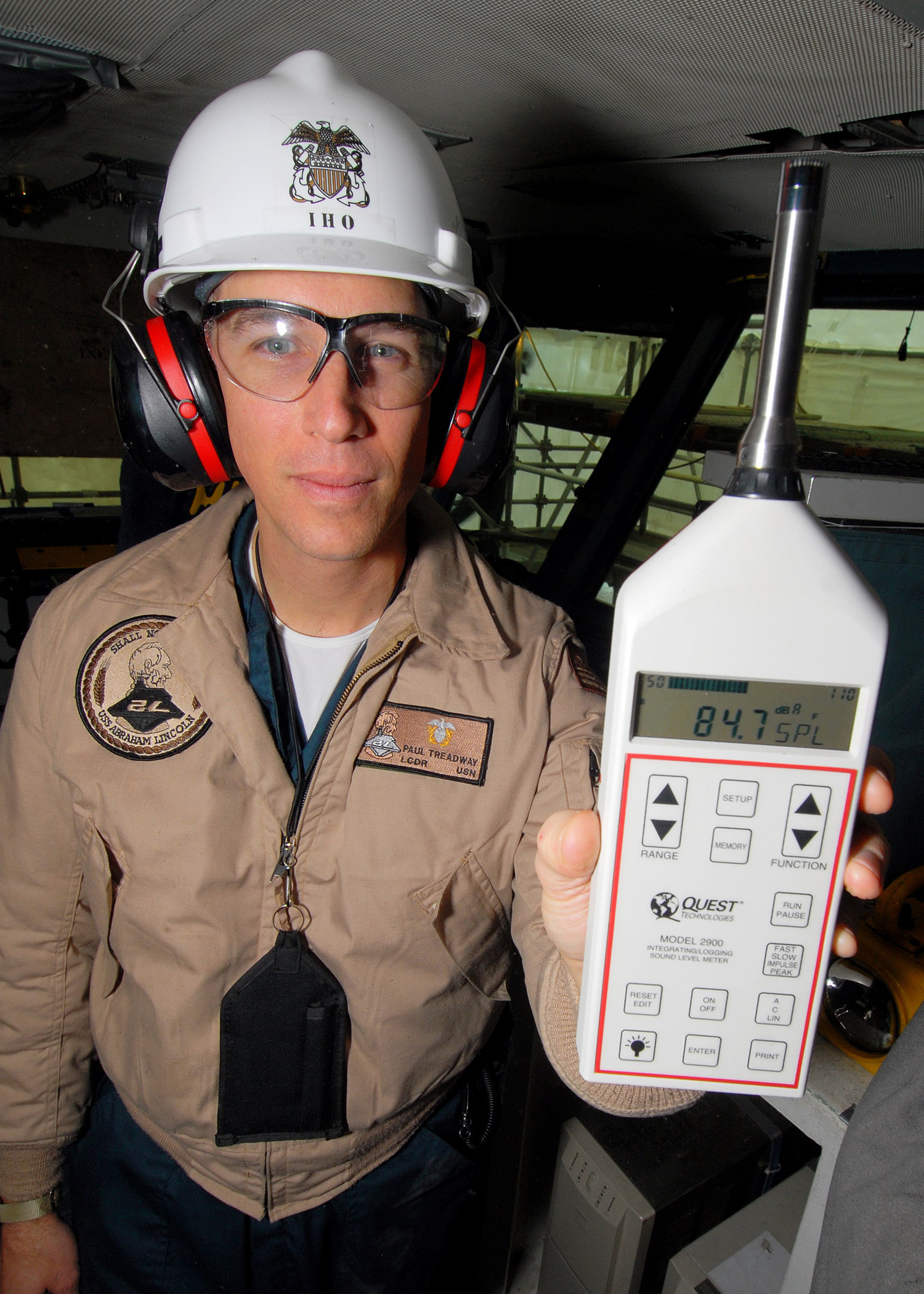
It's hard to believe that noise can cause permanent damage to your hearing - but it can.
What would you do if you encountered an emergency, either in the workplace or outside? Would you call for help? Would you know who to call and what to tell them?
Since it's your first time, you may want to checkout some of the video tutorials.






 800-ICW-SAFETY (800.429.7233)
 SAFETYOnDemand@icwgroup.com