
Using Portable Electric-powered Tools Safely
Portable electric-powered tools can be indispensable. They can also be deadly. Each year, thousands of construction workers are injured using these otherwise handy tools.
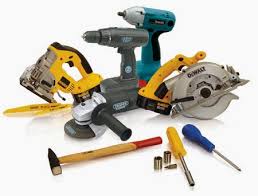
Portable electric-powered tools can be indispensable. They can also be deadly. Each year, thousands of construction workers are injured using these otherwise handy tools.
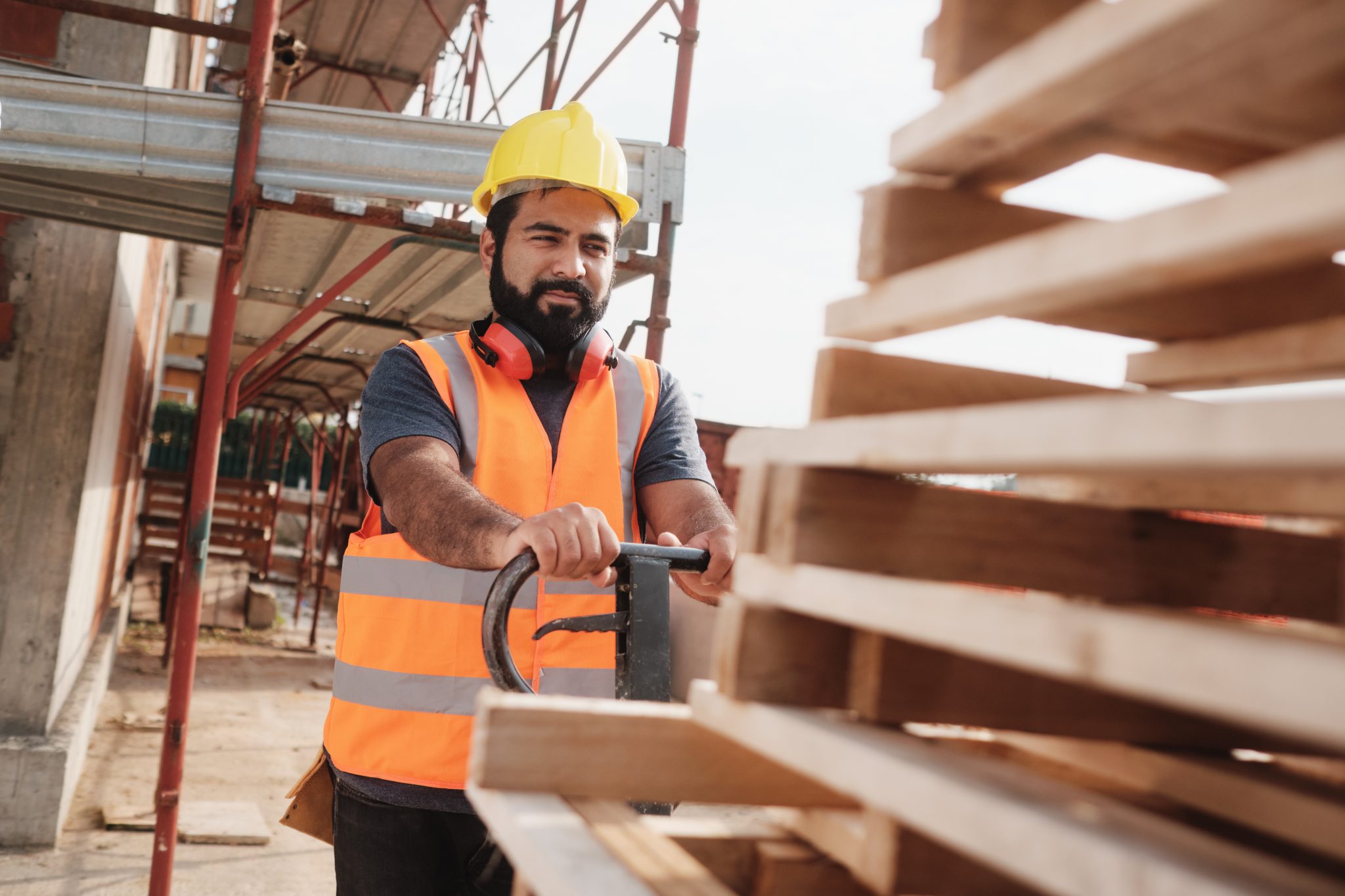
How This Affects You: Your back is used in all you do, on and off the job, and hurting it can have severe consequences: a lifetime of pain, inability to work or play and reduced income.

People who aren’t expecting to end up in water often are not prepared for that possibility and the results can be tragic. Every year in the United States and Canada, an estimated 3,800 people drown, with many of these victims being people who ended up in the water unintentionally.
In this Safety Talk, we’ll learn about the difference between strains and sprains, discover the risk factors that increase the likelihood of a strain or sprain, and discuss how these injuries can be prevented.
Carbon monoxide, also known as CO, is a deadly gas. It’s colorless, odorless and tasteless, making it impossible to detect by human senses. When CO is breathed in, it quickly replaces the oxygen in the bloodstream. Various stages of illness can easily lead up to unconsciousness and death.
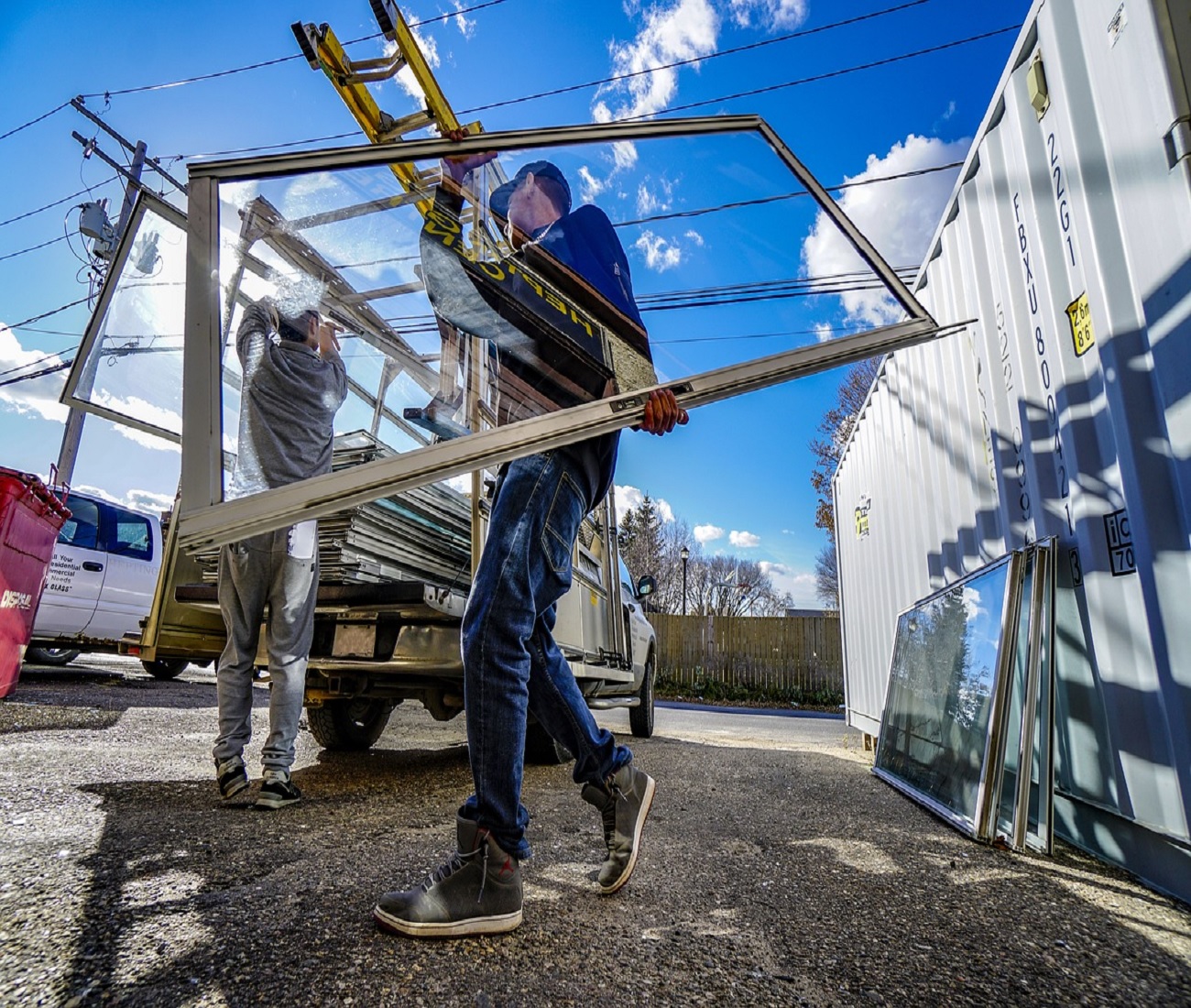
Boxes and cartons The best way to carry boxes and cartons is to grip them at opposite top and bottom corners. Carry sacked materials the same way, and against your waist if possible. Don't strain
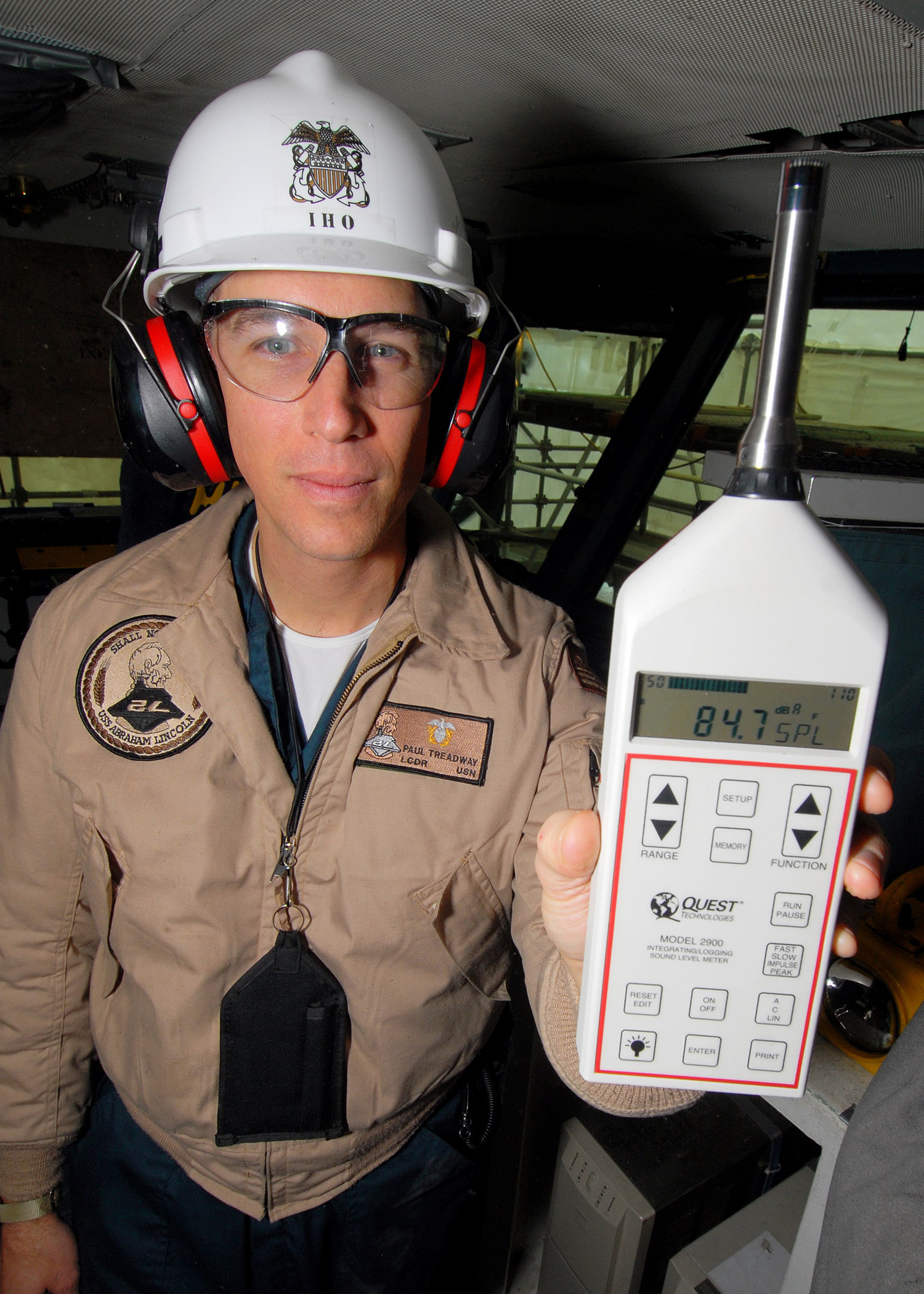
It's hard to believe that noise can cause permanent damage to your hearing - but it can.
What would you do if you encountered an emergency, either in the workplace or outside? Would you call for help? Would you know who to call and what to tell them?
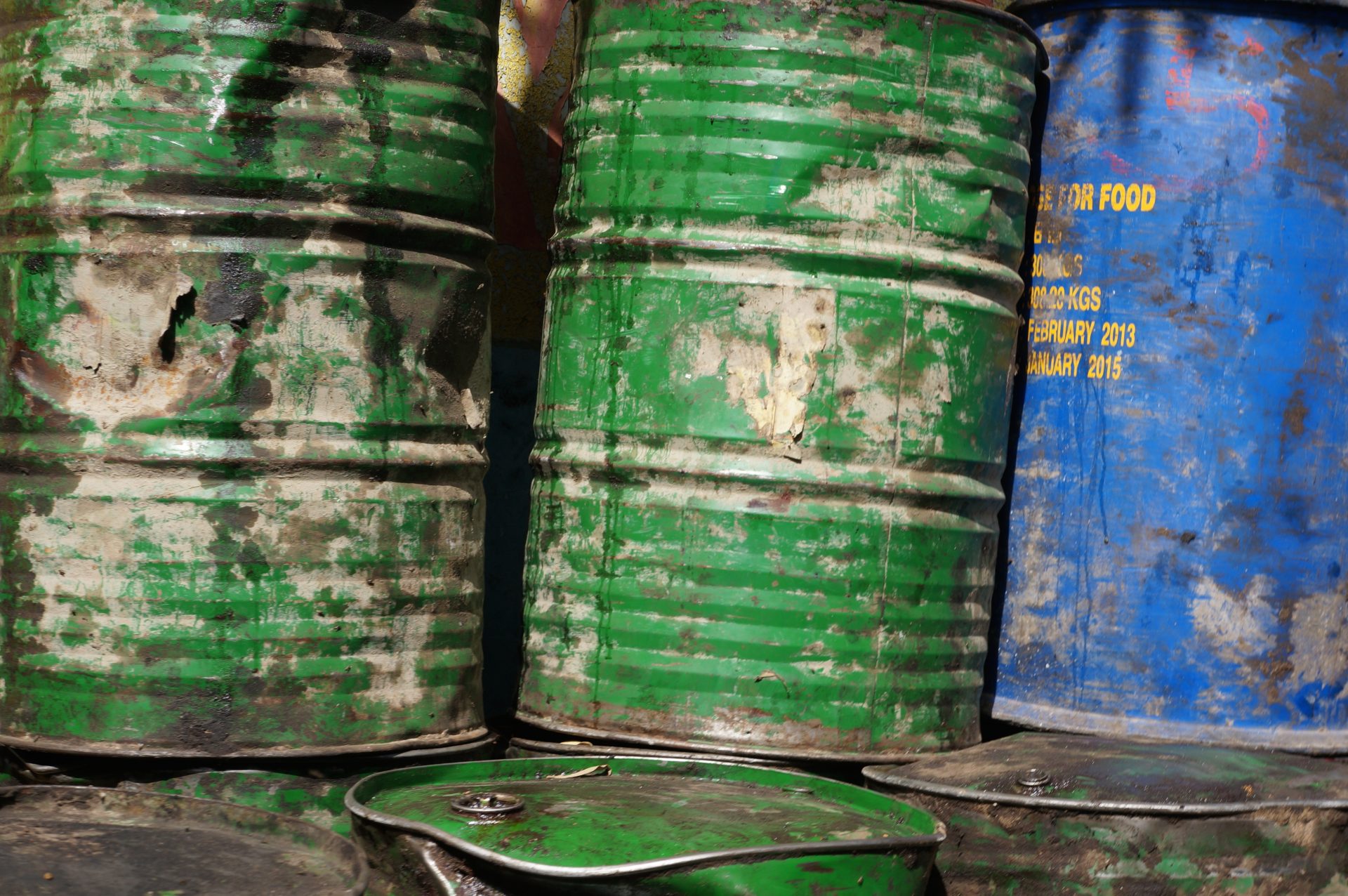
From soda pop spilled on the breakroom floor at a local factory, to a chemical spill from that same factory that pollutes the river and contaminates your community’s water supply—workplace spills can range from minor inconveniences to major catastrophes.
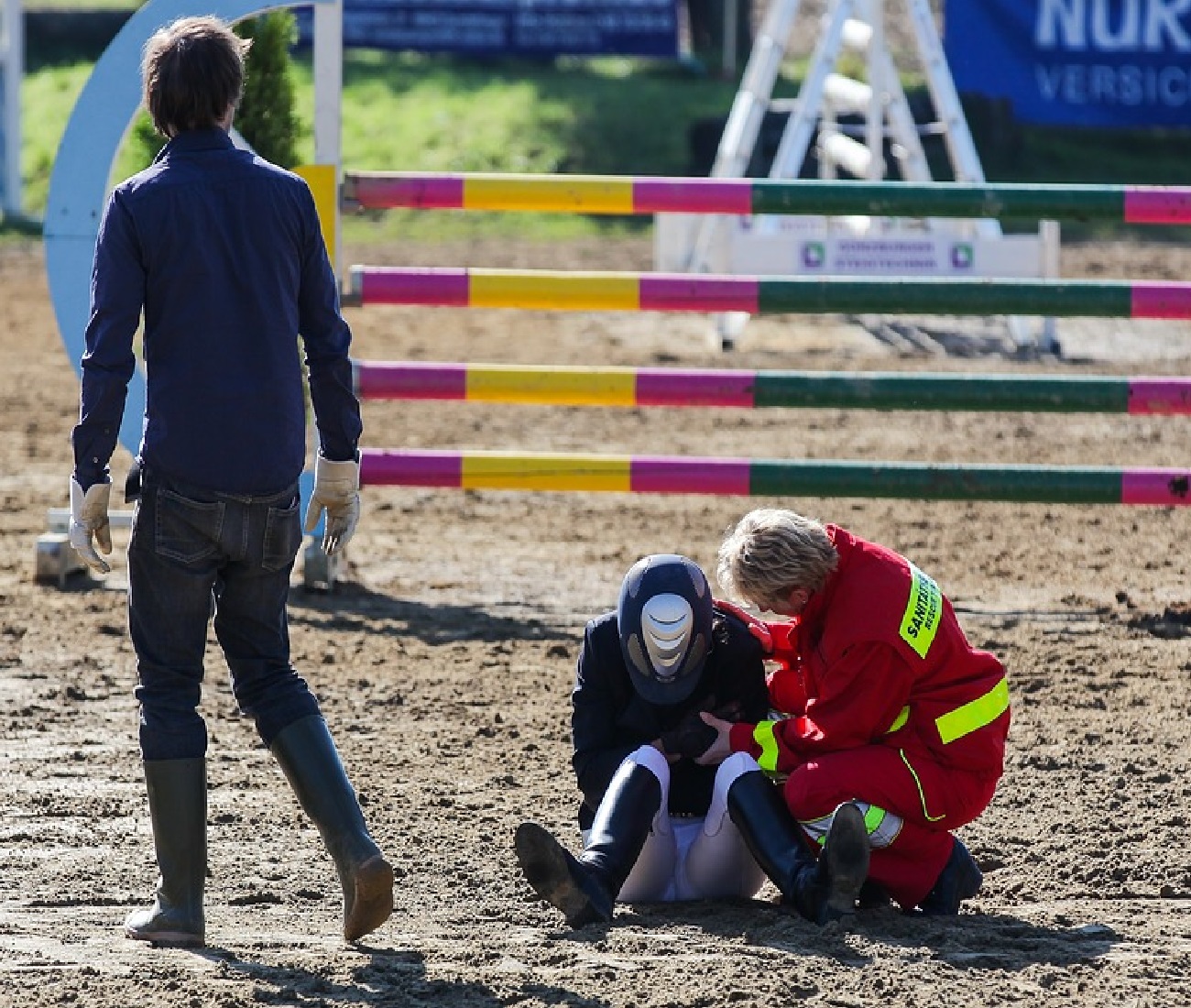
An injured worker needs care now — can you administer it? Proper training, supplies and equipment are essential for providing prompt care to injured workers. If you have ever been faced with an injury, no matter how small, you will probably know the value of first aid.
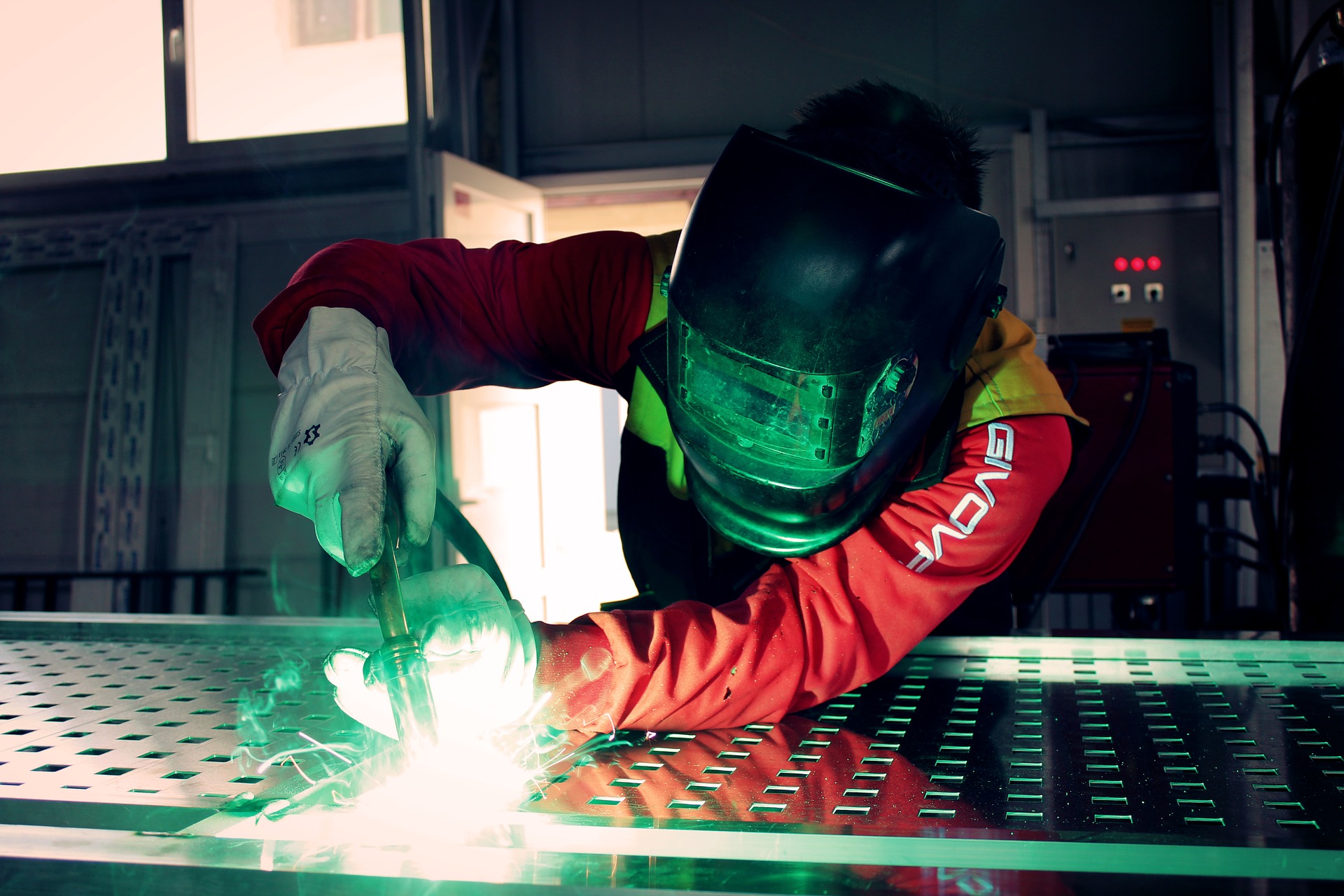
When you weld, cut or grind, the potential for accidents is significant. Eyes and skin can be burned, hearing can be damaged and an electric shock can kill you.

Back injuries are a leading cause of lost time from work. They can occur in any type of job or workplace.
One size does not fit all when it comes to work equipment.

Your feet and toes may be at the opposite end from your head, but you still need to use your brain when it comes to which type of shoes you wear in the winter.
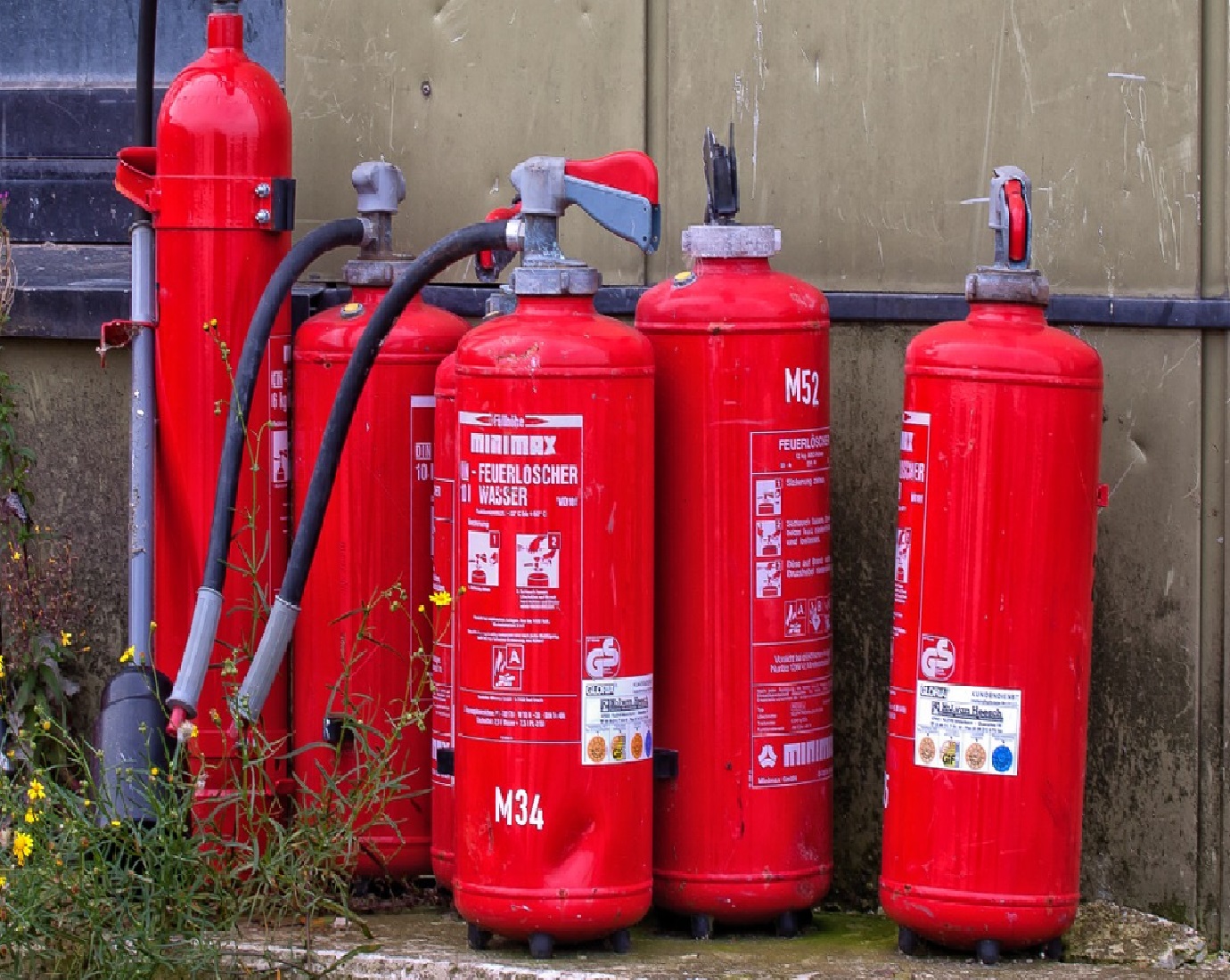
In a heroic attempt to extinguish an apartment fire, two men working in a residential building found extinguishers in a hallway and raced to the unit. Although they had just rescued a tenant from the same unit, they were both overcome by thick smoke and died of cardiac arrest.

They carry you through heat or cold, wet and slippery conditions. Your feet are also at risk from falling construction materials and equipment. No wonder wearing approved steel-toed boots can be required on the job.
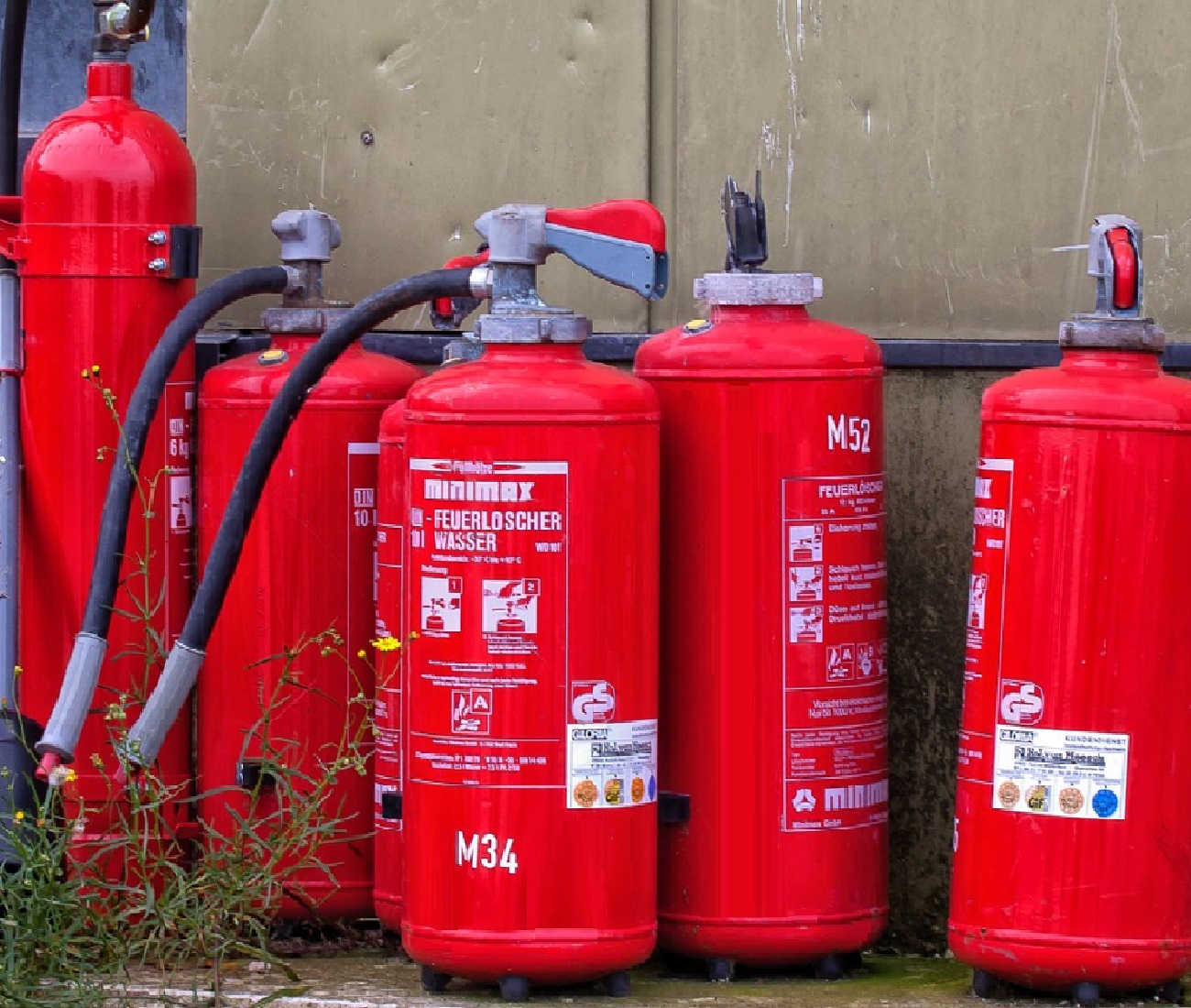
Using a portable fire extinguisher is an important safety skill.
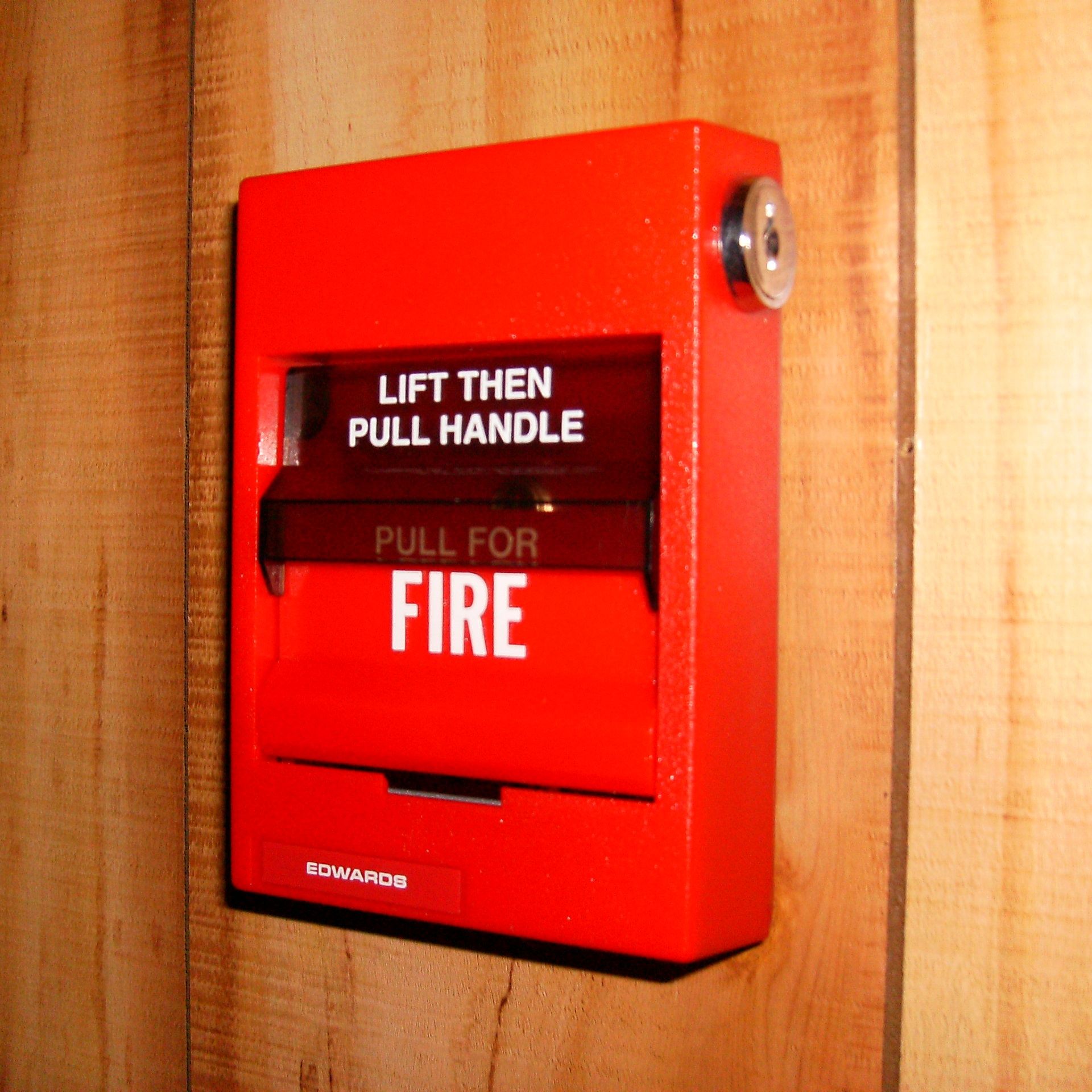
We often hear about people being “in the wrong place at the wrong time.” While this saying often refers to people who have been victims of crime, it certainly applies to workers as well.
According to a recent report released by the CDC, nearly 1 in 5 Americans make a trip to the emergency room each year. And Canadians are among the most frequent users of emergency departments in the world, with an average of 17 million visits a year.

A moment of distraction is all it took for Terrence’s foot to catch at the walkway’s edge, causing him to stumble. He recovered his balance but it was a close thing!
Tools using compressed air can be worth their weight in gold. Handled properly, they save a lot of sweating, grunting and possibly swearing.

Most motor vehicle fatalities happen after dark, even though we drive less at night than in the daytime.

Workplace safety can be a complex issue, but learning and adhering to a few safety basics can go a long way toward keeping employees safe on the job. Many workplace injuries and fatalities are directly related to either not knowing how to do something and attempting it anyway or committing unsafe acts through inattention or for other reasons.
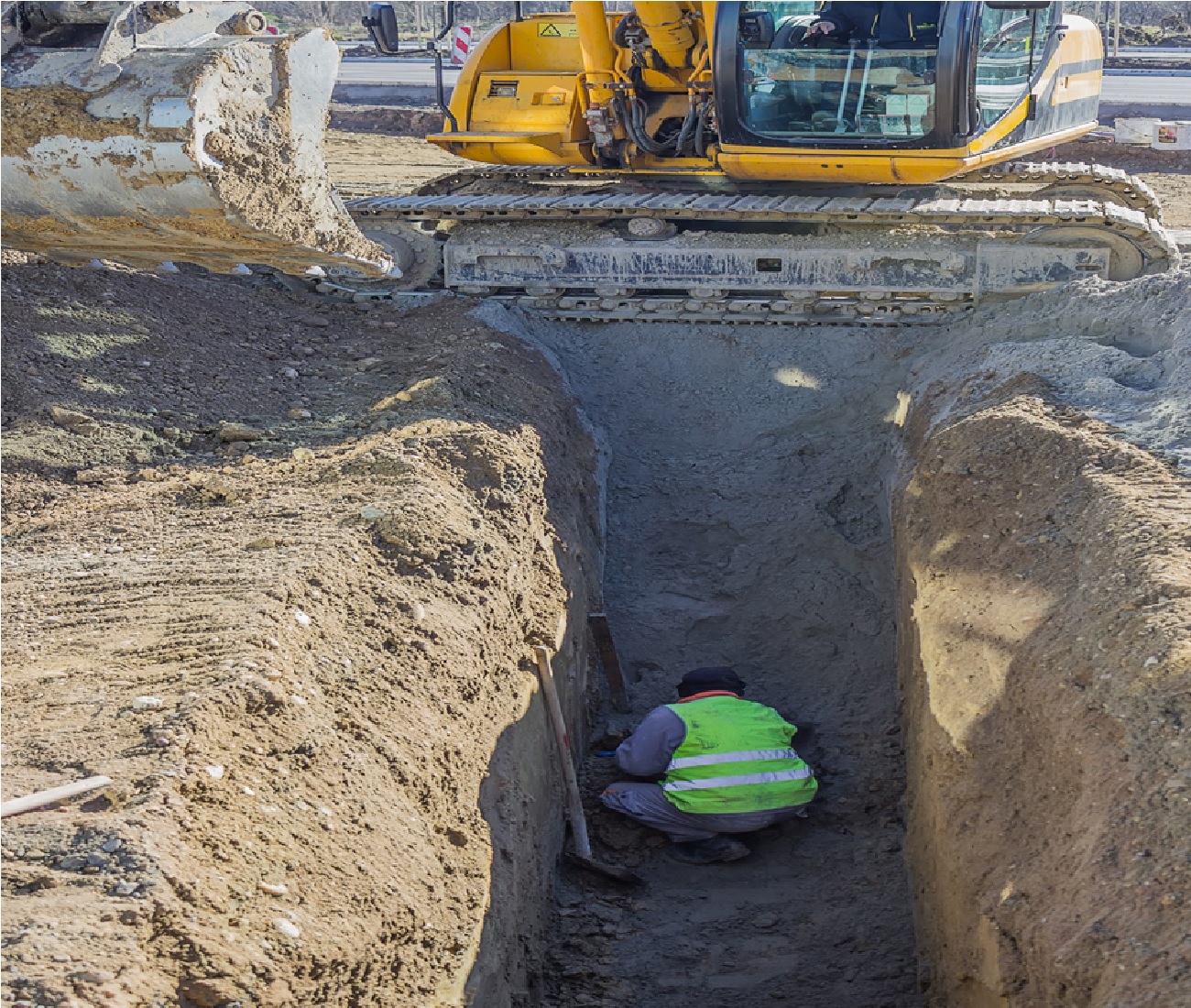
Struck-by and caught-between hazards account for over 1,500 workplace deaths a year and are present in almost every industry sector.
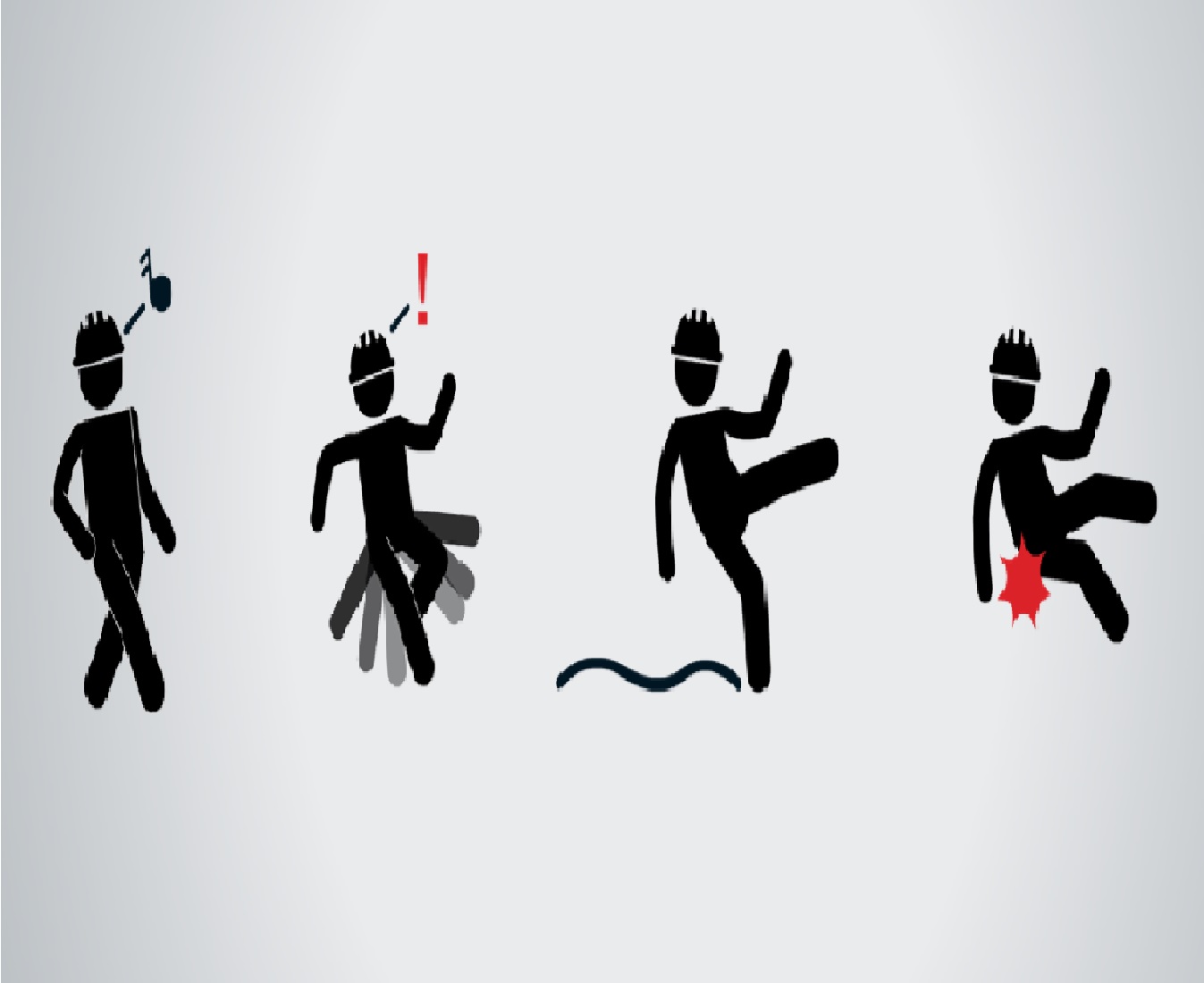
Read this Safety talk and learn how to avoid unsafe conditions which are a leading source of workplace accidents, with over 200,000 reported every year.
Since it's your first time, you may want to checkout some of the video tutorials.






 800-ICW-SAFETY (800.429.7233)
 SAFETYOnDemand@icwgroup.com