
Ergonomic Checklist for Hand Tool Selection
Use this checklist to help workers choose the best tool for the job and reduce the risk of ergonomic injuries.

Use this checklist to help workers choose the best tool for the job and reduce the risk of ergonomic injuries.
Using the wrong tool or using a tool incorrectly can cause debilitating ergonomic injuries. An increased risk of injury occurs when workers are frequently exposed to awkward postures, contact pressure, or a pinch grip. Over time, exposure to awkward postures or harmful contact pressures can contribute to an injury. Hand tools that fit a worker’s hands and the job they are doing can reduce the risk of injury. Here are 11 tips for hand tool selection to share with your employees.
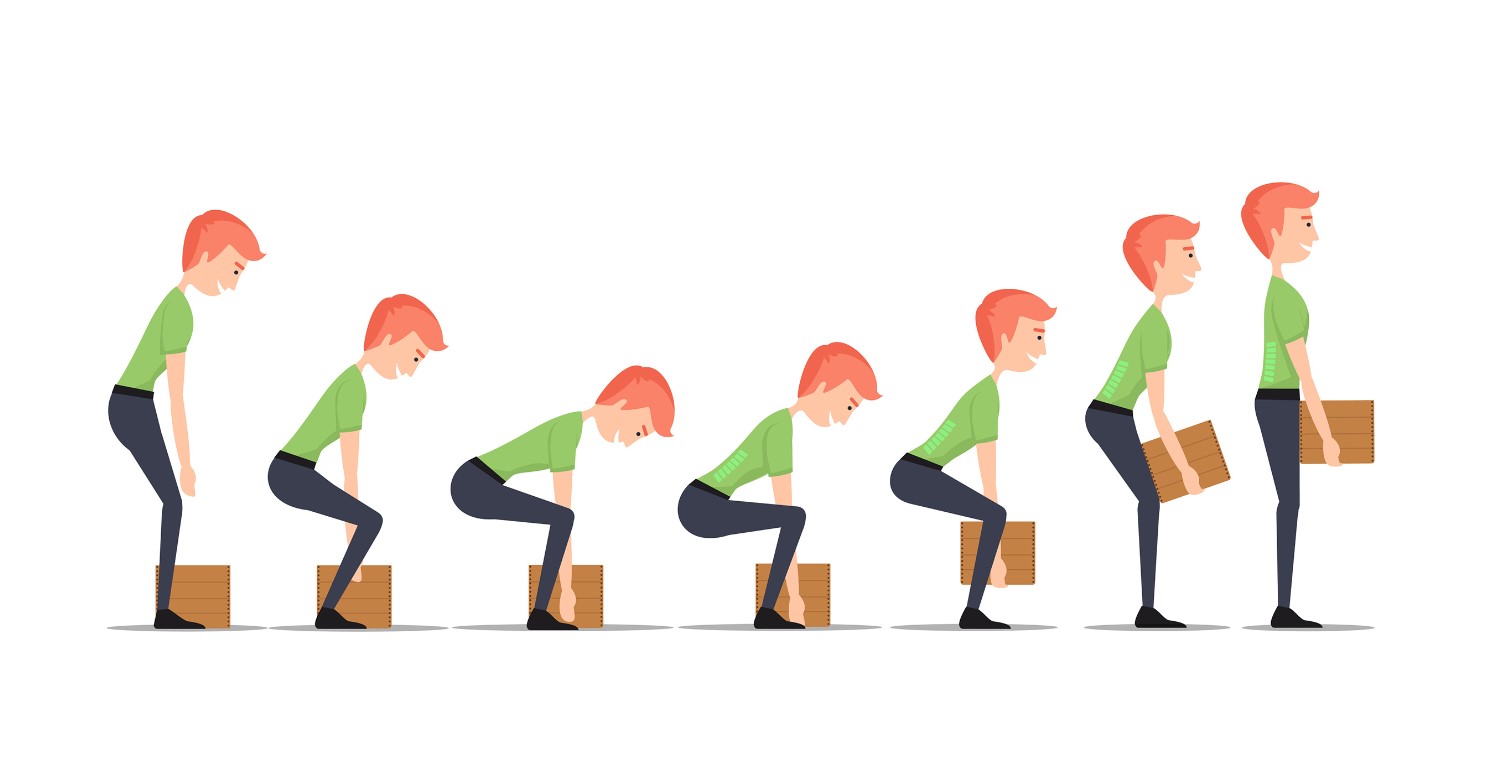
¿QUE ESTÁ EN RIESGO? Busque formas de evitar el levantamiento. [...]

¿QUE ESTÁ EN RIESGO? El trabajo de manejo de materiales [...]

¿QUE ESTÁ EN RIESGO? Atrapado y aplastado entre los peligros [...]
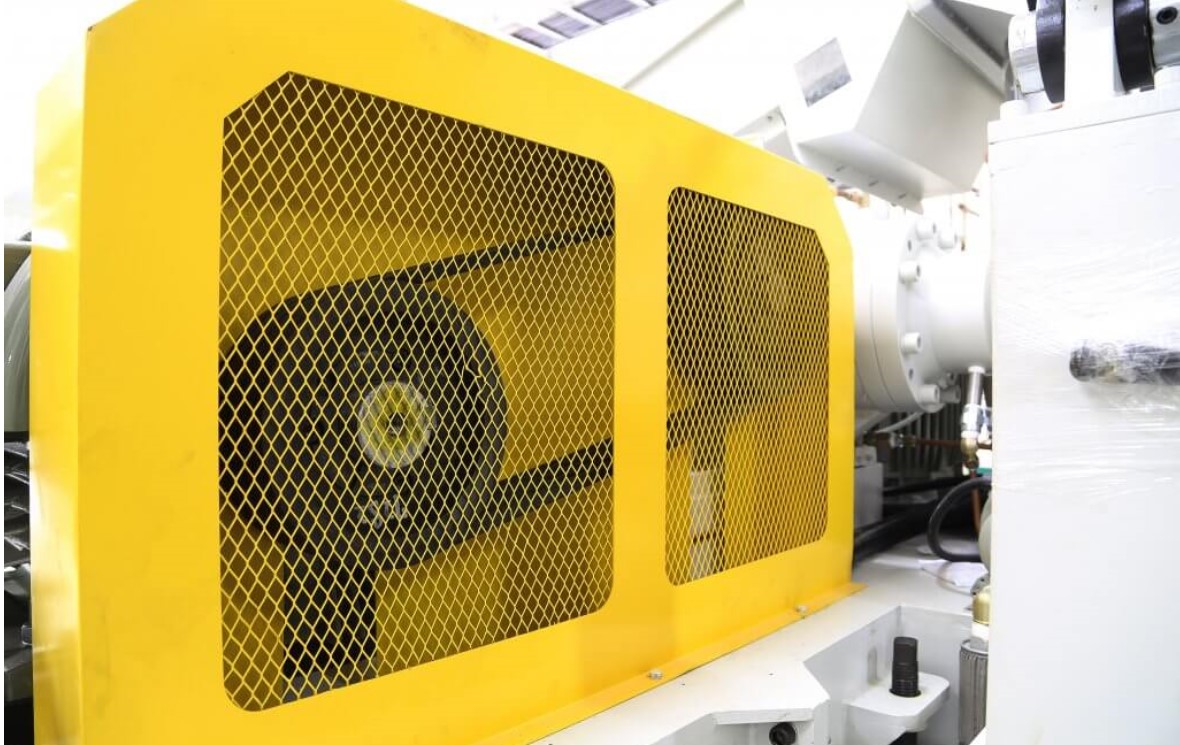
¿QUE ESTÁ EN RIESGO? La exposición a máquinas desprotegidas o [...]
¿QUE ESTÁ EN RIESGO? Meta los pulgares en las palmas [...]
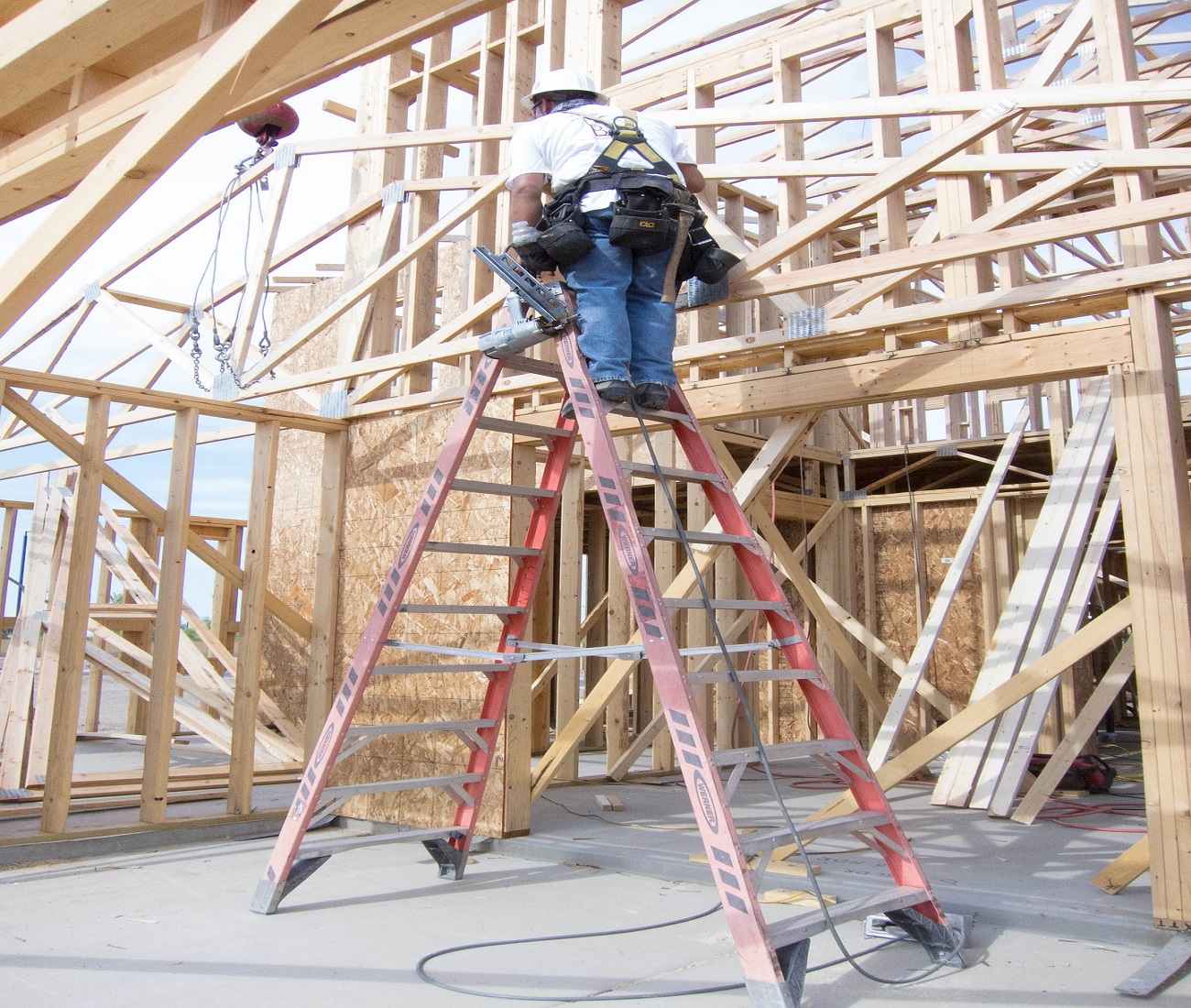
Unintentional falls are the most common form of injury across the country: every day last year, falls resulted in almost 1,800 reported emergency department visits and 417 hospital admissions, says a new report by the Canadian Institute for Health Information (CIHI). In the U.S. in 2017, fatal falls were at their highest level in the 26-year history of the Census of Fatal Occupational Injuries (CFOI) accounting for 887 (17 percent) worker deaths.

According to a recent study, when asked what happens to harassers, 70% of respondents stated they believed harassers face no consequences. Imagine what this belief does to the willingness and probability of a victim reporting an incident of harassment. It doesn’t matter if 100% of harassers did face consequences, perception is often seen as reality and in this case, the reality that’s being seen is likely one of the reasons harassment often goes unreported and unchecked.What do you think the perception is at your organization? What’s the reality? Have you asked?

Sexual harassment, and any kind of harassment in the workplace, can have devastating and profound emotional, physical, and financial effects on the victim and the workplace as a whole.

More than half of adult women have experienced "unwanted sexual pressure" and more than one in 10 — both men and women — say sexual harassment of women in their workplace is "really quite common," according to a recent study.From a moral and legal standpoint, it is simply unacceptable to ignore the issue of sexual harassment in the workplace. Employers, supervisors, and employees all have responsibilities they must know, understand, and follow.

It is not uncommon to hear employees say things like this, “We can’t even give someone a compliment around here without being accused of sexual harassment.” Or, “I was just joking, she’s way too sensitive. There’s no way that was harassment.” No doubt you have several other phrases you could add to the list.But it’s not that hard to understand what is and what is not considered sexual harassment when you look at in terms of a behavior being unwelcome and unwanted.

Can you find all the words associated with health & safety management?
Can you find all the words associated with first aid?
Can you find all the words associated with ergonomics injuries?

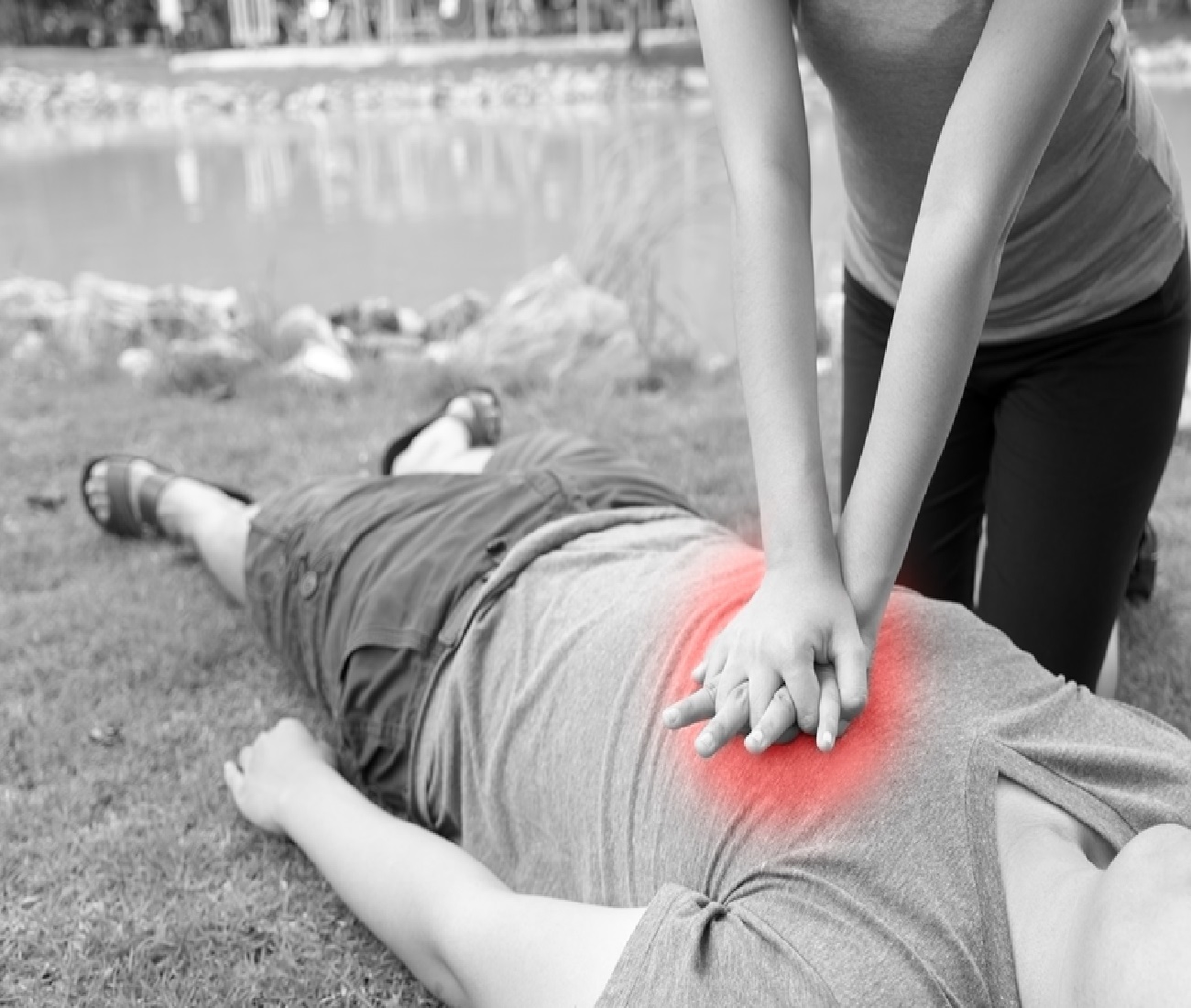
Safety Talk What’s at Stake? If a person suffers from [...]
Few things can be more terrifying and catastrophic than a fire. That is why training and education is so important. This video looks at ways fires can be prevented and covers the basics of fire prevention, conditions that contribute to fires and steps employees can take to minimize the risk of a potential fire in a unit.

Don’t take chances when it comes to icy surfaces. Ice on walking and working surfaces can cause serious slip, trip, and fall hazards which can lead to disabling injuries, major concussions, and loss of life. Avoid these icy hazards by ensuring procedures are in place and enforced for the safe removal of ice on these seven surfaces.
A first aid program is required for most employers in the U.S. and Canada. The program should be based on the hazards, risks, and proximity to medical services of an individual site, however there are several elements that every program should include.
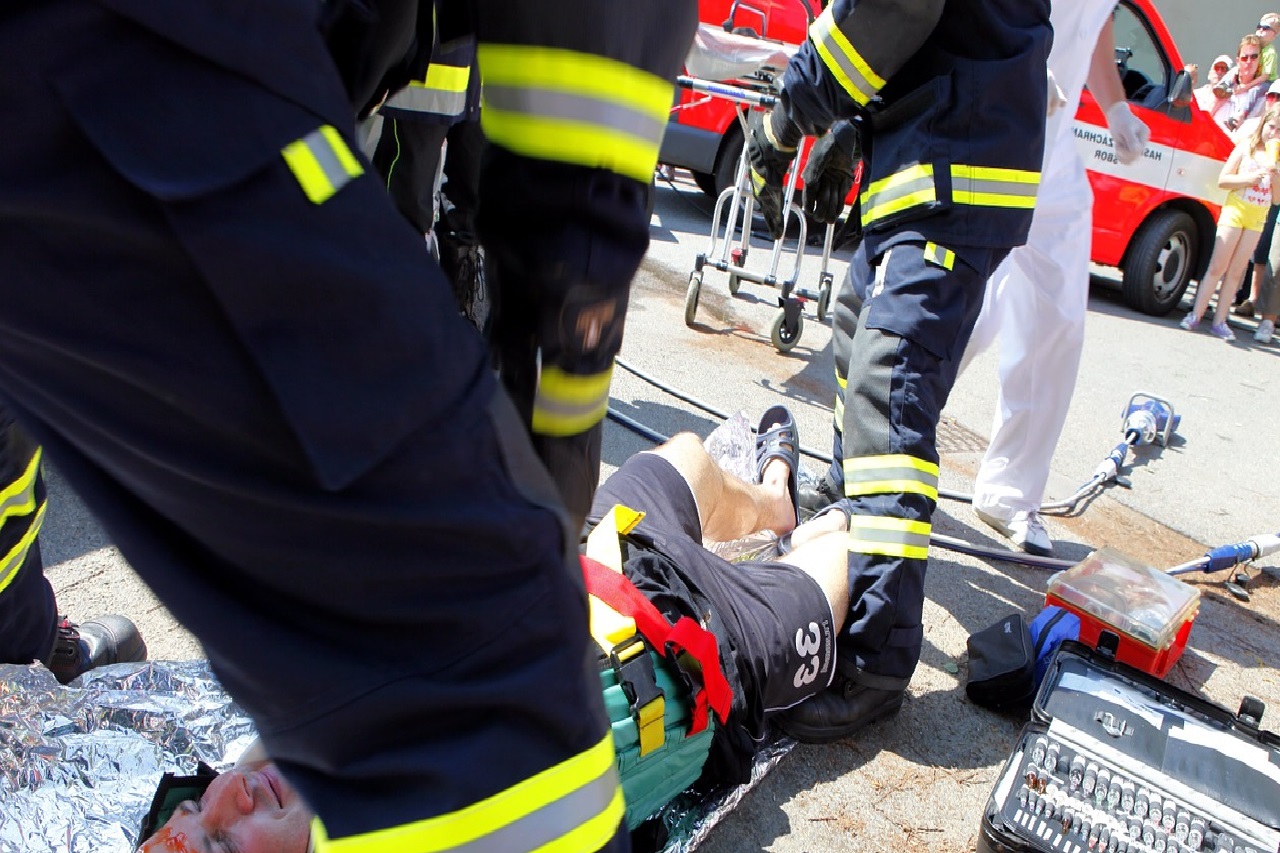
Training your first aid attendants and first responders is a required part of every first aid program. But do you know what exactly should be covered or what training methods to use? Hazards are present at all worksites, from offices to mines. So too are the chances of injuries and illnesses. Sudden cardiac arrest, severe bleeding, shock, a near-drowning, or lack of oxygen during confined space work are all life-threatening emergencies. Without prompt and properly performed first aid a victim of any of these situations will very likely die or be permanently disabled while waiting for emergency services to arrive and begin care.
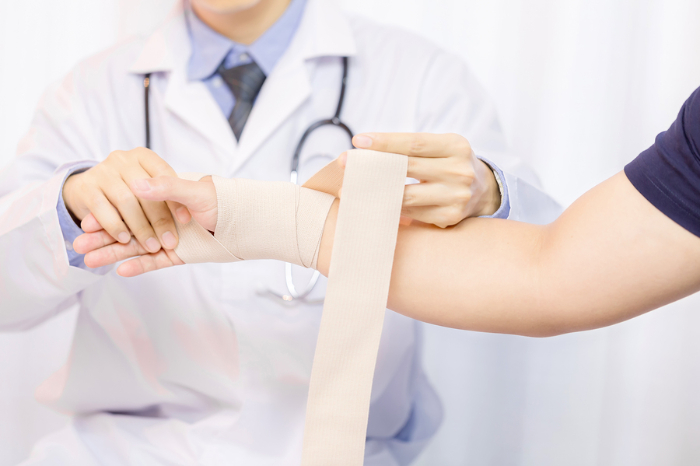
The time to unearth potential problems in your current workplace first aid arrangements is right now—before a medical emergency does it for you. Although first aid requirements can vary - there are FIVE sets of documents to focus on when conducting an audit of your first aid program.

A human heart can cease beating within 4 minutes after breathing stops. Permanent brain damage can occur within 4 to 6 minutes after breathing stops. Average ambulance response time is 8 to 12 minutes.

Here are 8 crucial skills supervisors need to have.
Since it's your first time, you may want to checkout some of the video tutorials.




 800-ICW-SAFETY (800.429.7233)
 SAFETYOnDemand@icwgroup.com