
10 Electrical Safety Tips for Every Worker
WHAT'S AT STAKE Workers in almost every work environment are [...]

WHAT'S AT STAKE Workers in almost every work environment are [...]
Anyone who uses the wrong ladder for a job or uses it inappropriately is courting trouble. Don?t become a statistic. Remember these ladder safety tips: Select the correct ladder. Why waver on the top rung

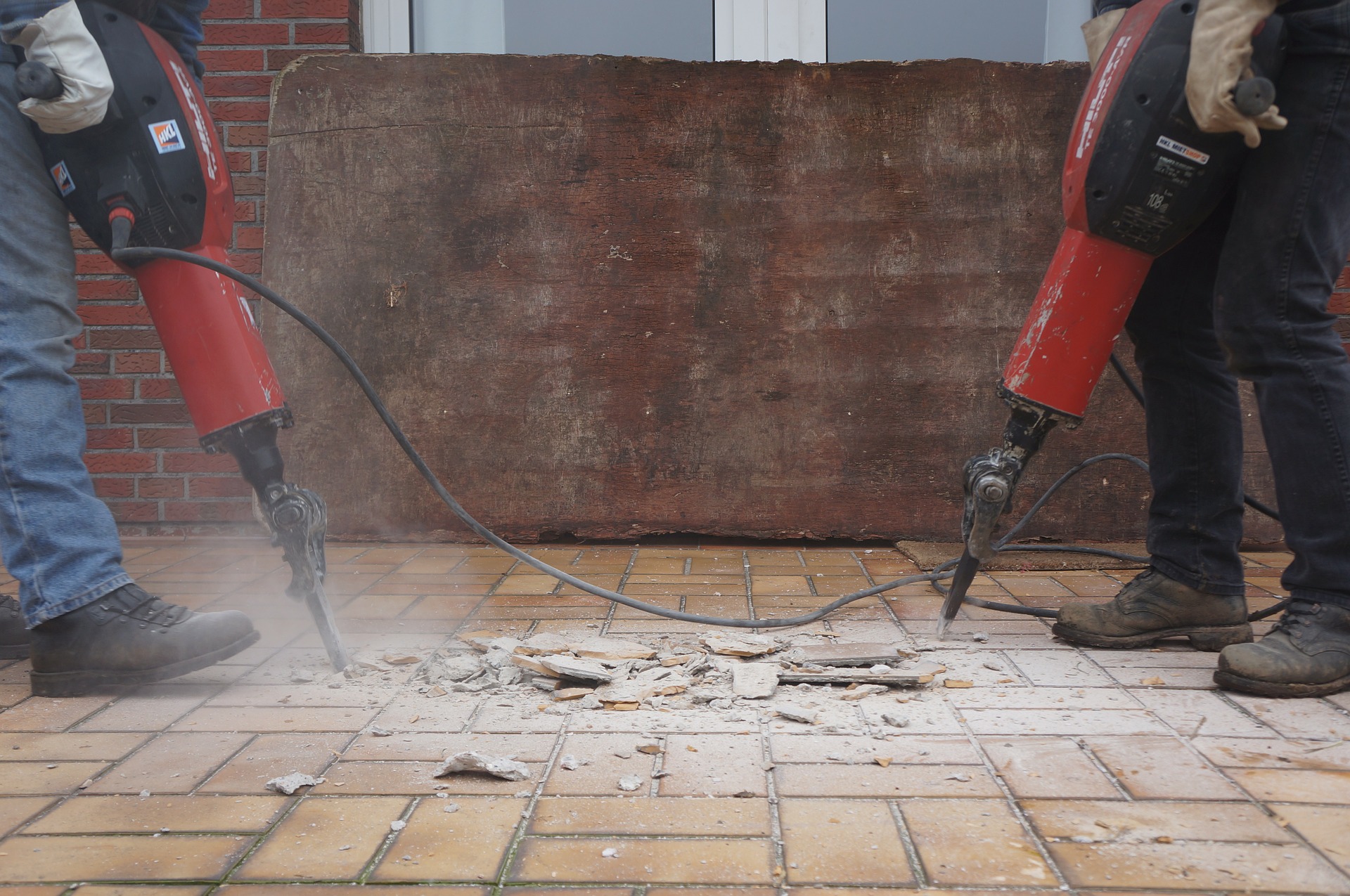
Workers in health care, warehousing, transportation, manufacturing, retail and many other industry sectors have to lift and move people and materials as part of their jobs.
Okay, you've got your hardhat, gloves, safety glasses and respirator; now you're all set for the job. But are you really protected from the hazards?
It's important for you to understand the potential hazards that you may be exposed to while working with hazardous waste.

Download Instructor-Led Material Meeting Kit PowerPoint WHAT'S AT STAKE Working [...]

If you’re a standby person and think all the risks are inside the confined space, think again: over 60% of confined space deaths don’t involve people assigned to work in the confined space. These deaths involve the standby person or other would-be rescuers who enter the confined space in an emergency.

Let's look first at the problem of stored materials. Materials are piled in the yard, in the truck or at various places on the jobsite.

Maintenance employees are confronted with many hazards that can cause injury or death. One such hazard is exposure to asbestos.

Back injuries are a leading cause of lost time from work. They can occur in any type of job or workplace.

People who aren’t expecting to end up in water often are not prepared for that possibility and the results can be tragic. Every year in the United States and Canada, an estimated 3,800 people drown, with many of these victims being people who ended up in the water unintentionally.
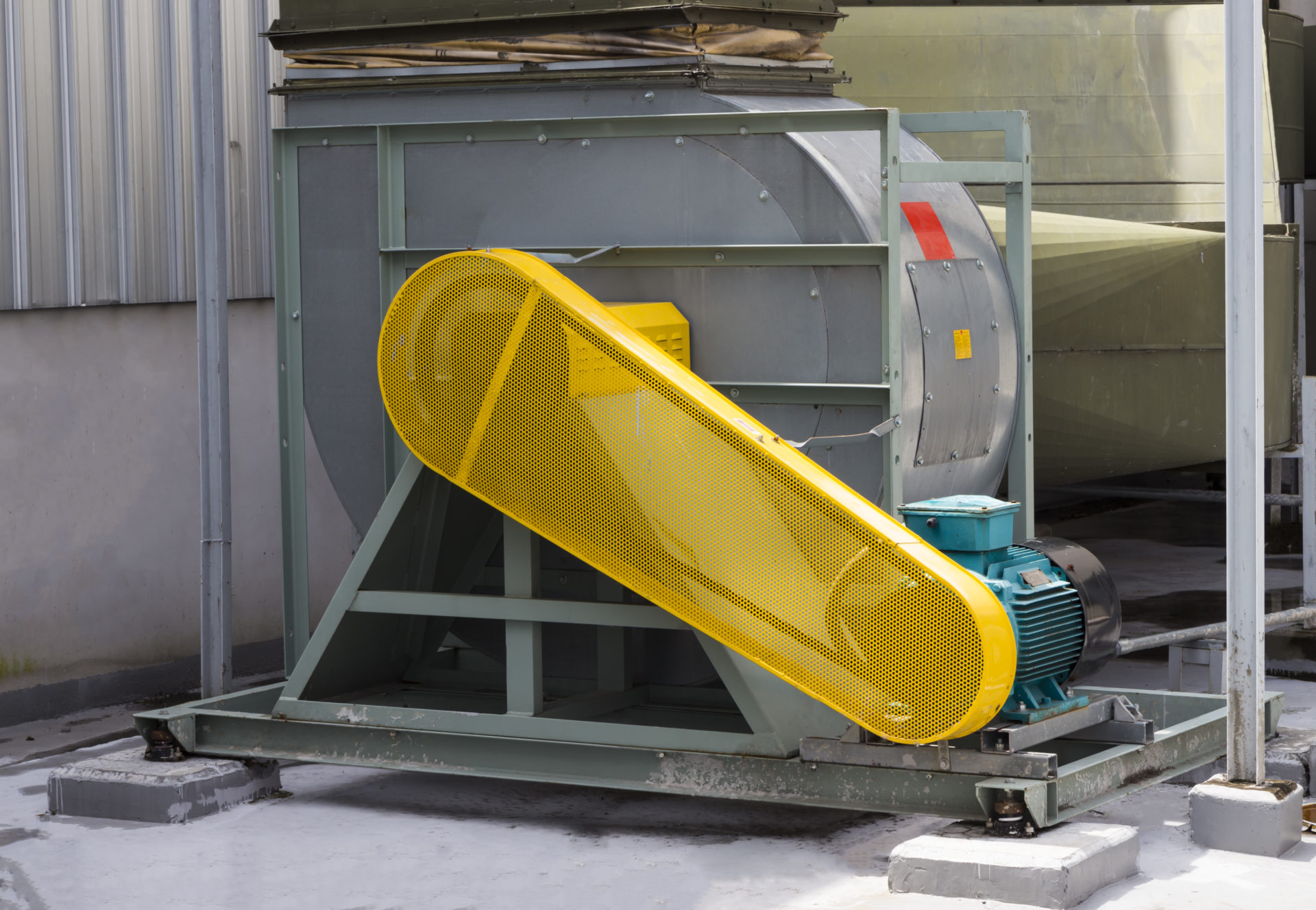
Getting caught in machinery is every worker's nightmare, but you can prevent it from becoming yours with a little vigilance.
Portable electric-powered tools can be indispensable. They can also be deadly. Each year, thousands of construction workers are injured using these otherwise handy tools.
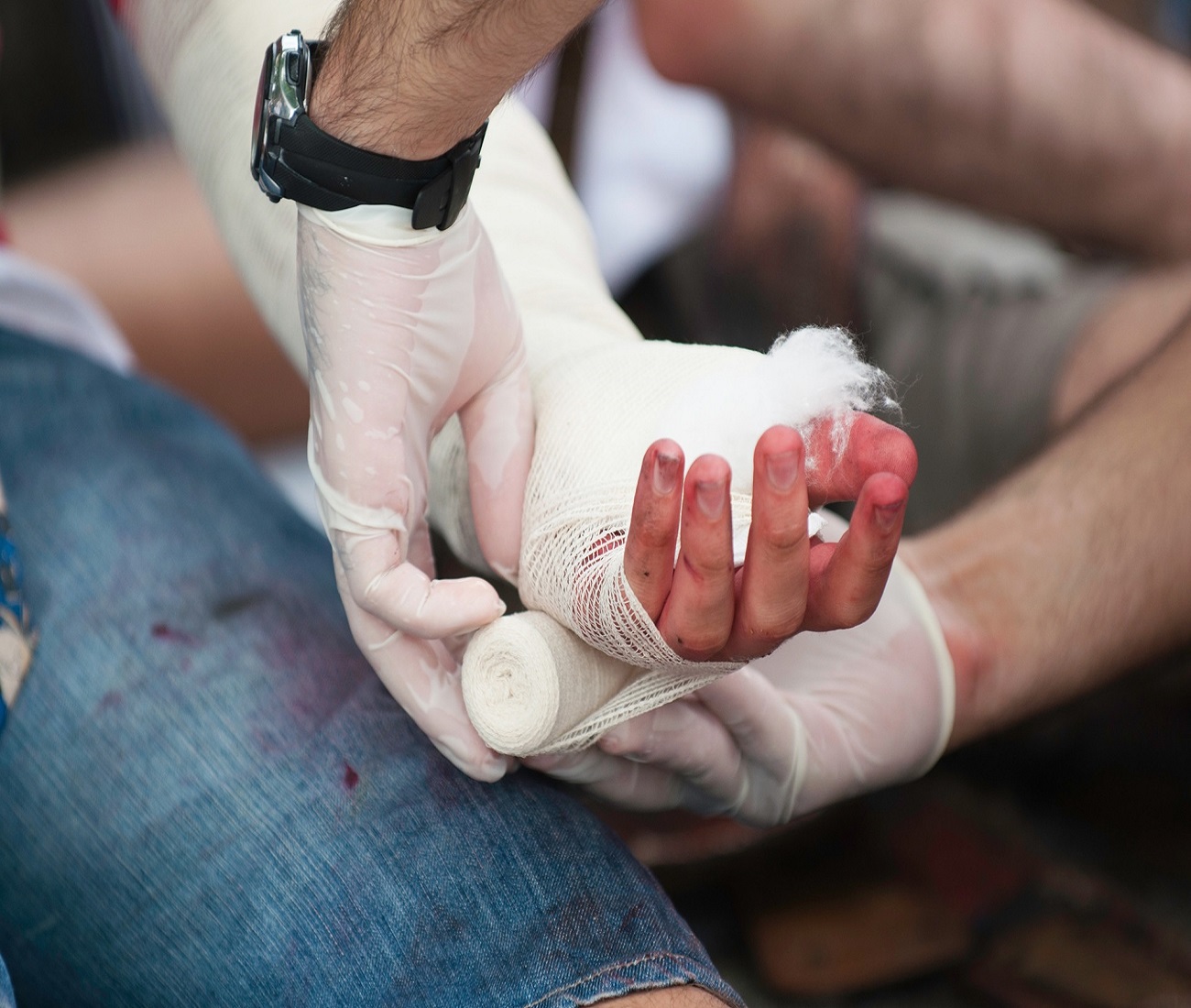
If you aren't wearing the right protection your hands could be burned, frozen, cut, scraped or burned by chemicals. You could lose fingers, a thumb, or even your life. That's why you wear gloves.

Gloves - of materials such as nitrile, poly vinyl chloride, natural rubber (latex) and butyl rubber

Any workplace can be too hot for safety, both outdoors and in hot, humid conditions indoors. Whenever you’re exposed to heat, you’re at risk of developing heat illness.

Falls are the most common cause of workplace injuries and the second leading cause of accidental death in North America.

Break time is your chance to break away from the routine and relax before heading back to work. But you can?t take a break from safety.
Too much noise can cause permanent hearing loss. It develops gradually and without pain, but noise-induced hearing loss cannot be reversed.
Danny Meggison was an experienced trench worker, but he made a big mistake that left his eight-year-old son without a father.

Most motor vehicle fatalities happen after dark, even though we drive less at night than in the daytime.
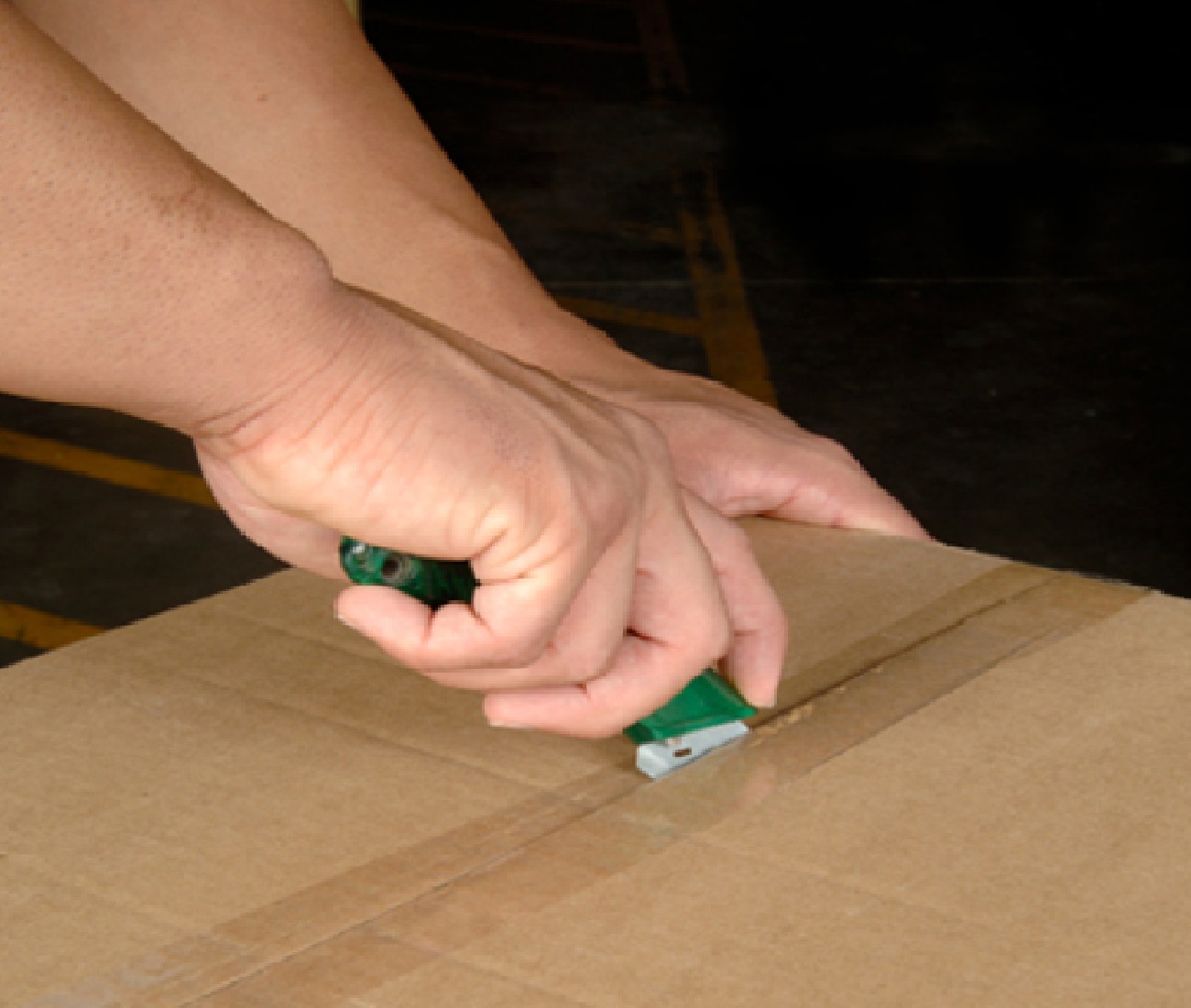
Many workers use utility knives to open packaging. But one wrong move and these tools can do serious harm. In fact, nearly 40 percent of all injuries attributed to manual workshop tools in the US involve utility knives. And it’s not only utility knives that pose a risk. The straight hand knife is also a commonly used tool in many industries and the cause of many severe accidents.
It's easy to take the subject of falls lightly? unless you or someone you know has had a serious fall. Then you realize how deadly this commonplace accident can be.
Since it's your first time, you may want to checkout some of the video tutorials.







 800-ICW-SAFETY (800.429.7233)
 SAFETYOnDemand@icwgroup.com