
Word Search – PPE
Can you find all the words associated with PPE?
Can you find all the words associated with PPE?

Can you find all the words associated with ergonomics injuries?
Can you find all the words associated with electrical safety?
Can you find all the words associated with environmental protection?
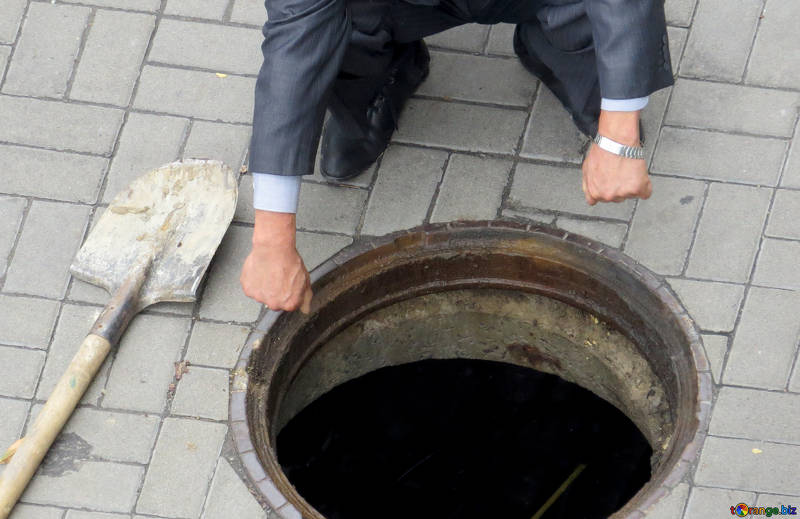
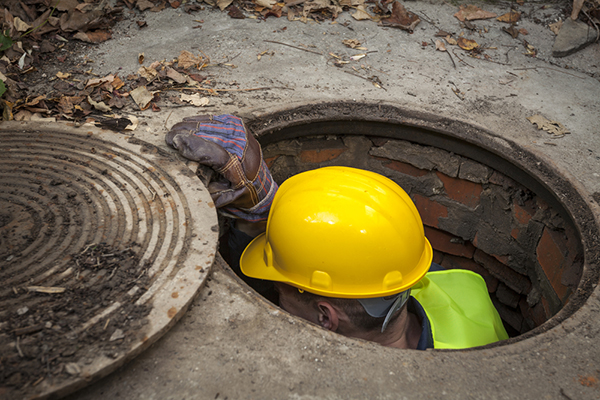
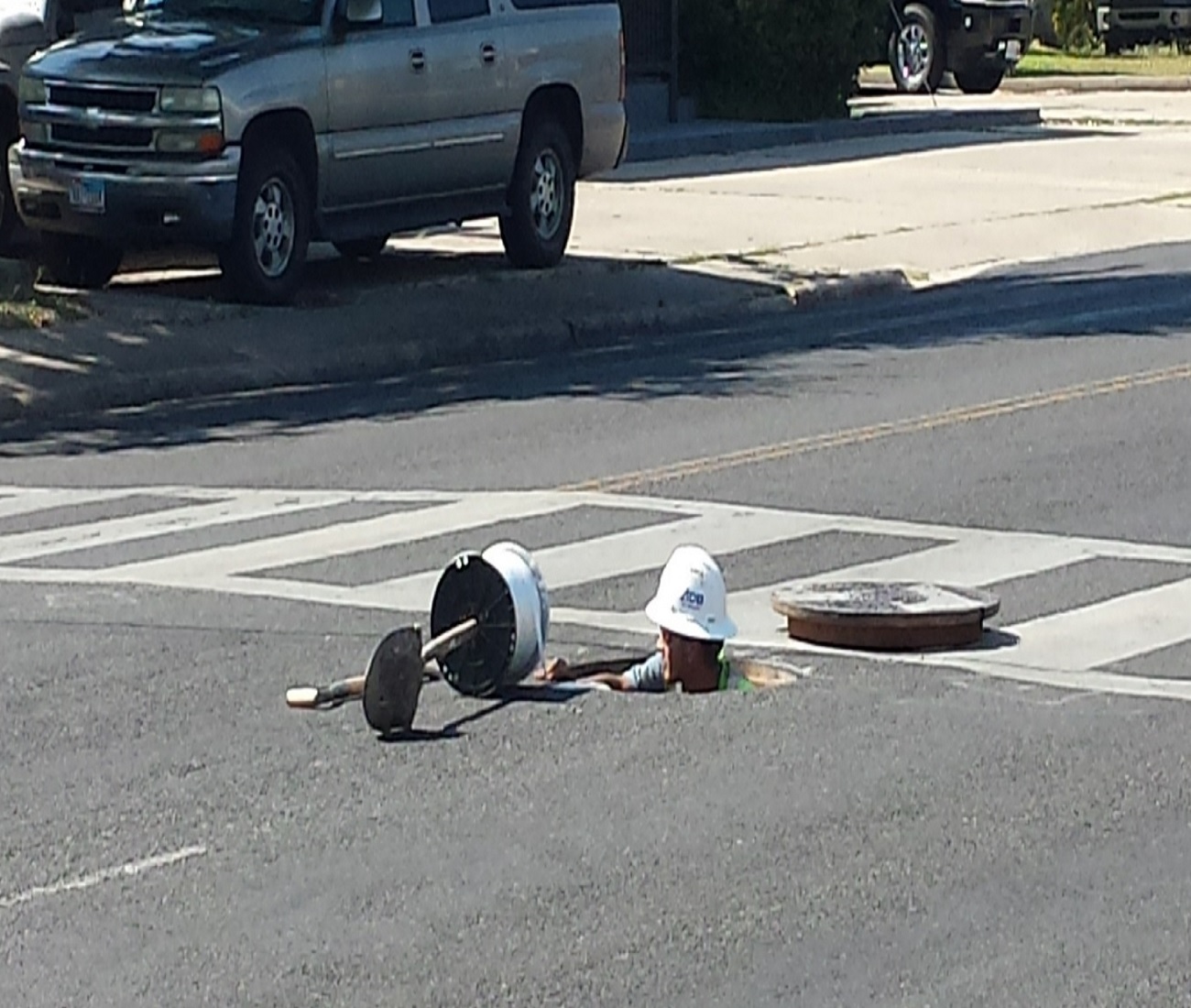
Confined spaces are notorious for hazards, often hidden that you can’t see or smell. Too many times when a hazard in a confined space is recognized it is too late for the entrants in the space to save themselves. Here are six hazardous and deadly confined space situations.

Using an angle grinder can be extremely dangerous for several reasons. If the wheel isn’t the right size or type, or is defective, it could break apart and become a dangerous projectile. One that can take off a finger, put out an eye, or do serious and sometimes fatal damage.
Use/modify this form to identify hazards associated with a confined space and to determine procedures and safety precautions required for entry into the space. This form is to be completed by a trained and competent Confined Space Entry Supervisor.
11 Feb 2020 Last 30 Days February 10 - Region 4 - [...]
Permit required confined spaces have long been – and still are - the leading cause of multiple fatalities in the workplace.
Use this Decision Tree to help you determine if a confined space is a permit-required confined space or a non-permit confined space.
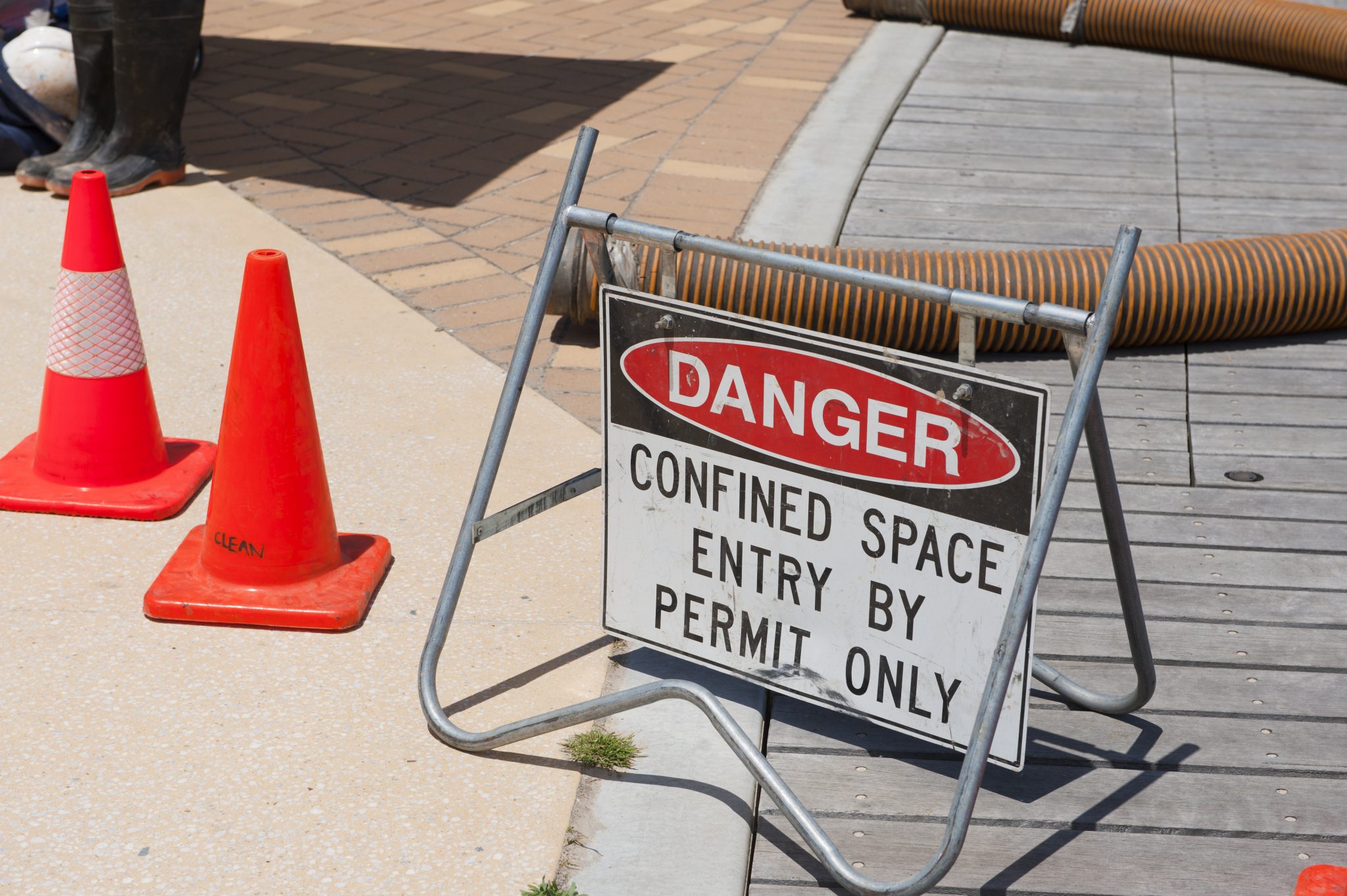
Working in a confined space is one of the most dangerous of all workplace hazards. In fact, it’s been calculated that working in a confined space is 150 times more dangerous than doing the same job outside of the space. While this Workplan is geared toward compliance remember, compliance is often only the minimum set of requirements for safety.
A Permit-Required Confined Space may be reclassified as a non-permit confined space under certain conditions. Use this form to document reclassification.
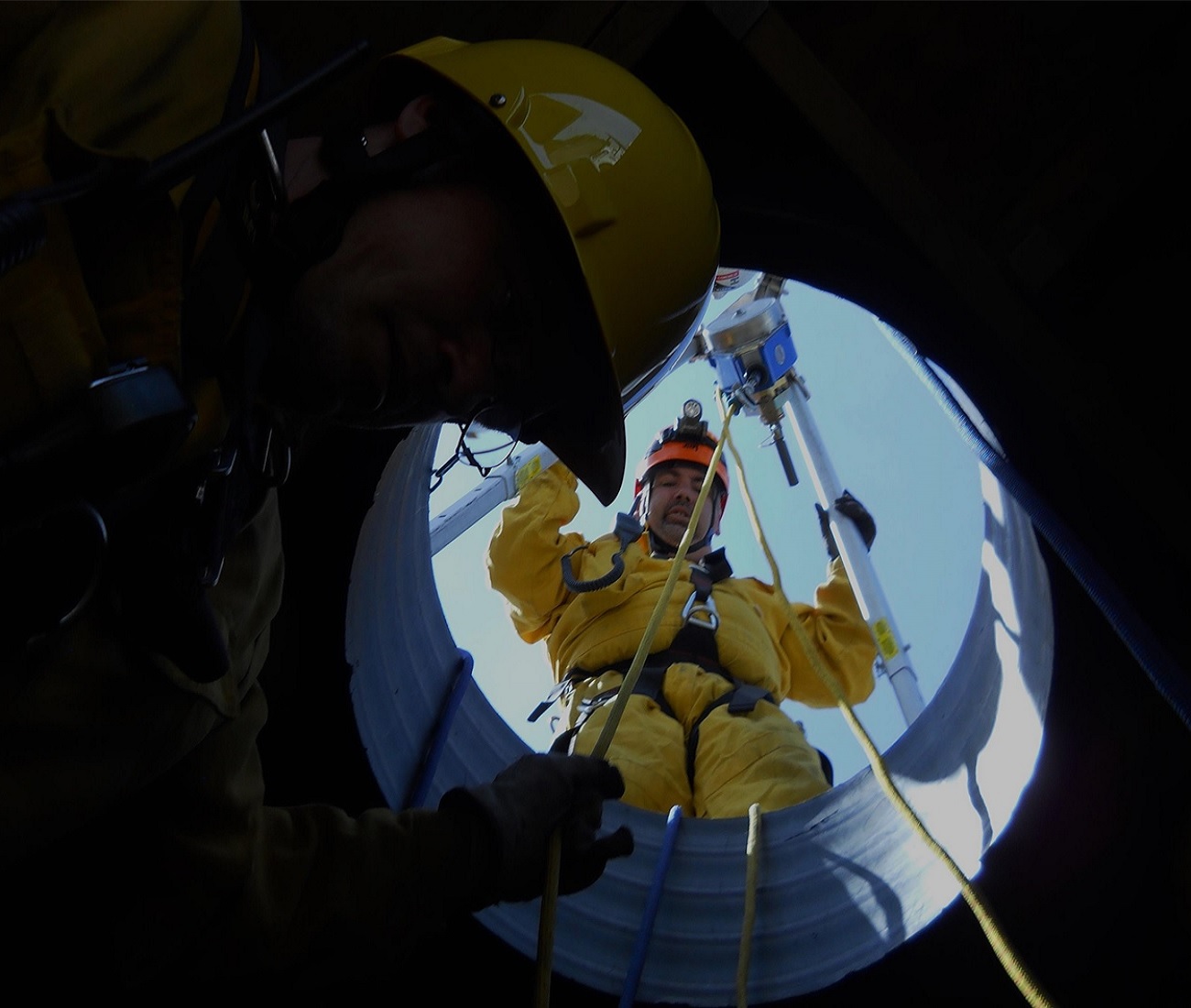
Multiple-fatality confined space incidents are far too common as untrained and unprotected would-be rescuers attempt to save their co-workers and others who have fallen victim to the dangers of confined spaces.
One of the core elements that a confined spaces entry program must include is a safe entry procedure. And one of the things required for entry into a confined space is an entry permit.

Do you know how many workplace eye injuries could be prevented if eye protection had been worn? Read on to find out.
Let’s get serious about confined space safety. Confined spaces can be seriously dangerous and are the leading cause of multiple fatalities in the workplace. Here’s why… A confined space has limited openings for entry or exit, is large enough for entering and working, but is not designed for continuous worker occupancy.

Safety eyewear and face shields can save you from injuries which can lead to blindness and facial disfigurement. Prompt treatment of eye and facial injuries reduces the risk of permanent damage.

The use of proper eye and face protection, such as safety glasses, goggles, face shields and helmets can prevent countless eye injuries. This Workplan focuses on implementing an Eye and Face PPE program but can easily be modified to include all PPE.
Permit-required confined space entry procedures must be part of your employers confined space entry program. Following these procedures will save your life and the lives of bystanders who may attempt rescue (unprepared and unprotected).
Seven Confined Space Entry Do's and Don'ts
There are a multitude of potential hazards when working in or near a grain elevator. This programs takes a detailed look at: Personal Protective Equipment (PPE) Confined Space Entry Grain Bins Grain Dust Explosions The information isn???t complicated, but it???s necessary to prevent serious and costly incidents at your facility.
There are a multitude of potential hazards when working in or near a grain elevator. This programs takes a detailed look at: Personal Protective Equipment (PPE) Confined Space Entry Grain Bins Grain Dust Explosions The information isn???t complicated, but it???s necessary to prevent serious and costly incidents at your facility.

Don’t take chances when it comes to icy surfaces. Ice on walking and working surfaces can cause serious slip, trip, and fall hazards which can lead to disabling injuries, major concussions, and loss of life. Avoid these icy hazards by ensuring procedures are in place and enforced for the safe removal of ice on these seven surfaces.
A first aid program is required for most employers in the U.S. and Canada. The program should be based on the hazards, risks, and proximity to medical services of an individual site, however there are several elements that every program should include.
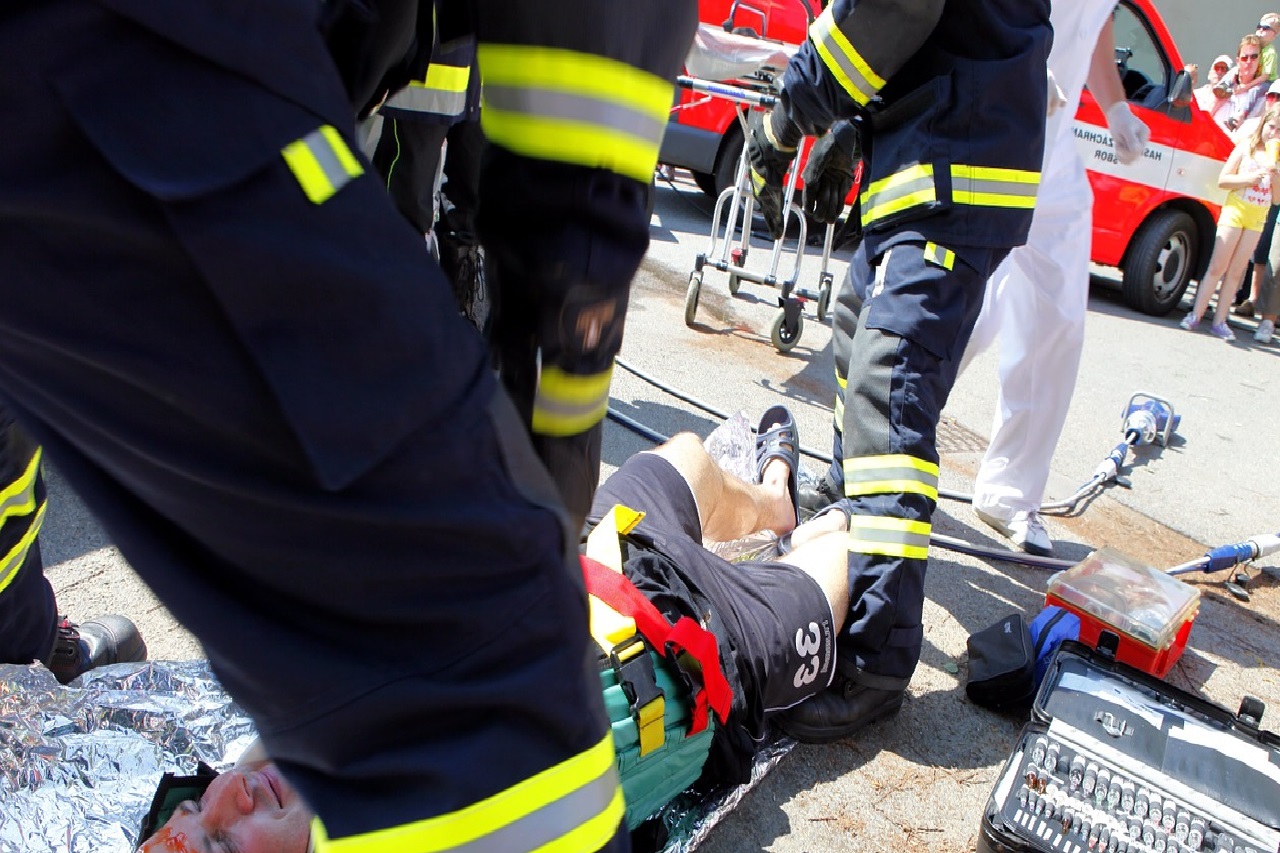
Training your first aid attendants and first responders is a required part of every first aid program. But do you know what exactly should be covered or what training methods to use? Hazards are present at all worksites, from offices to mines. So too are the chances of injuries and illnesses. Sudden cardiac arrest, severe bleeding, shock, a near-drowning, or lack of oxygen during confined space work are all life-threatening emergencies. Without prompt and properly performed first aid a victim of any of these situations will very likely die or be permanently disabled while waiting for emergency services to arrive and begin care.
Since it's your first time, you may want to checkout some of the video tutorials.






 800-ICW-SAFETY (800.429.7233)
 SAFETYOnDemand@icwgroup.com