Quick Course – Fatigue at Work Can Kill You
Course Description You’re an accident waiting to happen if you [...]

Course Description You’re an accident waiting to happen if you [...]
Developed by Oregon Nurses Association, Bay Area Hospital, and The [...]

This video is the perfect way to introduce new employees to general occupational hazards to which they may be exposed and to re-train experienced workers. Program includes basic safety rules, electrical hazards, powered equipment and machinery, back injury prevention, fire protection and more.
Slips, trips and falls are the second most common cause of injury for home and community health workers. These types of accidents can result in serious disabling injuries and have a major impact on one???s ability to perform their job and may result in lost work days, reduction in productivity or a diminished ability to care for a client. Recognizing and correction of household hazards is examined as the first step in prevention. Common slips and falls are examined to show what are the actual root causes and steps are outlined for workers to take to reduce hazards for everyone in the home.
Bloodborne pathogens are sometimes called the ???Unexpected Hazard??? because, for most of us, we just don???t expect to come into contact with blood or bodily fluids when performing our normal job duties. Nevertheless, an unexpected encounter with bloodborne pathogens can happen at anytime. Responding properly when confronted with blood and other bodily fluids is critical to your health and safety. The purpose of this program is to provide viewers with the knowledge needed to take the appropriate actions when encountering bloodborne pathogens unexpectedly.
It is estimated that over 100 workers are seriously injured every day due to failure to properly lockout-tagout equipment. This program covers the purpose of lockout-tagout, the hazards associated with the accidental release of stored energy, proper lockout-tagout procedures for attaining zero energy state, proper startup procedures and special situations. Referred by many professionals as the best training program in the market, Lockout-Tagout creates an awareness and respect for the hazards and motivates your workers to follow best practices to prevent incidents and ensure their safety.
Identifying and eliminating hazards are part of each drivers responsibilities. The purpose of this program is to help drivers analyze hazards and report them immediately to ensure their safety, the safety of their equipment and the safety of others working the same route in the future.
Workplace Violence is unacceptable, regardless of the work environment. This program defines different types of workplace violence common to home health care situations and discusses ways to prevent incidents. Recognition, prevention and de-escalation are the main techniques taught.
Bloodborne pathogens are sometimes called the ???Unexpected Hazard??? because, for most of us, we just don???t expect to come into contact with blood or bodily fluids when performing our normal job duties. Nevertheless, an unexpected encounter with bloodborne pathogens can happen at anytime. Responding properly when confronted with blood and other bodily fluids is critical to your health and safety. The purpose of this program is to provide viewers with the knowledge needed to take the appropriate actions when encountering bloodborne pathogens unexpectedly.

This unique approach to Ergonomics training, begins by asking each viewer to select what area of their body, if any, is experiencing pain or discomfort. They are shown common postures that can cause or contribute to the conditions. The viewer is then lead through a comprehensive and specific method of adjusting a workstation to maximize neutral postures and minimize pain, discomfort and strain. This program also points out the multitude of other factors outside of the workplace that can contribute to musculo-skeletal disorders. This encourages viewers to take steps to adopt neutral postures in all of their activities.
This program provides a broad over view of hazards Solid Waste workers face in the course of their everyday jobs. Contains critical information for new employees but also effective for experienced workers.
Workplace Violence is unacceptable, regardless of the work environment. This program defines different types of workplace violence common to home health care situations and discusses ways to prevent incidents. Recognition, prevention and de-escalation are the main techniques taught.
Failure to lock out and tag machinery before working on it is a major cause of injury and death in the United States. Workers can be electrocuted or lose fingers, hands, arms, or suffer severe crushing injuries because machinery is inadvertently turned on while being serviced or maintained. Lockout/Tagout prevents these in juries. This short program is designed to explain basic lockout/tagout procedures, some terminology used in the procedures and general requirements.
Designed to raise awareness of safety hazards in an office environment. This video focuses on the most common hazards found in an office. Video discusses basic ergonomics, ladders, office equipment, slips and falls, safe lifting, fire prevention and more.
A large portion of total accidents in the Solid Waste industry occur while backing. However, backing accidents are 100 percent Preventable. This program will give your drivers effective tools and teach them techniques that will help them avoid backing accidents.
Customer Service…Hospitality, the two go hand in hand. Customer service is everyone’s job at the hotel, not just the Front Desk. This program outlines some do’s and dont’s of customer service and teaches your associates to make a good impression, regardless of what department they work in.

Housekeeping/Slips, Trips & Falls A construction site can become a very messy place. But, the longer it stays that way, the more dangerous it becomes. This video outlines the connection between good housekeeping and injury prevention, especially slips, trips & falls. Common trip and fall hazards are shown and the root causes are examined for maximum impact.
Failure to lock out and tag machinery before working on it is a major cause of injury and death in the United States. Workers can be electrocuted or lose fingers, hands, arms, or suffer severe crushing injuries because machinery is inadvertently turned on while being serviced or maintained. Lockout/Tagout prevents these in juries. This short program is designed to explain basic lockout/tagout procedures, some terminology used in the procedures and general requirements.
Designed to raise awareness of safety hazards in an office environment. This video focuses on the most common hazards found in an office. Video discusses basic ergonomics, ladders, office equipment, slips and falls, safe lifting, fire prevention and more.

A large portion of total accidents in the Solid Waste industry occur while backing. However, backing accidents are 100 percent Preventable. This program will give your drivers effective tools and teach them techniques that will help them avoid backing accidents.
The United States Department of Homeland Security defines an Active Shooter as an individual or group of individuals actively engaged in an attempt to shoot or shooting people in a confined or populated area. They normally occur in crowded, public areas so restaurants are a prime target. Although your chances of being a victim of an active shooter incident are minuscule, it is important that you be prepared for such an incident.
This video addresses common causes of housekeeper strains and injuries. Ergonomic principles and postures are taught as a way to increase comfort and increase safety. Early recognition of symptoms is taught as the key to preventing injuries. Proper postures while making beds, vacuuming, cleaning the bathroom and others are presented in an easy to understand way.
Hand signals to effectively communicate with tractor operators.
PPE:Basic Training is just that, the Basics. Viewers will learn the basic purposes of each type of PPE and what hazards the PPE protects them against. Personal Responsibility to wear the PPE is stressed as is wearing the proper PPE for the proper task. Topics include: Footwear, Gloves, Eye Protection, Head Protection, Respirators and more. A great way to train new employees or open a discussion with experienced workers.
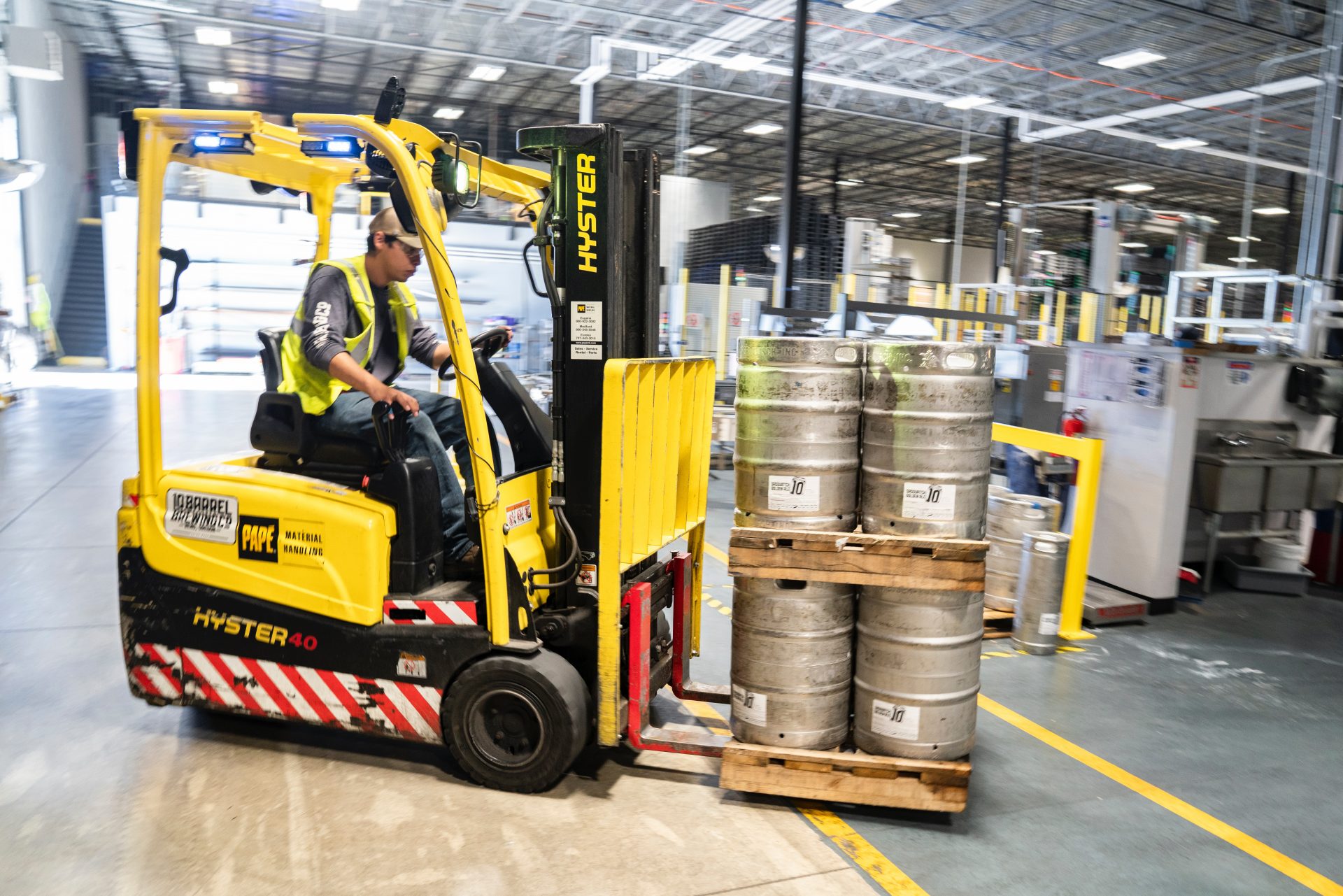
Focuses on operating safety, maintenance of electric batteries, safe driving techniques and basic safety requirements. Allowing operators to drive these vehicles without proper training increases a company's liability in the event anyone is injured as a result.