

Drug Free Workplace – Employee
Ex-substance abusers and their co-workers share their story on creating and maintaining a drug free workplace.
(28 Minutes)
Ex-substance abusers and their co-workers share their story on creating and maintaining a drug free workplace.
(28 Minutes)
This short yet powerful video recounts the tragic true story of 20-year-old Phil Cummings, who was killed by an alcohol-impaired driver.
(7 Minutes)
This video is a general overview of the Federal Motor Carrier Safety Administration's (FMCSA) Alcohol and Drug Testing Rules for persons required to obtain a Commercial Drivers License (CDL).
This video shows us just how dramatically a DUI impacts the lives of more than just the drivers, the effects of alcohol consumption, and how easy it is for a few drinks to turn into life-threatening devastation once a person gets behind the wheel.
The National Centers for Disease Control (CDC) has labeled the maltreatment of children as a “substantial public health problem” , but what can be done?
These types of injuries are often associated with lifting, pushing, pulling, tossing and handling ma¬terial. In this effective and motivational program, your employees will learn how the body functions, risk factors associated with overexertion type injuries, and preventive measures they can utilize to reduce their exposure and prevent injuries.
(14 Minutes)

Designed to promote awareness in preventing slips and falls. Covers potential hazards, importance of proper maintenance and cleaning procedures, and many other aspects of slips and falls prevention. Focus is on engineering, education, and enforcement.
(10 minutes)
Sometimes it is difficult to respect a hazard you can’t see or one that may take years to affect you. Respirators can provide protection, but only if they are worn and used properly.
(11 minutes)
We have all heard the phrase... "A chain is only as strong as its weakest link". When it comes to crane operations, rigging can often be that weak link. How a load is attached to a crane can make the difference between a successful lift and an unfortunate accident.
(26 minutes)
This program allows you to train in any language or country with equal results. Viewers are shown both the correct and incorrect ways to perform common tasks. Then, the clips are played back and viewers are asked to fill in a symbol-coded worksheet denoting which procedure they think is correct.
(14 minutes)
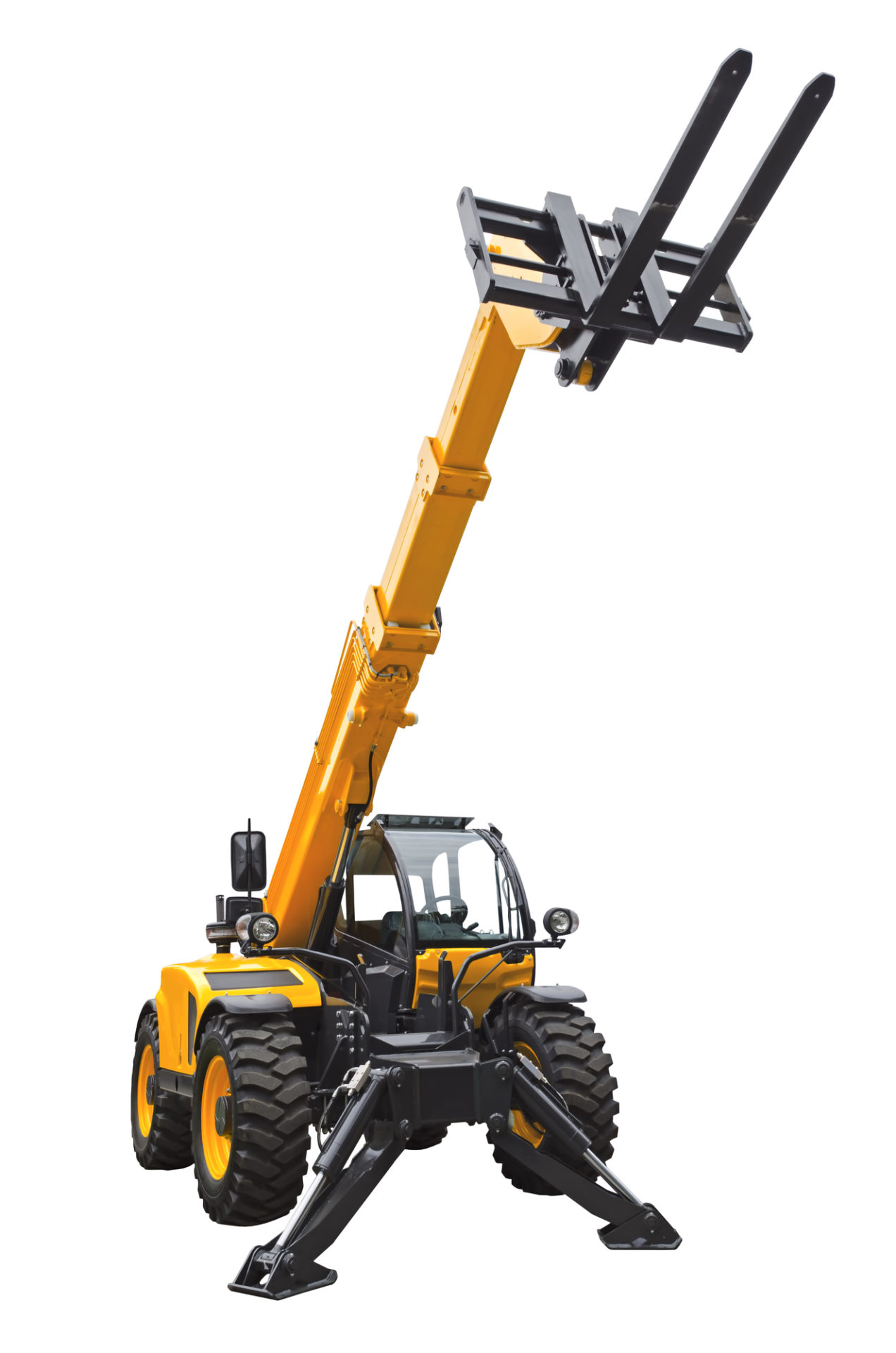
The Telehandler is a versatile piece of equipment found on most every job site. These unique machines can lift up to 10,000 loads and extend outwards 30 to 40 feet. Because of the size and power of this machine the safety and training of for this equipment is very important.
(16 minutes)
This video will help older workers define their unique place in today’s workforce by teaching them to recognize their strengths and capitalize on the experience they bring to their job. Limitations of older workers are also addressed in addition to steps that can be taken to increase productivity.
(10 minutes)
The Census Bureau states that by 2020 the number of people in the workforce over 55 will increase by 73% while the number of young workers will increase only 5%. This video will help you develop and implement strategies that will allow you to capitalize on the strengths of this ever-growing sector of your employment base and be better prepared to handle the challenges that may arise as a result of having older employees as part of your workforce.
(16 minutes)
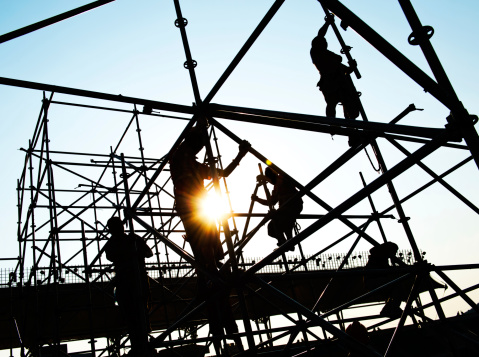
This video trains workers in the correct way to erect, maintain and use scaffolds. Includes, creating a stable foundation, platforms and planking, Power Lines, ramps and walkways, fall protection and more.
(21 minutes)
Reminds employees that over 90% of crane-related accidents are caused by human error... and that they are the key to preventing these incidents. Areas covered in the program include: Physical and mental preparation, Equipment inspection, Hazard assessment, Boom cranes, Jib cranes, Overhead cranes, General and operational safety devices, Crane operations, Hand signals and more.
(21 minutes)

Hearing loss is one of the most common occupational diseases and the second most self-reported occupational injury or illnesses. Yet, because noise induced hearing loss occurs over a period of time and is not associated with instant pain and suffering, it is one of the least recognized and respected hazards by workers.
(12 minutes)
This video heightens awareness of hearing conservation in the workplace. Explains the anatomy of the ear, how noise can cause hearing loss, and how to prevent hearing loss. Includes a cameo appearance by Lou Ferrigno noted famous body builder, author, and trainer who has been severely hearing impaired since birth.
(20 minutes)
All of OSHA’s recent regulations not only call for employees to receive initial training, but require that employees knowledge be “refreshed”... through retraining...on at least an annual basis.
(22 minutes)
Heat Stress in Construction Environments reminds employees that heat-related illnesses can occur in many situations, and reviews what can be done to address these situations.
(11 minutes)
Our hands, wrists and fingers are valuable tools... the most valuable we will ever own. Whether we are completing a project at work or playing catch with the kids, our hands are involved in just about everything we do. In fact, we use our hands so much that they are ex¬posed to a multitude of hazards.
(12 minutes)

A hand injury occurs in the workplace every 32-seconds. Though they usually do not grab the headlines and are not fatal in nature, over 16 million individuals seek emergency care each year for hand injuries. Hands are often in the forefront of the specific task being performed and thus exposed to more risks.
(13 minutes)
Most people have injured themselves with a tool at least once in their lives. In fact learning to use some tools seems to require a little pain. Unfortunately, tool accidents result in thousands of serious injuries and hundreds of deaths each year... most of which could have been avoided by simply handling tools safely.
(19 minutes)
Safe operation of a forklift begins before the operator ever starts to drive the lift truck. It begins with the operator’s mental state of mind.
(13 minutes)
Illustrates how many eye problems are caused by not paying attention to the work employees are doing, or not wearing the appropriate protective equipment. They remind employees that eye injuries can easily happen to them and show them how to prevent these injuries.
(14 minutes)
In today’s busy world, distractions are everywhere, especially behind the wheel. Phones, ipods, texting, talking, you name it, they’re all distractions. The tempatation to use these devices behind the wheel is very real.
(13 minutes)
Since it's your first time, you may want to checkout some of the video tutorials.














 800-ICW-SAFETY (800.429.7233)
 SAFETYOnDemand@icwgroup.com