Skip to content

Hello, Guest!

  • Certificate Export
  • Home
  • All Topics
  • Resources
    • OSHA Program Wizards
      • Emergency Action Plan
      • Transitional Work Program
      • Personal Protective Equipment
      • Energy Control (LOTO)
      • Hazard Communication (HAZCOM)
      • Confined Space Program
      • Hearing Conservation Program
      • Ergonomics Program
      • More…
    • Program Audits
      • Confined Space
      • Emergency Planning
      • Employee Training
      • Hazard Recognition and Control
      • Hearing Conservation
      • IIPP
      • Lockout Tagout
      • Personal Protective Equipment
      • More…
    • Major Loss Source Assessment Tools
      • Amputation
      • Falls from Elevation – Construction
      • Falls from Elevation – Extension Ladders
      • Falls from Elevation – Orchard Ladder
      • Falls from Elevation – Stepladders
      • Lifting Below the Knees
      • Lifting With Arms Extended
      • More…
    • Supervisor Resources
      • California SB 553 Workplace Violence Prevention
      • New York Workplace Violence Prevention
      • Employer’s Guide HazCom
      • Employer’s Guide Lockout Tagout
      • 2026 OSHA Outreach 10 Hour Virtual Training Course
      • Forklift Train the Trainer
      • Train the Trainer
      • Business Case for Safety
      • Special Reports
      • Newsletters
      • Incident Investigations
    • Training Calendars and Bundles
      • ICW Ladder Elimination Challenge
      • Quarterly Safety Checkup
      • Training Calendars by Industry
      • Essential 29
      • Landscaping Safety
      • Fundamental 55
      • Tree Trimming
      • Towing Bundle
    • Training Engagement and Retention
      • Picture This
      • Stats and Facts
      • Fatality Reports
      • Puzzles and Games
      • Safety Checklists
    • Webinars
      • Work Comp Fraud: The Modern Fraudster
      • Returning to the Workplace During COVID-19
      • Respiratory Protection Must Haves
      • Beat the Heat: Outdoors
      • Beat the Heat: Indoors
      • More…
    • When An Injury Occurs
      • Help Injured Workers
      • Nurse Triage Hotline
      • If You’ve Been Injured
      • Transitional Work Program
      • Incident Investigation Wizard Form
      • Top 10 Tips to Lower Your Ex-Mod
  • Webinars
    • Webinars
      • Work Comp Fraud: Identifying the Modern Fraudster
      • Returning to the Workplace During COVID-19
      • Breathe Easier With These Respiratory Protection Must Haves
      • Beat the Heat: Outdoors
      • Beat the Heat: Indoors
      • Machine Guarding: 7 Questions Everyone Should Ask
      • 5 Tips for Impactful Safety Observations
      • More…
  • Ask The Expert
  • Favorites
By-the-Book vs In-the-Field: Bridging the Gap Between Policy and Practice Meeting Kit
Favorite Print Email Spanish

WHAT’S AT STAKE

Most workplaces have solid safety policies written down somewhere. The problem isn’t the policy. It’s the space between what the policy says and what happens on the floor. Workers learn workarounds. Supervisors look the other way when the schedule is tight. Procedures get bent just enough that nobody calls it a violation, but also not enough that they match the written rule. This gap is invisible most of the time. But it’s active.

WHAT’S THE DANGER

A few specific patterns account for most of the distance between policy and practice.

Normalization of Deviance

When a shortcut gets used over and over without an incident, it stops feeling like a shortcut. It becomes ‘how we do it here.’ This process has a name: normalization of deviance. It’s been identified as a contributing factor in some of the most serious industrial accidents on record. The danger isn’t any single deviation. It’s the gradual loss of the sense that the rule matters.

Procedures That Were Never Field-Tested

A procedure written in an office without input from the people doing the job often doesn’t account for the reality of the floor. Layout constraints, equipment quirks, timing pressures, crew sizes that differ from the assumed standard. Workers must improvise to get the job done. That improvisation becomes the unwritten standard, and the written procedure becomes the thing nobody follows.

The Silence That Lets the Gap Grow

When raising a mismatch between a procedure and the real job is seen as troublemaking, workers stay quiet and keep improvising. Several things make that silence more likely:

  • Past reports went nowhere and nothing changed
  • The supervisor enforces rules inconsistently, so workers wait to see who’s watching
  • The concern feels too small to raise formally but too real to ignore
  • Workers worry about being blamed for the gap rather than thanked for flagging it

HOW TO PROTECT YOURSELF

Follow First, Then Flag It

If a procedure doesn’t fit field conditions, the right move is to follow it and then raise the mismatch through the right channel. Improvising in the moment puts you at risk physically and professionally. Raising it after the shift, through your supervisor or a safety observation, is how you fix it without carrying the risk alone.

Document When You Have to Deviate

If you’re ever in a situation were following the procedure exactly is genuinely impossible, write it down and report it. Don’t let it become a habit that silently replaces the written rule. A documented deviation is a trigger for a procedure review. An undocumented one is just a shortcut waiting to become a standard.

Push for Procedures That Reflect Reality

Workers who have done a job hundreds of times hold knowledge that procedure writers often don’t. Use it:

  • Raise specific mismatches at safety meetings or in one-on-ones with your supervisor
  • Use any formal suggestion or observation process your site has for updating procedures
  • Ask your supervisor to walk through the procedure with you in the actual work environment, not just on paper

Ask Why the Rule Exists

A rule you understand is much easier to follow and much harder to rationalize around. When a procedure step doesn’t seem to make sense given what you’re actually doing, find out what it’s protecting against. That context doesn’t just make you more likely to follow it. It makes you better at flagging when it stops applying.

Raise Gaps at the Pre-Task Briefing

The moment before a task starts is the best time to name a mismatch between the procedure and the real conditions. If something about today’s setup doesn’t match what the procedure assumes, say it during the briefing. That’s the moment when the whole crew is paying attention, the supervisor is present, and changing the plan is still easy. Raising it mid-task, or after something goes wrong, is much harder.

Get Involved When Procedures Are Being Updated

Most sites have a process for reviewing and updating procedures. If yours does, participate in it. You don’t need to be an expert or a supervisor to have useful input. Your experience of what the job actually looks like from the floor is exactly what procedure writers need and often don’t have. When workers are involved in writing the rules they’re expected to follow, those rules tend to be better. They also tend to get followed.

FINAL WORD

A policy that nobody follows isn’t protecting anyone. And a worker who improvises without naming the gap is carrying a risk that should be shared with the whole team.



New Safety Talks

New Safety Talks

Vicky Pickford2026-11-10T23:51:29+00:00
Just Culture vs Blame Culture: How We Learn & Improve Meeting Kit
Vicky Pickford2026-11-10T23:51:29+00:00
Just Culture vs Blame Culture: How We Learn & Improve Meeting Kit – Spanish
Vicky Pickford2026-11-10T23:51:09+00:00
Safety Leadership: Front-Line Supervisors Setting the Tone Meeting Kit
Vicky Pickford2026-11-10T23:51:09+00:00
Safety Leadership: Front-Line Supervisors Setting the Tone Meeting Kit – Spanish
Vicky Pickford2026-11-10T23:50:51+00:00
Drone Inspections: When Observers Become Participants in Hazards Meeting Kit
Vicky Pickford2026-11-10T23:50:51+00:00
Drone Inspections: When Observers Become Participants in Hazards Meeting Kit – Spanish

New eLearning

Vicky Pickford2026-10-08T20:56:51+00:00
Access to Medical and Exposure Records
Vicky Pickford2026-10-08T20:56:50+00:00
Access to Medical and Exposure Records – Spanish
Vicky Pickford2026-10-08T20:56:35+00:00
Defensive Driving – Staying Safe Behind the Wheel
Vicky Pickford2026-10-08T20:56:34+00:00
Defensive Driving – Staying Safe Behind the Wheel – Spanish
Vicky Pickford2026-10-08T20:56:18+00:00
Mold Awareness Refresher
Vicky Pickford2026-10-08T20:56:18+00:00
Mold Awareness Refresher – Spanish

Upcoming Events & Webinars

Damian Tollens2025-01-31T09:55:18+00:00
Feb 11 – Performance and Cultural Alignment
Damian Tollens2025-02-12T19:53:20+00:00
Feb 26 – Avoid Common Overhead Crane and Rigging Mistakes
Rick Tobin2024-10-24T16:57:11+00:00
Nov 13 – Defensive Driving For Changing Seasons
Rick Tobin2024-10-24T17:10:53+00:00
Nov 29 – What to Expect From a Health & Safety Inspection
Rick Tobin2024-10-24T17:13:55+00:00
Dec 5 – Top Safety Issues During the Holiday Season
Rick Tobin2024-10-24T17:13:30+00:00
Dec 19 – Safer in ’25: The 3 Pillars of Safety Culture
Vicky Pickford2026-11-10T23:46:39+00:00

See What's Trending

Emergency Lighting and Exit Sign Requirements – Quick Tips

Emergency Lighting and Exit Sign Requirements – Quick Tips

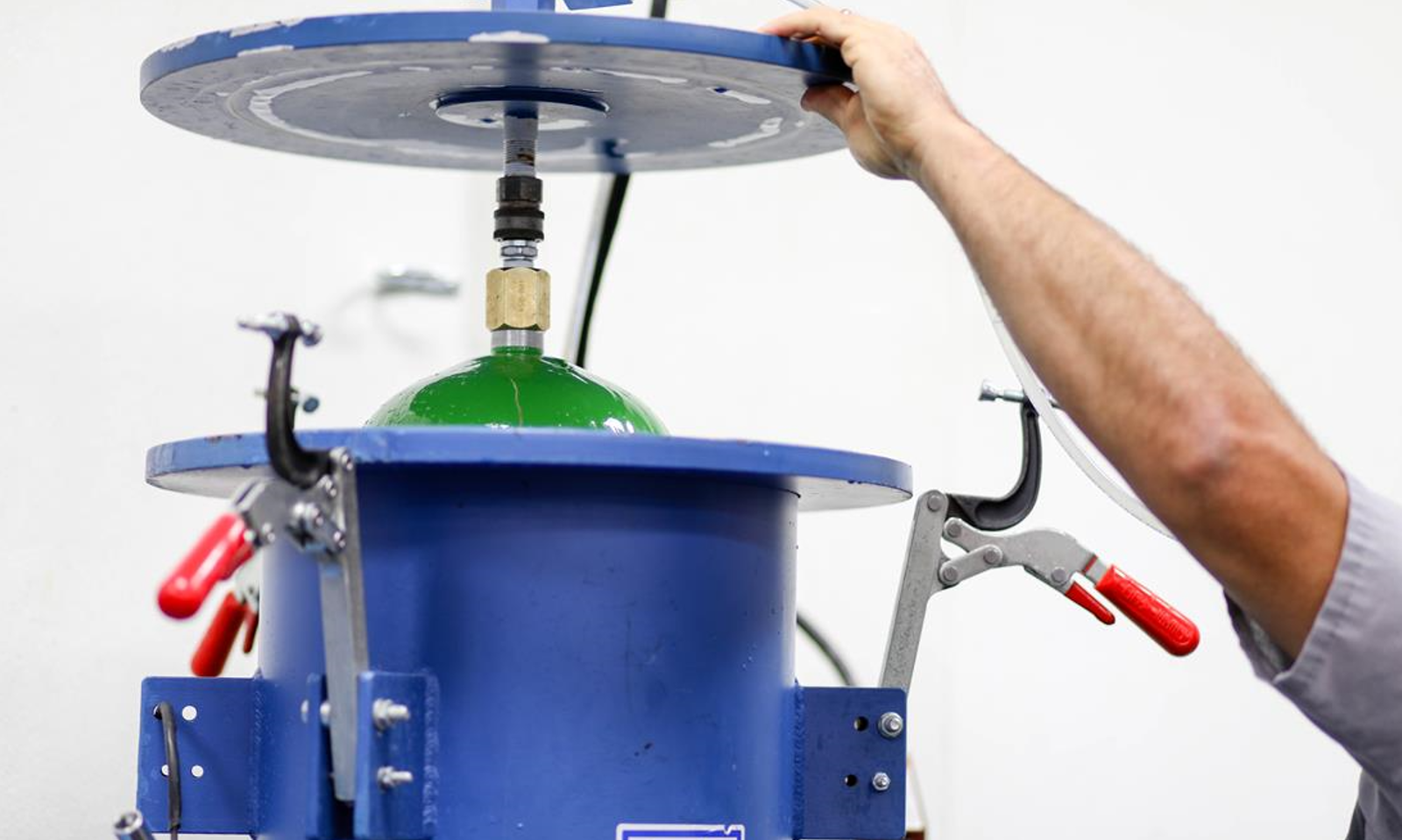
SCBA Cylinder Hydrostatic Testing – Quick Tips

SCBA Cylinder Hydrostatic Testing – Quick Tips

Elevator/Lift Safety Stats and Facts

Elevator/Lift Safety Stats and Facts

2026 OSHA Outreach 10 Hour Virtual Training Course

2026 OSHA Outreach 10 Hour Virtual Training Course

Forklift Train the Trainer Course

Forklift Train the Trainer Course

Forklift Training and Certification Instructions

Forklift Training and Certification Instructions

Contact Us

800-ICW-SAFETY (800.429.7233)SAFETYOnDemand@icwgroup.com

Additional Links

Manage eLearning
View list of learners
Help

Terms of Use | Legal Notice & Privacy Policy
©2023 ICW Group , All Rights Reserved

Page load link


Video Tutorials to Help You Get Started

Since it's your first time, you may want to checkout some of the video tutorials.

eLearning overview

Managing learners

Assigning courses

Reporting & Analytics

When you are ready to go, close this window.
Don't show this again
Go to Top