Skip to content

Hello, Guest!

  • Certificate Export
  • Home
  • All Topics
  • Resources
    • OSHA Program Wizards
      • Emergency Action Plan
      • Transitional Work Program
      • Personal Protective Equipment
      • Energy Control (LOTO)
      • Hazard Communication (HAZCOM)
      • Confined Space Program
      • Hearing Conservation Program
      • Ergonomics Program
      • More…
    • Program Audits
      • Confined Space
      • Emergency Planning
      • Employee Training
      • Hazard Recognition and Control
      • Hearing Conservation
      • IIPP
      • Lockout Tagout
      • Personal Protective Equipment
      • More…
    • Major Loss Source Assessment Tools
      • Amputation
      • Falls from Elevation – Construction
      • Falls from Elevation – Extension Ladders
      • Falls from Elevation – Orchard Ladder
      • Falls from Elevation – Stepladders
      • Lifting Below the Knees
      • Lifting With Arms Extended
      • More…
    • Supervisor Resources
      • California SB 553 Workplace Violence Prevention
      • New York Workplace Violence Prevention
      • Employer’s Guide HazCom
      • Employer’s Guide Lockout Tagout
      • 2026 OSHA Outreach 10 Hour Virtual Training Course
      • Forklift Train the Trainer
      • Train the Trainer
      • Business Case for Safety
      • Special Reports
      • Newsletters
      • Incident Investigations
    • Training Calendars and Bundles
      • ICW Ladder Elimination Challenge
      • Quarterly Safety Checkup
      • Training Calendars by Industry
      • Essential 29
      • Landscaping Safety
      • Fundamental 55
      • Tree Trimming
      • Towing Bundle
    • Training Engagement and Retention
      • Picture This
      • Stats and Facts
      • Fatality Reports
      • Puzzles and Games
      • Safety Checklists
    • Webinars
      • Work Comp Fraud: The Modern Fraudster
      • Returning to the Workplace During COVID-19
      • Respiratory Protection Must Haves
      • Beat the Heat: Outdoors
      • Beat the Heat: Indoors
      • More…
    • When An Injury Occurs
      • Help Injured Workers
      • Nurse Triage Hotline
      • If You’ve Been Injured
      • Transitional Work Program
      • Incident Investigation Wizard Form
      • Top 10 Tips to Lower Your Ex-Mod
  • Webinars
    • Webinars
      • Work Comp Fraud: Identifying the Modern Fraudster
      • Returning to the Workplace During COVID-19
      • Breathe Easier With These Respiratory Protection Must Haves
      • Beat the Heat: Outdoors
      • Beat the Heat: Indoors
      • Machine Guarding: 7 Questions Everyone Should Ask
      • 5 Tips for Impactful Safety Observations
      • More…
  • Ask The Expert
  • Favorites
Near-Miss to Case Study: Learning from Close Calls Before They Cost Meeting Kit – Spanish
Favorite Print Email English

QUÉ ESTÁ EN RIESGO

Un cuasi accidente es el suceso de seguridad más valioso que puede ocurrir, y el más desperdiciado. Algo salió mal, nadie resultó herido y ahora hay que tomar una decisión: tratarlo como un susto y seguir adelante, o considerarlo como información y hacer un cambio. Las organizaciones que logran un verdadero historial de seguridad optan por lo segundo. Se toman en serio los conatos de accidente porque entienden que la misma secuencia de eventos, con un solo cambio en una variable, se convierte en un incidente con un final muy diferente.

CUÁL ES EL PELIGRO

Hay varios factores que impiden que los incidentes que casi causan accidentes se conviertan en las mejoras que deberían ser:

  • Los trabajadores no los reportan porque temen que se les culpe, que les exijan papeleo adicional o que se les vea como la persona que “casi causó algo”.
  • Los informes se descartan como “error del trabajador” sin preguntar qué provocó el error, lo que deja el peligro real sin resolver.
  • No se observa ningún cambio visible después de presentar un informe, por lo que los trabajadores dejan de reportar porque les parece inútil.
  • El lapso entre el incidente y el reporte es demasiado largo y los detalles se vuelven borrosos, lo que imposibilita una investigación útil.
  • El conato de accidente se trata como un incidente menor porque nadie resultó herido, ignorando el hecho de que el peligro estaba plenamente presente.

COMO PROTEGERSE

Reporta el Incidente antes de Irte

La memoria se desvanece rápido. Y también la urgencia. Si fuiste testigo o viviste un incidente que estuvo a punto de convertirse en un accidente, reporta el incidente el mismo día, antes de que termine el turno. Un reporte rápido con detalles precisos vale diez veces más que un reporte exhaustivo presentado una semana después, cuando la secuencia de los hechos ya se ha difuminado. La rapidez es lo que hace que el reporte sea útil.

Haz que el Sistema sea Seguro de Usar

Si reportar un incidente casi fatal en tu lugar de trabajo genera culpas en lugar de una investigación, ese es un problema que vale la pena plantear con tu representante de seguridad. El reporte no punitivo no es un lujo. Es lo que hace que el sistema funcione. Los trabajadores que tienen miedo de reportar no se están protegiendo a sí mismos. Están reteniendo información que podría prevenir el próximo incidente.

Mira más Allá de la Última Persona en la Cadena

Cuando analices un incidente evitado por poco, no te quedes en «no estaban prestando atención». Pregúntate qué contribuyó a eso. Algunas buenas preguntas para identificar la causa raíz son:

  • ¿Se diseñó el área de tal manera que generara el conflicto?
  • ¿Había presión de tiempo que hiciera que el atajo pareciera necesario?
  • ¿El procedimiento era claro y viable, o requirió improvisación?
  • ¿Se contaba con el equipo o la señalización adecuados, o faltaba algo?

Compártelo más Allá de tu Equipo Inmediato

Un incidente evitado por poco en un área suele ser una advertencia para cualquier área que realice un trabajo similar. No mantengas la historia solo dentro de tu equipo. Compártela en la próxima reunión de seguridad, inclúyela en el sistema para que otros supervisores puedan verla, o menciónala en una charla de seguridad. Así es como un incidente evitado a tiempo se convierte en un caso de estudio que previene el incidente de otra persona.

Cierra el Ciclo

Si reportaste algo, da seguimiento a lo que sucedió al respecto. Si eres supervisor, comunícate con el trabajador que presentó el reporte y muéstrale qué medidas se tomaron. Un reporte que ingresa al sistema y no genera una respuesta visible es una de las formas más rápidas de acabar con una cultura de reporte.

Incluye los Detalles Correctos al Reportar

Un informe de incidente evitado solo es tan útil como la información que contiene. Cuando envíes uno, incluye:

  • La hora y el lugar exactos donde ocurrió.
  • Qué tarea se estaba realizando y en qué paso te encontrabas.
  • Qué condiciones existían (iluminación, clima, estado del equipo, nivel de ruido).
  • Quiénes estuvieron involucrados y quiénes lo presenciaron.
  • Qué crees que permitió que sucediera, incluso si no estás seguro.

No es necesario que tengas todas las respuestas. Solo tienes que proporcionar a los investigadores suficiente información para que puedan trabajar. Un informe completo convierte un incidente evitado a tiempo en algo sobre lo que se puede actuar.

CONCLUSIÓN

Cada incidente evitado a tiempo es una advertencia que no ha tenido consecuencias. Eso es algo poco común en materia de seguridad, y no debe desperdiciarse. Repórtalo de inmediato, investiga con honestidad y comparte lo que descubras.



New Safety Talks

New Safety Talks

Vicky Pickford2026-11-10T23:51:29+00:00
Just Culture vs Blame Culture: How We Learn & Improve Meeting Kit
Vicky Pickford2026-11-10T23:51:29+00:00
Just Culture vs Blame Culture: How We Learn & Improve Meeting Kit – Spanish
Vicky Pickford2026-11-10T23:51:09+00:00
Safety Leadership: Front-Line Supervisors Setting the Tone Meeting Kit
Vicky Pickford2026-11-10T23:51:09+00:00
Safety Leadership: Front-Line Supervisors Setting the Tone Meeting Kit – Spanish
Vicky Pickford2026-11-10T23:50:51+00:00
Drone Inspections: When Observers Become Participants in Hazards Meeting Kit
Vicky Pickford2026-11-10T23:50:51+00:00
Drone Inspections: When Observers Become Participants in Hazards Meeting Kit – Spanish

New eLearning

Vicky Pickford2026-10-08T20:56:51+00:00
Access to Medical and Exposure Records
Vicky Pickford2026-10-08T20:56:50+00:00
Access to Medical and Exposure Records – Spanish
Vicky Pickford2026-10-08T20:56:35+00:00
Defensive Driving – Staying Safe Behind the Wheel
Vicky Pickford2026-10-08T20:56:34+00:00
Defensive Driving – Staying Safe Behind the Wheel – Spanish
Vicky Pickford2026-10-08T20:56:18+00:00
Mold Awareness Refresher
Vicky Pickford2026-10-08T20:56:18+00:00
Mold Awareness Refresher – Spanish

Upcoming Events & Webinars

Damian Tollens2025-01-31T09:55:18+00:00
Feb 11 – Performance and Cultural Alignment
Damian Tollens2025-02-12T19:53:20+00:00
Feb 26 – Avoid Common Overhead Crane and Rigging Mistakes
Rick Tobin2024-10-24T16:57:11+00:00
Nov 13 – Defensive Driving For Changing Seasons
Rick Tobin2024-10-24T17:10:53+00:00
Nov 29 – What to Expect From a Health & Safety Inspection
Rick Tobin2024-10-24T17:13:55+00:00
Dec 5 – Top Safety Issues During the Holiday Season
Rick Tobin2024-10-24T17:13:30+00:00
Dec 19 – Safer in ’25: The 3 Pillars of Safety Culture
Vicky Pickford2026-11-10T23:45:52+00:00

See What's Trending

Emergency Lighting and Exit Sign Requirements – Quick Tips

Emergency Lighting and Exit Sign Requirements – Quick Tips

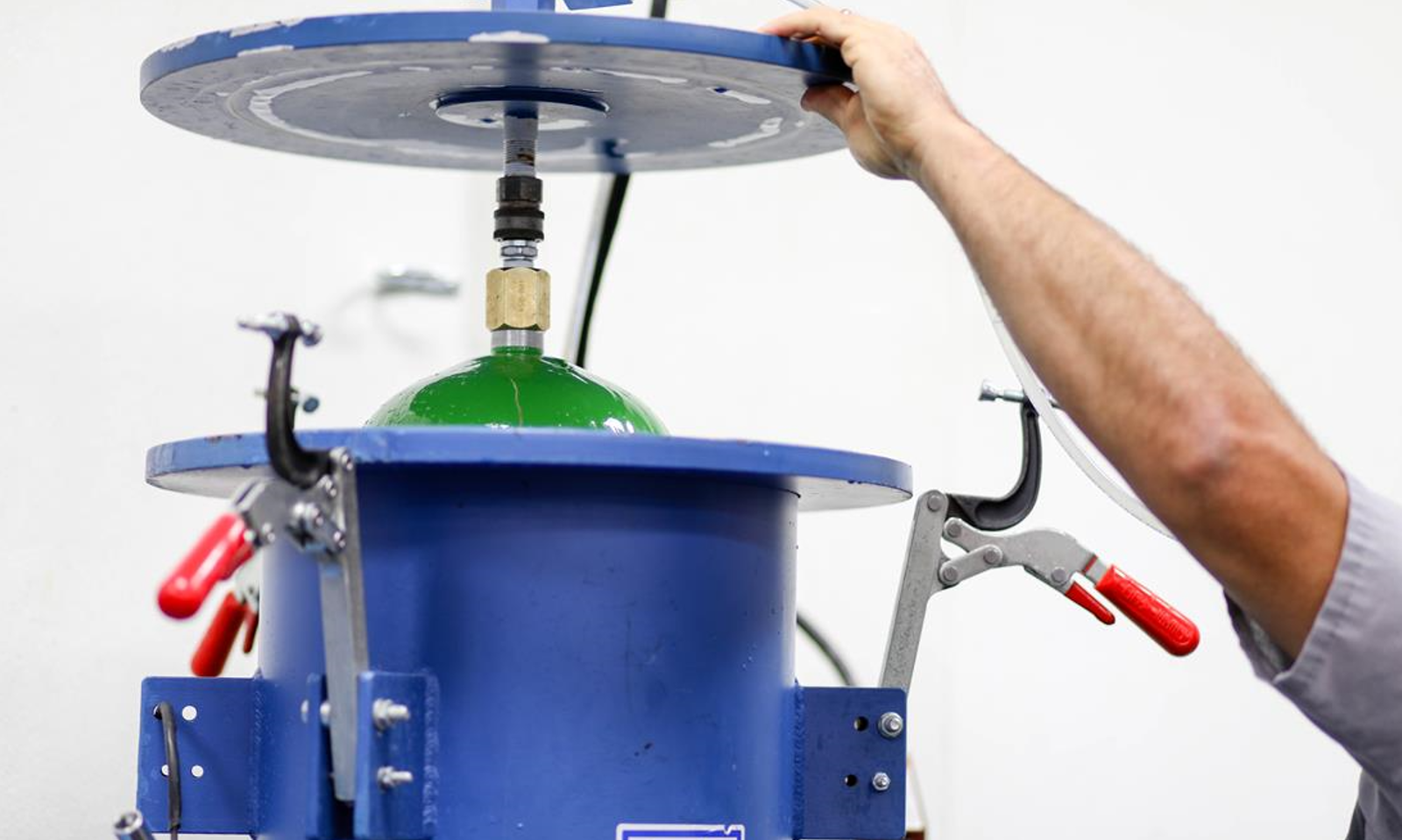
SCBA Cylinder Hydrostatic Testing – Quick Tips

SCBA Cylinder Hydrostatic Testing – Quick Tips

Elevator/Lift Safety Stats and Facts

Elevator/Lift Safety Stats and Facts

2026 OSHA Outreach 10 Hour Virtual Training Course

2026 OSHA Outreach 10 Hour Virtual Training Course

Forklift Train the Trainer Course

Forklift Train the Trainer Course

Forklift Training and Certification Instructions

Forklift Training and Certification Instructions

Contact Us

800-ICW-SAFETY (800.429.7233)SAFETYOnDemand@icwgroup.com

Additional Links

Manage eLearning
View list of learners
Help

Terms of Use | Legal Notice & Privacy Policy
©2023 ICW Group , All Rights Reserved

Page load link


Video Tutorials to Help You Get Started

Since it's your first time, you may want to checkout some of the video tutorials.

eLearning overview

Managing learners

Assigning courses

Reporting & Analytics

When you are ready to go, close this window.
Don't show this again
Go to Top