
Workers Burned in Oxygenated Air
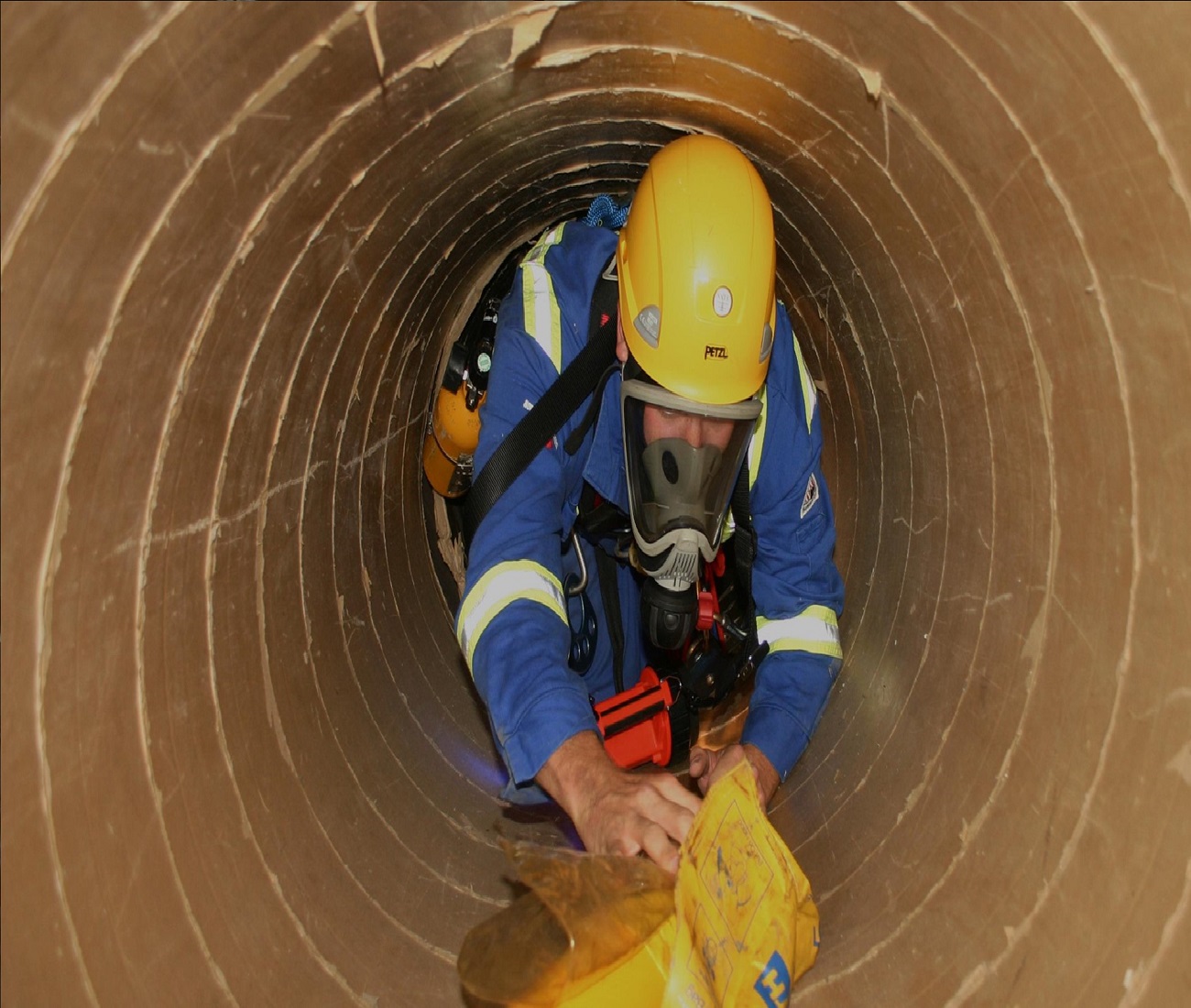
Two men working for a municipality subcontractor died of burns received while installing a valve in a concrete sewage channel.
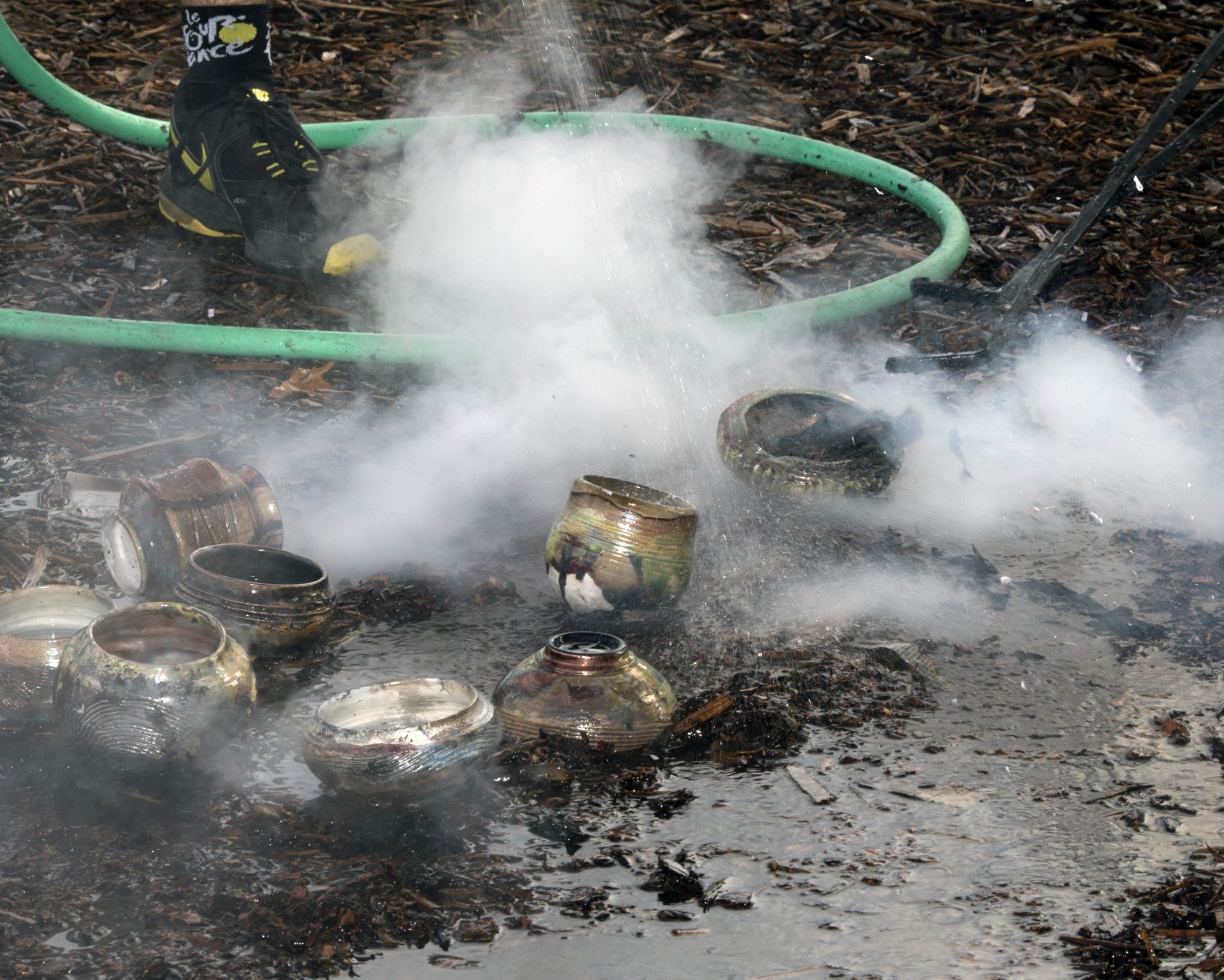
Two men working for a municipality subcontractor died of burns received while installing a valve in a concrete sewage channel.
The goal was gleaming, refinished wood floors. Instead, the result was fire and death.
Fire safety is an extremely important part of any workplace safety program. It's everyone's responsibility to help prevent fires.
The symptoms of heat-related illness would have been obvious to anyone trained to spot them.
A cattle farmer died from strangulation that resulted when his loose clothing caught in the rotating shaft of a conveyor belt.
The 45-year-old worker was operating the crusher for a construction company, which subcontracted to the US government to produce gravel for forest roads.
An elevator operator died when the elevator's counterweights came crashing down on his head and chest.

A 61-year-old woodworker was killed as he was trying to replace a glue tray in a glue-press machine while it was still operating.
On May 5, 2005, a 55-year-old maintenance mechanic was killed while inspecting a lifting machine at a masonry production plant.
Always follow your company's lockout and tagout procedures. Just shutting off the power is not enough.
A 33-year-old man, with eight years of experience, was crushed by his own bulldozer when he fell between the treads and the deck.
A 52-year-old ranch hand died when he was run over by a bulldozer on a cattle ranch in Oregon.
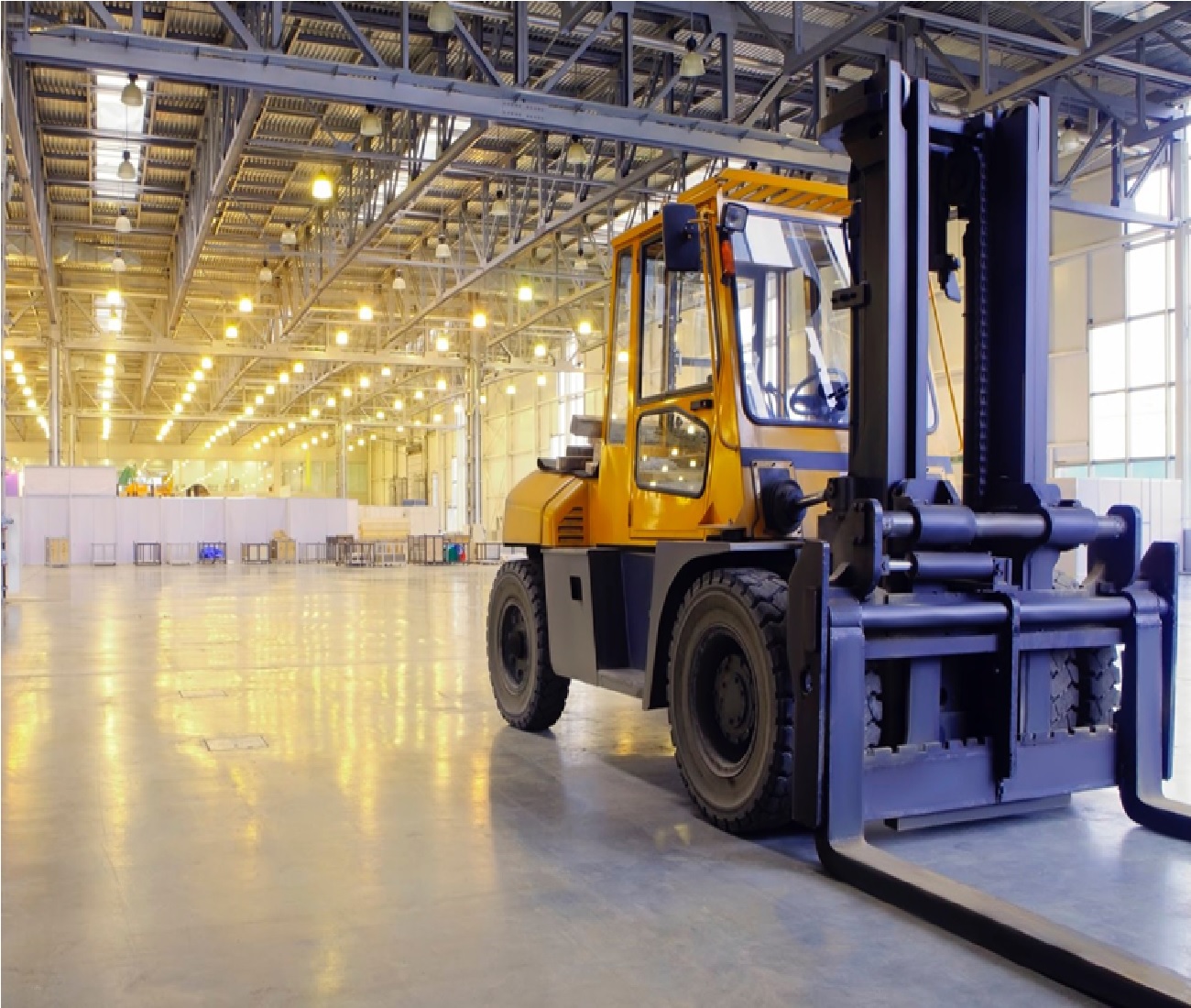
As a forklift operator, it's important to realize the majority of the safety responsibility rests on your shoulders - you are in the driver's seat.
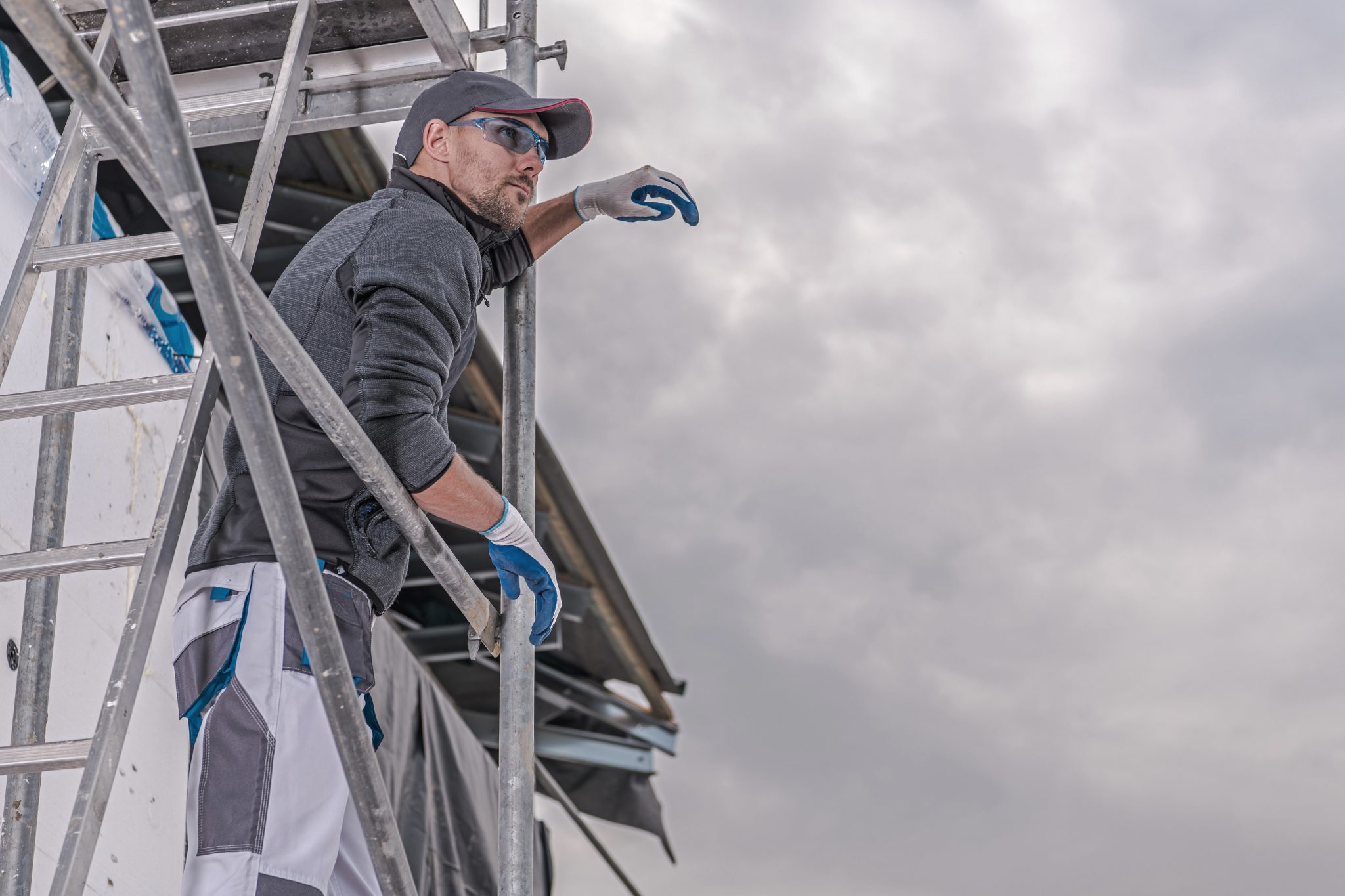
Having a swing stage scaffold motor fail can be a pain, but if a worker is left stranded in a hazardous area, he or she can die.
While shingling a house, a 46-year-old roofer fell more than 20 feet (six meters) to his death.
A mobile home assembly worker was electrocuted while installing a roof on a mobile home.
Your five senses are of little use in alerting you to respiratory hazards. You usually can't see, feel or hear them, and they often have no smell or taste

Being experienced in your work does not provide immunity from injuries. Nearly a quarter of acute injuries happen to experienced workers - as a result of human errors.
Lester L. Woda, an orchard manager, drowned in Okanogan, WA, after becoming trapped in a reservoir pipe.
A 14-year-old boy, employed as a laborer, was crushed by a five-ton beam that fell on him while he was working beneath a house that had been moved onto a vacant lot several months earlier.
Roger, who sowed the seeds of his farming career at the age of 13, may have scoffed at the foretelling of his death on a small farm in Iowa 22 years later.
The moral of this fatality is: Never work beneath a suspended load.

Trevor was 24 years old when he died in an unguarded conveyor at an asphalt plant, where investigators concluded that several safety procedures could have prevented his death.
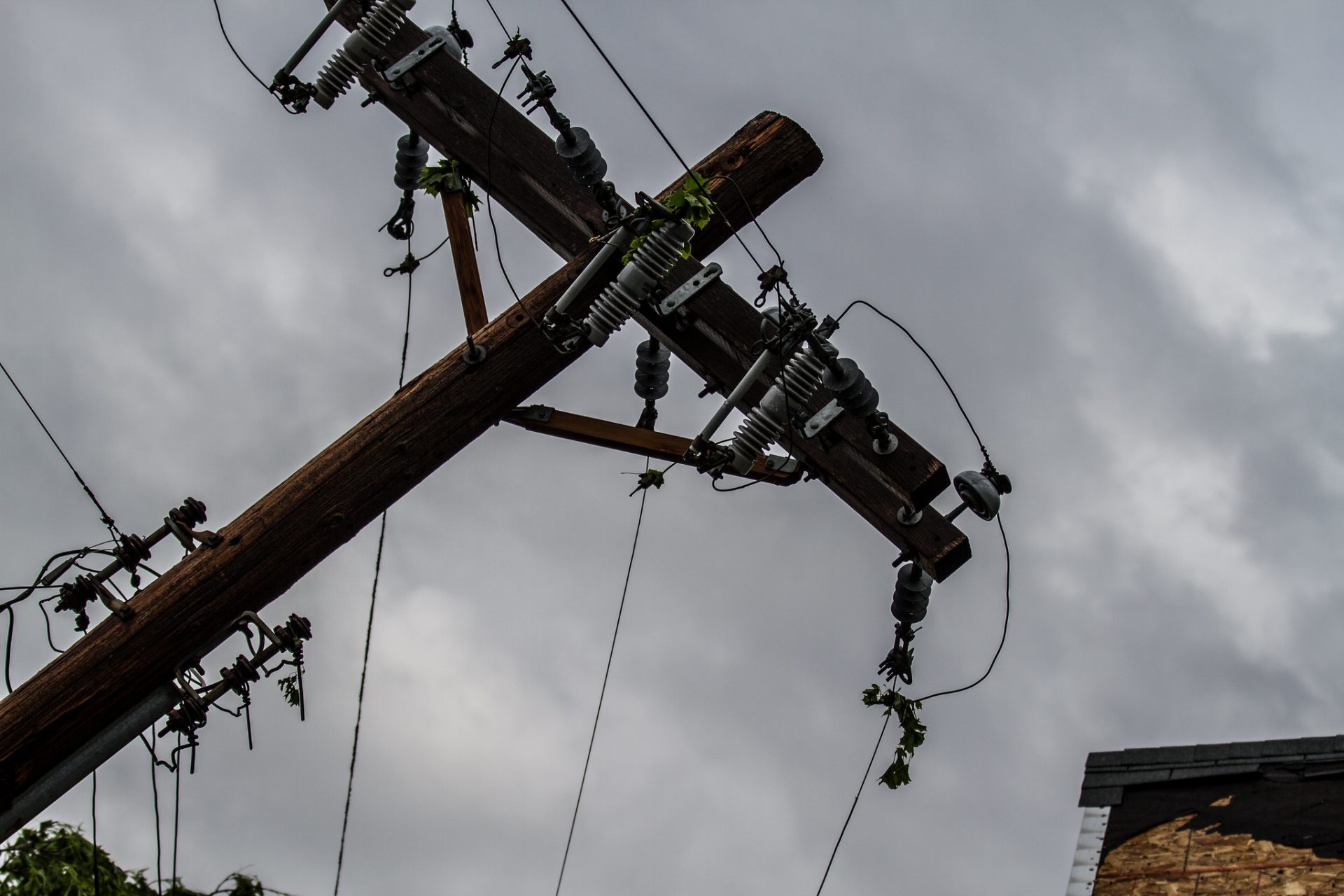
Deputy Sheriff Tony was quite certain that the downed power line hanging only a few inches above the road was a ground wire that was safe to move by hand. He couldn't have been more wrong.
Stan was hired as a hotel maintenance worker, whose duties included janitorial functions and minor repair. So how did he end up dead with electrical flash burns to 20 percent of his body?
Since it's your first time, you may want to checkout some of the video tutorials.










 800-ICW-SAFETY (800.429.7233)
 SAFETYOnDemand@icwgroup.com
