Organization of Work Areas Fallen Phrases – Spanish

Respuesta: Tómese tiempo para evaluar sus áreas de trabajo. La forma en que configuramos nuestras áreas de trabajo tiene un gran impacto en nuestra capacidad para trabajar de forma segura y eficiente. es importante considerar qué mejoras podemos hacer en nuestras áreas de trabajo para crear un entorno de trabajo seguro.


Organization of Work Areas Word Search – Spanish

  • Safety Now
  • Organización
  • Trabajo
  • Área
  • Prácticas
  • Configuración
  • Complacencia
  • Evaluar
  • Peligros
  • Lesiones
  • Esguince
  • Torcedura
  • Por encima de
  • Resbalones
  • Caídas


Organization of Work Areas Picture This – Spanish

Source: https://charlasdeseguridad.com.ar


Forklift Train the Trainer Course

Learn how to train, evaluate and certify your forklift operators as specified by OSHA’s Powered Industrial Truck standard 1910.178.  This comprehensive 6-hour training class will instruct trainers how to develop and present an effective forklift training program and learn how to evaluate and certify operators using our step-by-step instructions and training resources.

Topics Covered

  • OSHA Powered Industrial Truck Standard 1910.178
  • Forklift safety fundamentals
  • How to effectively evaluate your forklift operator’s performance
  • Effective teaching and training methods
  • Pedestrian safety requirements
  • Forklift inspection requirements
  • Conducting effective forklift hazard assessments
  • Accessing forklift training tools and resources

Class Prerequisites

To attend this training class and certify forklift operators you must have practical hands-on knowledge, training and experience operating forklifts as required by OSHA standard 1910.178(l)(2)(iii).

Who Would Benefit from This Class?

  • Experienced Forklift Operators
  • Safety Managers
  • Supervisors
  • Warehouse Managers
  • Construction Forepersons
  • Project Managers

Register for a Class Today!

You have two convenient options for attending a forklift train the trainer class.

1. Live Virtual Training Class.

Register for our next virtual training class with live instructor.  During this class you will be actively engaging in instructor led training activities and interacting with other students.  At the end of the class, you will be required to pass a written test to check your comprehension and receive your certificate of completion.

Register Now!

2. Onsite Training Class.

If you would prefer to attend an onsite trainer the trainer class or would like to inquire about having one of our instructors conduct a free onsite training class, please contact us today to request more information.

Learn More

Forklift Training & Certification Instructions

If you have already successfully completed our forklift train the trainer class, please click on the link below to get access to our step by step instructions and resources to train, evaluate and certify your forklift operators.

Access Now!


Forklift Training and Certification Instructions

If you have already successfully completed our forklift train the trainer course and have received your certification of completion, please proceed to the step by step instructions listed below to begin training, evaluating and certifying your forklift operators.

If you would like to learn how to train, evaluate and certify your forklift operators as specified by OSHA’s powered industrial truck standard, please register for one of our forklift train the trainer classes today.

Click on the following link Forklift Train the Trainer Course for more information on how to register for our next training class.

IMPORTANT: Instructors using this guide must have the knowledge, training and experience to train operators and evaluate their competence with the specific type of forklifts being used. The instructor should have significant experience operating your company’s forklifts, knowledge of forklift safe work practices and understand forklift manufacturer safe operating recommendations.

This training program is AWARENESS LEVEL and does not authorize any person to perform work or validate their level of competency; it must be supplemented with operation and process-specific assessments and training, as well as management oversight, to assure that all training is understood and followed.

Your organization should conduct an evaluation of all exposures and applicable codes and regulations. In addition, establish proper controls, training, and protective measures to effectively control exposures and assure compliance.

This program is neither a determination that the conditions and practices of your organization are safe, nor a warranty that reliance upon this program will prevent accidents and losses or satisfy all local, state, or federal regulations.


Forklift Training and Certification Instructions | Step 1: Forklift/Powered Industrial Truck Safety Training

What You NEED To Do

Forklift Operator Safety Training PowerPoint.  Please use the Forklift Operator Training PowerPoint to provide formal instruction, lecture, discussion and interactive learning to your operators. You can download the PowerPoint training presentation by clicking on the following link Forklift Operator Safety Training PPTX English or Forklift Operator Safety Training PPTX Spanish.

Forklift Operator Safety Training – Study Guide.  Provide your student operators with the Forklift Operator Safety Training – Study Guide  Have students complete each section in the study guide as you present each corresponding section from the PowerPoint training presentation. Encourage your operators to ask questions and to provide feedback when using the study guide.  You can download and print the study guide by clicking on the following link  Forklift Operator Safety Training – Study Guide English or Forklift Operator Safety Training – Study Guide Spanish.

Forklift Operator Training Video.  When  you have completed the PowerPoint training presentation and your students have completed the study guide, use the Forklift Operator Training video to provide an audio visual review of forklift safety principles. Using this 18 minute video will help augment your PowerPoint training presentation and study guide. The video is available for free streaming by clicking on the following links to view directly. English Video or Spanish Video

BACK TO START | NEXT STEP OF 9


Forklift Training and Certification Instructions | Step 2: Forklift Safety Exam

What You NEED To Do
Once you have completed reviewing the forklift training PowerPoint and video with your operators please print out the PDF file Forklift Safety Exam. This exam is based on the instruction covered in the PowerPoint and video.  Have each operator take the exam, circling their answers to each corresponding multiple choice or True/False question.


Download and print out the exam by clicking on the following link:
Forklift Safety Exam- English      Forklift Safety Exam – Spanish

BACK TO START | NEXT STEP OF 9


Forklift Training and Certification Instructions | Step 3: Answers To Exam

What You NEED To Do
After operator(s) have completed their exam, have the instructor correct the exams using the answer sheet. Review any incorrect exam questions with the employee and explain the correct answer. Operators should be required to pass with a minimum score of 80%.


Download and print out the answer sheet by clicking on the following link: Forklift Safety Exam – Answers English   Forklift Safety Exam – Answers Spanish

BACK TO START | NEXT STEP OF 9


Forklift Training and Certification Instructions | Step 4: Forklift Operator Evaluation

What You NEED To Do
When your operators have passed their exam they will be required to go through a live forklift operator evaluation using the form called Forklift Operator Evaluation. The instructor will complete the evaluation form for each operator while he/she observes and checks that the operator successfully performs each applicable item listed.

It is recommended that you set up a small forklift field course in your facility that corresponds with the forklift operator evaluation. This will assist you in better evaluating your operator and your operator will be able to better demonstrate operational proficiency.

When the evaluation form is completed, make sure the instructor and operator signs and dates it.

Download and print out the evaluation form by clicking on the following link: Forklift Operator Evaluation English or Forklift Operator Evaluation Spanish.

BACK TO START | NEXT STEP OF 9


Forklift Training and Certification Instructions | Step 5: Certificate of Achievement

What You NEED To Do
When operators have successfully gone through the training, exam and evaluation, you can now certify that each has successfully completed the forklift/powered industrial truck safety and evaluation course.  You can use the Powered Industrial Truck Operator Certificate to certify this training.
Download and print out a sample certificate by clicking on the following link:  Powered Industrial Truck Operator Certificate

BACK TO START | NEXT STEP OF 9


Forklift Training and Certification Instructions | Step 6: Wallet Card

What You NEED To Do
Use our Powered Industrial Truck Certification Cards to issue wallet cards to your newly certified operators.  You will want to use a heavier stock paper and cut down the cards to wallet size and laminate.  All of this can be done using the office services at Staples or OfficeMax.  Or alternatively, you can purchase an inexpensive laminator system from any office supply store like Staples, OfficeMax or Amazon.com.


Download and print out a sample certificate by clicking on the following link: Powered Industrial Truck Certification Cards

BACK TO START | NEXT STEP OF 9


Forklift Training and Certification Instructions | Step 7: Documentation

What You NEED To Do

Now take a copy of each operator’s certificate, attach a copy of the printed and completed forklift safety exam, attach the completed operator evaluation and file for future reference. OSHA may request to review this documentation if they should ever visit your facility.

BACK TO START | NEXT STEP OF 9


Forklift Training and Certification Instructions | Step 8: Refresher Certification

What You NEED To Do

Forklift operators will need to go through a documented forklift evaluation every three years. As a best practice, provide refresher forklift safety training as part of this evaluation.  Remember to provide certified forklift safety training for any newly hired employee before they operate one of your company’s forklifts.


Refresher forklift safety training is required for certified operators if any of the following should occur:

  1. The operator has been observed to operate the forklift in an unsafe manner.
  2. The operator has been involved in an accident or near-miss incident.
  3. The operator has received an evaluation that reveals that the operator is not operating the forklift safely.
  4. The operator is assigned to drive a different type of forklift.
  5. A condition in the workplace changes in a manner that could affect the safe operation of the forklift.

BACK TO START | NEXT STEP OF 9


Forklift Training and Certification Instructions | Step 9: Inspections

What You NEED To Do
Please train operators to conduct forklift inspections before the start of each shift and document any issues that require corrective action.

Download and print out sample inspection forms by clicking on the following links: Daily Checklist: Electric Forklift  or Daily Checklist: Gas or LPG Forklift

Forklift trainers should assess and identify site specific forklift hazards by regularly completing forklift hazard assessments.  At minimum you should complete a forklift hazard assessment on a quarterly basis.

Download and print out a sample assessment form by clicking on the following link:  Forklift Hazard Assessment English or Forklift Hazard Assessment Spanish.

BACK TO START


Motor Vehicle Safety Fatality Report – Spanish

Un hombre de 44 años muere en un accidente vehicular en Little Valley

El hombre conducía su Dodge Challenger 2020 cuando perdió el control de su vehículo en la Ruta 353 alrededor de las 6 p.m.

LITTLE VALLEY, N.Y. – Un hombre de Cattaraugus murió el sábado por la noche en un accidente automovilístico en la Ruta 353 en Little Valley.

El hombre de 44 años de edad, que no ha sido nombrado, estaba conduciendo su Dodge Challenger 2020 alrededor de las 6 p.m. cuando perdió el control de su coche, según los diputados.

El coche golpeó una barandilla en el lado oeste de la carretera y luego viajó a través de la carretera y golpeó un vehículo hacia el norte.

El coche continuó después de golpear el vehículo hacia el norte hasta que se salió del lado este de la carretera, en un campo donde dejó de viajar.

El conductor del Dodge Challenger, de 44 años, fue declarado muerto en el lugar de los hechos. Nadie más resultó herido.

Una investigación está todavía en curso. El sheriff del condado de Cattaraugus fue asistido por el Departamento de Bomberos de Little Valley y el Servicio Médico de Emergencia de la Nación Seneca en la respuesta.


Motor Vehicle Safety Picture This – Spanish

Fuente: https://sandovalpllc.com


New Equipment Meeting Kit

MARKET PLACE DYNAMICS

Every single day new technologies and equipment are being introduced into the marketplace. These technologies and equipment eventually make it to our workplaces. It is important to fully understand these new tools before beginning work. Often new tasks and equipment are a source for injury on the job.

NEW EQUIPMENT/PRACTICES AND PROTOCOLS

Here are basic guidelines of what needs to happen before a new piece of equipment or process is put into place.

  1. Involve a subject matter expert (SME). This person can be a rep from the supplier, someone who is familiar with the process within your company, or a consultant. Regardless of who it is, involving someone with the expertise on the new equipment before the decision is made to purchase or use it is crucial. Involving the SME before the equipment is purchased better ensures that all aspects of bringing in the new equipment have been thought of and if it will actually fits the needs of what it being brought into the workplace for.
  2. Review all the relevant paperwork for the piece of equipment. Documentation such as the operator’s manual, safety guidelines, and technical sheet should be reviewed by everyone involved in the process. From this material and guidance from the subject matter expert, company specific job hazard analysis, job safety analysis, and/or standard operating procedures should be created.
  3. Ensure that all of the other necessary resources in place to safely operate the equipment. Some other resources that could be needed is: additional training, other tools, other emergency equipment, maintenance equipment, additional personnel, more time to complete the task, shutdown schedules, etc. The list goes on and on depending how complex the new equipment is. The subject matter expert along with the other personnel involved in this process should be able to foresee these other needs and communicate them to the management during the onboarding process.

BENEFITS FOR BUSINESS TO BUY NEW EQUIPMENT

Meet Changing Business Needs

Investing in new equipment, as well as leading-edge technologies, enables businesses to be more agile and responsive as business needs change. It also better positions them to meet the changing preferences and requirements of customers and end users. For some small businesses, new equipment also enables them to reach new customers and markets, and offer new products and services.

Increase Efficiencies and Productivity

Investing in equipment that enables employees to work faster and reduces manual and repetitive tasks, can increase both efficiencies and overall productivity. The same applies to any new equipment that does more of what is needed, faster, safer, with better quality but with less waste, less maintenance, less resource usage, and less human interaction.

Workplace safety also encompasses more than the physical safety of employees. Outdated equipment, including computers and servers, can leave companies at greater risk of theft, damage, security breaches, and cybercrime.

Take Ownership

Some companies choose to lease rather than buy new equipment. Among the disadvantages to this option is that companies are at the mercy of the leasing company. They’re unable to make updates or changes to the equipment when needed unless the leasing company allows for it. They may have to wait on the leasing company to provide needed maintenance.

When a business purchases its’ own equipment, it can make modifications when necessary. The equipment can be sold if it outlives its service to the business, and the business also doesn’t have to abide by a leasing company’s rules. Additionally, there are tax advantages that come with ownership.

Remain Competitive

Businesses that choose to delay or avoid acquiring new equipment risk losing customers and contracts to competitors that do make the investments. New technology equipment can ease customers’ mind about data safety, while new industrial equipment can attract a customer due to increased speed or a wider range of capabilities.

It’s not just a matter of customer perception or a company’s reputation. Depending on the industry and company type, the lack of new equipment can make it difficult, if not impossible, to take on new work and provide the new products and services requested.

Pros and Cons

Investing in new equipment is a major undertaking for companies of all sizes. It can be especially precarious for small businesses. Before making any purchase decisions, businesses should assess their business needs and resources, and then review their options.

Leasing new equipment may be the right choice for some companies, while others may be able to hold off on doing anything with their equipment for a period of time. Others may find that making repairs or upgrades to existing equipment will suffice. Still others may opt to buy used equipment.

For those companies that do decide that buying new equipment is the way to go, there are still numerous decisions to be made. Equipment capabilities, lifespan, warranties, maintenance needs, and other factors also must be considered.

FINAL WORD

There are almost always secondary considerations that are not thought of when bringing in new equipment. Creating a thorough process for bringing in new equipment is a proactive approach that benefits everyone involved in many ways. The proper process will not only help to ensure injuries are prevented, but can also help to avoid costly mistakes from an operational standpoint.


New Equipment Stats and Facts

FACTS

  1. Nearly a third (106) of the fatal workplace injuries in American manufacturing operations stemmed from contact with objects and equipment. 83 deaths resulted from transportation incidents, 16 from fires and explosions, and 46 from falls, slips, and trips. 40 manufacturing workers died as a result of violence and other injuries by persons or animals. Exposure to harmful substances or environments claimed 50 lives.
  2. Machinery was the second biggest primary source of fatal injuries in U.S. manufacturing operations (71 deaths) in 2018 behind incidents involving vehicles (92 deaths). Among the types of equipment involved, material and personnel handling machinery was linked to 25 deaths, including five from powered conveyors and two from stacking machinery.
  3. The top five manufacturing industries with the most workplace fatalities during the year were: fabricated metal products (56), wood products manufacturing (48), food manufacturing (41), transportation equipment (33), and non-metallic mineral product manufacturing. Food manufacturing operations saw a decline year-over-year decline from the 51 deaths recorded in 2017.
  4. Fatalities involving contact with objects and equipment in all types of U.S. workplaces witnessed a 13% increase last year, from 695 in 2017 to 786, Powder & Bulk Solids reported in an earlier article. Incidents where workers became caught in operational equipment increased by a staggering 39%.
  5. Industry participants are expected to focus on expanding footprint in North America, with Canada slated to witness increased demand for construction equipment rental services. So much so that the government is dwelling on boosting investments in the region. To illustrate, the government of Canada earmarked USD 81.2 billion to foster the Canada initiative—emphasizing growth of public and commercial infrastructure.

STATS

  • Addressing dangers posed by tractors, excavators, and other mobile machines needs to continue. High-risk worker groups should receive targeted information on machine safety.
  • In 2018, 58 percent of amputations (3,580 cases) involved some type of machinery. Parts and materials were involved in 15 percent of amputations. Tools, instrument and new equipment, including powered and unpowered hand tools, were involved in 7 percent.
  • There were a total of 14,625 work-related deaths caused by new equipment – 770 deaths per year on average. During the same period, there was a 32% drop in work-related deaths caused by new equipment. There was a 22% drop in deaths caused by mobile machinery and a 56% drop in deaths caused by stationary machinery.
  • The annual average occupational fatality rate (caused by new equipment) was 0.6 per 100,000 FTE. There was a yearly drop of 2.8% in the overall machine-related occupational fatality rate per 100,000 FTE. Similarly, there was an annual drop of 2.6% in mobile machine-related fatality rate and a decline of 3.5% in fixed machine-related fatality rate per 100,000 FTE.
  • There were a total of 4,831 machine-related accidents involving self-employed workers, accounting for 33% of the total number of accidents caused by machines.


New Equipment Fatality Report

Coroner identifies worker killed in construction accident near Hidden Springs

Officials say the man was operating a scraper when the machine rolled down a large hill.

ADA COUNTY, Idaho — A man was killed Monday afternoon when a large piece of a new construction equipment he was operating overturned.

The Ada County Coroner’s Office on Wednesday identified the victim as 25-year-old Patrick Lee Anderson of Meridian.

The workplace accident happened at about 4 p.m. off North Horse Collar Way, in an area of new construction on the east side of Hidden Springs.

According to the Ada County Sheriff’s Office, Anderson was operating a scraper – a machine used to move and level dirt – when the equipment rolled down a large hill.

The man was thrown from the scraper and struck by it, according to the sheriff’s office. He died from his injuries at the scene.

Anderson died from blunt force trauma, according to the coroner, and his death has been ruled an accident.

KTVB has reached out to the Occupational Safety and Health Administration for more information.

Source: ktvb.com


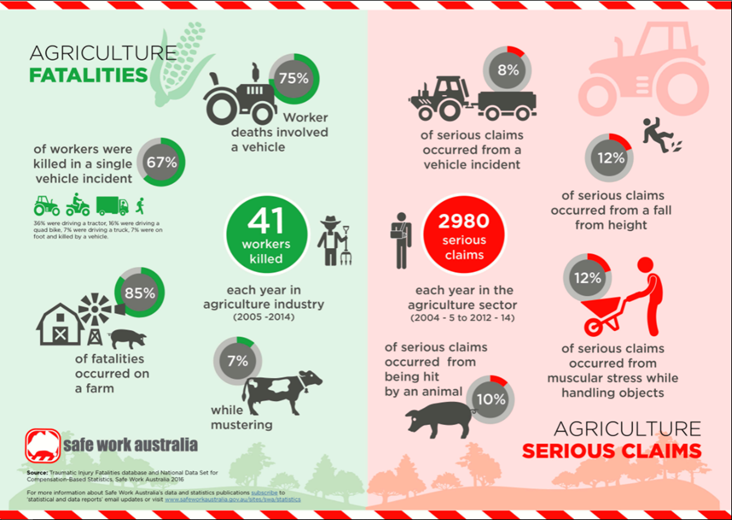
New Equipment Picture This

Source: https://www.safeworkaustralia.gov.au


New Equipment Meeting Kit – Spanish

QUÉ ESTÁ EN RIESGO

DINÁMICA DEL MERCADO

Cada día se introducen en el mercado nuevas tecnologías y equipos.

CUÁL ES EL PELIGRO

Estas tecnologías y equipos acaban llegando a nuestros puestos de trabajo. Es importante conocer a fondo estas nuevas herramientas antes de empezar a trabajar. A menudo, las nuevas tareas y equipos son una fuente de lesiones en el trabajo.

COMO PROTEGERSE

NUEVOS EQUIPOS/PRÁCTICAS Y PROTOCOLOS

Estas son las directrices básicas de lo que debe ocurrir antes de poner en marcha un nuevo equipo o proceso.

  1. Involucrar a un experto en la materia (SME). Esta persona puede ser un representante del proveedor, alguien que conozca el proceso dentro de su empresa o un consultor. Independientemente de quién sea, es fundamental contar con la participación de alguien experto en el nuevo equipo antes de tomar la decisión de comprarlo o utilizarlo. Implicar a la PYME antes de comprar el equipo garantiza mejor que se hayan pensado todos los aspectos de la incorporación del nuevo equipo y si realmente se ajustará a las necesidades para las que se incorpora al lugar de trabajo.
  2. Revise toda la documentación pertinente del equipo. La documentación, como el manual del operador, las directrices de seguridad y la ficha técnica, debe ser revisada por todos los implicados en el proceso. A partir de este material y de la orientación del experto en la materia, deben crearse análisis de riesgos laborales específicos de la empresa, análisis de seguridad laboral y/o procedimientos operativos estándar.
  3. Asegúrese de que se dispone de todos los demás recursos necesarios para utilizar el equipo de forma segura. Algunos otros recursos que podrían ser necesarios son: formación adicional, otras herramientas, otros equipos de emergencia, equipos de mantenimiento, personal adicional, más tiempo para completar la tarea, programas de parada, etc. La lista es interminable, dependiendo de la complejidad del nuevo equipo. El experto en la materia, junto con el resto del personal implicado en este proceso, debe ser capaz de prever estas otras necesidades y comunicarlas a la dirección durante el proceso de incorporación.

BENEFICIOS PARA LAS EMPRESAS AL COMPRAR NUEVOS EQUIPOS

Satisfacer las necesidades cambiantes de la empresa

Invertir en nuevos equipos, así como en tecnologías de vanguardia, permite a las empresas ser más ágiles y responder a los cambios en las necesidades del negocio. Además, las sitúa en una mejor posición para satisfacer las cambiantes preferencias y requisitos de los clientes y usuarios finales. Para algunas pequeñas empresas, los nuevos equipos también les permiten llegar a nuevos clientes y mercados, y ofrecer nuevos productos y servicios.

Aumentar la eficiencia y la productividad

Invertir en equipos que permitan a los empleados trabajar más rápido y reducir las tareas manuales y repetitivas, puede aumentar tanto la eficiencia como la productividad general. Lo mismo ocurre con cualquier equipo nuevo que haga más de lo que se necesita, más rápido, más seguro, con mejor calidad pero con menos residuos, menos mantenimiento, menos uso de recursos y menos interacción humana.

La seguridad en el lugar de trabajo también abarca algo más que la seguridad física de los empleados. Los equipos obsoletos, incluidos los ordenadores y servidores, pueden dejar a las empresas en mayor riesgo de robo, daños, violaciones de la seguridad y ciberdelincuencia.

Adquirir la propiedad

Algunas empresas optan por arrendar en lugar de comprar equipos nuevos. Una de las desventajas de esta opción es que las empresas están a merced de la compañía de leasing. No pueden realizar actualizaciones o cambios en el equipo cuando sea necesario, a menos que la empresa de leasing lo permita. Es posible que tengan que esperar a que la empresa de leasing les proporcione el mantenimiento necesario.

Cuando una empresa adquiere su propio equipo, puede realizar modificaciones cuando sea necesario. El equipo puede ser vendido si sobrepasa su utilidad para el negocio, y la empresa tampoco tiene que acatar las reglas de la compañía de leasing. Además, la propiedad con lleva ventajas fiscales.

Mantener la competitividad

Las empresas que deciden retrasar o evitar la adquisición de nuevos equipos se arriesgan a perder clientes y contratos frente a los competidores que sí realizan las inversiones. Los nuevos equipos tecnológicos pueden tranquilizar a los clientes en lo que respecta a la seguridad de los datos, mientras que los nuevos equipos industriales pueden atraer a un cliente gracias a una mayor velocidad o a una gama más amplia de capacidades.

No es sólo una cuestión de percepción del cliente o de la reputación de una empresa. Dependiendo del sector y del tipo de empresa, la falta de nuevos equipos puede dificultar, si no imposibilitar, la aceptación de nuevos trabajos y la prestación de los nuevos productos y servicios solicitados.

Ventajas e inconvenientes

Invertir en nuevos equipos es una tarea importante para empresas de todos los tamaños. Puede ser especialmente precaria para las pequeñas empresas. Antes de tomar cualquier decisión de compra, las empresas deben evaluar las necesidades y los recursos de su negocio y, a continuación, revisar sus opciones.

El arrendamiento de equipos nuevos puede ser la opción más adecuada para algunas empresas, mientras que otras pueden esperar a hacer algo con sus equipos durante un tiempo. Otras pueden considerar que basta con hacer reparaciones o mejoras en los equipos existentes. Y otras pueden optar por comprar equipos usados.

Para aquellas empresas que decidan que la compra de equipos nuevos es el camino a seguir, todavía hay que tomar numerosas decisiones. Hay que tener en cuenta la capacidad del equipo, su vida útil, las garantías, las necesidades de mantenimiento y otros factores.

CONCLUSIÓN

Casi siempre hay consideraciones secundarias en las que no se piensa al incorporar nuevos equipos. La creación de un proceso exhaustivo para la incorporación de nuevos equipos es un enfoque proactivo que beneficia a todos los implicados de muchas maneras. Un proceso adecuado no solo ayudará a prevenir lesiones, sino que también puede ayudar a evitar costosos errores desde el punto de vista operativo.



New Equipment Stats and Facts – Spanish

HECHOS

  1. Casi un tercio (106) de las lesiones mortales en el lugar de trabajo en las operaciones manufactureras estadounidenses se produjeron por contacto con objetos y equipos. 83 muertes se produjeron por incidentes de transporte, 16 por incendios y explosiones, y 46 por caídas, resbalones y tropiezos. 40 trabajadores de la industria manufacturera murieron como consecuencia de la violencia y otras lesiones provocadas por personas o animales. La exposición a sustancias o entornos nocivos se cobró 50 vidas.
  2. La maquinaria fue la segunda fuente principal de lesiones mortales en las operaciones de fabricación de Estados Unidos (71 muertes) en 2018, detrás de los incidentes con vehículos (92 muertes). Entre los tipos de equipos involucrados, la maquinaria de manipulación de materiales y personal estuvo vinculada a 25 muertes, incluyendo cinco de transportadores motorizados y dos de maquinaria de apilamiento.
  3. Las cinco industrias manufactureras con más muertes en el lugar de trabajo durante el año fueron: productos metálicos fabricados (56), fabricación de productos de madera (48), fabricación de alimentos (41), equipos de transporte (33) y fabricación de productos minerales no metálicos. Las operaciones de fabricación de alimentos experimentaron un descenso interanual respecto a las 51 muertes registradas en 2017.
  4. Las muertes relacionadas con el contacto con objetos y equipos en todos los tipos de lugares de trabajo de Estados Unidos experimentaron un aumento del 13% el año pasado, de 695 en 2017 a 786, informó Powder & Bulk Solids en un artículo anterior. Los incidentes en los que los trabajadores quedaron atrapados en el equipo operativo aumentaron un asombroso 39%.
  5. Se espera que los participantes de la industria se centren en la expansión de la huella en América del Norte, y se prevé que Canadá sea testigo de una mayor demanda de servicios de alquiler de equipos de construcción. Tanto es así que el gobierno se empeña en impulsar las inversiones en la región. A modo de ejemplo, el gobierno de Canadá destinó 81.200 millones de dólares para fomentar la iniciativa Canadá, que hace hincapié en el crecimiento de las infraestructuras públicas y comerciales.

ESTADÍSTICAS

  • Hay que seguir abordando los peligros que plantean los tractores, las excavadoras y otras máquinas móviles. Los grupos de trabajadores de alto riesgo deben recibir información específica sobre la seguridad de las máquinas.
  • En 2018, el 58% de las amputaciones (3.580 casos) implicaron algún tipo de maquinaria. Las piezas y los materiales estuvieron implicados en el 15 por ciento de las amputaciones. Las herramientas, los instrumentos y los equipos nuevos, incluidas las herramientas manuales con y sin motor, estuvieron implicados en el 7 por ciento.
  • Hubo un total de 14.625 muertes relacionadas con el trabajo causadas por equipos nuevos, es decir, una media de 770 muertes al año. Durante el mismo periodo, se produjo un descenso del 32% en las muertes relacionadas con el trabajo causadas por equipos nuevos. Se produjo un descenso del 22% en las muertes causadas por maquinaria móvil y del 56% en las causadas por maquinaria fija.
  • La tasa media anual de mortalidad laboral (causada por equipos nuevos) fue de 0,6 por cada 100.000 ETC. Se produjo un descenso anual del 2,8% en la tasa global de mortalidad laboral relacionada con las máquinas por cada 100.000 ETC. Asimismo, se produjo un descenso anual del 2,6% en la tasa de mortalidad relacionada con las máquinas móviles y un descenso del 3,5% en la tasa de mortalidad relacionada con las máquinas fijas por cada 100.000 ETC.
  • Hubo un total de 4.831 accidentes relacionados con máquinas en los que participaron trabajadores autónomos, lo que supone el 33% del total de accidentes causados por máquinas.


New Equipment Fatality Report – Spanish

El forense identifica al trabajador muerto en un accidente de construcción cerca de Hidden Springs

Las autoridades dicen que el hombre estaba operando un raspador cuando la máquina rodó por una gran colina.

CONDADO DE ADA, Idaho – Un hombre murió el lunes por la tarde cuando una pieza grande de una nueva construcción equipo de construcción que estaba operando volcó.

La Oficina del Forense del Condado de Ada identificó el miércoles a la víctima como Patrick Lee Anderson, de 25 años, de Meridian.

El accidente de trabajo ocurrió alrededor de las 4 p.m. en North Horse Collar Way, en un área de nueva construcción en el lado este de Hidden Springs.

De acuerdo con la Oficina del Sheriff del Condado de Ada, Anderson estaba operando un raspador – una máquina utilizada para mover y nivelar la tierra – cuando el equipo rodó por una gran colina.

El hombre salió despedido de la rasqueta y fue golpeado por ella, según la oficina del sheriff. Murió a causa de sus heridas en el lugar de los hechos.

Anderson murió por un traumatismo por objeto contundente, según el forense, y su muerte se ha considerado un accidente.

KTVB se ha puesto en contacto con la Administración de Seguridad y Salud Ocupacional para obtener más información.

Source: ktvb.com


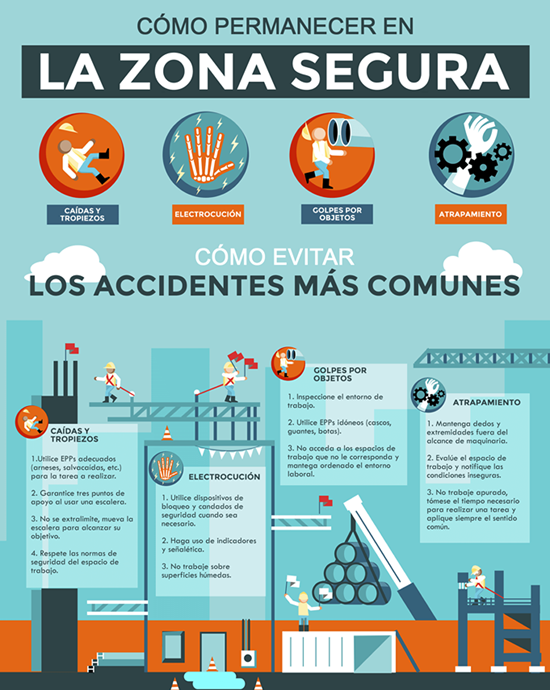
New Equipment Picture This – Spanish

Fuente: https://www.ademan.org


Upcoming Live Virtual Training Classes: Forklift Train the Trainer

Register for our next virtual forklift train the trainer class with live instructor. During this 6-hour class, you will learn how to train, evaluate and certify your forklift operators as specified by OSHA’s Powered Industrial Truck standard 1910.178. You will be actively engaging in instructor led training activities and interacting with other students. To receive your certification of completion, you will be required to pass a written exam that evaluates your comprehension.


Class Prerequisite

To attend this training course and certify your forklift operators you must have practical hands-on
knowledge, training and experience operating forklifts as required by OSHA standard 1910.178(l)(2)(iii).

Zoom System Requirements

Your computer will need to meet the following system requirements.

  • An internet connection – broadband wired or wireless
  • Speakers and a microphone – built-in or USB plug-in or wireless Bluetooth
  • A webcam or HD webcam – built-in or USB plug-in

Additional Requirements

To attend this course online, each registrant is required to:
• Log in with their unique email
• Have their webcam turned on during the whole course
• Microphones available to participate in interactive exercises.

NOTE:
• Working or driving during the course will result in dismissal.
• Groups attending on one login will be reminded to log in individually.

  • FREE – Limited to the first 40 RSVPs per class
  • Maximum of 3 participants per policyholder

Date Time (PT) Register Class Status
Wednesday, February 18, 2026 8:00 am Register Full
Wednesday, May 13, 2026 8:00 am Register Full
Wednesday, August 19, 2026 8:00 am Register Open
Wednesday, November 11, 2026 8:00 am Register Open