Machine Guarding: 7 Questions Everyone Should Ask
Did you know that machine operators suffer approximately 18,000 injuries [...]

This video is the perfect way to introduce new employees to general occupational hazards to which they may be exposed and to re-train experienced workers. Program includes basic safety rules, electrical hazards, powered equipment and machinery, back injury prevention, fire protection and more.
¿QUE ESTÁ EN RIESGO? El bloqueo/etiquetado/prueba es un procedimiento sencillo [...]
Los trabajadores se lesionan con frecuencia mientras intentan recuperar objetos [...]

¿QUE ESTÁ EN RIESGO? Las buenas noticias: La explosión del [...]

PREAMBLE Employees servicing or maintaining machines or equipment may be [...]
WHAT’S AT STAKE? Lockout / Tagout / Tryout is a [...]
WHAT’S AT STAKE? Lockout / Tagout / is series of [...]

PREAMBLE Employees servicing or maintaining machines or equipment may be [...]
INCIDENT Jose Melena, 62, worked at Bumble Bee’s plant in [...]

Lockout /tagout is an important safety measure to ensure that [...]

El bloqueo/etiquetado es una medida de seguridad importante para asegurar [...]
Wearing gloves around moving machinery can be a recipe for disaster, as a recent fatality in Colorado illustrates.
Using a foot to clear a jammed wood chipper sadly left the owner of a tree service company in Wisconsin with more than a leg injury.

This video is the perfect way to introduce new employees to general occupational hazards to which they may be exposed and to re-train experienced workers. Program includes basic safety rules, electrical hazards, powered equipment and machinery, back injury prevention, fire protection and more.
Key Takeaways: - Understanding the purpose of lock and tag [...]

Key Takeaways: - Understanding the purpose of lock and tag [...]

Key Takeaways: - Understanding the purpose of lock and tag [...]

Key Takeaways: - Recognize the purpose of lock and tag [...]
Energy control procedures (ECP) are required for any operations where unexpected energization, start up or release of stored energy could harm workers during the servicing or maintenance of machines and equipment.

You must annually review your lockout/tagout program and make updates and changes as needed. Copy or customize this checklist from the University of Washington to meet the needs of your LOTO program Annual Inspection and Training Assessment.
During the servicing and maintenance of machines and equipment, the unexpected startup or release of stored energy can result in serious injury or death. Injuries may include electrocution, burns, crushing, cutting, lacerating, amputating, or fracturing body parts. It’s estimated more than 120 deaths and over 50,000 injuries are prevented each year due to following proper lockout/tagout procedures.

Lack of LOTO procedures leads to worker’s death. A 46-year-old male employee was fatally injured when he was crushed by the upper ram of a rubber mixer.

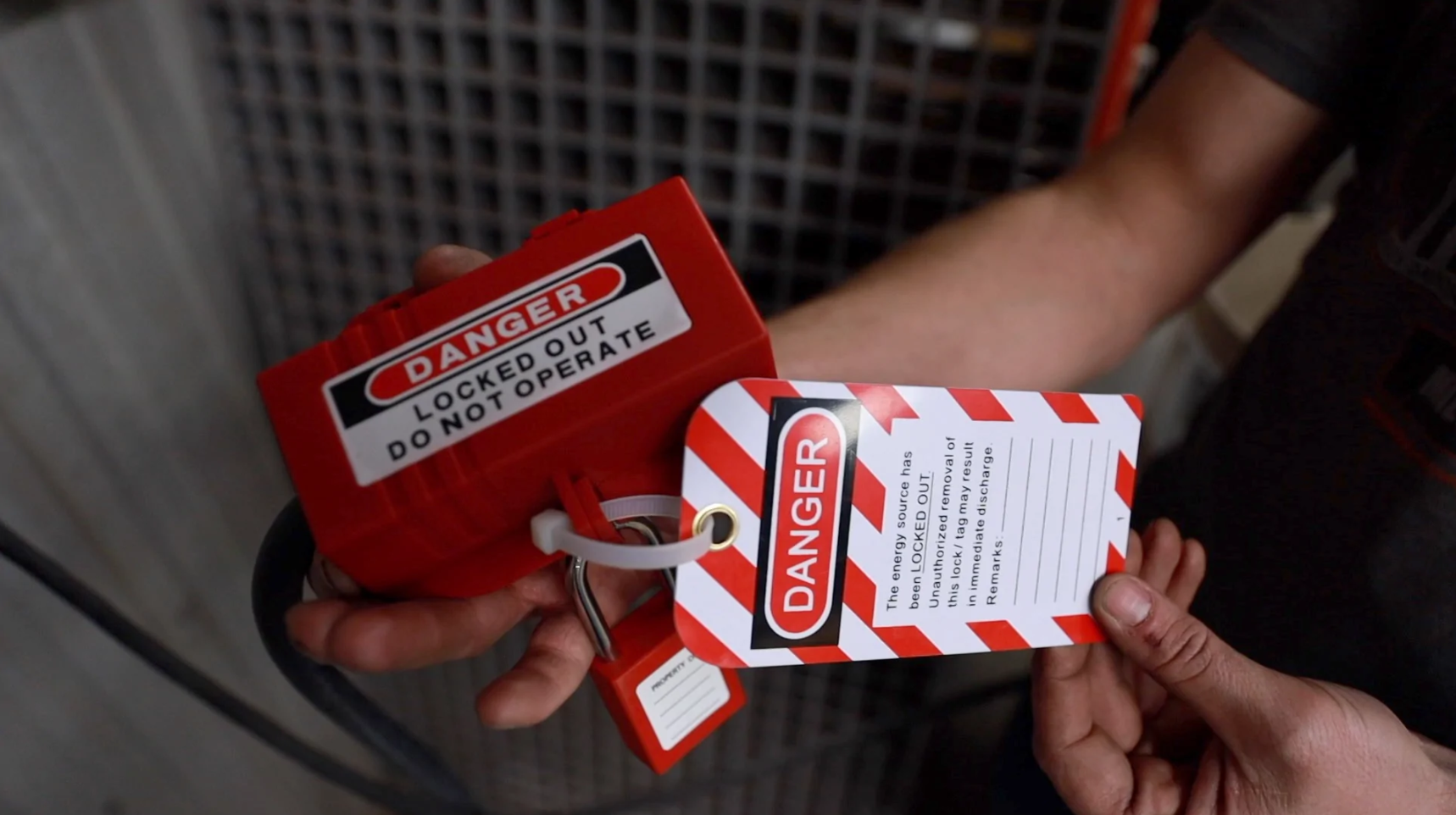
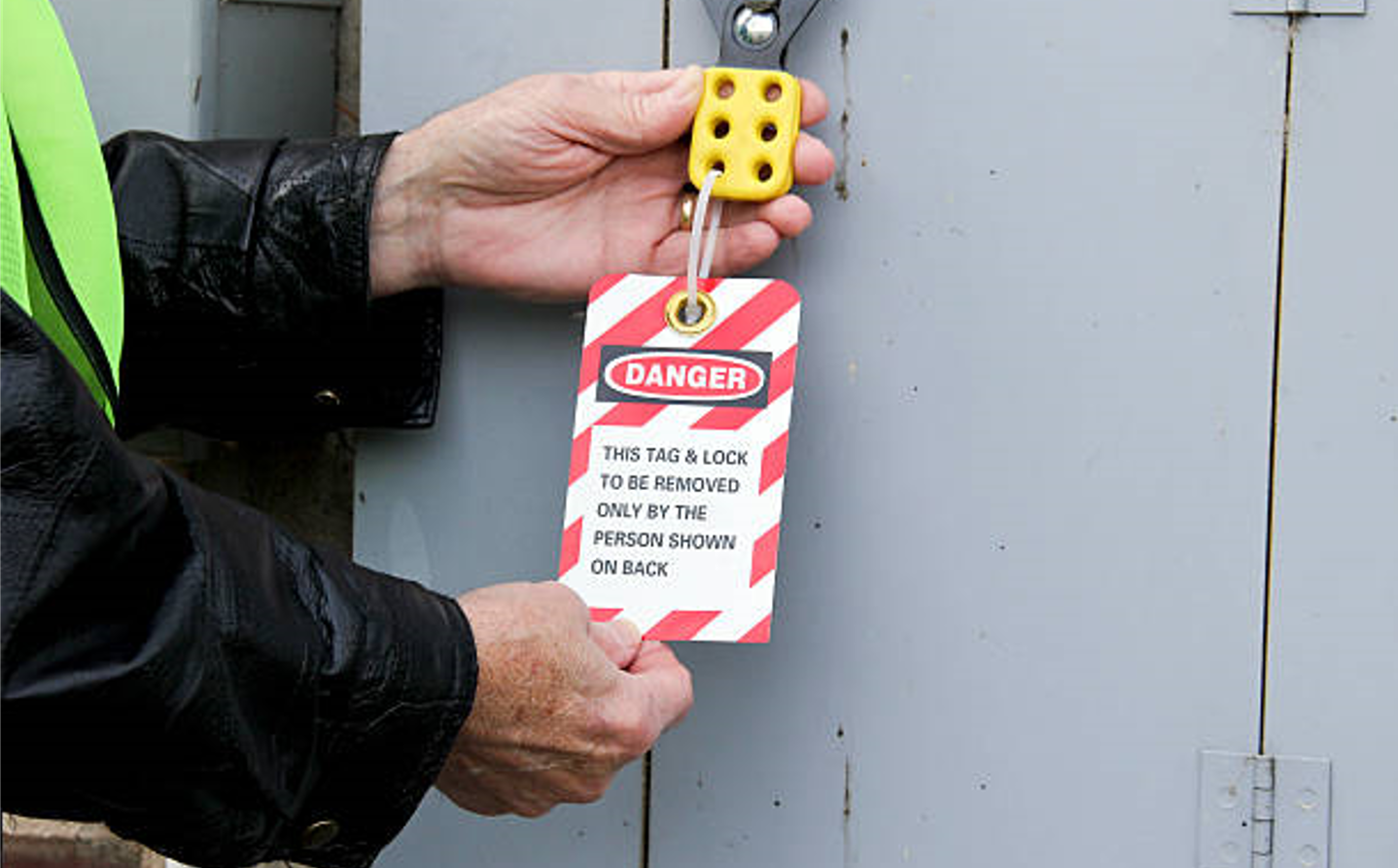
Companies have a duty to protect workers both while using equipment and machinery for their intended purpose and when repairing and maintaining that equipment. The primary way of fulfilling that duty is through what’s called “lockout,” which is when a equipment has been turned off and rendered inoperable with the use of a lock.

Safety devices like barrier guards that are designed to keep workers away from operating machinery don’t do much good when machines are shut down for maintenance and repairs. The danger is that the machinery will start up while being serviced and crush, electrocute, burn and/or amputate the limbs of workers performing the servicing operations. These incidents are typically caused by the inadvertent and unforeseen release of energy left in the system. That’s why OHS laws require you not only to turn off the machine but ensure it’s isolated from its energy source before servicing it. The way to do this is by implementing what’s called a lockout/tagout (LOTO) program.